Last updated: Apr 19, 2026
Laguna Hills experiences dry Mediterranean summers followed by wetter winters. Because of that pattern, full replacements are best scheduled to begin and finish in the dry months when the site stays as moisture-free as possible. Plan to start the tear-off after the last of the seasonal rains to minimize moisture exposure to underlayment and decking during installation. A dry window also helps avoid delayed curing, especially for lighter underlayments, and reduces the risk of water intrusion if an unexpected shower slips in.
When choosing the start date, aim for a stretch of reliably dry weather of at least a week. Coordinate with the crew so that roof decking and underlayment can be installed without rain exposure between stages. If a mild shower arrives mid-project, temporary tarping and careful sequencing can keep the interior dry, but avoid leaving open edges exposed overnight whenever possible. This reduces swelling in wood components and helps prevent fasteners from loosening due to moisture cycling.
Fall Santa Ana wind events in inland sections raise wind-uplift concerns for newly installed roof edges, tiles, and shingles if work is poorly sequenced or left exposed overnight. To counter this, ensure edging gets secured in a continuous, wind-checked sequence. Temporary edge protection or wind leaves should be used if a planned night with no secure edge is anticipated. Avoid long stretches of exposed underlayment, and finalize edge detailing before letting crew switch to high-shear tasks higher on the roof.
Communicate with the contractor about a staged completion plan that minimizes exposed sections during high-wind forecasts. If a large area must be left open temporarily, cover critical edges with a secure tarp and fasten it along the rake and eave lines to prevent uplift. In this climate, quick, methodical sequencing that ties down each section before moving to the next reduces the risk of blown-off shingles or tiles come morning.
Prolonged sun exposure accelerates asphalt shingle aging, making heat-related brittleness and granule loss common triggers for replacement in older roofs. If the roof is already nearing the end of its life, starting a replacement while summer heat dominates can help ensure the new surface is installed during the season with the most stable temperatures and highest crew productivity. For tile and metal options, the dry season still matters, but these materials respond differently to heat: tile benefits from staged heat conditioning during installation, and metal requires careful thermal expansion accommodation.
A practical approach is to schedule a mid-mollow of the dry season when temperatures are hot but not extreme, allowing the roof to acclimate before the peak heat of late summer. This helps prevent fasteners from loosening due to sudden temperature swings after installation. If a project must carry into late fall, plan for additional sun protection during the hottest hours and shorter, safer daily windows to avoid heat-related worker fatigue and material handling risks.
Begin with a thorough inspection to identify edge failures, loose tiles, or degraded underlayment that could worsen during Santa Ana events. Verify attic ventilation and ensure proper drip edge installation to minimize moisture intrusion. Schedule delivery of materials to sync with the dry period, preventing moisture exposure while stockpiles await installation. Confirm with the crew that a robust sequence is in place: deck -> underlayment -> flashing -> edges -> tile or shingle installation, with secure protection between stages. This targeted, locally tuned approach helps align with Laguna Hills' unique climate pressures and housing styles.
In pinch-point neighborhoods across the hillside, clay and concrete tile dominate the skyline. That local pattern shapes nearly every replacement project: broken field tiles, slipped tiles from wind gusts, and aging underlayment showing signs of wear long before the surface tiles fail. The durable look of tile often masks the real vulnerability below-the waterproofing layer that keeps water out during Irvine's seasonal showers and the Santa Ana winds that can bend and lift fasteners. For homeowners, paying attention to the condition of individual tiles like a cracked field tile or a loose hip tile is more practical than chasing an outright tile surface collapse.
When clay and concrete tile do their job, they shed sun and rain while the underlayment does the heavy lifting of waterproofing. The hot sun in Laguna Hills accelerates aging of underlayment, especially under tile systems where the visible surface can outlive the membrane underneath. Moisture intrusion may start at flashings, penetrations, or where tiles have shifted enough to expose underlayment edge, and the signs are often subtle: a dimpling along ridges, a slight discoloration at a ridge vent, or a few high spots where the membrane is stretched. Because underlayment ages differently from the tiles above, a replacement decision often centers on the membrane's condition rather than tile appearance alone. This is especially true after a series of winter rains, when moisture can penetrate a marginal seal and linger in hidden corners.
In this market, many repairs focus on the tile layer rather than a full-roof replacement. Expect to see field tiles that have cracked from hail or ground movement, slips from wind-lift in exposed eaves, and broken corner or rake tiles that release water into the underlayment seams. In Laguna Hills, the sheer presence of tile means that a misaligned or missing tile often signals a problem with the underlayment or the fasteners beneath. A frequent scenario involves damaged or degraded underlayment around penetrations-pipes, vents, and chimney flashings-where water has a better chance to seep in. Repairs that replace a handful of damaged tiles while reseating or resealing the underlayment seams can restore performance without a full roof tear-off.
Sun protection matters. Use tiles with appropriate coatings and check for color fading that accompanies long-term UV exposure. Inspect the attic after heavy rain or Santa Ana events for signs of moisture staining or unusual warmth near the roof deck. Regularly inspect flashing around skylights and chimneys, because those are the points where heat-driven expansion meets wind-driven movement. Clean gutters and downspouts to ensure water sheds away from the eave line, reducing the chance of water pooling at the fascia and signaling early membrane issues. For tile roofs, proactive tile replacement and targeted membrane checks are the most effective path to extending life without overhauling a whole system.
Santa Ana winds can disrupt or accelerate tile movement, while winter rains test the integrity of seals and underlayment. Timing a roof care plan to follow the end of the dry season, with a quick inspection after the first winter rains, helps catch issues before they worsen. Since tile-heavy homes are common here, a neighborly approach-checking a neighbor's slope after a gusty day-often reveals subtle problems before they become costly fixes. A thoughtful inspection routine emphasizes tile condition, underlayment integrity, and flashing performance to keep the system durable through the heat, wind, and rain cycles that characterize this area.
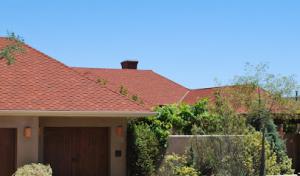
Find contractors who specialize in clay and concrete tile roofs, known for their durability and curb appeal.
Pacific Crest Roofing
(866) 595-9991 pacificcrestroof.com
25402 Gallup Cir, Laguna Hills, California
4.7 from 18 reviews

B.P. Custom Roofing
(949) 390-3627 www.bpcustomroofing.com
Serving
5.0 from 75 reviews
Quality residential roofing company in business since 1992 (License #652641 C-39)
South County Roofing
(949) 597-0192 southcountyroofing.com
Serving
4.7 from 27 reviews
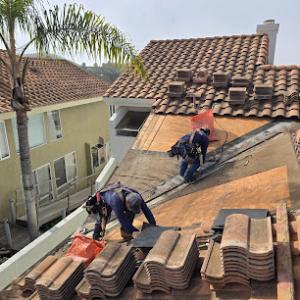
South County Roofing is a roof repair–only company located in Lake Forest, California, specializing in tile roof leak repair and tile roof maintenance for homeowners throughout Orange County. We focus on identifying the source of roof leaks and performing permanent, targeted repairs rather than recommending unnecessary roof replacement. Our work commonly addresses leaks caused by localized issues in valleys, skylights, chimneys, roof transitions, and field areas where water is concentrated. Services include professional roof inspections, roof leak detection, broken tile roof repair, flashing repair, and preventive roof maintenance. Our approach is based on experience, clear evaluations, and practical repair solutions tailored to each roof’s
Pacific Roofing Systems
(949) 495-4200 pacificroofingsystems.com
Serving
4.7 from 47 reviews
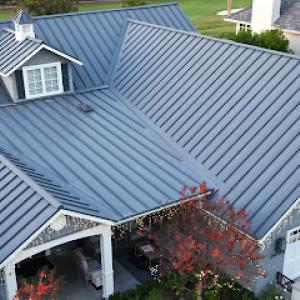
For over 25 years, Pacific Roofing Systems has been Orange County's trusted roofing expert. Specializing in all roofing types, from classic tile and composite shingles to modern metal and innovative green roofing solutions, they deliver premier roofing services for every need. As a VELUX 5-Star certified installer, Pacific Roofing Systems expertly installs and services the complete VELUX product line for both residential and commercial properties. Experience the difference of superior craftsmanship and dedicated customer service; Pacific Roofing Systems takes pride in using only the best products to exceed your expectations with every project.
Stay Dry Roofing
(949) 528-7663 staydryroofingmissionviejo.com
Serving
4.5 from 16 reviews
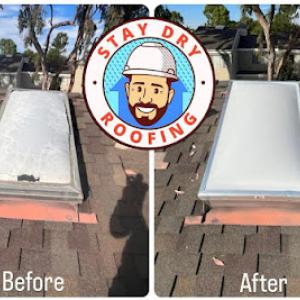
Stay Dry Roofing Company is a 3rd generation roofing company based in Mission Viejo. We are Mission Viejo's local and highly requested roofing team dedicated to protecting your home and business and keeping you Dry during winter. Our skilled team specializes in high-quality roofing solutions from new installations, roof repairs, 24 hour emergency roofing services, Metal Roofs to meticulous repairs and much more. We use only the finest materials, ensuring every project is built to last against the elements. Trust us to deliver professional expertise and a secure, long-lasting roof for your property. (949)-528-7663 (ROOF) Stay Dry Roofing Company License #911019
OC Custom Roofing
(949) 431-2220 occommercialroofing.com
Serving
5.0 from 7 reviews
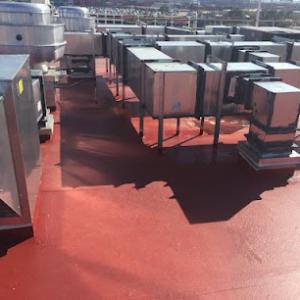
TAKE IT TO THE EXPERTS When installing a new roof on your commercial building, you want the best fit for your budget and building needs. There are many roofing companies to call on, but not all roofing companies are the same. OC Custom Roofing has a reputation for designing and installing quality roofs, custom fit for your commercial or industrial buildings. Our roofing experts and installers will answer any questions you may have throughout the roofing project, and will guide you through the process so that you are comfortable and knowledgeable of your new roofing system. Call today and set up an appointment with one of our experienced roofing consultants. You can be sure that you are getting a quality roof installed by a company you ca...

Crown Reconstruction Services
(866) 702-7696 crownreconstructionservices.com
Serving
5.0 from 16 reviews
We are a full-service general contractor based in Laguna Beach, CA, offering comprehensive project management and skilled workmanship for residential and commercial construction. From initial design and planning through to construction and finishing touches, we coordinate every aspect of your project with licensed, insured professionals. Whether you’re remodeling a kitchen, repairing a foundation, or renovating an entire home, we ensure quality, reliability, and open communication throughout. With over 70 combined years of experience in coastal Orange County communities, we understand local codes, climate challenges, and design tastes — delivering durable and attractive results that increase your property’s value.
Di Rock GC & Roofing
(949) 545-1976 www.dirockgc.com
Serving
5.0 from 49 reviews
Established in 2010, DiRock General Contracting & Roofing safeguards Orange County homes with expert roof care. Their licensed and insured team offers a complete range of services, from inspections and repairs to replacements. DiRock prioritizes client collaboration and utilizes skilled craftsmanship to ensure your roof's long-lasting protection. Please reach out and make the call!
City Roofing & Maintenance
(949) 500-3980 www.cityroofingandmaintenance.com
Serving
5.0 from 31 reviews
The integrity of your roof, on a personal residence, rental property or business, is vital. Choosing the best roofing contractor should be simple. At City Roofing and Maintenance, (CR&M) our philosophy is also simple: "Your satisfaction is our priority." We ensure our clients a seamless and professional experience regardless of job size, material installation, timeline or price. CR&M clients always feel respected and appreciated.

Rod's Roofing Company
(949) 212-3557 www.roofingsanclementeca.com
Serving
4.7 from 14 reviews
If your roof is in a state of disrepair or looking worn-out, you need a local roofing company you can trust to restore it or replace it. That's where Rod's Roofing Company comes in. We offer professional roof replacement, repair and reroofing services to homeowners throughout San Clemente, CA and the surrounding areas.

McCormack Roofing, Construction & Energy Solutions
(714) 777-4040 mccormackroofing.com
Serving
3.9 from 42 reviews
McCormack has a decades-long history of providing quality residential roofing, commercial roofing, HOA roofing, construction, and energy-related contracting services throughout Southern California.We are able to help with many improvement projects on your home or business. We can install new windows, roofing systems, solar roofing, Tesla Solar Roofs, attic insulation, entry doors, exterior painting, LED lighting and HVAC systems.Located centrally in Orange County, Irvine to be exact, we have construction crews actively working all year round in the Southern California area.After almost 25 years in business, we will be here to stand behind any construction project we do for decades more to come. Get the best roofing contractor here.
Beach Cities Roofing
Serving
5.0 from 17 reviews
We install FiberTite roofing, known for its leak-proof and energy-efficient design. Our skilled roofing contractors handle installations and roof repair services for residential and commercial properties. Need solar? Our solar panel installers provide professional installation and solar panel repair to keep your system running smoothly. We also offer construction services, including siding, windows, and masonry work. Whatever your project, we’ve got the expertise—get started today!
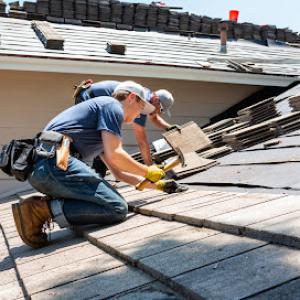
Rational Roofing Services
(714) 794-9697 rationalroofingservices.com
Serving
4.9 from 16 reviews
At Rational Roofing Services, we provide reliable, high-quality roof repair, replacement, and emergency services in Orange County, CA. With over 10 years of experience, our licensed and insured roofing contractors use top-quality materials to ensure lasting results. We offer free estimates and 24/7 emergency roofing services to keep your home protected year-round. As a family-owned business, we treat every home like our own, delivering professional, efficient service. Need roofing help? Call Rational Roofing Services today for trusted local expertise in Costa Mesa and beyond
In Laguna Hills, full roof replacements require a permit through the City of Laguna Hills Building Department. That permit is not a mere formality; it ties your project to an approved plan, protects you from future inspection surprises, and helps ensure the work aligns with local zoning, fire codes, and structural considerations. Before any shingle tab comes off, verify the permit status with the city and confirm the scope of work documented by the contractor matches what will be done on the roof. If a permit is missed or delayed, you risk enforcement action, delays, and potential rework that costs more time and money than the permit itself.
A mandatory inspection follows completion to verify critical installation details. The inspector will look for proper nailing patterns, underlayment choices, and the presence and correct installation of the vapor barrier. These elements matter here because Laguna Hills sun and Santa Ana wind exposure can strain fastening and moisture control. If any component is not installed to code or if penetrations are not correctly flashed, you may face callbacks or required corrective work-even after the visible part of the job looks finished. Plan for the inspection window in your project schedule so you're not caught with a partial handover or a delay that slows next weather-readying steps.
Depending on the roof assembly and scope of work, inspections may require attention to ventilation-especially in homes with attic spaces that trap heat or encounter utility run paths that influence airflow. Adequate venting helps temper heat buildup and reduces risk of moisture-related issues during Santa Ana seasons or winter rain events. Seismic considerations may also come into play for certain tile or metal systems, or when replacing decking components in conjunction with the roof. The inspector will assess whether the chosen materials and installation approach maintain the structural integrity and performance under local wind and seismic expectations. If your plan includes adding or altering vents, fans, or roof-to-wall connections, be prepared to show how those changes integrate with the overall system.
Your contractor should submit the permit package early and align shop drawings, product data, and installation details with city requirements. Keep a copy of all permit approvals, inspection notices, and correspondence in a weatherproof folder with project photos taken at key milestones. If the city requires a field correction during the inspection, address it promptly to avoid project delays and re-inspection fees. In this market, patience with the permit and inspection path pays back in a smoother, more durable roof that stands up to Laguna Hills' particular climate and housing stock.
You'll find local cost ranges for common roof materials run from about 350 to 650 USD per square for asphalt shingles, 700 to 1100 for metal, 900 to 1800 for clay tile, 800 to 1400 for concrete tile, 850 to 1700 for wood shingles or shakes, and 600 to 1000 for synthetic or composite shingles. Those figures reflect the inland South Orange County heat you know, plus the way Laguna Hills weather can push material choices toward greater durability when you plan a reroof. For a typical 1,000-square-foot roof, that translates to a wide spread you'll want to factor into your budgeting and selection.
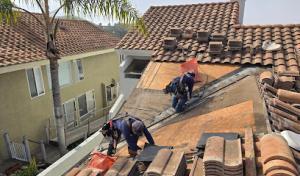
Laguna Hills homes with tile-heavy roofing aren't just swapping shingles; crews often handle tile removal, sorting, replacement of broken pieces, and underlayment work. That means the labor time can be longer and the crew may need to bring more specialized tile-handling gear. If your property features clay or concrete tile, expect higher labor costs than a straight shingle replacement, even before material prices are factored in. This is especially true when the existing roof has multiple layers or irregular transitions around hips, valleys, and vents.
Project timing affects pricing locally because winter rain delays can tighten scheduling windows, while post-wind repair surges can spike demand for crews after Santa Ana events. In a Santa Ana season, you may face compressed timelines to finish a full replacement before rain or heat waves resume. Permit processing and inspection coordination add to full replacement logistics, so you'll want a plan that aligns with dry periods and crew availability. If you're balancing tile-heavy replacement with a roof that sees hot sun all day, you'll also trade shorter lifespan for longer-lasting tile or metal options, which can alter the cost trajectory over the life of the roof.
Asphalt remains the most economical entry point, but heat and sun erosion drive many homeowners to consider metal, clay tile, or concrete tile for longer-term performance in this climate. Metal can handle wind and heat well, while clay and concrete tiles resist sun-driven aging and provide a classic look for many Laguna Hills homes. Wood shingles or shakes offer a distinctive style but may require more maintenance in this dry, wind-prone environment. Synthetic or composite shingles deliver a balanced option for cost and durability if you want a tile-like aesthetic without the weight.
Get a clear picture of your project costs upfront - no commitment required.

You are operating in a California insurance environment where periodic pullbacks can catch homeowners off guard. In reroof decisions, the condition of the existing roof and the documentation you provide can matter more than in markets that feel more stable. Because Laguna Hills sits in a region with intense sun and seasonal Santa Ana winds, insurers scrutinize whether the roof is approaching the end of its life, not just whether it leaks today. A clear, honest record of the roof's age, wear patterns, and any prior repairs helps prevent surprises when an adjuster reviews the file after a wind event or a heavy rain shower.
When a claim is filed, expect adjusters to zoom in on photos that show both the current condition and the pre-loss state. Your best defense is to have a concise, well-documented history: dated photos from different seasons, notes on prior damage, and a scope that aligns with observed wind, leak, or material-specific damage. Broad replacement language can raise questions if the evidence does not clearly support a full roof replacement. In practice, a narrower scope that matches the actual damage is more likely to move through the process smoothly, especially if wind-driven debris or aging under the sun is evident.
Wildfire and wind risk factors in Southern Orange County Payroll markets loosely translate into your policy's underwriting and premium considerations. Material choice matters beyond aesthetics: stronger, wind-resilient options paired with proven installation methods may influence coverage acceptance and future renewals. Proof of proper installation becomes additional evidence that the chosen material will perform under Santa Ana gusts and occasional ember exposure. If a claim turns into a longer dispute, having a documented installation approach-particularly for tile or metal systems that resist wind uplift-can be the difference between a straightforward repair claim and a broader evaluation.
Focus on building a concise dossier tied to the roof's age, visible wear, and any weather-related incidents in the last few years. Keep a running record of contractor assessments and professional opinions about the roof's remaining life and the appropriateness of the proposed replacement scope. When meeting with an adjuster, present the evidence that directly ties the observed damage to wind or rain events, and avoid broad, non-specific language about a total replacement unless the damage truly warrants it. In this environment, clarity and targeted documentation help guards against downstream surprises in future renewals or claims.
Connect with contractors who help homeowners navigate the claims process from damage assessment to final approval.
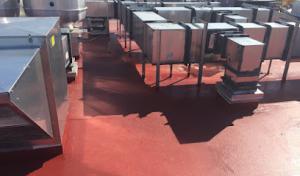
Although the area is known for pitched residential roofs, there is meaningful demand for flat or low-slope work on patio covers and additions. Those sections often carry more risk because water can sit longer on a shallow plane and flashing details are exposed to Santa Ana wind gusts and December rain bursts. The mix of coastal humidity, drought, and heat swings accelerates aging of underlayment, which means trouble can show up first at detail joints, not across wide roof fields.
Skylights are a common weak link on older or remodeled homes. In Laguna Hills, winter rain tends to reveal flashing weaknesses quickly around skylights and roof transitions that may stay unnoticed during the dry months. When inspecting, start with the skylight curb and the surrounding sealant. Look for hairline caulking cracks, loose metal flashing, and any staining on the interior ceiling near the skylight. Pay attention to step-down transitions where a low-slope section meets a steeper field; those joints often trap dirt and trap moisture, inviting rust or rot in the underlayment.
Winter rains are the stress test for low-slope areas. If a roof has stayed dry through the summer but shows a damp spot after a storm, that is a red flag for flashing and underlayment integrity. Coastal humidity can mimic early aging of synthetic membranes while heat swings dry out seals, making corners and terminations more failure-prone than broad fields. Plan proactive resealing or flashing upgrades around skylights and transitions before the next wet season to avoid sudden leaks.
Focus your checks on any low-slope runouts, deck-to-flashings, and patio cover connections. Confirm membrane seams are intact and that edge fasteners grip securely. Clean debris from drainage outlets that feed into these areas, since blockages amplify standing water risk. Document signs of wear with photos and schedule a targeted inspection if you notice bubbling, localized staining, or cracking around skylights and transitions.
Find specialists in TPO, EPDM, and built-up flat roofing systems for residential and commercial properties.
Sunny South Orange County exposure makes solar-adjacent roof work a practical planning issue. When reroofing around solar, you'll want a sequencing plan that aligns panel layout with the roof's fastener pattern, underlayment laps, and ventilation details. Tile-heavy homes and those with shingle roofs in this area require deliberate coordination so the solar mounting points don't compromise tile integrity or shingle seals. Coordinate with a crew that can stage the roof replacement to preserve ventilation and drip edge alignment for efficient solar integration.
On tile and shingle homes alike, warranty value depends heavily on whether the roof system is installed to pass local inspection requirements for fastening, underlayment, and ventilation details. In practice, that means the roofer should show consistent fastening schedules, proper underlayment overlap, and correct venting placement before and after solar components are added. A robust warranty will cover both roof performance and any solar attachments, but only if the base roof installation meets the expected inspection criteria. Ensure the contractor can articulate how solar hardware interacts with flashing, ridge tiles, and valley protection.
The local contractor signal mix shows warranty and solar capability are present but not dominant, so homeowners may need to verify whether a roofer truly handles integrated reroof-plus-solar coordination. Ask for a combined project scope that outlines roof replacement steps alongside solar racking positions, electrical conduit routing, and warranty documentation that explicitly references both systems. Seek a installer who can demonstrate past Laguna Hills projects with successful sequencing between roof replacement and solar installation, and who can provide a plan for maintaining performance during Santa Ana wind seasons and winter rains.
Find contractors who integrate solar panels or solar shingles into your roof for long-term energy savings.