
Last updated: Apr 19, 2026
Tile roofs are a natural fit for the town's Spanish and Mediterranean-inspired homes, where clay and concrete tile are not just common but architecturally expected. The warm Santa Ana winds carry a dry, gusty punch that can test the joints, ridges, and underlayment more than they show from street level. In this climate, tile looks right and performs well, but the wind can shift and lift components, creating leak paths even when the surface appears intact from the ground.
The Santa Ana wind events in South Orange County bring brief but powerful gusts that can move field tiles and ridge components enough to loosen fasteners, crack bonding, or bend edge tiles. When tiles shift, water can travel beneath the surface and reach underlayment or decking, especially around valleys and edge details. Some homes with older tile roofs have underlayment that has degraded over time, making the risk of leaks higher even if the tiles themselves look fine. The wind can also stress ridge caps, which are essential for keeping rain out along the roof's peak. In this market, the most common issues are not tossed tiles so much as underlayment exposure and marginal ridge connections that failed to seal properly in previous wind events.
Clay and concrete tiles offer durability and a long service life, but wind can exploit weak points. A typical scenario is loose or broken field tiles caused by wind-driven movement, which opens a narrow crack that channels water under the tile row. That path often collects along a collar around the fastener or at the edge of a tile. Ridge components are especially susceptible; wind can pry away ridge tiles or lift their bedding, allowing water to bypass the covering at the roof plane. The underlayment beneath older tile is a frequent culprit: if the layer has become brittle or is incorrectly installed, it may allow moisture to penetrate even when the tile surface looks intact. In older neighborhoods near the Mission district, historic homes sometimes feature underlayment that hasn't been updated to modern standards, making lift-and-reset decisions more common than full tile replacement.
Start with a walk-around after any significant wind event. Look for displaced or cracked tiles, especially along the edges, at roof-to-wall junctions, and around ridge lines. Check ridge caps for looseness or gaps that could channel wind-driven rain into the attic or ceiling. From the ground, you may notice a few tiles that look out of place; inspect the tiles from above if safe, but avoid stepping on damaged areas. Pay particular attention to the underlayment area near valleys, penetrations, and chimney flashings, since these are common leak paths when the surface appears intact. For older homes, consider a lightweight inspection of the attic or crawlspace to see if there are signs of moisture staining, tarry smells, or soft decking that indicates underlayment failure. In this market, a proactive lift-and-reset cycle can reduce long-term risk more effectively than waiting for a visible leak.
If tiles are still sound but wind has shifted them, lifting and resetting is often the most economical and effective approach. Re-seating can restore a watertight seal around battens and bedding, and it gives an opportunity to resecure ridge caps and replace any degraded fasteners. If tiles are cracked or chipped beyond simple re-seating, replacement with matching clay or concrete tiles preserves both function and appearance. Underlayment under older tiles is another frequent call for action: if evidence of moisture intrusion exists or the underlayment has degraded, upgrading the underlayment during a lift-and-reset can provide a longer-term barrier against leakage. In cases where ridge components have sustained damage or become loose, re-bedding and re-fastening ridge caps is essential to maintain a continuous barrier against wind-driven rain.
Plan a targeted inspection after windy periods, focusing on field tiles, edge rows, and the ridge area. Maintain a lightweight toolkit to help you lift and re-seat tiles safely when minor movement is detected, but avoid extensive work yourself if there are signs of underlying underlayment damage or structural concerns. When in doubt, prioritize a professional assessment to determine whether underlayment needs upgrading or if a measured lift-and-reset will restore the roof's wind resilience. This approach helps preserve the architectural look that defines these streets while safeguarding against leak pathways created by Santa Ana winds.
Find contractors who specialize in clay and concrete tile roofs, known for their durability and curb appeal.

RESCUE ROOFER San Juan Capistrano
(949) 493-8927 www.rescueroofer.net
31726 Rancho Viejo Rd, San Juan Capistrano, California
5.0 from 2 reviews
Rescue Roofer is proud of two, very important things: The industry’s most top-notch people, and policies and procedures to offer the industry’s most thorough and proactive communication. Rescue Roofer's mission to change the construction experience has cemented the company as San Juan Capistrano's premier roofing service. We've expanded into our second market in Texas and are growing into neighborhoods across the nation. License #: 1137524
JRT Roofing & Waterproofing
(949) 749-2721 www.jrtroofing.com
Serving
4.7 from 36 reviews
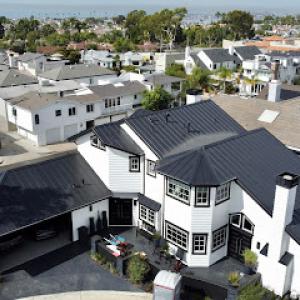
JRT Roofing & Waterproofing provides complete roofing, waterproofing services in and around the Capistrano Beach, CA area.
J L Ray
Serving
4.7 from 120 reviews
J.L. Ray has been a professional roofing contractor in San Clemente since 1989. We can reroof, restore, fix virtually any roof type for residential homeowners, commercial businesses and even work with planned developments. We have a dedicated team of highly skilled Roofers, full-service Roof Repair contractors that serve Orange County CA, Newport Beach, Dana Point, Laguna Beach, Irvine, Laguna Niguel and surrounding areas. We are committed to getting the job done right, on time and with the highest level of customer satisfaction. We are a Roofing Company that produces the highest quality roofing work through uncompromising workmanship; building long lasting relationships with our customers through honesty, forthrightness, and integrity.

Rod's Roofing Company
(949) 212-3557 www.roofingsanclementeca.com
Serving
4.7 from 14 reviews
If your roof is in a state of disrepair or looking worn-out, you need a local roofing company you can trust to restore it or replace it. That's where Rod's Roofing Company comes in. We offer professional roof replacement, repair and reroofing services to homeowners throughout San Clemente, CA and the surrounding areas.

B.P. Custom Roofing
(949) 390-3627 www.bpcustomroofing.com
Serving
5.0 from 75 reviews
Quality residential roofing company in business since 1992 (License #652641 C-39)
Purpose Roofing & Waterproofing
(949) 409-5450 www.purposeroofs.com
Serving
4.4 from 23 reviews
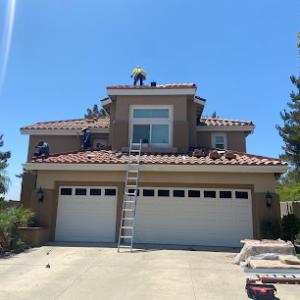
Purpose Roofing & Waterproofing is a full service Residential, HOA and Commercial roofing and waterproofing contractor based in Orange County, CA. We are fully licensed, bonded and insured, serving all of Southern California. It's more than just a name, our PURPOSE is to service our clients and ensure the best possible result for each and every project. PURPOSE is dedicated to meeting the specific needs of our clients with services tailored to the individual project. We are small enough to insure hands-on involvement by key personnel, yet able to offer a degree of professionalism and attention that is unsurpassed.
South County Roofing
(949) 597-0192 southcountyroofing.com
Serving
4.7 from 27 reviews
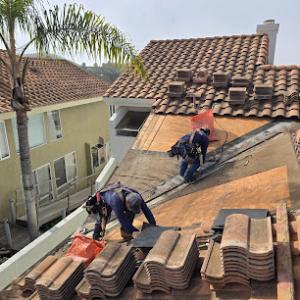
South County Roofing is a roof repair–only company located in Lake Forest, California, specializing in tile roof leak repair and tile roof maintenance for homeowners throughout Orange County. We focus on identifying the source of roof leaks and performing permanent, targeted repairs rather than recommending unnecessary roof replacement. Our work commonly addresses leaks caused by localized issues in valleys, skylights, chimneys, roof transitions, and field areas where water is concentrated. Services include professional roof inspections, roof leak detection, broken tile roof repair, flashing repair, and preventive roof maintenance. Our approach is based on experience, clear evaluations, and practical repair solutions tailored to each roof’s
Green Roof Designs
(844) 344-7663 greenroofdesigns.business.site
Serving
4.7 from 27 reviews
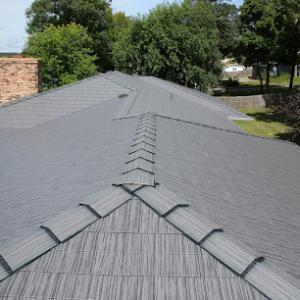
Green Roof Designs specializes in residential and commercial roofing. With over 40 years in the industry, our family owned and operated roofing company has been an industry leader from the start. GAF Certified Roofing contractor - 50 year warranty with Composition Shingle roofing materials. With a background in general construction, and roof installation systems our team is highly trained to handle any roofing product that may come our way. When you give Green Roof Designs a chance to work with you once, we will win your business for life! Simply give us a call and talk to an amazing member of our staff, they are waiting for your call today! Some of the products that are installed on a daily basis include: Eaglegreen roof designs Certain...

Crown Reconstruction Services
(866) 702-7696 crownreconstructionservices.com
Serving
5.0 from 16 reviews
We are a full-service general contractor based in Laguna Beach, CA, offering comprehensive project management and skilled workmanship for residential and commercial construction. From initial design and planning through to construction and finishing touches, we coordinate every aspect of your project with licensed, insured professionals. Whether you’re remodeling a kitchen, repairing a foundation, or renovating an entire home, we ensure quality, reliability, and open communication throughout. With over 70 combined years of experience in coastal Orange County communities, we understand local codes, climate challenges, and design tastes — delivering durable and attractive results that increase your property’s value.
Pacific Roofing Systems
(949) 495-4200 pacificroofingsystems.com
Serving
4.7 from 47 reviews
For over 25 years, Pacific Roofing Systems has been Orange County's trusted roofing expert. Specializing in all roofing types, from classic tile and composite shingles to modern metal and innovative green roofing solutions, they deliver premier roofing services for every need. As a VELUX 5-Star certified installer, Pacific Roofing Systems expertly installs and services the complete VELUX product line for both residential and commercial properties. Experience the difference of superior craftsmanship and dedicated customer service; Pacific Roofing Systems takes pride in using only the best products to exceed your expectations with every project.
Stay Dry Roofing
(949) 528-7663 staydryroofingmissionviejo.com
Serving
4.5 from 16 reviews
Stay Dry Roofing Company is a 3rd generation roofing company based in Mission Viejo. We are Mission Viejo's local and highly requested roofing team dedicated to protecting your home and business and keeping you Dry during winter. Our skilled team specializes in high-quality roofing solutions from new installations, roof repairs, 24 hour emergency roofing services, Metal Roofs to meticulous repairs and much more. We use only the finest materials, ensuring every project is built to last against the elements. Trust us to deliver professional expertise and a secure, long-lasting roof for your property. (949)-528-7663 (ROOF) Stay Dry Roofing Company License #911019
Forefront Roofing
(800) 702-5032 www.forefrontroofinginc.com
Serving
5.0 from 105 reviews
Forefront Roofing is a family owned and operated roofing company that serves Orange County and Los Angeles. We specialize in residential and commercial roofing services, including new roof installations, roof repairs, and roof replacements. Our team of highly skilled and experienced roofers is dedicated to providing the highest quality workmanship and customer service. At Forefront Roofing, we understand the importance of a safe and reliable roof for your home or business. That's why we use only the highest quality materials and state-of-the-art techniques to ensure that your roof is built to last. Whether you need a small repair or a complete roof replacement, we are committed to providing you with the best possible service.
San Juan Capistrano's dry-to-wet seasonal swing means many hidden defects only show up once winter rain arrives after long summer exposure. That means your roof can look fine in September and suddenly reveal problems when the first substantial downpour arrives. Tile roofs, flat flashings, old valleys, and skylight transitions are often the weak links that fail under a sustained rain, especially after months of sun and Santa Ana gusts. The risk isn't just a small drip-it's interior damage that can escalate quickly if not addressed.
As winter sets in, you should be scanning for telltale signs of trouble around transitions and fasteners. Look for loose or displaced tiles, cracked clay or concrete tiles, and any gaps at valleys or chimney lines. Pay close attention to skylight flashings and roof-to-wall junctions near the Mission district's older neighborhoods, where aging components tend to accumulate wind-driven wear. If you see any granule loss, rust at metal flashing, or stray water marks on ceilings near interior walls, treat it as a leak risk spike, not a drought anomaly.
Replacement timing is more favorable in the dry season in Orange County, while winter projects carry higher risk of schedule interruptions and temporary dry-in periods. If a roof repair or full replacement can be scheduled during the late spring or early fall, it reduces the chance of weather-driven delays that compress labor and material delivery. In winter, even a small delay can leave you vulnerable to back-to-back storms before a proper dry-in can be completed. Plan with contingencies and maintain a ready plan B for temporary waterproofing if a rain event arrives sooner than expected.
Homes with aging valleys, flashings, skylight transitions, or displaced tiles are especially vulnerable to sudden interior leaks during the first meaningful rain events. In older neighborhoods, a handful of compromised sections can funnel water into attic spaces and ceilings in ways that aren't obvious from the exterior. If you rely on a non-vented attic or if the roof has mixed materials, set up a focused inspection with an experienced roofer who can trace the leak path through roof penetrations and along flashing joints. Remember that wind exposure can lift tiles or loosen mortar along the hip and valley lines, turning a minor flaw into a flood risk with a single storm.
If rain is imminent and you can't safely seal every potential entry point, cover exposed areas with heavy-duty tarps and ensure edges are weighed down to resist wind uplift. Clear gutters and downspouts of debris so water can shed away from the fascia and walls, reducing backflow risk during heavy downpours. Maintain access to attics and crawl spaces so you can monitor for dampness after a storm, and contact a local roofer if you notice a sudden wet spot that grows after each rain shower. In a town where history and weather meet, proactive management this winter protects both your roof's longevity and your home's interior comfort.
When you can't wait, these contractors offer fast response times to stop leaks and prevent further damage.
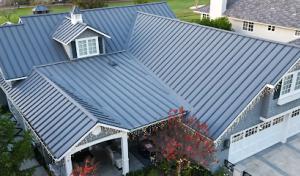
Local pricing in this city reflects a long-standing preference for tile-roofed homes, which dominate the look and feel of many neighborhoods. Tile and tile-compatible underlayment systems cost more than basic asphalt re-roofs, so you'll see higher baseline bids even before any specialty work is added. That means the same roof dimension can land in a higher bracket if the project must match existing tile profiles or incorporate matching colors and textures. For hillside-adjacent lots or older streets near the Mission district, expect staging, debris handling, and access challenges to push costs upward, even for a straightforward replacement.
When you're weighing material choices, the local reality is that Orange County labor demand and style matching push many homeowners toward premium tile and composite options. Clay tile and concrete tile are common in the region's traditional forms; metal accents and premium composites can help reproduce the look without the weight of full tiles in some cases. Here are typical ranges to guide budgeting, keeping in mind that exact pricing varies by contractor, roof complexity, and site access:
In this city, matching existing architecture matters. If your home features classic Mission-style lines or a visible clay tile roof, moving toward clay tile or concrete tile helps preserve curb appeal and resale value. Metal accents can mimic the old-world feel while offering lighter weight or greater wind resistance in certain configurations. Premium composites provide color stability and longer service life in windy Santa Ana breeze days, which helps mitigate long-term maintenance costs. If the home sits on a slope or narrow street, plan for slightly higher costs to accommodate careful material handling and hoisting.
Tile roofs handle wind well when properly installed, but the risk of wind-driven leaks rises if fasteners or underlayment aren't up to local conditions. Expect a higher initial investment where wind exposure is stronger or where older neighborhoods demand careful integration with existing rooflines. A well-coordinated replacement that respects the tile profile and uses compatible underlayment can reduce future leak risk and extend the roof's life in this climate.
A full re-roof in this jurisdiction typically requires a permit, and the permit is usually pulled by the licensed roofing contractor through the local building department. Before any tear-off begins, confirm that the contractor will handle the permit process and keep copies of all stamped plans and inspections on site. In neighborhoods with historic or architecturally sensitive character, the building department may have additional review steps or documentation requirements, especially if the roof changes the visible silhouette or uses materials that differ significantly from the existing look. Expect a brief coordination window with code officials to verify tile compatibility, roof penetrations, and flashing details, particularly in areas where multiple structures share common eaves or parapets.
The typical inspection flow starts with an in-progress underlayment or rough inspection. This check helps ensure the proper layering, fastener patterns, and ventilation setup are in place before the roof deck is sealed. Pay attention to nailing patterns, as improper spacing or misdrilled fasteners can compromise wind resistance-an important factor in the Santa Ana wind exposure common to this region. The rough inspection also covers hatch and drainage provisions, ensuring valleys, ridges, and transitions will perform under wind-driven rain without creating leaks. After the underlayment pass, a final inspection follows once the roof is dried-in and all penetrations are sealed, including vents, chimneys, and skylights. The final review confirms material type, alignment, and overall finish, along with proper attic ventilation and eave soffit intake. Keeping a detailed log of every stage, including photos of flashings, penetrations, and any repairs, helps speed the final check and reduces the need for re-inspection.
Because this area includes older homes and architecturally sensitive neighborhoods near the Mission district, homeowners should confirm whether any property-specific review constraints apply before changing visible roofing materials. Some districts may require color, profile, or texture matching to preserve the streetscape or to comply with design guidelines. If you are replacing a tile or modifying roofline features, check whether a consult with a planning or historic preservation staff member is advisable or required. In practice, this means coordinating early with the contractor and the building department to identify any covenants, historic overlays, or setback considerations that could influence material choices, including tile type, color, and profile. Planning ahead helps ensure the permit path remains smooth and that the final roof harmonizes with the neighborhood's character while meeting current wind and weather standards.
In this inland-coastal corner of Orange County, the insurance market has tightened, and San Juan Capistrano homeowners may face more scrutiny on roof age, condition, ventilation, and defensibility when renewing or filing claims. That means carriers want a clearer story about what sits on your home and why it will keep doing its job. A roof that looks aged or poorly ventilated can trigger questions about risk, even if a recent repair seemed minor. Understand that the change is practical, not personal: it affects how easily a claim progresses and how quickly a policy renews with the same terms.
Insurers increasingly want clear photo documentation, installation details, and maintenance records, especially after wind-driven rain, wildfire smoke exposure, or disputed storm-loss claims. Take current, landscape-quality photos of every angle, focusing on ridge lines, flashing, and any visible wear. Keep a running folder of maintenance notes, attic ventilation checks, and any professional evaluations. If there is wind-driven rain or any smoke exposure from nearby fires, document the timing and the condition of the roof before and after, because those specifics often influence how a claim is interpreted.
Material choice matters locally because heavier tile systems, older wood products, and aging roofs can affect underwriting conversations differently than newer code-compliant replacements. Concrete or clay tile, common on the Mission-style homes in the area, may demand extra attention to fasteners, underlayment, and flashing details to demonstrate defensibility against weather-driven leaks. If a roof has seen its share of Santa Ana winds, that history should be clearly explained with notes from inspections and any remedial work. For homes near older historic neighborhoods, insurers may seek extra reassurance about preservation of architectural integrity and historical materials, alongside resilience.
Build a concise, organized packet: current photos, a simple diagram of roof layers, recent service notes, and any third-party assessments. Store digital copies in a cloud folder and label them by date and event. When discussing coverage, present a straightforward narrative: the roof's condition, ventilation status, and steps taken to address prior issues. Being precise about what exists now-and how it has been maintained-reduces back-and-forth and supports a smoother conversation with your carrier.
Connect with contractors who help homeowners navigate the claims process from damage assessment to final approval.
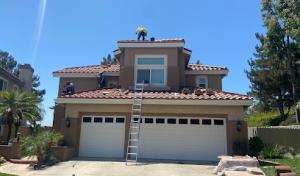
Clay tile aligns well with the city's historic and Spanish-influenced architecture, making it a natural visual fit for many older neighborhoods near the Mission. The long-term performance, however, hinges on the underlayment and roof deck beneath. In a climate with Santa Ana winds, ensure the underlayment is continuous, weather-tight, and rated for high wind exposure. A retrofit with closed-cut or upgraded underlayment can significantly reduce wind-driven leaks, especially along ridge lines and eaves where wind forces concentrate. Have a qualified roofer verify that flashing around chimneys, vents, and fireplace parapets is compatible with clay tile, since improper details are a common leak source after wind events.
Concrete tile is common in Orange County and preserves the regional look at a lower cost than clay while still handling sun exposure well. It delivers durable performance with good wind resistance when properly installed and fastened. For reliability, choose interlocking or properly seated concrete tiles and a contractor who understands the specific wind exposure on cul-de-sacs or hilltop streets. Pay attention to tile-to-tile seams and sealant around penetrations, which can become vulnerable over time in Santa Ana wind gusts. Regular inspection of hip and valley angles helps catch small leaks before they spread.
Asphalt, metal, synthetic products, and cedar-style options are used in the city, but homeowners often balance appearance against HOA expectations, neighborhood character, and heat-related aging. Metal roofs suit modern or Mediterranean-adjacent homes and can offer excellent wind resilience if installation details are correct, including appropriate fastening patterns and edge details. Synthetic shingles provide a low-maintenance look that can mimic tile while reducing weight, but their long-term performance under direct sun must be considered. Cedar-style finishes fit certain stylistic lines yet may require proactive sealants to prevent sun and wind-related drying and splitting.
Pitched tile roofs set the town's look, but many homes in South Orange County-especially those with additions, patio covers, mixed rooflines, or even some commercial-style sections-introduce low-slope sections where leaks tend to show. In these neighborhoods, the transition from a traditional tile field to a low-slope membrane is a frequent leak point. Plan for these details early in any reroof or retrofit, and treat them as a shared system rather than isolated pieces.
Mounted solar equipment changes the typical water path across the roof. In San Juan Capistrano's dry-to-wet seasonal swings, long dry spells followed by winter rain stress flashing more quickly, so every penetration deserves extra care. Use flashings that extend well under adjacent tile or membrane and verify sealant compatibility with both tile and the mounting hardware. Confirm field replacement options if tiles crack or shift around the racking; a small misalignment can propagate a leak along a solar run.
On larger custom homes, transitions between tile roofs and low-slope membrane are common and complex. The edge detailing where tile meets membrane should be designed with a continuous, weather-tight seal and a clear water shed away from penetrations. Copper or compatible termination bars can help, but ensure the transition has a proven integration detail that accommodates seasonal movement and wind gusts without creating a dam or fastener exposure.
Santa Ana winds can drive rain under even well-sealed joints when the wind shifts suddenly. Pay special attention to ridge and hip intersections near low-slope areas, and inspect any edge flashings after high-wind events. Routine checks should target the integrity of sealants around solar penetrations, vent flashings, and any curb or parapet transitions that interface with membrane sections. Regular maintenance after wind season reduces the impact of small failures before they grow.
Find specialists in TPO, EPDM, and built-up flat roofing systems for residential and commercial properties.
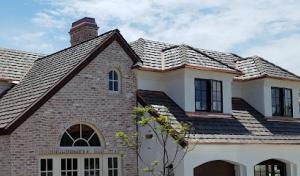
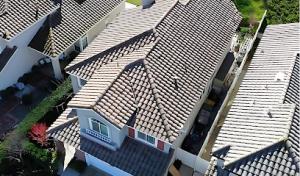
The Mission district and surrounding older neighborhoods carry a distinctive look that many homeowners here value deeply. Visible roof changes can draw the eye and set a tone for entire blocks, so replacements should be chosen with a careful eye toward profile, color, and roofline. A tile-heavy streetscape is more than a practical choice-it's part of the neighborhood identity, and a mismatched option can feel jarring to longtime residents and visitors alike.
When a roof project comes up, strive for a profile that harmonizes with neighboring homes rather than contrasts with them. This means considering the silhouette of the tiles, whether clay, concrete, or slate-look alternatives, and how they tuck into chimneys, vents, and eaves. If a home sits near older districts, the visual transition from house to street should feel seamless. A keen eye for proportion-tile size, hat-type ridges, and the way the rooflines meet parapets or dormers-helps prevent a retrofit from looking out of place.
Technically feasible swaps may still clash with the traditional streetscape. For example, choosing a modern metal or flat-tile product in a neighborhood dominated by Mission-style curves and warm earth tones can create a jarring rhythm when viewed from the curb. In these contexts, even small deviations in color temperature or tile texture can cascade into a broader sense of architectural inconsistency. Consider staying with color families that have a long-standing presence on nearby roofs, or work with a designer who understands how to integrate new materials without erasing local character.
Before selecting material, study the immediate streetscape: the height of surrounding roofs, the common tile shapes, and how light plays across the tile surfaces at different times of day. If replacement is necessary, opt for a material that can mimic the traditional slope and weight of neighboring roofs while providing modern performance. Finally, document a cohesive transition plan-fascia, gutters, and rake details should echo the neighborhood's established lines so the result reads as a respectful continuation, not an abrupt departure.
The inland heat combined with coastal moisture in this area creates a unique balance for tile roofs, especially the iconic Spanish and Mission styles that define many neighborhoods near the Mission district. In summer, intense sun can bake tiles and underlayment alike, while winter coastal fog and occasional drizzle test seals and flashings. This blend means repairs and maintenance must account for both heat-related expansion and moisture-driven wear, rather than treating Orange County as a single, uniform market.
Tile roofs in this city tend to age gracefully when properly maintained, yet longevity is highly sensitive to installation quality, stain and mineral buildup, and the condition of the underlayment beneath the tiles. Homeowners often encounter cosmetic tile issues first-cracked or chipped surfaces, color fading, or displaced field tiles-before deeper problems reveal themselves. A critical distinction sits between visible tile damage and underlayment or flashing failures that allow hidden leaks to advance. In cases where underlayment has endured wind-driven exposure or moisture intrusion, replacement of the substrate may be necessary to restore long-term performance.
Santa Ana wind events can drive moisture laterally under tile laps and flashings, elevating the risk of leaks even when tile surfaces appear intact. In older neighborhoods, the combination of heritage roof lines and historical detailing can complicate access for repairs and elevate the importance of matching materials and profiles to preserve curb appeal. Regular inspection after windy spells is advisable, focusing on hip and ridge tiles, sidewall flashings, and chimney penetrations where wind pressure concentrates. For many homes, proactive resealing and ensuring a continuous underlayment layer across the field of tiles provide the best protection against wind-driven leaks.
The look of the roof often drives repair versus replacement decisions, given neighborhood identity and architectural style. Tile shapes, color blends, and the visual rhythm of an old-world roof contribute to curb appeal and property value. When planning maintenance or upgrades, alignment with the existing tile profile and color range matters as much as performance. In some cases, a careful repair that preserves the character of a historic or district-identity roof offers a durable, visually harmonious option compared with a full re-roof.