
Last updated: Apr 19, 2026
Clay and concrete tiles dominate the Mediterranean-style homes here, and that shapes what failure looks like. Replacements often hinge on underlayment performance beneath reusable field tile rather than total tile loss. The sunburn of South Orange County accelerates heat aging inside tile assemblies, so you can have hidden deterioration that isn't obvious from the tile surface. In fall, Santa Ana wind events can snap ridge and edge tiles on exposed slopes, especially for homes perched on ridgelines or along open hillside streets. Timing decisions thus hinge on understanding both visible wear and the unseen aging inside the roof stack.
Start with the visible, then probe beneath. If exterior tiles show cracking, flaking, or microcracks at fasteners or along field rows, that's a prompt to inspect underlayment beneath. On clay and concrete tile, the underlayment bears the brunt of heat aging; it can become brittle, shrink, or lose its protective seal while the surface tile still looks intact. On a typical ridge or high-slope section exposed to Santa Ana winds, look for cracked or displaced ridge tiles that reveal gaps where wind-driven debris can intrude. Hidden deterioration often reveals itself as residual staining at ceiling interiors, musty smells after rain, or attic insulation that feels damp without a visible source. If you notice any of these, schedule a closer evaluation of the underlayment even if the tiles seem sound.
In sun-drenched climates with wind exposure, assume the underlayment may be nearing its service limit after 20-25 years for many tile systems, depending on original installation quality and climate stress. A practical check is a targeted inspection: remove a handful of field tiles in a discreet location (third-party roofing pro only) to expose the underlayment. Look for signs of fiber degradation, moisture intrusion, or delamination of the underlayment from the roof deck. If the underlayment shows any of these signs, plan for replacement or upgraded underlayment, even if the tile surface looks fine. For areas along ridgelines or exposed sides, err on the earlier side of replacement because wind-driven water can reach concealed failure points more quickly.
When a full tile replacement becomes necessary, treat underlayment timing as part of the project scope. Replace with a modern underlayment designed for tile assemblies and compatible with the specific tile type chosen. In hot, wind-prone zones, consider underlayment products that offer enhanced UV stability, moisture resistance, and a robust nailing surface to minimize the risk of nail-head leaks as tiles are re-seated. If reusing field tiles, ensure the underlayment is compatible with the tile profile to preserve correct drape and water shedding. For ridge and edge tiles that endure higher wind loads, verify that edge stop tiles and ridge caps are secured with appropriate fasteners and sealants to resist surge winds and surface movement.
Develop a proactive maintenance routine that aligns with climate realities. Schedule a professional roof inspection after summer heat peaks and again after the windy season, focusing on ridge lines and exposed slopes. Have a qualified roofer assess both tile integrity and the condition of the underlayment, even if no major leaks are present. Document any signs of aging in the underlayment and plan replacements while scheduling the tile work so that weather windows in fall or spring can be leveraged for minimal disruption. When ordering materials, prioritize underlayment with proven performance under Mediterranean-style tile systems and ensure compatibility with the local tile profile to maintain tile color, texture, and performance over time.
Homes along ridgelines and open hillside streets have unique exposure profiles. In those locations, timing considerations extend beyond the surface tile. Wind-driven debris can nudge exposed edge tiles and create micro-leaks before they become obvious on interior ceilings. If a home features long runs of flat or low-slope sections adjacent to exposed terrain, plan for more frequent checks and a readiness to replace underlayment sooner rather than later, even if the tiles appear intact. This proactive stance helps curb hidden deterioration before it culminates in visible leaks or degraded insulation performance during Santa Ana events.
Find contractors who specialize in clay and concrete tile roofs, known for their durability and curb appeal.

B.P. Custom Roofing
(949) 390-3627 www.bpcustomroofing.com
Serving
5.0 from 75 reviews
Quality residential roofing company in business since 1992 (License #652641 C-39)

Rod's Roofing Company
(949) 212-3557 www.roofingsanclementeca.com
Serving
4.7 from 14 reviews
If your roof is in a state of disrepair or looking worn-out, you need a local roofing company you can trust to restore it or replace it. That's where Rod's Roofing Company comes in. We offer professional roof replacement, repair and reroofing services to homeowners throughout San Clemente, CA and the surrounding areas.
Purpose Roofing & Waterproofing
(949) 409-5450 www.purposeroofs.com
Serving
4.4 from 23 reviews
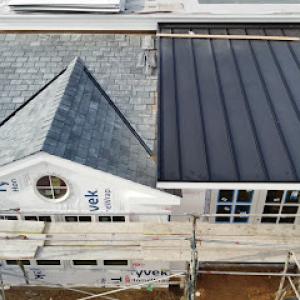
Purpose Roofing & Waterproofing is a full service Residential, HOA and Commercial roofing and waterproofing contractor based in Orange County, CA. We are fully licensed, bonded and insured, serving all of Southern California. It's more than just a name, our PURPOSE is to service our clients and ensure the best possible result for each and every project. PURPOSE is dedicated to meeting the specific needs of our clients with services tailored to the individual project. We are small enough to insure hands-on involvement by key personnel, yet able to offer a degree of professionalism and attention that is unsurpassed.
JRT Roofing & Waterproofing
(949) 749-2721 www.jrtroofing.com
Serving
4.7 from 36 reviews
JRT Roofing & Waterproofing provides complete roofing, waterproofing services in and around the Capistrano Beach, CA area.
Stay Dry Roofing
(949) 528-7663 staydryroofingmissionviejo.com
Serving
4.5 from 16 reviews
Stay Dry Roofing Company is a 3rd generation roofing company based in Mission Viejo. We are Mission Viejo's local and highly requested roofing team dedicated to protecting your home and business and keeping you Dry during winter. Our skilled team specializes in high-quality roofing solutions from new installations, roof repairs, 24 hour emergency roofing services, Metal Roofs to meticulous repairs and much more. We use only the finest materials, ensuring every project is built to last against the elements. Trust us to deliver professional expertise and a secure, long-lasting roof for your property. (949)-528-7663 (ROOF) Stay Dry Roofing Company License #911019
J L Ray
Serving
4.7 from 120 reviews
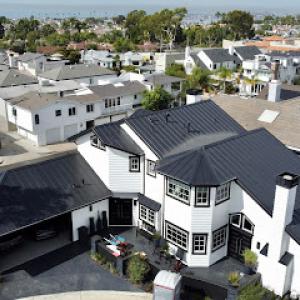
J.L. Ray has been a professional roofing contractor in San Clemente since 1989. We can reroof, restore, fix virtually any roof type for residential homeowners, commercial businesses and even work with planned developments. We have a dedicated team of highly skilled Roofers, full-service Roof Repair contractors that serve Orange County CA, Newport Beach, Dana Point, Laguna Beach, Irvine, Laguna Niguel and surrounding areas. We are committed to getting the job done right, on time and with the highest level of customer satisfaction. We are a Roofing Company that produces the highest quality roofing work through uncompromising workmanship; building long lasting relationships with our customers through honesty, forthrightness, and integrity.
South County Roofing
(949) 597-0192 southcountyroofing.com
Serving
4.7 from 27 reviews
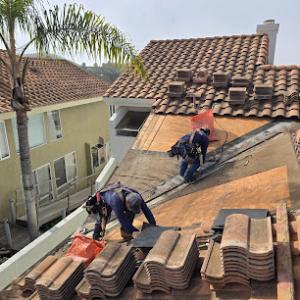
South County Roofing is a roof repair–only company located in Lake Forest, California, specializing in tile roof leak repair and tile roof maintenance for homeowners throughout Orange County. We focus on identifying the source of roof leaks and performing permanent, targeted repairs rather than recommending unnecessary roof replacement. Our work commonly addresses leaks caused by localized issues in valleys, skylights, chimneys, roof transitions, and field areas where water is concentrated. Services include professional roof inspections, roof leak detection, broken tile roof repair, flashing repair, and preventive roof maintenance. Our approach is based on experience, clear evaluations, and practical repair solutions tailored to each roof’s
Pacific Roofing Systems
(949) 495-4200 pacificroofingsystems.com
Serving
4.7 from 47 reviews
For over 25 years, Pacific Roofing Systems has been Orange County's trusted roofing expert. Specializing in all roofing types, from classic tile and composite shingles to modern metal and innovative green roofing solutions, they deliver premier roofing services for every need. As a VELUX 5-Star certified installer, Pacific Roofing Systems expertly installs and services the complete VELUX product line for both residential and commercial properties. Experience the difference of superior craftsmanship and dedicated customer service; Pacific Roofing Systems takes pride in using only the best products to exceed your expectations with every project.

Crown Reconstruction Services
(866) 702-7696 crownreconstructionservices.com
Serving
5.0 from 16 reviews
We are a full-service general contractor based in Laguna Beach, CA, offering comprehensive project management and skilled workmanship for residential and commercial construction. From initial design and planning through to construction and finishing touches, we coordinate every aspect of your project with licensed, insured professionals. Whether you’re remodeling a kitchen, repairing a foundation, or renovating an entire home, we ensure quality, reliability, and open communication throughout. With over 70 combined years of experience in coastal Orange County communities, we understand local codes, climate challenges, and design tastes — delivering durable and attractive results that increase your property’s value.
Forefront Roofing
(800) 702-5032 www.forefrontroofinginc.com
Serving
5.0 from 105 reviews
Forefront Roofing is a family owned and operated roofing company that serves Orange County and Los Angeles. We specialize in residential and commercial roofing services, including new roof installations, roof repairs, and roof replacements. Our team of highly skilled and experienced roofers is dedicated to providing the highest quality workmanship and customer service. At Forefront Roofing, we understand the importance of a safe and reliable roof for your home or business. That's why we use only the highest quality materials and state-of-the-art techniques to ensure that your roof is built to last. Whether you need a small repair or a complete roof replacement, we are committed to providing you with the best possible service.
Peak Builders & Roofers of Orange County
(949) 787-2555 www.peakbuildersoc.com
Serving
5.0 from 5 reviews
Peak Builders & Roofers of Orange County is your premier choice for top-quality roofing services and exceptional remodeling projects. With a steadfast commitment to excellence, we specialize in providing comprehensive roofing solutions, from new roof installations to thorough roof repairs, ensuring your home is protected and looks stunning. Our expert team also excels in home remodeling, bringing your vision to life with meticulous attention to detail and superior craftsmanship. Whether you're looking to upgrade your kitchen, renovate your bathroom, or undertake a complete home transformation, we deliver results that exceed expectations.
Di Rock GC & Roofing
(949) 545-1976 www.dirockgc.com
Serving
5.0 from 49 reviews
Established in 2010, DiRock General Contracting & Roofing safeguards Orange County homes with expert roof care. Their licensed and insured team offers a complete range of services, from inspections and repairs to replacements. DiRock prioritizes client collaboration and utilizes skilled craftsmanship to ensure your roof's long-lasting protection. Please reach out and make the call!
In Ladera Ranch, roofs face a two-part stress cycle that tests the roof's endurance: dry fall wind events that push against tile and flashing, followed by winter rain that exposes weak underlayment and valley details. The lift and gusts during Santa Ana conditions can loosen edges, ridge caps, and fasteners, setting the stage for leaks once the first winter storms roll in. Tiles that sit high on the hillside drive more wind uplift than flat-roofed sections, so ridge lines and hip transitions deserve extra attention. The second half of the cycle-wet weather-reveals failures that were barely noticeable on a dry day: compromised underlayment, cracked or insufficient flashing, and misstepped valley details that channel water right into the roof deck. Your roof is only as strong as its weakest link, and in this climate that weak link often becomes visible only after the rain begins.
Debris movement under strong Santa Ana winds can nick tile edges, shove loose ridge components, and dislodge skylight flashings before any drip shows up inside. In practical terms, that means you should inspect for small chips along tile edges, re-seat loose tabs, and confirm that flashing around skylights and chimneys remains continuous and sealed. Ridge caps are particularly vulnerable where wind strikes travel along the length of the roof; even a small gap here can become a wind-driven rain path during a storm. The effect is cumulative: minor damage today accelerates leak potential next week, especially in shaded or lower-lying valley areas where water slows and pools. Don't wait for the first winter storm to realize that the roof's surface is no longer performing as designed-address edge and flashing integrity now.
Because the area does not get frequent severe storm events like hail markets, leak investigations here often focus on wind-driven rain entry, aged penetrations, and deferred maintenance rather than impact bruising. Look for worn joint sealants around vent pipes, old chimney seams, and degraded boot flanges that have seen years of sun exposure. Valleys are high-risk zones because they funnel water; inspect for lifted metal, broken or displaced valley metal, and any debris accumulation that blocks drainage. If a rain event follows a dry spell and you notice damp spots or staining near penetrations, prioritize those zones for a professional diagnostic-early detection saves remodel surprises later.
Before the next dry-to-wet season flip, test all flashings and seals at penetrations, reseal where necessary, and re-seat or replace any loose ridge components. During a calm period, walk the roof with a pair of binoculars to spot hairline cracks in underlayment or irregular tile alignment that could become leaks when winter rain starts. If you're unsure about the integrity of valleys, flashing, or penetrations, schedule a targeted inspection focused on wind-driven entry points and aged seals. Acting now reduces the risk of a storm-induced drip turning into widespread interior damage.
Find local contractors experienced in assessing and restoring roofs after hail, wind, and severe weather events.
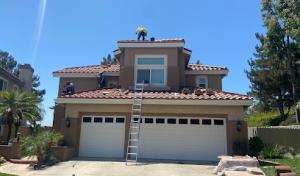
Concrete and clay tile remain highly relevant in this master-planned hillside community because they match the architectural character and are common on existing homes, but their weight and accessory details make repairs and re-roofs more specialized. In homes with tile, pay attention to underlayment transitions around penetrations, flashings at hips and ridges, and the compatibility of the valley details with Santa Ana wind-driven rain. If a home already carries a tiled roof, a retrofit or reseal should include careful inspection of tile clips, batt insulation underlayment, and the condition of the ridge cap to ensure wind resistance and maintain long-term performance under hot sun exposure. When considering a re-roof, the decision often hinges on whether the roof structure and framing can support the weight of concrete or clay tile without extensive reinforcement. For homeowners with older or historically consistent architecture in the HOA context, staying with a matching tile profile can help preserve resale value and neighborhood cohesion.
Clay tile, with its classic curves and colorfast finish, tends to hold up well against the sun and heat seen in South Orange County. However, it is essential to evaluate the underlying underlayment and substrate because clay's weight amplifies issues from weakened decking or compromised sheathing. Accessory details-such as decorative corner pieces, vent louvers, and close-fitting hip or rake tiles-also influence wind performance and leak potential during Santa Ana events. If a roof has multiple penetrations for skylights, vents, or solar, ensure that sealants around those areas remain flexible and that the underlayment layer extends adequately under all tile lines. In contexts where HOA guidelines favor a tile profile, maintaining uniform color and texture across the entire roof helps minimize future touch-ups and patchwork.
Asphalt shingles and metal roofing are present in the market, yet material choice here is often influenced by sun exposure, neighborhood appearance expectations, and insurer attention to fire-resistant assemblies. Metal roofing can offer excellent wind resistance and cool roof performance on exposed ridges, but its fasteners and panel seams require meticulous maintenance in a windy climate. Asphalt shingles, while more common for budget and quick turnover projects, must be rated for high heat and reinforced underlayment to resist granule loss and blistering in intense sun. In both cases, ensure compatibility with existing roofline geometry and the HOA's stance on surface texture and color, because a cohesive streetscape supports property values and insurance considerations in this area.
Wood shakes and shingles exist as a legacy material option in the broader market, but California wildfire-era underwriting makes homeowners more cautious about combustible roof systems than in many other regions. If wood remains an option, expect stricter fire-rating requirements and more frequent inspection for surface charring or ember infiltration at roof joints and chimney gaps. In practice, this means decisive maintenance routines, including annual clearing of debris, treated fasteners against corrosion, and robust ember shields at eaves and vents. For a neighborhood where fire risk is part of the conversation, many homeowners gravitate toward fire-resistant alternatives or heavier protection at the decking level, aligning with both insurer expectations and community standards.
Tile projects in this area commonly cost more than simple tear-off-and-replace jobs because crews may need to remove, sort, and reset existing tile while replacing underlayment and broken accessory pieces. The extra handling adds labor hours and disposal steps that show up in the bid. When the project involves tile with built-up underlayment or hydration barriers, expect a premium beyond basic installation.
In Ladera Ranch, the material you choose drives the per-square cost significantly. Clay tile sits at the higher end, followed by concrete tile, with fiber cement and metal offering mid-range performance. Asphalt shingles remain the most economical, but tile systems are common in this master-planned subdivision, and the long-term durability often justifies the upfront premium. Budget for tile options in the higher ranges while recognizing that underlayment upgrades or reinforcement for wind zones can add to the total.
Costs rise on steeper two-story homes and on houses with complex hips, ridges, valleys, and architectural detailing typical of South Orange County subdivisions. The labor intensity of navigating steep pitches, matching texture at ridgelines, and precisely aligning accessories compounds both time and safety considerations. For this reason, the per-square rate on multifaceted rooftops tends to skew upward compared with simpler, single-story layouts.
Permit processing, inspection scheduling, and weather timing around winter rain or post-wind demand spikes can affect project pacing and labor availability in this Orange County market. Local crews balance between keeping interior spaces dry and coordinating material deliveries with favorable outdoor conditions. In practice, that means potential delays or staged work windows, especially during wet seasons or after widespread wind events that drive demand for roof replacements.
Asphalt shingles sit at the lower end of the spectrum, while tile-based systems (clay or concrete) command higher bids. Concrete tile typically ranges higher than clay, with underlayment upgrades and accessory replacements adding to both materials and labor costs. When budgeting, plan for a larger contingency on multifaceted tile projects, knowing that the final number reflects both the complexity of the roof plane and the tile's performance in sun, wind, and heat in this community.
Get a clear picture of your project costs upfront - no commitment required.
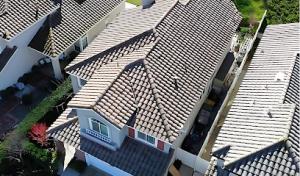
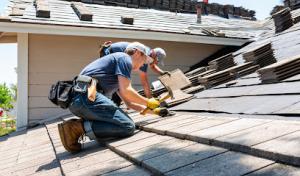
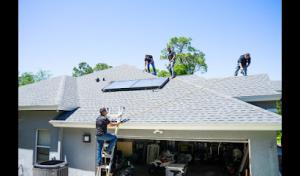
A full roof replacement in this area typically requires a building permit through the local Orange County jurisdiction serving the community, with plan review before work proceeds. The process starts with filing a project description, roof type, underlayment details, and ventilation strategy. Because the hillside setting and tile-heavy architecture often trigger HOA and fire-safety considerations, ensure your plans explicitly address tile compatibility, wind uplift resistance, and underlayment course layouts that meet county and local fire retrofit expectations. Expect any noticeable deviations from standard residential practice to be flagged for review, especially where your home's slope, eave details, or chimney penetrations differ from the county's baseline.
Homeowners should anticipate inspection checkpoints tied to installation quality and ventilation, including pre-work and final sign-off rather than purely contractor self-certification. The pre-work phase commonly includes a field verification of attic ventilation adequacy, soffit and ridge vent alignment, and a review of underlayment type and installation pattern. In a sun-exposed, wind-prone environment, the inspector will look closely at how underlayment laps and nail patterns align with anticipated Santa Ana wind events. If your plan includes a vented roof deck, be prepared to demonstrate that the chosen underlayment, fasteners, and flashing meet the higher uplift expectations typical for this area. The final inspection confirms that ventilation, roof penetrations, penetrations around skylights or vents, and chimney details all meet code and HOA compliance where applicable.
Scheduling can be affected by county processing volume and weather interruptions, so permit lead time matters more here than for emergency patching after a wind-driven leak. Start the permit process early in the project timeline, and align it with any HOA approval steps, if needed. Weather windows matter in this climate; a string of hot, windy days can delay inspections or require additional verbal or written updates to the inspector about temporary protections and sequencing. If the project encounters a weather hold, keep the permit active with minimal lapse, and coordinate with the contractor to adjust the inspection calendar rather than letting the permit expire.
Maintain a central file of all permit numbers, plan review comments, and inspection notices. Share these with the roofing crew and, if applicable, with the HOA manager, so any questions from neighbors or the HOA board can be answered quickly. When the work begins, organize a dedicated point of contact for the inspector and ensure temporary protections-like tarps or wind-rated underlayment choices-are in place during any gap between permit approval and actual installation. This helps ensure a smooth progression from pre-work verification to final sign-off, even in a district where wind resilience and tile compatibility drive much of the compliance conversation.
California insurers have tightened underwriting in wildfire-prone and higher-value areas, which directly affects roofing choices for homeowners in this master-planned hillside community even when the immediate issue is age or wind damage rather than fire loss. That means the roof you install or repair isn't just about weather and wear-it can influence what your carrier considers insurable and how they value your claim down the line. In neighborhoods with tile-heavy architecture and sun exposure, carriers start from a higher baseline of scrutiny, so the roof you choose should be robust, compliant with current standards, and clearly documented for future review.
After Santa Ana wind events or winter storms, carriers may request more documentation on roof age, material type, prior repairs, and installation quality before approving claims or renewals. In practical terms, this means keeping detailed records is not optional. Save supplier receipts, warranty papers, and any third-party inspection notes. Have a concise, homeowner-friendly log of repairs and re-roofs, including photos that show nail patterns, underlayment condition, and flashing integrity. When a claim sits in limbo, that documentation can be the difference between a smooth adjustment and extended dispute.
Homes with older roofs or materials viewed less favorably by carriers can face premium pressure or coverage limitations, making documentation and code-compliant replacement more important during a re-roof. If your existing system leans toward older tile or non-synthetic underlayment, you'll want a plan that demonstrates modern performance and wind resistance. Prepared homeowners often find that a well-documented, code-aligned upgrade reduces questions from underwriters and supports a more stable coverage path through renewal cycles.
Connect with contractors who help homeowners navigate the claims process from damage assessment to final approval.

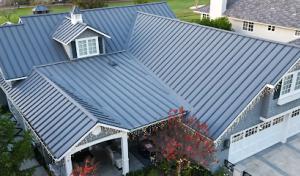
In this master-planned setting, the roof is not just weather protection-it's a visible part of the neighborhood tapestry. Homeowners often need to align with HOA-approved color palettes, tile profiles, and reflectivity levels, even before the project moves to the county or city permit track. Choosing a roof that subtly diverges from nearby homes can trigger review delays or additional design justification. The consequence is a longer path to project start and a longer finish line for enjoying the upgraded roof.
Material swaps that change the roof's silhouette, hue, or glare can be more scrutinized here than in mixed-architecture areas. A tile or shingle that stands out against the adjacent lineup may draw HOA concern, competitive with wildfire-era insurance considerations. If a replacement option alters the perceived mass or line of the roof, you may face requests to revert to a more ribboned, consistent look. Plan ahead for the potential need to demonstrate how your choice preserves the neighborhood's cohesive roofscape.
Project timelines can stretch when homeowners wait to align contractor scheduling with community review expectations and approved exterior design standards. Delays aren't unusual when color samples, tile shapes, and underlayment choices must be vetted to maintain a uniform streetscape. Building a realistic calendar that accounts for HOA review cycles reduces the risk of misaligned start dates, mid-project design questions, and the need for on-site adjustments after review feedback. In practice, clarity up front about what the HOA accepts helps keep the project progressing without preventable hold-ups.
In this hillside community, roofers position themselves to respond quickly after wind-driven leaks or sudden tile failures. Expect a core offering that prioritizes rapid inspection, temporary tarps or cover-ups, and on-site triage to determine whether a patch will hold or a full re-roof is needed. Because Santa Ana winds can expose attic spaces fast, crews typically arrive with a staged plan: quick weatherproofing, then a detailed assessment of underlayment condition, venting, and access points. The emphasis is on minimizing disruption in dense neighborhoods where driveways and street parking complicate logistics.
Tile roofing is a common sight, which means local crews often specialize in concrete and clay systems. Homeowners with tile roofs should seek crews with proven experience in tile removal, careful reset work, and precise accessory matching to maintain visual continuity with existing flashings, hips, ridges, and fittings. Expect a methodical sequence: remove damaged tiles, inspect underlayment, treat any damaged deck or substrate, restore or replace counter-flashing, and re-seat tiles with correct nailing patterns. The goal is to restore weather-tightness while preserving the roof's appearance in neighborhoods with HOA expectations.
Cleanup is a major competitive signal in this market. Local roofers stress controlled debris containment, rooftop and driveway protection, and efficient debris haul-off to limit disruptions for adjacent homes. Access planning is explicit: confirm gate codes, coordinate with HOA guidelines if applicable, and stage materials to keep sidewalks clear. A typical crew will sweep driveways, rake or vacuum loose granules, and perform a final walk-through with the homeowner to verify that all debris is cleared and that no wind-driven tiles remain loose.
Because tile color and profile influence curb appeal, installers emphasize consistent color-matching for ridge caps, sealants, and any new accessories. Expect attention to matching sealants around vents and flashings to blend with the existing roof line. If a full re-roof is advised, discuss texture and color options that withstand sun exposure and wind while meeting HOA aesthetic standards. Local crews often bring samples and swatches to ensure a seamless transition that protects against leaks without compromising the neighborhood look.
In this hillside community, timing a tear-off for a tile roof hinges on Santa Ana seasonality. Late summer through fall can be risky for exposed tear-offs because Santa Ana winds may arrive before a project is fully dried in. That means porous underlayment and freshly installed tile can be battered by gusts, potentially compromising adhesion and long-term performance. The practical takeaway is to plan the removal and installation for a stretch where you can lock in dry, calm mornings and avoid mid-season wind surges. If a project must start in late summer, insist on a staged schedule that prioritizes secure temporary weather protection and a reliable drying window before the roof is sealed.
Tile roofs in this area do not tolerate rushed drying, especially when the scope is larger. Here in Ladera Ranch, the prevailing Santa Anas can outpace a contractor's drying plan, so the underlayment and fasteners need a sufficient window to cure and settle. A careful sequencing approach-roof deck inspection, underlayment installation, then tile laying with controlled climate-helps prevent micro-mairing issues where heat or wind disrupts adhesion. Winter rains in Orange County make underlayment condition especially important, so homeowners often discover the need for replacement only after the first meaningful seasonal storms. Plan for an underlayment inspection after any wet spell while the roof is open, and ensure temporary sealing is robust enough to handle a winter-front front.
Intense summer heat can speed material expansion and drying, which affects installation pacing and makes attic ventilation verification more important during replacement. Tile and underlayment respond to heat differently than asphalt, so confirm that roof deck boards, underlayment, and fasteners are compatible with a high-heat environment. During the work, verify attic intake and exhaust ventilation to prevent pressurized heat buildup that could warp underlayment and hamper tile seating. A well-ventilated attic supports a steadier installation pace and a longer-lasting seal once the project is complete.
In this hillside, sun-drenched environment, low-slope transitions over patios, entries, balconies, or additions often show up as leak-prone weak points even when the main roof is a tile or shingle system. The detailing for these transitions must be treated as a separate enclosure with its own underlayment and flashing design. You'll want a plan that accounts for regular sun exposure, wind-driven rain, and the movement that comes from seasonal temperature swings.
Leaking at low-slope areas usually starts at the seam between vertical walls and the roof plane or at the edge where a balcony slab meets a slope. In practice, that means synthetic underlayment is laid in a tighter, more continuous weave than on the main field, with dedicated flashing at every edge, corner, and penetration. Pay attention to how the parapet, planter, or wall footings intersect the roof; these joints need reinforced sealant and backer rod where appropriate, and the membrane must extend a bit beyond the field to avoid capillary wicking.
Skylights and similar penetrations are common weak points when wind-driven rain follows long dry periods. Aging sealants crack under South Orange County sun exposure, so perform a targeted inspection around every skylight, vent, and plumbing stack. Replace or reseal aging silicone or butyl and verify that flashing boots are intact. In Ladera Ranch's wind corridors, a secondary seal or mechanical fastener in addition to the primary sealant can provide extra resilience against gusts.
Mixed-roof homes need contractors who can handle both tile or shingle main roofs and membrane-style low-slope sections without treating them as the same system. Choose a crew that coordinates substrate, underlayment, flashing, and attachment methods across the two systems. Ensure the contractor documents substrate compatibility, slope transitions, and fastener patterns so the membrane section remains watertight without compromising the tile or shingle field.
Find specialists in TPO, EPDM, and built-up flat roofing systems for residential and commercial properties.