Last updated: Apr 19, 2026
In this hillside, master-planned neighborhoods with HOA oversight, the combination of Santa Ana winds, intense sun exposure, and a Mediterranean-style roofscape makes tile-heavy roofs behave differently than shingles. Santa Ana events pressurize ridges and exposed slopes, so uplift can loosen tiles and flashing if the roof isn't prepared for high-wind gusts. UV exposure accelerates aging of underlayment and can dry asphalt surfaces faster than the mild winter climate might suggest. Concrete and clay tiles are common here, and slipped tiles, broken field tiles, and aging underlayment tend to be more relevant issues than in shingle-dominant areas. Your roof choice and assembly should reflect these specific pressures: wind uplift resistance, UV-specific aging, and compatibility with HOA surface and color standards.
Concrete and clay tiles offer long lifespans, but their performance hinges on proper installation and fastener design. In Santa Ana wind corridors, tiles that rely on gravity alone can be more vulnerable on ridges and exposed edges. If contemplating a re-roof, ensure the system uses wind-rated fasteners and matching underlayment that can resist rapid temperature cycling and sun exposure without cracking. For roofs already benefiting from a tile layout, consider whether the current pattern and fastener pattern provide continuous edge support along hips and ridges. Note that UV exposure will age underlayment and any asphalt components more quickly, so upgrading to a more durable underlayment or a ventilated roof deck can pay off over time, especially on slopes facing persistent sun.
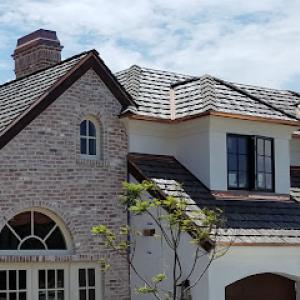
HOA rules in Aliso Viejo often influence tile color, profile, and attachment details. Mediterranean-style communities lean toward concrete or clay tiles with specific profiles and edge treatments. When a re-roof is on the table, verify that the selected tile profile not only meets wind performance but also complies with HOA aesthetics and required overhangs, ridge caps, and edge detailing. In many HOA contexts, you may need to match existing ridge and cap treatments to preserve uniformity across the neighborhood, which affects your material choice and installation method. Communicate early with the HOA-approved contractor to ensure that the selected tiles, color, and flashing details align with the community standards.
Regular inspections are essential after the dry Santa Ana episodes and whenever a wind event passes through. Look for broken field tiles, slipped edges, or cracked flashing around vent stacks and skylights. On a concrete or clay tile roof, minor shifts can create vulnerabilities at the fastener points and along the hips. UV-driven dry rot can compromise underlayment, particularly in the upper portions of exposed slopes. Address damaged tiles promptly to prevent water intrusion and uplift risk. Maintain flashings at intersections with walls, chimneys, and vent piping, since improper sealing in these areas tends to be a common failure mode after high-wind periods.
1) Assess wind exposure on each slope, paying attention to ridges, edges, and long exposed runs. Flag tiles that appear loose or cracked, and inspect flashing at joints and penetrations.
2) Confirm that the planned tile type and profile meet wind uplift requirements for the local climate and HOA expectations.
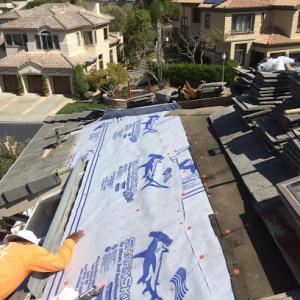
3) Evaluate underlayment and roof deck condition; if aging or UV-damaged, plan for a higher-grade underlayment and, if feasible, a ventilated or ridge-vent strategy to reduce heat buildup.
4) Review color and texture options with the HOA to ensure compatibility with community standards while balancing heat absorption versus reflectivity.
5) Schedule a detailed inspection after completion, focusing on ridge lines, edges, and near penetrations to verify that fasteners and caps are securing tiles against potential uplift.
B.P. Custom Roofing
(949) 390-3627 www.bpcustomroofing.com
23412 Pacific Park Dr UNIT 40H, Aliso Viejo, California
5.0 from 75 reviews
Quality residential roofing company in business since 1992 (License #652641 C-39)

Crown Reconstruction Services
(866) 702-7696 crownreconstructionservices.com
Serving
5.0 from 16 reviews
We are a full-service general contractor based in Laguna Beach, CA, offering comprehensive project management and skilled workmanship for residential and commercial construction. From initial design and planning through to construction and finishing touches, we coordinate every aspect of your project with licensed, insured professionals. Whether you’re remodeling a kitchen, repairing a foundation, or renovating an entire home, we ensure quality, reliability, and open communication throughout. With over 70 combined years of experience in coastal Orange County communities, we understand local codes, climate challenges, and design tastes — delivering durable and attractive results that increase your property’s value.
Laguna Beach Roofing
(949) 528-7663 www.ocstaydryroofing.com
Serving
5.0 from 8 reviews
Stay Dry Roofing Company is a commercial and residential roofing company serving the Orange County and Los Angeles County Areas. Stay Dry Roofing provides top quality roofing installation, maintenance and repair services. Building strong relationships has been our key to success. Our mission is to deliver the best possible roof at the lowest reasonable price with quality and customer service in mind. Why Choose Us 1. 3rd Generation Roofer 2. Family Owned & Operated 3. Licensed Insured & Bonded 4. Workers Compensation 5. 2 Million Dollar General Liability 6. Contractor Supervising All Projects
South County Roofing
(949) 597-0192 southcountyroofing.com
Serving
4.7 from 27 reviews
South County Roofing is a roof repair–only company located in Lake Forest, California, specializing in tile roof leak repair and tile roof maintenance for homeowners throughout Orange County. We focus on identifying the source of roof leaks and performing permanent, targeted repairs rather than recommending unnecessary roof replacement. Our work commonly addresses leaks caused by localized issues in valleys, skylights, chimneys, roof transitions, and field areas where water is concentrated. Services include professional roof inspections, roof leak detection, broken tile roof repair, flashing repair, and preventive roof maintenance. Our approach is based on experience, clear evaluations, and practical repair solutions tailored to each roof’s

Rod's Roofing Company
(949) 212-3557 www.roofingsanclementeca.com
Serving
4.7 from 14 reviews
If your roof is in a state of disrepair or looking worn-out, you need a local roofing company you can trust to restore it or replace it. That's where Rod's Roofing Company comes in. We offer professional roof replacement, repair and reroofing services to homeowners throughout San Clemente, CA and the surrounding areas.
Pacific Roofing Systems
(949) 495-4200 pacificroofingsystems.com
Serving
4.7 from 47 reviews
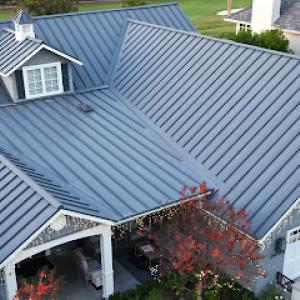
For over 25 years, Pacific Roofing Systems has been Orange County's trusted roofing expert. Specializing in all roofing types, from classic tile and composite shingles to modern metal and innovative green roofing solutions, they deliver premier roofing services for every need. As a VELUX 5-Star certified installer, Pacific Roofing Systems expertly installs and services the complete VELUX product line for both residential and commercial properties. Experience the difference of superior craftsmanship and dedicated customer service; Pacific Roofing Systems takes pride in using only the best products to exceed your expectations with every project.
Di Rock GC & Roofing
(949) 545-1976 www.dirockgc.com
Serving
5.0 from 49 reviews
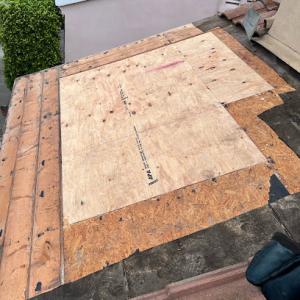
Established in 2010, DiRock General Contracting & Roofing safeguards Orange County homes with expert roof care. Their licensed and insured team offers a complete range of services, from inspections and repairs to replacements. DiRock prioritizes client collaboration and utilizes skilled craftsmanship to ensure your roof's long-lasting protection. Please reach out and make the call!
City Roofing & Maintenance
(949) 500-3980 www.cityroofingandmaintenance.com
Serving
5.0 from 31 reviews
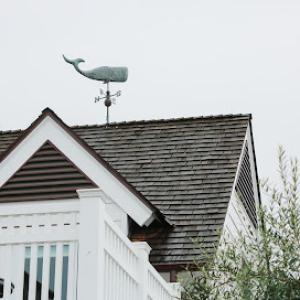
The integrity of your roof, on a personal residence, rental property or business, is vital. Choosing the best roofing contractor should be simple. At City Roofing and Maintenance, (CR&M) our philosophy is also simple: "Your satisfaction is our priority." We ensure our clients a seamless and professional experience regardless of job size, material installation, timeline or price. CR&M clients always feel respected and appreciated.
OC Custom Roofing
(949) 431-2220 occommercialroofing.com
Serving
5.0 from 7 reviews
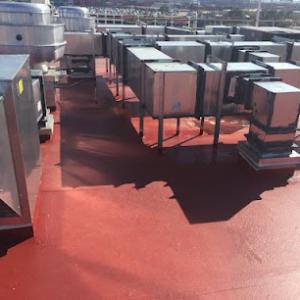
TAKE IT TO THE EXPERTS When installing a new roof on your commercial building, you want the best fit for your budget and building needs. There are many roofing companies to call on, but not all roofing companies are the same. OC Custom Roofing has a reputation for designing and installing quality roofs, custom fit for your commercial or industrial buildings. Our roofing experts and installers will answer any questions you may have throughout the roofing project, and will guide you through the process so that you are comfortable and knowledgeable of your new roofing system. Call today and set up an appointment with one of our experienced roofing consultants. You can be sure that you are getting a quality roof installed by a company you ca...
Beach Cities Roofing
Serving
5.0 from 17 reviews
We install FiberTite roofing, known for its leak-proof and energy-efficient design. Our skilled roofing contractors handle installations and roof repair services for residential and commercial properties. Need solar? Our solar panel installers provide professional installation and solar panel repair to keep your system running smoothly. We also offer construction services, including siding, windows, and masonry work. Whatever your project, we’ve got the expertise—get started today!
Rational Roofing Services
(714) 794-9697 rationalroofingservices.com
Serving
4.9 from 16 reviews
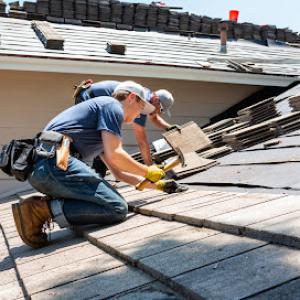
At Rational Roofing Services, we provide reliable, high-quality roof repair, replacement, and emergency services in Orange County, CA. With over 10 years of experience, our licensed and insured roofing contractors use top-quality materials to ensure lasting results. We offer free estimates and 24/7 emergency roofing services to keep your home protected year-round. As a family-owned business, we treat every home like our own, delivering professional, efficient service. Need roofing help? Call Rational Roofing Services today for trusted local expertise in Costa Mesa and beyond

McCormack Roofing, Construction & Energy Solutions
(714) 777-4040 mccormackroofing.com
Serving
3.9 from 42 reviews
McCormack has a decades-long history of providing quality residential roofing, commercial roofing, HOA roofing, construction, and energy-related contracting services throughout Southern California.We are able to help with many improvement projects on your home or business. We can install new windows, roofing systems, solar roofing, Tesla Solar Roofs, attic insulation, entry doors, exterior painting, LED lighting and HVAC systems.Located centrally in Orange County, Irvine to be exact, we have construction crews actively working all year round in the Southern California area.After almost 25 years in business, we will be here to stand behind any construction project we do for decades more to come. Get the best roofing contractor here.
Because Aliso Viejo is heavily built around planned communities, homeowners often need HOA approval on top of city permitting before changing roofing materials, colors, profiles, or visible details. The HOA processes are not cosmetic gatekeeping; they are safeguards intended to maintain the distinctive skyline and streetscapes that neighbors rely on for curb appeal and property values. When a re-roof involves heavier or more contemporary tile options, the review can become more stringent, and if the chosen path diverges from the approved palette or profile, the board may require adjustments or even rework. The consequence is that a project can stall long after the city has signed off, turning a straightforward replacement into a drawn-out interruption to the usual rhythm of home maintenance.
Roof replacements in attached or closely matched neighborhoods may be constrained by association design standards intended to preserve a uniform community appearance. This is not mere preference; it is a practical reality in hillside enclaves where rows of similar homes create a cohesive look against the backdrop of Santa Ana winds and bright sun. The selection of tile shapes, colors, and surface textures may be narrowed by architectural guidelines that favor low-profile edges, consistent ridge lines, and a restrained color family. When the HOA's standards are stricter, choices that would otherwise suit a home's performance needs-such as a bolder color or a more pronounced profile-may be discouraged or disallowed. Understanding these limits early helps avoid a sequence of changes that could escalate costs and extend downtime.
Project timing can be affected by HOA architectural review cycles, so homeowners cannot assume city permit approval alone is enough to start a visible re-roof. Typical HOA reviews run on fixed schedules or committee calendars, with optional design submittals requiring detailed specifications and samples. If a re-roof coincides with a busy cycle, the onset of work may be delayed by weeks or even a full review period. In practical terms, this means you should plan for extra lead time when selecting materials, especially tile-heavy options that have longer delivery and installation windows. Aligning material choices with anticipated HOA feedback can prevent the expensive and frustrating need to pause work midstream.
Get a clear picture of your project costs upfront - no commitment required.
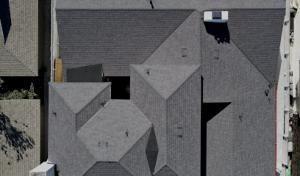
Aliso Viejo gets most of its rain in the winter months, so active leaks and emergency dry-ins tend to cluster from late fall through early spring. That means the roof is well-tested by the weather itself during this window, and any signs of moisture deserve immediate attention. When a long dry spell breaks with a short, heavy rain, underlayment and flashing that seemed fine in summer can reveal vulnerabilities fast. You're not just dealing with leaks-you're testing the roof's ability to shed water under Santa Ana wind stress and winter downpours.
Opening a roof during the wetter November to March window carries more scheduling risk here than in the dry season, which is why many homeowners target spring re-roofing after winter storms. Contractors get booked up, weather windows shrink, and you're left juggling access to inside spaces and temporary tarps during rain events. If a dry-in is unavoidable, plan for rapid, staged work with an on-site crew ready to respond to the next storm front. Delays can turn a manageable leak into interior damage and more extensive repairs.
When a leak is spotted, act within hours, not days. Move furniture and valuables away from the affected area, place a bucket under the drip, and document each exposure with photos. Contact your roofer or emergency crew immediately and ask for a prioritized response window that aligns with the next forecasted rain. If conditions allow, consider a quick dry-in with proper temporary protection to minimize interior damage, while scheduling the permanent fix for a clean, dry stretch between storms. Do not assume an old roof's underlayment is still sound after a single dry spell followed by a heavy shower.
As winter storms subside, the risk of cascading leaks drops, but the damage may already be done beneath the surface. Use the lull to verify flashing integrity, verify underlayment seams, and assess tile condition after exposure to wind-driven rain. A spring re-roof, when the weather can be more predictable, often yields a safer, longer-lasting result. Prepare notes on prior leak events, wind-driven shingle lifting, and any staining-these details guide a confident, timely upgrade once the worst weather has passed.
When you can't wait, these contractors offer fast response times to stop leaks and prevent further damage.
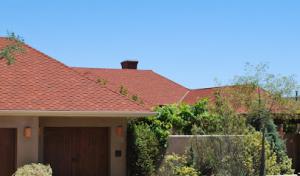
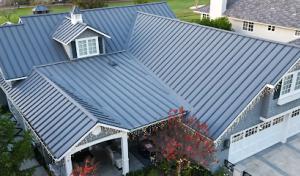
In Aliso Viejo, tile-heavy neighborhoods push project totals upward because repairs and replacements often involve both the visible tile layer and the waterproofing system beneath it. When a roof needs work, you're looking at more than just replacing tiles; the underlayment, flashing, and deck coatings can add meaningful cost and time. The weather cycle-strong sun, winter rains, and Santa Ana winds-means that tiles get stressed unevenly, so a simple swap can quickly become a full system refresh if the underlying layers show age or damage. Expect the lower end of quotes to drift upward if the project reveals compromised waterproofing or hidden rot.
HOA rules in many communities limit substitution options to preserve a uniform appearance. If the association expects a specific tile profile or color, you may not be able to choose the lowest-cost alternative even if it fits your roof technically. Concrete and clay tiles often align with established look standards, but any deviation or newer material may trigger approval delays or added costs. For budgeting, assume you'll replace with tile that matches the community's profile, rather than chasing the cheapest option available in the market.
Demand spikes after winter leak season and during wind events, which can affect scheduling and pricing. When a kickoff date lands right after a bad storm or a series of Santa Ana gusts, crews may be booked out weeks, and premium rates can appear for expedited work. In two-story, intricately pitched roofs common to the area, hauling materials and maneuvering around upper facades adds labor time, contributing to price elevation relative to flatter, simpler homes.
The city's mix of two-story planned homes with detailed rooflines increases labor complexity. Tile-heavy systems often require careful removal and careful reinstallation to avoid tile breakage and to maintain waterproof seams. This, combined with the need to reflash vents, chimneys, and transitions, drives up both material and labor costs. Expect costs per square to trend above basic residential averages when you're dealing with concrete or clay tile, while asphalt or synthetic options can be more price-stable but may not satisfy HOA or performance expectations in wind-prone seasons.
A full residential re-roof in this area typically requires a permit through the City of Aliso Viejo Building & Safety department, not treated as minor maintenance. The process starts with submitting roof plans that reflect the estimated scope of work, including roof type, underlayment, fasteners, and any ventilation changes. Plan review focuses on safety, structural impact, and compliance with local wind provisions and tile weighting, especially relevant for heavy tile crews working on hillside homes. Keep in mind that the permit is not issued in a vacuum-city staff will assess how the proposed roof affects drainage, roof penetrations, and barrier requirements, such as fire-rated detailing around soffits and eaves.
In practice, homeowners in this community often have to coordinate both municipal inspection requirements and separate HOA approval before and during the project. The HOA review can address color, profile, and tile type compatibility with nearby homes, as well as setbacks for scaffold placement and equipment storage. Start the HOA process early in parallel with the city permit; delays on approval can stall the entire project. Some HOAs require a representative to sign off on the final roof to ensure exterior aesthetics and neighborhood uniformity are preserved. Understand your HOA's timeline and document the city inspection milestones so both tracks move in tandem.
Inspections are scheduled during the work and again at final to close the permit. The building inspector will typically verify that sheathing, underlayment, and installation meet current code, including fastener type and spacing chosen for the local wind regime. On a tile-heavy roof, inspectors pay close attention to roof penetrations for vents, chimneys, and skylights, as well as flashing details around valleys and eaves. Ensure a licensed contractor maintains an orderly, safe worksite so that inspections can proceed without delays. If any deviations from the approved plan are anticipated, arrange a quick plan revision with both the city and your HOA to prevent rework.
Coordinate the permit submission with your selected roofing crew's schedule, factoring in lead times for plan review and HOA approval. Have all documentation ready: structural notes for tile weight, wind-rated fasteners, and a clear scope of work that aligns with the plans. During construction, keep copies of the permit set accessible on site for inspectors and for HOA review if required. After final inspection, ensure any required sign-offs or certificates of compliance are delivered to both the City and the HOA so that the project can be fully closed without lingering conditions.
Residents face California's tighter underwriting environment, where roof age and material condition can influence renewals. In Aliso Viejo, carriers scrutinize what sits on top of your home just as closely as the structure beneath it, and a well-documented roof history helps. When a policy comes up for renewal, expect questions about recent maintenance, visible wear, and any prior weather-related damage that may have occurred in the hillside neighborhoods. Prepared homeowners have clearer records, including contractor notes and any retrofits that address known vulnerabilities.
Even though Orange County generally remains broadly insurable, carriers may ask for more roof documentation or delay claim timelines after weather events. Santa Ana wind bursts and sudden downturns can exacerbate loose tiles or accelerated UV degradation. After a storm, expect adjusters to request detailed photos, material specs, and notes on any pre-existing issues. Delays are more likely if documentation is incomplete or if repairs were deferred. In practice, having a proactive maintenance file and a recent roof inspection can smooth the process and prevent disputes over what constitutes damage versus wear.
Homes near canyon-influenced areas of South Orange County may see roofing choices evaluated through a wildfire-risk lens, especially when older combustible materials or poor maintenance are involved. In these zones, insurers may scrutinize ignition vulnerabilities, ember resistance, and the overall resilience of roof assemblies during elevated fire weather. For homeowners, this means choosing durable, noncombustible or ember-resistant options, and keeping clear, consistent maintenance to avoid triggering underwriting concerns during renewal or claim review.
Connect with contractors who help homeowners navigate the claims process from damage assessment to final approval.
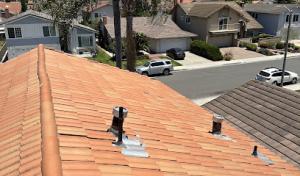

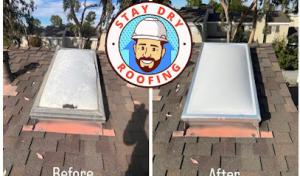
In sunny neighborhoods, long UV exposure and flashing movement around skylights and solar installations can create leak points over time. When the roof is opened for a re-roof, inspect every penetration and mark any flashing that shows wear. Replacing worn flashing and resealing joints around a skylight frame helps prevent future leaks once the roof is back in service.
Tile roofs common in this area require more careful integration around mounts, flashings, and replacement tiles than simpler shingle-only systems. Verify that mount plates sit on solid deck and that surrounding tiles are cut and installed to create a tight seal. Use matching replacement tiles to avoid micro-movements that can crack under Santa Ana winds. Pay special attention to underlayment transitions at valve penetrations and vent stacks.
Homeowners planning a re-roof should evaluate whether existing solar or skylight details need to be reset or upgraded while the roof is open. If a module or skylight is several years old, consider refreshing sealant brands and upgrading flashing kits to the latest profile. Align new penetrations with existing roof lines so flashing does not have to fight against excessive movement during high-wind days.
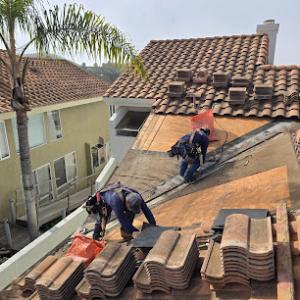
In hillside homes with tile, plan for a methodical sequence: remove a row or two at a time to keep wind exposure controlled, then reseal and reflash each area before moving to the next. Choose flashing materials rated for high UV exposure and repeated temperature swings, and keep a log of when skylights were last resealed. When solar mounts are involved, ensure rails anchor to decking with corrosion-resistant hardware and that sealant around top edges remains continuous along the rail line. Finally, verify that ventilation and moisture barriers around penetrations stay intact after installation, and testing.
Find contractors experienced in skylight installation, flashing, and leak repairs to bring natural light into your home.
City Roofing & Maintenance
(949) 500-3980 www.cityroofingandmaintenance.com
Serving
5.0 from 31 reviews
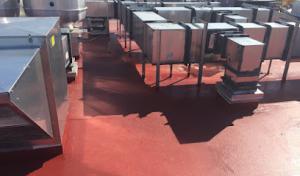
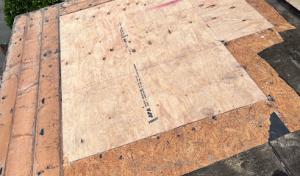
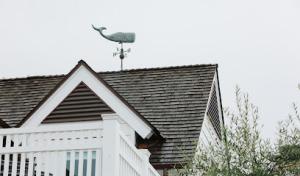
In this community, you'll notice low-slope patio covers, additions, or transitions at the back or side of homes that connect to the main roof. These spaces often have gentler angles than the primary tile or shingle roofs, and they can hide in plain sight when inspecting a home. Treat these zones as separate roof faces with their own drainage and flashing needs, even if they share materials with the main roof.
Low-slope sections drain and shed water more slowly, and the flashing details are less forgiving than on steeper planes. During winter rains, any small gap or improper transition can become the first leak point. Pay close attention to where gutters meet the low-slope surface and where the deck or balcony meets the roof line. If flashing is interrupted by a step-down, or if the membrane is exposed to foot traffic or vegetation, the chance of water intrusion increases.
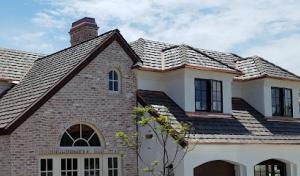
HOA-reviewed properties often feature mixed roof configurations. When planning a re-cover or maintenance, ensure that membrane or coating selections on low-slope areas harmonize with the texture and color approved for the main tile or shingle roof. Visible mismatches can draw HOA scrutiny, so prioritize seamless color, texture, and edge detailing where faces meet. If a transition is flagged during review, choose complementary products that replicate the visual rhythm of the main roof while maintaining reliable performance on the low-slope plane.
Begin with a close inspection of edge metal, terminations, and flashing at all low-slope transitions. Look for lifted edges, micro-cracks in sealant, or granule loss near boundaries. Check for ponding water after a light rain and verify that the drainage plan directs water toward approved gutters or scuppers. Plan a targeted maintenance schedule for these areas, including resealing and re- flashing as needed, rather than treating them as afterthoughts to the main roof.
Santa Ana winds push more forcefully on exposed edges, and UV exposure can dry out membrane materials faster. For low-slope sections, use wind-resistant flashing details and UV-stable coatings or membranes where permitted by the HOA. Regularly review sealant integrity and edge terminations to prevent wind-driven moisture intrusion, especially on transitional joints where two roof faces meet.
Find specialists in TPO, EPDM, and built-up flat roofing systems for residential and commercial properties.
B.P. Custom Roofing
(949) 390-3627 www.bpcustomroofing.com
23412 Pacific Park Dr UNIT 40H, Aliso Viejo, California
5.0 from 75 reviews