Last updated: Apr 19, 2026
In Santa Cruz, the wet-winter, dry-summer pattern sets up a brutal rhythm for roofs. Leaks often don't show up until the first big storm drains through, and urgent calls spike during the rainy season. That means you're more likely to discover active leaks after long dry spells when the first strong rains arrive, rather than spotting trouble during the heat of summer. The timing pushes most planned replacements into the dry months, but winter storms can force emergency repairs that interrupt those plans and raise your exposure to wind-driven rain and standing moisture. The coastal climate also means fasteners, flashings, and sealants are under constant attack from marine moisture and salt near Monterey Bay, which accelerates deterioration compared to inland parts of the county. If your roof is aging or has known flashing or penetration issues, treat autumn wind events and winter rain as a signal to escalate attention, not a test you can postpone.
Marine fog, coastal humidity, and salt exposure shorten service life for fasteners and metal components, and they can loosen sealants and degrade underlayment faster than you expect. That means any roof with exposed penetrations, old flashings, or a weary metal valley may become a leak point after a few storms, even if you thought the roof was sound last season. On older reroofs with multiple penetrations, a minor flashing defect or a thin underlayment layer can become a leak source quickly once the first winter rain hits. You'll notice leaks near vents, skylights, roof-to-wall transitions, and near eaves where wind-driven rain can drive moisture under the edge of the shingles or tiles. The salt-laden air also has a sneaky way of corroding screws, clips, and metal flashing, which means the fasteners you relied on a decade ago may be the week link now.
Autumn wind events act like a stress test for vulnerable areas. If you've got older flashing or questionable sealants, treat the pre-winter window as a critical maintenance sprint. Revisit every penetrations point: vent pipes, furnace flues, chimney-to-roof joints, skylights, and transitions to walls. A thorough inspection now can catch loose or corroded fasteners, rust spots on metal components, failing sealants, and torn or uplifted underlayment before the rains begin in earnest. If a repair cannot guarantee a full wind- and rain-tight seal for the season, plan for a targeted fix now rather than a full replacement in a rain-soaked month. When a full replacement is ultimately needed, schedule it for the dry season so the new materials can be installed without the weather-driven delays that complicate flashing and underlayment installation.
Look for signs that moisture has reached vulnerable layers: dark stains at the attic ceiling near penetrations, damp spots along seams, or a musty odor inside the attic after a rain. Exterior cues include lifted edges of shingles or tiles, exposed nail heads, corroded metal flashings, and gaps around vent pipes where sealant appears cracked or brittle. Even small seams or flashing corners should trigger a plan to reseal or reflash, especially around dormers or hillside transitions where wind channels can push rain under the roof edge. Do not wait for a second storm to confirm a leak-address anything suspicious promptly, because autumn wind events will turn a minor defect into an active leak quickly.
Schedule a high-priority roof inspection before the wet season starts, focusing on penetrations, flashing integrity, and the condition of underlayment at the eaves and wall intersections. Have a qualified roofer pressure-test or visually inspect fastener connections in metal components for corrosion or looseness. If replacement is on the horizon, prioritize dry-season installation to ensure proper curing and flashing integration without rain interference. Keep a simple maintenance log for attic moisture, attic ventilation performance, and any penetrating penetrations' sealant condition so you can spot degradation trends early and time interventions effectively. In Santa Cruz, a disciplined pre-winter attention plan can be the difference between a quiet rainy season and a cascade of emergency repairs.
In this climate, the mix of marine moisture and winter storms means any roof you pick must handle constant humidity, occasional sea spray, and heavy rainfall events. The reroof market around here centers on asphalt shingles, metal roofing, clay tile, concrete tile, synthetic/composite shingles, and some slate. Tile and skylight work drive meaningful local demand because they address both aesthetics and the demand for durable, weather-ready surfaces on hillside and bluff-area homes. When evaluating a material, consider how well it tolerates salt exposure, how easily it sheds water, and how it behaves under prolonged damp conditions. The goal is a system that stays watertight through wet winters and resists deterioration from coastal salts.
Clay and concrete tile fit many Santa Cruz architectural styles, from Mediterranean-influenced homes to newer hillside builds. They bring a distinct look and long life when installed correctly. The practical caveats are underlayment aging, potential tile breakage from winter storms, and ensuring seismic attachment details are addressed during reroof projects. Tile systems require a sound, continuous underlayment and careful fastener planning to manage wind uplift and seismic forces. Expect attention to grout lines, appropriate lathing, and flashings that step properly across roof planes to maintain a seamless weather barrier. With tiles, the roof deck needs to be in good shape to support weight, and matching fastener patterns to local wind and salt exposure helps prevent future leaks.
Metal can perform well in the coastal environment where salt and moisture are constant. Look for corrosion-resistant alloys and coatings, especially if the home sits close to the ocean spray or on exposed ridgelines. Exposed fastener choices matter where salt-laden air can accelerate corrosion, so choose panel styles and fastener hardware designed for coastal use. Flashing metals should be compatible with the main roof metal to avoid galvanic corrosion. A metal roof may provide excellent longevity and wind resistance, but the installation details-such as attic ventilation, sealant compatibility, and seam integrity-are crucial to prevent leaks after the wet season.
Asphalt shingles remain a practical default for many Santa Cruz homes due to familiarity and ease of replacement. Synthetic or composite shingles offer a middle ground, combining some of the resilience of organic shingles with improved moisture resistance and lighter weight. In a coastal setting, focus on underlayment quality, proper nailing patterns, and adequate ventilation to combat humidity-related deterioration. Ventilation and sealing details matter deeply here; a reroof that neglects these can invite mold, deck rot, or premature shingle failure. For hillside sites with variable slopes, ensure the roof design includes appropriate drainage and debris management to handle winter runoff and wind-driven spray.
Slate can suit certain high-end homes with traditional massing and historic charm. It offers exceptional durability but requires careful roof framing and seismic fasteners to meet local expectations. Because slate is heavy and brittle, the installation must account for tile repairability and the potential for localized breakage during heavy storms. If slate is chosen, insist on a thorough assessment of deck support, underlayment compatibility, and wind-load calculations to minimize the risk of cracked pieces during coastal weather events.
When you price a reroof in this area, you'll notice prices cluster around the local material ranges: asphalt shingles typically run about $350-$550 per square, metal $800-$1200, clay tile $1400-$2600, concrete tile $1200-$2500, synthetic or composite shingles $600-$900, and slate $1500-$4000 per square. These figures reflect Santa Cruz's marine-moisture environment, the wet-winter exposure, and the way hillside or bluff-area homes complicate access. On tight lots, with older neighborhoods, you'll see crews facing staging constraints and debris-haul limits that push both time and cost.
Tile roofs bring distinct cost dynamics in Santa Cruz. The weight of clay or concrete tiles can necessitate structural assessment or reinforcement, and tear-off complexity on steeper slopes or older decking adds labor. In coastal areas, corroded flashings or moisture-damaged decking are common discoveries after a roof is opened, and replacing those components materially changes the final price. On hillsides or densely built blocks, crews may need to bring in longer equipment lays or extra safety measures, which translates to higher mobilization costs that show up in the bid.
Dry-season scheduling pressure is a practical factor here. The window for shut-downs without rain is limited, so pacing the job and securing clean, dry decking matters. If a roof is stripped and then exposed to a late storm, the crew may incur extra days or temporary protections, altering daily labor costs. Material choice also interacts with local aesthetics and maintenance expectations: asphalt and synthetic shingles are common for cost control and ease of maintenance, while tile options deliver longevity but demand more robust substrate prep and careful handling to prevent breakage during installation. Slate, though premium, will drive the most significant project-wide implications, particularly on lighter, older structures.
Because Santa Cruz homes sit on cliff lines or near Monterey Bay, access challenges and wind-driven debris during installation can push the price beyond the base-per-square estimates. If the roof requires extensive underlayment upgrades, moisture-damaged decking replacement, or upgraded flashings to resist coastal corrosion, those items will appear in the bid as line items. In practical terms, plan for a base that matches the material you select, plus additional contingencies for tear-off complexity, tile handling on inclined roofs, and any needed roof-penetration repairs.
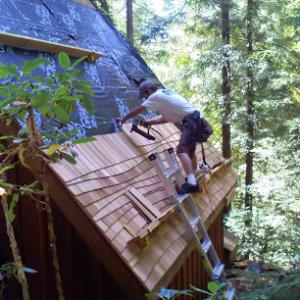
Moriarty's Roofing
(831) 466-9948 www.moriartysroofing.com
6996 Soquel Ave, Santa Cruz, California
4.8 from 350 reviews
We are a local company that has been serving Santa Cruz County for over 20 years. As a full service roofing contractor, we are able to provide outstanding quality work in the areas of residential and commercial roofing. We pride ourselves on providing quality installs with quality products. We offer products with lifetime warranties on both steep and flat roofing applications and back all of our installations with a 10 year craftsman warranty. Whether you are looking for a luxury option for those making a statement, are needing a new roof or roof repair, we are the company you are looking for. We enjoy challenging projects and will do our best to make sure you are satisfied before we complete the project.
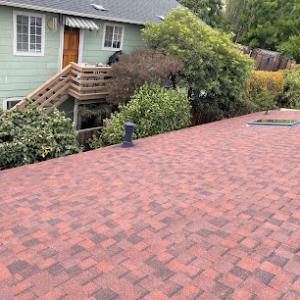
Six Star Roofing
(831) 345-0134 sixstarroofing.com
1720 Commercial Wy STE A, Santa Cruz, California
5.0 from 68 reviews
With unwavering dedication, we will approach your roofing project as if it were our own home. Throughout the process, we will collaborate closely with you, providing guidance and support from start to finish. Our ultimate objective is to ensure your utmost satisfaction, aiming for nothing less than 100% customer contentment! "During my high school and college years in Washington State, I gained substantial experience in the construction trades. Following a successful period in the health services field, I decided to return to my origins and establish Six Star Roofing in 2019. It brings me immense pride to operate a roofing company that strives for excellence in all aspects of its operations." Six Star Owner Jonathon Rank
Blue Wave Roofing
(831) 240-5487 bluewaveroofing.com
9029 Soquel Ave Ste G, Santa Cruz, California
5.0 from 50 reviews
Blue Wave Roofing is proud to offer our full service roofing expertise and services to our community. As a local roofing company based in Santa Cruz, CA and serving the South Bay to Monterey Bay area, we have over 30+ years experience specialized in all aspects of residential roofing as well as commercial roofing.
Shelton Roofing
(831) 464-4120 sheltonroofing.com
2-1245 E Cliff Dr suite f, Santa Cruz, California
4.9 from 32 reviews
Shelton Roofing, a family-owned business since 1981, has over four decades of experience as the premier roofing expert for residential and commercial needs in Santa Cruz and Monterey County. With their specialization in diverse roofing systems including metal, asphalt shingle, PVC, stone-coated steel, and tiles, they guarantee warranties and ensure lasting protection. As a local business, Shelton Roofing prides itself on prompt emergency access, prioritizing customer relationships, and contributing to the strength of the community. Their dedication to customer satisfaction and their passion for delivering dream roofs have earned them the trust of many over the years.
David Horn Roofing & Construction
(831) 476-2151 www.davidhornroofing.com
2235 Capitola Rd, Santa Cruz, California
5.0 from 7 reviews
David Horn Roofing & Construction provides roofing, siding, and deck services to the Santa Cruz, CA area.
Guido Roofing
Santa Cruz, CA
5.0 from 4 reviews
Your trusted partner for commercial and property roofing solutions. We offer a wide range of services, including repairs, replacements, maintenance, and inspections, all delivered with professionalism and attention to detail. Whether it’s a small fix or a large scale project, we’re here to protect your investment. Se Habla Español

Pacific Roofing Brothers
Santa Cruz, California
5.0 from 1 review
Roofing and gutter services
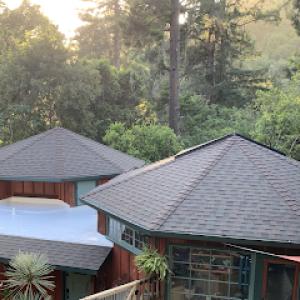
Redwood Roofing
(831) 888-7790 redwoodroofing.com
Serving
5.0 from 155 reviews
Need reliable roofing solutions in California? Serving Soquel, Freedom, Capitola, Aptos, Los Gatos, Aromas, Ben Lomond, Santa Cruz, Watsonville, Bonny Doon, Boulder Creek, and nearby areas, we’re here to assist! Our team specializes in roof replacements and repairs for flat and pitched roofs, both commercial and residential. From asphalt shingles to skylight repairs, we focus on quality and safety to give you peace of mind. Reach out for trusted, expert roofing care you can rely on.
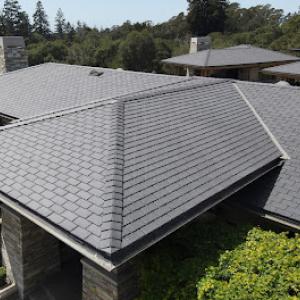
Daddario Roofing
(831) 476-9109 www.daddarioroofing.com
Serving
5.0 from 46 reviews
You can choose Daddario Roofing with confidence for all your roofing needs! Whether it is re-roofing, repairing an existing roof, or ordering a roof inspection Daddario Roofing Company is your very best choice.
Knox Roofing
(831) 461-0634 www.knoxroofing.com
Serving
3.7 from 53 reviews
Knox Roofing is a full-service roofing company serving the greater Santa Cruz, Monterey, Carmel, and Los Gatos areas for over 40 years. Our expert team is experienced can install and repair both residential and commercial roofs of all types. Our dedication to customer satisfaction has been the key to our success in serving the California Central Coast.
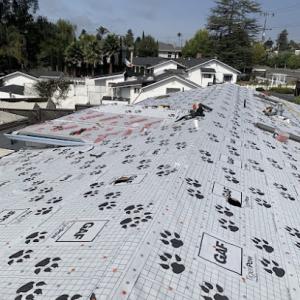
Pacific Roofing & Shake Restoration
(831) 247-9121 roofingcontractorinsantacruzca.com
Serving
5.0 from 2 reviews
We are a Family Owned and Operated company serving Santa cruz and the Bay area for over 30 years
Ed's Tile & Shingle Roof Cleaning
(831) 277-7713 edsroofcleaning.com
Serving
5.0 from 6 reviews
Exterior power washing at it's best! For all of your exterior cleaning needs, call Ed's Tile & Shingle Roof Cleaning. Does your home look a little dull? Do you think you need to paint? Maybe all you need is a good exterior cleaning. Our qualified and insured technicians will clean and restore your exterior surfaces and bring out the beauty of your home which is more cost effective than painting! We also can clean and reseal your fences, decks, patios and porches, along with cleaning your gutters and downspouts so that they work more efficiently. Call Ed's Tile & Single Roof Cleaning today to schedule your next home improvement project.
A full reroof in town typically requires a building permit rather than being treated as minor maintenance. That means your project will be reviewed by the planning and building departments, and you will need approved plans before work starts. Expect a formal process that may add weeks to the schedule, especially if the plan reviewer has questions about access, drainage, or seismic nailing requirements.
The local process generally includes plan review and inspections during and after installation. Inspections verify that ventilation is adequate to prevent moisture buildup in damp winters, that the underlayment is weather-tight, and that fastening details meet Santa Cruz seismic expectations. You should plan for at least one rough-in inspection and a final inspection that confirms all components-roof sheathing, underlayment, vents, and flashing-are properly installed and tied to the building's structure. Documentation of fastener types, spacing, and attachment points often comes up.
Because this area sits in a seismically active coastal region, reroof work is reviewed for compliance with local structural and nailing expectations rather than just surface material replacement. Inspections focus on how the roof deck is secured against uplift, how fasteners penetrate through to safe framing, and whether any retrofits are needed to accommodate heavier, wind-prone assemblies. If your home is on a hillside or bluff, expect additional scrutiny around edge restraint and frame connections.
Coordinate early with your contractor to align the permit package with the city's checklists. Have ready any engineered drawings, product specifications for underlayment, ventilation details, and a clear fastening schedule. Delays at the planning counter can ripple through weather windows, so maintain contingency plans for Santa Cruz's wet winter pattern.
Skipping the permit or doing work outside the approved scope triggers not only a stop-work order but also potential rework to bring the project into compliance. Inspections may require you to remove and replace work that was not executed to code, and penalties can delay occupancy or resale. In seismically sensitive neighborhoods, pulling permits late can complicate insurance claims after a winter storm. Plan for a thorough, compliant process to avoid costly backtracking.
Skylight service is notably active in Santa Cruz, reflecting how moisture, aging seals, and flashing details become common leak points in the city's foggy coastal environment. When mornings stay cool and damp, seals around the dome or curb can soften, and aging flashing around the flashing pans can show wear first. If your roof has a mix of skylights and traditional shingles or tiles, plan for extra inspection at these corners after winter rains.
Homes with repeated condensation, salt-air wear, or older flashing assemblies can see leaks develop first around skylights, chimneys, valleys, and roof-to-wall transitions before field shingles or tiles fail. In practice, that means a careful look at the step-flashings where the skylight meets the roof plane, plus the perimeter sealant along the curb. Valleys and low spots near roof-to-wall transitions can trap moisture and lift flashing over time, especially after a sequence of stormy mornings.
Cool, damp coastal mornings can complicate adhesion and cure timing for some repair materials, making proper weather-window planning especially important for leak work. If you notice a leak during a span of fogged skies, schedule temporary mitigation that blocks water while you confirm a replacement or reseal plan. Materials that cure slowly in low temperatures may need extended exposure or alternative fast-setting products, so discuss options with your contractor before committing to a method.
Start with the skylight curb: run a visual check along the flashing, the sealant line, and the metal cap. Look for hairline cracks in sealant and any distortion where the curb meets the roof surface. Move to the surrounding shingles or tiles, paying attention to any lifted edges or micro-blistering near the skylight rim. Inspect the roof-to-wall transition for signs of moisture intrusion or compromised step-flashing. If condensation has pooled under any roofing membrane near the skylight, treat that area as a leak-prone zone even if the field shingles appear sound.
Because foggy mornings and salt spray can accelerate corrosion and aging of flashing, keep an eye on flashings and edge details after heavy winter months. Leaks may not follow a straight line from the skylight; moisture can migrate along rafters and into attic seams, so a comprehensive area check is prudent rather than focusing only on the obvious leak point. When in doubt, a careful moisture test and a staged repair plan can prevent ongoing interior damage.
Find contractors experienced in skylight installation, flashing, and leak repairs to bring natural light into your home.
Moriarty's Roofing
(831) 466-9948 www.moriartysroofing.com
6996 Soquel Ave, Santa Cruz, California
4.8 from 350 reviews
Six Star Roofing
(831) 345-0134 sixstarroofing.com
1720 Commercial Wy STE A, Santa Cruz, California
5.0 from 68 reviews
Blue Wave Roofing
(831) 240-5487 bluewaveroofing.com
9029 Soquel Ave Ste G, Santa Cruz, California
5.0 from 50 reviews
In this coastal climate, Santa Cruz homeowners are navigating a California insurance market that has tightened roof underwriting, especially for older roofs and homes with elevated wildfire or construction-risk concerns. The combination of marine moisture, salt exposure, and winter storm bursts can push underwriters to scrutinize roof condition more closely than in the past. That means a few small details-like roof age, material type, and visible wear-may influence renewal decisions almost as much as a claim itself.
Insurers may ask for roof age, material type, photos, maintenance records, and evidence of current condition before renewing coverage or approving a claim. Having a clear, organized packet helps prevent delays or gaps in coverage at renewal. If a claim is filed after a storm, expect questions about prior wear, maintenance history, and any previous repairs. Being prepared with documentation can shift the conversation from finger-pointing to demonstrated condition.
After winter storms or wind-driven rain, interior leak staining and exterior damage can become the decisive factors in a claim. Promptly document what you see inside and out, secure temporary protection to limit further damage, and record material details such as roof deck condition, flashing integrity, and underlayment exposure if visible. Adjusters will scrutinize causation and pre-existing wear, so timely, thorough records are essential to support a claim.
Photographs should capture roof surface condition, any loose or missing shingles, and obvious leaks from multiple angles, plus a dated timeline of events. Keep a simple log of maintenance-cleanings, small repairs, and weather-related incidents. If a contractor has seen the roof recently, request a brief written note confirming its current condition and any recommendations. This proactive record-keeping helps when the next policy review or claim review comes around.
Connect with contractors who help homeowners navigate the claims process from damage assessment to final approval.
Six Star Roofing
(831) 345-0134 sixstarroofing.com
1720 Commercial Wy STE A, Santa Cruz, California
5.0 from 68 reviews
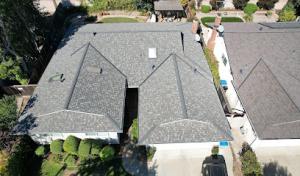

Many homes and additions in this area present a layered roofscape, with older structures joined to newer sections. Reroofing can reveal multiple roof types on a single property, including low-slope sections over porches, additions, or modern remodels. This mix demands careful assessment of how different surfaces interact, from ventilation needs to flashing transitions, to avoid creating new weak points after work starts.
Low-slope areas in this coastal climate are especially vulnerable to ponding-related wear, membrane edge failure, and leaks that appear during prolonged winter rain rather than isolated summer events. Over time, standing water can creep into joints and edge details, so attention to drainage paths, drip edges, and proper seam sealing is crucial. In hillside settings, wind-driven rain can pool on shady or recessed sections, accelerating wear on low-slope membranes if drainage is blocked by debris or nearby plant growth.
Steep hillside lots and bluff-adjacent settings can complicate tear-off logistics, fall protection, and material delivery compared with flatter inland subdivisions. Access routes may require additional planning for crane or ladder placement, and staged removal becomes a safety and scheduling factor. When additions or porches sit atop low-slope roofs, ensure that temporary supports and debris containment are coordinated with the main roof work to prevent damage to adjacent structures.
If you encounter a mix of roof types, choose materials that perform well in wet winters and resist salt exposure from marine air. For low-slope sections, consider durable membranes with good edge detailing and compatibility with adjoining steep-slope components. Seams, vents, and penetrations must be carefully flashed to prevent moisture migration between dissimilar surfaces.
Regular inspections after winter storms can catch edge failures or pooling issues before they escalate. Look for soft spots, blistering, or discoloration around transitions between old and new sections. Pay close attention to porches and additions, where small leaks can masquerade as interior changes until the problem broadens.
Find specialists in TPO, EPDM, and built-up flat roofing systems for residential and commercial properties.
Blue Wave Roofing
(831) 240-5487 bluewaveroofing.com
9029 Soquel Ave Ste G, Santa Cruz, California
5.0 from 50 reviews