
Last updated: Apr 19, 2026
In this neighborhood belt of Southeast Los Angeles, homes tend to be older and more densely built, with a mix of roof designs that were not originally planned for today's heavier tile choices. Aging roof decks are common, and many houses feature a blend of low-slope sections, porches, garages, and small multifamily units glued into the same footprint. This creates a practical tension: you want a durable, weatherproof roof, but you also need to respect the structure underneath and the way water behaves on modest slopes. Recognizing these patterns helps you plan a reroof that won't undersize the deck or misjudge load on the framing.
Clay and concrete tile are beautiful and long-lasting, but their weight is a material concern for homes not originally framed to carry that load. In Maywood, the tendency to overbuild with varied roof pitches means some sections can handle heavy tile, while adjoining areas may struggle. If the house has any age-related deck soft spots or mounting points that were never reinforced for a tile load, conversion to a heavy tile system should be treated as a structural upgrade, not a simple swap. The goal is to avoid concentrated stress in one area that could lead to squeaks, sagging, or faster deck deterioration.
Low-slope roofs over porches, additions, garages, and small multifamily units are a common feature here. On these surfaces, water tends to pond after winter storms if the drainage plan isn't meticulous. In practice, that means every reroof should revisit up-and-over details: nail pattern, flashing continuity, and transitions from high to low sections. Consider how the roof edge and parapets will shed water without creating new stagnation points. A common pitfall is assuming a low slope is "fine" without addressing edge scuppers, internal drains, or membrane integrity. If you see a porch roof that drains toward an interior corner or a garage that sits at a slightly different grade, plan a unified drainage strategy that avoids separate, competing water paths.
A deteriorating roof deck isn't just an underlayment concern; it can become a structural obstacle to a sound reroof. In Maywood, decks age due to sun exposure and the region's heat load, leading to soft spots or warped plywood. Before laying new material, perform a careful deck assessment: check for rot, fastener corrosion, and any signs of prior repair that might indicate uneven support. If the deck shows wear, consider reinforcing or replacing the afflicted sections before installing the new roof system. A stable, well-bleed dry deck is essential for long-term performance, especially on low-slope portions where moisture sits longer.
Heat exposure is real in this neighborhood, and older homes often rely on vent configurations that no longer meet current needs. Poor attic ventilation can accelerate deck and underlayment wear, particularly under heavy tile loads. Those reroof projects should include an updated ventilation plan that matches the roof's geometry, taking into account any confined attic spaces or hallway walls that trap heat. A balanced approach-adequate soffit intake, ridge or mechanical exhaust, and careful placement of vents-helps prevent condensation, reduces thermal stress, and protects the deck and fasteners over time.
Start with a structural assessment of the existing deck and framing, emphasizing any low-slope zones and the transitions between roof planes. Prioritize a unified drainage plan that moves water away from the most vulnerable corners, with attention to detailing where porches and garages meet the main roof. When selecting tile, weigh the weight class against the deck's integrity and the framing's load path. If heavy concrete or clay tile is chosen, plan for reinforcement where needed and verify that the support elements align with the tile's weight distribution. Finally, ensure the underlayment and flashing are compatible with mixed roof designs, and pay particular attention to penetrations and transitions that could become weak points under winter rain.
Find specialists in TPO, EPDM, and built-up flat roofing systems for residential and commercial properties.
Bell Roofers
(323) 827-7403 bellroofers.com
Serving
5.0 from 32 reviews
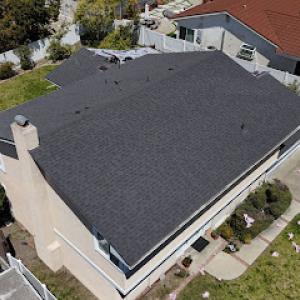
Bell Roofers brings two decades of roofing expertise to homeowners and businesses across Bell, CA and surrounding areas. As a highly rated roofing contractor in Bell, CA, we focus on durable workmanship, timely project completion, and personalized service. From roof inspections to full replacements, our skilled team delivers roofing solutions that match your property’s unique needs. Clients in Bell and nearby communities trust us for our integrity, attention to detail, and long-term results. When quality, experience, and local commitment matter, Bell Roofers is the name to remember.
Quality Roofing Specialists
(213) 263-5976 qualityroofingspecialists.com
Serving
5.0 from 95 reviews
Quality Roofing Specialists are the best roofing contractors in Vernon & has everything it needs to deliver a pleasant experience for customers. We rigorously train our team to provide superior results for all types of Vernon new roof installation projects. We invest in our employees to equip them with the right skills and tools for the job. Our team has plenty of experience in the roofing sector, so we know what we are doing. Many contractors offer Vernon roof installation services; however, you should not blindly trust anyone. Most budget roofers do not use proper tools, nor do they have the experience or skills needed for the job.

Cudahy Roofing Firm
(323) 530-1274 cudahyroofingfirm.com
Serving
5.0 from 28 reviews
Cudahy Roofing Firm has been delivering expert roofing solutions for over 20 years, earning the trust of homeowners and businesses across Cudahy, CA and surrounding areas. As a leading roofing contractor in Cudahy, CA, we take pride in offering personalized service, durable materials, and attention to detail on every project. From roof inspections to full replacements, our experienced team ensures your roof is built to withstand time and weather. Serving Cudahy and nearby neighborhoods, we’re known for quality work, honest communication, and lasting results. Let Cudahy Roofing Firm protect what matters most—your home.

H&N Roofs
(323) 794-0700 roofingelite.pro
Serving
4.8 from 72 reviews
H&N Roofs is a reputable roofing company known for its commitment to excellence and customer satisfaction. With our experienced team of professionals, we specialize in providing comprehensive roofing solutions for residential and commercial properties. From installations to repairs and maintenance, we have the expertise to handle your project with precision and efficiency. At H&N Roofs, we prioritize using high-quality materials and proven techniques to ensure the longevity and durability of your roof. Trust us for reliable roofing solutions that exceed your expectations.
All In Roofing
(323) 287-2407 allinroofingla.com
Serving
5.0 from 212 reviews
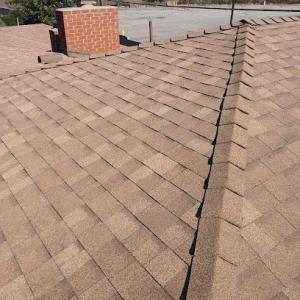
we offer a range of services to meet your needs, including repairs, maintenance, and new roof installations. Your roof is in safe hands with All in Roofing.
RightWay Roofing
(626) 824-8729 rightway-roofing-ca.com
Serving
4.9 from 35 reviews
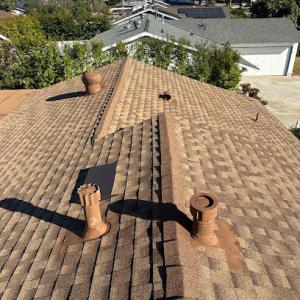
With several years experience, we work hard to bring each customer the best possible service and quality available. We are Flat And Shingle Roof Experts. We Are Also Experts In Leak Detection. With over 20 years of industry experience, we take an enormous amount of pride in the attention to detail put into each of the projects we are involved with. We are known for our quality work and the integrity of our business. We look forward to building long term relationships with our clients, and guarantee 100% Satisfaction. We look forward to working with you on your next project. We welcome your questions and thank you for your interest.
Roof Pros
(323) 253-2120 roofpros4socal.com
Serving
4.8 from 22 reviews
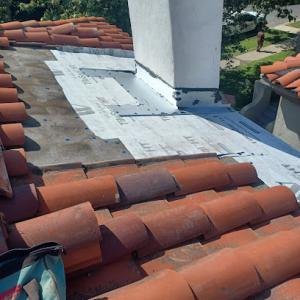
Roof Pros is based in Whittier, California. We deliver top-quality results to home and business owners all over Southern California. With nearly 40 years in the roofing industry, we're well-versed in materials of all types: asphalt shingles, metal roofing, clay tiles, concrete tiles, slate roofing, wood shingles, wood shakes, synthetic roofing, green roofs, solar tiles, built-up roofing, modified bitumen, EPDM, TPO, PVC roofing, standing seam metal, corrugated metal, stone-coated steel, flat roof membranes, and cool roofing. Every project receives a warranty: whether it be a new full roof, roof restoration, a tile reset, or a shingle roof repair, we guarantee results that last. Give us a call today—we’re here to help!
Royal Roofing Company
(562) 928-1200 royalroofing.com
Serving
4.7 from 103 reviews
Royal Roofing (.com) services most of Los Angeles and Orange County’s as a 42yr. year “Same Licenses” Roofing Professional. We’re a GAF “Master Commercial & Master Elite” Certified Roof installer (TOP 2%). We eat, drink and sleep roof Roof leak(s), Roof Maintenance, Strip & Re-Roofing, Commercial Roofing, Residential Roofing, Industrial Roofing, Apartment Roofing, Roof Restoration, Roof Installation, and more. Whether you're experiencing an emergency roof leak or need a couple pips or vent re-sealed, our team is here for you! Our professional roofing contractors take pride in their Workmanship and 5-star reputation. If you're having trouble with your roof or just want to get an evaluation for future work, call us today!
Top Notch Roofing
Serving
4.8 from 79 reviews
Top Notch Roofing is your trusted partner for all your roofing needs. With years of experience, we deliver exceptional craftsmanship and attention to detail. Our team of skilled professionals is dedicated to providing reliable and long-lasting roofing solutions. From installations to repairs, we offer a comprehensive range of services to meet your requirements. We pride ourselves on using high-quality materials and employing industry-leading techniques to ensure your roof is built to last. Trust Top Notch Roofing for reliable and top-quality roofing solutions that exceed expectations.
American Roofing CA
(310) 601-8108 americanroofingca.store
Serving
5.0 from 25 reviews
American Roofing CA in Los Angeles is a trusted local roofing company dedicated to quality, safety, and craftsmanship. We specialize in roof repair, replacement, new installations, and waterproofing for both residential and commercial properties. Our licensed professionals work with all roofing types — from shingles and tile to flat and cool roofs — ensuring durable, energy-efficient results. With transparent pricing, reliable service, and attention to detail, American Roofing CA protects your home or business from the top down. Count on us for roofing built to last, rain or shine, anywhere in Los Angeles and surrounding areas.

Los Angeles Roofing.
(213) 348-6690 losangelesroofingcompany.net
Serving
4.1 from 18 reviews
Los Angeles Roofing is your trusted roofing contractor in Los Angeles, delivering top-quality roofing services for residential and commercial properties. With years of experience and a team of licensed professionals, we specialize in roof repairs, replacements, new roof installations, and maintenance. Whether you need a quick fix or a complete roof overhaul, our expert team ensures long-lasting, reliable results using high-grade materials and industry-best practices. For dependable roofing services tailored to your needs, choose Los Angeles Roofing—your local experts in roofing excellence.
In a dense, built-out Southeast Los Angeles setting, spring offers a practical balance between drying winter moisture and avoiding the peak heat that comes later. Plan to start reroof work after the heaviest winter rains have passed and before the first sustained heat waves arrive. This keeps the roof deck drier for installation and reduces the risk of underlayment exposure when the weather is still cool but not wet. If there are tile-heavy homes with low-slope sections, use this window to advance staging, material laydown, and crew rotations so the actual tear-off can proceed with minimal delays. Since neighborhood layouts in older areas can pinch access, coordinate deliveries to avoid blocking drive aisles or parking lanes during peak midday heat.
Fall brings cooler days that are still comfortable for high-heat handling tasks on exposed tile and dark roofing products. It also coincides with the period when fall wind events in the Los Angeles area can impact tile security and underlayment exposure windows. For homes that require opening the roof for replacement, align the project to leverage calmer morning cycles and the less intense afternoon sun. This minimizes tile lift risk during removal and reinstallation, especially on low-slope sections where water intrusion concerns are higher if a breeze picks up exposed edges. Use fall to complete secondary tasks such as resealing penetrations and rechecking fastener patterns before any potential winter moisture returns.
Summer in the inland basin can push temperatures into the uncomfortable range for both crews and materials, with tile and shingle handling becoming more strenuous on dark roof surfaces that soak up heat. In tightly spaced neighborhoods with little shade, plan the most physically demanding portions of the reroof for early morning or late afternoon, avoiding the peak heat hours. If reroof work must occur in summer, prioritize roofs with better shade from neighboring structures or vegetation and stagger the work to minimize rooftop time for heavy lifting, tile, and granule cleanup. On low-slope sections, pay extra attention to edge flashings and drainage. Hot surfaces demand careful footing and more frequent hydration breaks for crew safety, which can affect daily pacing.
Reroof timing should respect local neighborhood patterns that affect access and noise windows. In Maypole-adjacent neighborhoods with compact lot lines and shared driveways, schedule the most disruptive phases (tear-off, tile removal, and the initial decking inspections) for midweek mornings when street activity is lighter and driveways are less congested. Communicate anticipated noise, debris control, and staging needs well in advance to neighbors, and arrange for on-site containment to minimize dust and debris drifting into neighboring yards. For tile-heavy jobs, ensure temporary containment around loose materials and plan for secure storage of heavy bundles to prevent wind-driven displacement during seasonal wind spikes.
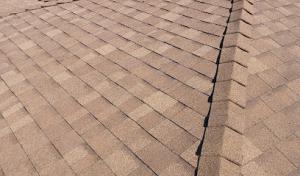
Asphalt shingles remain a common fit for Maywood because they work across many modest-pitch residential roofs and usually avoid the structural concerns that can come with tile conversions. For older homes with low-slope sections, a quality asphalt option can provide reliable protection against heat and seasonal rain without adding excessive weight. Choose shingles with a reflective or cool-roof granule finish to help minimize heat absorption on those long summer afternoons. In practice, you'll want to pair them with proper attic ventilation and a dependable underlayment to guard against occasional winter leaks that can sneak in around flashings or vents.
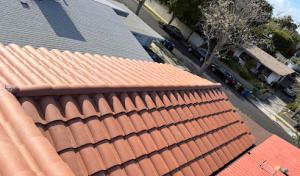
Clay and concrete tile are locally relevant because Southern California architecture frequently uses them, but their weight and repair complexity matter more on older Maywood structures. If your roof has substantial tile loads or a history of tile breakage, re-roofing with clay or concrete tile can preserve the neighborhood aesthetic while introducing durable weather resistance. However, keep in mind that heavier tile systems demand careful structure assessment, especially over low-slope sections where drainage and wind uplift are more pronounced. Tile transitions around chimneys, skylights, and vent stacks require meticulous detailing to avoid attic moisture buildup and leaks after heavy winter storms. For some homes, retrofitting to a lighter tile or pairing existing decking with reinforced underlayment can strike a balance between weight and performance.
Metal roofing and synthetic/composite products can appeal where homeowners want lower weight, heat performance, or longer service life without the full structural burden of traditional tile. Metal roofs offer excellent heat reflection, rapid rain shedding, and wide color choices that help curb cooling loads in a climate with intense sun. Synthetic shingles or composites bring flexibility in aesthetics and typically ease installation over older purlins or decking, reducing some of the risk tied to adjusting a long-standing tile system. When considering these options, verify compatibility with existing penetrations and edges, as flashing details and edge accents can influence long-term performance in the dry Santa Ana winds and occasional winter dampness characteristic of this area.
In dense, built-out neighborhoods, the roof's footprint often reflects mixed rooflines and older structural members. A practical approach is to start with a thorough inspection of drainage patterns, frozen-vent risks, and flashings around skylights and chimneys. If the house has low-slope sections that previously leaked, prioritize systems proven to handle water runoff well on shallow angles, and ensure there is an adequate vapor barrier and underlayment. For tile-reliant homes, consider reinforcing the existing decking where weight is a concern and coordinating a tile choice that matches the home's original character while offering improved wind uplift resistance. If a lighter, heat-efficient swap is desired, a well-installed metal or synthetic option can deliver notable gains in performance without pushing structural limits.
Across Maywood's climate, the best roof choice balances heat resilience, drainage reliability, and the capacity to weather winter moisture without costly repairs. Each option-whether asphalt, tile, metal, or synthetic-benefits from a clear maintenance plan: keep gutters clear, inspect flashing after heavy winds, and routinely check for loose or cracked components after seasonal shifts. A thoughtful mix of material characteristics that respects the neighborhood's architectural rhythm can deliver robust protection while preserving the look and feel that defines the local streetscape.
In this compact urban setting, tear-off, staging, and debris handling can slow the process compared to spreads-out suburban jobs. Expect crews to navigate tight driveways, parked cars, and limited on-site space for material storage. That can translate to longer job days and higher labor cost per square, especially on larger or multi-section reroofs with mixed rooflines. If your roof has low-slope sections or transitions, plan for extra crew time to protect soft spots and keep the deck clean during removal and installation.
Clay and concrete tile add significant weight, which pushes the project's cost higher when the existing framing or decking needs reinforcement. When a city review flags structural questions-common with heavy tile over older framing-upfront reinforcement work can be required before installation. That work can involve adding or sistering rafters, upgrading sheathing, or installing improved attic ventilation and drainage pathways to meet the load and performance expectations of a newer system. Expect material and labor costs to reflect these structural upgrades if they're necessary.
Older Southeast Los Angeles homes in the area often feature a mix of low-slope sections, penetrations, skylights, and transition zones. Each intersection adds flashing and waterproofing labor, which compounds quickly when multiple roof angles meet a single eave or valley. Low-slope areas especially demand careful seam detailing and drain transitions to avoid cold-weather leaks during winter and heat-related expansion in hot months. The more penetrations and transitions there are, the more you should anticipate for flashing, underlayment, and potential re-flashing of existing penetrations.
Here are the typical installation ranges you'll see for common materials, recognizing that Maywood's conditions can nudge pricing up due to staging and tile weight considerations:
When budgeting, build in a contingency for structural checks, reinforcement if needed, and the added labor that comes with kneeling, cutting, and sealing around low-slope sections and multiple roof transitions.
Get a clear picture of your project costs upfront - no commitment required.

In this city, for Maywood homeowners, a full reroof generally requires a building permit through the city's building department rather than being treated as a no-paperwork maintenance item. The process is designed to make sure the work meets the area's hot climate, heavy tile loads, and the dense urban footprint. If you assume you can skip the permit, you risk halting progress mid-project and facing possible fines or the need to undo work to bring everything up to code. Start by picking a contractor who is comfortable guiding you through the city requirements, not just the installation.
Local review commonly focuses on load compatibility, ventilation, and drainage, which is especially relevant when replacing lightweight roofs with heavier tile systems. A reroof that adds significant weight may require structural confirmation or reinforcement, so expect a structural assessment to be part of the permit plan. Ventilation details matter in the hot months, where improper attic airflow can shorten tile life and raise interior heat. Drainage plans should account for the tile configuration and any changes to gutter lines or scuppers, ensuring there are no new standing water issues after the roof is completed.
Homeowners should expect inspections at pre-installation, during-progress, and final stages, so contractor scheduling needs to account for city sign-offs before the roof is fully closed out. The pre-installation check confirms that the existing structure and deck are prepared for the planned tile or other material, and that your ventilation strategy is approved. During-progress inspections verify that the work aligns with structural and drainage requirements as the roof goes on, not just at the end. The final inspection certifies that the system is safe, watertight, and compliant with local standards. If a permit review reveals an issue, repairs or adjustments may require re-inspection and additional permit paperwork.
To avoid delays, coordinate your plan with a contractor who maintains a calendar that aligns with the city's inspection windows. Clear lines of communication help ensure that materials arrive in the right sequence and that each inspection can occur without late-stage hold-ups. Make sure the proposal includes a realistic timeline for permit processing, weather contingencies, and the extra checks that come with adding heavier tile systems to older, low-slope sections.
In Maywood, the harsh reality is that the most disruptive roof problems often show up during winter rain when older underlayment, low-slope transitions, and drainage weak points finally leak. The combination of heat exposure, aging materials, and dense housing means a small drip at a seam can become a crawling stain across a ceiling before a dry spell returns. Watch for staining along ceiling joints, near vent stacks, and at any transition between low-slope sections and steeper areas. If you notice dampness lingering after storms, treat it as a warning and investigate promptly rather than hoping it will dry out.
Tile roofs in the Los Angeles area are vulnerable to slipped or cracked pieces and exposed underlayment after wind events, even when the visible damage looks minor from the street. A gusting day can lift edges enough to loosen fasteners or shift pieces, creating micro-leaks that worsen with subsequent rain. In Maywood's built-out blocks, where tiles sit close to neighbors and overhangs, these problems compound quickly: wind-driven debris can pry tiles loose and expose brittle underlayment that's been stressed by years of sun and heat. Don't assume a roof looks fine because there's no obvious break; hidden damage often lies beneath.
Dense neighborhood conditions mean a small leak can quickly affect ceilings, insulation, and shared-adjacent structures or detached garages before the next dry weather window arrives. A single compromised seam or flashing detail can cascade into attic condensation and mold concerns if not addressed fast. When you hear wind-driven noise or notice a sudden draft of air coming from attic vents, treat it as a signal to inspect the entire roof line, not just the obvious dark spot. Immediate action reduces the spread of damage and protects adjacent spaces.
When you can't wait, these contractors offer fast response times to stop leaks and prevent further damage.
In this dense, built-out Southeast Los Angeles neighborhood, the insurance reality has shifted. Maywood homeowners are operating in California's tightened market, where carriers increasingly ask for roof age, condition photos, and documentation before binding or renewing coverage. If a carrier sees an aged roof or a history of maintenance gaps, renewal terms can tighten or coverage may be challenged. The risk is real enough that understanding your roof's current condition before filing a claim becomes a practical part of home maintenance, not an afterthought.
Even outside mountain wildfire zones, Los Angeles County homeowners can feel the effects of statewide insurer pullbacks and stricter underwriting tied to roof condition and maintenance history. That means a reroof or major repair on a low-slope or heavily weighted tile roof requires careful planning not just for weather durability, but for how the work will be viewed by insurers later. If a roof has mixed slopes or heavy tile loads, document how the roof carries the weight and how the ventilation and drainage were addressed during any upgrade. Insurers scrutinize whether long-deferred wear contributed to a leak or wind damage, which can alter claim outcomes.
After a leak or wind event, homeowners should preserve photos, inspection notes, and repair records because insurers may scrutinize whether the issue was sudden damage or long-deferred wear. Take timestamped photos of all vulnerable areas, keep a simple timeline of any slow leaks, and store invoices from reputable repairs. If a future claim comes up, clear, organized records can help prove the damage was from a specific incident rather than ongoing deterioration. In Maywood, that clarity often influences how quickly a carrier moves from assessment to settlement.
When planning reroofs on older homes with low-slope sections and heavy tile loads, pair your project with a concise inspection log and a photos-first approach. Photographs from before, during, and after work-showing the roof's condition, flashing, drainage, and ventilation-can be decisive. Keep these assets in a dedicated folder, and review them after any wind or rain event to determine whether additional preventive steps are warranted. This disciplined approach supports not only home longevity but the smoother handling of any future insurance interactions.
Connect with contractors who help homeowners navigate the claims process from damage assessment to final approval.


In Maywood, homes sit close together and work often happens with occupied interiors. A reliable contractor replies quickly to inquiries, arrives on schedule, and keeps the site clean enough to prevent debris from drifting onto neighboring properties. Look for teams that use daily cleanup routines, tarping where necessary, and clear material staging behind the house to protect driveways and sidewalks. Quick response and thorough cleanup are not extras here-they reflect a contractor who understands the realities of small urban lots.
Because many projects begin as repairs and progress to full replacement, it matters who does the heavy lifting. Ask the contractor to name the crew performing the installation, not just the foreman who writes the estimate. If the primary crew changes mid-project, request a new introduction and a brief walkthrough of planned methods. On tight lots, confirm that the crew can access the roof without dragging debris through the interior or over-yard fences, and that edge and perimeter protection is in place to safeguard landscaping and exterior finishes.
Small urban lots require extra attention to protection. Check that ladders and staging do not rest on brittle pathways or close to neighbor fences. The contractor should lay down ground protection at entry points, use debris nets or containment around the eaves, and routinely sweep to minimize grit tracked inside. When tile or heavy assemblies are removed, insist on fall protection and material containment so no tiles end up on neighboring lawns or driveways.
Manufacturer-backed warranties matter more when installing premium shingles, metal, or tile systems, especially if the roof assembly includes ventilation upgrades required during permit review. Ensure the contractor provides these warranties in writing, and that the warranty terms align with the chosen roof type and any added ventilation or underlayment components. For tile-heavy assemblies, verify that fasteners, underlayment, and flashing accompany the warranty, and that installation follows the manufacturer's guidelines to avoid voided coverage.
In this market, a top signal is a contractor who can provide verifiable references from recent Maywood or adjacent-area projects with similar tile loads and low-slope sections. Ask for photos of completed projects, material samples, and a written plan showing how ventilation, drainage, and ballast considerations will be addressed during tear-off and reassembly. A practical approach includes a staged cleanup plan, clear communication about daily progress, and a commitment to minimal disruption for occupied homes.