Last updated: Apr 19, 2026
The western San Gabriel Valley climate shapes every roof in this hillside area. Long dry stretches are followed by concentrated winter rain events, and Santa Ana wind swings can push dry, baked surfaces from late summer into fall. In practical terms, that means roof systems here endure extended periods with little moisture control, then confront rapid wetting and wind-driven load during the heart of the rainy season. For homeowners, the focus becomes preemptive care: ensuring the roof can shed water efficiently after dry spells, and reinforcing sealants, flashing, and edge details before the rain arrives. In Monterey Park's elevated pockets, those dry spells can be followed by sudden downpours that strain older components, making it essential to confirm that drainage paths, gutters, and downspouts are free of debris and capable of moving water away from the structure promptly.
Hillside and elevated neighborhoods experience stronger wind exposure than flat blocks nearby, which increases concern about tile uplift and displaced materials during Santa Ana season. Tile and shingle systems in these zones face dynamic wind forces that can pry flashing seals and joints if the attachment method has aged or if fasteners have corroded. In practice, look for missing or loose fasteners, cracked tiles, or lifted edges after high-wind events. If a roof has multiple levels or transitions, uplift risks multiply where hips meet ridges and where roof-to-wall connections are carried by parapets or exterior vents. Address these vulnerabilities proactively by verifying that fastener patterns match the original design or updated code guidance, and by re-sealing edge metal and counterflashings where signs of dry rot or corrosion appear. For houses built in the mid-century era that populate much of the local stock, those wind-driven stress points often trace back to aging underlayment and worn tile or shingle attachments beneath the visible surface.
A large share of local homes come from mid-century development patterns, so many reroof projects involve aging underlayment beneath older tile or shingle systems rather than brand-new roof assemblies. The underlayment serves as the first line of defense after a roof's surface layers, and when it loses integrity, small leaks can travel unseen for seasons. In practical terms, expect to encounter felt or synthetic underlayment that has degraded, frayed, or delaminated. A retrofit can require removing worn sections of underlayment and replacing them with a compatible membrane that ties into existing flashing details. This is especially important where tile or shingle overlaps intersect with vents, chimneys, and dormers. When inspecting, pay close attention to valleys where two slopes meet, flashing around roof penetrations, and the condition of drip edges along the eaves. If a roof has shingle layers added over time, check for limiting factors such as compromised nailing zones or broken shingle tabs that could let water seep into the attic space on the next heavy rain.
Preparation for the wet season starts well before the first winter rain. A practical approach involves a targeted pre-winter check that prioritizes the most vulnerable areas: roof-to-wall flashings, chimney and vent penetrations, and edge details where heavy winds can peel shingles or flatten edge metals. In Monterey Park, the dry-season window is the time to secure loose tiles and reseal around penetrations with materials that are compatible with the existing system and local climate. Clean gutters and downspouts to maintain clear drainage paths, inspect for signs of animal damage or debris buildup, and verify that roof edge metal and drip edges are intact to protect fascia boards from moisture intrusion. If there are visible signs of aging underlayment or prior repairs, plan a careful assessment to determine whether full underlayment replacement is warranted to restore a continuous, dry roofing barrier before winter storms.
When deciding between repair and broader replacement in older homes, consider the overall condition of the roof deck, underlayment quality, and the continued performance of flashing systems. In hillside settings where wind uplift is a recurring concern, upgrades that improve edge and flashing integrity can yield meaningful resilience without requiring a full re-cover. For homes with mid-century layouts, focus on restoring the performance of the underlayment and ensuring tiles or shingles are secured with appropriate fasteners and attic ventilation remains adequate. The goal is to maintain a dry, robust barrier that holds up through Santa Ana events and winter downpours, protecting the living space below and honoring the character of the neighborhood's architectural fabric.
In this coastal- foothill mix of a city, roofs often look fine during the long dry season and only reveal vulnerabilities when the first big winter storms arrive. Valleys, wall flashings, and underlayment laps are the trouble zones that prove the roof's true age and installation quality. The big reality for a Monterey Park homeowner is that a roof may feel serviceable through late summer, yet fail quickly under a wet-season test that concentrates water where two planes meet. Effective winter preparation means hunting for these hidden failure points now, before the rain starts.
Valleys take the brunt of normal rain, and in this climate they become reliability tests for both the shingle or tile system and the underlying underlayment. In a hip-and-valley layout common on hillside homes, rough flashing around wall intersections can corrode or shift with sun exposure and wind, creating slow leaks that only show up during a downpour. Inspect for loose or missing flashing along the wall line, reseated valley metal, and any gaps where shingles or tiles meet the valley. If the flashing lips or sealant show gaps, water will track down into the attic through laps in the underlayment. Addressing these points with timely resealing or flashing replacement is essential before a heavy rain event.
Fall Santa Ana winds in the basin bring dry, hot gusts that can lift shingles and flex tile edges and ridges before the rainy season begins. The risk is not only cosmetic loss but structural, as uplift can loosen fastenings and fracture edge and ridge materials. Pay particular attention to ridge caps, tile clips, and edge fasteners. If shingles show cupping, curling, or loose tabs, or if clay or concrete tiles exhibit micro-cracking along the edges, those components become easy access points for wind-driven water. Even small edges breaking free can channel water into concealed spaces during a burst rain event.
Without the freeze-thaw cycles seen in colder climates, local failures tend to be tied to UV aging that makes shingles brittle and flashing that blooms with corrosion or cracking. When a heavy rain bursts through a dry spell, water can penetrate through marginal sealants, worn step flashing, or deteriorated kick-out details at wall intersections. The result is a rapid drip that seems to appear out of nowhere. A focused winter prep plan targets these areas: reseal or replace compromised flashing, replace suspect sealants, and resecure any fasteners that show signs of loosening or corrosion. In this climate, the most reliable defense is proactive, not reactive, before the rains begin.
Find local contractors experienced in assessing and restoring roofs after hail, wind, and severe weather events.


Family Roofing
(213) 205-0552 montereyparkcaroofing.com
412 N Atlantic Blvd, Monterey Park, California
5.0 from 15 reviews
Family Roofing is your trusted roofing contractor in Monterey Park, CA, dedicated to delivering top-notch roofing solutions for residential and commercial properties. Whether you need roof installation, roof replacement, or expert roof repair, our skilled team ensures quality craftsmanship and long-lasting results. We specialize in metal roofing, asphalt shingle roofing, and durable commercial TPO roofing, tailored to meet your specific needs. From reliable flat roofing to comprehensive new construction roofing services, we bring innovation, efficiency, and professionalism to every project. With Family Roofing, you’re guaranteed exceptional service and peace of mind, knowing your roof is in expert hands. Protect your property today!
Western Roofing
(213) 474-7358 montebelloroofingcontractor.com
Serving
5.0 from 12 reviews
Welcome to Western Roofing, where sky-high quality meets unbeatable service! Elevate your home with our premier Roof Installation, blending expert craftsmanship and top-notch materials. Discover a new horizon of durability with our Roof Replacement service, tailored to exceed your expectations. Our skilled team ensures a seamless Roof Repair experience, restoring your peace of mind. Unleash the power of modern design with our Metal Roofing options or embrace classic charm with Asphalt Shingle Roofing. For commercial spaces, our expertise extends to cutting-edge Commercial TPO Roofing. From New Construction Roofing to the sleek appeal of Flat Roofing, Western Roofing is your trusted partner in reaching new heights of style and protection!

Gold Tech Roofing & Exteriors
(626) 900-0757 alhambraroofers.com
Serving
4.9 from 86 reviews
Gold Tech Roofing & Exteriors is a premier provider of top-quality roofing and exterior solutions. With our extensive knowledge and advanced techniques, we deliver outstanding craftsmanship and exceptional results. Whether you need a new roof installation, roof repairs, or exterior renovations, our skilled team is here to meet your needs. We work with a wide range of materials and offer customized solutions tailored to your specific requirements. Count on Gold Tech Roofing & Exteriors for reliable, long-lasting solutions that enhance the beauty and durability of your property.
All In Roofing
(323) 287-2407 allinroofingla.com
Serving
5.0 from 212 reviews
we offer a range of services to meet your needs, including repairs, maintenance, and new roof installations. Your roof is in safe hands with All in Roofing.
One Faith Roofing & Construction
(866) 733-2320 www.onefaithroofing.com
Serving
5.0 from 14 reviews
With more then 20 years of roofing and construction experience, we are your premier general contractor location serving much of the Los Angeles area of Southern California. Whether you are looking to build a new roof, repair your current roof or add on to your house. We can provide you with the services that you desire. We are general contractors, so we're not just limited to roofing. For a full explanation of what we can do for you fill out the contact form below, call or email us and we will be happy to answer what questions you may have. Thank you for visiting!

Woody's Roofing
(818) 583-0850 woodysroofing.com
Serving
4.9 from 184 reviews
Welcome to Woody's Roofing, a beacon of excellence in the roofing industry for over two decades. Our commitment to quality, craftsmanship, and customer satisfaction has solidified our position as a trusted partner for homeowners and businesses. Beyond providing top-tier roofing solutions, we believe in building lasting relationships with our clients, ensuring their properties are not only secure but also aesthetically pleasing.
RightWay Roofing
(626) 824-8729 rightway-roofing-ca.com
Serving
4.9 from 35 reviews
With several years experience, we work hard to bring each customer the best possible service and quality available. We are Flat And Shingle Roof Experts. We Are Also Experts In Leak Detection. With over 20 years of industry experience, we take an enormous amount of pride in the attention to detail put into each of the projects we are involved with. We are known for our quality work and the integrity of our business. We look forward to building long term relationships with our clients, and guarantee 100% Satisfaction. We look forward to working with you on your next project. We welcome your questions and thank you for your interest.
El Monte Roofing Contractors
(626) 323-8814 www.elmonteroofingcontractors.com
Serving
5.0 from 46 reviews
El Monte Roofing Contractors provides top-quality roof installation and replacement services for both residential and commercial properties in El Monte CA and the surrounding areas. Our experienced team is dedicated to delivering durable and reliable roofing solutions tailored to your needs. Whether you need a new roof for your home or a replacement for your business, we ensure excellent craftsmanship and customer satisfaction. Contact us today for a free estimate and let us handle all your roofing needs!
Francisco's Roofing
(323) 253-5146 franciscosroofinginc.co
Serving
4.9 from 90 reviews
Francisco’s Roofing is a family-owned and operated roofing company established in 2022. Founded by Francisco Sr., who has been in the roofing industry since 1994, our company is built on decades of hands-on experience, quality craftsmanship, and honest service. Today, the business is run by Francisco Sr. and his son, Francisco Jr., an Army veteran who helps ensure the company is professionally managed, organized, and customer-focused. Together, we are committed to delivering reliable roofing solutions with integrity and attention to detail on every project.
Roof Pros
(323) 253-2120 roofpros4socal.com
Serving
4.8 from 22 reviews
Roof Pros is based in Whittier, California. We deliver top-quality results to home and business owners all over Southern California. With nearly 40 years in the roofing industry, we're well-versed in materials of all types: asphalt shingles, metal roofing, clay tiles, concrete tiles, slate roofing, wood shingles, wood shakes, synthetic roofing, green roofs, solar tiles, built-up roofing, modified bitumen, EPDM, TPO, PVC roofing, standing seam metal, corrugated metal, stone-coated steel, flat roof membranes, and cool roofing. Every project receives a warranty: whether it be a new full roof, roof restoration, a tile reset, or a shingle roof repair, we guarantee results that last. Give us a call today—we’re here to help!
Primetime Roofing
(562) 837-0262 picoriveraroofingcontractor.com
Serving
5.0 from 12 reviews
Welcome to Primetime Roofing, where we elevate your property to new heights! Our expert roofing contractors specialize in seamless Roof Installation, ensuring precision and durability that withstands the test of time. Upgrade your home with our top-notch Roof Replacement services, transforming your space with style and reliability. Experience peace of mind with our swift and efficient Roof Repair solutions, tailored to protect your investment. Explore the modern touch of Metal Roofing or the classic appeal of Asphalt Shingle Roofing, customized to match your aesthetic preferences. For commercial spaces, our Commercial TPO Roofing guarantees unmatched durability. Trust us for New Construction Roofing, and crafting roofs for tomorrow.
Quality Roofing Specialists
(213) 263-5976 qualityroofingspecialists.com
Serving
5.0 from 95 reviews
Quality Roofing Specialists are the best roofing contractors in Vernon & has everything it needs to deliver a pleasant experience for customers. We rigorously train our team to provide superior results for all types of Vernon new roof installation projects. We invest in our employees to equip them with the right skills and tools for the job. Our team has plenty of experience in the roofing sector, so we know what we are doing. Many contractors offer Vernon roof installation services; however, you should not blindly trust anyone. Most budget roofers do not use proper tools, nor do they have the experience or skills needed for the job.
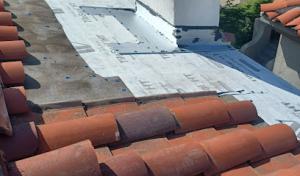
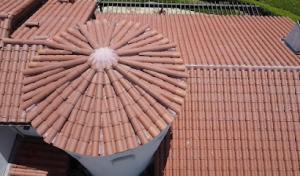
Monterey Park's hillside neighborhoods favor clay and concrete tile on Spanish and Mediterranean-inspired homes, where appearance and neighborhood cohesion matter. The combination of dry summers and wet winters means the roof's ability to shed water reliably during a peak rain period is defined more by what's beneath the tiles than by the surface pattern on top. On many local tile roofs, the visible tile may outlast the waterproofing below it, so decisions about reroofing often hinge on underlayment age and broken accessory pieces rather than the field tile alone. When Santa Ana winds arrive or a heavy winter storm travels through, a small lapse in the underlayment or a cracked step flashing can become a big leak quickly.
In practical terms, the underlayment layer is your first line of defense against winter infiltration. If the underlayment has seen decades of sun and movement without a full replacement, it can fail quietly long before any visible tile shows wear. Look for signs of moisture track, curling edges along valleys, or granular intrusion at the eaves where flashing meets shingle or tile. Access challenges from hillside locations mean that some roofs require careful staging; that staging should extend beyond the lowest point of any slope to prevent rainwater from accumulating in a temporary workspace.
Accessory pieces-tiles that cap ridges, vents, dormers, and skylight flashings-daily perform more work than the plain field tiles. Cracked, displaced, or loose caps invite leaks right under the crown mold or along the hip lines where wind-driven rain often concentrates. If you see cracked ridge tiles or broken valley pans, schedule a targeted repair before the next wet spell. Remember: a single compromised cap can undermine an otherwise solid roof.
Plan a pre-wet-season inspection that prioritizes underlayment age, flashing integrity, and the condition of accessory pieces. Start at the lowest eave and work upward, paying special attention to transitions where tile meets metal or with mortar joints on chimneys. In hillside layouts, expect some extra labor for removal, staging, and reset work-the crew may need to string lines and build temporary platforms to keep tile from cracking during removal in tight, multi-level sections. While you're up there, test the dryness of the roof deck by pressing a finger into any suspicious seams; a damp deck often means hidden leaks or prior inadequate sealing.
Address any cracked or misaligned field tiles as well, but keep in mind that replacing the broken surface often does not solve a leak if the underlayment has degraded. In many cases, a targeted underlayment refresh combined with properly seated and sealed accessories provides a longer service life than a full tile replacement, especially when the goal is to protect existing interior spaces during the upcoming rain cycle.
Aim for work windows that precede the first cold, wet fronts of the season, but align with hillside access conditions and the project's scale. With multi-level roofs, sequence the work so the higher sections do not become a water trap during removal or teardown. A well-timed, staged approach keeps interior spaces dry while you update the roof's weatherproofing framework and ensure that tile alignment remains visually consistent with neighborhood aesthetics.
Find contractors who specialize in clay and concrete tile roofs, known for their durability and curb appeal.

Monterey Park homeowners commonly choose among asphalt shingles, metal, clay tile, concrete tile, synthetic/composite shingles, and slate, with tile and shingles especially relevant to the city's existing housing stock. Each option brings distinct heat-management profiles: some reflect sun better, others shed water quickly, and a few handle the weight and hillside layouts common in the area. The goal is to pair a material with the hillside orientation, dry-summer exposure, and the wet-season demands that arrive with Santa Ana wind events.
The local climate favors materials that handle strong sun exposure and seasonal rain, so heat buildup, UV wear, and water-shedding details matter more here than snow load performance. Light-colored or UV-stable finishes help reduce roof surface temperatures and extend life, while durable sealing and flashing detail are crucial for summer thunderstorms and winter rain. For tile and slate, ensure the fasteners and underlayment are rated for heat cycling and sun exposure, not just rain resistance. Asphalt and synthetic shingles should be selected with reflective granules or surface treatments that resist curling in the bake of a hot Santa Ana afternoon.
Clay and concrete tiles are common in this market, and their performance hinges on proper attachment, efficient underlayment, and strategic water-shedding details. In hillside rows, tile alignment and roof-to-wall flashing need meticulous attention to prevent wind-driven rain entry during winter storms. Concrete tiles offer robust durability but can be heavier and require more solid attic ventilation to avoid heat buildup below. Clay tile provides excellent heat resistance and a traditional look, yet requires careful fastening to avoid cracking in expansion cycles. For both, assess the trim, eave overhangs, and gutters to keep water moving away from walls during heavy rain events.
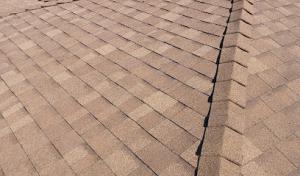
Asphalt and synthetic/composite shingles provide straightforward installation and reliable performance when installed with high-quality underlayment and proper attic ventilation. In a heat-lean climate, choose high-reflectance options and reputable granule warranties to minimize UV degradation. Metal roofing, when installed with appropriate coatings, can shed water effectively and resist heat buildup, but edge details and flashing must be precise to handle winter rain and Santa Ana gusts. Slate offers longevity and a premium aesthetic but brings scheduling and handling considerations in the Los Angeles-area supply chain; plan for longer lead times and careful transport.
When evaluating materials, prioritize systems with proven performance in hot, dry summers followed by intense, rainier winters. Inspect underlayment compatibility with chosen roof type, ensure adequate attic ventilation to mitigate heat, and verify flashing continuity around valleys, chimneys, and transitions. For Monterey Park homes on hillsides, confirm that fasteners and edge details are rated for wind exposure and Santa Ana pressure. These steps help maintain water-tightness and minimize maintenance needs across multiple seasons.
In older residential neighborhoods, detached garages, patio covers, and later additions often create low-slope sections that age differently from the main pitched roof. These transitions are common leak points because winter rain can expose weak drainage, ponding tendencies, and failed tie-ins where additions meet the original structure. Mixed-roof homes in Monterey Park may need different repair scopes on the same property, such as tile on the main house and rolled or coated systems on accessory structures. Start by inspecting where the low-slope areas meet the higher roof, as those junctions are frequent trouble spots.
Before the wet season arrives, walk the property with a flashlight after a light rain or with a hose to simulate runoff. Focus on edge details where flashing meets siding, underlayments at transitions, and the condition of sealants around penetrating objects like vent pipes or skylights. Check for areas with poor drainage: slow-draining low spots, sagging membranes, or debris buildup in valleys and scuppers. Note any signs of prior repairs that used mismatched materials or ad-hoc patches, which often fail during Santa Ana wind events.
In Monterey Park, low-slope transitions can accumulate standing water if the drainage plane isn't continuous. Pay attention to termination details at the edge of the low-slope roof, the adequacy of parapet flashing, and the integrity of tie-ins where the addition meets the main structure. Check for lifted or cracked seals around parapet caps, damaged or missing counter-flashing, and any peeling coating on rolled or coated systems. For tile-on-main-house homes with a low-slope accessory, verify that the tile roof's drip edge aligns with the low-slope membrane and that flashing at the tie-in is watertight.
If drainage is weak, consider regrading or adding a slight positive slope to the low-slope section, combined with a more robust waterproof membrane. For rolled or coated systems, ensure the coating is compatible with the substrate and designed for constant exposure to Santa Ana winds and winter moisture. At tie-ins, install continuous flashing and extend waterproofing up the higher roof plane to maintain a seamless barrier. When tile tops a main roof and a low-slope accessory remains, use a unified flashing strategy that bridges both systems, preventing differential movement from stressing joints.
Schedule a mid-winter inspection after heavy rains to catch slow leaks early. Keep gutters and downspouts clear to prevent backflow onto low-slope sections. Clear debris from valleys and ensure no vegetation is growing in membrane seams. For new attachments, specify a durable edge detail and consistent sealants that resist weathering from dry-summer winds and wet winters. If a mixed-roof setup is present, document the exact materials and methods used on each section so future crews know where to focus repairs.
Find specialists in TPO, EPDM, and built-up flat roofing systems for residential and commercial properties.
Family Roofing
(213) 205-0552 montereyparkcaroofing.com
412 N Atlantic Blvd, Monterey Park, California
5.0 from 15 reviews
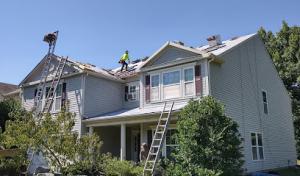
Reroof pricing here reflects a mix of straightforward postwar homes and hillside or multi-level properties that demand harder access, more staging, and extra safety setup. On flat, simple roofs you might see lower-end numbers, but drives up quickly on steeper lots or homes with multiple levels where equipment and crews need careful maneuvering. In this market, the cost per square foot varies noticeably by roof type, so you'll want to match the material to the home's shape, access, and expected wind and rain exposure.
Asphalt shingles offer the most budget-friendly option, while concrete or clay tile, slate, and synthetic/composite shingles push the envelope. In Monterey Park, a common reroof could come in a broad range: asphalt shingles from roughly 350 to 700 USD per square, metal roofing from about 700 to 1200, clay tile from 900 to 1600, concrete tile from 800 to 1500, synthetic or composite from 600 to 1100, and slate from 1100 to 2400 USD per square. The exact interval depends on slope, total area, and the need for specialized edge details or underlayment upgrades.
Tile and slate projects can take longer here because the city's plan review and milestone coordination may add days or weeks compared with a simple shingle reroof. Expect more extensive coordination for sequencing, staging, and safety setups, which nudges labor hours and logistics costs upward. If you're replacing tile or slate, budget extra time and a contingency for minor scheduling shifts.
Costs can rise when deteriorated sheathing is discovered after tear-off. Older Monterey Park roofs that have endured multiple dry seasons before leaks become visible are notorious for surprise sheathing or fascia work. If gaps or soft spots appear, you'll face additional materials and labor to restore a solid, watertight deck before re-covering. Plan for a modest contingency to cover those possibilities while you confirm the final scope with the contractor.
Get a clear picture of your project costs upfront - no commitment required.
El Monte Roofing Contractors
(626) 323-8814 www.elmonteroofingcontractors.com
Serving
5.0 from 46 reviews
A full reroof in Monterey Park requires a permit through the city's Building & Safety department. That means your project isn't just about the shingles or tiles; it involves official clearance that governs how the roof is assembled, flashed, and integrated with existing systems. If a contractor downplays the permit portion or claims it can be skipped, that's a warning sign you should heed. permits help ensure the roof can stand up to our Santa Ana wind events and the wet-season deluges, so treating them as a routine step protects you in the long run.
Contractors in this area typically handle permit filing and must coordinate inspections at underlayment, roof sheathing, and final completion stages. Expect a multi-check process rather than a single "done" signal. The underlayment stage is especially critical for shallow pitch tile or slate assemblies and for dry-season scheduling, where delays can cascade into weather-related issues. A reputable contractor will align scheduling with the Building & Safety timeline, not the other way around, and will prepare for potential questions from inspectors about fasteners, laps, and flashing details.
Homeowners should expect plan check and inspection timing to add project duration in Monterey Park, especially on tile or slate reroofs where assembly details are more involved. The plan review can surface local nuance-attachments, drip edge placement, valley intakes, and seismic considerations-that are specific to hillside neighborhoods and postwar rooflines. When planning, anticipate a built-in buffer for inspections and any required corrections. Clear, proactive communication with the contractor about the sequence of inspections helps avoid last-minute delays and keeps the reroof moving toward a secure, code-compliant finish.
In this market, carriers commonly want solid proof when damage is reported. You should expect to assemble a clear trail: recent roof condition reports, contractor estimates, and before-and-after photos that demonstrate what existed, what was repaired, and how the condition changed over time. For a Monterey Park home, having a local roofer produce a dated, detailed assessment with high-resolution photos can make a meaningful difference if a claim is reviewed years after the initial issue. Being meticulous about documenting shingle or tile lift, flashing wear, and any hillside-related wear can deter disputes later on.
Although urban Los Angeles County dynamics mean insurer pullbacks aren't as abrupt as in remote wildfire zones, regional wildfire risk and statewide rate pressure still color coverage terms and pricing. A claim may trigger questions about climate exposure, maintenance history, and the roof's remaining life. If a section of the roof has seen repeated leaks or minor failures, you may face tighter terms or higher deductibles. The key is to show a consistent maintenance habit and a history of timely repairs, which helps protect insurability when Santa Ana winds or heavy winter rain arrive.
Compliant installation, inspection sign-offs, and warranty-backed work carry extra weight for homeowners aiming to preserve insurability on older roofs. In Monterey Park, a contractor who can attest to proper tile attachment, flashing integrity, and drainage compatibility with the Mediterranean-pattern climate earns credibility with insurers. When a claim comes, you want the carrier to see that the roof was addressed with durable methods and documented follow-through. A well-maintained, properly signed-off job can translate into smoother claim processing and fewer contested issues.
Connect with contractors who help homeowners navigate the claims process from damage assessment to final approval.
In a hillside neighborhood with Mediterranean patterns of dry summers and wet winters, reroof timing matters for homes that already have solar or are planning it. Before the wet season arrives, coordinate roof work so penetrations and mounting details are locked in and tested. If a reroof is on the horizon, align panel planning with the roof deck, flashing, and edge metal so there's a clean, water-tight seal when the first rain comes. This reduces the risk of leaks during Santa Ana wind events that can drive rain under imperfect seams.
Tile roofs are common in the area, and their need for careful handling is amplified by solar hardware. Broken tiles and flashing around mounts can become leak points if not managed properly. When planning solar, inspect tile integrity first and identify high-stress areas such as ridge caps and around vent penetrations. Confirm that mounting trains sit on solid substrate and that underlayment is continuous beneath mounting locations. If tiles need replacement, do that before solar installation to avoid rework and additional penetrations later.
If the home already carries a solar array, inspections should verify that flashlighted sealant, boot flashings, and edge detailing align with the current roof geometry. Any mismatch between tile profiles and mounting feet can create drip lines that aren't obvious until winter rains. For homes planning a solar upgrade, choose a system compatible with tile geometry, and schedule installation during a window with dry days to minimize exposure risk to interior spaces.
Create a simple, site-specific checklist for the installer: confirm tile condition, verify underlayment continuity, map all penetrations to be flashed, and ensure that any new vent or dormer integration respects existing tile patterns. Close coordination between roofer and solar tech reduces back-and-forth and preserves the roof's long-term performance through the wet season.
Find contractors who integrate solar panels or solar shingles into your roof for long-term energy savings.