Last updated: Apr 19, 2026
As the heat climbs into full swing, the schedule for a teardown and replacement becomes sensitive to outdoor conditions. In spring you have a window before the real heat settles in, but you still want dry, calm days. Use this period to finalize material orders and pre-install preparations, including tarping and staging, so you're ready to roll when the hot days arrive. Spring mornings can be cool, but afternoons will test workers' endurance on asphalt shingles and composite runs. If you're replacing concrete or clay tile, plan for cooler stretches of the day to minimize breakage risk and worker fatigue. This is also a good time to survey the roof for any winter-moisture damage that can influence sequencing once the crew is on site.
Peak heat in the dry season accelerates UV wear on asphalt shingles and can push roof temperatures well into the uncomfortable range for workers. If possible, begin teardown at first light and push material handling to the cooler late-afternoon hours. Consider shorter daily shifts or staggered crews to maintain pace without overheating the deck and underlayment. Santa Ana risk is not yet in play in early summer, but the striking sun can dry tarps and fasteners too quickly if not monitored. Plan for frequent hydration breaks, shade, and a contingency for heat-related pauses. For tile roofs, ensure tiles are sequenced to minimize breakage when moving and stacking, since heat makes brittle edges more prone to cracking.
Fall brings pronounced Santa Ana wind events that can complicate staging, tarping, and tile handling during active jobs. Begin the project with secure tarps, edge protection, and temporary windbreaks where gaps exist around the roof line. Material staging should be placed away from anticipated gust corridors and secured against wind-driven movement. If a wind watch is issued, be prepared to pause operations that involve loose roofing material or elevated debris. Fall mornings can feel temperate, but afternoons can still heat up quickly; keep crews wary of heat buildup even as the air cools. Fall is also an ideal time to re-check attic ventilation after months of sun exposure, because improved ventilation helps cabinets, decking, and underlayment dry out more evenly during the remaining work days.
Los Angeles Basin winters bring schedule interruptions from rain, so protect your sequence with a tight, weather-aware plan. Start teardown and decking exposure only during forecasted dry spells, and aim to complete the more sensitive underlayment and decking work before the next round of storms. If rain becomes persistent, consider pausing work and secure all exposed areas to prevent moisture intrusion. When the crew returns after rain, perform a quick dry-in assessment to confirm decking, underlayment, and flashings stayed dry or were promptly dried out. In winter, the risk is less about heat and more about moisture infiltration and potential delay-build in buffer days for rain events and ensure drainage paths off the roof are clear so lingering moisture does not trap underlayment or insulation.
Coordinate timing with local weather forecasts to align your tear-off and roof installation with long dry stretches. For asphalt and synthetic shingles, prioritize days with low wind and moderate temperatures to reduce uplift risk during material handling. For tile roofs, plan the heaviest lifting and tile placement on calmer days, especially during Santa Ana periods, and ensure all tiles are secured as soon as they're laid to minimize movement from wind. Create a clear staging zone on the ground with direct routes to and from the roof to limit trips up and down during heat or wind events. Finally, maintain a visible, updated weekly plan that accounts for heat advisories, wind alerts, and rain chances so you don't get caught mid-tear-off when a season shifts.
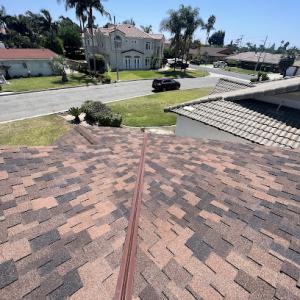
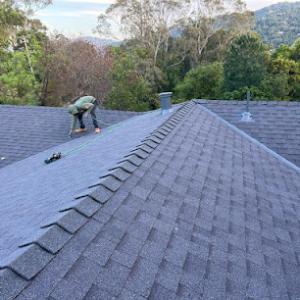
Asphalt shingles are a familiar sight on many homes in Paramount, and their cost and ease of installation make them a practical choice for many neighborhoods. However, prolonged UV exposure and the city's hot summer pattern push asphalt shingles toward faster aging. Expect more rapid granule loss, color fading, and potential curling or cupping when heat cycles are intense year after year. In practice, this means if a re-roof is on the horizon, you'll want to evaluate the attic ventilation and the underside of the deck before choosing a new asphalt system. A premium architectural or laminate shingle can improve heat resistance and wind performance compared to basic 3-tab options, but you should also confirm the underlayment and deck condition are solid-shingles can only perform well if the surface beneath is sound. For homes with extensive shade or mature trees, you may still enjoy good life from asphalt, but those with exposed southern or western exposures should plan for a cautious replacement strategy that prioritizes a robust underlayment and proper attic venting.
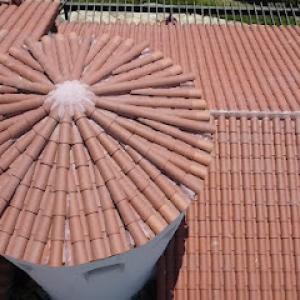
Clay and concrete tile fit the classic Southern California aesthetic that surrounds Paramount, offering long-term durability when installed correctly. The aesthetic and fire performance are strong advantages, but weight is the defining constraint. A tile system transfers more load to the deck and framing, so the replacement should start with a structural assessment of the roof framing, rafter spacing, and overall shear resistance. Tile breakage is a real concern during installation, transport, and windy Santa Ana events, so a careful inspection of stair-step skylights, valleys, and roof penetrations is essential. Underlayment quality matters a lot with tiles; a high-quality membrane beneath tiles acts as a barrier against wind-driven rain and shifting substrate during intense weather. Prioritize a deck in solid condition and ensure fasteners and sealants are compatible with tile movement. If the existing deck shows signs of moisture intrusion, address that first, because a tenuous base makes tile replacements more prone to cracking and future leaks.
Metal roofing and synthetic/composite shingles offer a compelling option when heat tolerance and lower ongoing maintenance are priorities. In the inland climate, metal sheds heat less aggressively than traditional shingles, and many modern metals resist wind uplift better, which matters during Santa Ana seasons. Synthetic or composite shingles can mimic the look of wood or slate while delivering improved resistance to UV degradation and color fading. For homes with aging wood or standard shingles, these options can reduce the burden of ongoing maintenance and repaint cycles, especially where high heat and sun exposure accelerate wear. When considering metal or composites, pay attention to panel or shingle profiles that maximize shed of moisture and favor a sealed, continuous underlayment system to handle occasional winter rains. Assess attic insulation and ventilation together with the choice of material, as well-ventilated spaces help all roof types reach their expected life in this climate.
For asphalt shingles, expect about 350 to 650 USD per square. Metal roofing runs higher, roughly 800 to 1200 USD per square. Clay tile comes in around 1200 to 2100 USD per square, with concrete tile typically 1000 to 1800 USD per square. Wood shingles or shakes are commonly priced from 700 to 1200 USD per square, and synthetic or composite shingles fall in the 550 to 900 USD per square range. These figures reflect the dense, heat-roughened summers and the mix of residential styles found around the area, where long-lasting materials and staging can influence final bids.
Costs in Paramount often rise when older roofs require decking repairs discovered after tear-off, especially on long-service re-roof projects common in this market. If deck work is needed, expect added expenses for materials and disposal, plus extra labor time to shore up the structure before re-covering. In many homes, the underlying plywood or planking shows its age only after the old layers come off, and that surprise adds to the bill. Factor in potential upgrades to flashing, underlayment, and ventilation if existing components are aged or undersized for the local climate.
Tile roofs, common in Southern California-style neighborhoods, can push total costs higher due to additional labor, disposal, and staging needs compared with a basic shingle replacement. Clay and concrete tiles are more brittle and require careful handling to avoid breakage, which can slow progress and raise contractor time on-site. The scorching heat of summer and Santa Ana wind periods both affect worker efficiency and scheduling, potentially extending the window of active replacement and adding to interim costs.
When planning, align the project with the region's heat, winter rain, and Santa Ana wind seasons. Scheduling during milder shoulder periods helps stabilize material handling and reduce the risk of weather-related delays. If a tear-off reveals deck or roof-structure issues, a two-stage approach might be prudent: first secure the site and perform necessary repairs, then complete the replacement when temperatures are comfortable and winds are calmer. In this market, allowing a contingency for unexpected repairs is a sensible part of the plan, especially for long-roof replacements.
Elevate Roofing
(562) 469-2089 elevateroofingservices.com
16629 Indiana Ave, Paramount, California
5.0 from 96 reviews
At Elevate Roofing, we're more than just a roofing company we're a close-knit, family-owned business with over 30 years of combined experience in the industry. Picture us as your friendly neighborhood roof experts, committed to treating your home like our own. Here's the deal: we take the time to get things just right, from hand-picking the best materials for your roof to making sure every detail, like ventilation and flashing, is spot on. Our team? They're not just skilled workers; they're like part of the family, dedicated to crafting roofs that not only look great but also stand strong against whatever Mother Nature throws their way. So, if you're ready to give your home the top-notch treatment it deserves, let's chat.
Elite Paramount Roofs
(562) 340-7666 roofingsolutions.site
14037 Garfield Ave #230, Paramount, California
4.8 from 80 reviews
Elite Paramount Roofs is a reputable roofing company known for its dedication to excellence and customer satisfaction. With our experienced team of professionals, we specialize in delivering top-notch craftsmanship and exceptional results. Whether you need roof repairs, installations, or maintenance, our skilled technicians are equipped with the knowledge and resources to handle your project efficiently and effectively. We understand the importance of a well-maintained roof and prioritize using high-quality materials and proven techniques to ensure its longevity and functionality. Trust Elite Paramount Roofs for reliable roofing solutions that protect and enhance the value of your property.
Lifetime Roofing & Renovation
(408) 685-2177 lifetimeroofingrenovation.com
Paramount, California
4.8 from 17 reviews
Lifetime Roofing & Renovation, Inc is a full-service roofing and renovation company based in Los Angeles, CA. We specialize in residential and commercial roofing services, including new installations, repairs, and replacements. Our team of experienced professionals is dedicated to providing high-quality workmanship and excellent customer service. In addition to roofing services, we also offer a wide range of renovation services, including kitchen and bathroom remodels, additions, and exterior renovations. We are fully licensed, insured, and bonded, and we use only the highest-quality materials to ensure that our work is built to last. Trust us to protect your home or business with a sturdy, long-lasting roof and beautiful renovations.
AHR Company
Serving
5.0 from 49 reviews
We provide commercial and residential roofing services in LA County, Orange County, and the surrounding areas. Call today for your free estimate.
GreenCal Construction
(714) 790-1750 greencalinc.com
Serving
4.5 from 76 reviews
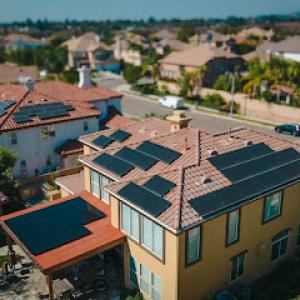
GreenCal Construction provides high-quality, energy-efficient home improvement solutions: residential and commercial roofing & solar, roof repair, windows, insulation, exterior paint, and patio covers. Focusing on sustainability and durability, their expert team enhances homes with innovative, eco-friendly upgrades. Whether you're looking to improve curb appeal, reduce energy costs, or create a low-maintenance outdoor space, GreenCal offers customized solutions tailored to your needs. Their services combine expert craftsmanship, top-notch customer service, premium materials, and long-lasting performance to ensure customer satisfaction. GreenCal Construction has you covered...and surrounded!
Gonzalez Roofing
(323) 434-0309 www.gonzalezroofinginc.com
Serving
4.8 from 30 reviews
Our company specializes in all types of roofing projects in the area. We can handle any kind of job from a small roof repair to even large roofing projects. If your house is experiencing roof leaks, contact us for a roof repair, our people will get the job done right away. We are licensed and insured, we can take on any roof maintenance job that you need on your home. We are experienced in residential roofing and commercial roofing, any project you have in mind, we can handle. Please do not hesitate to give us a call to give you a free quote on your current project. We are your first choice when it comes to hiring a certified roofing company. Our company offers incredible pricing, call us for more information..
Top Notch Roofing
Serving
4.8 from 79 reviews
Top Notch Roofing is your trusted partner for all your roofing needs. With years of experience, we deliver exceptional craftsmanship and attention to detail. Our team of skilled professionals is dedicated to providing reliable and long-lasting roofing solutions. From installations to repairs, we offer a comprehensive range of services to meet your requirements. We pride ourselves on using high-quality materials and employing industry-leading techniques to ensure your roof is built to last. Trust Top Notch Roofing for reliable and top-quality roofing solutions that exceed expectations.
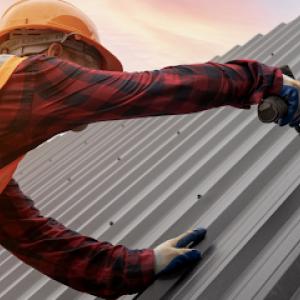
Roofing Solutions
Serving
4.9 from 74 reviews
Roofing Solutions specializes in providing comprehensive roofing services to meet your needs. Our team of skilled roofers is committed to delivering high-quality workmanship and top-notch customer service. We understand that your roof plays a crucial role in safeguarding your property, and we are dedicated to ensuring its longevity and performance. From repairs to installations, Roofing Solutions offers reliable and efficient solutions for all your roofing requirements. Trust us for professional and dependable roofing services.
A-1 Roofing
(562) 249-1725 lakewoodroofingsolution.com
Serving
4.9 from 17 reviews
Welcome to A-1 Roofing, where excellence meets expertise in roofing solutions! Elevate your property's protection with our top-notch services. Our skilled team specializes in seamless Roof Installation, ensuring durability and style for your home or business. Experience a transformative upgrade with our Roof Replacement services, providing innovative options for every need. Trust us for swift and effective Roof Repair, restoring your peace of mind. Explore the modern charm and resilience of Metal Roofing or opt for the classic appeal of Asphalt Shingle Roofing. For commercial spaces, our expertise extends to Commercial TPO Roofing. Whether it's New Construction Roofing or efficient Flat Roofing solutions, A-1 Roofing is your premier choice.
Thompson Roofing
(562) 669-3163 www.thompsonroofingca.com
Serving
5.0 from 28 reviews
Thompson Roofing is a reliable roofing contractor providing expert service to homeowners and businesses who want lasting protection and peace of mind. We specialize in roof repairs, full roof replacements, new installations, leak detection, and emergency roofing services, using only top-quality materials designed to withstand tough weather conditions. Our skilled team works with all roof types, including asphalt shingles, tile, flat roofing, and energy-efficient systems, ensuring every project is completed with precision and care. At Thompson Roofing, we pride ourselves on honest pricing, dependable service, and workmanship that adds both safety and value to your property—making us a trusted choice for roofing solutions in the community.
Paradise Roofing
(562) 568-8783 downeyroofingcontractor.com
Serving
4.9 from 39 reviews
Paradise Roofing is your trusted roofing contractor proudly serving Downey, CA, and surrounding areas. Specializing in a wide range of roofing solutions, we deliver exceptional craftsmanship and reliable service for all your roofing needs. Whether you require roof installation, roof replacement, or roof repair, our skilled team has you covered. We work with high-quality materials, offering expertise in metal roofing, asphalt shingle roofing, and durable flat roofing systems. For businesses, our commercial TPO roofing services provide energy-efficient, long-lasting solutions. Building a new home? Count on our new construction roofing expertise to protect your investment. At Paradise Roofing, customer satisfaction is our top priority.
A building permit is typically required in Paramount for a full roof replacement. Before any hammering starts, you should confirm the project with the City of Paramount Building & Safety Department and pull the proper permit. Starting without a permit can trigger stop-work orders, fines, or the need to redo completed work to meet code. The permit process signals that the project has been reviewed for system compatibility with local standards, including structural, the underlayment, and wind-protection considerations that are particular to this area's Santa Ana season.
The City of Paramount Building & Safety Department handles permit issuance, plan review, and final inspection scheduling for roofing work. This department is your first stop for the paperwork, and they can outline any neighborhood-specific requirements or restrictions tied to your address. Engaging early with permit staff helps prevent delays caused by missing documents or mismatched specifications between your contractor's plan and the city's code expectations. Keep a dedicated file with the permit number, approved plans, and any addenda issued during review.
Inspections commonly occur at milestone stages including after decking and underlayment are in place and again at final completion. The decking-and-underlayment checkpoint is critical in Paramount, where heat and winter rain can stress roof components differently than milder climates. If an inspection misses its window due to scheduling or weather, it can push your project back and extend exposure of vulnerable areas to the elements. Plan for a couple of inspection visits, and coordinate access with your contractor and the inspection team to ensure there are no delays caused by locked gates or obstructed access.
Weather can compress or stretch timelines in this neighborhood. Winter rains may influence the inspection sequence, while hot summer days heighten the importance of proper installation during the underlayment phase. A clear, proactive approach-booking inspection appointments early, having contractor staging ready, and ensuring all structural elements are visible for review-helps avoid rework. If an issue is identified during an inspection, address it promptly and document the fix, so the final sign-off does not hinge on a second round.
Dry-season wind exposure in this city can rip through loose shingles, edge flashing, and tile underlayment. When winter rains finally arrive, those loosened components become pathways for water intrusion. The first heavy rain after a long Santa Ana spell is often the most damaging, because the roof has endured months of wind-driven stress and is less able to shed water quickly. If you've noticed shingles shifting, tiles cracking, or flashing that looks dry and brittle, treat those signs as urgent precursors to a leak season.
The most disruptive weather combination you'll contend with is wind that dries and lifts roof surface material, followed by rain that finds those weak spots. Look closely at edge zones: corner flashings, chimney abutments, and vent penetrations are common failure points when wind has already displaced materials. In clay and concrete tile roofs, tile spacing gaps can widen under Santa Ana pressure, letting water bypass underlayment. Asphalt and synthetic shingles are not immune-lifted edges create funnel effects that channel rain into the attic, especially where underlayment has aged or been damaged by heat.
When the rains finally arrive, you'll often see attic signs first: damp insulation, dark streaks along framing, or a musty odor. Exterior alarms are faster: soft or newly formed blistering on the roof surface, pooling on flat planes near ridges, or wet streaks running down walls where water finds a vulnerable seam. Remember that wildfire-season ash can settle on roofs and in drainage paths, adding cleanup and inspection needs even when direct flame exposure isn't present. This ash can clog gutters and slow drainage, compounding leak risk during a storm.
Inspect edges and flashing monthly during the transition from dry to rainy season. Replace or reseal any cracked flashing, secure loose shingles, and address tile underlayment vulnerabilities before the first big storm. In anticipation of Santa Ana winds, consider reinforcing critical edge components and cleaning debris from drainage paths so that when rain returns, water is directed away from the fasteners and seams rather than into them. If any doubt remains after a windy spell, schedule a professional roof inspection to map out high-risk areas and prevent a mid-winter leak catastrophe.
Connect with contractors who help homeowners navigate the claims process from damage assessment to final approval.
Elevate Roofing
(562) 469-2089 elevateroofingservices.com
16629 Indiana Ave, Paramount, California
5.0 from 96 reviews

Elite Paramount Roofs
(562) 340-7666 roofingsolutions.site
14037 Garfield Ave #230, Paramount, California
4.8 from 80 reviews

Flat and low-slope sections are a common feature on the area's urban homes, especially on garages, patios, and small add-ons. They gather more exposure to the warm Santa Ana winds and seasonal rain, so their aging pattern can diverge from the main pitched roof. In Paramount, these areas often see faster membrane wrinkling, faster fastener wear, and more split or lifted edges where flashing meets vertical surfaces. Understanding that divergence helps you plan more precise maintenance rather than treating the roof as a single, uniform surface.
Winter rain is the key stressor for low-slope areas because drainage and ponding performance matter more than on steeper tile or shingle roofs. Check for standing water after a storm and map where it tends to pool near parapets, penetrations, or curb edges. Ensure scuppers, gutters, and downspouts are free of debris, and confirm that every transition from flat to pitched sections directs water away from living spaces. If you notice slow drainage, address it before the next rain season to avoid leak progression into the interior.
Roof coatings are commonly considered to extend service life on aging low-slope sections rather than full immediate replacement. In this climate, coatings can buy time by improving waterproofing, UV resistance, and surface smoothness for ponding-prone zones. Schedule a coating assessment in late fall or after the winter rains when performance is freshest. If the membrane shows large blisters, cracks, or significant wear around flashings, plan a more comprehensive fix rather than a quick coating renewal.
Perform a light seasonal check focusing on seams, penetrations, and areas where field joints meet flashings. Use a flashlight to inspect for micro-cracks and ballooning where the surface meets parapet walls. Clean debris from plans and scuppers to maintain unblocked drainage. If a liquid-applied coating is chosen, follow manufacturer cure times and inspect cured results after a light rain to confirm there are no hidden penetrations.
When choosing materials for garage roofs and additions, prioritize compatibility with existing structures and the local sun exposure. Durable membranes with good UV resistance and proven adhesion to common substrates in your area tend to outperform weaker options in the long run. Consider ensuring any chosen coating or membrane is appropriate for the roof's slope to maximize performance during hot summers and the Santa Ana season.
Find specialists in TPO, EPDM, and built-up flat roofing systems for residential and commercial properties.
Elevate Roofing
(562) 469-2089 elevateroofingservices.com
16629 Indiana Ave, Paramount, California
5.0 from 96 reviews
California's tightened insurance market is felt in Paramount with closer scrutiny of roof age and overall condition when policies renew or renewals are issued. The tighter standards mean every claim needs solid support, especially after a Santa Ana wind event or a heavy winter rain. If the roof shows signs that point to aging or wear, a diligent approach now can smooth future decisions by your carrier and avoid last-minute surprises during a claim.
You should gather and hold dated photos, permit records, inspection sign-offs, and contractor invoices. These documents become critical when insurers assess whether a roof is a risk, whether it was properly maintained, and whether a recent event accelerated damage. In a city with hot summers and fluctuating Santa Ana winds, a clear paper trail helps explain the roof's current state and any recent repairs or replacements.
When a storm hits, the distinction between sudden damage and long-term deterioration matters. Keep a log of weather events and the timing of any impacts you notice. Photographs taken immediately after a wind or rain event can support a claim, while follow-up images over weeks confirm whether issues are reactive or progressive. Adjuster timelines in Paramount can stretch, so timely documentation reduces guesswork about causation and responsibility.
Because roof-age disclosures can influence renewals and how claims are handled, maintain a steady record set year by year. A well-organized file reduces the friction that can arise from aggressive underwriting and helps ensure that a legitimate claim receives a straightforward, faster review when the next storm season arrives.
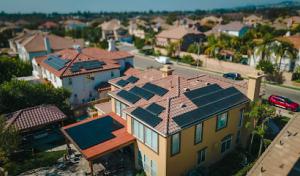
In a sunny climate like Paramount, reroof planning often needs to account for existing rooftop solar equipment or future solar installation timing. If solar is already installed, align panel or racking removal with the roof replacement to avoid repeat penetrations and flashing work. If you're planning new solar, schedule the roof work to finish before mounting, so penetrations and mounting points are addressed in one pass. This minimizes tear-off steps and reduces the chance of misalignment when panels are later reinstalled.
Skylight penetrations are a recurring leak point during re-roofing because flashing details must be rebuilt correctly when underlayment is replaced. Inspect all flashing around skylights, vents, and exhausts before you commit to materials. In Paramount's dry, hot stretches, improper flashing can bake seals loose, so verify that flashing sits flush and is sealed with compatible underlayment and sealants. If a skylight is aging, consider upgrading its seal while the roof is open to prevent future leaks.
Coordinating roof replacement before adding new solar can reduce duplicate labor on penetrations and mounting points. Plan to complete the roof deck and flashing first, then stage solar work afterward to integrate with the new surface. Communicate a clear sequence with the roofer and the solar installer so panels, rails, and any conduit runs align with the final roof material and flashing details. This approach helps ensure a long-lasting, water-tight result that stands up to Paramount's Santa Ana wind season and seasonal rains.
Find contractors who integrate solar panels or solar shingles into your roof for long-term energy savings.
Lifetime Roofing & Renovation
(408) 685-2177 lifetimeroofingrenovation.com
Paramount, California
4.8 from 17 reviews