Last updated: Apr 19, 2026
In Bell Gardens, the climate leans warm and dry in the summer, with most meaningful rainfall arriving during winter. That seasonal pattern drives how you plan a roof project, especially when dealing with tear-off and dry-in work. The goal is to align the bigger steps with dry days and minimize exposure to storms, while still finishing the job in a window that avoids late-season weather surprises.
Winter storms can slow or pause tear-off and dry-in work, so the planning window matters. Start by identifying a project block that usually stays dry for a 5-7 day stretch, with a buffer for unexpected showers. In practice, that means watching the local forecast for several days ahead and choosing a start date when several dry days are forecast back-to-back. If a storm system is rolling in, shift to a cover-and-protect phase rather than starting a tear-off, to prevent water intrusion and protect interior spaces. On days when rain is possible, ensure temporary waterproofing measures are in place, such as sturdy tarps over vulnerable valleys and flashing work left uncompleted only if it can be safely protected. The winter season also tends to bring cooler mornings; plan for early start times to complete work before afternoon humidity and potential rain build-up.
Santa Ana winds can introduce gusty conditions that complicate shingle handling, tile placement, and general site safety. When winds pick up, crews should pause hot-work tasks and secure loose materials on the roof or in the yard. Verify that all fasteners and temporary trim pieces are properly secured the day before high-wind forecasts, and keep heavy ceramic or concrete tiles staged away from edge lines to prevent accidental damage or shifting. If a wind advisory is issued, switch to non-penetrating tasks such as detailing gutters, cleaning, procurement checks, or interior moisture control measures that don't require roof access. For tile installers, wind-sensitive phases should be limited to calmer mid-mornings, with windbreaks or enclosure of the work area where feasible to reduce turbulence around the roofing zone.
A practical approach is to break the project into a tear-off phase, a dry-in phase, and a final finish phase, each with allocated weather contingencies. In Bell Gardens, the dry-in window should be scheduled during the drier portion of winter or the shoulder seasons, but never rely on a single favorable forecast. Build in at least a two-week buffer for contingency weather, especially if the house has multiple slopes or complex detailing. Use temporary waterproofing strategically on sections most vulnerable to wind-driven rain, such as low-slope transitions or valleys, but avoid leaving those areas exposed longer than necessary. A phased approach helps you adapt during winter rain events and keeps the project moving when Santa Ana winds ease but relief from showers remains uncertain.
Coordinate with neighbors to minimize disruptions during heavy wind days, particularly where debris or wind-driven dust can affect nearby properties. Keep a clear backup plan for access routes and equipment storage in case a storm front shortens daylight hours or reduces visibility. Ensure that-once dry-in is achieved, the roof is fully secured for potential late-winter storms, with flashing and underlayment inspected and touched up promptly if rain resumes. Maintain open lines of communication with the crew about forecasted weather patterns, so everyone understands when to push ahead and when to pause for safety and leak prevention.
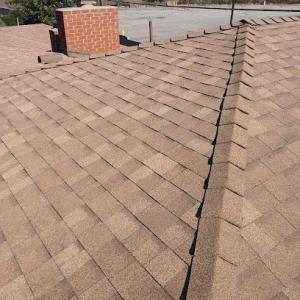
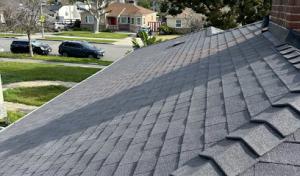
The dominant materials used in Bell Gardens are asphalt shingles, metal roofing, clay tile, concrete tile, wood shingles or shakes, and slate. Each material has its own workflow, moisture behavior, and wind response, and understanding how they perform in this Santa Ana-driven climate helps you choose a roof that lasts. Asphalt shingles are common due to their balance of cost and ease of installation, and they pair well with the many single-family homes that line the streets with moderate roof slopes. Metal roofing stands out for its durability and wind resistance, which matters in gust-prone periods, while clay and concrete tiles answer the Mediterranean- and Spanish-inspired styling that characterizes a large portion of the housing stock. Wood shingles or shakes offer a traditional look but require attention to moisture, and slate remains a long-lasting premium option for those prioritizing rigidity and a timeless profile.
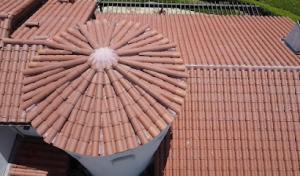
Tile roofing is especially relevant in this market because Southern California housing stock commonly uses clay or concrete profiles. Clay tile delivers excellent UV resistance and a distinctive Mediterranean silhouette that many residents prize. Concrete tile brings additional impact resistance and a slightly lower weight in some installations, though it still requires a solid roof deck and proper underlayment to perform well through seasonal rains. Tile roofs excel at shedding water quickly when properly installed and maintained, but they can be heavier and more labor-intensive to repair. For a home with a spanish- or mission-style footprint, tile not only complements the architecture but also contributes to the roof's durability against sun and wind. If tile is chosen, pay attention to the installation of fasteners, ventilation, and sealants around penetrations to prevent wind-driven leaks during Santa Ana episodes.
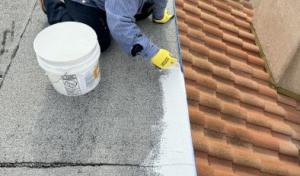
Low-slope and flat-roof expertise matters locally because a large share of contractors serving Bell Gardens advertise flat-roof work alongside residential re-roofing. Flat roofs pose distinct challenges in this climate: wind uplift can expose seams, and drainage must be deliberate to prevent ponding during winter rains. When selecting a low-slope option, consider membranes that perform well under seasonal moisture while resisting wind uplift. Proper edge detailing and flashing are essential on transitions to walls or parapets, and the choice of insulation continuity impacts overall thermal performance. If a flat or low-slope section is present, coordinate with a contractor who can demonstrate a track record of reliable seam and edge detailing in this specific area.
Santa Ana wind exposures influence material choice and installation details. Materials that perform well in high-wind events-such as metal panels with interlocking joints or properly vented tiles with secure fasteners-tend to hold up better during brisk fall and winter gusts. Winter rain timing also matters: roofs need a robust underlayment and well-sealed penetrations to prevent leaks as storms move through. For asphalt shingles, ensuring proper attic ventilation reduces moisture buildup and helps shingles seal properly after wet periods. For tile roofs, ensure adequate slope and proper rafter support to handle wind loads without cracking or loosening.
Maintenance should be tighter around the transition seasons, focusing on cleaning debris from valleys, gutters, and roof edges, and inspecting for loose fasteners before the onset of windier months. Clay and concrete tiles benefit from periodic inspection of mortar joints or foam sealants around penetrations, while metal roofs should be checked for loose screws and flashing integrity. A home with wood shingles or shakes requires attention to moisture intrusion and potential mold growth in shaded areas. Slate roofs, while durable, benefit from routine checks of fractured tiles and securement across wind-prone elevations. In this climate, a proactive approach-paired with a reliable local contractor familiar with regional wind and rain patterns-will keep the roof performing well for decades.
When you price a roof in this ZIP-clustered Southeast Los Angeles area, you're looking at a broad range by material. Asphalt shingles run about $350 to $750 per square, a common starting point for the many modest bungalows and multi-plexes common around town. Metal roofs sit higher, roughly $700 to $1,400 per square, reflecting faster install times and longer-term durability. Clay tile projects typically land between $900 and $2,000 per square, with concrete tile following at $600 to $1,400 per square. If wood shingles or shakes are chosen, expect $600 to $1,200 per square, and slate carries a premium at $1,800 to $4,200 per square. Those are the practical ranges you'll see on local bids.
Costs in this area can rise when winter rain compresses scheduling or when Santa Ana wind events create a surge in repair demand across Southeast Los Angeles. In practical terms, a rainier late season can push back crews, delay material deliveries, and squeeze the window for a cost-effective installation. Strong winds not only stress roofs but can drive up labor costs as crews coordinate scaffold safety, temporary protections, and material handling during busy months. If a project is scheduled during those peak rain or wind periods, prepare for tighter calendars and possibly higher pricing.
Tile and slate projects in this market often carry higher labor and handling costs than shingles because of material weight, breakage risk, and slower installation. A slate roof, in particular, can add both to material and crew time, which translates to higher bids even when the square footage is modest. Tile crews also manage careful handling and potential breakage, which elevates both risk and price. If you're choosing clay or concrete tile, plan for a longer install timeline and budget accordingly for careful roof tear-off and precise setting.
Budget planning and pacing your project around favorable weather windows helps keep the total in check. If you're weighing material options, remember that upfront material costs are only part of the equation; labor intensity, scheduling margins, and seasonal demand drive notable swings. For a typical re-roof, the choice between shingles, metal, or tile will shape not only the price per square but also the duration of the project and the level of disruption to a busy street-facing home.
Don't let upfront costs delay a critical repair - these contractors offer payment plans to fit your budget.



Royal Roofing Company
(562) 928-1200 royalroofing.com
6831 Suva St, Bell Gardens, California
4.7 from 103 reviews
Royal Roofing (.com) services most of Los Angeles and Orange County’s as a 42yr. year “Same Licenses” Roofing Professional. We’re a GAF “Master Commercial & Master Elite” Certified Roof installer (TOP 2%). We eat, drink and sleep roof Roof leak(s), Roof Maintenance, Strip & Re-Roofing, Commercial Roofing, Residential Roofing, Industrial Roofing, Apartment Roofing, Roof Restoration, Roof Installation, and more. Whether you're experiencing an emergency roof leak or need a couple pips or vent re-sealed, our team is here for you! Our professional roofing contractors take pride in their Workmanship and 5-star reputation. If you're having trouble with your roof or just want to get an evaluation for future work, call us today!
Roof Pros
(323) 253-2120 roofpros4socal.com
Serving
4.8 from 22 reviews
Roof Pros is based in Whittier, California. We deliver top-quality results to home and business owners all over Southern California. With nearly 40 years in the roofing industry, we're well-versed in materials of all types: asphalt shingles, metal roofing, clay tiles, concrete tiles, slate roofing, wood shingles, wood shakes, synthetic roofing, green roofs, solar tiles, built-up roofing, modified bitumen, EPDM, TPO, PVC roofing, standing seam metal, corrugated metal, stone-coated steel, flat roof membranes, and cool roofing. Every project receives a warranty: whether it be a new full roof, roof restoration, a tile reset, or a shingle roof repair, we guarantee results that last. Give us a call today—we’re here to help!

Cudahy Roofing Firm
(323) 530-1274 cudahyroofingfirm.com
Serving
5.0 from 28 reviews
Cudahy Roofing Firm has been delivering expert roofing solutions for over 20 years, earning the trust of homeowners and businesses across Cudahy, CA and surrounding areas. As a leading roofing contractor in Cudahy, CA, we take pride in offering personalized service, durable materials, and attention to detail on every project. From roof inspections to full replacements, our experienced team ensures your roof is built to withstand time and weather. Serving Cudahy and nearby neighborhoods, we’re known for quality work, honest communication, and lasting results. Let Cudahy Roofing Firm protect what matters most—your home.
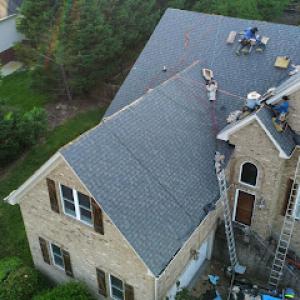
Paradise Roofing
(562) 568-8783 downeyroofingcontractor.com
Serving
4.9 from 39 reviews
Paradise Roofing is your trusted roofing contractor proudly serving Downey, CA, and surrounding areas. Specializing in a wide range of roofing solutions, we deliver exceptional craftsmanship and reliable service for all your roofing needs. Whether you require roof installation, roof replacement, or roof repair, our skilled team has you covered. We work with high-quality materials, offering expertise in metal roofing, asphalt shingle roofing, and durable flat roofing systems. For businesses, our commercial TPO roofing services provide energy-efficient, long-lasting solutions. Building a new home? Count on our new construction roofing expertise to protect your investment. At Paradise Roofing, customer satisfaction is our top priority.
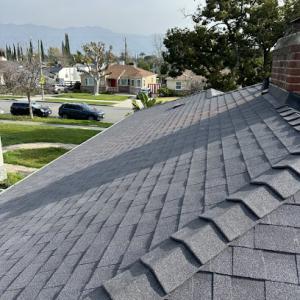
Thompson Roofing
(562) 669-3163 www.thompsonroofingca.com
Serving
5.0 from 28 reviews
Thompson Roofing is a reliable roofing contractor providing expert service to homeowners and businesses who want lasting protection and peace of mind. We specialize in roof repairs, full roof replacements, new installations, leak detection, and emergency roofing services, using only top-quality materials designed to withstand tough weather conditions. Our skilled team works with all roof types, including asphalt shingles, tile, flat roofing, and energy-efficient systems, ensuring every project is completed with precision and care. At Thompson Roofing, we pride ourselves on honest pricing, dependable service, and workmanship that adds both safety and value to your property—making us a trusted choice for roofing solutions in the community.
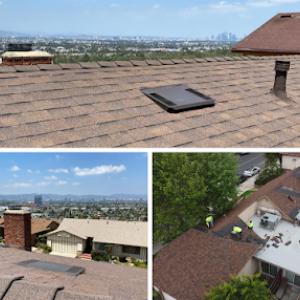
Bell Roofers
(323) 827-7403 bellroofers.com
Serving
5.0 from 32 reviews
Bell Roofers brings two decades of roofing expertise to homeowners and businesses across Bell, CA and surrounding areas. As a highly rated roofing contractor in Bell, CA, we focus on durable workmanship, timely project completion, and personalized service. From roof inspections to full replacements, our skilled team delivers roofing solutions that match your property’s unique needs. Clients in Bell and nearby communities trust us for our integrity, attention to detail, and long-term results. When quality, experience, and local commitment matter, Bell Roofers is the name to remember.

Selah Roofing
(323) 870-7086 www.selahroofingcorp.com
Serving
4.7 from 61 reviews
We bring a passion for efficient results & honest communication to every new project. Put your worries to rest with a roof done right by our experts.
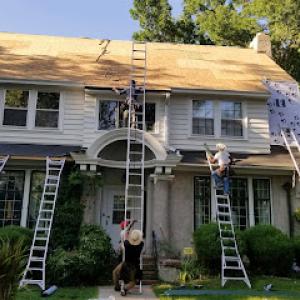
Primetime Roofing
(562) 837-0262 picoriveraroofingcontractor.com
Serving
5.0 from 12 reviews
Welcome to Primetime Roofing, where we elevate your property to new heights! Our expert roofing contractors specialize in seamless Roof Installation, ensuring precision and durability that withstands the test of time. Upgrade your home with our top-notch Roof Replacement services, transforming your space with style and reliability. Experience peace of mind with our swift and efficient Roof Repair solutions, tailored to protect your investment. Explore the modern touch of Metal Roofing or the classic appeal of Asphalt Shingle Roofing, customized to match your aesthetic preferences. For commercial spaces, our Commercial TPO Roofing guarantees unmatched durability. Trust us for New Construction Roofing, and crafting roofs for tomorrow.

Top Notch Roofing
Serving
4.8 from 79 reviews
Top Notch Roofing is your trusted partner for all your roofing needs. With years of experience, we deliver exceptional craftsmanship and attention to detail. Our team of skilled professionals is dedicated to providing reliable and long-lasting roofing solutions. From installations to repairs, we offer a comprehensive range of services to meet your requirements. We pride ourselves on using high-quality materials and employing industry-leading techniques to ensure your roof is built to last. Trust Top Notch Roofing for reliable and top-quality roofing solutions that exceed expectations.
All In Roofing
(323) 287-2407 allinroofingla.com
Serving
5.0 from 212 reviews
we offer a range of services to meet your needs, including repairs, maintenance, and new roof installations. Your roof is in safe hands with All in Roofing.

H&N Roofs
(323) 794-0700 roofingelite.pro
Serving
4.8 from 72 reviews
H&N Roofs is a reputable roofing company known for its commitment to excellence and customer satisfaction. With our experienced team of professionals, we specialize in providing comprehensive roofing solutions for residential and commercial properties. From installations to repairs and maintenance, we have the expertise to handle your project with precision and efficiency. At H&N Roofs, we prioritize using high-quality materials and proven techniques to ensure the longevity and durability of your roof. Trust us for reliable roofing solutions that exceed your expectations.
A roofing permit is required in Bell Gardens for a full roof replacement. Skipping this step can trigger delays, fines, or a denial of your permit finalization, especially if city inspectors find unpermitted work during a later property transaction. The process exists to ensure that the roof is replaced with materials and methods that meet local safety standards and structural realities, not merely to collect paperwork. Treat the permit as an essential part of the project timeline, not an afterthought.
The City of Bell Gardens Building and Safety Department processes roofing permits, performs plan review, and collects permit fees. This department, familiar with the area's winter rain window and Santa Ana wind exposure, looks for details in your plan that affect how the roof will shed water, resist wind loads, and connect to existing drainage. The plan review is not a hurdle meant to stall you; it's a way to catch potential issues that could lead to leaks or wind-driven damage in a season when storms can arrive quickly. Prepare to provide basic information about roof type, underlayment, ventilation, and fastener choices. A straightforward submission that matches your project scope helps move the review along without unnecessary back-and-forth.
Inspections in Bell Gardens occur during and after installation to verify code compliance and proper installation methods before the job is considered complete. The first inspection often happens while shingles or tiles are off and the roof deck is exposed, giving the inspector a clear view of underlayment, flashing, and ventilation details. The final inspection confirms that all components were installed to code and that the roof is watertight and wind-resistant according to local standards. Encountering an inspection delay can push you into adverse weather windows, especially in the late fall and winter months when storms and wind events are more frequent. Schedule the permit review and the inspection windows with enough lead time to accommodate rainy-season uncertainty.
Coordinate with your contractor to have a complete, accurate scope of work ready for submission, including material selections that align with Bell Gardens' climate and wind considerations. Expect a few days to a couple of weeks for plan review, depending on workload, and plan for the inspection sequence in advance. If plans change after approval, keep the department informed and file any amendments promptly to avoid re-review. A smooth permit process helps ensure the replacement progresses without weather-driven setbacks and that the final result aligns with safety standards and neighborhood expectations.
In Bell Gardens, the most disruptive weather-related roof problems tend to show up when winter rain exposes underlayment weaknesses that stayed hidden through the dry season. You may notice damp ceilings, stained plywood, or soft spots after a heavy storm. The pattern is clear: dry months mask gaps, then a single downpour reveals leaks that trace back to compromised underlayment and aging seals. Don't wait for a second rain to confirm the diagnosis- inspect attic access after a storm and follow wet rafters back to their source.
Santa Ana wind events in the Bell Gardens region can worsen lifted shingles, unsecured ridge components, and vulnerable edge details. Updrafts can peel away protective layers and expose fasteners, creating channels for water intrusion that mirror a slow drip with each gust. If you hear fluttering or see shingle gaps along the eaves, treat it as a red flag. High winds also stress flashing and vent penetrations, increasing the odds of a sudden, localized leak that surprises and disrupts everyday living.
Because many contractors in this market advertise skylight and storm-damage work, leak tracing around roof penetrations and post-storm trouble spots is a common homeowner concern locally. Look for staining around skylights, vent stacks, and chimney seams after rain or wind events. Check ridge lines for loose caps, and run your hand along edge details to feel for lifted material or exposed nail heads. Early detection is your best defense against escalating damage and intrusive interior repairs.
Treat any new moisture as urgent: document with photos, dry affected areas quickly, and schedule a focused inspection that prioritizes flashing, underlayment, and edge details. When talking to contractors, ask for a targeted assessment that traces leaks to their source rather than a surface patch. If a wind event has just passed, plan for a rapid follow-up visit to confirm that shallow storm damage hasn't hidden more serious failures.
Find contractors experienced in skylight installation, flashing, and leak repairs to bring natural light into your home.
Royal Roofing Company
(562) 928-1200 royalroofing.com
6831 Suva St, Bell Gardens, California
4.7 from 103 reviews
In this part of the San Gabriel Valley, the insurance market stays tight even outside the wildfire zones that grab headlines. Wind events and rare heavy rains can still trigger scrutiny, so a sudden roof issue may ripple into a more complicated claim later. The message is practical: understand that carriers watch the overall risk picture, and your roof is a key chapter in that story.
When a replacement or major repair is on the table, expect requests for clear documentation. Insurers commonly ask for a pre-existing roof condition report, detailed contractor estimates, and before-and-after photos. In a dense, older housing stock typical of this area, you'll want to assemble-early-photos from multiple angles, notes on previous leaks, and any existing attic or ceiling staining. Having this material ready can smooth negotiations and reduce questions that slow a claim or approval.
California carriers tighten availability and scrutinize claims more closely than in the past. If damage appears, document leaks, the dates of storms, any interior staining, and the steps you've taken to mitigate harm-tarps, temporary covers, or drying measures. Keep a simple brief log: when rain hit, what you noticed, and what you did to minimize interior damage. This disciplined record helps you respond quickly to denials or coverage questions and can support a smoother path to restoration when the time comes.
Connect with contractors who help homeowners navigate the claims process from damage assessment to final approval.

Bell Gardens homeowners are shopping in a market where re-roofing, emergency response, and cleanup are more prevalent contractor signals than niche luxury specialties. When you call a contractor, listen for readiness to mobilize quickly, ability to stage a clean site, and clear plans for temporary protection if rain moves in. Local crews who routinely handle leaks or sudden weather-related repairs are often better options than firms that only tout high-end finishes.
Quick response is a major local hiring factor, which fits the community's need for fast dry-in when winter rain interrupts projects or active leaks appear. Ask for a defined timetable from the start: anticipated start window, daily progress expectations, and a plan to cover exposed roof areas if weather shifts. Confirm they can commit to a dedicated crew rather than rotating personnel, which helps keep moisture intrusion risks low during wet spells.
Because both residential and commercial roofing are common among contractors serving Bell Gardens, homeowners should confirm the crew regularly installs the exact system their home uses rather than assuming broad experience transfers. If you have tile, shingles, or a low-slope setup, request recent jobs with the same configuration and ask for photos or site visits to verify proper detailing. Ask about underlayment choices, flashing details, and how they handle transitions to walls and chimneys in your neighborhood context.
In this market, crews juggle multiple projects. Seek references that reflect similar weather patterns and housing stock. Inquire how the contractor plans to protect landscaping, driveways, and neighboring properties during removal and material staging. A reliable team will outline a daily cleanup routine and a method for containment so neighbors aren't put at risk during windy Santa Ana periods or rain fronts.
Ask who will supervise the work daily and whether the same foreman stays on site each day. Local familiarity matters: a supervisor who understands the seasonal wind patterns and common Bell Gardens detailing can prevent repeated call-backs for small but consequential issues like tile lippage or marginal flashing.
In this market, some contractors actively advertise solar roofing alongside replacement work, so neighbors frequently encounter mixed schedules. If your home already hosts rooftop solar, roof work must be aligned with the solar system's integrity in mind. The goal is to prevent backtracking on detachments, wiring checks, or micro-moves that can delay the tear-off and reinstallation during the typical winter and Santa Ana wind windows.
Before any removal begins, map out the exact solar scope that will stay, detach, or be reset. Confirm whether panels, inverters, and racking require temporary disconnection or safe removal, and pin down the detachment/reset timing to match the roofer's sequence. The sequence should consider where penetrations occur, how flashing integrates with existing mounts, and the condition of the roof deck beneath affected areas. Ensure inspection sequencing aligns with the roof's new layup so that airflow, underlayment, and venting are prioritized without overwriting solar work in a later phase.
Coordinate a single, shared schedule that threads the solar system's access needs with the roof's tear-off and replacement steps. Start with a pre-tear-off assessment that documents panel layout, wiring routes, and potential deck repairs. Then establish a detachment window that won't compromise panel safety or inverter connections, followed by a unified tear-off and roof installation. Finally, plan for a synchronized reassembly or re-racking of solar components, verifying weatherproofing and electrical codes through a joint inspection sequence to minimize delays.
Find contractors who integrate solar panels or solar shingles into your roof for long-term energy savings.