
Last updated: Apr 19, 2026
Dublin's Mediterranean climate means wet winters and hot, dry summers. Late spring through early fall is the usual replacement window, with the goal of finishing before the heaviest summer heat and before winter storms begin. The Tri-Valley pattern-cool, windy springs, then a dry, scorching summer-drives when a re-roof can be completed without lingering moisture or weather-related delays. Wildfire-season air quality can complicate scheduling even if the roof itself isn't damaged, so plan with flexibility for smoke events and utility-restraints that may affect crew availability.
As the last of the winter storms fade, that window between March and early June is the prime time to line up a re-roof project. In this period, the air is usually clearer and temperatures are moderate, which helps roofers stage material and complete tear-offs without racing against the hottest days. The key is to schedule a start date when rain risk is low for two to three weeks in a row, and to confirm that crews can complete the tear-off and underlayment before heat builds. If your roof has clay or concrete tiles, confirm the job plan accounts for brittle tiles and potential temporary purlin adjustments so you don't trap water or debris inside the attic during a mid-renovation drizzle.
Summer brings the strongest sun and the longest dry stretches, making it the easiest time to finish a full replacement. However, heat can affect installation pace and material handling, so coordinate with the crew to avoid the peak heat of mid-day. Concrete and clay tiles respond well to summer sun, but both are heavy; ensure temporary cooling measures and safe handling procedures are in place. If a wildfire smoke event occurs, expect possible shifts in crew scheduling or shortened workdays. Have a contingency plan with the contractor for days when air quality becomes unsafe for outdoor work or when equipment needs to be sheltered from smoky conditions.
Early fall often preserves the advantages of spring planning while offering cooler temperatures that help sealants and underlayment cure times. This is a sensible period to finalize projects that lagged behind summer starts or encountered supply delays. Be mindful of early-season storms that can roll through with sudden winds or rain. A staggered finish-coordinating a last day for final inspections and flashing checks before the season shifts to wetter weather-reduces the chance of wind-driven debris and keeps the system watertight as days shorten.
Winter storms and heavy rain in the Tri-Valley can delay tear-off schedules and expose homes if projects are started during unstable weather. If the plan is to re-roof in winter, ensure the contractor can rely on a strong weather window of several days with no rain to complete the critical tear-off and underlayment installation. Have a concrete plan for temporary tarping, drainage, and interior moisture control if a storm interrupts progress. If weather forecasters call for an extended wet spell, consider pausing the project to prevent compromised underlayment or clogged gutters that complicate re-sealing the roof.
Coordinate material delivery with expected weather forecasts to avoid stacked deliveries during a storm front. For tile or composite options, confirm that temporary stanchions, edge protection, and debris containment are in place to protect hillside and suburban neighborhoods, where overhangs and driveways can be affected by wind-driven debris. Consider a staged approach for homes with complex roof lines or multiple elevations, so interior spaces stay protected and crews can maintain a steady workflow even if partial showers interrupt progress. Finally, align the schedule with wildfire-season air quality patterns, prioritizing blocks of dry, clear days and establishing emergency contact protocols with the contractor for sudden smoke events or access restrictions.
Inland Tri-Valley summers bring hot, dry days that push UV exposure to the max and can speed up aging of many roofing materials. Those long stretches of sun beat down on roof surfaces, especially on slopes facing south and west, and that heat transfer can influence your attic temperatures and cooling loads as well. While winter rains arrive in bursts, the drying cycle that follows matters for shingles and underlayment alike. In this climate, the best roofs are those that tolerate high heat, resist sun bleaching, and shed rain promptly when storms roll through. The market already shows a broad mix of options, including asphalt shingles, metal roofing, clay and concrete tile, wood shakes, and synthetic/composite shingles, so there are practical paths for different homes and budgets.
Asphalt shingles provide familiar performance and a wide range of color options, but the long, bright sun can accelerate granule loss and color fading on lighter hues. A reflective or cool-color option helps reduce indoor heat gain and can extend roof life in the heat of a Dublin summer. Metal roofing shines in the sun as a durable, energy-efficient choice, with excellent resistance to heat and wind. It can also mimic the look of other materials if preferred. Tile options are particularly relevant locally; clay and concrete tiles can shed heat well and come in profiles that suit hillside and suburban builds alike. Tile's heavier mass and interlocking design can perform well in our seismic context when installed with proper underlayment and fasteners. Wood shakes bring a natural aesthetic and good insulation when well maintained, though require attention to moisture and fire resistance. Synthetic or composite shingles offer versatility in color and durability, often balancing heat resilience with easier maintenance. In Dublin's market, you'll often see contractors who specialize in tile and composition roofs, reflecting local housing stock and service patterns.
Tile is especially prevalent here, and it's worth leaning into local contractor know-how. A tile-capable crew understands the nuances of fastener patterns, underlayment choices, and breakage risk during installation. Concrete and clay tiles can handle strong sun and heat if properly vented and if the roof deck is prepared for their weight. The right underlayment and a well-ventilated attic help prevent heat-driven moisture issues and roof deck warping. If your home already has tile, continuing with tile can preserve curb appeal and ensure compatible flashings around chimneys, vents, and skylights. For homes with flat or low-slope sections, a properly installed membrane system may be advisable to maintain waterproofing through Santa Ana winds and surprise winter downpours.
The signature Dublin pattern-wet winters followed by a very dry, hot summer-calls for planning that minimizes moisture-related issues while maximizing solar readiness. Replacing or re-roofing in the late winter to early spring window can keep installation crews on-schedule before peak heat arrives, reducing the risk of heat-related installation challenges or material thermal expansion concerns. If a project must occur in the heat of summer, choose materials with proven thermal performance and ensure adequate attic ventilation and radiant barriers to keep interior spaces cooler during the hottest weeks. When considering color and finish, prioritize reflective or lighter shades that curb heat absorption without sacrificing style, and factor in the local tendency toward intense sun exposure on south and west-facing slopes.
Provided local pricing ranges run per square from $350 to $700 for asphalt shingles, $750 to $1250 for metal, $900 to $1800 for clay tile, $800 to $1500 for concrete tile, $600 to $1100 for wood shingles or shakes, and $500 to $900 for synthetic/composite shingles. In practice, these numbers reflect the mixture of housing stock found around the hills and neighborhoods with newer, hillside layouts and the valley's heat-tinted summers. When you're budgeting, expect asphalt to sit at the lower end of the spectrum and tile options to push toward the higher end, especially on full-replacement jobs where tear-off and re-nailing are involved. Costs in Dublin are often pushed by full re-roof demand, tile tear-off and reset complexity, and scheduling pressure during the preferred dry-season installation window. The dry-winter pattern means the swings between ideal and crowded work periods can be pronounced, so timing can tilt the final price through crew availability and material lead times.
The local climate stacks the deck toward a concentrated dry-season window for roof work. If your plan spans winter rains, you'll likely face delays, higher contingency costs, or partial disassembly with temporary shelter needs. This is compounded by wildfire-season air quality concerns that tend to tighten insurance-related timing and access during peak months. In practical terms, that means a homeowner who aligns a replacement with the late spring to early summer stretch generally finds more predictable crew availability and less weather risk. But if you're locked into a specific calendar, expect some premium for expedited scheduling, additional tarping, and potentially quicker debris disposal cycles to keep the project moving during peak demand.
Clay and concrete tiles dominate in many Dublin hillside neighborhoods for their durability in bright sun and wind. They carry higher per-square costs but can deliver decades of service with proper underlayment and roof edge detailing. Metal roofs offer strong solar reflectivity and fast installation in emergencies, though attic heat gain and noise considerations come into play in certain designs. Asphalt shingles remain common on many suburban homes and offer the most economical upfront option, with a proven track record in moderate to hot summers when installed with proper underlayment and ventilation. Synthetic/composite shingles provide a middle ground, balancing cost and performance, especially where weight and wind resistance are concerns.
When planning, map out the expected square footage and local weight constraints, then cross-check each material's per-square cost against your home's pitch, slate of existing roof features, and the likelihood of tear-off. If your project includes a full tear-off, factor in disposal expectations and the coordination needed for inspections and debris removal, all of which can add time and costs to the job. Use the stated ranges as a reality check against quotes, and discuss dry-season timing with contractors early to minimize delays and price escalations in Dublin's characteristic weather and workload cycles.
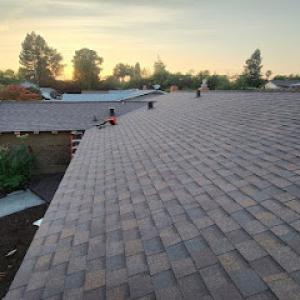
GTE Construction & Roofing
(925) 452-7630 gte-construction.com
11501 Dublin Blvd STE 200, Dublin, California
5.0 from 36 reviews
GTE Construction & Roofing is a trusted provider of roofing services in Dublin, CA, specializing in high-quality roofing solutions for both residential and commercial properties. As a leading residential roofing contractor in Danville, CA, we offer a wide range of services, including new roof installations, roofing repairs, and custom additions. Our team is committed to delivering reliable, professional services with a focus on craftsmanship and customer satisfaction. Serving Dublin, Danville, and Concord, CA, GTE Construction & Roofing ensures durable and long-lasting results for every project, with a reputation built on integrity and excellence.
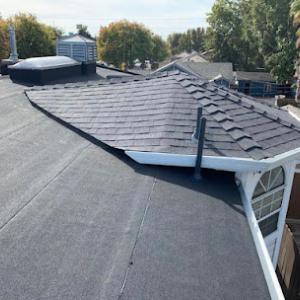
SmartBuild Construction
(925) 400-8174 www.smartbuildco.com
11501 Dublin Blvd STE 200, Dublin, California
4.1 from 9 reviews
SmartBuild Construction, your premier commercial and residential construction company serving California. With a strong commitment to quality craftsmanship and customer satisfaction, we specialize in Roofing and have in house experts. Other work includes Remodeling, ADUs, Property Extensions, painting, and more. At SmartBuild Construction, we understand the unique needs of your project. Whether you're looking to transform your existing space, replace a roof, or add functional additions, our team of skilled professionals and architects is here to bring your vision to life.

Integrity Roofing Systems
(925) 248-9000 www.integrityroofingpleasanton.com
Serving
5.0 from 52 reviews
Integrity Roofing helps homeowners across Pleasanton and the East Bay protect their homes with high-quality roof installation, repair, and maintenance services.

Rooflow Roof Repair & Installation
Serving
5.0 from 66 reviews
At Rooflow Roofing Company, we specialize in providing premier roofing services across California. With years of experience and a commitment to excellence, our skilled team offers comprehensive solutions including new roof installations, meticulous repairs, and complete roof replacements. We utilize only the highest quality materials and employ advanced techniques to ensure your roof is built to withstand California's diverse climate, delivering lasting protection and superior curb appeal. Choose Rooflow for professionalism, reliability, and a roof that stands the test of time.
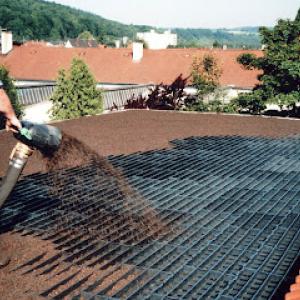
Halco Roofing
(925) 373-7367 halcoroofinginc.net
Serving
5.0 from 12 reviews
Halco Roofing is a full service licensed roofing company for over 35 years specializing in residential re-roofing and repairs. We primarily serve Livermore in California and we have an excellent reputation with our clients. We offer a wide range of professional roofing services including re-roofs, repairs, and maintenance. We believe that gaining the trust and loyalty of our clients is the key to our success. For this reason, we try our best to be fair, honest, professional, and always readily available to our clients. We stand behind our work and pride ourselves on great customer service and satisfaction. So, if you are in need of service please contact us.
Crest Stone Roofing Supply
(786) 823-3187 creststoneroofingsupply.site
Serving
5.0 from 10 reviews
For all your roofing project needs, Crest Stone Roofing Supply provides an extensive selection of high-quality materials and unparalleled service. Located at 260 Summerford Circle in San Ramon, we are your premier destination for residential and commercial roofing supplies. Our expert team is committed to helping you find the perfect solutions for any job, ensuring durability and a flawless finish every time. Trust Crest Stone Roofing Supply to be the foundation of your next successful project.

Mel's Roofing
(510) 228-5247 www.melssroofing.com
Serving
5.0 from 57 reviews
MEL’S ROOFING is here to maximize your budget with top of the line Roofing services. With over 10 years in the roofing industry we can ensure the quality of our work is well above average.

Tri Valley Roofing
(925) 948-1090 www.trivalleyroofing.com
Serving
5.0 from 30 reviews
Tri Valley Roofing provides quality residential roofing services, including roof replacement, roof repair, skylights, and gutter installation to homeowners in San Ramon, Danville, Blackhawk, Dublin, Pleasanton, Livermore, and surrounding areas.

Roof Doctors Alameda County
(510) 495-6300 theroofdoctors.net
Serving
5.0 from 85 reviews
"Nobody inspects, repairs and certifies more roofs or solves more roof leak problems in the SF Bay Region." Over 300,000 roofs inspected. We do complimentary roof inspections with detailed reports that include pictures. Reports sent within 24 hours of inspection. We are a licensed roofing contractor that offer repairs, replacment bids, gutter cleaning bids, gutter guard installs, and general roof maintenance. Service in the following San Francisco Bay Area counties: Alameda, Contra Costa, Marin, Napa, Solano & Sonoma Counties.
Crawford Sheet Metal
Serving
4.8 from 8 reviews
With over 35 years in the business, Crawford Sheet Metal is your rain gutter repair and replacement expert. Locally owned and operated, we make sure we listen to the customer and prove you with an excellent product.

Laran Construction
(510) 630-8094 laranconstructionllc.com
Serving
5.0 from 16 reviews
Introducing our top-notch remodeling service, catering to both residential and commercial properties. With our expertise in roofing, we offer comprehensive solutions to meet your needs. Whether you require repairs, replacements, or installations, our skilled team ensures exceptional craftsmanship and attention to detail. Trust us to enhance the aesthetic appeal and functionality of your property with our reliable and professional remodeling service.

Dragon Roofing Contractors Hayward
Serving
5.0 from 40 reviews
Dragon Roofing Contractors Hayward is your trusted local roofing expert, proudly serving Hayward, CA and surrounding areas with top-tier roofing services 7 days a week. We specialize in roof installation, roof repair, roof replacement, leak detection, shingle roofing, tile roofing, flat roofing, and emergency roofing services. Whether you need residential or commercial roofing, our experienced team ensures quality craftsmanship and long-lasting results. Customer satisfaction and safety are our top priorities. Looking for reliable roofing contractors in Hayward, CA? Call Dragon Roofing Contractors Hayward today and let us protect your home or business with dependable, affordable roofing solutions.
In this area, a full re-roof typically triggers a permit. The process is not something to overlook or treat as a formality, since the city's inspectors will be looking closely at how the replacement interacts with high summer sun, winter rain, and the tested hillside and suburban roof lines. The goal is to avoid delays, which can push projects into weather windows where rain risk or heat can complicate work.
A permit package usually includes project details, roof replacement scope, and material choices. Plan review can catch issues early, such as how the venting plan aligns with attic air movement, underlayment selection for heavy rain, and drainage considerations on slopes common to newer neighborhoods. It is wise to submit early and respond promptly to any requests for clarifications. Failing to obtain the permit or skipping steps can halt work mid-project, especially when the city catches noncompliant venting or improper waste handling.
The city's process generally includes inspections at milestone points. After roof removal, inspectors verify that sheathing is sound and that proper waste disposal methods are in place to minimize debris impact on surrounding homes. A second inspection typically occurs upon completion, confirming that the new system is properly strapped, vented, and sealed against weather intrusion. Keeping a clean worksite with clearly identified waste containers can help avoid hold-ups. Preparation for each inspection should include access to the attic and any necessary documentation on the new underlayment and ventilation strategy.
Inspectors may require conditions related to venting, underlayment, and waste disposal. Venting must allow adequate attic airflow to prevent heat buildup and moisture problems, especially with the region's dry summers and wet winters. Underlayment must meet local standards for moisture resistance, and flashing at valleys, chimneys, and dormers should be installed to withstand seasonal rain. Waste disposal requirements often specify containment and clean removal of debris, which helps preserve neighborhood wellbeing and reduces post-job cleanup disputes. Turnaround times can vary by season and workload, so anticipate possible delays if inspections line up with peak demand or adverse weather windows.
Coordinate closely with the contractor to align roof removal, material delivery, and inspection slots. If the weather forecast shows extended rain or heat spikes, discuss contingency plans with the city and the contractor to minimize rework or rushed work just to meet a deadline. Keeping open lines of communication with the building department helps ensure that a smooth inspection sequence reduces the risk of surprises that push schedules out.
California's tightening homeowners insurance market affects Dublin owners even when damage starts as a roof leak or weather event rather than a total-loss fire. Storms and wildfire-season smoke can trigger underwriting flags, and carriers may reassess risk during renewal periods even if the core issue isn't a full-blown wildfire. In practice, that means your roof needs to be in solid, verifiable condition before a claim is filed, and you should be prepared for questions about recent maintenance, materials, and roof age. A few proactive steps can help your application survive the scrutiny that comes with higher wildfire exposure.
Adjusters may ask for roof condition reports and detailed photos, which matters in a market where wildfire exposure influences underwriting and renewal decisions. If damage is treated as a weather-related event rather than a total-loss fire, the claim may hinge on precise documentation of the roof's pre-event state. Having a recent professional assessment and a clear, dated photo log of the roof's condition can streamline the process and reduce back-and-forth delays. For hillside or newer suburban homes with tile or composition roofs, adjacent vegetation and heat exposure are common talking points, so be ready to show how your roof handles sun, wind-driven embers, and seasonal moisture.
Replacement-cost considerations can affect whether homeowners stay with the same material or switch to another approved option after a claim. In Dublin's climate, the decision often balances longevity under intense summer sun with wildfire-related risk factors and insurer-approved materials. If a claim leads to a replacement, explore whether your carrier will permit or require a material change to maintain coverage levels or premium affordability. Consider how different options perform against both the wet-winter wetness and the dry-summer heat, and keep records of any material substitutions you discuss with your insurer. This careful documentation helps protect your coverage posture and future claims.
Connect with contractors who help homeowners navigate the claims process from damage assessment to final approval.

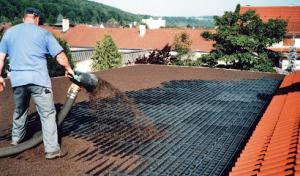
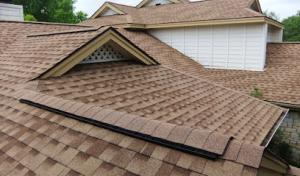
Tile roofs are a local specialty, and that means you'll see more breakage, brittle underlayment, and delicate detail work around penetrations than on many other house types. In a typical Dublin week, you'll want to inspect for cracked or chipped tiles after storms or heavy winds and check underlayment where tiles overhang eaves are missing. Pay extra attention to valley intersections, where debris can trap moisture and hasten degradation of the underlayment. If a tile loses its bite or becomes loose, address it promptly to prevent a small leak from becoming a bigger problem after the next winter rain.
Where tilework meets vents, skylights, and chimneys, flashing becomes the critical line of defense. Skylight work is common enough in the local contractor base to merit dedicated attention to flashing and leak diagnosis. Inspect skylight seals and curb flashing for wind-driven leaks, especially after the wet season when the roof sees the most roof movement from temperature swings. In Dublin, copper and lead transitions may age differently than the tile itself, so look for corrosion around metal flashings and sealants that have shrunk or cracked. When resealing or replacing, use flashings that accommodate seasonal expansion and contraction to keep those leak paths from re-forming.
Flat and low-slope roof service is active locally, indicating that not all homes fit a simple steep-slope profile. For these areas, verify the membrane's edge detailing where it meets tile roofs or other substrates. Sun exposure and heat can bake out seams or flashings, so plan a careful inspection schedule after summer heat peaks. Look for pooled water after heavy rain, common around transitions between flat roof zones and steeper tile sections. If drainage feels sluggish, address it before the next wet season to minimize standing moisture and potential rot in underlying decks or purlins.
Find contractors experienced in skylight installation, flashing, and leak repairs to bring natural light into your home.
Sierra Roofing & Solar
(925) 803-1601 www.sierraroofing.com
6955 Sierra Ct #102, Dublin, California
4.8 from 136 reviews
Integrity Roofing Systems
(925) 248-9000 www.integrityroofingpleasanton.com
Serving
5.0 from 52 reviews