Last updated: Apr 19, 2026
Danville sits in the San Ramon Valley on the inland East Bay side of Contra Costa County, where late-summer and fall fire weather drives homeowner interest in ignition-resistant roof assemblies. The dry Santa Ana-like winds in the area push embers ahead of the flames, and a single ember can find its way into roof vents, gaps, and eaves. When powdery ashes ride those gusts, the first line of defense is a roof that resists ignition and keeps embers from sticking. This isn't theoretical here-the fire season comes earlier and lingers longer than many expect, and a roof that fails under embers becomes a pathway for wildfire spread to your attic and interior.
The city's roof mix is a blend of clay tile, concrete tile, metal, asphalt shingles, wood shakes, and synthetic products. That diversity makes fire-rating comparisons especially relevant during replacement decisions. Clay and concrete tiles historically perform well for fire resistance, but weight, installation method, and proper underlayment are critical to true resilience. Metal roofing can be excellent for ignition resistance when installed with vented underlayment and appropriate flashing, yet some metal profiles may conduct heat differently or fail under severe direct flame exposure if seams are compromised. Asphalt shingles respond variably depending on product class and exposure, while wood shakes offer high risk in ember-heavy conditions unless every gap is tightly sealed and the roof is properly treated and maintained. Synthetic products can balance weight and fire performance, but it's essential to verify that the specific product carries a credible ignition-resistant or fire-rated designation and that installation details align with that rating. In Danville, replacements should be evaluated for how well the chosen system resists ember intrusion, flame spread, and radiant heat transfer from neighboring vegetation and dry fuels.
When you plan a re-roof, prioritize assemblies with explicit ignition resistance and fire rating that suits inland Bay Area fire behavior. If clay or concrete tile is your preferred look, ensure the installation uses a noncombustible underlayment, correct fastener patterns, and appropriate underlayment protection at slopes and ridges to minimize ember entry. For metal options, select designs with solid ridge caps, vented decks that discourage fan-out of flames, and flashing that creates a continuous, flame-blocking barrier around chimneys, skylights, and vents. If you lean toward asphalt, insist on Class A-rated shingles, but pair them with a robust, ember-blocking underlayment and sealed penetrations-these details often determine real-world performance. Wood shakes should only be considered with a proven fire-retardant treatment regimen and an upgraded underlayment system; otherwise, they demand frequent maintenance to mitigate ember capture in fine crevices. Synthetic shingles can provide favorable balance, yet verify the product's fire rating, installation requirements, and compatibility with Danville's dry-warm season stresses. The overarching aim is an integrated system where the roof deck, underlayment, flashing, and vent details form a continuous, ember-tight shield.
Wildfire readiness is not a one-time upgrade. A clean, well-maintained roof is a stronger defense: remove pine needles, leaves, and debris that collect along ridges and in valleys; ensure gutters and downspouts are clear; and inspect for gaps around penetrations, chimney/vent flashings, and skylights after high-wind events. Pay attention to eave ventilation and the rake edge, where embers often strike. In Danville's climate, a retrofit might also include upgrading underlayment to a high-performance synthetic or reinforced type, sealing all seams and fasteners, and installing ember-resistant vent covers to reduce the chance of ember intrusion during a red-flag day. The goal is to keep ignition risk as low as possible while enabling a durable, long-lasting roof that survives the inland Bay Area fire season without compromising drainage and structural integrity.
During the mild, wet winters, the shift from long dry spells to frequent showers concentrates leak discovery and emergency calls into the rainy season. That means the first major rain after any re-roof tends to reveal flaws in flashing, valleys, or drainage pathways that went unnoticed through the dry months. You'll notice water tracking along seams where previous underlayment has aged, or where a valley transitions to a tight counter-flashing against a chimney or vent stack. Plan your inspection window for the first sustained rain after installation, and be ready to verify that interior ceilings and walls in attic spaces are dry within 24 to 48 hours of a heavy downpour. This is the time when the roof system earns its true test and when small deficiencies become noticeable.
Homes perched along valley edges and hillside streets experience faster runoff and steeper drainage challenges than flatter inland subdivisions. On these sites, rainwater can surge toward valleys and gutters with less infiltration time, stressing flashing details, drip edges, and eave overhangs. When inspecting, pay particular attention to the intersections where roof planes meet a dormer, a wainscot, or a parapet. Valley flashings should be clean, properly lapped, and sealed, with no pooling behind them. Gutter discharge paths matter more here; ensure downspouts extend far enough to clear the foundation and to avoid scouring soil near the drip line. If you notice moss or mold in shaded runnels, that's a sign of persistent moisture that can degrade underlayment over a season. Address these areas promptly, as lingering moisture multiplies wear on any roof assembly.
The city's climate makes underlayment integrity crucial for winter resilience. Proper underlayment must be continuous, with no gaps at hips or valleys, and should extend into all roof penetrations without being crushed by fasteners. Ventilation plays a critical role in controlling condensation beneath the roofing, especially when overnight temps fall and daytime sun returns. A well-ventilated attic reduces ice dam risk and helps keep deck materials drier over the wet months. Focus on flashing details around pipes, skylights, and any metal edge components; these are common failure points when water velocity increases with rain intensity. Finally, ensure drainage details on full re-roofs are aligned: the roof should shed water efficiently, channels must not choke, and discharge points should stay clear of vegetation or structural gaps that invite seepage.
Before the first heavy rain, conduct a practical touch test along eaves and at transitions between roof planes. Run a flashlight along seams from the attic to the exterior, looking for damp spots or staining that would indicate slow leaks. If any downspouts terminate near foundations, consider temporary extensions to prevent splash-back during the first sustained downpour. On hillside homes, check that the roof's edge metal and gutter systems are secured against wind-driven rain, which can drive water along fascia boards and into vulnerable joints. By treating winter storms as diagnostic events, you can confirm that the roof's fire-conscious, drainage-focused design holds up to Danville's seasonal rigors.
When you can't wait, these contractors offer fast response times to stop leaks and prevent further damage.

Spotlight Roofing
(925) 208-4110 spotlightroofing.com
15 Railroad Ave suit 146, Danville, California
5.0 from 9 reviews
Spotlight Roofing
(925) 208-4110 spotlightroofing.com
15 Railroad Ave suit 146, Danville, California
5.0 from 9 reviews
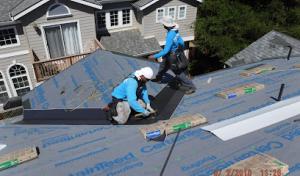
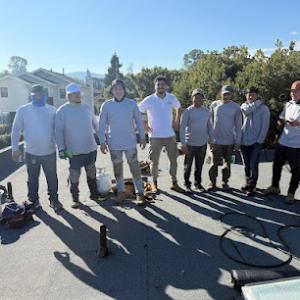
At Spotlight Roofing, we combine expert craftsmanship with a family-first approach. As a licensed, bonded, and insured family-owned business, we’re proud to serve San Mateo with reliable, high-quality roofing services. Whether you need Roof Repair, Roof Restoration, or Emergency Roofing Services, our skilled team is here to help. Using the latest techniques and premium materials, we provide durable, long-lasting solutions tailored to your needs. Your roof is your home’s first line of defense, and we’re committed to keeping it strong and secure. With years of experience, Spotlight Roofing has built a reputation for professionalism, integrity, and exceptional customer care.

All American Roofing & Seamless Gutters
(925) 584-0476 www.allamericanroofinggutters.com
Danville, California
4.3 from 6 reviews
Family owned and operated, we perform all levels of roofing installation and repairs. Whether it's a whole new roof or roofing repairs, we provide trustworthy services and professionalism you can depend on. We also offer full seamless gutter and leaf filter installation, and gutter repair services. Residential properties are our specialty - and we are bonded, insured and licensed as a California roofing contractor (CA 880457). We guarantee high-quality results for each and every project.
HRC Roofing
(855) 827-8957 www.hrcroofing.net
3420 Fostoria Way Suite. A200-E, Danville, California
4.6 from 5 reviews
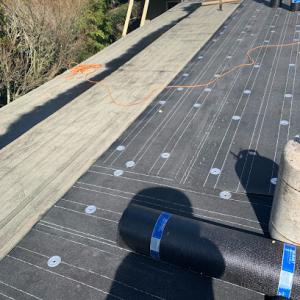
We are a local Roofing Contractor Company
Crest Stone Roofing Supply
(786) 823-3187 creststoneroofingsupply.site
Serving
5.0 from 10 reviews
For all your roofing project needs, Crest Stone Roofing Supply provides an extensive selection of high-quality materials and unparalleled service. Located at 260 Summerford Circle in San Ramon, we are your premier destination for residential and commercial roofing supplies. Our expert team is committed to helping you find the perfect solutions for any job, ensuring durability and a flawless finish every time. Trust Crest Stone Roofing Supply to be the foundation of your next successful project.

Tri Valley Roofing
(925) 948-1090 www.trivalleyroofing.com
Serving
5.0 from 30 reviews
Tri Valley Roofing provides quality residential roofing services, including roof replacement, roof repair, skylights, and gutter installation to homeowners in San Ramon, Danville, Blackhawk, Dublin, Pleasanton, Livermore, and surrounding areas.

Laran Construction
(510) 630-8094 laranconstructionllc.com
Serving
5.0 from 16 reviews
Introducing our top-notch remodeling service, catering to both residential and commercial properties. With our expertise in roofing, we offer comprehensive solutions to meet your needs. Whether you require repairs, replacements, or installations, our skilled team ensures exceptional craftsmanship and attention to detail. Trust us to enhance the aesthetic appeal and functionality of your property with our reliable and professional remodeling service.
GTE Construction & Roofing
(925) 452-7630 gte-construction.com
Serving
5.0 from 36 reviews
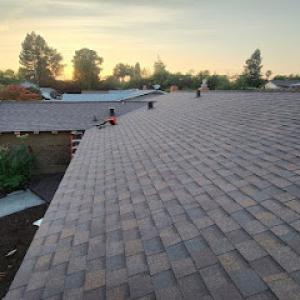
GTE Construction & Roofing is a trusted provider of roofing services in Dublin, CA, specializing in high-quality roofing solutions for both residential and commercial properties. As a leading residential roofing contractor in Danville, CA, we offer a wide range of services, including new roof installations, roofing repairs, and custom additions. Our team is committed to delivering reliable, professional services with a focus on craftsmanship and customer satisfaction. Serving Dublin, Danville, and Concord, CA, GTE Construction & Roofing ensures durable and long-lasting results for every project, with a reputation built on integrity and excellence.
Integrity Roofing Systems
(925) 248-9000 www.integrityroofingpleasanton.com
Serving
5.0 from 52 reviews
Integrity Roofing helps homeowners across Pleasanton and the East Bay protect their homes with high-quality roof installation, repair, and maintenance services.

Roof Doctors Contra Costa County
(925) 891-8200 theroofdoctors.net
Serving
4.8 from 177 reviews
"Nobody inspects, repairs and certifies more roofs or solves more roof leak problems in the SF Bay Region. Over 300,000 roofs inspected. We do complimentary roof inspections with detailed reports that include pictures. Reports sent within 24 hours of inspection. We are a licensed roofing contractor that offer repairs, replacment bids, gutter cleaning bids, gutter guard installs, and general roof maintenance. Service in the following San Francisco Bay Area counties: Alameda, Contra Costa, Marin, Napa, Solano & Sonoma Counties.
Rooflow Roof Repair & Installation
Serving
5.0 from 66 reviews
At Rooflow Roofing Company, we specialize in providing premier roofing services across California. With years of experience and a commitment to excellence, our skilled team offers comprehensive solutions including new roof installations, meticulous repairs, and complete roof replacements. We utilize only the highest quality materials and employ advanced techniques to ensure your roof is built to withstand California's diverse climate, delivering lasting protection and superior curb appeal. Choose Rooflow for professionalism, reliability, and a roof that stands the test of time.
Mel's Roofing
(510) 228-5247 www.melssroofing.com
Serving
5.0 from 57 reviews
MEL’S ROOFING is here to maximize your budget with top of the line Roofing services. With over 10 years in the roofing industry we can ensure the quality of our work is well above average.
Golden Top Roofing
(925) 875-8572 goldentoproofing.com
Serving
5.0 from 16 reviews
Roofing and Waterproofing TPO Tiles Modified Bitumen Torch Down Wood Cedar Shake Slate Roofs Metal Roofs Asphalt Shingles Roof Commercial & Residential
Tile roofing is a major local specialty signal in Danville, reflecting how common clay and concrete tile systems are in the housing stock. The look contributes to curb appeal in tile-heavy neighborhoods, and the long, low-slope lines of many Danville homes sit well under a tile roof. When you consider a re-roof, you're balancing the visual durability these roofs convey with practical performance for the East Bay climate and wildfire exposure. The tile pattern, color, and profile influence not just aesthetics but how the roof sheds water and handles radiant heat through the hot, dry months and the wetter, cooler season swings.
Older tile roofs in the inland East Bay often need attention at flashings, underlayment, and broken field tiles even when the surface looks serviceable from the street. Flashings around chimneys, roof penetrations, and transitions to walls can deteriorate faster than the tiles themselves, leading to hidden leaks that only show up after a heavy rain or in the shoulder seasons. The underlayment-a crucial waterproof layer beneath the tiles-can age out, especially under tiles with significant weight and in regions with rapid seasonal shifts. Broken or cracked field tiles are common after wind events or foot traffic during maintenance, and they can allow water intrusion or permit debris buildup that traps moisture. In Danville's fire-prone environment, any compromise in the roof's barrier invites not just leaks but potential fuel exposure for embers, so inspecting underlayment condition and flashings takes on added importance.
Danville homeowners weighing tile replacement versus lighter alternatives often weigh appearance against wildfire concerns, insurance scrutiny, and the cost of preserving a tile look. Tile roofs inherently resist some windborne embers due to their dense surface, but gaps or damaged tiles can create vulnerable openings. If a goal is to maintain the classic tile silhouette while improving fire resistance, you may explore retrofit fire-rated underlayment and mineral-surface or Class A-rated components that complement the tile system. In many cases, preserving the tile aesthetic while upgrading key details-like integrated metal flashing and properly sealed intersections-can deliver a safer, more durable cover without sacrificing the look. Some homeowners consider lighter options, such as synthetic or composite shingles, to reduce weight or simplify maintenance; however, these choices alter the visual continuum of established tile streetscapes and may invite questions from insurers or appraisers who recognize the tile profile as a signature feature.
If you're planning a tile re-roof, start with a focused inspection that targets flashings, underlayment, and field tiles, rather than assessing merely the surface. Require a written assessment of the underlayment's age and condition, and insist on a color-matched sealant strategy for flashing joints to minimize future maintenance. When choosing materials, prioritize components that reinforce fire resistance without compromising the tile look you value. Ask for a detailed plan that shows how tiles will interlock with flashings and penetrations to prevent wind uplift and ember intrusion. Finally, discuss how drainage and roof vents are integrated with the tile system to maintain reliable dry times through the Mediterranean wet-dry swings that characterize local seasons.
Find contractors who specialize in clay and concrete tile roofs, known for their durability and curb appeal.
A Better Roofing Company
(925) 370-1158 abetterroofingcompany.com
Danville, California
5.0 from 4 reviews
You'll see cost ranges here reflect Danville's mix of tile-heavy neighborhoods, wildfire-conscious expectations, and the dry-to-wet seasonal swings. Asphalt shingles run from 350 to 750 USD per square, a practical baseline if speed and budget are priorities. Metal roofing sits higher, from 700 to 1400 per square, and clay tile climbs to 900-1600 per square. Concrete tile is typically 900-1500 per square, with wood shingles or shakes at 600-1200 per square. Synthetic or composite shingles come in around 450-900 per square. These ranges help you price out two common Danville scenarios: upgrading fire resistance while preserving curb appeal, and coordinating on a roof with high-value features already in place.
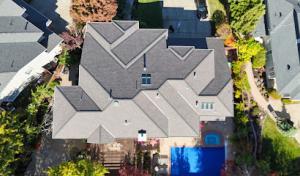
Multi-plane roofs common in higher-value subdivisions influence both labor and material complexity. If your plan involves tear-off and reset, expect labor to reflect that extra handling. Tile tear-off and the careful reset required to preserve drainage and line-of-sight for solar arrays can push the project toward the upper end of the chosen material's range. If the roof has multiple pitches or significant overhangs, the crew may need more time to safely navigate slopes and maintain a tight seal around transitions. In practice, this means budgeting with a 10-20% cushion above the base material price to cover the added labor and staging costs that tend to show up in these neighborhoods.
Dry-season scheduling matters, too. Replacement demand spikes when the Bay Area enters its dry months, so some crews book more tightly or adjust start times to fit a clear window. If the plan is to complete a full re-roof during the peak dry period, you may encounter higher demand and tighter contractor calendars. That can translate into slightly higher mobilization costs or a need to coordinate closer with the crew's schedule.
Solar-equipped homes add a coordination layer. When roofing and solar trades must sequence work, expect a small premium for scheduling and protecting existing solar equipment during removal and reinstallation. The result can nudge the overall project cost upward, especially on higher-end materials where precision around flashing and penetrations is critical.
In short, choose the material you need for fire resistance and longevity, but plan for the extra lift in cost from tear-off complexity, multi-plane geometry, dry-season demand, and any solar ties that require sequencing.
Get a clear picture of your project costs upfront - no commitment required.
Integrity Roofing Systems
(925) 248-9000 www.integrityroofingpleasanton.com
Serving
5.0 from 52 reviews

A full re-roof in this area typically requires a permit through the City of Danville rather than informal replacement without review. The process ensures that fire resistance, drainage, and ventilation meet local expectations for a neighborhood that blends tile-heavy homes with modern solar setups. Skipping the permit review invites delays, fines, or a non-compliant final inspection that can stall occupancy or resale.
The city's process includes permit review followed by multiple inspections, commonly rough and final, to verify underlayment, ventilation, and drainage details. Rough inspections focus on how the roof assembly comes together before shingles or tiles are installed, while the final inspection confirms that the finished surface aligns with approved plans and safety requirements. Understand that inspectors look at the system as a whole, not just the visible exterior.
Because inspections look beyond the finished surface, contractors need to stage work so key components are visible before they are fully covered. That means leaving access points for underlayment, attic ventilation, and drainage connections during the mid-stages, and coordinating with the inspector to confirm that these elements are properly installed before proceeding. If a contractor plans to conceal a critical detail too early, it can trigger a re-inspection, delays, and additional permit costs. Plan ahead for access doors, vent locations, and any temporary lighting needed for the review.
The permit process in this climate emphasizes fire-resistance and proper drainage, especially where tile or metal roofs meet dry season winds and heavy rains. Be prepared to justify materials and installation methods that meet local wind uplift and fire-safety standards. In practice, that often means selecting assemblies that balance long-term durability with the need for robust flashing, clean drainage paths, and adequate ventilation to prevent moisture buildup under the covering.
Effective planning reduces the risk of unexpected inspections or rejected steps. Coordinate with the roofing contractor to align the permit schedule with material deliveries, weather windows, and staged work milestones. Maintain open lines of communication with the building department, and keep copies of plan sets, product data, and amended drawings readily accessible. A well-documented, transparent process helps protect the home and keeps the project moving toward a compliant, durable roof.
In Danville, insurer questions about roof age, material, and condition are especially relevant because California carriers have tightened underwriting in wildfire-exposed markets. The mix of tile-heavy upscale homes and active solar installations means carriers look for signs of aging, wear, and prior repairs that could affect fire performance and long-term durability. The local climate's wet-dry swings can accelerate wear on aged surfaces, making a careful illustration of what's beneath the surface particularly valuable for underwriting.
Detailed photos and inspection reports matter more in this market, particularly for older tile, wood shake, or weathered roofs that may draw underwriting scrutiny. A clear before-and-after record helps demonstrate resilience against embers, wind uplift, and thermal cycling. When a claim arises after a storm, those images and reports can speed you through the review process and reduce ambiguity about material condition, installation quality, and potential pre-existing issues.
Coverage limitations or higher deductibles can affect claim outcomes for some higher-risk materials or installations, so documentation before and after storms is important. If a roof uses wood shakes or aged concrete or clay tiles, expect insurers to scrutinize surrounding fire veils, clearance from vents, and flashing integrity. A proactive approach-keeping a dated, detailed file of roof components, recent repairs, and any retrofits-helps you navigate denser underwriting questions without delaying needed relief after a storm.
When planning maintenance or a re-roof, invest in professional condition assessments and high-resolution imaging that clearly capture tile condition, adhesion, and fastener integrity. For properties with solar add-ons or complex venting, ensure the installation aligns with fire-resistant guidance and is well documented. In the event of a weather event, compile contemporaneous notes, timestamped photos, and repair receipts to support a smooth insurance review and a timely post-event recovery.
Connect with contractors who help homeowners navigate the claims process from damage assessment to final approval.
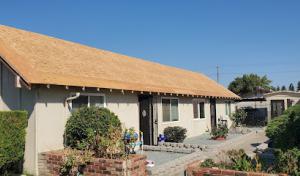
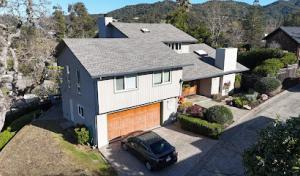
Solar roofing is a standout local specialty, and reroof timing often intersects with existing solar arrays on inland East Bay homes. When planning around a replacement, verify the solar system's racking, flashing, and penetrations will coordinate with the new roof material. Schedule work so panels are accessible without risking damage to the array or leaving exposed penetrations during a storm. If panels are to remain in place, arrange a temporary cover or resealment plan for any open gaps during the reroof window. Ensure the chosen roofing material plays well with the current layout-some systems require specific underlayment or edge detailing to maintain fire resistance and drainage.
Skylights are a common local signal for leak-prone curb and flashing details after dry, windy spells followed by winter rains. Inspect all skylight flashings as part of the project scope, not as an afterthought. For curb-mounted units, check the joints where the curb meets the roof plane and where the curb meets the skylight frame. Replace aging sealant and consider upgrading to higher-performing flashing collars if the old pieces are brittle. If the existing skylights contribute to a mixed roof slope, ensure the transition edges stay well-sealed and properly flashed to handle seasonal rain without creating "water gardens" along the sills.
Flat-roof specialists are active in this market even though pitched roofs dominate, indicating a meaningful share of low-slope sections over patios, additions, or modern rooflines that need different drainage detailing. When a flat or low-slope area exists, confirm a coherent drainage plan that channels water toward proper outlets and away from eaves or parapets. Pay attention to transitions between flat sections and pitched areas; poor detailing here is a common source of leaks after the wet season. Ensure edge details along parapets and transitions receive extra sealant or flashing upgrades to counter long dry spells followed by heavy rains.
Find contractors who integrate solar panels or solar shingles into your roof for long-term energy savings.
A Better Roofing Company
(925) 370-1158 abetterroofingcompany.com
Danville, California
5.0 from 4 reviews