
Last updated: Apr 19, 2026
The Mediterranean pattern that defines the Bay Area climate shapes the timing for most full reroofs here. In practice, that means a dry-season window is the easiest path to a smooth tear-off and dry-in sequence. From late spring through early fall, you'll typically have longer stretches of sun and lower chances of sudden downpours, which helps crews stay on track. If a homeowner hopes to minimize weather-related interruptions, aligning the bulk of the work with that dry window makes sense. However, the local pattern still demands flexibility, because a clear forecast one week can flip with a late-season marine layer or a foggy morning that reduces working hours for exterior tasks.
Winter rain arrives in earnest from roughly November through March, and that period can interrupt tear-off and dry-in sequencing. Projects that extend into the wet season should plan for potential pauses, especially during heavy storms. Crews may need to stage materials and equipment to protect interiors during occasional wind-driven rain events, which can complicate the move from removing old roofing to laying down underlayment and new coverings. A practical approach is to build in a contingency buffer for weather-induced delays and to maintain clear on-site communication so you can adjust milestones without compromising the job's integrity.
East Bay conditions can throw in short-notice schedule changes even outside the rainy season. Late-summer and fall bring smoke or wind events that can influence when work can proceed safely. Wind-driven debris, reduced visibility, or the need to reel back equipment for safety reasons can create sudden shifts in daily plans. Expect some weeks to be more favorable than others, and plan for a few days of buffer when the forecast shows high winds or poor air quality windows. This is not a sign of bad planning; it's a reality of building in a climate with variable coastal influences.
Many projects in this area are reroofs rather than new construction, which means homeowners often seek crews who can quickly dry-in an occupied home between weather windows. The ability to isolate work areas, protect living spaces, and re-seal access points efficiently becomes a key skill in scheduling. Communicate early about the necessity to maintain interior comfort and keep dust and debris to a minimum. A practical path is to stage the critical portions of the work in a way that allows occupants to remain in the home during the tear-off, while the most weather-exposed tasks-like installing a temporary underlayment or bootflash-are completed during favorable dry spells.
Start by mapping preferred work periods within the dry season, then identify flexible days when weather forecasts look uncertain. Use a rolling two-week forecast to decide which days can be confidently booked for tear-off versus days reserved for underlayment and roofing material installation. Build in a contingency of two to three days for unpredicted pauses during the wet season, and consider moving some noncritical tasks (like minor cleanup or interior protection) to those slack windows. If the forecast shows a stretch of dry days, align the most labor-intensive steps-stripping, sheathing inspection, and new roof installation-with that run, and reserve the remaining days for inspections and touch-ups.
Clear, proactive communication with the contractor is essential in this climate. Confirm in writing which weather thresholds trigger a pause (for example, sustained rain above a certain depth or wind speeds above a threshold) and what the expected turnaround time is once conditions improve. Ensure that the crew understands interior protection priorities and the homeowner's preferred routines, especially if living in the home during reroofing. A practical practice is to designate two backup dates for each major phase, so the schedule can adjust without sacrificing the project's overall pace.
The timing strategy here is to maximize dry-season opportunities while maintaining readiness for wet-season pauses. Treat winter rain as a predictable disruptor rather than an unexpected problem, and plan to keep occupants informed about how weather-driven shifts affect daily routines. With careful sequencing, responsive communication, and a flexible calendar, a reroof can progress smoothly through Union City's distinctive pattern, balancing the needs of an occupied home with the realities of Bay Area weather.
Asphalt shingles remain a common choice in Union City because they fit typical reroof budgets better than tile while still handling the city's wet-winter and dry-summer cycle. In this climate, you'll appreciate a shingle profile that sheds rain quickly and resists the daily sun exposure without requiring premium underlayment or heavy structural changes. When you're evaluating a replacement, look for asphalt products that offer good algae resistance and a granule finish that holds up under Bay Area UV exposure. The ease of installation and repair also makes asphalt a sensible option for homes with standard dimensional layouts common in East Bay neighborhoods. If the roof already shows signs of wear from seasonal cycles-popping nails, curling edges, or some shingle blow-off after wind events-a re-cover or full replacement with durable asphalt can minimize disruption and keep a steady cadence through the wet season.
Clay and concrete tile are locally relevant options, offering strong performance in sunny summers and moderate resilience to winter rains when properly installed. However, their weight can trigger added structural review during the reroof planning process, especially on older East Bay homes with existing framing not originally designed for heavy tile systems. If you're drawn to tile for its longevity and distinctive appearance, a structural assessment is a prudent first step. Some homes benefit from a measured upgrade to the structure or a conversion to lighter weight tile alternatives, preserving the tile aesthetic while mitigating potential support concerns. Tile systems also demand careful matching of roof deck preparation, underlayment, and flashings to handle intermittent wind-driven rain and dry-season sun without compromising ventilation. Approaching tile with a clear plan for reinforcement can help prevent future sag or tile failure and keep the roof performing through Bay Area weather swings.
Metal roofing and synthetic/composite products appeal to homeowners looking for lower-maintenance performance under strong summer sun and periodic wind-driven weather. Metal systems offer excellent solar reflectivity and a quick shed of rain, which aligns well with dry summers and wet winters. In Union City's climate, consider panels with durable coatings that resist chalking and color fade while maintaining energy efficiency. Synthetic or composite shingles provide a flexible option that imitates natural materials without the weight or formatting constraints of heavier tile, while still delivering resistance to wind uplift and thermal movement. Both metal and synthetic options can be a solid match for homes with modern or transitional styling, and they often pair well with ventilation upgrades and continuous ridge or soffit venting to temper attic temperatures during peak summer months. If your home includes shallow roof pitches or irregular roof lines, discuss panel configurations and flashing approaches with a contractor experienced in local seasonal patterns, ensuring a seamless balance between aesthetics, performance, and long-term maintenance.
Ultimately, your choice hinges on how a roof will perform through Union City's wet-winter schedule and the extended dry-summer period. Asphalt shingles offer a straightforward, versatile path that aligns with common reroof budgets while delivering reliable protection from rain and sun. Tile choices bring a premium look and exceptional durability when structural considerations are addressed up front. Metal and synthetic options cater to a desire for lower maintenance and strong solar performance, provided the installation accounts for wind exposure and expansion movement. Regardless of material, pay attention to underlayment quality, proper ventilation, and adequate flashing around chimneys, skylights, and vent pipes, as these details often determine long-term performance more than the exterior shell alone. When in doubt, lean toward systems that balance weight, performance, and the specific sun-wet-wind cycles that define homes in this neighborhood, ensuring a roof that stays resilient through the seasons.
When you price a reroof, the numbers you'll typically encounter in the local market reflect both material choices and the Bay Area climate. Asphalt shingles run about 420 to 900 USD per square (a square is 100 square feet), metal roofing 600 to 1200 USD per square, clay tile 900 to 1400 USD per square, concrete tile 800 to 1300 USD per square, wood shingles or shakes 700 to 1200 USD per square, and synthetic or composite shingles 550 to 950 USD per square. These ranges capture the mix of mid-range options homeowners often choose and the higher-end systems that can handle sun exposure and wind-driven rain without added maintenance.
If you're leaning toward clay or concrete tile, plan for more than just the material price. Heavier tile selections can raise the total project cost because your roof structure may require structural review and framing upgrades to support the weight. Those upgrades translate into lumber, hardware, and labor costs that push bids higher than a comparable asphalt replacement. In practice, you'll want to budget for a more robust rafter or truss assessment and potential strengthening work in areas where the existing framing is older or undersized. The end result is a roof that's durable in our sun-drenched days and capable of withstanding any wind-driven rain during the wet season.
A practical consideration for Union City is how the East Bay dry season affects contractor availability and timing. Many crews book up during the late spring through early fall as homeowners aim to minimize work during winter rain. That peaks demand can tighten schedules and push lead times for materials and crew start dates. If you're constrained by a specific finish date-say a planned home project or a long stretch of dry weather-expect to coordinate earlier and confirm a firm schedule with your contractor. In wetter months, you may see slower progress but potentially steadier pricing as fewer crews chase the same available slots.
You'll want to compare bids not only on per-square cost but also on structural scope notes. Ask contractors to specify whether a roof frame assessment, purlin or header upgrades, or extra fasteners and underlayment are included for heavier tile options. For asphalt or synthetic shingles, the focus remains on roof deck condition and underlayment quality. For heavier systems, confirm queuing of materials, potential crane access, and any site protection measures-these details help prevent surprises once the project begins.
Get a clear picture of your project costs upfront - no commitment required.

Oakland Emer Roofing Pros
Serving
4.9 from 58 reviews
Do Your Have Roof Leaks ? Do You Need Emergency Service ? Call Now For Oakland Emergency Roof Repair Pros We Cover All Repairs For Any Roof we have most shingles in stock so we can preform most service today day call now save on your next roof service
Roofing & Gutters Nation
(510) 335-5466 roofingandguttersnation.com
Serving
5.0 from 9 reviews
Roofing and Gutters Nation is a company serving all of the Bay Area, the famous Silicon Valley; having worked in Commercial and Residential for more than 20 years. Your roof may be the last thing you think about, but when it comes time to do any roofing Installation, you want to hire a trusted roofer in Bay Area to handle the job correctly.
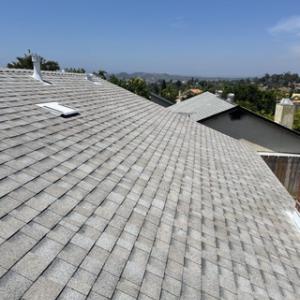
Fremont Roofer
(510) 900-5981 www.roofingfremontca.com
Serving
5.0 from 7 reviews
Ready to elevate your home's protection and curb appeal? Turn to Fremont Roofer, your trusted partner in roofing excellence. Serving the Fremont, CA area, we specialize in delivering top-notch roofing solutions tailored to your specific needs. Whether you're in need of repairs, replacements, or new installations, our dedicated team of professionals is equipped with the expertise and resources to get the job done right, the first time. Make your roofing project hassle-free with our quality materials and affordable pricing. From asphalt shingles to metal roofing, we offer a wide range of options to suit your style and budget. Contact us today to schedule your consultation in Fremont, CA.

Roof Doctors Alameda County
(510) 495-6300 theroofdoctors.net
Serving
5.0 from 85 reviews
"Nobody inspects, repairs and certifies more roofs or solves more roof leak problems in the SF Bay Region." Over 300,000 roofs inspected. We do complimentary roof inspections with detailed reports that include pictures. Reports sent within 24 hours of inspection. We are a licensed roofing contractor that offer repairs, replacment bids, gutter cleaning bids, gutter guard installs, and general roof maintenance. Service in the following San Francisco Bay Area counties: Alameda, Contra Costa, Marin, Napa, Solano & Sonoma Counties.
NEW Roofing
(510) 405-1806 newark-roofing.pro
Serving
5.0 from 20 reviews
Introducing New Roofing, your dependable roofing company for all your residential and commercial roofing needs. With a simple and straightforward approach, we focus on delivering quality services that you can rely on. At New Roofing, we understand the importance of a solid roof in protecting your home or business. That's why our team is dedicated to providing top-notch craftsmanship and exceptional customer service. Whether it's roof repairs, replacements, or new installations, you can trust us to get the job done right. Trust New Roofing for all your roofing needs – because when it comes to quality and reliability, simplicity is key!
American Roofing & Solar
(510) 990-9371 americanbuildingandroofing.com
Serving
5.0 from 17 reviews
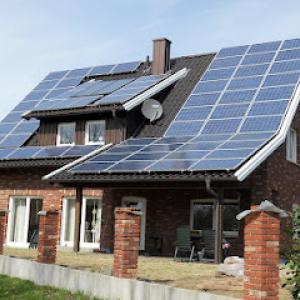
American Roofing & Solar is a trusted name in the roofing and solar industry, serving homeowners everywhere in Fremont. We are proud to offer a wide range of roofing & solar services, including solar panel installation and replacement. Our team of certified professionals is equipped to handle any project, big or small. In addition to our quality workmanship, we also offer competitive pricing and a satisfaction guarantee. Contact us today to schedule a free estimate. We look forward to working with you!
Rivera Roofing Systems
(510) 750-3220 www.riveraroofingsystems.com
Serving
5.0 from 16 reviews
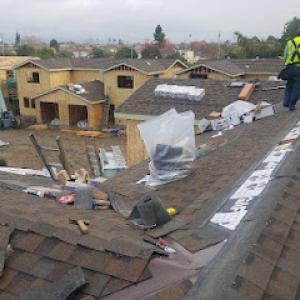
We provided Roofing & Gutter Services. From tear-off to Installing Shingles, Tiles, TPO, Torch, on New Roofs or Existing. We work with residential or businesses. We also do Roof Maintenance & clean gutters. Call us for your FREE ROOFING ESTIMATE TODAY.
Ryan's Union City Roofing
(510) 945-3059 www.unioncityroofingpro.com
Serving
5.0 from 3 reviews
Ryan's Union City Roofing is the trusted local roofing contractor in Union City, CA. With over a decade of experience, we specialize in top-quality roofing solutions. Our skilled team is dedicated to providing exceptional service, from roof repairs to installations. We prioritize customer satisfaction, offering competitive prices and using premium materials. Whether you need a simple fix or a complete roof overhaul, count on us for reliability and excellence. Your Union City commercial place or home deserves the best, and that's what we deliver at Ryan's Union City Roofing

Dragon Roofing Contractors Hayward
Serving
5.0 from 40 reviews
Dragon Roofing Contractors Hayward is your trusted local roofing expert, proudly serving Hayward, CA and surrounding areas with top-tier roofing services 7 days a week. We specialize in roof installation, roof repair, roof replacement, leak detection, shingle roofing, tile roofing, flat roofing, and emergency roofing services. Whether you need residential or commercial roofing, our experienced team ensures quality craftsmanship and long-lasting results. Customer satisfaction and safety are our top priorities. Looking for reliable roofing contractors in Hayward, CA? Call Dragon Roofing Contractors Hayward today and let us protect your home or business with dependable, affordable roofing solutions.
Roofing Solutions
(510) 836-5227 roofing-solutions.net
Serving
4.8 from 18 reviews
From small repairs to large-scale commercial projects, we cover the entire spectrum of roofing needs in communities across the East Bay. Whether you’re seeking shingles, tiles, single-ply options like TPO and PVC, torchdown roofing, or innovative ultra-reflective liquid silicone and acrylic systems, Roofing Solutions has the expertise you can rely on. Experienced Professionals Quality Materials Customer Service Roofing Services From a Company You Can Trust A Properly Repaired Roof Makes a Big Difference
Vincent Roofing
(510) 538-0222 vincentroofingcoinc.com
Serving
5.0 from 26 reviews
Roofing is a tradition in the Vincent family. Clyde Vincent Sr. started roofing in 1942. The company was then passed to Ed Vincent; he earned a reputation for personalized, high-caliber roofing with an emphasis on excellent customer service. His children, Don Vincent Sr., Larry Vincent, and Lynn Allan, comprised the third generation of Vincents involved in the company.
Century Roof & Solar
(510) 780-9489 www.centuryroofandsolar.com
Serving
4.8 from 83 reviews
Our company strives to deliver a high quality roof assembly and solar solutions to every customer. We believe one roof or solar installation job should create another through the networking of past satisfied customers. Our company takes a systems approach to re-roofing. Where every every component that goes into our roofs is designed to work together as a system. Our customers really drive our business, and because of that we take care of even the littlest requests that our customers have.
A full reroof in this area typically requires a building permit processed through the City of Union City Building Department. The permit step is not just a box to check; it shapes your entire replacement timeline. Start early in the planning stage, because permit review and coordination with inspections can stretch across several weeks, especially if weather windows constrain work or if revisions are needed. In wet winters, scheduling around possible rain delays matters: permits are issued with a window in mind, but concrete conditions and permit processing can push installation into drier months. You'll want to align contractor calendars with the permit calendar so that crews aren't idling on site or, worse, forcing a partial installation that doesn't meet inspection requirements.
The local process includes plan review plus staged inspections during and after installation, with final sign-off required before closeout. Plan review looks at structural compatibility, attic ventilation, flashing details, and drainage compatibility for the new roof system. Inspections typically occur at key milestones: noun the deck, underlayment, and roof covering installation, then a final inspection after completion. Missing a scheduled inspection or failing an interim check can trigger delays and rework, which in turn compresses your weather windows and increases exposure to winter moisture. Coordinate with your contractor to set clear inspection dates in advance and keep a window for potential rescheduling if weather interrupts progress.
Clay or concrete tile projects may receive extra scrutiny for structural capacity and fire-related compliance, so homeowners should verify requirements with the building department before ordering materials. Heavier tile systems can demand structural reinforcement or retrofits to existing framing and sheathing. It's not unusual for plan reviewers to request stamped structural calculations or manufacturer-approved installation details for your exact roof slope and deck assembly. If your home has older framing or limited attic access, expect questions about weight distribution and fastener specs. Clearing these checks early helps avoid a stop-work order once construction begins.
Contact the Building Department to confirm required permits, plan submittal materials, and anticipated review timelines before purchases begin. Provide your contractor with a complete set of plans, including roof venting, drainage, and any required fire-resistant details. Discuss possible storm-season contingencies with the permit office, especially if a winter window may push work into a rainier period. Keep a dedicated project log of permit numbers, inspection dates, and any department contact notes so nothing falls through the cracks during the critical middle phase of installation.
The local contractor signal mix shows meaningful demand in Union City for emergency leak response, skylight work, and flat-roof service, indicating these are recurring homeowner pain points rather than edge cases. Winter rain in the East Bay tends to expose flashing weaknesses around skylights and transitions where low-slope sections meet steeper roof planes. When storms press hard, a small leak can become a widespread soaking fast, turning a routine repair into a rushed, high-stakes emergency. If a drumming drip appears, act immediately to prevent interior damage and mold.
Skylights are a frequent weak spot on many Union City homes, especially where older roofs meet newer or heavier tile systems. Winter rain exposes sealing or flashing failures at these junctions first. Inspect around every skylight curb after a heavy storm: look for sparkling moisture, staining on interior walls, or condensation pooling on the glass. If flashing sits on a slope transition, the risk of water finding an edge increases. A professional should reflash or replace worn seals promptly, and ensure the flashing steps back correctly into the roof plane to shed water rather than trap it.
Low-slope sections adjoining steeper planes are a common source of leaks when the winter sky opens up. Pay attention to the transitions, valley intersections, and any penetrations such as vent pipes or attic vents that cross those zones. In many homes, these areas carry more risk than a straightforward steep roof because standing water can back up and find the smallest gap. Concrete or clay tile over low-slope decks, in particular, demands careful edge detailing and robust flashing. If moisture is present near these seams after a storm, schedule an assessment before the next system rolls in.
Occupied-home reroofing in Union City often prioritizes rapid temporary dry-in and cleanup because leaks can spread quickly once winter storms arrive. A fast, clean dry-in minimizes interior damage and buys time for a permanent fix. Expect crews to address visible leaks first, secure any skylight seals, and reseal transitions between low-slope and steep sections. If a leak appears mid-storm, alert the roofing team to stage a prompt temporary cover or tarp, then follow up with a targeted repair plan before the next round of rain.
Find contractors experienced in skylight installation, flashing, and leak repairs to bring natural light into your home.
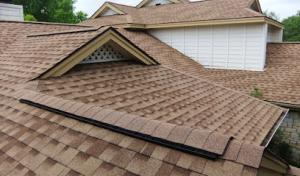
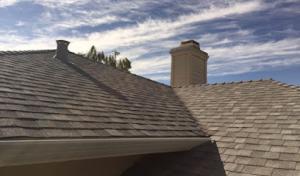
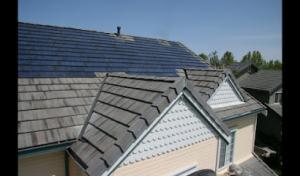
California insurers have pulled back in recent years, and Union City homeowners feel the squeeze when underwriting becomes selective. If your roof is older, or made from heavier or older materials, carriers may scrutinize the condition more closely. The stronger your documentation-photos from different seasons, installation notes, and clear evidence of roof age-the better your position when a claim arrives. In this market, a shaky roof history or gaps in upkeep can tilt decisions toward disputes or coverage gaps.
When you prepare for the worst, you're protecting your options. Keep dated photos that show the roof's condition across several wet seasons, plus any repairs or noticeable wear. Preserve installation records and any notes from past work that describe underlayment, ventilation, and installation details. If you're working with a contractor, request a written summary that aligns with code-compliant practices and reflects credible workmanship. Together, these records create a straightforward narrative for an adjuster, reducing questions about whether the roof was properly cared for or installed.
During a storm, Union City homes can suffer both visible and subtle damage-things not always evident from ground level. When damage occurs, you may need to show more than a few torn shingles or a batten run; expect to present your documentation as part of the claim storyline. A clean, complete file that ties together what happened, when it happened, and how the roof was installed and maintained can shorten decisions and prevent second-guessing. If a claim is contested, a well-organized package often clarifies whether repairs or replacements meet the insurer's criteria and helps you navigate the process with fewer delays.
Connect with contractors who help homeowners navigate the claims process from damage assessment to final approval.
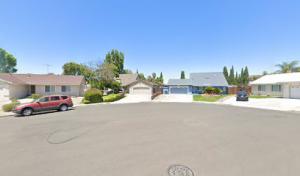
Local signals point to reroofing-focused contractors rather than firms that only do new construction. You'll notice crews who specialize in tear-offs, underlayment, and re-shingle sequencing, with a track record of handling leak events without leaving you in the middle of a rain window. This niche focus matters when weather windows tighten and occupied homes need steady scheduling.
In this market, quick turnaround after a leak or wind-driven event is a top ask. Homeowners want a crew that can arrive, secure the roof, and set up containment to prevent interior water intrusion, then return for a clean tear-off and debris removal on schedule. Look for contractors with clearly stated arrival windows and site-cleanup plans that minimize disruption to daily living.
A notable share of long-established, family-owned companies remains active in the area. This matters in a California insurance environment that values stable warranties and documentation. When shopping, prioritize firms with long local histories, explicit warranty terms, and a proven process for documenting material and workmanship for future claims.
Real-world homeowners in Union City benefit from crews that respect interior spaces during tear-off and re-roof. Ask for containment measures, temporary tarping strategies, and dust control. The right team will coordinate with you about access, hot-work precautions, and daily cleanup, so living space remains as comfortable as possible during the project.
Get a clear picture of your project costs upfront - no commitment required.