
Last updated: Apr 19, 2026
San Ramon sits in the inland East Bay/Tri-Valley transition where summer heat is stronger than the cooler bayside microclimates, increasing UV stress and thermal expansion on roof surfaces. That means the heat doesn't just bake shingles; it accelerates aging, dries underlayment, and dilates fasteners. In practical terms, hot summers push a roof toward earlier-than-expected wear, while the winter rains test joints and flashings after months of heat-driven aging. Expect more concentrated UV damage on southern-facing slopes and on roofs with dark, heat-absorbing surfaces. When planning replacements or coatings, factor in how long a surface can hold up under relentless sun before winter storms challenge it again.
The pattern of long dry summers followed by winter rain changes the timing of failures. Leaks often don't appear until after a hot season has aged the roof, then show up with the first significant storms. That means an inspection right after the dry season can catch creeping issues before the rains reveal them. Pay extra attention to areas around skylights, chimney flashings, and vents, which heat up and contract repeatedly. If a roof has endured multiple Bay Area dry seasons, plan for more frequent checks on seals and decking compatibility with the chosen material. In hillside neighborhoods, wind-driven exposure can abrade edges or lift shingles sooner than in sheltered basements or cul-de-sacs. The upshot is: don't wait for a leak to call for an inspection after summer; schedule one as the heat peaks and again as the first storms arrive.
Material choice matters a lot in this climate. Asphalt shingles resist heat reasonably well but can curl or split faster in intense sun if the attic is poorly vented. Metal roofs shed heat better but can be noisier in heavy rains and may require panel edge details that handle thermal expansion gracefully. Clay and concrete tiles handle heat nicely and stay cooler on the surface if the roof has good ventilation and underlayment, but weight and mounting details become critical in older homes or in hillside lots with wind exposure. Wood shingles offer a warm appearance but may darken and dry out under sun, increasing brittleness unless a proper sealant system is maintained. Synthetic or composite options can strike a balance between UV resistance and flexibility, but installation quality and attic ventilation still drive long-term performance.
Bay Area microclimate variation matters locally because roofs in more exposed hillside areas can weather differently from more sheltered neighborhoods in the same city. Steeper pitches funnel wind-driven rain and debris against edges, higher elevations, and ridge lines, accelerating wear on flashing and soil around penetrations. In contrast, low-slope or sheltered sections may trap heat or moisture differently, affecting underlayment lifespan. When evaluating a roof, map out exposure patterns: which sections face the late-day sun, which sides catch prevailing winds, and where the transitions between shade and sun create thermal stress. The goal is to match the roof system to these stresses with ventilation, compatible underlayment, and a detail-heavy flashing plan that resists both wind uplift and water intrusion.
Rule of thumb: after two or three hot seasons, inspect high-UV, high-exposure faces first. After a wet season, focus on seams, flashings, and penetrations. In hillside areas, check for loose fasteners or raised edge tiles caused by thermal expansion and wind. Keep gutters and downspouts clear to prevent ice dams or water backup during sudden winter storms. If you notice accelerated aging on one section, treat that area as a warning flag and plan targeted reinforcement rather than a full redo, provided structural decking remains solid and underlayment is compatible with the chosen surface.
In this inland Tri-Valley setting, the heat of long dry summers and the wet, occasional winter storms shape how every roof type ages. Asphalt shingles handle heat well and are familiar to many neighborhoods, but extended sun exposure can accelerate color fade and granule loss. Clay and concrete tiles stay cooler on hot days and pair nicely with the area's Mediterranean-inspired exteriors, yet their weight and installation tolerances demand structural checks on homes that weren't built for tile loads. Metal roofing adapts well to heat, often shedding sun-driven heat more efficiently than heavier tile, while synthetic and composite shingles try to blend the best of both worlds with lighter weight and better moisture resistance. Wood shingles and shakes bring a natural look but require careful evaluation for moisture patterns common to this region's coastal-influenced fog pockets and microclimates. The reality is a wider mix of options here than in many inland markets, so choosing a roof type means balancing heat resilience, wind exposure, and drying behavior after wet spells.
Tile remains especially relevant given the area's architectural language, where Mediterranean- and Spanish-influenced designs are common. Clay tile delivers a long lifespan when installation, underlayment, and flashing are approached with the understanding that expansion and contraction occur with daily temperature swings. Concrete tile shares many of the same benefits but tends to be heavier and can cost more upfront; it also offers excellent longevity and fire resistance when properly installed. If you lean toward a tile aesthetic, expect to invest in a robust roof deck assessment to ensure joist spacing and weight support align with the chosen tile. In neighborhoods with wind exposure, tile fasteners and clips matter, as do careful ridge and hip configurations to minimize lift during gusts.
Metal roofing provides notable benefits in high-heat environments: reflective coatings and panel profiles help push radiant heat away, potentially reducing cooling loads. It's durable against wind-driven debris and can work well on steeper slopes or hillside streets where wind exposure is higher. Synthetic or composite shingles aim to bridge heat tolerance with manageable weight and cost, offering good moisture resistance and a wider range of visual finishes. If rainwater is a consideration, look for systems with integrated moisture barriers and compatible flashing that performs reliably in seasonal shifts between sun and wet periods.
Wood shingles or shakes bring warmth and texture that many homes in this area want. However, Bay Area humidity and fog patterns can slow drying after rain, increasing the risk of moisture-related issues if ventilation and underlayment aren't up to the task. Wood products perform best when the roof system is paired with a breathable but weather-tight underlayment, solid ventilation, and prompt maintenance to catch mildew or splitting early. In practice, expect you'll need more proactive inspections and timely cleaning to prevent moisture from lingering in shaded or poorly ventilated sections.
From a neighborhood-to-neighborhood perspective, where hillside and wind exposure dominate certain blocks, fastener selection, underlayment quality, and the roof's slope interact closely with material behavior. If a home features clay or concrete tile, ensure the structure is rated for tile weight, and plan for compatible ventilation and moisture control. For metal or synthetic options, inspect flashing details and confirm coatings reflect heat efficiently while resisting UV degradation. If choosing wood, prioritize species and treatments that resist moisture ingress, and install with a focus on rapid drying pathways after rain. In every case, the goal is to harmonize aesthetic intent with real-world climate exposure, long-term durability, and the ability to manage the site's seasonal moisture cycle.
You can feel the shift as the wet season looms: San Ramon homeowners often face scheduling pressure when winter rainfall arrives because tear-off and dry-in windows become tighter once the wet season starts. That means crews may be juggling weather forecasts, tighter access, and back-to-back storms, all while you're watching for flashing leaks that never quite showed up in the dry months. When a roof reaches that point where it tolerated summer heat but starts leaking during the first rounds of winter activity, the clock you're really racing is time, not dollars. Plan ahead for a rapid, decisive response so a single storm doesn't turn a small drip into interior damage.
Autumn wind events in this East Bay pocket can complicate tarping, expose weak ridge and edge details, and make material handling harder on open or elevated lots. Those gusts whip along hillside margins, tug at loose shingles, and stress underlayment seams that seemed solid in July. If a tarped section lifts or edge details reveal themselves during an inspection, act quickly to secure the area and prevent wind-driven damage from turning into a full breach. You're balancing calm-weather planning with the reality that a windy afternoon can force a rushed, higher-risk repair window.
The city's seasonal pattern makes emergency response especially relevant when a roof that tolerated summer heat begins leaking during the first rounds of winter storm activity. A single afternoon of heavy rain can reveal hidden vulnerabilities-a loose corner, a compromised junction, or a skylight flashing that wasn't resealed after summer heat cycles. Keep a close eye on attic vents and soffits, where warm-season expansion can hide cracks that only show up once cold fronts arrive. If you notice a slow seep or damp spot after a storm, treat it as urgent: the longer it sits, the more serious water intrusion becomes downstream, including ceilings, walls, and insulation. Quick triage-cover, protect, and call in the right specialist-can stop a small leak from becoming a costly, widespread repair.

Tri Valley Roofing
(925) 948-1090 www.trivalleyroofing.com
111 Deerwood Rd STE 200, San Ramon, California
5.0 from 30 reviews
Tri Valley Roofing provides quality residential roofing services, including roof replacement, roof repair, skylights, and gutter installation to homeowners in San Ramon, Danville, Blackhawk, Dublin, Pleasanton, Livermore, and surrounding areas.

Laran Construction
(510) 630-8094 laranconstructionllc.com
San Ramon, California
5.0 from 16 reviews
Introducing our top-notch remodeling service, catering to both residential and commercial properties. With our expertise in roofing, we offer comprehensive solutions to meet your needs. Whether you require repairs, replacements, or installations, our skilled team ensures exceptional craftsmanship and attention to detail. Trust us to enhance the aesthetic appeal and functionality of your property with our reliable and professional remodeling service.
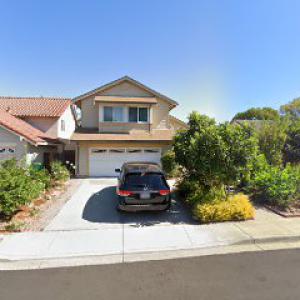
Crest Stone Roofing Supply
(786) 823-3187 creststoneroofingsupply.site
260 Summerford Cir, San Ramon, California
5.0 from 10 reviews
For all your roofing project needs, Crest Stone Roofing Supply provides an extensive selection of high-quality materials and unparalleled service. Located at 260 Summerford Circle in San Ramon, we are your premier destination for residential and commercial roofing supplies. Our expert team is committed to helping you find the perfect solutions for any job, ensuring durability and a flawless finish every time. Trust Crest Stone Roofing Supply to be the foundation of your next successful project.
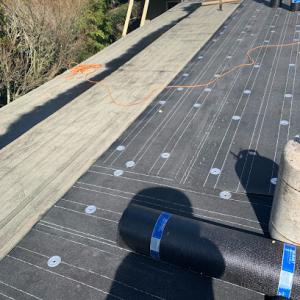
HRC Roofing
(855) 827-8957 www.hrcroofing.net
Serving
4.6 from 5 reviews
We are a local Roofing Contractor Company
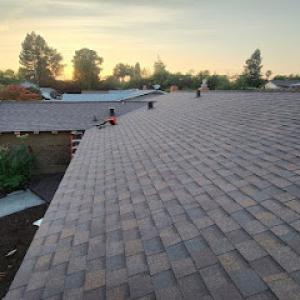
GTE Construction & Roofing
(925) 452-7630 gte-construction.com
Serving
5.0 from 36 reviews
GTE Construction & Roofing is a trusted provider of roofing services in Dublin, CA, specializing in high-quality roofing solutions for both residential and commercial properties. As a leading residential roofing contractor in Danville, CA, we offer a wide range of services, including new roof installations, roofing repairs, and custom additions. Our team is committed to delivering reliable, professional services with a focus on craftsmanship and customer satisfaction. Serving Dublin, Danville, and Concord, CA, GTE Construction & Roofing ensures durable and long-lasting results for every project, with a reputation built on integrity and excellence.
Integrity Roofing Systems
(925) 248-9000 www.integrityroofingpleasanton.com
Serving
5.0 from 52 reviews
Integrity Roofing helps homeowners across Pleasanton and the East Bay protect their homes with high-quality roof installation, repair, and maintenance services.

Spotlight Roofing
(925) 208-4110 spotlightroofing.com
Serving
5.0 from 9 reviews
At Spotlight Roofing, we combine expert craftsmanship with a family-first approach. As a licensed, bonded, and insured family-owned business, we’re proud to serve San Mateo with reliable, high-quality roofing services. Whether you need Roof Repair, Roof Restoration, or Emergency Roofing Services, our skilled team is here to help. Using the latest techniques and premium materials, we provide durable, long-lasting solutions tailored to your needs. Your roof is your home’s first line of defense, and we’re committed to keeping it strong and secure. With years of experience, Spotlight Roofing has built a reputation for professionalism, integrity, and exceptional customer care.

Roof Doctors Alameda County
(510) 495-6300 theroofdoctors.net
Serving
5.0 from 85 reviews
"Nobody inspects, repairs and certifies more roofs or solves more roof leak problems in the SF Bay Region." Over 300,000 roofs inspected. We do complimentary roof inspections with detailed reports that include pictures. Reports sent within 24 hours of inspection. We are a licensed roofing contractor that offer repairs, replacment bids, gutter cleaning bids, gutter guard installs, and general roof maintenance. Service in the following San Francisco Bay Area counties: Alameda, Contra Costa, Marin, Napa, Solano & Sonoma Counties.

Rooflow Roof Repair & Installation
Serving
5.0 from 66 reviews
At Rooflow Roofing Company, we specialize in providing premier roofing services across California. With years of experience and a commitment to excellence, our skilled team offers comprehensive solutions including new roof installations, meticulous repairs, and complete roof replacements. We utilize only the highest quality materials and employ advanced techniques to ensure your roof is built to withstand California's diverse climate, delivering lasting protection and superior curb appeal. Choose Rooflow for professionalism, reliability, and a roof that stands the test of time.

Dragon Roofing Contractors Hayward
Serving
5.0 from 40 reviews
Dragon Roofing Contractors Hayward is your trusted local roofing expert, proudly serving Hayward, CA and surrounding areas with top-tier roofing services 7 days a week. We specialize in roof installation, roof repair, roof replacement, leak detection, shingle roofing, tile roofing, flat roofing, and emergency roofing services. Whether you need residential or commercial roofing, our experienced team ensures quality craftsmanship and long-lasting results. Customer satisfaction and safety are our top priorities. Looking for reliable roofing contractors in Hayward, CA? Call Dragon Roofing Contractors Hayward today and let us protect your home or business with dependable, affordable roofing solutions.
Halco Roofing
(925) 373-7367 halcoroofinginc.net
Serving
5.0 from 12 reviews
Halco Roofing is a full service licensed roofing company for over 35 years specializing in residential re-roofing and repairs. We primarily serve Livermore in California and we have an excellent reputation with our clients. We offer a wide range of professional roofing services including re-roofs, repairs, and maintenance. We believe that gaining the trust and loyalty of our clients is the key to our success. For this reason, we try our best to be fair, honest, professional, and always readily available to our clients. We stand behind our work and pride ourselves on great customer service and satisfaction. So, if you are in need of service please contact us.
Mel's Roofing
(510) 228-5247 www.melssroofing.com
Serving
5.0 from 57 reviews
MEL’S ROOFING is here to maximize your budget with top of the line Roofing services. With over 10 years in the roofing industry we can ensure the quality of our work is well above average.
In this city, a full re-roof must go through the City Building Division. This is not something that gets handled informally between homeowner and contractor. The process starts with a plan submission, not with a simple permit pickup. Expect that the plan review will verify that the chosen roofing material, roof venting, and underlayment meet local code requirements and backup wildfire considerations that affect Homeowners Insurance and resale value.
Before any tear-off begins, you will submit roof plans and specs for review. The reviewer checks material compatibility with the existing roof deck, deck repair needs, drainage, and any hillside or wind considerations common in exposed neighborhoods. You should have details on underlayment type, fastener patterns for the chosen material, and any required pitch adjustments. If the plan raises questions, the city will request clarifications or adjustments before issuing a permit.
Once the plan is approved, the permit is issued and a schedule for inspections is set. There are inspections at key milestones during tear-off and installation. The first milestone typically occurs when roofing tear-off is complete and the deck, flashing, and underlayment installation are ready for inspection. The second milestone focuses on the roof coverage installation itself, including structural ties, ventilation, and flashing around penetrations. A third inspection commonly occurs after installation but before final approval, ensuring that all components meet code and the project scope matches the permit.
A final inspection is required to close the permit. This step confirms the project is complete and compliant with design and safety standards. The inspector checks venting, flashing integrity, proper installation of the chosen material, and that any required wildfire-rated components are in place. Completion of the final inspection triggers permit closure, which is essential for insurance documentation and resale records.
Keep all permit records and final approval details with the roof documentation. California insurance providers and home resale processes increasingly rely on verifiable permit closures and official approvals. Maintain copies of the plan review approvals, permit card, inspection reports, and the final clearance letter in a dedicated roofing file. This practice helps prevent surprises if a claim is filed or a home is evaluated for sale.
As you compare options, you'll notice a clear spread by material. In this area, asphalt shingles run roughly 350 to 700 USD per square, while metal roofs typically run 600 to 1200 USD per square. Clay tile sits higher, around 800 to 1600 USD per square, and concrete tile follows at about 700 to 1500 USD per square. If you're considering wood shingles or shakes, expect roughly 550 to 1100 USD per square, and synthetic or composite shingles come in around 400 to 800 USD per square. These figures reflect what you'll encounter from local crews and suppliers who frequently work on hillside homes and wind-exposed neighborhoods.
Costs in San Ramon can rise when homeowners choose tile systems common in local architecture, because heavier materials and more detail work typically make re-roofing more labor-intensive than basic shingle replacement. Tile roofs require careful structural assessment, added fasteners, and precise layout to avoid issues with adjacent roof lines and chimneys. That extra workmanship shows up in the total, even if the per-square material price seems similar to other options.
Seasonal timing affects pricing and availability locally because winter rain can delay tear-off and installation, while high summer demand in the broader East Bay can tighten scheduling for re-roof projects. If you're balancing a tight deadline with a busy contractor calendar, be prepared for potential price swings or limited start windows during peak months. Planning shoulder seasons can help maintain a steadier schedule and a more predictable price.
Start by estimating your roof size in squares and listing preferred materials. Factor in heavier options like clay or concrete tile for both weight and labor, and compare the installed costs rather than just the material price. Ask for a breakdown that differentiates material, fasteners, underlayment, and labor. Expect seasonal crews to quote higher during dry, hot stretches, and look for windows where rain risk is lower but still within your target project date. In San Ramon, a prudent approach blends local material realities with a plan that avoids weather bottlenecks and keeps the project moving efficiently.
If you're replacing with asphalt, your cost per square will likely stay near the lower end, with faster installation and fewer weight concerns. Upgrading to metal adds durability for wind-prone elevations but pushes the total up. Tile systems deliver long-lasting performance in heat and sun, but they demand careful budgeting for both structure and labor. For a hillside home with complex geometry, expect a premium regardless of material due to additional detailing and edge work.
Get a clear picture of your project costs upfront - no commitment required.
Integrity Roofing Systems
(925) 248-9000 www.integrityroofingpleasanton.com
Serving
5.0 from 52 reviews


In this inland Tri-Valley area, the insurance landscape has tightened, and wildfire-focused underwriting can affect coverage even when the roof issue is simply wear, wind, or rain intrusion. Coverage decisions may hinge on factors beyond immediate damage, so understanding how policy choices interact with roof condition matters for replacements and repairs.
Insurers frequently request a clear record of the roof's age, any prior claims, contractor quotes, and details from completed permits. In a market like this, documentation is more than a file drawer item-it can influence approval and funding for repair work. Keeping a well-organized stack that shows progressive history helps prevent delays should a claim be filed after a storm or wind event.
When winter storms or wind events hit, preserving a comprehensive set of records becomes essential. Take clear photos of the roof from multiple angles, note observed damage and locations, and keep contractor findings on site as soon as evaluations are done. Save permit paperwork and the final job details once a project is complete. Adjusters often rely on this material to verify scope, severity, and compliance during claims review.
Create a simple, recurring documentation routine: annual roof photos, a file for any contractor quotes, and a folder for permit-related paperwork. If a claim is contemplated, have these items organized by date and event. Consistency reduces surprises and helps you move through the adjustment process with greater confidence, especially when insurers are weighing wildfire-related risk in your coverage decisions.
Connect with contractors who help homeowners navigate the claims process from damage assessment to final approval.
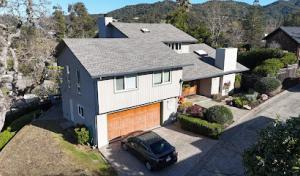
Tile-heavy homes with East Bay heat and seasonal rains rely on a solid underlayment and robust flashing transitions. Even when the field tiles look serviceable from the ground, the real leakage risks sit under the surface: aging underlayment, degraded roof-to-wall transitions, and flashing that has lost its seal after years of thermal cycling. In those homes, a small drip can travel along underlayment laps or ridge tiles before it becomes obvious at a ceiling ceiling. A quick glance from the driveway won't tell the full story, so expect that a tile roof may need targeted repairs beyond replacing a fractured tile.
Skylights become a local priority during winter leak season because penetrations and surrounding flashing are often where heat-aged roofs first show water entry once rains return. The combination of sun-baked seals from long summers and colder, wetter months creates gaps even when the glass or plastic itself remains intact. If a skylight leaks, the culprit is rarely only the glass pane; it's the surrounding flashing and the sealant joints that have aged out. Prepare for a sequence of coordinated repairs-flashing re-seal, flashing transitions to adjacent shingles or tiles, and careful re-flashing around the skylight curb.
Detail failures often show up at transitions: where tile meets the chimney, vent, or wall, and where ridge lines meet valley intersections. These are the first areas to degrade with heat, wind, and moisture cycles. Proactive attention to these joints-ensuring proper flashing, accurate tile cutouts, and compatible sealants-can slow future leaks. In practice, consider a focused inspection of underlayment wear, flashing integrity, and skylight surrounds during the dry season, before winter storms arrive.
Find contractors who specialize in clay and concrete tile roofs, known for their durability and curb appeal.

Tri Valley Roofing
(925) 948-1090 www.trivalleyroofing.com
111 Deerwood Rd STE 200, San Ramon, California
5.0 from 30 reviews
Integrity Roofing Systems
(925) 248-9000 www.integrityroofingpleasanton.com
Serving
5.0 from 52 reviews
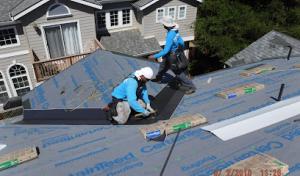
The local market is dominated by re-roofing rather than new construction, so homeowners should evaluate crews based on tear-off, dry-in, cleanup, and occupied-home workflow. Look for teams that can clearly outline each phase: removing the old roof, inspecting the deck, installing underlayment, and completing a weather-ready cover before rain can arrive. A detailed schedule helps you compare bids and track progress.
In a climate with hot summers and wet winters, the ability to respond quickly to leaks and weather changes matters. Contractors who actively monitor the job site, seal temporary leaks promptly, and maintain a tidy work area tend to minimize interior damage and tenant disruption. You should expect prompt communication about any unexpected issues and a plan to address them without delaying the overall timeline.
Residential-focused crews bring the right balance of experience with hillside winds, skylights, and tile neighborhoods. When you interview bidders, ask about handling multiple penetrations, vent stacks, and chimney flashings common in homes with complex rooflines. A contractor with visible experience on similar homes is more likely to anticipate problems and prevent costly do-overs after the tear-off.
Active teardown and clean-up signals are as important as the installation itself. Observe how the crew protects exterior finishes, gardens, and driveways, and how they manage debris during the day. A solid crew leaves the job site vacated and spotless at the end of each shift, not just at the end of the project. If you notice gradual debris buildup or loose insulation left behind, note it in your bid comparison.
Leverage references who can speak to occupancy during work and to insurance documentation needs. Ask for photos or a short site visit to confirm that the dry-in and leak-prevention steps were completed before the next rain season. A reputable team will provide a straightforward plan for keeping your family and contents safe while the roof is being refreshed, with clear milestones and a realistic contingency approach.
Get a clear picture of your project costs upfront - no commitment required.
Integrity Roofing Systems
(925) 248-9000 www.integrityroofingpleasanton.com
Serving
5.0 from 52 reviews