
Last updated: Apr 19, 2026
Sebastopol's roofing calendar is heavily influenced by wet winters and dry summers, making late spring through early fall the preferred installation window. When planning a roof replacement, aim to start projects after the typical spring rains have settled and before the first fall storms roll in. That window helps keep decking and underlayment dry during tear-off and enables a full sealant and shingle installation to cure without repeated saturation. If a project runs outside that window, you're trading faster progress for higher risk of weather-driven delays, more callbacks, and tricky warranty questions. In practice, lock in dates when a several-week stretch of dry weather is forecast, then build a contingency plan for a potential weather setback without letting the schedule drift into winter.
Winter storms from November through February raise the risk of exposed decking, underlayment saturation, and leak callbacks if tear-off work is started during unsettled weather. If a project is scheduled in late fall, you should expect tighter margins for weather delays, longer rooveshifts, and higher chances of ventilation and drip edge complications from damp conditions. The goal in Sebastopol is to avoid initiating tear-off when rain is in the forecast within a 48-hour window, and to avoid any extended exposure of bare decking that could wick moisture during a wet spell. If a storm blows in mid-project, a practical approach is to pause, cover any exposed areas with secure tarps, and re-sequence tasks so that interior or non-structural steps can proceed while exterior layers dry out.
Hot summer periods can affect asphalt shingle sealant behavior and push crews to start earlier in the day to avoid peak heat on exposed roof surfaces. When temperatures trend above comfortable levels, crews may need to adjust the schedule to begin at dawn and wrap before the afternoon heat. This practice helps maintain adhesive performance, minimizes wind-driven debris on bare underlayment, and reduces worker fatigue that can impact quality. If you select a metal, tile, or synthetic option, confirm installer procedures for heat exposure, including staging materials on shaded surfaces and choosing fasteners rated for higher temperatures. Proper heat management also helps maintain the integrity of underlayment seams and flashing, which is critical in a climate with crisp winter moisture swings and dry summers.
Coordinate a sequencing plan that keeps moisture intrusion risk at the forefront. Start with a thorough inspection of decking for moisture damage, soft spots, or mildew, then stage temporary weather protection for any exposed sections during transitional days. If tear-off reveals damaged decking or compromised underlayment, address those issues promptly before laying new layers. In drought-prone periods, wind and sun can accelerate drying of newly installed surfaces, but a mis-timed sequence can leave portions exposed longer than necessary. The practical approach is to finish the dry-season window with a complete, watertight roof system and to avoid partial or staggered installations that leave parts of the home underexposed.
Defensible material choices-those that balance moisture resistance with long-term performance-fit well with Sebastopol's climate. For homes with existing trouble spots or higher wildfire insurance considerations, opt for roofing options noted for robust moisture resistance and solid long-term durability. Coordinate with the installation crew to ensure underlayment compatibility with your chosen material and to schedule delivery during the dry window so products aren't exposed to rain or dew-laden mornings for extended periods.
The region's pattern is clear: prolonged winter rainfall, not snow load or hurricane pressure, is the primary driver of roof trouble. When the first strong fronts roll in, moss, debris, and aging shingles are suddenly tested. A roof that looks fine in late fall can leak within a single major storm if there are even small gaps around flashing, vents, or chimneys. This is not about heavy events alone; it's about the sustained wet weather that saturates underlayment, gaps, and seams. You must treat the rainy season as a tightly scheduled event, with a narrow window to secure any vulnerable spots before storms arrive in earnest.
Autumn wind events are notorious around town for delivering leaves, needles, and branches that clog drainage paths and soffit vent intakes. If gutters or downspouts are clogged, water backs up and finds its way into fascia joints and under roofing materials. The risk compounds when debris accumulates at roof edges, creating damp pockets that invite rot and insect activity. Before the first big rain, inspect and clear gutters, verify that scuppers are free of obstructions, and trim branches that overhang the roof. A clean sweep now reduces the chance of a sudden, urgent leak once the rain starts.
Contractors report an unusually strong demand for emergency leak responses and storm-related repairs when rain is active. That pattern means fast action is essential: a small leak can rapidly cascade into interior damage if left unattended during a storm. If you detect damp patches, active dripping, or water staining after a rain event, don't wait for a dry spell to address it. Call a qualified roofer who can pin down the source quickly and implement a temporary seal while planning a longer-lasting fix. Delays aren't just inconvenient; they raise the risk of interior damage and mold.
Timing is everything. When planning replacements or major repairs, coordinate to have a crew available for dry-weather work blocks before the wet season hits. A well-timed project minimizes exposure to ongoing rain and reduces the chance of weather-driven delays. If a pre-winter inspection reveals flashing, seam, or vent weaknesses, address those items with targeted repairs now. Small fixes performed under clear, dry skies are far less likely to unravel once storms return. In this climate, readiness is the strongest defense against costly water intrusion.
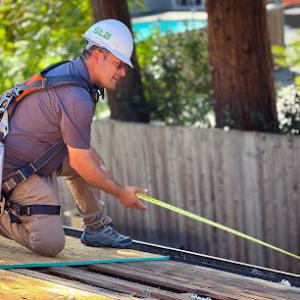
Sustainable Living Builders
4399 Gravenstein Hwy S, Sebastopol, California
4.9 from 81 reviews
Sustainable Living Builders, Inc., is your premier choice for comprehensive home exterior solutions in Sebastopol. With a focus on sustainable practices since 2019, our expert team provides top-tier roofing, gutter, and waterproofing services. We specialize in metal roofing and installations, ensuring every project meets high eco-friendly standards. From meticulous roof repairs to seamless solar energy system installations, we are dedicated to enhancing the durability and efficiency of your home. Experience the difference that quality craftsmanship and a commitment to a greener future can make for your property. Call Now for Eco‑Friendly Roofing & Solar Solutions!

Second Generation Roofing
(707) 541-7663 secondgenroofing.com
5933 Gravenstein Hwy S, Sebastopol, California
4.6 from 23 reviews
Second Generation Roofing is a family owned and operated roofing company located in Santa Rosa and servicing Sonoma, Marin, and Napa counties for over 25 years. We have become a trusted name in both residential and commercial roofing, a name, a company, and workmanship you can always count on. Since our company’s founding in 1996, we have serviced thousands of properties in our service area with our emphasis being to provide you with exceptional quality and customer service at a fair price.
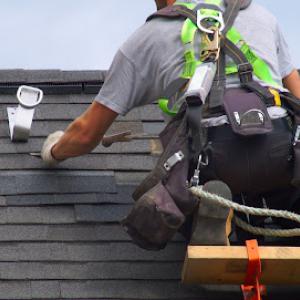
Sutter Roofing Systems
(707) 829-5050 www.sutterroofingsystems.com
Serving
4.7 from 16 reviews
Sutter Roofing Systems, located at 4034 Santa Rosa Ave, is your premier choice for all roofing needs. As a top-rated roofing contractor near you, we specialize in comprehensive roof repair services, expert gutter installations, and metal roof installs. Our skilled team at Sutter Roofing Systems is committed to delivering quality craftsmanship and outstanding customer service. With a strong reputation among local roofing companies, we are a fully licensed roofing company that also offers superior residential roofing services. When searching for a roofer near you, trust Sutter Roofing Systems for reliable and efficient roofing solutions tailored to your needs.
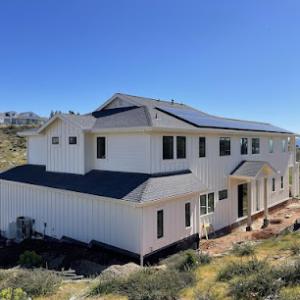
Cornerstone Roofing
(707) 546-3547 www.cornerstoneroofs.com
Serving
5.0 from 18 reviews
Cornerstone Roofing is a family owned business serving the North Bay and surrounding areas since 2006. We are a highly skilled professional roofing contractor specializing in composition shingle, standing seam metal, TPO, and tile roofing. Give us a call today for a free estimate!
Efficient Santa Rosa Roofing
(369) 208-6393 efficientsantarosaroofingco.com
Serving
5.0 from 20 reviews
Efficient Santa Rosa Roofing proudly serves the Santa Rosa, CA community with dependable roofing and essential plumbing support, available seven days a week. Our team handles roof inspections, leak detection, roof repair, full roof replacement, gutter services, attic ventilation, and storm-damage solutions that protect your home year-round. We also provide core plumbing services, including leak repairs, drain clearing, pipe fixes, water-heater troubleshooting, and fixture installations. With reliable service, honest communication, and skilled technicians, we deliver long-lasting workmanship that keeps your home safe, efficient, and well-maintained.
Wine Country Roofing
(707) 578-5969 winecountryroofing.com
Serving
4.7 from 71 reviews
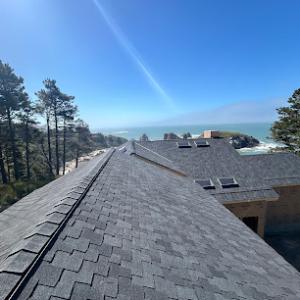
Roofing roofer roofed roof roofing contractor roofs shingles gaf owens cornings Certaianteed reroof reroofing timberline
North Coast Roofing
(707) 503-5507 www.northcoastroofingllc.com
Serving
5.0 from 5 reviews
North Coast Roofing, LLC proudly serves Healdsburg, CA, with reliable residential and commercial roofing services. Founded with a mission of clarity, care, and community, we aim to change how homeowners and businesses experience roofing by offering honest guidance, fair pricing, and quality workmanship. Fully licensed and insured, our team handles repairs, inspections, and replacements with professionalism and a commitment to helping neighbors feel secure under their roofs.

Crandall Roofing
(707) 340-6633 crandallroofing.com
Serving
4.8 from 112 reviews
Crandall Roofing, Inc. - Your Trusted Roofing Experts in the Bay Area Since 1984, Crandall Roofing, Inc. has proudly served over 10,000 homeowners in the greater Bay Area with exceptional roofing solutions. Specializing in new roofs, roof replacements, and repairs, we use only the highest quality, Class A fire-rated materials, ensuring durability and safety. Our factory certifications allow us to offer warranties up to 50 years. With expertise in Silicone Roof Coatings for low-slope roofs, our skilled team is the go-to choice for home and business owners. We are dedicated to providing clear pricing and 24/7 availability. Trust Crandall Roofing for unmatched craftsmanship and reliability. Choose excellence for your roofing needs!
Smart Roofing Systems
(707) 495-4036 smartroofingsystems.net
Serving
4.4 from 7 reviews
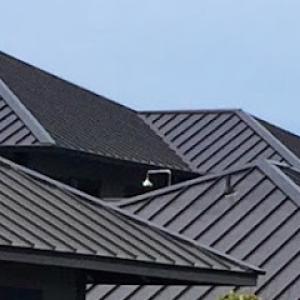
Smart Roofing Systems, Inc. is an experienced roofing contractor here to help you with everything from that pesky leaking roof to full roof replacement. We handle roof shingles, asphalt roofing, metal roofing and commercial roofing service. Be smart about what you put over your head!
Heritage Roofing Company
(707) 544-4500 www.heritage-roof.com
Serving
4.9 from 36 reviews
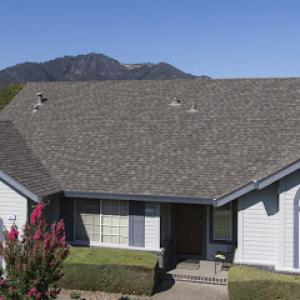
From emergency roof repair to eco-friendly roofing solutions, our goal is to provide our clients with reliable and efficient services that stand the test of time. We are recognized as the best roofing company in Santa Rosa, thanks to our unwavering commitment to excellence and customer satisfaction. As a reputable roofing contractor, we understand the unique challenges that property owners face when it comes to roof maintenance and installation. That's why we offer affordable roofing options without compromising on quality. Our professional roof inspection services are designed to identify potential issues early on, preventing costly damages and extending the lifespan of your roof. Choose Heritage Roofing for exceptional roofing services

Roof Doctors Sonoma County
(707) 583-9778 theroofdoctors.net
Serving
4.9 from 210 reviews
"Nobody inspects, repairs and certifies more roofs or solves more roof leak problems in the SF Bay Region." Over 300,000 roofs inspected. We do complimentary roof inspections with detailed reports that include pictures. Reports sent within 24 hours of inspection. We are a licensed roofing contractor that offer repairs, replacment bids, gutter cleaning bids, gutter guard installs, and general roof maintenance. Service in the following San Francisco Bay Area counties: Alameda, Contra Costa, Marin, Napa, Solano & Sonoma Counties.
Capstone Roofing
(707) 575-3577 www.capstoneroofing.biz
Serving
4.8 from 53 reviews
Nathan DuCharme’s father founded Capstone Roofing in 1989. Nathan learned the business from the ground up and took over the company in 1999. Today, we have nearly 30 years of experience providing quality roofing services in Sonoma, Marin, and Napa Counties, serving clients in Santa Rosa, San Rafael, Napa, and beyond. Nathan and his wife, Rhonda (who heads the administrative office), remain committed to our family values of honest, reliable, and fast service, backed by warranties and the Diamond Certified Performance Guarantee. Our goal is to provide 100 percent satisfaction on every job. Our clients are our number one priority, and it shows in every interaction.
Sebastopol's wet winters and dry summers demand a roof system that handles prolonged moisture on the roof deck while also resisting heat buildup during the dry season. Asphalt shingles remain a common choice for straightforward, reliable coverage, but the climate invites thoughtful pairing of materials to manage moisture, drying times, and long-term durability. When planning replacement, you'll want a solution that promotes good ventilation and effective drainage, with underlayment and flashing matched to the local wet-season exposure. A roof that dries quickly after winter rain helps protect sheathing and reduces the risk of mold or rot, which is especially important for homes with older or less airtight structures.
The Sebastopol market runs beyond basic shingles. Metal roofing and tile options-clay and concrete-have meaningful local contractor presence, alongside traditional wood shakes and newer synthetic or composite shingles. Clay and concrete tiles excel at heat resistance and long, low-maintenance lifespans, which suits the dry-season sun and glare. Metal roofs shed snow and rain efficiently, resist impact well, and can be installed with panels that mimic a variety of profiles. Wood shakes offer a rustic look with strong insulating potential, though they require diligent maintenance to prevent moisture-related issues and fire exposure. Synthetic or composite shingles blend some of these benefits with enhanced moisture resistance and lower maintenance. In practice, Sebastopol homeowners often choose a mix of these options to balance appearance, performance, and neighborhood-appropriate fire defensibility.
Material selection must address California wildfire risk and insurance considerations. In areas with high defensible space concerns, fire-rated or non-combustible components become more attractive, especially for exposed eaves and attic spaces. Metal and clay or concrete tile generally perform well in fire resistance profiles, while asphalt and composite options offer strengthening underlayment and protective coatings if moisture control is part of the project strategy. Regardless of material, the installation window matters: the driest months are preferred for installation to minimize weather-driven delays and moisture intrusion. Proper sealing, ventilation, and attic intake are essential to prevent condensation problems during the wet season.
Because winter moisture exposure is a real consideration, plan for a system that emphasizes a robust underlayment, well-sealed penetrations, and continuous ridge and soffit ventilation. If opting for tiles, ensure roof framing can handle the load and that fasteners and clips are rated for local wind and weather patterns. For metal roofs, verify that the panel profiles and fastener choices support thermal expansion and reduce potential noise issues in heavy rains. For shingle options-whether asphalt or synthetic-choose a product line with proven moisture resistance and a serviceable warranty, and pair it with a protective, breathable underlayment. In neighborhoods with a mix of styles, aligning your roof's profile and material with surrounding homes helps maintain curb appeal while delivering durable, climate-appropriate performance.
In this market, you'll typically see asphalt shingles run about $350 to $750 per square, metal roofing $700 to $1400, clay tile $1100 to $2600, concrete tile $900 to $1700, wood shingles or shakes $500 to $1200, and synthetic or composite shingles $600 to $1100 per square. Those ranges reflect the mix of older homes with varying roof complexity and the region's moisture pattern, where a straightforward peel-and-replace can cost less than a complicated tear-off and rebuild on a detailed roof geometry. A dry, acute eye for the work ahead matters, because the same material can swing in price if the roof has unusual angles, dormers, or historically sensitive features.
Sebastopol cost swings are often driven by re-roof complexity on older homes, tear-off and disposal needs after wet-season deterioration, and added labor for tile systems or detailed roof geometry. If your roof is nearing retirement, you should expect more labor during tear-off, disposal of deteriorated underlayment, and potential reinforcement where sheathing shows wear. Tile systems, in particular, demand careful staging and additional crew time to prevent breakage when removing old material. The local mix of rural-residential and in-town homes means some jobs require precise edge detailing, custom flashing, and careful integration with chimneys or vents, all of which push the price up compared with a flat, simple roof footprint.
Project timing can affect pricing locally because dry-season demand concentrates replacement work into a narrower part of the year. If you aim to install during the dry window, expect tighter scheduling but steadier work conditions; this often translates to higher immediate costs due to surge labor and material allocation. If you can extend the replacement window into early or late dry periods, you may gain a touch of pricing flexibility without sacrificing moisture protection. For tile systems, plan extra lead time for ordering specialty components, and budget for potential alignment work to maintain a watertight phase during temporary weather shifts.
Get a clear picture of your project costs upfront - no commitment required.
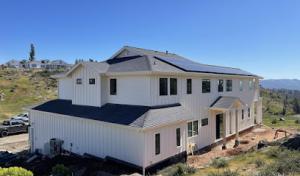
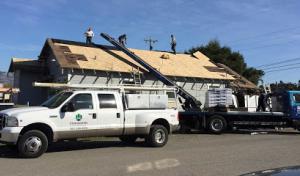
Sebastopol generally requires a building permit for a full roof replacement rather than treating it as permit-free maintenance. This means your project will follow a formal review path rather than a quick, on-site renewal. The city process focuses on safety, moisture control, and venting, with particular attention to wildfire-era insurance considerations. A full roof replacement typically triggers more than just a permit sticker; it can involve plan review if the roof has complex geometry or unusual flashing details.
The usual local process involves submitting project details, paying permit fees, having the contractor pull the permit before work starts, and scheduling rough-in and final inspections. Your contractor is expected to pull the permit-this streamlines plan checks and ensures the project aligns with current energy and venting codes. Prepare to provide drawings or roof layout diagrams, material selections, and venting strategies, especially if a ridge vent, soffit ventilation, or soffit baffles are part of the plan. If the roof is multi-level or features dormers, expect closer scrutiny during submittal.
Rough-in inspections verify that structural supports, underlayment, and ventilation paths meet code before covering the roof. Final inspections confirm that the roof system is completed to spec and that all penetrations are sealed properly. Some projects may be checked for energy-code or venting compliance during city review and inspections, with attention to moisture barriers and attic ventilation. The inspection windows are typically tied to the contractor's schedule, so coordinate timing to avoid delays caused by weather or access issues.
Complex roof designs may trigger plan review. If the elevations include unusual angles, large dormers, or non-standard eave configurations, submit detailed plans showing flashing transitions, drip edge placement, and insulation details. The city review can also flag moisture-control measures suitable for the local wet-winter exposure and the dry-season installation window, ensuring the replacement remains durable through Sebastopol's climate.
Before winter, ensure the permit is in process and all essential details are confirmed with your contractor. If a substantial plan review is anticipated, discuss logistics early to align with the dry-season installation window, reducing the risk of weather-related delays. Have the site ready for inspections: clear access, staging space for materials, and uninterrupted power or lighting as needed for any electrical or ventilation work.
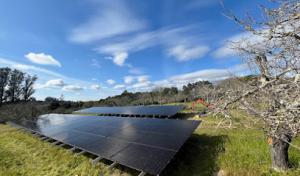
Find contractors who integrate solar panels or solar shingles into your roof for long-term energy savings.

Sustainable Living Builders
4399 Gravenstein Hwy S, Sebastopol, California
4.9 from 81 reviews
Wedge Roofing - Marin - Sonoma - Napa - SF
(888) 763-7663 www.wedgeroofing.com
Serving
4.8 from 50 reviews
Roofing decisions here are shaped by California's wildfire-driven insurance tightening, even when the immediate claim is for wind or rain damage. The tightening isn't theoretical - insurers are scrutinizing materials, installation methods, and the long-term defensibility of a roof. When a homeowner faces a repair or replacement, the path to coverage can hinge on wildfire risk considerations that would not have weighed so heavily a decade ago. This means choosing not just a cheap fix, but a durable, defensible solution that stands up to both the wet season and the dry, baking months that follow.
Insurers may ask for roof age records, photos, and detailed damage documentation before approving repairs or renewals. In practice, that means gathering a clear, contemporary narrative of the roof's age, any prior repairs, and the extent of observed damage with timestamped images. Independent adjusters may accompany the process, adding a layer of scrutiny that demands precision. A simple misstep in record-keeping can slow approvals or lift a claim into a higher deductible or a more limited settlement. Expect questions about ventilation, underlayment, and attic moisture control as part of the review.
Independent adjusters and stricter underwriting can make material selection and proof of roof condition more important than in lower-pressure markets. When presenting options, you'll want to demonstrate how each choice reduces wildfire exposure, improves moisture management, and aligns with neighborhood fire-safety expectations. This is not about chasing fashion trends; it is about demonstrating defensible features, proven installation practices, and a documented history that stands up to adjuster scrutiny.
Start planning with a frank assessment of how a roof will perform through the winter wet season and into the dry season. Coordinate timing to minimize weather risk, and ensure you can produce a comprehensive dossier of the roof's condition. If you anticipate a renewal or a claim, begin gathering records early, and align material choices with defensible, fire-wise considerations that insurers tend to reward.
Connect with contractors who help homeowners navigate the claims process from damage assessment to final approval.
Sustainable Living Builders
4399 Gravenstein Hwy S, Sebastopol, California
4.9 from 81 reviews
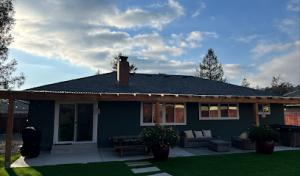
Sebastopol has a wet-winter, dry-summer pattern that makes roof penetrations a recurring local issue, not just an add-on. In a rain-driven climate, the quality of flashing around skylights, vents, and solar attachments is a major determinant of leak performance. Pay attention to where penetrations cluster on the roof and how they interact with slope, drainage, and nearby soffits.
When planning a reroof, choose flashing materials and profiles that hold up to frequent winter moisture and summer sun exposure. Base the selection on how penetrations sit relative to ridge lines, valleys, and eaves. Install continuous, corrosion-resistant metal flashings at skylights, vent stacks, and solar hardware. Use step flashing that overlaps with the roofing material and a properly sealed end dam at any wrap-around edge. For skylights in particular, ensure the curb or flange has a dedicated sealant bead and a secondary waterproofing layer beneath the roofing material.
Treat roof penetrations as integrated parts of the roof system rather than afterthought features. Plan the placement of skylights and solar racking so that flashing transitions are shared where possible and avoid clustering multiple penetrations on a single slope if drainage is compromised. When adding penetrations during a reroof, verify that venting, condensation control, and attic air flow align with the house's ventilation strategy.
Projects that combine reroofing with added penetrations may face closer review for venting or related compliance items during the permit process. Coordinate with the roofer and any interior trades early to ensure flashing details, vent terminations, and sealants are compatible with the chosen roofing material and overall roof geometry.
Find contractors experienced in skylight installation, flashing, and leak repairs to bring natural light into your home.
Sustainable Living Builders
4399 Gravenstein Hwy S, Sebastopol, California
4.9 from 81 reviews

Second Generation Roofing
(707) 541-7663 secondgenroofing.com
5933 Gravenstein Hwy S, Sebastopol, California
4.6 from 23 reviews
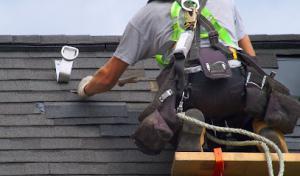
The local market signals show homeowners in Sebastopol strongly favor re-roofing specialists over new-construction roofers. Look for crews who focus on re-roof projects, not general contractors or builders who occasionally take on roofs. A crew with a steady stream of residential reroofs tends to be familiar with the unique moisture challenges of the wet season and the dry-season installation window. Ask who typically handles permits, material deliveries, and long-term warranties, and listen for language that shows they understand roof moisture control as a design concern, not just a one-and-done install.
Quick response and cleanup are standout hiring priorities in this market, which fits a city where leak events and debris management matter during storm season. Start by calling two or three crews with strong local reputations and ask for a realistic response timeline after an inspection. During the job, expect daily cleanups, preventive tarping, and dust control. Confirm where storm-related debris will be stored and how fallen branches or shingles will be managed if a late-winter front moves through. A crew that treats cleanup as part of the contract reduces the risk of wind-driven debris causing damage to nearby homes and vehicles.
Long-established, family-owned, and residential-focused companies have a visible presence in the contractor landscape. These firms often offer deeper local knowledge, steady crews, and more predictable schedules. Verify how long the company has served nearby neighborhoods, and request a short list of recent, similar-replacement projects in nearby streets. Prefer crews that assign a dedicated project foreman to your roof, so you have a single point of contact for weather windows, material deliveries, and any on-site questions. In Sebastopol, a familiar crew with a calm, practical approach tends to align best with the seasonal constraints and homeowner expectations.