
Last updated: Apr 19, 2026
In Windsor, the Mediterranean climate concentrates roofing disruption into the wet winter period, making the dry season scheduling especially important for tear-offs and deck exposure. The winter months bring more days of rain and higher humidity, so planning a re-roof around that wet window is key to dry-in reliability. A practical approach is to target the dry portion of late spring through early fall for the bulk of heavy labor, with built-in flexibility for an unusually wet spell. This keeps crews on track and reduces the chance of rain-soaked underlayment or decking lingering before the final seal.
Winter storms and rainfall in Windsor can delay projects and increase the risk of exposed underlayment or decking taking on moisture before final dry-in. When a forecast shows multiple storm systems, your plan should build in buffer days and short, modular milestones rather than a fixed end date. Communication with the crew about immediate exposure risk is essential: if underlayment has been installed, expect potential setbacks and coordinate a rapid tarp-and-cover strategy to maintain dry conditions in the wake of a storm. Having a clearly defined rain plan helps prevent moisture damage and keeps the project moving when captured by sudden weather changes.
Dry summer heat in Windsor can narrow daily installation windows and affect how crews handle heat-sensitive materials during peak afternoon temperatures. Schedule the most physically demanding tasks-like decking exposure, membrane placements, and strenuous tear-offs-during the cooler morning hours, then allow for quick work periods as the day heats up, with ample hydration and shade provisions. If tile systems or synthetic products are in play, verify manufacturers' heat guidance and implement staged installations that avoid prolonged hot sun on sensitive components. A shaded staging area and a shaded deck temporarily kept clear of traffic can dramatically improve work quality on hot days.
Tear-offs in the wetter months require fast, efficient removal and careful protection of the existing deck when the weather turns damp. Plan the sequence so that once old shingles are off, the deck is promptly protected with appropriate underlayment and temporary coverings that shed rain and wind-driven spray. In dry months, the deck exposure risk is reduced, but sun exposure can stress vulnerable underlayment if kept exposed for long. Use tight debris control and ensure gutters and drip edges are prepped to accept new materials without delay. This targeted sequencing minimizes moisture exposure while keeping the project on a logical path.
A practical Windsor approach treats weather as a co-worker, not a hurdle. Establish concrete weather windows for key milestones: scaffold setup, tear-off completion, underlayment inspection, and final roof coverage. Build a rolling calendar that accounts for the region's wet-season variability and normal summer heat cycles, with contingency days reserved for days with poor dew-point or morning fog that can affect adhesion and drying. By aligning milestones to reliable dry spells and avoiding peak heat for finish work, the team maintains momentum and quality through the season.
Asphalt remains a practical choice for many homes in this area, balancing affordability with solid water shedding in the winter and heat resistance in long dry summers. In Windsor, the I-40 winter wet pattern means you want asphalt with good granule retention and a tight seal to shed rain and resist ice damming. For homes that stay cool, lighter colors help reflect heat, while darker shades can reduce cooling loads in milder afternoons. If a home has existing lighter roofing, asphalt can often be a seamless transition, though ventilation and attic sealing still matter for comfort and durability.
Metal offers excellent rain shedding and quick runoff during the wet season, which is especially helpful on homes with lower pitches or limited overhangs. In Windsor, metal panels can also contribute to a cooler attic when paired with proper ventilation, a key factor during the dry, hot terms of summer. The material's light silhouette and long life fit well with wildfire-driven insurance expectations in the region. If considering metal after lighter shingles, plan for a robust attachment method and potential structural checks to accommodate wind loads and the roof's edge details.
Clay tile is a common sight in neighborhoods where a heavier, more durable silhouette is preferred. It performs well in dry heat, with the clay's thermal mass helping temper attic temperatures on scorching afternoons. However, Windsor's wet winters demand careful underlayment and a ventilation strategy that can handle the added weight and potential for seasonal moisture migration. When upgrading from lighter shingles to clay tile, anticipate a review of structural loading, and ensure the roof deck, sheathing, and trusses are rated for the heavier system.
Concrete tile shares many benefits with clay-durability, long service life, and strong water shedding in winter storms. It generally costs less per square and provides similar thermal advantages in dry summers. The heavier weight requires precise alignment of fasteners and a sound support structure. In a neighborhood with tile blends, concrete can integrate well, but the weight increase may trigger a more thorough assessment of roof framing. Adequate ventilation remains essential to prevent heat buildup under the tile palette.
Wood shingles bring a classic aesthetic and reasonable performance in temperate months, yet they demand vigilant maintenance to prevent rot and insect damage in damp winters. In the local climate, wood can strike a balance between heat dissipation and natural insulation when properly vented. If replacing lighter materials with wood, moisture control at the eaves and ridge is critical, and treatment with appropriate finishes helps extend life. Fire risk considerations should align with insurance expectations and local guidance.
Synthetic or composite shingles combine versatility with good water shedding and variable aesthetics. They tend to handle seasonal transitions well and can mimic heavier tile or wood looks without the weight penalty. In Windsor, choosing a product with strong UV resistance and proven performance in mixed climates supports long-term comfort. Proper underlayment and ventilation are still essential to maximize the performance of any synthetic option, especially in areas that experience hot, dry stretches followed by heavy winter rain.
In this market, a building permit is normally required for a complete re-roof rather than treated as a no-permit maintenance item. That means before any shingle tear-off or new roof installation begins, you'll want to file for a permit through the local building department. The process helps ensure the work complies with wind, fire, and structural standards that are especially relevant in this area's climate and housing stock. If you're switching from lighter shingles to heavier tile, the permit review will scrutinize structural implications and anchoring details more closely. Do not rely on a "minor roof patch" mindset here-full re-roof work triggers permit and inspection requirements.
Windsor inspections are scheduled to align with the project's progress, and inspections tend to follow a practical pattern: one check after the underlayment and roof deck are in place, and another at final completion. The first inspection verifies that the deck is sound, the underlayment is properly installed, and ventilation provisions that affect attic moisture and indoor air quality meet code expectations. The second inspection confirms that all roofing materials are correctly installed, that penetrations are flashed properly, and that the overall assembly has the intended wind and fire-resistance characteristics. Planning around these two milestones helps avoid rework and delays.
The local permit workflow tends to be digital, with scheduled inspections that you or your contractor can track online. This makes it easier to align the inspection dates with weather windows and crew availability. Plan review may be required if ventilation is modified or if heavier materials, such as tile, are installed. If a tile installation is anticipated, expect the plan reviewer to look closely at roof load calculations, fastening schedules, and any required reinforcement of eaves or rafters. If the project involves extending or altering attic ventilation, be prepared for a potential plan review item that requires adjustments before the permit can be finalized.
Start the permit conversation early with your contractor, and request a pre-submittal check if available. Gather documentation on proposed ventilation changes, the chosen roofing system (including tile type and weight), and the anticipated deck/rafters condition. Keep a clear line of communication with the building department, especially if your project spans the wet season, since weather-related delays can affect inspection timing. When scheduling inspections, ensure that the underlayment is installed and ready for the first check, but avoid rushing ahead of weather forecasts that could compromise a dry, stable work window. If plans change-such as upgrading to a heavier tile mid-project-coordinate promptly with both the permit office and your contractor to update the plan review and avoid a hold on the process.
When you're planning a roof in this area, the numbers you'll see mirror Windsor's mix of weather and housing stock. Typical Windsor pricing runs about $450-$900 per square for asphalt shingles, $800-$1500 for metal, $900-$1800 for clay tile, $700-$1300 for concrete tile, $600-$1100 for wood shingles/shakes, and $700-$1100 for synthetic/composite shingles. These ranges reflect the local demand, access to crews, and the realities of heavier roofing systems in neighborhoods that favor tile or metal. If you're converting from lighter shingles to heavier tile, expect prices to drift upward due to the added materials and labor for structural checks and valley work, not just the tile itself.
The wet season is a real constraint, so you'll want to align replacement work for when you can avoid January through March rain delays. In practice, this means planning the project to start in late spring or early fall, before the dry months tighten up. A winter-start delay can ripple into higher costs if crews get booked up or if weather slows the job. And in Windsor, even a week of rainy weather can shift sequencing, so build a small weather contingency into your schedule.
Heavier roof systems, especially clay or concrete tile, require a closer look at the structure above. If the existing sheathing or rafters aren't up to the new load, reinforcement or replacement may be needed. Ventilation becomes more critical with tile, as proper intake and exhaust help prevent moisture buildup and heat-related wear. These steps add to the overall cost but protect long-term performance and energy efficiency. When you choose metal or synthetic shingles, you may still encounter ventilation checks, but the structural load implications are different. Plan for a thorough assessment of roof framing and attic ventilation as part of the replacement discussion.
Wildfire-aware insurance factors can influence material choice and installation detail. In Windsor, costs can rise when insurers scrutinize heavier systems that demand enhanced nailing patterns, better underlayment, or ignition-resistant components. Budget for those added specifications, and confirm with your insurer how different materials might affect premiums or coverage in your area. Being proactive about firewall-rated underlayment and proper sealant choices can help keep this part predictable.
Costs in Windsor can rise when homeowners switch to tile or other heavier systems during the dry months, as demand spikes and crews book out quickly. If you're timing a switch from asphalt to tile, expect not only higher material costs but also tighter windows for availability. To avoid price squeezes, secure a clear schedule early, confirm lead times for long-lead items like clay or concrete tile, and factor in a short buffer for weather-related delays. This approach helps keep the project on track without exposing you to peak-season price surges.

Roof Doctors Sonoma County
(707) 583-9778 theroofdoctors.net
822 Joshua Dr, Windsor, California
4.9 from 210 reviews
"Nobody inspects, repairs and certifies more roofs or solves more roof leak problems in the SF Bay Region." Over 300,000 roofs inspected. We do complimentary roof inspections with detailed reports that include pictures. Reports sent within 24 hours of inspection. We are a licensed roofing contractor that offer repairs, replacment bids, gutter cleaning bids, gutter guard installs, and general roof maintenance. Service in the following San Francisco Bay Area counties: Alameda, Contra Costa, Marin, Napa, Solano & Sonoma Counties.

Ridgeline Roofing
(707) 838-8209 www.ridgelineroofingco.com
930 Shiloh Rd Bldg. 40 Suite A, Windsor, California
4.7 from 83 reviews
Residential & Commercial Roofing
Capstone Roofing
(707) 575-3577 www.capstoneroofing.biz
Serving
4.8 from 53 reviews
Nathan DuCharme’s father founded Capstone Roofing in 1989. Nathan learned the business from the ground up and took over the company in 1999. Today, we have nearly 30 years of experience providing quality roofing services in Sonoma, Marin, and Napa Counties, serving clients in Santa Rosa, San Rafael, Napa, and beyond. Nathan and his wife, Rhonda (who heads the administrative office), remain committed to our family values of honest, reliable, and fast service, backed by warranties and the Diamond Certified Performance Guarantee. Our goal is to provide 100 percent satisfaction on every job. Our clients are our number one priority, and it shows in every interaction.
Heritage Roofing Company
(707) 544-4500 www.heritage-roof.com
Serving
4.9 from 36 reviews
From emergency roof repair to eco-friendly roofing solutions, our goal is to provide our clients with reliable and efficient services that stand the test of time. We are recognized as the best roofing company in Santa Rosa, thanks to our unwavering commitment to excellence and customer satisfaction. As a reputable roofing contractor, we understand the unique challenges that property owners face when it comes to roof maintenance and installation. That's why we offer affordable roofing options without compromising on quality. Our professional roof inspection services are designed to identify potential issues early on, preventing costly damages and extending the lifespan of your roof. Choose Heritage Roofing for exceptional roofing services
Wine Country Roofing
(707) 578-5969 winecountryroofing.com
Serving
4.7 from 71 reviews
Roofing roofer roofed roof roofing contractor roofs shingles gaf owens cornings Certaianteed reroof reroofing timberline
Efficient Santa Rosa Roofing
(369) 208-6393 efficientsantarosaroofingco.com
Serving
5.0 from 20 reviews
Efficient Santa Rosa Roofing proudly serves the Santa Rosa, CA community with dependable roofing and essential plumbing support, available seven days a week. Our team handles roof inspections, leak detection, roof repair, full roof replacement, gutter services, attic ventilation, and storm-damage solutions that protect your home year-round. We also provide core plumbing services, including leak repairs, drain clearing, pipe fixes, water-heater troubleshooting, and fixture installations. With reliable service, honest communication, and skilled technicians, we deliver long-lasting workmanship that keeps your home safe, efficient, and well-maintained.

Guardian Roofing
(707) 843-3526 www.guardianroofllc.com
Serving
4.7 from 7 reviews
GUARDIAN ROOFING IS A FAMILY OWNED LICENSED ROOFING COMPANY IN SANTA ROSA, CA. WE ARE SONOMA COUNTY’S GO-TO FOR RE-ROOFS, NEW CONSTRUCTION, REPAIRS, AND INSPECTIONS. WE ARE A GAF CERTIFIED INSTALLER OF GAF PRODUCTS AND TRAINED IN GAF SOLAR SHINGLE INSTALLATION. WE KNOW THE IMPORTANCE OF YOUR HOME! THAT IS WHY WE OFFER ENERGY-EFFICIENT, QUALITY INSTALLATIONS, AND TOP OF THE LINE CUSTOMER SERVICE! WE ARE HERE FOR YOU FROM FIRST CONTACT UNTIL YOU ARE SATISFIED WITH YOUR COMPLETED PROJECT!
Cornerstone Roofing
(707) 546-3547 www.cornerstoneroofs.com
Serving
5.0 from 18 reviews
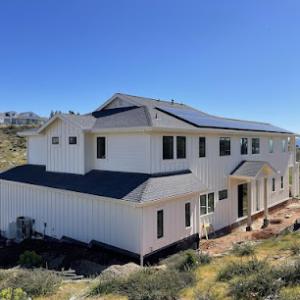
Cornerstone Roofing is a family owned business serving the North Bay and surrounding areas since 2006. We are a highly skilled professional roofing contractor specializing in composition shingle, standing seam metal, TPO, and tile roofing. Give us a call today for a free estimate!
Northbay Roofing & Gutters
(707) 591-9288 www.northbayroofinggutters.com
Serving
4.6 from 47 reviews
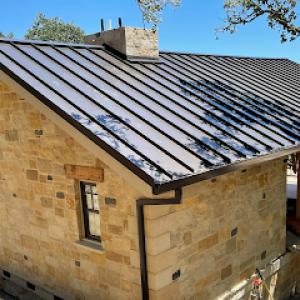
Northbay Roofing & Gutters is a trusted roofing and gutter contractor based in Santa Rosa, CA, proudly serving homeowners and businesses across Sonoma, Marin, Napa, Mendocino, and Lake Counties. With decades of experience, our team specializes in roof replacements, roof repairs, gutter installations, gutter guard systems, and roof inspections. We take pride in quality craftsmanship, honest communication, and long-lasting solutions designed for Northern California weather. Whether you need a small leak repaired or a full roof and gutter system upgrade, Northbay Roofing & Gutters delivers dependable service, premium materials, and competitive pricing — always with customer satisfaction as our top priority. info@northbayrg.com

Crandall Roofing
(707) 340-6633 crandallroofing.com
Serving
4.8 from 112 reviews
Crandall Roofing, Inc. - Your Trusted Roofing Experts in the Bay Area Since 1984, Crandall Roofing, Inc. has proudly served over 10,000 homeowners in the greater Bay Area with exceptional roofing solutions. Specializing in new roofs, roof replacements, and repairs, we use only the highest quality, Class A fire-rated materials, ensuring durability and safety. Our factory certifications allow us to offer warranties up to 50 years. With expertise in Silicone Roof Coatings for low-slope roofs, our skilled team is the go-to choice for home and business owners. We are dedicated to providing clear pricing and 24/7 availability. Trust Crandall Roofing for unmatched craftsmanship and reliability. Choose excellence for your roofing needs!
Sutter Roofing Systems
(707) 829-5050 www.sutterroofingsystems.com
Serving
4.7 from 16 reviews
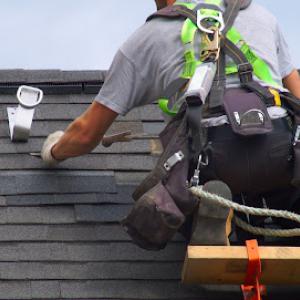
Sutter Roofing Systems, located at 4034 Santa Rosa Ave, is your premier choice for all roofing needs. As a top-rated roofing contractor near you, we specialize in comprehensive roof repair services, expert gutter installations, and metal roof installs. Our skilled team at Sutter Roofing Systems is committed to delivering quality craftsmanship and outstanding customer service. With a strong reputation among local roofing companies, we are a fully licensed roofing company that also offers superior residential roofing services. When searching for a roofer near you, trust Sutter Roofing Systems for reliable and efficient roofing solutions tailored to your needs.

Vasquez Roofing
Serving
5.0 from 5 reviews
Vasquez Roofing | Sonoma County Licensed Contractor (CSLB #1112128) 🏠 Roof Replacements & Installations – Shingle, Metal, & Class A systems built for durability. 🔨 Repairs & Waterproofing – Leak repair, emergency service, and long-term protection. 📑 Insurance Claim Assistance – Helping homeowners navigate claims with ease. 🌎 Service Areas – Sonoma, Marin, Napa, Petaluma, Santa Rosa, San Rafael & more. With 20+ years of combined experience, we use premium materials like PABCO Premier & CertainTeed, ensuring roofs that last and add value. Trusted for integrity, reliability, and results that stand out. Call today for a roof built to protect your home.
Windsor homeowners operate in California's tighter insurance environment, where wildfire exposure can affect insurer availability, underwriting, and roof-related claim scrutiny. This neighborhood has seen insurers pull back or tighten terms after several wildfire seasons, especially for properties with older or lighter roofing. When shopping or renewing, expect carriers to ask pointed questions about roof age, visible wear, and maintenance history. Having a clear record of recent inspections, repairs, and proactive upkeep can influence both approval odds and claim outcomes. If a market shift occurs, some insurers may pause new policies or require a plan that reduces perceived risk, such as upgrading to a more fire-resilient roof or adding ignition barriers.
Insurers serving Windsor may require documentation of roof age, condition, and maintenance history before approving replacement-related claims or renewals. Start compiling a simple, up-to-date file: the original installation date, last major repairs, any past hail or wind damage notes, and professional evaluations. Keep dated photos that show the overall roof, the flashing, and the surrounding chimney or vents, since these details often matter in claim reviews. A yearly summer photo log that captures attic ventilation and signs of wear can streamline future communications. If a claim is contemplated, having a recent, professional assessment that notes remaining service life and safety concerns can prevent surprises when the adjuster visits.
Claim timing in the Windsor area can be influenced by wildfire season and field adjuster availability, making photo documentation and dated records especially important. Wildfire activity can compress schedules, with field adjusters prioritizing urgent responses but sometimes delaying follow-ups due to travel constraints or backlogs. In practice, that means you should have ready-to-share photo sets from multiple angles, plus a concise summary of any prior maintenance or visible vulnerabilities. If the roof has recently undergone repairs, keep receipts and contractor notes organized in your file. Expect adjusters to scrutinize ignition risks, roof ventilation, and the overall fire-resistance of materials, so having a cross-reference checklist from a trusted local roofer can help you present a coherent, defensible narrative.
On the cusp of a claims discussion, you want an orderly, honest record that speaks to fire risk and ongoing maintenance. Schedule a pre-claim inspection if the roof shows signs of aging, moss buildup, or damaged flashing, especially after a dry season followed by heat waves. Maintain clean, accessible attic ventilation and clear eave areas to avoid giving a reviewer the impression of neglect. If a claim is denied or delayed, request a written explanation that cites specific policy provisions, then assemble your documentation in a concise packet for resubmission. In the local context, staying ahead with steady upkeep and meticulous records can reduce friction when insurers reassess coverage after a smoky season.
Connect with contractors who help homeowners navigate the claims process from damage assessment to final approval.



Modern Summit Roofing Contractor
(707) 466-7663 www.modernsummitroofing.com
Serving
5.0 from 47 reviews
After a long dry season, the first sustained rains bring a sharp reminder that lightweight maintenance gaps become full-blown leaks fast. In Windsor, missing granules, loose shingles, and tiny gaps around drip edges or penetrations can stay hidden through late summer and fall, but they reveal weaknesses the moment the weather turns wet. The wet-winter pattern pushes water toward any soft spots-especially near valleys, eaves, and flashing joints. If gutters are clogged or downspouts blocked, plan for rainwater to back up under shingles and into attic spaces, where insulation fiber can get damp and mold can take hold. A careful pre-winter check helps, but the most important step is addressing troublesome areas before the first big storm.
Spring winds in this area arrive with a punch, and that gusty weather often arrives just as roof work resumes after the dry season. Debris can accumulate around vulnerable edges, around chimney flashing, and near vent stacks, where wind-driven grit grinds at seams and creates micro-tears. When installers fight strong gusts, battens and underlayment can shift, increasing the risk of wind uplift and misalignment. Look for loose flashing laps, lift at ridge caps, and any signs of missed sealant joints after a windy stretch. Proactive trimming of nearby branches helps reduce debris load and minimizes the chance of wind-driven damage onto the roof plane.
Skylight areas deserve extra attention because repeated wet-dry seasonal cycling amplifies weaknesses in flashing around curbs and sealant joints. In winter, standing water on the roof surface tends to pool near skylights if flashing is marginal, and repeated freezes-thaw cycles can widen gaps. In spring, wind-driven rain can exploit those gaps, forcing water down the wall line and into interior drywall. Regular inspection should focus on the skylight curb, flashing interlocks, and the sealant surrounding the unit. If flashing shows any flattening, separation, or cracking, address it before the next heavy rain-delays compound the risk of interior damage.
Find contractors experienced in skylight installation, flashing, and leak repairs to bring natural light into your home.
Ridgeline Roofing
(707) 838-8209 www.ridgelineroofingco.com
930 Shiloh Rd Bldg. 40 Suite A, Windsor, California
4.7 from 83 reviews
Although Windsor is primarily a residential re-roof market, local contractor signals show an active subset handling flat or low-slope systems that need different drainage and waterproofing approaches than pitched roofs. This means you can find skilled crews who understand how a low-slope roof interacts with surrounding structures, parapets, and skylight details. When you plan a project that leans toward a flatter profile, you should expect a longer planning phase and a tighter coordination of trades, especially if solar equipment is in the mix.
Low-slope roofs age differently and require precise membrane detailing to avoid ponding water during the wet-winter period. In practice, you want to verify that the drainage plan accounts for seasonal rainfall peaks and that the chosen membrane system provides robust seam integrity and UV resistance. A flat or near-flat deck benefits from enhanced edge detailing, proper scuppers or gutters, and a careful transition between the roof and any adjoining parapets. In neighborhoods with mixed roof styles, you'll notice that crews often pair a durable vapor barrier with a reinforced top layer to minimize blistering and late-stage leaks.
Planning for solar panels or a future solar-ready layout influences material choices and roof geometry. The long dry season makes roof access more feasible for retrofit work, so align your installation window with a predictable stretch of good weather and minimal wind-driven dust. When solar is on the radar, consider unifying the roofing assembly with electrical routing, rafter spacing, and ventilation strategy so that panels and racking don't interfere with flashing, curbs, or ductwork. A properly coordinated design reduces backtracking and keeps your project moving smoothly through the installation sequence.
Ventilation details become more critical as roof assemblies broaden beyond traditional shingles. For a low-slope system, ensure that attic or mechanical spaces above the deck maintain adequate airflow to prevent moisture buildup and conditioned-space temperature swings. If a new ventilation profile is introduced, anticipate a tighter scrutiny from reviewers who want confidence that the combination of deck, insulation, and exhaust paths remains balanced. The right balance helps maintain indoor comfort while protecting the roof assembly from condensation-related issues.
Timing re-roofs to coincide with Windsor's dry stretch minimizes weather-related delays and supports faster installation of membranes and flashing. When planning, coordinate access for crews, scaffold placement, and material staging to take full advantage of clear days. This approach reduces the likelihood of weather-induced damage to exposed underlayment and helps keep adjacent structures-such as parapets and skylights-safe during retrofit work.
Find specialists in TPO, EPDM, and built-up flat roofing systems for residential and commercial properties.


Wedge Roofing - Marin - Sonoma - Napa - SF
(888) 763-7663 www.wedgeroofing.com
Serving
4.8 from 50 reviews
In Windsor, homeowners typically hire for re-roofing that's responsive and clean more than for high-end specialty services. The market leans toward long-established, residential-focused, family-owned crews who can show up quickly after a leak, remove debris efficiently, and leave a tidy jobsite. Warranty messages show up, but practical signals-emergency response, reliable cleanup, and consistent communication-often carry more weight with neighbors and insurance adjusters. When you ask for references, prioritize recent local projects,, and ask how crews handled storm cleanup and storm-season scheduling.
Begin with a short list of local outfits that have a proven Windsor track record. Check how they describe their availability during winter storms and whether they can secure materials promptly after a wet spell. Look for crews who communicate estimated timelines clearly and commit to daily cleanup and daily dust control. Since many roofs here are mid-century or bungalow-style with tight eaves, ask specifically about working around existing gutters and how the crew protects landscaping and hardscape during removal and replacement.
Response time matters. A contractor who returns calls promptly after a storm, who can schedule a quick on-site assessment, and who can provide a definite start window earns more trust in this climate. Site etiquette is equally critical: ask about daily debris containment, protective ground covers, and how they manage tarps, ladders, and material storage on a residential street. Family-owned teams often excel in keeping a neighborly line of communication open-use that as a deciding factor when you compare bids.
Beyond price, weigh warranties alongside practical service signals. In this market, manufacturer certifications are less emphasized than the ability to respond quickly, provide on-site containment, and complete cleanup without lingering debris. Ask who will be on-site daily, how they handle weather interruptions, and what post-job touch-ups are included. For projects that involve heavier tile systems, confirm they have experience coordinating crew logistics and debris removal without prolonged street exposure.
Choose a contractor who aligns with your priorities: fast response, strong cleanup, transparent communication, and a clear plan for protecting your home during winter weather. Once you've chosen, confirm a written schedule, daily cleanup commitments, and a direct point of contact for weather-related shifts. This approach helps ensure a solid re-roof that stands up to Windsor's wet winters and works well with local neighborhoods' expectations.