
Last updated: Apr 19, 2026
Reroof work in this area sticks to late spring through early fall, because the Mediterranean pattern brings the wet risk primarily in winter. Work projects should align with dry, predictable days, when rain chances are low and the heat isn't oppressive. That window helps crews keep underlayment dry, reduce moisture-related delays, and finish a roof before the first strong wind events of late fall. If a project slips into winter, plan for frequent weather stoppages and longer timelines, which can press into wildfire-season insurance expectations and complicate material handling.
Coastal humidity and morning fog in the valley can leave roof decking damp, even when daytime weather looks perfectly clear. That matters because underlayment and finish roofing rely on a dry deck for proper adhesion and sealing. Before any tear-off, have the decking inspected for moisture content and cupping, and coordinate with the crew to allow extra drying time if the morning fog lingers. On days when fog is lingering, consider starting later or shifting to staging tasks that don't require a dry, bare deck until conditions improve.
Spring and fall bring the more unsettled wind patterns in this county. Those gusts can disrupt tear-off staging, blow tarps loose, and elevate fall risk for crew members on exposed slopes. Plan scaffold and tarp systems with extra secure fastenings, and schedule high-wall or long-run sections for days with lighter wind forecasts. If a strong wind alert is posted, shift to indoor or sheltered tasks-such as removing shingles from the eaves first or sealing interior penetrations-while the roof waits for a calmer window. Having a contingency day or two on the calendar is practical in this climate.
Steep or long slopes, common on vineyard-adjacent properties and older in-town homes, demand a longer dry window to avoid wind-driven debris and staged material exposure. Concrete or clay tile roofs require careful drying time after any moisture exposure, especially in shoulder seasons. Asphalt, metal, and synthetic shingles have quicker install windows but still benefit from dry decks and calm days. If the roof faces prevailing coastal winds or is shaded by mature oaks or cypress, anticipate later drying times and adjust sequencing accordingly.
Coordinate with the roofing contractor to identify a two- to three-week target block within the late spring to early fall window. Build in a weather contingency buffer of a few days for potential moisture holdoffs or wind disruptions. Establish a forecast-based plan: begin with tear-off on the driest, sunniest days, then move to underlayment and finish roofing only after the deck has held a stable, dry surface for a sufficient period. For older or historic-style homes, allow extra time for careful handling of original decking edges and flashings, where moisture can linger longer on shaded or sheltered facades.
In Sonoma, homeowners are dealing with California insurance market tightening that can be more consequential in wildfire-exposed parts of Sonoma Valley and nearby hillside areas. The interception point for many claims isn't just what the roof looks like today, but what documentation sits in your file when a claim is opened. Strong records can mean quicker, smoother handling and fewer questions about when and how a roof was installed or repaired. Relying on memory or a single contractor's word can leave you with gaps that adjusters need to bridge, especially after a severe season or a wind event.
Roof age and material type should be clearly established with current photos and a concise property-specific summary. For homes with historic character or mixed-age roofing, the specifics matter even more: a detailed note on each section of the roof, the exact material, and any overlays or repairs done over time. Photo documentation should capture close-ups of edge metal, hips, valleys, penetrations, and any flashing that ties into chimney or vent detailing. When possible, compare with previous project photos or permits to show the progression of wear, fading, or storm-related impacts. Keep a dated binder or digital folder organized by year and project.
Adjusters may ask for detailed roof condition reports and installation photos, making contractor documentation especially important when replacing older roofs in this market. A well-prepared roofer can supply a pre-installation assessment, notes on substrate conditions, and a post-installation verification that shows fasteners, underlayment, and the seam details of the chosen material. In hillside or wildfire-prone areas, photos should also depict fire-rated features, ember resistance details, and any retrofit work that affects wind uplift performance. This is not about showing off; it is about providing the insurer with objective, verifiable information that supports risk assessment.
Timing reroof work around Sonoma's wet-winter, dry-summer installation window is a real concern for claim-ready households. Moisture management and heat exposure can influence both the quality of workmanship and the integrity of records produced during a project. If a replacement spans multiple seasons, maintain a single, continuous photo log and annotate each set with the date, weather conditions, and the specific area photographed. A clear sequence helps prevent disputes over what was installed, when, and how it performed under seasonal stress.
To keep your roofing history usable for underwriting and claims, ensure your contractor provides: a written pre-work assessment, a complete installation photo set, and a final inspection report that notes materials, fasteners, and flashing details. Store these reports alongside purchase receipts, warranty documents, and any maintenance records. If the house has unique features-historic tile, slate, or metal panels-request a tailored record package that highlights the exact components and installation methods used. In the long run, this disciplined approach to documentation reduces uncertainty for both you and your insurer when questions arise after a storm or during the underwriting cycle.
Connect with contractors who help homeowners navigate the claims process from damage assessment to final approval.
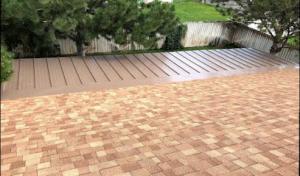

Modern Summit Roofing Contractor
(707) 466-7663 www.modernsummitroofing.com
Serving
5.0 from 47 reviews
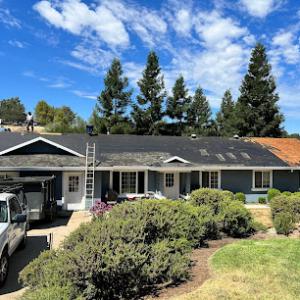
Angelo's Roofing
(707) 244-7663 www.angelosroofinginc.com
Serving
5.0 from 20 reviews
We offer top to bottom residential and light commercial roofing services from new construction, to repairs, to complete re-roofs. We handle shingle and low slope roofing projects with precision and efficiency. We also offer gutter services like repairs, seamless gutter installation, and gutter guards. Call us or visit our website for a free estimate!

Roof Doctors Napa County
(707) 266-6377 theroofdoctors.net
Serving
4.9 from 45 reviews
"Nobody inspects, repairs and certifies more roofs or solves more roof leak problems in the SF Bay Region." Over 300,000 roofs inspected. We do complimentary roof inspections with detailed reports that include pictures. Reports sent within 24 hours of inspection. We are a licensed roofing contractor that offer repairs, replacment bids, gutter cleaning bids, gutter guard installs, and general roof maintenance. Service in the following San Francisco Bay Area counties: Alameda, Contra Costa, Marin, Napa, Solano & Sonoma Counties.
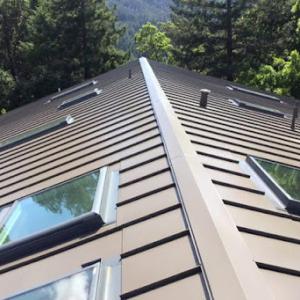
Galvan Roofing & Gutters
(707) 608-8928 galvanroofing.com
Serving
5.0 from 34 reviews
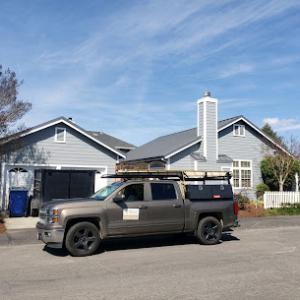
IN THE MARKET FOR A NEW ROOF? MAKE A ROOFING INSTALLATION APPOINTMENT IN WINDSOR, CA AND THE NORTH BAY AREA If you need a new roof, there's just one company to call for roofing installation services. Galvan Roofing & Gutters provides a wide variety of roof installation services in the Windsor, CA and North Bay for home addition and new construction projects. We also handle roof replacements and repairs. Our services come with manufacturer warranties, as well as a one-year repair warranty. Call a fully licensed, insured and bonded roofing installation technician in North Bay, CA today. We are certified to carry the following products: PABCO, Owens Corning, CertainTeed, GAF, Malarkey, Metacrylics, and IB Roof
Padilla's Roofing
(707) 265-6304 padillasroofing.com
Serving
5.0 from 11 reviews
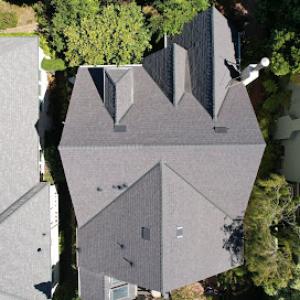
Osbaldo has over 20 years of experience. He lives in Napa and so he enjoys helping out local citizens. Napa is all about community and small and locally owned businesses like Padilla's Roofing, it's what makes a place like this feel like home. We dedicate our time to our clients making sure that they are always satisfied. A family-owned business helping other families stay safe under their roofs.
Apollo Roofing Company
(925) 369-7727 www.apolloroofingcompany.com
Serving
5.0 from 15 reviews
Apollo Roofing Company is a Novato-based roofing contractor providing residential and commercial roofing services in Novato and surrounding areas. The company specializes in roof installation, roof replacement, and roof repair, including flat roofing systems. Apollo Roofing Company serves homeowners and businesses by using durable materials and industry-standard installation practices to deliver weather-resistant roofing solutions suited to local conditions. The business focuses on workmanship, system integrity, and long-term roof performance. Services are provided by appointment only.

Amy's Roofing & Solar
Serving
5.0 from 64 reviews
Amy's Roofing and Solar offers professional roofing and solar installation services to residents of Petaluma, California, and surrounding areas. Our team of experienced roofing contractors and solar technicians works diligently to ensure that both your roofing and solar energy needs are met seamlessly and efficiently. By integrating these services, Amy's Roofing and Solar strives to minimize project management costs and guarantee the utmost quality of the complete system, delivering exceptional results that exceed your expectations while ensuring your property's energy efficiency and aesthetic appeal.
Modern Summit Roofing Contractor
(707) 466-7663 www.modernsummitroofing.com
Serving
5.0 from 47 reviews
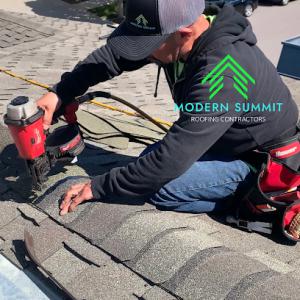
Established in 2024 Lic#1117990, Modern Summit Roofing Contractor provides comprehensive residential roofing solutions across Sonoma, Marin, and Napa counties. Their certified experts specialize in various tasks, including emergency repairs, inspections, replacements, and maintenance, using top-quality materials and industry-leading warranties. We offer flexible financing options through WiseTack. Contact us for more information.
G&T Brothers Roofing
Serving
5.0 from 24 reviews
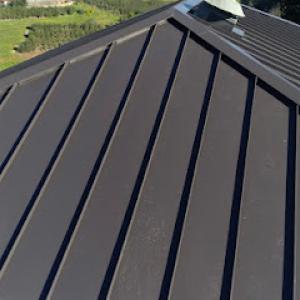
G&T Brothers Roofing has 15 years experience working with residential roofing bringing our clients the best quality work. We are trained for quality workmanship to do the best job possible.
Napa Roofing Replacement & Repair
Serving
5.0 from 11 reviews
Keep your home safe and warm with Pros Napa Chimney Sweep, your trusted local experts in chimney care. Located at 22 Monez Blvd in Napa, we provide comprehensive chimney sweeping services to ensure your fireplace is clean and operating efficiently. Our experienced team is dedicated to helping you prevent fire hazards and maintain a healthy home environment. We use top-of-the-line equipment and techniques to deliver exceptional results every time. Trust us to handle all your chimney maintenance needs.
CSA Roofing, Painting, General Contracting
(707) 253-8199 www.csanapa.com
Serving
4.8 from 6 reviews
CSA Roofing, Painting, General Contracting, and Heating & Air provides just that. High quality work with materials sourced from top notch vendors.
Henris Roofing Company
(800) 775-1968 henrisroofing.com
Serving
4.3 from 14 reviews
We install a range of roofing materials, including asphalt shingles, built-up roofing, cold-processes roofing, metal roofing, modified bitumens, fiber-cement roofing, waterproofing, single-ply roof membranes, slate, tile and wood shakes and shingles.

Crandall Roofing
(707) 340-6633 crandallroofing.com
Serving
4.8 from 112 reviews
Crandall Roofing, Inc. - Your Trusted Roofing Experts in the Bay Area Since 1984, Crandall Roofing, Inc. has proudly served over 10,000 homeowners in the greater Bay Area with exceptional roofing solutions. Specializing in new roofs, roof replacements, and repairs, we use only the highest quality, Class A fire-rated materials, ensuring durability and safety. Our factory certifications allow us to offer warranties up to 50 years. With expertise in Silicone Roof Coatings for low-slope roofs, our skilled team is the go-to choice for home and business owners. We are dedicated to providing clear pricing and 24/7 availability. Trust Crandall Roofing for unmatched craftsmanship and reliability. Choose excellence for your roofing needs!
In Sonoma, homeowners commonly choose among asphalt shingles, metal roofing, clay tile, concrete tile, synthetic/composite shingles, and slate, reflecting both tract-style homes and higher-end wine-country architecture. Each option brings a distinct look and life cycle, so the choice often hinges on how well the roof complements the house's overall style-from modest ranches to Mediterranean-influenced estates. The palette of choices allows for a cohesive streetscape while accommodating individual taste, durability goals, and the local landscape.
Tile and slate shine when the goal is a Mediterranean or estate-style silhouette. Clay and concrete tiles run well with the curves and massing of classic Sonoma architecture, giving a sense of permanence and refinement. They also offer excellent UV resistance and a long service life when properly installed. However, tile and slate demand careful framing and robust underlayment, as the heavier materials can stress older roof structures. If a home already uses heavier roofing, a structural assessment is wise to ensure the attic ventilation and supporting members align with the chosen tile type. For many homeowners, tile or slate is not just a look but a statement about longevity, provided the roof is kept watertight through the city's seasonal moisture shifts.
Material choice in this area has to account for wet-winter shedding, dry-summer heat exposure, and fog-related moisture cycling rather than a single dominant weather hazard. Asphalt shingles are a versatile, lower-maintenance option that handle seasonal changes and provide decent wind resistance when a quality underlayment and proper nailing pattern are used. Metal roofing performs exceptionally well in heat and wind, with fast installation and a sleek, modern profile that can still blend with traditional lines when colored thoughtfully. For homes that aim for a classic silhouette, metal can mimic older standing-seam aesthetics while offering enhanced hail resistance and lighter weight than tile or slate.
Synthetic or composite shingles now offer improved durability and a wider range of textures that imitate wood, slate, or tile while staying lighter on the structure. This can be a sensible compromise for homes with complex rooflines or limited headroom for heavy tiles. Slate remains the premium option for the most authentic, long-lived appearance; it pairs beautifully with grand entryways and expansive eaves but requires a robust substructure and careful maintenance to manage natural micro-fractures and moisture exposure over time. Consider a qualified roofer's assessment of roof deck condition and underlayment compatibility when pursuing slate or true tile alternatives.
For in-town, tract-style homes, asphalt, metal, or synthetic options often deliver reliable performance without overbearing weight or cost. Estate-style or Mediterranean-influenced properties may justify the investment in tile or slate for the aesthetic payoff and long-term durability, provided the structural and drainage details are aligned with the roof's mass and slope. Regardless of material, ensure a thoughtful integration with roof-to-wall flashing, ventilation strategy, and guttering to manage the fog-driven moisture cycle and winter rains. In all cases, the chosen roof should harmonize with the property's color palette, trim, and landscape to maintain the character that defines the surrounding neighborhood.
Provided local pricing ranges run from about 350 to 700 USD per square for asphalt shingles, 600 to 1200 for metal, 900 to 1700 for clay tile, 800 to 1500 for concrete tile, 450 to 800 for synthetic/composite, and 1200 to 2100 for slate. Those numbers reflect Sonoma's mix of compact in-town lots and larger estate properties, plus the extra handling that heavier materials demand. While material choice dominates the sticker price, labor logistics, access constraints, and staging space in tighter neighborhoods can shift the final figure. In practice, plan for a broader spread if the project touches several roof planes or requires crane or specialized rigging.
Costs tend to rise when projects drift into the wetter season. Weather protection, scheduling delays, and moisture management become more important during tear-off and dry-in. In a wine-country pattern, winter rain can force tarp-based protection, additional temporary sheathing, and more careful sequencing to avoid leaks. If a dry-summer window is missed, crews may stagger phases to keep interior spaces dry, which translates to longer total project time and increased labor hours. Expect higher daily rates or additional crew days when rain is forecast in the forecast-heavy months.
Homes in Sonoma vary from compact in-town bungalows to larger country estates, and that mix affects cost drivers beyond material price alone. Heavier tile and slate systems require more labor and sometimes structural assessment or reinforcement, affecting access logistics on taller or sprawling properties. Clay tile, concrete tile, and slate bring notable weight, demanding careful hoisting, scaffold setup, and protection of landscape and an existing structure. Access logistics-tight driveways, narrow alleys, or uphill properties-also push up labor time and can increase material handling costs.
Dry-season heat and Santa Ana-style winds can complicate tear-off and dry-in, prompting extra temporary containment and more precise fastening to meet wind exposure conditions. In practice, this leads to incremental costs per square for fastereners, sealants, and protective barriers designed to withstand Sonoma's wind patterns. If the project sits at a property edge with exposed eaves or stands near vineyards, plan for additional edge protection and sealing work, which can add to both labor and materials.
Labor needs scale with home size and roof complexity. In-town homes with multiple small roof planes may require more setup and transitions than a single large slope, while larger estates can demand longer ladder lines, more material management, and sometimes taller-scaffolding. The price impact is not just the square footage; it's the logistics of moving heavy tiles, coordinating crane spots, and protecting the landscape. The outcome is steadier costs when the project is clearly scoped for the roof geometry and site access from the outset.
Don't let upfront costs delay a critical repair - these contractors offer payment plans to fit your budget.
Modern Summit Roofing Contractor
(707) 466-7663 www.modernsummitroofing.com
Serving
5.0 from 47 reviews
A full re-roof in Sonoma typically requires a permit through the local Building Division rather than being treated as minor maintenance. This means you will need to initiate the process before any tear-off begins, and your contractor should plan to submit plans and required documentation with the permit application. That submission typically includes roof material specifications, ventilation details, and a temporary protection plan to manage moisture during the project. The approach helps ensure that the replacement aligns with local code requirements and the valley's unique climate, from wet winters to dry summers and the seasonal Santa Ana winds that can test exposed edge details.
Permit processing times in Sonoma can vary with department workload and project scope, so scheduling should account for administrative lead time before tear-off. Start the dialogue early with the Building Division, and ask your contractor to confirm estimated timelines for plan review, any inspections, and occupancy or final approvals. Plan for weather windows to avoid delays; the wet season can compress work into tight pockets, while the dry season offers longer, more predictable installation days. If your project involves historic or character-sensitive architecture, be prepared for additional review steps or adherence confirmations to preserve stylistic features, materials, and rooflines that define the neighborhood fabric.
Inspections commonly verify underlayment, flashing, ventilation, and final installation quality during and after the reroof process. Expect to see an inspection at key milestones: after roof removal but before any new layers go down, after underlayment and flashing are in place, and after the final installation is completed. Inspections focus on the continuity of underlayment, the integrity of flashing at penetrations and valleys, attic ventilation adequacy, and node connections around chimneys and skylights. A successful inspection sequence helps prevent moisture intrusion and reduces the risk that a weather event during the rainy season finds vulnerabilities in the roof assembly.
Practical steps to streamline the permit and inspection process include coordinating with the contractor to align tear-off timing with temporary weather protection and to ensure that all venting and exhaust components are sized correctly for the chosen roofing system. If living spaces are adjacent to the work area, ask about neighbor access, site containment, and dust mitigation. Have a clear plan for storage and staging that protects interior spaces from sudden rain or fog-driven moisture during the project. Finally, maintain open lines of communication with the Building Division and your inspector; addressing questions promptly can keep the project on track and reduce the likelihood of resubmissions.
In Sonoma, tile roofs are common enough that broken field tiles, underlayment aging beneath otherwise durable tile, and flashing transitions are practical homeowner concerns. When winter moisture meets dry summers, cracked tiles invite slow leaks that undermine the underlayment's breathability and film-forming barriers. Look for hairline cracks at ridge and hip tiles, and pay attention to mortar or foam spacers that may crumble after years of heat cycling. A tile that sounds hollow or has a loose edge is a cue to inspect the underlayment, because a single compromised tile can hide moisture that travels along the roof deck. Regular spot-checks after storm intervals help catch problems before they migrate to ceilings and walls.
Metal roofing is also a meaningful local category, so expansion details, fastener integrity, and flashing quality matter under temperature swings and seasonal moisture exposure. Metal panels expand and contract with heat, so gaps around fasteners and at panel laps can loosen over time if fastener gauges aren't matched to the panel thickness. Pay particular attention to edge flashing and valley transitions, where wind-driven rain can exploit small gaps. In salty or fog-influenced coastal-leaning pockets of the valley, corrosion on exposed fasteners or mounting clips can creep in faster than expected if coatings aren't maintained. A proactive check after the wet season helps prevent ice-dam-like issues in shoulder seasons.
Skylights show up often enough in the local contractor market that curb flashing and leak tracing around skylight penetrations deserve dedicated attention on Sonoma homes. Curb flashing should extend properly beyond the skylight base, with seamed or rolled flashing integrated into adjacent roof surfaces. Leaks often trace to poorly sealed fasteners, degraded sealant joints, or misaligned flashing where shingles or tile meet the skylight. Inspect around the curb after heavy rains and windy episodes; a damp spot on interior ceilings near a skylight is a sign to recheck flashings, sealants, and shingle-to-skylight intersections.
Find contractors experienced in skylight installation, flashing, and leak repairs to bring natural light into your home.
Modern Summit Roofing Contractor
(707) 466-7663 www.modernsummitroofing.com
Serving
5.0 from 47 reviews
Flat and low-slope roofing is active in the Sonoma market, reflecting a mix of residential additions, porches, and commercial buildings rather than only steep-slope homes. When planning a replacement, align the project so drainage is ready for Sonoma's wet-season rains. Ensure the new system provides positive drainage quickly after rain events, and schedule the dry-in window to avoid the wettest weeks. Consider scupper and edge details that protect parapets and fascia from winter moisture, and verify that overhangs shed water away from exterior walls to minimize staining and rot.
On low-slope sections, winter rain timing makes drainage performance and temporary dry-in especially important during replacement. Use a secure temporary membrane and conformance test for wind-driven rain, even if the main roof is slated for later patches. A well-sealed dry-in reduces tracking moisture into soffits and interior ceilings during a Santa Ana lull or a light drizzle. Keep tarps ready for unexpected showers, and plan access routes that minimize mud and water tracking into living spaces.
Mixed rooflines are a practical issue locally because one property may combine tile or shingles on the main roof with low-slope membranes on secondary sections. When the project touches both slope types, ensure flashing transitions are seamless and compatible. Coordinate insulation, vapour barriers, and drainage planes so that the low-slope area integrates with higher-slope portions without creating cold spots or ice-damming risks in shoulder-season weather.
Choose a membrane system rated for low-slope use and compatible with adjacent roof assemblies. Pay attention to edge detailing, fastener compatibility with underlying decking, and wind exposure on the valley floor. In Sonoma, seasonal temperature swings can affect sealants and membranes, so select products with proven performance in dry summers and wet winters and verify warranty coverage for mixed roof configurations.
After roof work, inspect the transitions between main roof materials and low-slope sections. Look for moisture-prone spots near penetrations, edge terminations, and coping. Schedule checks after heavy rains and at the start of the dry season to confirm drainage remains effective and the dry-in remains intact through the first winter.
Find specialists in TPO, EPDM, and built-up flat roofing systems for residential and commercial properties.
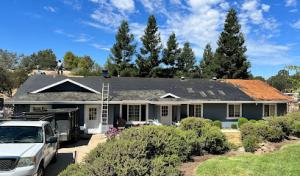
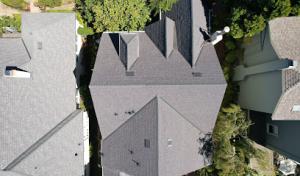

Because the market here is strongly re-roof focused, you should prioritize contractors with proven tear-off, dry-in, and occupied-home replacement experience rather than only new-construction work. Look for recent projects on similar roof lines-historic in-town homes and rural properties-where crews navigated moisture, heat, and wind exposure without compromising structures or landscaping. Ask for a brief project portfolio and references from neighbors with comparable homes and setting.
Quick response is a strong local hiring signal, which matters in Sonoma when winter leaks or weather-exposed tear-offs need fast stabilization. Gauge whether the contractor answers calls or texts promptly, can schedule a site visit within a few days, and provides clear timelines that account for the wet-winter window and dry-summer installation practicality. Confirm who will be your main point of contact during the project and how updates are delivered when weather disrupts progress.
Cleanup included is a common local expectation, important on residential properties where landscaping, outdoor living areas, and neighboring homes can be close to the work zone. Verify daily cleanup standards, containment measures for debris and dust, and protections for mature trees, stone pathways, and irrigation lines. Inspect how the crew fabrics and seals around penetrations to minimize moisture intrusion during the late-winter transition and windy days.
Trustworthy contractors in Sonoma will document warranty terms, crew qualifications, and equipment used for tear-off and dry-in stages. Request a written plan that outlines staging, moisture-control tactics, and contingencies for unexpected weather. If a contractor cannot articulate a site-specific approach that respects both strict rainfall patterns and the surrounding landscape, continue the search.