Last updated: Apr 19, 2026
In this pattern, the most reliable reroof window is generally during the dry months, when crews are less likely to be interrupted by winter rain. Plan ahead to lock in a start date when the forecast promises consecutive dry weeks. A tight, dry-in schedule matters more here than in milder climates, because any delay during the dry season can push work into the shoulder months with higher risk of rain or sudden temperature swings. Expect a clear sequence: tear-off, decking inspection, underlayment, and then the new roof, all timed to stay dry between stages. If you must pause, coordinate an immediate return timeline so the project doesn't lose its dry run.
Hot, dry summer conditions in Tracy can accelerate asphalt shingle aging and can affect adhesive sealing behavior during installation. When temperatures climb, self-sealing shingles want to bond quickly, but coatings can soften and slide if fasteners are driven in at the wrong angle or too late in the day. Schedule asphalt projects for cooler hours-early mornings or late afternoons-so adhesives set without heat-related misalignment. If an install spans several days, protect exposed underlayment from sun exposure and drying winds to prevent back-damaging wind uplift before the shingles are fully secured. Expect crews to pause during peak heat and resume when surfaces are safer to work on, which means planning a tighter daily window and clear handoff between tearing off and re-roofing to keep sealants functioning as designed.
Spring wind events in this area can stress exposed roof decking and newly installed edge components if tear-off and dry-in are not tightly sequenced. The priority is to minimize exposed decking time and to secure edge details-drip edge, starter rows, and eaves flashing-before strong gusts arrive. A practical approach is to complete decking replacement and underlayment in a single, continuous stretch, then immediately install the first edge components and temporary covers when wind risk rises. If a wind storm is forecast, consider a contingency plan to protect open areas with temporary barriers and ensure fasteners are compatible with the decking material. Tight coordination between the tear-off crew and the roofers handling the dry-in reduces the chance of wind-driven damage or moisture intrusion during a vulnerable interval.
For a roofing stock common in this area, clay or concrete tiles can perform well in heat but bring weight and handling challenges in windy conditions. If choosing tile, prioritize underlayment and battens rated for high wind uplift and ensure edge components are reinforced for the typical spring wind cycle. Lighter synthetic or composite shingles can be a favorable alternative when the roof requires quicker dry-in and easier handling in variable spring weather, but still demand careful sequencing to prevent exposure to wind and sun before sealing. In all cases, verify that fastener length and pattern align with the roof substrate and climate-driven stresses you'll face during Tracy's hot seasons and windy springs.
Start with a dry-season target block and build a realistic buffer for unexpected heat waves or wind alerts. Confirm a day-by-day plan that includes a dedicated tear-off window, a continuous dry-in sequence, and a rapid edge-detail installation once underlayment is laid. Maintain open communication with the crew about forecast shifts, and keep temporary protections ready for sudden weather changes. The objective is a predictable, tightly sequenced process that minimizes exposed decking and secures edge components before the season's wind and heat intensify.
The dominant roof materials in Tracy include asphalt shingles, metal roofing, clay tile, concrete tile, wood shingles/shakes, and synthetic/composite shingles. The hot summers, spring winds, and wet winters shape which roof types perform best and how they should be installed. In this climate, a roof that stands up to temperature swings, UV exposure, and seasonal wind gusts while staying watertight during heavy winter rains is essential. Tile options-clay and concrete-are common and require attention to proper underlayment, flashing transitions, and the ability to match replacement pieces when adjustments are needed. Asphalt and metal remain practical for many homes, but their installation nuance changes with dry-season windows and the need for solid detailing at valleys, penetrations, and roof-to-wall transitions.
Tile roofs are a major feature in the local housing stock, and that reality brings specific expectations for durability and service life. Clay and concrete tile roofs tolerate high daytime heat well, but the big factor is the day-night temperature swing. Expansion and contraction movement can stress fasteners, flashing, and ridge lines if not planned for during installation or re-roofing. When replacing tiles, matching profiles, colors, and textures matters for both performance and curb appeal. Pay close attention to underlayment choice-high-quality, permeable or synthetic underlayment specific to tile can improve moisture management under the tiles. Flashing details around roof-to-wall transitions, vents, and chimneys should be laid out with generous laps and corrosion-resistant metals to prevent leaks during winter storms. For renovations, staggered tile patterns and careful re-seating of broken or mismatched pieces help preserve the roof's wind resistance and water shedding.
Asphalt shingles remain widespread due to straightforward installation and effective wind resistance when installed with appropriate nails and seals. In a climate with strong spring winds, it is important to use wind-resistant shingle courses and to confirm adequate nailing patterns at the eaves and hips. Metal roofing offers excellent longevity and resilience against sun exposure and wind, with the added benefit of lighter weight and good heat reflection if a cool-coated finish is chosen. When selecting metal, consider panel profiles that minimize thermal movement and flashing transitions that reduce potential leaks at overlaps and roof penetrations. Both materials benefit from high-quality underlayment and careful attic ventilation to prevent heat buildup and condensation issues during wetter winters.
With the tile-dominant stock, underlayment choices become a frontline defense against leaks, especially at complex transitions and steep sections. Choose an underlayment compatible with tile or shingle systems, prioritizing waterproofing and breathability in the valley zones. Flashing must be continuous and corrosion-resistant around vents, chimneys, skylights, and where different roof planes meet. Replacement matching is not just cosmetic; it maintains the roof's integrity under wind pressure and thermal movement. When planning a reroof, anticipate the need for matching fasteners, sealants, and field-applied coatings that harmonize with the chosen material's expansion characteristics.
Maintenance in this area centers on clearing debris that can trap moisture and compromise drainage in tile valleys and ridge lines. Inspect and reseal flashing at least after the wet season, and monitor for cracked or displaced tiles after major wind events. For aging roofs, consider a targeted tile repair or a full reroof with a material that complements the house's architectural language and existing eave ventilation. The goal is a roof that remains watertight through San Joaquin Valley weather cycles while preserving energy efficiency and curb appeal.
Typical Tracy material pricing runs about $350-$700 per square for asphalt shingles, $700-$1400 for metal, $1200-$2000 for clay tile, $900-$1800 for concrete tile, $650-$1200 for wood shingles/shakes, and $600-$1000 for synthetic/composite shingles. Those ranges reflect what neighbors report during the busy dry season, when crews are juggling tight schedules and higher demand. When you're budgeting, use the low end for planning and the high end for a cushion against the unexpected.
Summer heat in the Central Valley drives fast-track dry-ins and tight crew coordination. If you wait too long into summer, you risk delays that push you into hotter stretches or surprise storm windows, increasing how long the roof is exposed and potentially raising labor costs. Winter rain compresses scheduling into the dry season, so you'll sometimes see price upticks as crews scramble to fit projects between wet fronts. In spring, those high winds can threaten quick dry-in, especially for roof coverings that rely on careful underlayment and flashing details. When choosing material, consider how the upcoming season will affect install speed and leak-tightness.
Tile-heavy reroof work in this area can carry added labor complexity compared with basic composition reroofs. Underlayment replacement, flashing details, and handling of heavier roof systems all add to the labor time and the skill required. Clay and concrete tiles demand careful handling to avoid breakage, and additional fasteners or sealants may be needed where the substrate has aged. If the existing structure is designed for lighter materials, think through the decision with your contractor about potential reinforcement or replacement of underlayment to ensure long-term performance.
Start with asphalt shingles if you want a lower upfront cost and a quicker install in the typical Tracy window, budgeting $350-$700 per square. If you're weighing durability and longevity, metal roofing at $700-$1400 per square can pay off with lighter load and faster install in some crews' hands. When clay tile or concrete tile seems appealing, plan for $900-$1800 or $1200-$2000 per square, respectively, and set aside extra for careful handling and more intricate flashing. Wood shingles/shakes at $650-$1200 per square bring a traditional look but require more maintenance in this climate. Synthetic/composite shingles at $600-$1000 per square offer a mid-range option with decent durability.
In Tracy, the right reroofing choice blends material performance with seasonal timing. Align your material selection with anticipated dry-season windows, factor in potential wind-driven dry-in challenges in spring, and build a contingency for winter rain compression. Tile-heavy projects require extra attention to underlayment and flashing details, which should be reflected in both your timeline and your bid comparisons.
Get a clear picture of your project costs upfront - no commitment required.
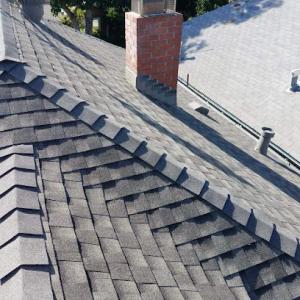
Innovation Roofing
(510) 203-0948 www.innovationroofinginc.com
266 Christopher Michael Ln, Tracy, California
5.0 from 17 reviews
Innovation Roofing has been a cornerstone of the Tracy, CA community for over 25 years, providing reliable and high-quality roofing services. Our journey began with a simple mission: to offer superior roofing solutions with a commitment to excellence and customer satisfaction. Over the years, we have grown and evolved, but our core values remain the same. We are dedicated to building long-lasting relationships with our clients, based on trust, integrity, and exceptional service. Our experienced team is passionate about what they do, and it shows in the quality of our work.
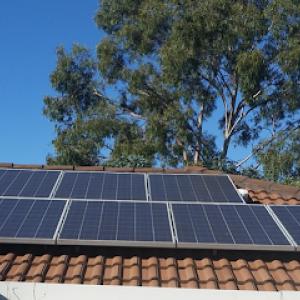
Tracy Roofing Pros
(209) 268-7701 tracyroofingpros.com
Tracy, California
4.3 from 6 reviews
Choose a roofer that'll give you no hassle and a ton of positivity. We are the best roofing contractor company in the area, and you've seen our roofs all around town. We have pictures on our website and our work speaks for itself. We are competitive with our prices, and our work is incomparable. Talk with us today about getting a free quote for a new roof or roof repair. We can handle whatever kind of roof job you throw at us. Whether it be for metal roofing, shingle roof, flat roofs, aluminum roofs, among others, we're the guys for the job. Call us today for a roof estimate and we're make sure the estimate we give you is both affordable and accurate. We look forward to earning your business, keeping it, and helping your referrals!
Ramon Garcia Roofing
203 Ridgeview Dr, Tracy, California
3.0 from 2 reviews
For over 16 years we have helped with roof installation and roof repair.
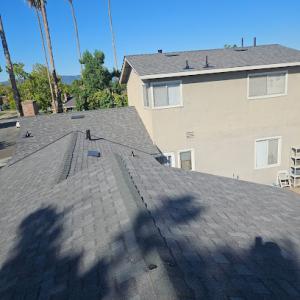
Quality Roofing
(209) 814-9902 www.209roof.com
Serving
5.0 from 4 reviews
Residential and Commercial Roofing Contractor. Licensed and Insured. Gutter Repair and Installation. Serving Northern California. 10+ Years Experience
P.R.I. - Premiere Roofing
(925) 453-6240 pripremiereroofing.com
Serving
4.9 from 96 reviews
PRI-Premiere Roofing is a trusted roofing contractor in Livermore, CA, proudly serving the East Bay and Bay Area since 2016. As a family-owned and operated company, we specialize in residential and commercial roofing, including roof repairs, replacements, gutter services, painting, storm damage restoration, and more. Our certified, licensed, and insured team works with top brands like CertainTeed, Owens Corning, and IB Roof Systems to deliver durable, energy-efficient solutions. With 300+ 5-star reviews, we’re the go-to choice for quality roofing, expert craftsmanship, and dependable service.
Legend Roofing Company
(669) 294-1760 legendroofingcompany.com
Serving
4.9 from 51 reviews
Discover top-tier roofing services with Legend Roofing Company, a BBB Accredited A+ rated business serving Modesto, California, and surrounding areas. As a distinguished GAF Master Elite® Contractor, we specialize in superior roof repair, installation, and replacement for both residential and commercial properties. Our commitment to quality is underscored by the GAF’s Golden Pledge Warranty, providing comprehensive protection against defects and misapplication. Trust us to deliver durable, aesthetically pleasing roofs designed to safeguard your home against harsh weather. Contact us now for a free estimate and elevate your property’s safety and style!

Mel's Roofing
(510) 228-5247 www.melssroofing.com
Serving
5.0 from 57 reviews
MEL’S ROOFING is here to maximize your budget with top of the line Roofing services. With over 10 years in the roofing industry we can ensure the quality of our work is well above average.

Barth Roofing Company
(209) 833-9917 www.barthroofing.com
Serving
3.9 from 33 reviews
Since 1996, Barth Roofing has provided quality roofing and solar services for homes and businesses in Northern California. As a second-generation, family-owned and -operated roofing contractor, we treat our customers like family and strive to exceed their expectations. We are a fully insured, licensed and bonded company with over 30 years of experience. We’re rated A+ by the Better Business Bureau and were voted Best of the Best for the City of Tracy the past six years. In addition, we’re a CertainTeed 5 Star Contractor, GAF Master Elite® Contractor and a Duro-Last Elite Contractor. All of these recognitions highlight our commitment to providing top-notch services and our dedication to our customers’ satisfaction in all of our work.
Manteca Roofing
(209) 858-2424 mantecaroofinginc.com
Serving
4.5 from 37 reviews
40+ years in business. Hello, Manteca Roofing has been in business for over 40years. We are a family own business with Andres & Javier. We specialize in reroofs, aluminum gutter installation, and flat roof coatings. Andres is the CEO with experience of 28 years, as Javier Andres’s right hand has 20 years in the industry. Andrew has a total of 5 years taking phones calls, pulling permits, salesman and labor work. We install comp shingles Presidential, Grand Sequoia, 30 year, 40 year and 50 year. Reroof estimates are FREE. We are fully licensed and bond 966256 When it comes to roofs we are the guys to call!
J Roofing
Serving
4.9 from 70 reviews
Welcome to J Roofing, where roofing expertise meets the warmth of a family-owned and operated company. With over 10 years of experience, we specialize in providing top-notch roofing solutions that are tailored to meet your unique needs. Our skilled team of professionals is dedicated to delivering exceptional craftsmanship and ensuring your complete satisfaction. Whether it's residential or commercial roofing, repairs, or installations, we go above and beyond to provide reliable and long-lasting results. As a family-owned business, we prioritize building strong relationships with our clients. Contact J Roofing for all your roofing needs, and experience the personalized touch that sets us apart.

Bay Area Roofers Training Cnt
Serving
5.0 from 6 reviews
This skilled trade apprenticeship program is designed to develop highly competent Roofers and Waterproofers through a combination of structured on-the-job training and related classroom instruction. Apprentices earn a competitive wage while learning and gain the necessary skills and technical knowledge to become versatile journey-level craftworkers.
Gomez Diaz Roofing
(209) 298-1127 www.gomezdiazroofinginc.com
Serving
5.0 from 45 reviews
We offer Residential & Commercial Roofing Services In Stockton, California and Surrounding Areas. Get A Free Quote Now!
For a full reroof, a building permit is typically required. Missing or delayed permits can lead to stop-work orders, fines, and rework when inspectors finally show up, which can push a project into wetter or hotter windows that complicate installation. Because crews rely on dry-season weather for large sections of reroof work, a permit delay can compress scheduling and increase the risk of weather-related damage to open roof decks or underlayment. Prepare to start the process early so the permit review does not quietly derail a carefully planned dry stretch.
The City of Tracy Building Department handles plan review and roofing inspections. That department will expect project plans, material selections, and a sequence that aligns with local code amendments and the timing demands of the Central Valley climate. Understanding this path helps avoid back-and-forth delays that often occur when documentation is incomplete or mismatched to the actual install approach. The plan review is not merely a formality; it confirms that the chosen roofing system, fasteners, and underlayment approach meet current standards before any material is installed.
Tracy inspections verify underlayment, flashing, ventilation, and code-compliant nailing patterns. These checks are not cosmetic; they test the weatherproofing integrity and long-term performance of the roof assembly. If flashing around penetrations or valleys isn't installed to spec, or if venting is insufficient for the attic space, moisture and heat buildup can creep into living areas or attic spaces, especially during hot summers. A final inspection is required to close the permit; without it, you'll face holdbacks on occupancy milestones and potential rework to meet code.
Because dry-season windows are critical, align permit approvals with a realistic installation timeline and permit inspection windows. If permits lag, you may be pressured into rushed work during winds and late-winter storms, which increases the chance of leaks or rework. Plan for buffer days between inspections and rough-in work to absorb any unexpected delays and to maintain the reliability of the reroof during peak heat and wind periods.
Winter rains in Tracy can stall active reroof projects and expose you to leaks if tear-off moves ahead of a storm window. If a roof is stripped and a storm moves in, water can chase through exposed nails, gaps at vent flashings, and underlayment seams. The risk is higher on homes with tile or composition decks that shed water slowly and on steep pitches where crews hesitate to work at height when wind shifts bring driving rain. A practical plan is to align tear-off with a firm dry spell, then seal the roof as soon as the new layer is in place and weather-checked to resist the next front. If a leak shows up mid-winter, do not ignore it-shingle sealants and temporary patches may hold for a day, but extended exposure invites rot and interior damage in the ceilings and attic. Expect that a trusted local crew will prioritize rapid tarp-and-seal solutions that prevent active water intrusion while a longer-term roof restoration can be scheduled for a calmer window.
Local contractor signals show meaningful demand for emergency repair and storm-damage work, indicating homeowners often need fast leak response rather than only planned replacement. When a storm hits, the first call is to stop the source of water and limit interior damage: cover the spill area with a sturdy tarp, tape perimeter seams, and identify where water is entering. Then contact a dependable roof crew that can perform a swift temporary fix to hold you over until the weather breaks and a full reroof plan can proceed. In Tracy, a quick response matters because late-season rains can persist into spring, and deferred leaks turn into mold risk and interior staining. A competent crew will assess ventilation and flashing integrity, since wind-driven rain often finds the weakest edge at valleys, chimney flashings, and vent boots. Choose a contractor with a clear, time-bound plan for immediate leak control and a follow-up schedule for permanent restoration.
Spring wind events in the Tracy area can create follow-up repair needs at exposed edges, flashings, and newly installed components. Gusts can peel shingles at the eaves, loosen edge metal, or disrupt sealants around pipe penetrations. After a storm, inspect attic access for damp insulation and check for lifted edge shingles or loose flashing that can channel water into the attic space. If you notice lifted or curled shingles, or granules washing into gutters, call for a wind-specific edge repair before a larger issue develops. A proactive approach is to re-seal exposed seams and re-secure edging after the spring breeze settles, reducing the chance of a repeat leak once the next storm season rolls in. Stay prepared with a prioritized repair plan that targets flashings, edges, and vent boots first.
When you can't wait, these contractors offer fast response times to stop leaks and prevent further damage.
Innovation Roofing
(510) 203-0948 www.innovationroofinginc.com
266 Christopher Michael Ln, Tracy, California
5.0 from 17 reviews
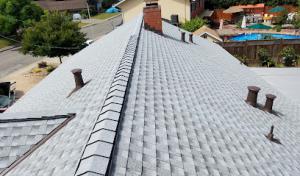
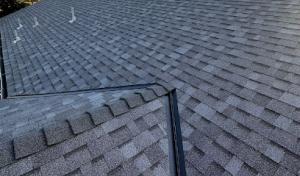
Tile roofing is a major specialty around here, so when you suspect a leak, look beyond the surface. Homeowners often misread a dripping ceiling as a global roof failure and miss the tile-specific path of water through hips, ridges, and parapets. A good Tracy-versed contractor will trace leaks along tile laps, fasteners, and bedding, not just treat it like a standard shingle system. Ask for a written header of the tile layout on your home and insist on chimney-to-rake drainage checks, where hairline cracks and misaligned hips frequently hide. If you have a clay or concrete tile roof, expect a longer diagnosis window during a wind event or after a wet spell, because tiles can crack under stress and still shed water for days before an obvious stain appears.
Flat and low-slope roofs are a meaningful slice of local work, with membrane detailing and drainage quirks that differ from steep-slope systems. In practice, that means careful inspection of scuppers, internal drains, and edge metal. Look for signs of ponding after a spring wind event or a winter rain, and verify the counterflashing around parapets is intact. Informed crews will check for fabric or ply delamination under membranes, which can masquerade as surface wear but invites leaks around seams. For remodels or reroofs, insist on a complete plan for drainage transitions from the existing deck to the new membrane, including edge termination that won't trap water in winter.
Skylight work pops up frequently in this region, and flashing around skylights deserves its own inspection checkpoint. Treat the skylight transition as a separate line item during reroof planning: inspect curb flashing, bite marks from fasteners, and the sealant bed under the flashing. A proper plan will show how the membrane interface steps down around the skylight, with attention to wind-driven rain during Santa Ana-style swings and wet-winter cycles. If a skylight is older, plan for a flashing upgrade or an overhaul of the surrounding roof seal to reduce long-term seepage risk.
Find specialists in TPO, EPDM, and built-up flat roofing systems for residential and commercial properties.
Innovation Roofing
(510) 203-0948 www.innovationroofinginc.com
266 Christopher Michael Ln, Tracy, California
5.0 from 17 reviews
Solar roofing is an active specialty in this market, so reroof planning often needs to account for roof penetrations and sequencing with solar-related work. In practice, you'll want a clear plan that layers the roof replacement and the solar install rather than attempting both at once unless the team is fully integrated. The hot Central Valley summers push crews toward dry windows, so identify a concrete dry-season plan early and align material deliveries to minimize exposure. Because penetrations drive both waterproofing and long-term performance, expect the solar installer to mark all attachment points first and have the roofer follow carefully to seal every flash, boot, and sealant joint. A well-coordinated sequence reduces callbacks and keeps warranty paths clean for both systems.
Material choice matters in this climate when planning future rooftop work, especially on tile and metal systems where penetrations and accessory details are less forgiving than basic composition roofs. Clay and concrete tiles demand precise staggered layouts around racking mounts, while metal can require careful flashing transitions at hips, ridges, and skylight penetrations. If a tile or metal roof is already in the mix, plan for extra detailing around solar rails, wiring channels, and potential vent or antenna work. Choosing a roof with compatible flashing accessories and compatible sealants now pays dividends later, especially if additional rooftop upgrades are anticipated within a few seasons.
Hot summers, spring winds, and wet-winter timing shape both installation windows and material selection. Peak heat can soften some sealants and complicate installation angles for solar mounts, so aim for mid-mock-season windows that avoid the hottest weeks and the windiest days. In wet months, prioritize any roof sections that must be opened or resealed, coordinating with the solar sequence to minimize time that exposed underlayment sits uncovered. A thoughtful plan anticipates both today's reroof needs and tomorrow's solar or accessory upgrades, keeping a reliable weather window in sight.
Find contractors who integrate solar panels or solar shingles into your roof for long-term energy savings.
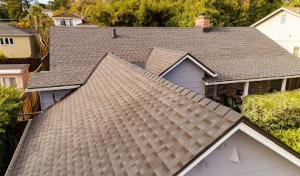

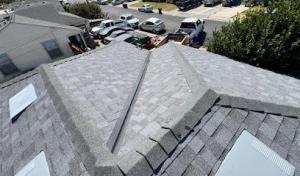
In this market, insurers are tightening up in wildfire-prone zones, and that pullback reaches the foothills of the Central Valley as well. Even when the immediate issue is age, wind, or rain rather than a major catastrophe, premiums can rise or coverage can tighten. You'll feel the impact if a roof needs replacement or a sizable repair after a windy season or a winter storm, and the claim may be weighed against the house's overall risk profile rather than just the immediate shingle issue. Knowing this helps you plan before the weather turns or a storm warning hits a forecast.
When a claim is filed or an underwriting review is triggered, you should expect specific information requests. Be ready to provide the roof's age and the roof type, plus any documentation showing wind or impact resistance where applicable. This isn't about trying to hide anything; it's about giving the insurer a straightforward picture of how your roof performs in Tracy's hot summers, spring winds, and wet winters. Having precise dates, product types, and installer notes on hand can keep the process from stalling as soon as the adjuster arrives.
Adjusters often request before-and-after photos and a contractor-signed scope, especially if the investigation centers on wind or hail events. If a windstorm or hail incident is in play, you'll want clear visuals of the roof's condition before the event and after the repairs or replacements are completed. A neighbor's shot can help establish a baseline, but ensure your own photos are timestamped and comprehensive. A signed scope from a trusted local contractor demonstrates that the work plan matched the observed damage and the expected performance of the chosen roofing system.
You'll benefit from assembling a simple, organized file ahead of any claim cycle. Gather product specs, installation details, and maintenance notes that speak to resilience in our climate. When the file is calm and complete, the review moves faster, and the risk of coverage gaps or delays drops, even in a market where insurers are more cautious than in the past.
Connect with contractors who help homeowners navigate the claims process from damage assessment to final approval.