
Last updated: Apr 19, 2026
The best full replacement window for a Manteca roof tends to be late spring through early fall. This is the period when the region's dry pattern lets decks, underlayment, and fasteners dry thoroughly between rain events and installation stages. Scheduling during these months helps crews move from tear-off to insulation and venting without the interruption that comes from wet weather. This timing also aligns with daylight and outdoor work conditions, reducing the chance that materials sit exposed at the end of the day and allowing inspections to wrap up before evening moisture can form. In practice, aim for a sequence that starts after the last substantial cold fronts have passed and finishes before the shorter days and cooler nights of late fall.
Hot, dry Central Valley summers in this area can speed thermal expansion in roofing materials and create harsher conditions during peak afternoon heat. That means crews benefit from cooler morning temperatures for tear-off and material handling, and they often stagger installations to avoid the worst heat of the day. If a project must cross into the hottest part of summer, plan for early start times, with temporary shade and hydration strategies, and ensure temperature-sensitive underlayment and sealants are scheduled for cooler pockets of the day. Material handling and roofing deck exposure should be minimized during the peak afternoon window to prevent warping or drying too quickly. For timing, a late spring start can push through mid-summer completion with fewer heat-related delays.
Winter storms in this valley can interrupt open-roof work and stress underlayment performance if a project remains exposed overnight or between inspection stages. Even a short shower can soak exposed sheathing and set back drying times, compounding delays and the risk of moisture-related defects. If wind-driven rain events sweep through in the late fall or winter, crews may need to pause work, re-seal edges, and re-check flashing and underlayment once dry conditions return. The practical takeaway is to avoid locking in a fall start that risks a rain-cancelled week, and to reserve a buffer period in the schedule for potential storm interruptions. When a project runs through shoulder seasons, plan for extra drying days and ensure the crew has a contingency window to complete critical steps before the next weather event.
Coordinate with the roofer to map out a sequence that minimizes deck exposure. Ask for a staged plan that front-loads tear-off during cooler mornings and schedules membrane installation and flashing in rising temperatures only after surfaces are dry. Build in a rain contingency of at least a few days for each expected storm period, recognizing that open-roof work becomes riskier as winter fronts move through. Confirm that the crew will perform a mid-project inspection to verify underlayment integrity and venting readiness before committing to final shingle or tile application. If possible, align material deliveries with forecasted dry spells to prevent delays caused by moisture exposure in storage areas.
If the spring window shifts toward late summer or the fall window shortens because of prior rain events, use the shoulder months to complete non-weather-sensitive tasks such as decking preparation, flashing replacements, and attic ventilation upgrades. These tasks benefit from milder temperatures and reduced humidity, which help adhesives and sealants cure more reliably. By recognizing the local climate cycles-hot, dry summers and wetter winters-the timing plan can maintain steady progress, reduce the risk of weather-driven downtime, and keep the re-roof on a predictable path toward a high-quality finish.
In this area, the long hot summers and wet winters shape how each roof type performs. Asphalt shingles, metal roofing, clay tile, concrete tile, wood shingles or shakes, and synthetic or composite shingles are all active material categories in Manteca, but they perform differently under the city's heat loading and seasonal rain. Asphalt shingles generally handle the heat well when installed with proper underlayment and ventilation, but some premium organic or lower-reflectivity variants can soak up heat and shorten life if airflow is poor. Metal roofing shines in high daytime temperatures with its low thermal mass and reflective coatings, yet some painted finishes may fade faster in the Central Valley sun. Clay and concrete tiles offer strong water shedding and a distinct Mediterranean or Spanish profile that many homes in the area favor, but they can be heavier and require a reinforced structure and careful installation to manage heat expansion. Wood shingles or shakes bring a natural look and good shedding, yet they demand robust maintenance and moisture protection to resist warping in winter moisture. Synthetic or composite shingles aim to blend performance and aesthetics, often delivering improved impact resistance and color stability under sun exposure.
Tile remains especially relevant in Manteca because much of the area's suburban housing stock uses Mediterranean and Spanish-influenced rooflines where clay and concrete tile are common visual matches. If a home features those classic silhouettes, tile can maintain architectural harmony while delivering dependable weather resistance. However, tile choices should be paired with a roof deck and framing that can support the weight, plus underlayment that accommodates seasonal moisture. In newer neighborhoods or homes with a modern aesthetic, asphalt or synthetic shingles can provide a clean look with a broad palette of colors that still reflect the high-sun conditions. Metal roofs can also complement contemporary designs, especially when combined with light-reflective finishes that help reduce attic heat. The key is balancing curb appeal with the roof's performance under sustained heat and occasional heavy rainfall.
Title 24 energy compliance matters in re-roofs, so material selection is not just aesthetic; reflectivity, assembly choices, and code compliance can influence what products make sense locally. A high-solar-reflective coating or light-colored tile can reduce heat gain and improve indoor comfort, particularly for homes with vaulted ceilings or attic spaces that tend to trap heat. For metal roofs, choosing a reflective pigment or a light-quiet finish helps minimize thermal gain, while ensuring the attachment system and insulation work in concert with local climate demands. Tile systems benefit from ventilation and proper underlayment that support cooling and moisture management. For wood shingles or shakes, selecting a fire-rated option and ensuring adequate clearance and spacing helps meet both energy considerations and safety expectations in dry, hot summers and moist winters. Synthetic or composite options often offer built-in UV stability and color retention, which can align well with energy goals while preserving long-term appearance.
In a hot-dry season-heavy climate like this, a roof that breathes well and sheds heat efficiently tends to perform best over the long run. If a home has a Mediterranean or Spanish look, clay or concrete tile with light colors can deliver both style and effective solar reflectance, provided the structure is prepared for the weight and weather demands. For renovations where weight or structural modifications are a concern, asphalt or synthetic shingles can offer a balanced option with good durability and a broad color range that still respects the overall home silhouette. If a home sits in a newer development or a cabin-like neighborhood with modern lines, metal roofing with a cool or reflective finish can pair nicely with the architectural language while offering strong heat resistance and a crisp, low-maintenance profile. Regardless of choice, ensure a thorough ventilation strategy, a moisture-aware underlayment, and a well-executed installation that aligns with the local climate realities.
Typical pricing runs about 400 to 750 per square for asphalt shingles. In the Central Valley heat, asphalt remains a predictable option for value and quick turnaround, especially when homes have simple roof layouts. If your roof has minimal penetrations and a straightforward gable, you can expect closer to the lower end of the range. Keep in mind that strong summer sun can accelerate granule wear; a timely replacement helps your warranty and energy performance. In subdivisions with more shade and fewer obstructions, labor tends to stay steadier, but the dry season demand can push scheduling into late spring or early fall.
Metal in the 500 to 950 per square range suits homes facing high heat and occasional heavy rain. Metal is favored for durability and fire-conscious material considerations, and it performs well on wider eaves and hot afternoons. If your roof deck is already reinforced for a heavier system, costs stay near the middle of the range. Heavier assemblies or complex ridge lines can push it toward the upper end. If the existing structure needs a retrofit for metal, plan for a longer project window, particularly in months when crews are scarce due to peak season demand.
Clay tile commonly lands between 700 and 1300 per square. Tile brings long life and distinctive California curb appeal, but weight and installation complexity matter here. Heavier tile systems, especially in older homes or in areas with more hips and ridges, raise both material and labor costs. In common valley subdivisions with intricate layouts, you'll notice pricing toward the higher end. Expect longer lead times in winter or during periods of heavy rain forecasts, as tile crews are in high demand.
Concrete tile runs roughly 650 to 1200 per square. It shares some weight and installation considerations with clay tile, but often provides more budget-friendly options for a tile look with different performance characteristics. In Manteca, complex hip-and-ridge roofs and penetrations add to complexity and price. If you're replacing a heavier tile system, factor in additional structural checks and potentially longer installation windows when the crew schedule tightens.
Wood shingles or shakes sit around 550 to 1000 per square. In the heat, wood can be an appealing aesthetic, but moisture and decay risk in rainy winters means you'll want quality underlayment and proper ventilation. If your house features seasonal moisture intrusion or rotting fascia, costs may edge higher due to repairs and preservation work. In areas with heavier wind-driven debris or closer tree canopies, expect more maintenance and occasional upgrades to underlayment choices.
Synthetic or composite shingles typically range 450 to 850 per square. These can offer balanced price and performance, with decent resistance to heat and a broader design palette. In subdivisions with steep or complex rooflines, installation intricacies can push toward the upper portion of the range. If lifespan and energy efficiency are priorities, composites can punch above their weight in the right configuration, especially where underlayment and ventilation are optimized.
Seasonal demand can push pricing and scheduling in Manteca because many homeowners try to book work before winter rain or after discovering leaks during storm periods. When planning, align replacement with dry spells in late spring or early fall to minimize weather-related delays and avoid peak rain windows. For heavier tile or complex valley layouts, expect longer project windows and tighter scheduling during shoulder seasons. If you need to coordinate multiple penetrations or add skylights, prepare for incremental costs tied to waterproofing and sealing, especially in homes with irregular roof geometry.
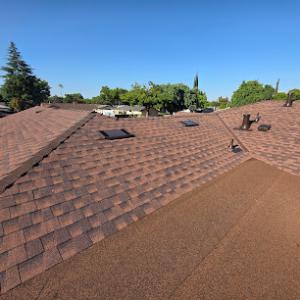
Manteca Roofing
(209) 858-2424 mantecaroofinginc.com
3019 W Lathrop Rd, Manteca, California
4.5 from 37 reviews
40+ years in business. Hello, Manteca Roofing has been in business for over 40years. We are a family own business with Andres & Javier. We specialize in reroofs, aluminum gutter installation, and flat roof coatings. Andres is the CEO with experience of 28 years, as Javier Andres’s right hand has 20 years in the industry. Andrew has a total of 5 years taking phones calls, pulling permits, salesman and labor work. We install comp shingles Presidential, Grand Sequoia, 30 year, 40 year and 50 year. Reroof estimates are FREE. We are fully licensed and bond 966256 When it comes to roofs we are the guys to call!
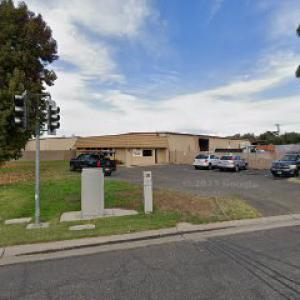
Summit Roofing Services
705 Industrial Park Dr, Manteca, California
4.7 from 6 reviews
Summit Roofing Services has spent decades building a solid reputation as one of the San Francisco Bay area’s leading commercial roofing contractors. Clients constantly rely on us to meet – and exceed – their schedules, specifications and budgets on each project we are assigned. Specializing in commercial roofing projects, multi-family properties, and roof maintenance programs, our repair personnel are trained in finding and eliminating roof leaks, implementing repair procedures compatible with the existing roof. Use of incompatible materials can sometimes do more harm than good and improper repairs can often void existing roof warranties. Summit Roofing is not just a fair-weather friend, but one that is there whenever you need us.
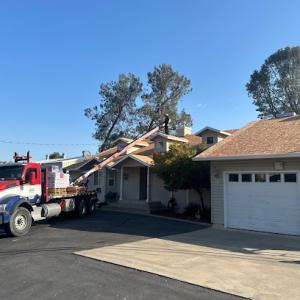
Nushake Roofing
Serving
4.5 from 104 reviews
Nushake Roofing, located at 540 Frontage Rd, is your premier roofing contractor, specializing in top-quality roof replacement and roof repair services. Our experienced team expertly handles residential roofing and flat roofing projects, ensuring each job is completed with precision and care. Whether you need commercial roofing solutions or urgent emergency roof repairs, Nushake Roofing is equipped to meet your needs. We tackle roof leak repairs efficiently, ensuring your property is protected. Rely on our comprehensive roof replacement services for lasting results. Trust Nushake Roofing for all your roofing needs and experience exceptional craftsmanship and customer service.
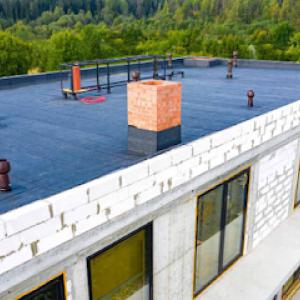
Valley Hill Roofing
(209) 481-6851 www.valleyhillroofing.net
Serving
5.0 from 7 reviews
Valley Hill Roofing, Inc. is a trusted roofing contractor based in Ripon, California, proudly serving homeowners and businesses throughout San Joaquin County and the surrounding Central Valley. With years of hands-on experience, our licensed and insured team delivers dependable roofing solutions focused on protection, durability, and long-term value. We specialize in roof installation, roof replacement, roof repairs, re-roofing, leak detection, and roof maintenance for residential and commercial properties. From minor repairs to full roof replacements, we provide clear communication, quality materials, and skilled workmanship on every project.
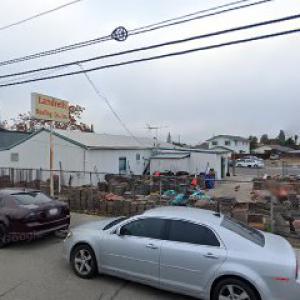
Landreth Roofing
(209) 599-2371 www.landrethroofing.net
Serving
4.1 from 34 reviews
Since 1981, Landreth Roofing, Inc. has proudly served Ripon, California and many cities in San Joaquin and Stanislaus counties. As a trusted leader in roofing solutions. With decades of experience, this established roofing contractor brings unparalleled expertise and dedication to every project. From meticulous installations to reliable repairs, Landreth Roofing, Inc. is committed to protecting your most valuable asset with superior craftsmanship and lasting quality. Discover the difference experience makes.

Barth Roofing Company
(209) 833-9917 www.barthroofing.com
Serving
3.9 from 33 reviews
Since 1996, Barth Roofing has provided quality roofing and solar services for homes and businesses in Northern California. As a second-generation, family-owned and -operated roofing contractor, we treat our customers like family and strive to exceed their expectations. We are a fully insured, licensed and bonded company with over 30 years of experience. We’re rated A+ by the Better Business Bureau and were voted Best of the Best for the City of Tracy the past six years. In addition, we’re a CertainTeed 5 Star Contractor, GAF Master Elite® Contractor and a Duro-Last Elite Contractor. All of these recognitions highlight our commitment to providing top-notch services and our dedication to our customers’ satisfaction in all of our work.
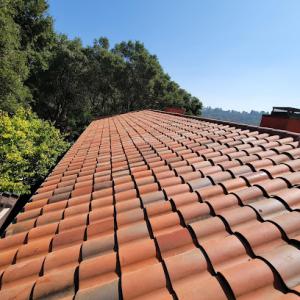
Rango Roofing Company
(209) 513-4187 rangoroofing.com
Serving
4.9 from 17 reviews
Rango Roofing Company has been a trusted name in roofing services in Stockton, CA, for 25 years. Our journey began with a simple mission: to provide high-quality roofing solutions to our community with a focus on integrity, reliability, and unmatched craftsmanship. Over the years, we've grown our business through hard work and a dedication to meeting the unique needs of each client. Our team of seasoned roofing professionals understands the challenges that come wit maintaining a roof in California's varied climate, and we are equipped to provide solutions that ensure lasting durability and aesthetic appeal.

Roof Doctors Stanislaus County
(209) 846-2377 theroofdoctors.net
Serving
4.8 from 75 reviews
"Nobody inspects, repairs and certifies more roofs or solves more roof leak problems in the Central Valley Area." Over 300,000 roofs inspected. We do complimentary roof inspections with detailed reports that include pictures. Reports sent within 24 hours of inspection. We are a licensed roofing contractor that offer repairs, replacment bids, gutter cleaning bids, gutter guard installs, and general roof maintenance. Service in the following Central Valley counties: San Joaquin, Stanislaus, Merced, Madera, Fresno, Kings & Tulare Counties.
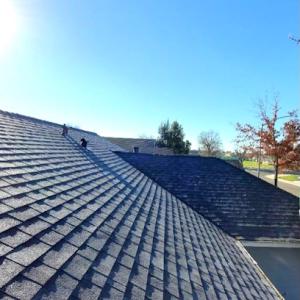
J Roofing
Serving
4.9 from 70 reviews
Welcome to J Roofing, where roofing expertise meets the warmth of a family-owned and operated company. With over 10 years of experience, we specialize in providing top-notch roofing solutions that are tailored to meet your unique needs. Our skilled team of professionals is dedicated to delivering exceptional craftsmanship and ensuring your complete satisfaction. Whether it's residential or commercial roofing, repairs, or installations, we go above and beyond to provide reliable and long-lasting results. As a family-owned business, we prioritize building strong relationships with our clients. Contact J Roofing for all your roofing needs, and experience the personalized touch that sets us apart.
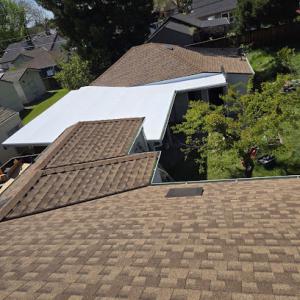
Gomez Diaz Roofing
(209) 298-1127 www.gomezdiazroofinginc.com
Serving
5.0 from 45 reviews
We offer Residential & Commercial Roofing Services In Stockton, California and Surrounding Areas. Get A Free Quote Now!

True Roof
(209) 718-7663 www.trueroofca.com
Serving
4.9 from 475 reviews
Third generation roofing contractor focused on inspecting and ensuring your roofing system is protecting what matters most. We strive to put integrity on top.
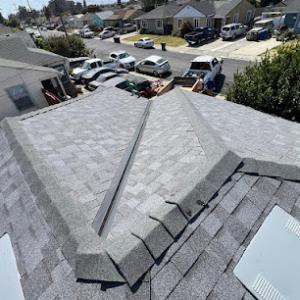
Silver Stone Roofing
(209) 817-7129 silverstoneroofing.net
Serving
5.0 from 26 reviews
Silver Stone Roofing, with its 20-year legacy, is a name synonymous with roofing excellence in Stockton, CA. We are a locally owned and operated roofing company committed to providing top-tier roofing services. Our journey began in [Year] with a passion for craftsmanship and a dedication to integrity. Over the years, we've honed our skills, embraced innovation, and built lasting relationships with our clients. Our mission is simple: to offer roofing solutions that stand the test of time. With a strong foundation in experience and a commitment to Stockton's community, Silver Stone Roofing is your go-to partner for roofing needs.
A full re-roof in this area typically requires a building permit issued through the City of Manteca Building Division rather than being treated as informal maintenance. That means you'll want to start the process before any shingles start flying. The permit acts as a safety net to ensure the roof assembly meets current wind uplift standards and fire-conscious material choices, which matter a lot in this Central Valley climate. Skipping or rushing the permitting step can lead to noncompliant work that surfaces later-sometimes after a neighbor notices the blinking of a temporary patch or after a property transfer. Plan to gather the paperwork early, including plans from the contractor that show underlayment, ventilation, and fastener details aligned with local expectations.
After permit issuance, plan review and scheduled inspections are the norm in this city. The sequence is not instantaneous; it requires coordination with the Building Division and the contractor's schedule. If a season pushes hot days or wet weeks, timelines can shift, and that can extend the project window more than anticipated. Expect at least one post-issuance site inspection during roof removal and another during the finished-coverage stage. Municipal timing plus contractor availability means you should build a buffer into your project calendar, especially if rain fronts or heat waves are forecast. In practice, the longer you wait for an inspection window, the more you risk weather-related delays that complicate the warranty coverage and the adherence checks tied to wind uplift and ventilation.
The city may enforce licensed-contractor requirements along with compliance checks tied to wind uplift expectations and California Title 24 energy standards during the re-roof process. That means a non-licensed worker or unapproved products can trigger stop-work orders or require rework that dents schedules and pockets. Some neighborhoods see stricter enforcement in older homes where rafters and sheathing show their age, making exact adherence to fastener patterns and underlayment standards even more critical. Expect inspectors to verify that the selected materials align with fire-conscious considerations and that roof vents, attic openings, and radiant barriers, if installed, meet the current energy-efficiency expectations. If any amendments are requested, address them promptly to minimize back-and-forth and the risk of weather-related exposure if the project stalls.
Coordinate with the licensed contractor to align permit submission and plan-review milestones with typical Manteca weather windows. Summer droughts, autumn wind alerts, or winter rains can affect when inspections are scheduled. Maintain open lines of communication with the Building Division, and keep a clear record of all permit-related correspondence. The goal is a compliant, weather-resilient roof that passes every wind uplift and energy-code check without triggering costly rework due to misaligned permit documentation.
In Manteca, winter rain is the season most likely to expose underlayment failures, flashing defects, and deferred maintenance that stayed hidden through the dry months. After a dry summer, shingles and edge materials can look sound while the underlayment sits vulnerable to soaking. When a long, steady rain hits, any small seam or ridge crack can become a water path that travels to the attic or interior rafters. If the roof shows signs of age or soaks through after a storm, the first thing to inspect is where water enters around skylights, vent flashing, and chimney bases. Proactive checks after the wet season can prevent widespread damage-especially on older roofs or those with mixed materials. Look for peeled protective membranes at eaves, loose nails, and granule loss along gutters and valleys. Because leaks often start where it's easiest to spot moisture, don't rely on surface appearance alone-inspect beneath the decking in the attic after a heavy rainfall, and address even small dark spots or damp rafters immediately.
Spring and fall winds in the Manteca area can blow debris onto roofs and create gust-related vulnerability when shingles, ridge materials, or tile edges are aging. Loose granules, uplifted edges, or cracked ridge caps are warning signs that the roof is not fully prepared to take a gusty stretch without letting moisture into the structure. Before wind season peaks, perform a focused edge and ridge inspection: check every seam, sealant bead, and mortar line around tile edges or metal flashing. If debris has accumulated in valleys or against fascia, remove it promptly to restore proper drainage. Ensure gutters and downspouts are clear so that rainwater can move freely away from the roof line during sudden wind events. Address any movement in flashing or sealant now, because wind will exaggerate small defects into larger leaks.
Wildfire season can affect air quality and jobsite access around the broader region, which can complicate emergency response and replacement scheduling even when the roof issue itself is not fire damage. Plan for potential access restrictions or restrictions on working windows, and keep a clear route to the roof for emergency crews or contractors. If a professional visits during poor air quality days, confirm safety protocols and filtration for workers on site. Prioritize securing vents, edges, and flashing before winds and smoke intensify, and arrange flexible scheduling to avoid days when access might be limited or visibility is compromised.
Find local contractors experienced in assessing and restoring roofs after hail, wind, and severe weather events.
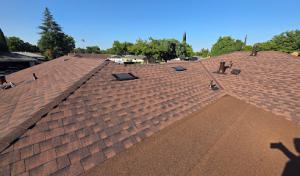
Manteca Roofing
(209) 858-2424 mantecaroofinginc.com
3019 W Lathrop Rd, Manteca, California
4.5 from 37 reviews
When a roof issue hits your home in this area, the insurance environment has shifted toward tighter coverage and closer scrutiny. wildfire risk and storm variability have tightened options, and carriers are paying closer attention after roof-related claims. The result is more careful decision-making at the claim stage, with a focus on what a replacement or repair actually delivers in terms resilience and overall risk. You'll want to understand that coverage decisions may hinge on the year's wildfire activity, recent storm patterns, and how the work aligns with protecting the home against summer heat and winter rain.
Carriers may look more closely at documentation, installation details, and whether replacement materials improve wind and fire resistance, especially during wildfire-prone parts of the year. Prepare to show a clear record of the roof's condition before the claim, including photos of damage and any interior impact from leaks. Interior staining, compromised attic ventilation, and signs of water intrusion should be documented promptly. If temporary mitigation steps were taken, keep receipts and notes detailing time, weather, and the areas covered. The adjuster will review how well the proposed fix or replacement addresses both wind forces and flame exposure common to this area.
For claims, homeowners should expect adjusters to review roof changes carefully and should document storm-related leaks, interior staining, exterior damage, and temporary mitigation steps in detail. Be prepared to discuss the age and condition of surrounding roofing components, such as underlayment and flashings, since those details influence wind uplift resistance and fire performance. In practice, this means a proactive, organized file: a timeline of events, photos from multiple angles, a list of affected rooms, and clear notes about any temporary repairs. That level of detail helps you navigate the process without surprises when the settlement is determined.
Connect with contractors who help homeowners navigate the claims process from damage assessment to final approval.
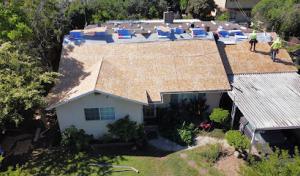
In this city, many homes blend steep visible tile surfaces with lower-slope additions and porches. That mix creates edges where water can linger longer and leaks can begin on sections that aren't obvious from the ground. Start by mapping every roof plane on your home: note which sections are traditional tile on steep pitches and which are low-slope or patio-style roofs. Prioritize inspections where the transitions occur, because those junctions are common leak paths after winter rains. When you perform an annual walk-around, pay special attention to cracked or loose tiles at hips and valleys that feed water toward the underlayment and fascia.
Low-slope sections in this market take the brunt when drainage slows or runoff pools. A guttered system that allows standing water on a low-slope area is not a luxury but a trigger for underlayment deterioration or moisture intrusion. Track where drainage is marginal: are downspouts effective, is there ponding near door flashings, and do scuppers vent correctly? If you notice prolonged dampness after a storm, treat it as a warning sign rather than a cosmetic issue. Consider temporary measures like clearing debris and ensuring proper slope, but plan a professional assessment if you see recurring damp patches or mold growth on interior ceilings adjacent to these zones.
Tile roofs in this area rely on a robust underlayment because the visible surface can mask hidden failures. Leaks can begin where tiles appear intact but the underlayment has aged, cracked, or shifted under heat and movement. During diagnostics, verify that underlayment is continuous beneath both high- and low-slope sections, and don't overlook flashing at chimneys, vents, and transitions to tile flats. If an inspection reveals soft decking, warped boards, or rusted metal underlay components, address those before the next rainy season. Leaks in tile systems are often related to the underlayment life cycle rather than surface wear alone.
Find specialists in TPO, EPDM, and built-up flat roofing systems for residential and commercial properties.
Manteca Roofing
(209) 858-2424 mantecaroofinginc.com
3019 W Lathrop Rd, Manteca, California
4.5 from 37 reviews