
Last updated: Apr 19, 2026
In this inland East Bay setting, the pattern is clear: hot, dry summers followed by the bulk of the rain in winter. That means leak discovery and replacement urgency often spikes after the first seasonal storms. When planning a replacement, recognize that the window between dry, sunny days and the start of winter storms can feel narrow. Weather forecasting matters more than a calendar date, and you'll want to align work with forecasts that keep the roof deck dry and the crew productive. Fall is a transitional period where you'll see more wind, dust, and debris, which can complicate scheduling if gutters and surrounding areas aren't prepped.
The geology of the local housing stock leans toward tile and asphalt re-roofing, so the selection should balance heat resistance, water shedding, and fire considerations. Asphalt shingles stay common for cost-efficiency and straightforward renewal, but if durability in high heat is a priority, look to metal or concrete tile options that reflect more sun and resist rapid thermal cycling. Clay tile brings a classic look and excellent heat tolerance, but weight, roof structure, and installation nuance matter in a wildfire-aware mindset. Synthetic or composite shingles offer a modern balance of versatility, lighter weight, and surface coatings designed for extended weather exposure. Each option interacts with attic ventilation, underlayment quality, and deck condition, so verify that the system underneath can handle the chosen top layer without compromising airflow or moisture control. When fire considerations are a primary driver, prioritize assemblies with Class A fire ratings, non-combustible underlayment, and rain-shedding configurations that minimize exposure to embers.
The time to replace is rarely arbitrary. Target a stretch when the days are dry, the wind is calmer, and the ground is firm enough for truck access to the job site. In practice, that means late spring through early fall for major tear-offs and deck repairs, with contingencies for an early-season storm that moves early in the winter pattern. If a replacement must occur during the shoulder seasons, plan for extra drying time between removal and new roof installation to ensure the interior stays dry. Consider heat management during material staging: protect bundles from direct sun, and schedule the hottest segments of work for early or late in the day to reduce worker fatigue and material warping. If a full tear-off is on the table, inspect the roof deck for moisture before reinstalling; a dry deck supports a tighter underlayment and better shingle adhesion, especially with asphalt or synthetic overlays.
Fall wind events are a common disruptor in this inland setting. Debris can land on exposed roof decks and complicate tear-off sequencing. Prepare by cleaning the roof and gutters ahead of any major work, securing loose materials, and establishing a debris net or containment strategy where possible. Schedule tear-offs for days with the most favorable forecast windows, and build in buffer time for gusty afternoons that could stall progress or require additional cleanup. When wind is forecast, ensure temporary cover for open sections, and have a contingency plan to pause work if debris risk becomes unacceptable. This approach helps protect the crew, the interior, and the newly installed sections from wind-driven damage.
The wildfire-aware pressure peaks in dry seasons, so timing also hinges on improving insurability. Coordinate with your roofer to optimize a sequence that minimizes exposure time for exposed decks and reduces the window when the interior is vulnerable. If you anticipate policy changes or higher scrutiny during fire season, plan earlier in the off-peak months to lock in weather windows and ensure materials and crews are ready ahead of the peak risk period. A methodical, staged approach-pre-inspection, deck stabilization, underlayment inspection, and careful shingle alignment-helps build a withstand-and-insure narrative that aligns with Brentwood's seasonal realities.
In hot inland summers with a wet winter pattern, the way a roof handles heat and moisture is everything. The dominant residential materials in Brentwood-asphalt shingles, clay tile, concrete tile, metal roofing, wood shingles or shakes, and synthetic or composite shingles-each respond differently to long, blistering summers and periodic heavy rains. The choice should balance heat reflectance, moisture management, and long-term durability under Mediterranean-influenced rooflines that are common in the area. Understanding how each option behaves in the valley's sun and occasional storm helps you pick a system that stays cooler, lasts longer, and reduces attic stress.
Tile roofs are a staple in many suburban neighborhoods featuring Mediterranean- or Spanish-inspired rooflines. In Brentwood, tile remains attractive for its endurance and classic look, but underlayment age becomes a critical factor for a successful re-roof. When the field tiles look reusable, the real decision hinges on the integrity of the underlayment and the roof deck beneath. If the underlayment has reached the end of its life, you face a larger replacement project even if the surface tiles could be preserved. Metal or synthetic underlayments that resist heat and moisture gain popularity here, but installation quality is paramount, because a poorly sealed underlayment can trap heat and moisture and shorten the roof's effective life.
Asphalt shingles continue to be a practical, familiar option in this climate, offering a straightforward path to a solid roof without radical roofline changes. Metal roofing, on the other hand, shines in Brentwood's heat: it reflects more solar energy, can be installed in lighter profiles to reduce attic heat gain, and tolerates mounting equipment or solar arrays more easily. For hot days, the installer's approach matters-hot-working conditions require attention to shingle or panel expansion, fasteners, and alignment to prevent warping or leaks. If a home already features metal or asphalt, upgrading to higher-reflectance materials or cool roof coatings can further mitigate attic heat-an advantage in a climate where attic temperatures can soar.
Wood shingles or shakes offer a distinctive texture and look that many Brentwood homes value. They perform well when properly ventilated and protected with appropriate coatings, but they demand meticulous maintenance to prevent moisture-related issues and insect activity in damp winters. In hot days, rapid drying of wood fibers can lead to faster aging if ventilation around the attic or eave lines is constrained. When choosing wood, consider treatment options and the potential for increased maintenance cycles compared to synthetic alternatives that mimic the same aesthetic with lower upkeep.
Synthetic or composite shingles provide a middle ground between cost, appearance, and resilience. They can mimic the look of slate, wood, or traditional asphalt while offering improved longevity and greater resistance to heat and moisture. For a Brentwood home, these systems can deliver a consistent color and texture that remains stable under sun exposure and seasonal rain, with easier replacement of individual sections if damage occurs.
Given Brentwood's hot-summer environment and the risk of wildfire-season insurance pressure, timing a replacement to align with underlayment condition, ventilation adequacy, and the integrity of the roof deck is critical. Consider a comprehensive roof evaluation that includes attic ventilation, insulation performance, and flashing integrity across all transitions. A well-timed replacement reduces the chance of cascading failures in the deck or underlayment, preserving energy efficiency and reducing the likelihood of heat-driven degradation on very hot install days. In a community with Mediterranean-inspired rooflines, maintaining the aesthetic integrity while prioritizing underlayment health and energy performance is the practical path to a durable, visually cohesive roof.
During the hot inland summers, roofs bake and dry, but the real test comes when the cooler season hits. In this climate, Brentwood's rain concentrates in a relatively short window, and aging flashings, valleys, and underlayment are often quietly failing no matter how solid they look in the sun. When the first sustained downpour arrives, those hidden weaknesses reveal themselves as slow drips or sudden cascades. You may discover a leak only after a week of wet weather, when the snowball effect of repeated storms undermines a compromised seam or vent boot. The result is a flood of problems that can escalate quickly if not addressed promptly.
Don't wait for a visible waterfall to take action. Look for staining on ceilings, especially following a rainstorm that rattled the gutters or flashed over the eaves. Check inside attic spaces for damp spots, musty odors, or evidence of daylight where flashing should seal the deck. Outside, inspect valleys, chimney-to-roof intersections, and around vents-these are the first risk points during wet stretches. If shingles or tiles appear blistered, curled, or debonded after a wet spell, that's a red flag indicating moisture is bypassing the protective layers beneath.
Winter is not the season for graceful interruptions in work. Project delays are common during rainy stretches because tear-offs, dry-in work, and final completion depend on workable weather windows. If a leak is present, prioritize quick stabilization: tarp or cover exposed areas to limit interior damage, then schedule a professional assessment as soon as a weather break allows. In storms after storms, emergency repairs become a practical necessity, and the local contractor market shows strong demand for rapid response. Prepare for a rapid mobilization if a weather window opens: the sooner a pro can pin down a source, the less interior damage and disruption.
Start with a documented inspection after each significant rain event. Photograph suspect areas, note exact locations, and keep a running log of when leaks occur. Have a trusted contractor perform a moisture survey and flashings assessment, focusing on valleys, penetrations, and underlayment seams. For ongoing protection, discuss high-water-table risk areas on the roof deck and consider maintenance cycles that preempt granular aging or sealant failures before winter storms arrive. If a leak is found, act decisively: small issues become expensive, disruptive repairs once water begins to flow freely. A fast, targeted fix now reduces the chance of widespread interior damage as temperatures swing and storms persist.

Town & Country Roofing & Solar
2155 Elkins Way Suite H, Brentwood, California
4.1 from 19 reviews
Town & Country Roofing & Solar, located in Brentwood, CA, is a GAF Gold Elite Commercial Contractor and GAF Master Elite Residential Contractor. For over 40 years, we have been providing premium commercial and residential roofing and solar panel installation. From small leaks to full roof replacements, our experienced, licensed roofers can handle it all. We offer warranties and free estimates, ensuring confidence and quality. Call us for reliable roofing and solar services backed by decades of expertise!
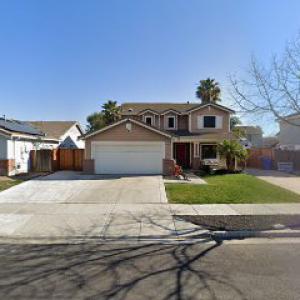
Bailey's Roofing
(925) 334-0180 baileys-roofing.com
224 Brushwood Pl, Brentwood, California
5.0 from 2 reviews
We're your go-to residential roofing and gutter installation specialists
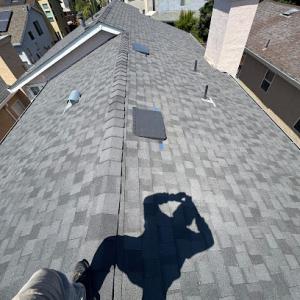
Lopez Roofing
(925) 483-0044 roofinglopezinc.com
Serving
5.0 from 11 reviews
Specializing in roofing & Gutters is your trusted partner for expert residential upgrades.
Steve Roofing
Serving
4.9 from 16 reviews
Steve Roofing Specializing in all your roofing needs. Cedar Shake, Asphalt Shingles, Tile Roof, Flat Roof, Gutter Repair/Cleaning. All types of roof Commercial building Please call today to get your free estimates (20mi Radius of Modesto, CA.) or second opinion.
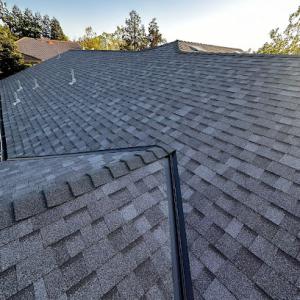
RECO Roofing
(510) 343-4603 www.recoroofinginc.com
Serving
5.0 from 14 reviews
RECO ROOFING holds two decades of experience delivering top-notch roofing services. We prioritize quality installations using the latest roofing technologies and best materials, ensuring your roof's longevity and performance. We are the Best Roofing professionals in Northern California. We offer FREE Roof Quotes / Consultations. We service your area, check out our website for more details and our portfolio!
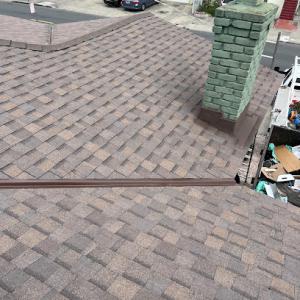
East Bay Roofing
(925) 775-9920 eastbayroofinginc.com
Serving
5.0 from 8 reviews
East Bay Roofing is a leading roofing company serving the Bay Area for all their roofing needs. With 15+ years of experience you will receive expert services with competitive pricing. Call, text or email to discuss your needs and receive your free estimate. Hablamos Español! Services: • Roofing: New installation and repairs on all types. Composition shingle, tile, single ply flat roofing •Gutters: New installation, repair, cleaning
Dynamic Roofing
(925) 755-8482 dynamicroofbayarea.com
Serving
5.0 from 24 reviews
Roofing services, roof repairs, and gutter installation
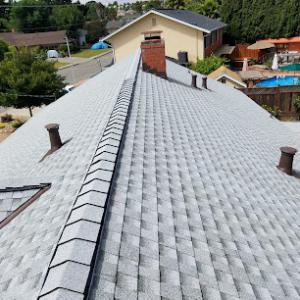
P.R.I. - Premiere Roofing
(925) 453-6240 pripremiereroofing.com
Serving
4.9 from 96 reviews
PRI-Premiere Roofing is a trusted roofing contractor in Livermore, CA, proudly serving the East Bay and Bay Area since 2016. As a family-owned and operated company, we specialize in residential and commercial roofing, including roof repairs, replacements, gutter services, painting, storm damage restoration, and more. Our certified, licensed, and insured team works with top brands like CertainTeed, Owens Corning, and IB Roof Systems to deliver durable, energy-efficient solutions. With 300+ 5-star reviews, we’re the go-to choice for quality roofing, expert craftsmanship, and dependable service.

Neram Roof Repair & Install
(916) 234-2525 antiochroofrepair.com
Serving
4.8 from 17 reviews
At Neram Roof Repair & Install, we're on the cutting edge of both roofing and landscaping services. We're committed to delivering unparalleled expertise, craftsmanship, and personalized solutions to our valued customers. With an unwavering commitment to quality and integrity, our team of professionals leverages state-of-the-art tools and techniques to provide comprehensive roof maintenance, installation, and repair services. We extend our passion for excellence to intricate landscaping designs, transforming outdoor spaces into vibrant and functional masterpieces. AtNeram Roof Repair & Install, we strive to leave our mark on every project, creating lasting impressions and elevating your property's aesthetic appeal.
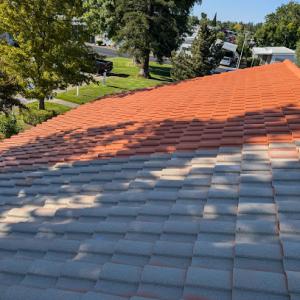
Goode Painting
(209) 650-3836 www.goodepaintingco.com
Serving
5.0 from 25 reviews
Goode Painting is a licensed painting and home-services provider with over 20 years of experience. We specialize in roof cleaning and soft washing, pressure washing, roof coatings, residential and commercial painting, solar panel cleaning, bird netting, window cleaning, and exterior repair work. Whether it's restoring your roof, refreshing your property, or taking on a custom project, feel free to reach out with any questions.
Mel's Roofing
(510) 228-5247 www.melssroofing.com
Serving
5.0 from 57 reviews
MEL’S ROOFING is here to maximize your budget with top of the line Roofing services. With over 10 years in the roofing industry we can ensure the quality of our work is well above average.

All American Roofing & Gutters
(855) 235-0472 masterlineroofing.store
Serving
5.0 from 5 reviews
Based in Oakley, All American Roofing and Gutters is your premier choice for comprehensive roofing solutions. Our seasoned professionals specialize in all aspects of roofing, from initial installation to meticulous repairs and full replacements. We are dedicated to providing top-quality craftsmanship and reliable service to protect your home for years to come. Trust our expertise to elevate the safety and aesthetic of your property.
In Brentwood, clay and concrete tile systems are common enough that homeowners need to distinguish between broken visible tiles and the hidden waterproofing layer beneath them. A tile wall or surface crack might look minor, but underneath there can be compromised underlayment or cracked fasteners that let moisture migrate into the roof deck. If a tile is displaced or broken, inspect not just the visible break but the surrounding area for leaks, staining, or soft decking. When replacement tiles are installed, ensure the underlayment is compatible with tile and can resist prolonged heat, frequent summer expansion, and occasional heavy rains. The goal is a system that keeps water from seeping into the roof deck even if a tile is damaged rather than relying on a cosmetic fix.
Skylights are a meaningful local specialty signal, making curb flashing and tie-ins especially relevant on tile and shingle roofs during re-roofing. The exposed nature of skylight curbs can become a weak point if flashing is not integrated with the tile or shingle pattern. When planning a re-roof, verify that the skylight flashing is upgraded to modern standards and that the counter-flashing ties into the adjoining tiles or shingles without creating a trap for water. Consider a continuous, integrated drip edge around skylights and ensure sealant joints are compatible with long summer heat swings and winter moisture. A small misstep here can become a stubborn leak that resists easy repair.
Solar roofing is an active local specialty, so penetrations and future reroof coordination matter for many homes with or planning rooftop solar. Penetrations for mounting hardware, conduit routing, and edge sealing must be planned to avoid recurring leaks as the roof ages. On tile roofs, ensure the mounting system allows movement with expansion and contraction, and that flashing around racking stays in place through seasonal heat. If solar is on the horizon, coordinate with the chosen roofing materials so the roof deck and underlayment are compatible with long-term solar integration. Poorly planned penetrations can become persistent water paths that undermine tile performance and require early, costly repairs.
Find contractors experienced in skylight installation, flashing, and leak repairs to bring natural light into your home.
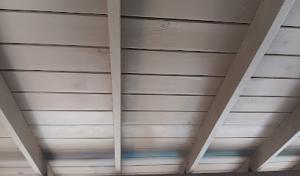
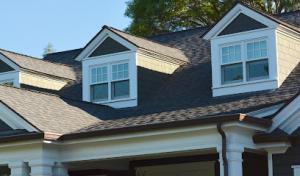
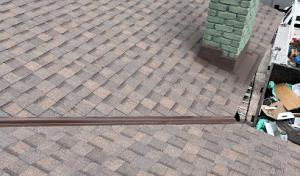
Typical Brentwood pricing ranges provided for this market are $350 to $550 per square for asphalt shingles, $700 to $1100 for metal, $900 to $1500 for clay tile, $750 to $1300 for concrete tile, $600 to $1100 for wood shingles or shakes, and $550 to $900 for synthetic or composite shingles. When budgeting, these ranges matter because they reflect what local crews see in this hot inland climate, where tile and asphalt re-roofing are common alongside a straightforward city permit process. Use these numbers as your starting point for comparing bids.
Costs in Brentwood often rise when tile roofs require lift-and-reset work, underlayment replacement, or broken tile matching rather than a simple shingle tear-off. If several tiles are cracked or mis-matched, a contractor may need extra trips, more labor, and careful color coordination, all of which push the total beyond a straightforward tear-off cost. For metal or synthetic options, the premium often reflects longer-term durability against heat and wildfire season, but installation complexity can still add to the bill.
Seasonal demand can push pricing and scheduling when winter leaks trigger urgent replacements or when homeowners try to complete projects before peak summer heat or wildfire season. If a window closes due to weather or fire-season insurance pressures, expect tighter schedules and higher labor availability costs. Plan ahead for a potential bump in cost and a tighter start window if rain or cold fronts threaten the project timeline.
Asphalt shingles remain the most economical per square, while clay and concrete tile bring higher upfront costs but longer life and energy benefits. Wood shingles or shakes sit in the middle, with synthetic or composite shingles offering a balance of price and durability. Weigh heat resistance, expected lifespan, and maintenance needs when selecting to align with Brentwood's hot summers and wet winters.
Get a clear picture of your project costs upfront - no commitment required.

Town & Country Roofing & Solar
2155 Elkins Way Suite H, Brentwood, California
4.1 from 19 reviews
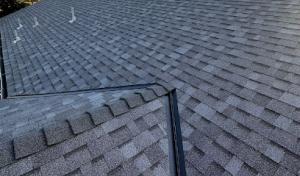
The City of Brentwood requires a building permit for roof replacements. Before any roofing work begins, you'll want to line up the permit so your contractor can pull the necessary documents from the Building Division. The process here is straightforward for standard re-roofing, especially if there are no structural changes on the plan. If your project involves altering roof structure, adding penetrations, or modifying load paths, the review tends to become more involved. Planning ahead helps prevent delays and keeps the project on track through Brentwood's typical warm-to-hot season and wetter winter period.
Inspections are typically scheduled through the Brentwood Building Division at the rough-in or underlayment stage and again at final completion. The rough-in/underlayment check is your early signal that the roof deck, underlayment, and flashings are installed correctly and able to handle the coming wet season. The final inspection confirms that the finished roofing system, vents, and penetrations meet code and local standards. Coordinating these inspections with your contractor's timetable helps avoid rework and potential hold-ups during peak home improvement months.
Plan review is generally straightforward for standard re-roofing in Brentwood, but becomes more involved when structural modifications are part of the project. If there are changes to rafters, trusses, or support details, be prepared for additional documentation and possible engineering review. Your contractor should anticipate these steps and factor in the timing impacts of a more complex review, especially when wildfire-season insurance considerations and wind-load factors come into play for materials selection and attachment methods.
California homeowners insurers have tightened underwriting, and that affects Brentwood owners making roof material and replacement-timing decisions in wildfire-aware areas. The heat of inland summers and the windy, wet winters push carriers to scrutinize the long-term resilience of every roof choice. When choosing materials, consider how an insurer might view fire resistance, wind performance, and maintenance history. The more predictable and durable the roof, the better your standing with underwriters who know this market's risks.
Some carriers are limiting wind or hail coverage in wildfire-prone parts of the state, so homeowners benefit from detailed contractor estimates and strong roof-condition documentation. A well-documented replacement plan that includes product data, installation notes, and anticipated performance under local weather patterns helps reinforce a claim's legitimacy if a future event tests the system. In this climate, it is common for adjusters to request corroborating evidence that matches the scope of work.
Pre-loss and post-loss photos, scope notes, and material details are especially important in Brentwood claims because adjusters increasingly expect thorough documentation before approving roof-related payouts. Maintain a dated archive showing existing conditions, material samples or catalogs, and any prior repairs. When a claim is on the table, this repository supports faster decisions and reduces back-and-forth delays during a wildfire-relevant fire season. Practically, commit to a clear, organized photo sequence that tracks roof angles, penetrations, and edge details over time.
Connect with contractors who help homeowners navigate the claims process from damage assessment to final approval.

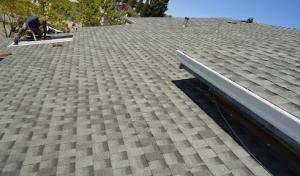
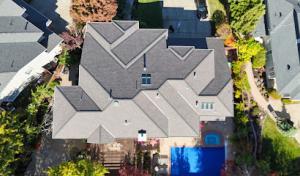
In this town, the re-roofing market favors practical, fast turnarounds with reliable cleanup and straightforward pricing. Local crews expect to cover the job quickly and leave the site tidy, so you'll notice bids that emphasize dry-in speed and minimal on-site disruption. Family-owned firms are common and carry a reputation for steady follow-through on warranties and callbacks, which matters when the summer heat returns or winter rains test the seams.
Look for contractors with a solid Brentwood track record and clear communication habits. Long-established, family-owned businesses tend to offer more predictable scheduling and stable warranty service. Focus on those that regularly complete residential re-roofs, not yachts of new-construction portfolios, as their crews are tuned to common home layouts and the typical roof ages in town. Check local references and ask specifically about response times if a weather event brings rapid needs.
When you request bids, demand a tight scope: which layers are being removed, underlayment type, drip edge, and fastener choices, plus waste containment and site protection. Because cleanliness matters here, require daily cleanup and a final debris sweep. Expect bids to differ in dry-in strategy-some crews prioritize a longer-weather window between teardown and tarp, others push for back-to-back workdays to minimize exposure.
Residential re-roofing often centers on logistics and speed rather than novelty. Confirm start windows, expected daily progress, and the plan for weather interruptions. A common Brentwood pattern is to stage materials efficiently, protect landscaping, and maintain a clear pathway around the house. You want a crew that visibly manages the site, seals off unfinished areas promptly, and finishes with a thorough walk-through.
Ask about warranty coverage specifics and who handles callbacks. Local firms with steady staff tend to honor warranty work without delays, thanks to established lines of communication. Clarify how long a representative will be accessible after completion and what the standard response time is for any post-install questions or issues.
Get a clear picture of your project costs upfront - no commitment required.
Town & Country Roofing & Solar
2155 Elkins Way Suite H, Brentwood, California
4.1 from 19 reviews
Flat-roof specialization is active in Brentwood even though the city is better known for pitched residential roofs. When additions, patios, or low-slope sections are built or retrofitted, a well-planned flat or low-slope roof becomes a practical extension of the home. The heat of hot summers and the heavy winter rain pattern converge on these spaces, so a flat roof in good condition can extend living space while resisting weather exposure. Expect higher vigilance on drainage, flashing, and membrane integrity in these areas.
These low-slope areas are especially vulnerable during Brentwood's winter rain season because drainage problems show up quickly once storms begin. A flat roof relies on clear channels for water to flow to scuppers or gutters. If your addition has parapets, edge details, or transitions from a pitched main roof, those junctions can trap water or debris. Plan for a dedicated internal drain or well-specified gutter layout, and detail scupper placement to keep flow away from walls and interior transitions. Regular spring and fall checks can catch leaf buildup or small blockages before a leak becomes apparent.
Mixed-roof homes in Brentwood may need different scopes for the main pitched roof and attached low-slope sections rather than a one-system replacement approach. When the primary roof is asphalt, clay, or concrete tile, the flat addition often benefits from a compatible membrane system or a light-weight metal interface, rather than a full re-roof of the entire structure. Ensure flashing details at the interface are engineered to accommodate differential movement between high- and low-slope planes. Coordinating colors and textures at the transition helps maintain curb appeal while keeping water out.
With flat roofs, the maintenance calendar deserves attention. Inspecting for membrane edge uplift, seam integrity, and UV degradation of any surface coatings becomes a seasonal habit. In the hotter months, sun exposure can accelerate aging of flat-roof materials, so consider reflective or lighter-colored membranes if the system allows. After significant rain, check for damp or soft spots near penetrations, vents, and HVAC equipment. Quick action on minor blisters or seam separations helps avoid larger repairs later and preserves the performance of the entire addition.
Find specialists in TPO, EPDM, and built-up flat roofing systems for residential and commercial properties.
Town & Country Roofing & Solar
2155 Elkins Way Suite H, Brentwood, California
4.1 from 19 reviews