Last updated: Apr 19, 2026
In Encinitas, neighborhoods closer to the ocean face marine-layer moisture and salt air that accelerate corrosion at flashings, fasteners, vents, and metal accessories even when the roof covering itself still looks serviceable. The most vulnerable points are where salt-laden air pools around roof penetrations and along the drip edge. When you plan a reroof, you're not just choosing a tile or shingle pattern; you're choosing how long metal flashing and fasteners will last in a steady marine environment. Focus on corrosion-resistant materials for every penetrant detail: the vent boots, the chimney flashing, the edge metal, and all fasteners. A roof that looks pristine on the surface but shows rust halos around the fasteners a few years in will suffer leaks at the worst possible times.
The blufftop and canyon-influenced areas see stronger wind effects during Santa Ana events, which matters for ridge details, tile attachment, edge metal, and debris impact from nearby vegetation. Wind-driven uplift can loosen tile or force marginal edges to flex, exposing underlayment. For tile systems, verify that ridge ties, fastener patterns, and edge clips are designed for higher wind uplift, and request a matching wind-rated installation approach from the crew. Do not assume a tile layout that looks correct in calm weeks will hold through a windy fall breezing through canyons. Edge tiles should be anchored securely, and any exposed edge metal should be sturdy enough to resist bending or tearing when branches or palm fronds rattle above.
Because Encinitas has mild temperatures but repeated moisture-dry cycles from coastal fog and winter rain, underlayment and flashing condition often becomes the deciding factor in reroof timing rather than dramatic heat damage alone. An underlayment that remains pliable under salt-laden fog and seasonal condensation helps prevent hidden leaks. Flashings should be selected for coastal longevity-think non-corrosive alloys or protective coatings-and installed with careful sealing at the corners and joints. Even if the tile or shingle layer looks fresh, failing flashing or wrinkled underlayment can let moisture migrate inward, especially where roof-to-wall transitions occur or around chimneys and vent stacks. A proactive reroof plan should include a close check of all flashing heads, counters, and any transitions to walls or parapets after the wet season.
Start with a visual walk from the ground after a heavy marine incident or a windy Santa Ana: look for loose ridge cap tiles, exposed edge metal, or any signs of corrosion around fasteners and vent penetrations. If possible, have a close-up inspection near roof penetrations done by a licensed contractor who can probe for hidden corrosion behind flashings. Ask for a corrosion resistance evaluation on all metal components, and ensure fasteners are corrosion-resistant stainless steel or coated to resist salinity. Inspect the drip edge and gutter lines for salt buildup and note any staining that could indicate slow leaks behind tiles. Pay attention to areas where vegetation debris collects, since organic matter can trap moisture and accelerate wear on flashing and underlayment.
Tile-heavy neighborhoods benefit from systems that tolerate coastal moisture and wind without excessive maintenance. When selecting roof systems, consider how each option handles salt exposure and uplift. For example, choose fastening patterns and clip configurations that resist wind uplift, and pair them with flashings designed for coastal use. If you're weighing clay or concrete tile versus metal, factor in the propensity for salt air to impact metal accessories and the wind-driven exposure on ridges. In areas with frequent marine exposure, a thoughtfully engineered roof that emphasizes robust flashing detail, corrosion-resistant fasteners, and wind-aware tile attachment becomes the most reliable long-term choice.
Clay and concrete tile dominate the look and feel of the neighborhood, and that profile is more than aesthetics. In Encinitas, the tile often serves as the visible face of a waterproofing system that is aging underneath. Broken field tiles, slipped tiles, and aging underlayment are common reroof scenarios because the coastal climate puts stress on each layer differently than inland rooftops. When choosing a replacement or retrofit strategy, prioritize a system that keeps the water out even as the surface tiles weather over decades. Expect that the tile's surface may survive, while the waterproofing below shows more wear and tear.
On older tile roofs, leaks typically trace back to underlayment, valleys, penetrations, and wall transitions rather than wholesale tile failure. The tiles themselves can appear sound while the waterproofing has degraded at critical junctions. Look closely at valley pans, step flashings, roof-to-wall transitions, and where chimneys or vents penetrate the roof line. A practical approach is to treat the tile surface as a weather-facing skin, with the real leakage risk located at the seams and terminations beneath it. If water stains appear on ceilings after a wind-driven rain, investigate the flashing and underlayment first.
Salt exposure near the coast makes metal flashings and fastening components under tile especially important, since corrosion can develop out of sight before interior leak staining becomes obvious. In practice, that means confirming that metal edges, nails, clips, and flashing knees are corrosion-resistant and properly installed. Santa Ana winds can lift or shift tiles, stressing fasteners and sealants. Choose a system with robust tile clips and corrosion-resistant metals, and verify that fasteners penetrate adequately into the roof deck without compromising underlayment protection. Sealing penetrations around vent stacks and skylines remains critical in this environment.
Establish a periodic inspection routine that focuses on tile alignment, clay or concrete color changes, and any bulging of underlayment at eaves. When inspecting, pay attention to the interior for signs of moisture near walls or ceilings that align with roof penetrations. For reroofs, coordinate a plan that preserves ventilation and ensures the underlayment and flashing can handle coastal moisture and wind exposure. If a coach-approved roofing method is chosen, verify that the system addresses both the tile surface and the condition of the waterproofing below at valleys and transitions.
Select a tile system that accounts for coastal moisture, salt air, and wind-driven stresses without creating long-term tile, flashing, or underlayment failures. Prioritize installations that optimize underlayment continuity, robust flashing around penetrations, and corrosion-resistant components. In practice, a well-detailed installation with proper maintenance is the best defense against the unique wear patterns seen on Encinitas rooftops.
Find contractors who specialize in clay and concrete tile roofs, known for their durability and curb appeal.
Baynes Roofing
(760) 634-2085 www.baynesroofing.com
2152 13th St, Encinitas, California
5.0 from 7 reviews

Encinitas Roofing Pros
(760) 496-5285 roofingencinitas.com
514 La Costa Ave, Encinitas, California
5.0 from 3 reviews
Jim's Roofing
356 Winsome Pl, Encinitas, California
5.0 from 7 reviews
We are a roofing contractor in North San Diego County.
Baynes Roofing
(760) 634-2085 www.baynesroofing.com
2152 13th St, Encinitas, California
5.0 from 7 reviews
Baynes Roofing is a family business that has served thousands of satisfied customers in southern California non-stop since 1983. We pride ourselves on doing exceptional work, this is why most of our roofs are referrals or repeat customers who know that we stand by our craftsmanship and value our reputation. Here at Baynes Roofing we offer a one-stop shop delivering unrivalled quality. We have skilled specialists in all types of roof covering plus gutters, vents, skylights, fascia and other woodwork. The skill of our crews and our attention to detail are second to none. Let us make you our next satisfied customer under a beautiful, water-tight roof.

Encinitas Roofing Pros
(760) 496-5285 roofingencinitas.com
514 La Costa Ave, Encinitas, California
5.0 from 3 reviews
We're here to make getting a new roof easier than dealing with any contractor before. We're a friendly group of guys in a competitive market here to leave you with a positive experience in getting your roof replaced or repaired. There are all different kinds of roofs you can get whether you have a home or business, and we can coach you up with what's best while balancing our rule of no pressure. People will normally call us for metal roofing, tile roofs, roof shingle installation, flat roofs, or repairs through leaks or breaks. To work with the best roofing contractors, give us a call for a free quote. We service Encinitas, Del Mar, Solana Beach, Rancho Santa Fe, Carlsbad, Vista, San Marcos, and Escondido along with other nearby cities

Pro Roofing Services Rancho Santa Fe
(760) 493-7753 roofingranchosantafe.com
Serving
4.8 from 17 reviews
Pro Roofing Services Rancho Santa Fe is your trusted roofing contractor in Rancho Santa Fe, specializing in expert roof inspection, roof installation, and roof repair services. With years of experience, our team is committed to delivering high-quality workmanship and long-lasting roofing solutions. Whether you need routine maintenance or emergency repairs, we handle everything from storm damage to animal damage repair. We also offer advanced roof protection systems to extend the life of your roof and safeguard your home. Choose Pro Roofing Services Rancho Santa Fe for reliable, professional roofing you can count on.
Dragon's Roofing
(760) 208-0228 dragonsroofing.com
Serving
5.0 from 14 reviews
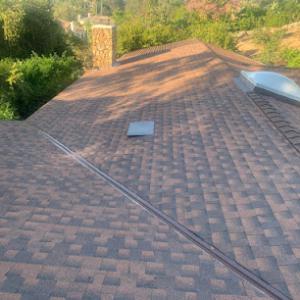
Dragon’s Roofing is your reliable, local roofing contractor serving Carlsbad, Encinitas, Escondido, Oceanside, San Marcos, Vista, Del Mar, Rancho Santa Fe, La Jolla, Scripps Ranch, and Poway. We specialize in professional roof repair, roof replacement, new roof installation, leaking roof repair, and skylight repair for both residential and commercial properties. Whether you’re dealing with a small leak or planning a full roof upgrade, our skilled team delivers high-quality workmanship, fast response times, and fair pricing. Protect your home with trusted roofing service from Dragon’s Roofing — where quality and integrity meet over your head.
Sunstone
(858) 500-1550 www.sunstoneroofing.com
Serving
5.0 from 167 reviews
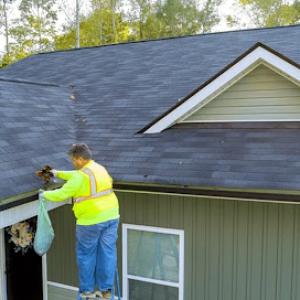
Sunstone: your trusted partner for comprehensive property solutions. As a licensed general contractor, we specialize in safeguarding and enhancing your home. From expert roof repairs and replacements to flawless interior and exterior painting, including protective coatings, we deliver exceptional craftsmanship. We also offer solar panel maintenance and re-installation services, ensuring your sustainable energy solutions perform optimally. Entrust your property to Sunstone and experience quality service from foundation to solar panel.
Cowboy's Roofing
(760) 747-6890 cowboysroofingconstruction.com
Serving
5.0 from 82 reviews
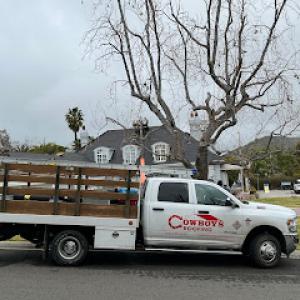
Second generation roofers, family owned & operated with over 30 years of experience! From new roofs to re-roofs and from steep roofs to flat roofs, we do it all!! Licensed and Insured C/39 1042452
Palomar Roofing
(760) 613-4893 www.palomarroofing.com
Serving
4.5 from 17 reviews
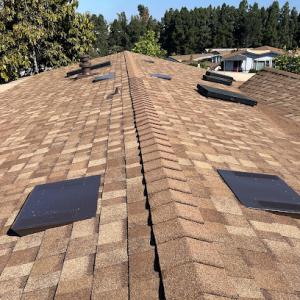
Welcome to Palomar Roofing, the top roofing contractor in Carlsbad! Serving various parts of North County San Diego, we specialize in new roofing, repairs, tile roofing, shingle roofing, and more. Visit our website or give us a call to learn more about our services!

The Roof Masters
(619) 943-1087 socalroofmasters.com
Serving
4.9 from 447 reviews
The Roof Masters is a highly acclaimed and award-winning roofing contractor that has been providing exceptional service to San Diego and the surrounding communities for over a decade. Our unwavering commitment to trust, customer service, attention to detail, and open communication ensures that each customer receives a tailored and unparalleled experience. From our meticulous roof inspections to our transparent project management, we strive to exceed expectations and build lasting relationships with our clients.

Dils Roofing
(760) 727-6000 www.dilsroofing.com
Serving
4.9 from 176 reviews
Welcome to Dils Roofing in San Diego! 🛠️ The Dils family has been in the roofing business since 1940. In those early days, we used mules to tow kettles of hot tar! Now, 4 generations strong, Dils Roofing is a family business in the truest sense of the word. While the roofing industry has certainly changed since we first opened our doors in San Diego, our values have always stayed the same: honesty, integrity, and quality craftsmanship. We serve the following areas: Carlsbad, Vista, Chula Vista, Coronado, Del Mar, La Jolla, El Cajon, Encinitas, Escondido, Imperial Beach, La Mesa, Lemon Grove, National City, Oceanside, Poway, San Diego, San Marcos, Santee, and Solana Beach.
Tidal Remodeling
(760) 991-9032 tidalremodeling.com
Serving
4.9 from 260 reviews
At Tidal Remodeling, we offer comprehensive exterior home improvement services to San Diego County residents. Our top-quality services include Roofing replacement & repairs, exterior home painting, double pane window installation, artificial grass, paver patios, home solar installation, attic insulation, and outdoor patio covers. If you're looking for a roofing contractor & home painting near me, give us a call for a free, zero obligation consultation.
Roofing101
Serving
4.7 from 23 reviews
Roofing101, roofing since 2008, is a San Diego-based roofing contractor specializing in residential and commercial roofing services. Their team of experienced professionals offers roof replacement, repair, maintenance, and inspection services to ensure the longevity and protection of your property.
Encinitas has a strong appetite for solar, so reroof planning often has to account for panel detach-and-reset logistics, mounting penetrations, and sequencing so the new roof and solar system warranties do not conflict. When you're coordinating a roof replacement with a retrofit or upgrade to PV, the sequence matters: a well-timed approach reduces the risk of repeated penetrations and helps guarantee that flashing details around racking and integrated inverters stay watertight through the Santa Ana breezes and winter rains. Expect a window of temporary exposure if panels must be removed during the roof swap, and plan for exact alignment of new flashing with the array hardware to avoid later resealing challenges.
Skylights are a meaningful local service category, and in Encinitas's winter rain events leaks commonly show up first at curb flashings, aging seals, or transitions where previous repairs were layered over older assemblies. If your home already has daylighting, inspect every curb and boot as part of the roof replacement conversation. The risk is not just the leak itself but the cascading effect on interior finishes and insulation over time. A proactive assessment should extend to the surrounding roof deck for telltale signs of moisture penetration behind the curb: soft spots, staining, or degraded sealant joints. If a skylight retrofit is on the table, prioritize flashings designed to shed wind-driven spray and to accommodate seasonal temperature shifts without compromising the seal.
For homes balancing ocean views, daylighting, and energy upgrades, roof penetrations in Encinitas need careful flashing because even modest seasonal rains can expose workmanship issues that stay hidden through the dry season. Wind-driven salt air and canyon gusts can lift or distort flashings that seem sound in dry months. Pay attention to penetrations where vents, solar mounts, or skylight frames intersect with the roof deck-areas that often reveal flaws only after a few storms. A cautious approach favors reinforced flashings, compatible sealants, and a movement-tolerant design that accommodates the natural expansion and contraction of coastal materials.
In this coastal-and-canopy environment, you'll want a plan that anticipates future maintenance cycles rather than reacting to them. Ensure the roof assembly and any solar or skylight components share compatible warranties and inspection intervals so that one component does not invalidate the other. Hidden fasteners, oxide-rich fastener profiles, and aging communications between layers can all become points of failure when not coordinated. A conservative path prioritizes durable, corrosion-resistant materials, meticulous flashing at all transitions, and a clear, documented sequence for any future panel work or skylight service.
Find contractors who integrate solar panels or solar shingles into your roof for long-term energy savings.
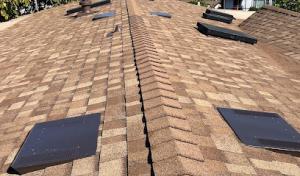
Reroof projects in this area are shaped by a narrow coastal-to-inland gradient where marine exposure and Santa Ana winds test every seam. Choosing a window that avoids winter rain and the hottest stretch of summer helps prevent long drying-in times, leaked underlayment, and heat-related adhesive failure on exposed surfaces. A well-timed schedule reduces the likelihood of call-backs tied to moisture intrusion or wind-driven debris during construction.
Spring and fall are the most practical seasons for a reroof here. Spring typically brings milder temperatures and fewer sustained rain events, which aids tear-off, underlayment installation, and flashing work without the pressure of peak heat. Fall often offers a similar balance, giving crews solid daylight hours and fewer high-wind days than the Santa Ana season. Scheduling in these windows helps keep moisture out of the attic and minimizes interruptions from seasonal weather shifts.
Winter storms on the North County coast can interfere with tear-off sequences and dry-in schedules, especially on homes with aging tile underlayment or active leak points. If a leak is present, plan for contingency time and ensure temporary containment measures are in place. Expect potential delays from late-season rain events, which can push work into the early spring or late fall months.
Summer in this area is less extreme than inland zones, but extended dry spells still impact handling and sealing procedures. Hot afternoons can affect sealant curing and adhesive performance on exposed surfaces, and long days without shade may fatigue crews and complicate pacing. If a summer reroof is unavoidable, schedule early morning starts, provide shaded staging areas, and plan for finish work before peak heat.
Coordinate with a trusted local roofer to set a target start in a spring or fall window, with a backup slot in late spring or early winter if weather patterns shift. Build in a buffer for potential rain delays and heat exposure days, and arrange for proactive leak protection during tear-off. Confirm that underlayment and flashing components are rated for coastal salt exposure and wind-driven rain. Finally, align material deliveries to daylight hours to keep handling efficient and safe.
Get a clear picture of your project costs upfront - no commitment required.
Encinitas Roofing Pros
(760) 496-5285 roofingencinitas.com
514 La Costa Ave, Encinitas, California
5.0 from 3 reviews

Asphalt Shingles: 350 to 800 USD per square. Metal Roofing: 600 to 1200 USD per square. Clay Tile: 900 to 1800 USD per square. Concrete Tile: 800 to 1600 USD per square. Wood Shingles/Shakes: 700 to 1500 USD per square. Synthetic/Composite Shingles: 500 to 1000 USD per square. In practice, Encinitas projects often land toward the higher end of these ranges when the reroof involves tiles, due to removal and reset of existing tile, replacement of brittle or broken pieces, and more detailed flashing around valleys, walls, and penetrations. Coastal conditions mean more careful detailing to handle salt air and canyon winds, which can add labor time and material needs beyond a simple price-per-square snapshot.
In a coastal climate like this, tile reroofs are typically more labor-intensive than a straightforward asphalt swap. Expect costs to rise when the project includes removing old tile, sorting for reuse or replacement of pavers, and reworking flashings at hips, valleys, and penetrations around skylights and chimneys. The added step of coordinating tile reset and ensuring the tiles seal tightly against salt-laden air can push prices upward compared to non-tile roofs. When you're evaluating clay or concrete tile, consider the long-term performance: tile systems can weather coastal moisture better, but the installation precision matters because improper flashing or loose fasteners can lead to long-term failures in a marine environment.
Pricing can move upward when coastal corrosion-resistant accessories are required, such as upgraded fasteners, corrosion-resistant nails, and premium underlayment rated for salt exposure. Solar detach-and-reset coordination, if you're planning PV integration, adds another layer of complexity and can lift the overall project cost. Nonstandard plan-check details or unusual roof geometry on larger custom homes also contribute to higher bids. If your home has wide overhangs, high valleys, or complex ridge lines, anticipate additional labor hours for tile handling, loose-cut pieces, and precise re-seating to preserve appearance and performance.
Start with a material choice that balances local durability with upfront cost. If clay or concrete tile is in the mix, ask for a breakdown of tile removal, replacement pieces, flashing details, and underlayment upgrades specific to coastal exposure. Request a line-item allowance for corrosion-resistant accessories and for any anticipated detach-and-reset needs if solar is part of the plan. Finally, compare two or three bids that each clearly itemize tile handling, flashing around penetrations, and valley work so you're comparing apples to apples in this coastal setting.
The most popular roofing material in the US. Find pros who install, repair, and replace asphalt shingles.
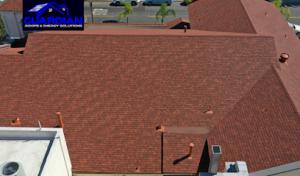

Reroofing is more than just picking a finish in this coastal inland transition zone. In Encinitas, changing the roof covering typically requires a building permit, and that permit review is a routine part of planning a full replacement rather than an afterthought. The permitting process helps verify that the new system can withstand marine moisture, salt exposure, and the winds typical of Santa Ana events, while ensuring that flashing, underlayment, and tile or metal interfaces meet local standards. Expect the permit to cover materials, fastening methods, and any penetrations or roof-mounted components such as solar, vents, or skylights.
Project duration can hinge on the timing of inspections. The Building Department usually conducts inspections at rough-in and final stages. Scheduling these checkpoints early keeps the project on track and helps prevent delays from weather-driven interruptions or material delivery windows. Rough-in inspection focuses on structural ties, deck integrity, and how the new roof assembly interfaces with existing framing and ventilation. Final inspection confirms that the system is properly installed, sealed, and ready to perform in Encinitas's coastal climate. Treat these inspections as milestones you plan around, not as after-the-fact hurdles.
Digital submittals are common, so ensure plans are readable, complete, and coordinated with the site's existing layout. Nonstandard reroof details may trigger plan check review, which can matter on unusual assemblies, structural changes, or projects with added roof-mounted components. Common triggers include modifying roof geometry, altering slope or drainage, or adding equipment such as solar arrays, large vents, or skylight-routing that changes flashing detail. Having precise details for flashing methods, underlayment type, and attachment requirements helps avoid delays.
Coordinate with your contractor to map out the permit timeline alongside weather forecasts, particularly the Santa Ana season when wind and dust can complicate work. Prepare to submit shop drawings for any specialty components or nonstandard connections, and keep a clear line of communication with the Building Department if questions arise. Ensuring that the plan set clearly addresses coastal moisture, salt exposure, and wind resilience will streamline the review and help your reroof endure Encinitas's unique conditions.
Encinitas homeowners face a unique mix: coastal moisture, salt air, canyon winds, and California's wildfire-insurance environment. Carriers are increasingly careful about roof age, material, and condition, especially after heavy Santa Ana events or winter storms. In this neighborhood, insurers scrutinize whether a roof system can withstand salt spray, wind-driven debris, and potential wildfire exposure. Thorough documentation helps prevent delays or disputes when binding, renewing, or settling a claim.
Before an insurer will bind coverage or renew, expect detailed requests about roof material, installation age, and history of repairs. Photo records should show attic and roof conditions, flashing integrity, and any past damage. Documents may include installation receipts, contractor warranties, and notes on wind or wildfire exposure. Having clear, labeled photos that reflect the roof's condition from multiple angles-including eaves, hips, ridges, and any skylights-can streamline the underwriting process and reduce questions later.
After winter storm leaks or Santa Ana wind events, gather evidence of displaced tiles, damaged flashings, and interior staining from leaks. Take dated photos of the exterior and attic, plus close-ups of visibly damaged areas. If temporary mitigation steps are taken, document those as well. Adjusters may request on-site verification, so a concise, organized folder of images and notes speeds the claim and helps ensure the right repairs are authorized.
Maintain a current roof inventory with material type, age, and any known vulnerabilities. Store digital copies of receipts, warranties, and prior repair records in a cloud folder accessible to you and your insurer. When in doubt, record a short video walkthrough after notable weather events, highlighting any areas of concern before a claim is filed. This proactive approach reduces surprises during the claim process and supports a more accurate assessment of risk.
Connect with contractors who help homeowners navigate the claims process from damage assessment to final approval.

Pro Roofing Services Rancho Santa Fe
(760) 493-7753 roofingranchosantafe.com
Serving
4.8 from 17 reviews
Flat and low-slope roofs are a meaningful local specialty in Encinitas, especially on additions, modern homes, mixed-use buildings, and sections of coastal properties that combine multiple roof types. You will see momentary ponding after heavy rains, so choose assemblies with proven drainage and durable joints.
In the mild climate, a low-slope roof can look serviceable for long periods, but winter ponding, seam fatigue, and flashing wear around penetrations often become evident only during seasonal rains. Inspect edges, transitions to higher pitched surfaces, and rooftop equipment annually before winter.
When selecting a coating or membrane, aim for systems designed for coastal moisture and salt exposure. Look for compatibility with substrate material, plus UV resistance and elastomeric flexibility to handle temperature swings and wind-blown spray from Santa Ana events.
Roof coatings are locally relevant as a restoration option on some low-slope assemblies, but they depend heavily on substrate condition and proper detailing at drains, edges, and penetrations. Seal all penetrations, restore curb materials, and verify drain pans are clean and sloped correctly.
If a coating is chosen, plan for a professional evaluation of substrate and flashings. A decade-long service from a coating is plausible with good prep, but poorly prepared substrates fail early where salt and moisture concentrate at seams.
Practical upkeep includes regular wash-downs to remove salt deposits, checking for blisters, and ensuring flashings at walls and skylights remain sealed after seasonal rains. In coastal neighborhoods, small fixes now save bigger repairs later. Pay attention to deck transitions and guardrails where they meet the roof. Keep penetrations well recessed.
Find specialists in TPO, EPDM, and built-up flat roofing systems for residential and commercial properties.
Encinitas Roofing Pros
(760) 496-5285 roofingencinitas.com
514 La Costa Ave, Encinitas, California
5.0 from 3 reviews