Last updated: Apr 19, 2026
Reroof timing in this region centers on avoiding the wet winter pattern that raises the risk of exposed decking and underlayment soaking up moisture during tear-off. Dry-season windows typically run from late spring through early fall, when rain is rare and temperatures are more predictable. Planning a tear-off during this stretch minimizes slowdowns caused by moisture intrusion into exposed framing and helps protect the interior from stray drips while work continues on the roof. If a storm is forecast, you'll want a contingency plan to pause work and cover exposed areas to prevent water intrusion.
Summer heat in the valley can complicate asphalt shingle handling and installation, especially on pitches that feel the sun at its fiercest. On steep slopes, installers may experience rapid deck and roofing component temperature rise, which can affect sealant performance and shingle alignment. To reduce these risks, schedule hotter-day work for earlier or later parts of the day when shading and airflow are better, and keep the crew hydrated and vigilant for potential heat-related fatigue. If you own a home with significant southern exposure, anticipate possible accelerated aging of the underlayment if the job runs into peak heat without sufficient breaks.
Spring storms and autumn winds can interrupt multi-day reroof projects and complicate debris control around open sections. Woodland sees these transitional weather events with enough frequency to warrant a flexible plan. Build a project schedule that anticipates possible weather gaps, and identify a safe staging area and secure tarps to contain debris during unexpected gusts. For homes with mature trees nearby, arrange extra attention to fallen-branch risks and have cleanup crews ready to address seasonal debris after each weather front passes. A staggered approach-breaking the job into clearly defined blocks-helps manage wind exposure and keeps the project moving when conditions allow.
Coordinate reroof timing around extended dry spells and predictable lull periods in wind and storms. Align material delivery with a dry, moderate-temperature forecast to minimize exposure time of stopped work and reduce the chance of shingles losing seal on daytime heat. For homes with complex rooflines or mixed materials, consider a phased plan that concentrates work on one section at a time, allowing safe handling of underlayment and flashing without leaving long open intervals that invite moisture ingress. Communicate a clear timeline with seasonal buffers so residents know when sections will be exposed and when protective coverings are in place.
During dry-season projects, prioritize thorough jobsite preparation: remove debris promptly, tape or seal vulnerable roof penetrations, and establish a robust debris-control perimeter. In the heat, plan crew breaks to occur during the hottest part of the day, with rapid re-sealing of any opened roof areas before a heat spike ends. When autumn winds materialize, have quick-acting tarps and securing methods ready to minimize blow-off risk on exposed edges. Finally, maintain a closing walkthrough that confirms all sections are correctly integrated, flashing is sealed, and the roof is ready to endure the first winter rainfall without gaps.
Sal's Roofing
(916) 206-0739 salsroofingcorp.com
1501 Charmack Ct, Woodland, California
4.9 from 12 reviews
Roof installation, repairs, flat roofs, gutter cleaning, tear-offs, solar panels cleaning, and more.....

Scott Family Roof Repair
(530) 922-2567 scottfamilyroofrepair.cc
1120 Gum Ave Unit C Unit C, Woodland, California
4.9 from 7 reviews
Scott Family Roof Repair offers expert residential and commercial roofing services in Woodland, CA and surrounding areas. We specialize in roof leak repairs, shingle replacement, flat roof repair, storm damage restoration, and preventative roof maintenance. Our experienced roofing professionals conduct detailed inspections and deliver high-quality workmanship to extend the life of your roof and safeguard your property. Whether you need emergency repairs, minor fixes, or ongoing maintenance, Scott Family Roof Repair provides dependable, affordable, and professional roofing solutions designed to keep your home or business safe, secure, and weather-protected year-round.
R & R Enterprises
(530) 406-1571 www.rrenterprisesca.info
23680 Co Rd 99D, Woodland, California
4.1 from 15 reviews
Established in 1968, R & R Enterprises is a family-owend and operated, third generation business. We provide comprehensive roofing, painting, and gutter solutions for residential, commercial, and industrial properties in Yolo County, California and surrounding areas. Our skilled team offers a wide range of services, including roof replacements, repairs, maintenance, coatings, inspections, skylight installation, and pressure washing. We also specialize in various roofing materials and can work with you to find the perfect fit for your project. "Painting & Roofing Done Right... The First Time"
Alonsos Roofing
(530) 309-0690 alonsos-roofing.com
1048 Barnes Cir, Woodland, California
5.0 from 3 reviews
Alonsos Roofing is a trusted, licensed, bonded, and insured roofing contractor proudly serving Woodland, CA and surrounding areas. We specialize in professional roof repair, roof replacements, inspections, and storm damage restoration for residential and commercial properties. Our services also include seamless gutter installation and cleaning, as well as blow-in roof insulation to improve energy efficiency and long-term performance. Every project is personally overseen by the owner to ensure safety, quality workmanship, and lasting results. Based in Woodland, CA, we are committed to clear communication, dependable service, and customer satisfaction, offering free estimates and 24/7 emergency roofing service when you need it most.

AV Roofing Pro
(707) 580-6617 avroofingpro.com
113 Utah Ave, Woodland, California
4.0 from 5 reviews
AV Roofing Pro, we take your roof to the next level with unmatched quality and expert craftsmanship! 🏠✨ Whether it’s for residential or commercial properties, our team specializes in durable, weather-resistant roofing that adds value and security to your property. From repairs and maintenance to complete roof installations, we bring reliability and excellence to every project we tackle. 🌧️💪

ROOF DOCTORS - Yolo County
(530) 419-4855 theroofdoctors.net
Serving
5.0 from 65 reviews
"Nobody inspects, repairs and certifies more roofs or solves more roof leak problems in the Greater Sacramento Area." Over 300,000 roofs inspected. We do complimentary roof inspections with detailed reports that include pictures. Reports sent within 24 hours of inspection. We are a licensed roofing contractor that offer repairs, replacment bids, gutter cleaning bids, gutter guard installs, and general roof maintenance. Service in the following Greater Sacramento Area Counties: Sacramento, Placer, Yolo, & El Dorado Counties.
Lucas Roofing
(530) 304-3665 www.lucasroofingindavis.com
Serving
5.0 from 16 reviews
We are a local company established in 1991. I truly enjoy helping my community with all of their all roofing needs,rain or shine. You can count on us. Gerald lucas owner

Samperios Roofing
(916) 601-1609 samperiosroofing.com
Serving
5.0 from 87 reviews
"Samperios Roofing is a roofing company that provides quality roofing services to both residential and commercial properties in Sacramento and the surrounding areas We offer various roofing services such roof installation, roof repair , roof maintenance , roof replacement , stip and flat roof, gutters installation, and lots more."
VIK Quality Roofing
(916) 220-6036 vikqualityroofing.com
Serving
5.0 from 40 reviews
VIK Quality Roofing: Your trusted source for superior roofing in Sacramento. With decades of expertise, we offer installation, repairs, and maintenance services. Our commitment to quality materials and workmanship ensures durable and reliable roofing. Count on us for transparent communication and customer satisfaction.

Powers Roof Service
(916) 316-2700 www.powerstileroofrepair.com
Serving
5.0 from 232 reviews
We specialize in roof repair, roof leak repair, and roof maintenance for tile roofs. We do tile roof repairs every day so we know our stuff. We offer quality, honest and professional repairs. We have over 20 years experience and doing things the right way is what we believe in. We are Licensed contractors (CCL #960930), Bonded & Insured. We carry work mans compensation insurance, a $2M liability policy and we stand behind our mission to provide top quality service and craftsmanship to our customers.
Straight Line Roofing & Construction
(530) 672-9995 www.straightlineconstruction.com
Serving
4.9 from 234 reviews
For more than 23 years, Straight Line Roofing has provided quality service that has been and continues to be the cornerstone of our business and our relation with our communities. We are proud to offer professional residential exterior home improvement services for roofing, solar and siding. Our services include, roof repairs, roof replacements, siding, gutters, and more. Need fast roof repairs? Our Quick Roof Repair Service is here to give you the quick repairs you need without having to wait. From roof inspections and estimates to repairs and clean up, you can enjoy fast repairs with one point of contact. Get the repairs you need within hours. Not days. Call today for professional Sacramento exterior home improvement services.

Grandmark Roofing
(916) 900-0187 www.grandmarkroofing.com
Serving
4.8 from 161 reviews
Established in 2014, Grandmark Roofing is a Sacramento-based roofing contractor serving California. Our experienced team tackles residential and commercial projects, from repairs and inspections to replacements and maintenance. Grandmark Roofing prioritizes quality materials, modern techniques, and exceptional customer service to deliver durable, long-lasting roofs.
In Woodland, the sequence of hot, dry summers followed by winter wetting cycles shapes how roofs age more than almost anything else. Sun exposure is a major factor because UV rays relentlessly bake surfaces during the long dry season, accelerating aging in every common roofing material. The seasonal shift to rain brings moisture that tests seals, flashings, and underlayment. That split personality-extreme heat by day, cold and wet by season-means every material deserves scrutiny for both heat resistance and moisture tolerance.
Asphalt shingles, metal roofing, clay tile, concrete tile, synthetic or composite shingles, and slate all compete for durability here, so homeowners need a clear sense of how heat and wetting cycles interact. Asphalt shingles handle heat but rely on granules and underlayment to shield against UV. In prolonged heat, some shingles may curl or become brittle faster, especially on roofs with shallow pitches where sun exposure is most intense. Metal roofs resist some thermal expansion and can reflect heat, yet repeated cycles of rapid heating and cooling can stress panels and fasteners if installation tolerances aren't precise. Clay and concrete tiles temperature-treat differently: their masses store heat and can transfer it to the deck, while their surface glaze or color influences heat absorption. Synthetic or composite shingles aim for balanced performance and often mitigate UV fade, yet still rely on proper underlayment and ventilation to combat heat-driven aging. Slate brings exceptional longevity, but its weight and fastener system must accommodate thermal movement and any substrate moisture issues. Across these options, winter moisture exposure tests seals, penetrations, and flashing, underscoring the need for a coherent approach that anticipates both sun and rain.
Tile remains a strong choice where appearance matters, plus it resists some heat-induced deformation and can shed water well when correctly installed. Metal offers long life and a crisp look, with color choices that help manage heat load, but installation quality and panel overlaps are critical to prevent leaks during wet seasons. Asphalt shingles gain on value with reflective granules or cool-color selections to mitigate heat buildup, though their lifespan is more sensitive to sustained sun exposure and wind-driven moisture. Concrete tiles share some advantages with clay, including mass and long life, but weight and substrate details drive a careful retrofit or new install. Slate endures exceptionally well in heat and wet conditions but demands skilled workmanship due to weight and the need for matched fasteners and underlayment. Synthetic or composite options aim to blend heat resistance with ease of installation and a more forgiving weight profile, yet performance hinges on the quality of core materials and surface treatments.
When planning reroofing or major repair, factor in the dry season window when moisture exposure is minimized, then design for extended heat periods without sacrificing ventilation. Regular attic venting, proper soffit and ridge intake, and a sealed flashing strategy remain essential across material types. For homes with tile or metal, ensure substrates are reinforced to handle thermal movement and to prevent mid-winter leaks. For asphalt or composite roofs, focus on high-quality underlayment and a robust sealant plan at penetrations. In every case, consider color and surface texture as practical tools: lighter colors reduce heat absorption, and smoother surfaces can shed rain more efficiently. The goal is a roof that maintains its integrity through Woodland's heat-driven cycles while staying resilient as winter rains arrive.
In Woodland, asphalt shingles typically run about $350-$700 per square, metal $700-$1200 per square, clay tile $1100-$1700 per square, concrete tile $900-$1500 per square, synthetic/composite shingles $450-$850 per square, and slate $1500-$3500 per square. These ranges reflect typical project bids across older neighborhoods with mixed roof ages and newer subdivisions where roof pitches may vary. Heavier systems tend to push upward on labor and hardware needs, especially if the existing structure requires reinforcement or a careful assessment of attic load and rafter spacing.
Clay and concrete tiles bring long life and distinct style but cost more upfront and add weight that can require structural evaluation and possible reinforcement. Slate delivers durability but sits at the high end of the scale and often needs specialized crews. Synthetic shingles offer a lighter, more budget-friendly option with decent longevity, while asphalt shingles remain the most common, balancing price and performance. If the roof line is complex or has multiple penetrations, even lighter options can incur additional labor, increasing total square costs.
Costs in Woodland can rise when homeowners choose heavier systems like clay, concrete, or slate that may require more labor and roof-structure evaluation than lighter reroof options. A thicker tile or natural stone look also often means more careful installation around chimneys, skylights, and venting details. Expect the crew to spend extra time confirming proper underlayment and ensuring adequate attic ventilation and drainage compatibility with the new material. In tight neighborhoods with mature trees, handling waste and debris cleanly can add to the time and bid.
Project timing affects pricing in Woodland because dry-season demand is stronger, while winter weather delays and re-inspections can add labor time and scheduling friction. Dry months tend to push scheduling and material availability, so bids may appear higher simply from calendar pressure. If a reroof is timed for late spring through early fall, anticipate a smoother run of days with fewer rain delays. Planning for a shoulder-season start can help balance availability and price, especially for heavier systems that require extra coordination for structural checks and sequencing of multiple trades.
Get a clear picture of your project costs upfront - no commitment required.
Alonsos Roofing
(530) 309-0690 alonsos-roofing.com
1048 Barnes Cir, Woodland, California
5.0 from 3 reviews
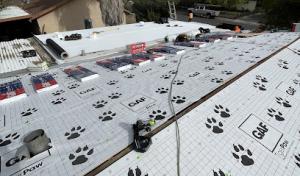
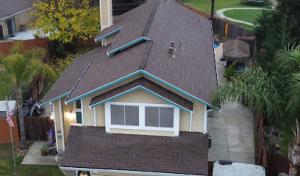
A reroof in Woodland typically requires a building permit from the City of Woodland. Before any shingles are lifted, you or your contractor should submit a complete permit package that includes project scope, materials, roof plans, and ventilation details. The city's process is practical and, because the dry season is the preferred window, planning ahead helps avoid delays that can push work into wetter months. Make sure the permit is issued before any roofing work begins, and keep a copy of the permit on site for inspectors to reference.
Woodland permit review focuses on underlayment, ventilation, and fire-rated materials before work proceeds. The reviewer wants to confirm that the roof assembly will handle summer heat and winter moisture, and that ventilation details meet local codes. If the plan uses fire-rated underlayment or certain venting configurations, expect the reviewer to check compatibility with the existing attic space and eave vents. Your contractor should address any concerns in the plan submittal; delays often stem from clarifications about ventilation paths or underlayment type.
Homeowners in Woodland should expect inspection during and after installation, with review commonly taking 1-2 weeks and possible re-inspection if corrections are needed. The inspection cadence typically starts with a framing or sheathing stage, then proceeds to underlayment, and finishes with the final roof cover and flashing. A field inspector may request minor corrections on flashing details, vent alignment, or attic ventilation balance. If corrections are required, a re-inspection will be scheduled, which can extend the project timeline by several days.
On the day of inspection, ensure access to the attic and roof line, and have a copy of the permit and approved plans available. Your contractor should disclose the anticipated inspection dates and coordinate any temporary power or equipment needs. If the city requests additional documentation or changes, respond promptly to avoid hold-ups that could compress the dry-season window.
After the final inspection passes, keep the final permit closure notice and any compliance letters with your property records. The permit closure confirms that the roof project met Woodland's review standards and reduces the likelihood of future reconsiderations during resale or future updates.
In Woodland, winter rainfall can turn small roof defects into active interior leak events if replacement or repair is delayed into the wet season. A single storm can find a missed shingle, a lifted flashing seam, or a compromised valley and push water into attic space within minutes. When leaks start, the clock runs fast: every hour of exposure means more interior damage, more costly repairs, and a longer path to a dry roof. If you notice a drip or damp spot near a ceiling seam after a rain, treat it as an urgent signal and respond before the next storm.
Autumn wind-driven debris buildup in Woodland can expose weak roof areas before the main winter rain period begins. Turbines of leaves, branches, and grit can press against vent seams and fascia, nudging loose fasteners and sagging edge tiles. The result is a ready-made channel for moisture when the storms arrive. A quick inspection after high wind events, focusing on edge rows, chimney flashing, and vent boots, can reveal vulnerabilities that otherwise become active leaks once it rains. Do not delay addressing debris-prone zones; clean and reseal needed areas now to blunt the first wave of moisture.
The local contractor signal set shows unusually strong emergency repair activity for a market this size, matching homeowner demand for quick leak stabilization during rain events. If a leak is actively pouring, use a temporary tarp or roof repair sleeve to cover the affected area and divert water away from interiors while permanent work is organized. Clear doors and pathways for access, and designate a single point of contact with your contractor to shorten response time. In a hurry, prioritize areas with visible staining, attic condensation, or dripping near penetrations, as those are most likely to expand once the next storm hits.
When possible, schedule non-emergency repairs for the dry season's narrow windows between late spring and early autumn. This minimizes exposure to winter moisture and the stress of extreme summer heat on roof assemblies. If you must pursue work during the dry spell, coordinate work hours to avoid peak afternoon heat and ensure ample shade and water for crews. A fast, focused plan now reduces the risk of repeat leaks and keeps you ahead of sudden autumn wind events that prime roofs for trouble.
When you can't wait, these contractors offer fast response times to stop leaks and prevent further damage.
Sal's Roofing
(916) 206-0739 salsroofingcorp.com
1501 Charmack Ct, Woodland, California
4.9 from 12 reviews

Scott Family Roof Repair
(530) 922-2567 scottfamilyroofrepair.cc
1120 Gum Ave Unit C Unit C, Woodland, California
4.9 from 7 reviews

California's insurance environment affects Woodland homeowners through stricter underwriting, premium adjustments, and more documentation requests tied to wildfire risk assessments. Carriers may scrutinize roof materials, age, and visibility of maintenance gaps more closely in-fire season planning. Understanding this dynamic helps you align reroof decisions with what the market expects, rather than discovering after a claim that a key detail was flagged or denied.
Keep pre- and post-roof condition photos in a dated, organized folder that travels with the project. A detailed scope of work that clearly outlines materials, attic ventilation, flashing, underlayment, and fasteners becomes your best defense when questions arise during a claim or renewal. Installation records-manufacturer warrants, receipt numbers, and contractor certifications-offer concrete proof of proper installation. In Woodland, where moisture and heat extremes interact with older roofing planes, these records can shorten review times and reduce back-and-forth requests.
Some Woodland policyholders may face higher deductibles or restricted roof-related coverage depending on carrier rules and recent California market pullbacks. This reality makes proactive documentation even more critical: you want to demonstrate proactive maintenance and compliant installation to support coverage resilience. If a claim is filed after a tough fire season, the insurer will look for complete, verifiable records to validate eligibility for any paid recovery. Keep a simple, durable archive of all correspondences with the carrier, including any notes on weather-related delays or temporary repairs.
After the project, photograph the final roof from multiple angles, noting any vulnerable edges or penetrations that could be questioned later. Store digital copies with timestamps and back them up offsite. Prepare a concise scope of work packet and keep it with the project files. If a carrier requests documentation, respond promptly with organized, itemized evidence to avoid gaps that could affect renewal or claim outcomes.
Connect with contractors who help homeowners navigate the claims process from damage assessment to final approval.
Scott Family Roof Repair
(530) 922-2567 scottfamilyroofrepair.cc
1120 Gum Ave Unit C Unit C, Woodland, California
4.9 from 7 reviews
Straight Line Roofing & Construction
(530) 672-9995 www.straightlineconstruction.com
Serving
4.9 from 234 reviews
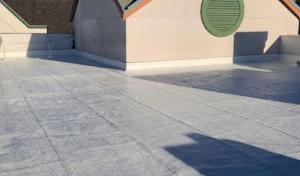
In Woodland, flat and low-slope roofing is a meaningful specialty among local contractors, even though pitched residential reroofing remains more common. When planning a project, align any coating or restoration work with the dry months. A reflective or light-colored coating can cut summer heat gain and extend the life of membranes on low-slope sections without forcing a full replacement right away.
In the valley heat, you will notice long dry spells. Choose coatings with solar reflectivity and UV resistance that suit the asphalt, PVC, or modified bitumen membranes you have. If the roof is due for an upgrade, note that certain coatings can restore surface flatness and waterproofing while buying time before replacement.
Wet winter conditions in Woodland make drainage performance and membrane integrity on low-slope sections critical. Ensure the roof has proper slope, edge drains, and scuppers that function after rain events. Prior to wet season, clean drains, inspect flashing, and test the membrane for blisters or punctures. A small leak on a flat roof can travel farther before it shows up inside.
Schedule a fall check that focuses on membrane coatings, coating seams, and flashings. Look for standing water after rain and address ponding hotspots. A restoration approach-spot-repairing damaged areas and sealing seams-often buys years when full re-cover isn't desired.
Metal and single-ply membranes often respond well to reflective coatings, while built-up and modified bitumen roofs may benefit from primer and specialized coatings. Work with a local roofer who understands how seasonal temperature swings affect flashings, edge details, and transitions from low-slope to any adjacent pitched sections. This compatibility matters more here than in markets with milder winters. Coordinate timing with your contractor to minimize heat exposure.
Find specialists in TPO, EPDM, and built-up flat roofing systems for residential and commercial properties.
Sal's Roofing
(916) 206-0739 salsroofingcorp.com
1501 Charmack Ct, Woodland, California
4.9 from 12 reviews
Scott Family Roof Repair
(530) 922-2567 scottfamilyroofrepair.cc
1120 Gum Ave Unit C Unit C, Woodland, California
4.9 from 7 reviews
Alonsos Roofing
(530) 309-0690 alonsos-roofing.com
1048 Barnes Cir, Woodland, California
5.0 from 3 reviews
Woodland's strong summer sun places real emphasis on how roof replacement and solar work are sequenced. When the roof is due for replacement, the expectation is to minimize panels going on during peak heat windows and to plan for a dry-season roof deck so that solar installations aren't stalled by sudden rain or moisture exposure. Asphalt shingles, metal, and various tile assemblies each respond differently to heat, so the chosen roof material should guide the solar plan. For homes with existing or planned tile or metal roofs, the heat load can influence underlayment choices and fastener type, which in turn affects how a solar array mounts and seals around it. The goal is to finish the roof confidently before any long-term solar interface is added, while still allowing for efficient electrical work.
Woodland's housing stock includes a mix of asphalt, metal, clay tile, and concrete tile. Each system carries its own considerations for integrating solar. Asphalt shingles are quicker to reach a reliable seal during the shoulder seasons, but even there, high summer temperatures demand careful attention to underlayment and ventilation to prevent heat-induced buckling or premature aging. Metal roofs offer favorable heat dissipation but require precise roof-to-solar attachment planning to avoid leaks at seams and fastener penetrations. Clay and concrete tiles demand meticulous seam sealing and a careful layout to maintain tile integrity around mounting brackets. Across all types, the alignment of solar racking with roof contours, flashing details, and edge treatments matters more in a dry season context, when moisture intrusion during the late fall or winter is a real risk if any step is rushed.
Because reroofs require careful review around underlayment and fire-rated assemblies, roof and solar sequencing should be coordinated before installation starts. The plan should map out a clear order of operations: final roof surface, then electrical trenching or conduit routing, followed by panel installation, with attention to headroom for any future repairs. In Woodland, the local contractor signal set shows solar roofing as a niche rather than a dominant specialty, so homeowners may need to verify coordination experience rather than assume it. Ask for references who have completed both a roof replacement and a solar retrofit on similar roof types, and request a written outline of the exact sequence, including contingencies for weather interruptions and material delivery delays. A well-documented plan helps prevent rework and keeps a hot Texas summer from turning into a moisture-laden winter ordeal.
Find contractors who integrate solar panels or solar shingles into your roof for long-term energy savings.