Last updated: Apr 19, 2026
Spring storms along the Front Range hammer roofs with concentrated hail events, and that pattern is amplified by Commerce City's industrial-adjacent neighborhoods and long freeze-thaw cycles. This is a high-claim region where even a modest storm can trigger a rash of inspections and replacements in short order. Homeowners should stay alert as soon as severe weather passes, because carriers and adjusters often mobilize quickly in these conditions. The risk is not just one week of activity; it can be a sustained push as multiple storms roll through from late winter into early summer. Anticipate crowding at local roofing yards, crew availability shrinking, and scheduling slots filling fast. Acting promptly minimizes exposure to third-party delays and helps prevent a mismatch between damage and the claim timeline.
In this market, pre-repair photo documentation, date-of-loss records, and prompt reporting are not extras-they're expectations. After a major hail event, take timestamped photos from different angles of every roof surface, as well as gutters, siding, and nearby property features that could influence value or claim scope. Keep copies of insurance correspondence and any affidavits or witness statements about the storm timing. If you've already performed emergency tarping or temporary dry-in work, document those actions with dated photos and invoices. In Commerce City, Colorado carriers scrutinize hail claims closely, so having a clear trail of what happened, when it happened, and what you observed on the roof dramatically strengthens your position when the claim lands on an adjuster's desk. Store these records in a dedicated, weather-resistant folder or cloud album that you can share with your insurer and contractor within hours of a storm.
After a severe hail event, scheduling pressure in the north Denver metro can delay inspections, dry-in work, and full replacements if homeowners wait too long. It's not unusual for insurers to concentrate inspections to a narrow window, then push behind the scenes to close out files before market cycles shift again. If you wait, you risk losing preferred installer slots, extended project timelines, or reduced availability for required materials. To stay ahead, request an inspection window as soon as the storm passes and confirm dates in writing with your insurer and contractor. If you're told an earlier appointment isn't available, document the denial and push for a stand-by slot that can be activated as soon as an opening appears. Delays at this stage can cascade into weather-related hold-ups, especially given Front Range freeze-thaw stress that makes workmanship timing critical for long-term performance.
Begin by securing a professional roof assessment even if you're unsure about the extent of damage. Quick, non-invasive evaluations can identify shingle uplift, dented metal, and flashing failures that aren't obvious from ground level. Photograph the roof from multiple vantage points, including the driveway and street, to capture slope and pitch characteristics. Compile all storm dates, weather reports, and any notices from your insurer. Communicate promptly with your adjuster, providing the date of loss and the evidence you've gathered. If a contractor has offered immediate tarping or temporary dry-in services, prioritize scheduling those steps to protect interior spaces from water intrusion while the claim progresses. In this market, timely, organized action is the difference between a smooth replacement and a prolonged battle.
When you factor in Front Range hail exposure, strong sun at elevation, and a mix of older homes with newer subdivisions, the choice of roof material in this market becomes practical rather than purely aesthetic. Asphalt shingles remain common locally, but repeated hail exposure and the sun-induced granule loss seen here can shorten their appearance life and reduce protection over time. If you expect frequent hail events, you'll notice missing or damaged granules that accelerate surface wear and increase glare from the sun. A roof that keeps its look and function through the annual hail season will save you more trouble on the back end, especially in the storms-heavy months that typically peak in spring and early summer.
Tile roofs are present in this market, but Commerce City's freeze-thaw cycles make underlayment condition, fastening, and cracked tile replacement especially important after winter and hail events. Clay and concrete tiles resist impact relatively well when properly installed, yet each broken tile opens a pathway for water intrusion if the underlayment has aged or was not correctly lapped. In homes with clay tile, look for cracked pieces after hail and for any movement in the fasteners after freeze-thaw cycles. Concrete tile provides robust mass, but the heavier weight requires a well-prepared structure and reliable fasteners to avoid gaps that let moisture in during sudden temperature swings. Regular inspections after winter and spring hail storms help catch issues before they worsen, and you'll want a local roofer who understands how tile and underlayment behave in Colorado's dry heat paired with freezing nights.
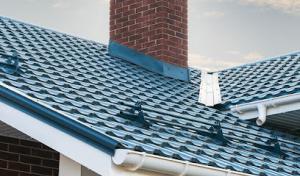
Metal and synthetic/composite systems appeal to homeowners looking for better hail resilience than standard shingles, especially in newer subdivisions across the city. Metal roofs shed hail with fewer granular losses and resist denting when installed with appropriate gauge and corrosion-resistant coatings. Synthetic or composite shingles can deliver a hail-friendly profile with flexible performance and a lighter footprint on the structure, which helps with wind uplift and the permitting realities of some neighborhoods. In areas with intense sun, these materials also tend to fade less abruptly and maintain energy performance more consistently over time. If your home faces frequent hail exposure or sits in a wind-prone lot, discussing panel layout, fastener type, and edge detailing with a contractor who understands the local microclimates can pay off in long-term durability.
After a major storm season, a careful walk-around with a reliable local roofer is worthwhile. You'll want to verify sealants around vent stacks, transitions, and skylights, and check for lifted edges, especially on metal or synthetic roofs where fastener integrity matters. In homes influenced by freeze-thaw cycles, pay attention to any new gaps near penetrations or along transitions, as these are typical places where moisture can begin to intrude after harsh winters. A proactive approach-inspecting after storms and scheduling mid-season checkups-helps keep your roof performing under Commerce City's typical mix of hail exposure, sun, and temperature swings.
In Commerce City, post-hail demand spikes drive pricing higher across the metro. When crews quickly fill up and lead times stretch, the same project can drift several hundred dollars per square beyond typical quotes. If a storm season hits and a neighborhood is suddenly inundated with roof replacements, plan for a broader window on scheduling and a modest bump in material and labor quotes. Vendors who stay flexible during peak times often offset some of the delay with faster warranty processing or streamlined teardown, but the bottom line per square-foot price tends to move up temporarily.
Material choice matters sharply here because the city has active demand across asphalt, metal, tile, wood shake, and synthetic roofs, each with very different labor intensity and repair complexity. Asphalt shingles remain the most common and usually the most economical option, with cost ranges you can expect to see around the lower end of the chart if labor is steady and decking is intact. Metal roofs typically push toward the upper mid-range, reflecting more intensive installation and faster tear-off logistics during busy periods. Clay and concrete tile add substantial heft to the budget, especially when roof angles are complex or extra scaffolding is needed for safety during Colorado weather cycles. Wood shingles or shakes bring a premium for specialty installation and tighter attic ventilation checks. Synthetic or composite shingles land somewhere in the middle, offering a balance between durability and price, with an easier teardown in some storm-damaged scenarios.
Costs can rise on homes with steeper suburban rooflines, detached structures, or storm-related decking and accessory damage discovered during tear-off. A steeper pitch increases safety requirements, adds staging time, and can require additional equipment, all of which lift the per-square price. Detached structures, like garages or sheds, often get priced apart from the main house, but the logistics of separate tear-offs and material transport still compound the overall project budget. If storm damage hits decking or fascia, expect extra line items for repair or replacement, which can push the total beyond the standard square-foot estimates.
Asphalt Shingles: 350-550 USD per square
Metal Roofing: 600-1100 USD per square
Clay Tile: 1200-2600 USD per square
Concrete Tile: 1000-2100 USD per square
Wood Shingles/Shakes: 600-1000 USD per square
Synthetic/Composite Shingles: 500-900 USD per square
When a hail event clusters, get multiple quotes quickly and prioritize contractors with weather-resilient crews who can manage rapid tear-offs without sacrificing inspection rigor. Have a clear understanding of what constitutes storm-related decking or accessory damage, since those factors often emerge only after the old roofing is peeled back. If you can schedule some flexibility, aim for mid-season windows to avoid the peak chaos that drives up both price and lead times.

Tiley Roofing
(303) 426-7370 www.tileyroofing.com
4545 E 60th Ave, Commerce City, Colorado
4.7 from 114 reviews
Tiley Roofing is an award winning residential and commercial roofing contractor with expertise in Colorado since 1999. We believe in safety, quality, and efficiency and we strive to build the best! We specialize in all types of roofs: TILE ROOFS EPDM SHINGLE GUTTERS SERVICE & ROOFING REPAIRS METAL PANELS CUSTOM ROOFS We will work with your insurance. We have a large metal warehouse in our yard and can make metal pieces for your projects.
Wyndhill Roofing Denver
(720) 233-2321 www.wyndhillroofing.com
7167 E 53rd Pl, Commerce City, Colorado
5.0 from 19 reviews
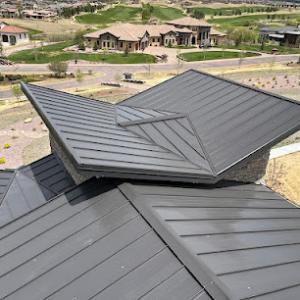
Wyndhill Roofing Denver, established in 2013, offers residential and commercial roofing services throughout the Denver Metro area. Their team tackles all projects, big or small, ensuring quality craftsmanship from minor repairs to complete roof replacements.
Zen Roofing
(720) 690-0859 www.zenroofingpro.com
7890 Larkwood St, Commerce City, Colorado
4.7 from 29 reviews
Providing exterior restoration or new installs with main focus on gutters roofs windows siding and garage doors.
JL Roofing
(303) 949-9741 jlroofingllc.com
18885 E 120th Pl, Commerce City, Colorado
4.8 from 17 reviews
Family owned & operated business. Our number one priority is customer satisfaction!
Full Curl Roofing Company
(970) 205-9876 www.fullcurlroofing.com
11846 Mobile St, Commerce City, Colorado
5.0 from 9 reviews
When you choose to work with Full Curl Roofing there are a few things you should know: we love our clients, we come from small towns where neighbors are practically family, and we treat our clients that way, too. When we work on your home, we want you to rest easy knowing that your home is our priority. Your roof is not just another number to us. We hate cutting corners. Damaging your house by not doing the job right, or by leaving a mess after the job is finished is unacceptable. While we are working on your home, we will take special precautions and use the right systems and tools to ensure your roof is installed correctly and safely. We stand behind our work. We prefer to solve problems before they arise.

Universal Restoration
(970) 632-7642 universalrestoration.co
#1, Commerce City, Colorado
4.5 from 24 reviews
Universal restoration is your top of the line roofing and restoration company. We are locally owned and operated in Commerce City, CO. If you have been effected by the recent hail storm we would like the opportunity to come and give a NO charge home inspection to evaluate the damages to the exterior of your home and help you bring your dwelling back to its pre-storm condition or better!
Innovation Roofing & Restoration
13659 E 104th Ave UNIT 500, Commerce City, Colorado
4.6 from 10 reviews
We are a local, family-owned roofing and restoration company proudly supporting the State of Colorado. We take pride in our workmanship and our GAF roofing certification, we pay close attention to detail and quality control. We work directly with property management, commercial property owners, HOA's, homeowners and insurance carriers on all storm/catastrophic roofing & restoration re-construction projects. Give us a call today!
Golden Way Roofing
(303) 316-8818 www.goldenwayroofing.com
Serving
5.0 from 20 reviews
No matter how big or small your project is that you need to be completed, our team here at Golden Way Roofing can handle it. From new replacements to repairs, Golden Way Roofing provides prompt, high-quality and efficient work within budget. Along with our expertise, we offer a labor guarantee in addition to manufacturer warranties on our roofing systems. That way, you can rest easy knowing that your property’s roof is protected for years to come
Titan Applicators
(720) 724-6882 www.titanapplicators.com
Serving
5.0 from 43 reviews
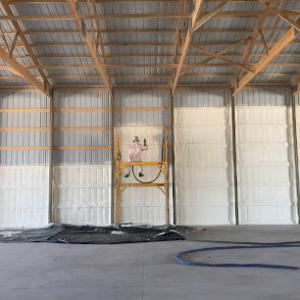
Organizations such as Bristlecone Construction, J.R. Filanc & W.E. O'Neil, along with hundreds of private building owners, trust us for their spray foam, flat roofing, fire-stopping, and waterproofing needs because of our meticulous site preparation, our unique ability to provide solutions to the most challenging requirements & our advanced technical knowledge of the industry.
Synergy Roofing & Solar
(303) 515-1368 synergysolarco.com
Serving
4.8 from 26 reviews
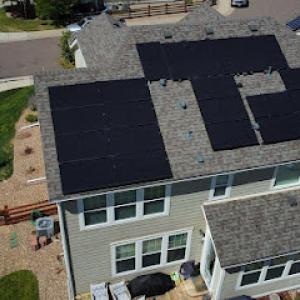
A quality-driven Roofing and Solar company located north of Denver. Locally owned and operated, servicing greater metro area. Free Roofing and Solar estimates available upon request! Synergy Roofing and Solar only operates in Colorado. There are other companies that share the name Synergy in other states. We are not affiliated with those companies. Synergy Roofing and Solar is locally owned and operated!
Elite Roofing & Solar
(303) 296-0361 www.elite-roofs.com
Serving
4.9 from 636 reviews
Elite Roofing & Solar is a residential and commercial roofer contractor serving Denver and the front range. Elite Roofing & Solar has been serving Colorado since 2006. We offer full roof replacement services as well as roof repair services. As local roofers, we understand the impact of the storms that come along with living in Colorado. From hail damage to sever wind damage--Elite Roofing & Solar is your go to roofer for Storm Damage repairs and inspections. We are reliable roofers with an A+ business rating from the BBB and pride ourselves on our reputation of a job well done. We encourage you to check out our online reviews and see what our customers say about us. Faith, family, honesty, integrity. That's Roofing Done Right.
Sunset Restoration
(303) 900-5567 www.sunsetrestorationco.com
Serving
5.0 from 80 reviews
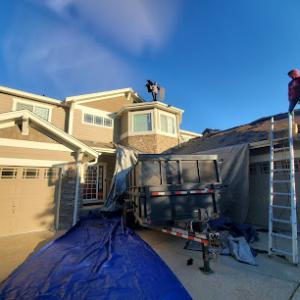
Sunset Restoration is a trusted, family-owned contractor serving Thornton, Denver, and surrounding Colorado communities. We specialize in roof replacements, storm & hair damage repair, siding, interior and exterior remodeling, and permanent outdoor lighting installations. Our team works directly with insurance companies and offers flexible financing options to make every project stress-free and affordable. With transparent pricing, expert craftsmanship, and reliable service, Sunset Restoration keeps homes safe, beautiful, and well-lit year-round. Contact us today for free inspections or lighting consultation.
Full re-roofs in this area typically require a permit issued by the City of Commerce City Building Department. The permit process helps ensure that the new roofing system meets local code requirements for wind uplift, venting, and drainage, which are critical after severe hail events common to the Front Range. Before any tear-off or installation begins, confirm that the permit is either pulled in your name or clearly assigned to the licensed contractor handling the project. A properly issued permit also lays the groundwork for a smoother inspection sequence and reduces the risk of delays if weather or backlogs strike during storm season.
Inspections are scheduled to occur during installation and again at completion. The permit is not closed until the final inspection is approved, so the timeline hinges on passing both the intermediate and final checks. Typical inspections verify proper underlayment, fastener patterns, drip edge, flashing details around chimneys and vents, and the integrity of gutters and overhangs. In Commerce City, where freeze-thaw cycles and hail exposure stress roofs, inspectors pay close attention to proper sealing around openings and the adequacy of attic ventilation in relation to the chosen roofing system. If the contractor encounters any underlayment or flashing remediation, plan for potential re-inspection before the final closure.
Storm-season backlogs can affect project sequencing, so it helps to have a clear plan for permit pulling and inspection timing up front. Homeowners should confirm who is pulling the permit and who is coordinating the inspection appointments, then share that schedule with the contractor and the roofing crew. If a storm event delays work, communicate promptly with the Building Department to understand how postponements impact the inspection window and the permit's validity. In neighborhoods with older housing stock and newer builds alike, effective coordination reduces the risk of weather-related holds that push sessions into tighter windows, ensuring the roof replacement proceeds without unnecessary interruptions and the final inspection can be completed as soon as materials and weather cooperate.
Winter in this area brings regular freeze-thaw cycles that can widen small flashing gaps and stress aging decking and underlayment between storm seasons. Those micro-movements aren't dramatic on their own, but over multiple seasons they add up. A few delicate spots-around chimneys, vents, and where two roof planes meet-can become actual leak paths when the ice expands and contracts beneath shingles. If the attic isn't vented well, the freeze-thaw cycle compounds moisture buildup, which can rot decking from the inside out long before you notice drips in the living room.
Heavy summer rain during Colorado's monsoon period often reveals vulnerabilities that were created earlier by hail strikes or winter movement. Hail can bend and dent metal flashings or tear the protective granules from shingles; those micro-damages may not drip right away. When the monsoon hits and the ground is saturated, those compromised seams and failed underlayment suddenly leak. In practical terms, a storm that dumps a lot of water in a short time will highlight weaknesses you didn't know existed, especially on roofs that carried hail damage or showed signs of aging after last winter.
Leak complaints in this region often appear after a sequence of hail, heat, and then intense rain rather than from a single weather event. That pattern should cue a homeowner to inspect after the heat of late summer and again after the first fall storms. Look for faint stains on ceilings that don't line up with a single rain event, and don't ignore kitchen or bathroom exhaust paths where warm, moist air can condense and migrate along a roof plane. If a suspected area shows more frequent staining after a quick burst of heavy rain, the underlying flashing, underlayment, or deck could be failing under the combined stress of freeze-thaw and the season's deluges. Treat those symptoms promptly to prevent a small drip from turning into a larger, more disruptive leak.
Find specialists in TPO, EPDM, and built-up flat roofing systems for residential and commercial properties.
Tiley Roofing
(303) 426-7370 www.tileyroofing.com
4545 E 60th Ave, Commerce City, Colorado
4.7 from 114 reviews
Solar and reroof timing requires a practical, storm-aware plan. In this region, Front Range hail exposure and a mix of older neighborhoods with fast-growing suburbs create shared challenges between roofing and solar installations. You want a clear sequence that minimizes repeated work and avoids re-fixes on flashing, mounts, and penetrations later in the life of the roof.
Hail-prone conditions make it important locally to document both roof and solar condition before storms and before any detach-and-reset work. Take dated photos of shingles, tiles, flashing, and the solar array, including racking attachments and wiring routes. If you already have a solar contract, confirm what is covered for incidental roofing damage and how detach-and-reset responsibilities are allocated. Keep copies of warranties and maintenance records in one place so a storm-related claim isn't chasing scattered notes.
Roof replacement planning is more complex when penetrations, mounts, and warranty responsibilities are split between roofing and solar trades. Before work begins, align the two crews on a single sequence: assess roof deck condition, serviceable flashings, and the roof-to-solar interface. Decide who handles flashing upgrades around penetrations, how vent or tile replacements affect mounting rails, and who owns warranty defects if a leak appears after solar detach. Favor a plan that uses compatible flashing materials and maintains a continuous seal around penetrations to reduce leak risk during freeze-thaw cycles.
First, schedule a joint inspection with the roofing contractor and the solar installer to map out all penetrations and attachment points. Second, secure a written protection and reinstallation plan that covers flashings, sealants, and any necessary recovers on the roof deck. Third, set a realistic window for replacement that avoids the height of the storm season, yet aligns with solar maintenance cycles. Finally, request a single point of contact for coordination so communications stay tight through the project.
Find contractors who integrate solar panels or solar shingles into your roof for long-term energy savings.