
Last updated: Apr 19, 2026
Spring hail storms are a leading trigger for unexpected roof replacement timing, and in this Front Range corridor that means you often have to act fast, sometimes before you even finish your indoor tasks. Storm-induced damage can be subtle or obvious, but either way the clock starts ticking the moment hail pings off the roof. In Broomfield, where hail exposure is the norm rather than the exception, your roof deserves a professional once-over within days, not weeks. The key is to triage intelligently: identify what you can confirm, what needs a licensed eye, and what should be documented for an insurance review.
When a hail event hits, you should treat your roof like a patient that needs an X-ray, not an emergency room visit for every ding. Immediate post-storm inspection matters because frost cycles and sun impact after the fact can exaggerate underlying damage. A preliminary outside assessment by a trained roofer can reveal punctures, bruising, lifted shingles, or granule loss that might not be obvious from the ground. If there's evidence of major damage-missing shingles, exposed decking, or noticeable ponding-start the claim process promptly and map the affected areas. But if the roof looks intact at first glance, still secure a professional evaluation to avoid being blindsided later by a leak that only appears after a thaw.
Insurance-driven roof replacement is a common outcome in this city's climate, especially when a single storm compounds multiple roof layers or accelerates wear from freeze-thaw cycles. Your strategy should center on timely documentation and a clear narrative for your insurer. Take photos from multiple angles, including the roof's edge line, eaves, gutters, and any areas with visible damage or staining inside the attic. Keep a dated log of storm times, wind directions, and any dramatic temperature swings you experienced. Provide a concise summary to your insurer that connects the storm event to observed damage, avoiding hesitation or ambiguity. In many cases, a swift, well-documented claim accelerates decisions and helps you protect interior spaces from moisture intrusion tied to delayed repairs.
Local contractors heavily advertise storm damage, insurance claims, and emergency repair services, reflecting how often homeowners in this market need rapid post-storm roof assessments. When you call for a triage visit, ask whether the contractor specializes in hail damage within the Front Range. Demand a thorough exterior inspection, including attic inspection for signs of moisture intrusion, and a plan that prioritizes long-term durability over quick fixes. Beware of "quick patch" methods that may fail under another round of hail or a fast freeze; a thorough assessment should address flashing, underlayment, decking, and ventilation as part of a holistic replacement plan if needed. A reputable contractor will provide a clear scope, a defensible timeline, and written documentation that aligns with your insurer's expectations.
Triage strategy after a hail event should also consider seasonal timing. Spring hail damage often pushes homeowners toward inspections and claim decisions earlier than the fall reroofing season. If you receive a larger claim that spans multiple roof slopes or penetrations, coordinate the inspection and claim decision timeline with your person-to-person contact at the insurer. Do not wait for the fall rush to resurface, because the damage patterns in this climate can evolve through a single warming cycle. This is especially true for homes with asphalt shingles, metal, or synthetic roofing, where hail impact patterns may differ and dictate distinct repair or replacement paths. Have a trusted local roofer review the options quickly to ensure your decision aligns with the building's structure and your long-term protection.
In the end, your response to a hail event in this city should be decisive and documented. Treat spring storms as a predictable rhythm of ownership, not an anomaly. Secure a professional inspection promptly, document every accumulate detail of damage and storm timing, and work with a contractor who can translate that information into a solid, claim-ready narrative for the insurance review. The goal is a durable, properly installed roof that stands up to Front Range weather, with a replacement path that you understand and can defend, even as the next hailstorm approaches.
In Broomfield's residential neighborhoods, you'll see a mix of asphalt shingles, metal roofing, clay tile, synthetic/composite shingles, slate, and fiber cement shingles. Each type responds to hail and freeze-thaw cycles in different ways, so the choice often comes down to how you prioritize impact resistance, durability, and long-term repair practicality after a storm. Asphalt shingles are the most common, offering solid performance with a straightforward repair path after hail events. Metal roofing is a notable specialty here, favored for its solid impact resistance and its tendency to shed snow more easily, reducing the risk of ice damming and heavy snow loads. Clay tile and slate, while visually appealing and durable in some circumstances, can become costly and unwieldy after hail because brittle units may crack and matching replacement pieces can complicate repairs. Synthetic/composite shingles provide a middle ground, blending hail resilience with ease of replacement, while fiber cement shingles offer a sturdy, storm-tolerant option with a longer service life when properly installed.
Front Range hail storms are a defining factor, and the way a roof handles impact matters more in this area than in milder markets. Metal roofing often performs well in hail, with fewer walk-away repair issues and a smoother path to restoration after a storm. Asphalt and synthetic shingles can absorb impact without immediate failure, but larger hail can still cause cupping, bruising, or granule loss that compromises performance over time. Clay tile and slate respond differently: when hail strikes, brittle units can crack or spall, and even small cracks may serve as entry points for moisture during freeze-thaw cycles, accelerating wear and inviting cosmetic and structural concerns. If a roof already leans toward clay tile or slate, plan for a durable repair strategy and a careful matching process if replacements are needed after a storm.
When repairs are required, the material's ease of replacement becomes a practical consideration. Metal roofs typically offer the most straightforward damage control, with fewer color-matching hurdles and simpler panel replacement. Asphalt shingles simplify patching and re-shingling after hail events, especially when the original shingles are still available in the same line. Synthetic/composite shingles often mirror asphalt installation practices, with similar repair options. Clay tile and slate demand more coordination and sometimes bespoke replacements, which can slow the return to a weather-tight condition and complicate color or texture matching. Fiber cement shingles present a robust alternative that can be easier to patch than slate, with consistent color and texture that blends well after localized hail damage.
Start by listing priorities: maximum hail resistance, ease of repair, and long-term durability. If you prioritize minimal disruption after a hail event, metal or synthetic/composite options are worth weighing, given their favorable maintenance profiles. If the home already features clay tile or slate and the budget allows, consider whether a reinforced tile or slate substitute could deliver similar aesthetics with improved resilience. Finally, assess the roof's slope and drainage; steeper pitches tend to shed hail more effectively, while low-slope designs can experience more collection of granules or moisture if damage occurs. In all cases, plan for a detailed inspection after any significant hail event to map out replacement and repair needs before issues compound.
In this market, the real story behind roof prices is how material choices mix with Front Range weather and the timing of storms. Typical local pricing runs about $350 to $700 per square for asphalt shingles, $600 to $1400 for metal, $900 to $1800 for clay tile, $500 to $900 for synthetic/composite, $1500 to $3000 for slate, and $500 to $800 for fiber cement shingles. Those numbers are a good starting point when you're comparing bids, and they reflect the mix of 3-tab versus architectural shingles, the weight of the roof, and the complexity of the project in our neighborhood elevations.
Storm timing drives cost as much as material choice. Broomfield pricing can rise after major Front Range hail events when regional demand surges across the Denver metro and contractors' schedules fill quickly. If a hailstorm hits and a contractor is juggling multiple quick-turn replacements, you'll likely see bidding tightened and scheduling compressed. That doesn't mean you're locked into inflated prices, but it does mean you should plan ahead, gather a few bids, and confirm a concrete start window before committing. If you're considering a faster push to replace after a storm, be prepared for potential temporary leads in decking repairs, underlayment upgrades, or flashing replacements that can accompany a straightforward re-roof.
The scope of work matters as much as the material. Costs are also shaped by whether the project is a straightforward re-roof or a storm-driven replacement involving decking repairs, upgraded underlayment, flashing replacement, or matching specialty materials like tile and slate. A simple removal and installation with solid decking may stay near the lower end of the asphalt or metal ranges, while a replacement that touches the deck, adds newer underlayment with enhanced moisture protection, or requires new flashing around chimneys and skylights quickly moves toward the higher end of the spectrum. If the project involves matching uncommon materials or integrating a tile roof with existing gutters and roof penetrations, expect design and coordination time to push the bid up accordingly.
When budgeting, think in terms of monthly cost pressure rather than a single price tag. A typical asphalt re-roof will sit in the lower-to-mid range of the stated asphalt band if the job is straightforward, but the timeline after a hail event can compress the window and influence labor availability. A metal roof may offer longer-term durability, but deliveries and specialized installers can narrow the field and lift the bid. Synthetic/composite often lands in the middle, balancing weight, installation ease, and warranty considerations, while clay tile and slate sit at the high end due to weight, handling, and specialized detailing.
Arrow Roofing & Exteriors
(303) 648-4075 arrowroofco.com
11001 W 120th Ave #400, Broomfield, Colorado
5.0 from 227 reviews
Homeowners TRUST our locally owned and operated roofing and exterior services! We specialize in working with all insurance carriers and homeowner claims caused by storm damage. Call us today for a Free roof inspection. We are currently serving the entire Front Range of Colorado. If you want to make your roof last as long as possible, it is vital that you never put off a roof repair. Small issues with roofing become big issues in a hurry. No matter how major or minor the repair you need, we are here to help. Whether you need help with your roof, gutters, siding or paint, we would love to help with your project!
ATS Exteriors Roofing & Siding
(303) 997-9024 www.atsroofingdenver.com
6343 W 120th Ave #201, Broomfield, Colorado
5.0 from 75 reviews
ATS Exteriors serves Broomfield, Westminster, Aurora, Thornton, and Boulder County with roofing and siding services that don't cut corners on the details that matter. We specialize in insurance claim assistance, storm damage restoration, roof replacement, and siding installation - focusing on community relationships over storm chasing across the state. You'll work directly with Rebecca and Jeff Stakes, not get passed off to different people throughout your project. We've been serving Colorado homeowners for over 7 years with Owens Corning certified roofing, LP SmartSide, fiber cement, and composite siding installations. When hail hits or your roof fails, we respond fast with honest assessments and proper documentation for insurance claims.
Axe Roofing
(303) 276-7663 www.axeroofing.com
3001 Industrial Ln #4, Broomfield, Colorado
5.0 from 64 reviews
Axe Roofing proudly offers roof repairs and replacements for residential, commercial, and multi-family structures in the Broomfield, Colorado area.

Rosner Roofing
(720) 682-9887 rosnerroofing.com
14600 Lowell Blvd, Broomfield, Colorado
4.9 from 61 reviews
Choosing the right roofing contractor is vital for the longevity and aesthetic appeal of your home. Rosner Roofing stands out in Broomfield County and beyond, offering over a decade of unparalleled expertise and commitment to quality. As a locally owned and operated business, we understand the unique weather challenges of the Front Range. Our selection of high-quality materials and experience with the latest roofing techniques ensure your roof isn't just durable but also the pride of your neighborhood. Trust Rosner Roofing for a seamless blend of durability, beauty, and local expertise. Serving Broomfield, Boulder County, and the northern Denver Metro, we're the roofing specialists you need for peace of mind under the Colorado sky.
Alvarez Roofing & Construction
(773) 398-6216 alvarezroofingandconstructioninc.com
Broomfield, Colorado
4.9 from 41 reviews
Alvarez Roofing And Construction embodies a legacy of excellence, forged over ten years of hard work, innovation, and a relentless pursuit of perfection. Based in Northlake, IL, our company was founded on the principles of integrity, quality, and customer satisfaction. Our team, a collective of highly skilled professionals, brings together a wealth of experience and a shared passion for transforming homes and businesses. Each project we undertake is more than a job; it's an opportunity to showcase our expertise and contribute to the community we proudly serve. We specialize in a comprehensive range of roofing and construction services, meticulously designed to meet the evolving needs of our clients.
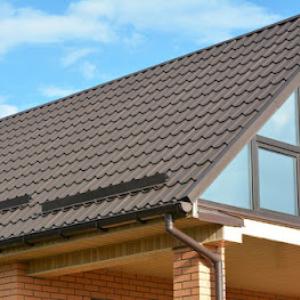
Sagas Roofing Company Broomfield
(720) 902-9160 sagasroofing.com
7223 W 118th Pl, Broomfield, Colorado
5.0 from 23 reviews
Looking for a reliable roofing contractor in Broomfield, CO? Then Sagas Roofing Company Broomfield is the one you're need. We provide commercial and residential roofs and repairs to meet your unique needs. We have the best equipment and our roofers have decades of experience to be sure that your home stays safe and dry. We offer free roof inspections to ensure that your roof is sustained at optimal levels. Our main priority is to take care of our great clients. Whether you need a new roof or need help picking the right shingles, we are always here to help. We also provide gutter repairs and servicing. You will be able to rest well knowing that Sagas Roofing Company Broomfield is there for you so you to enjoy your house or office year round.
C&M Roof Services
Broomfield, CO
5.0 from 22 reviews
Reliable Roofing Contractors, Top Notch Roof Professionals, Storm & Hail Experts and Highly Skilled Roof Service Technicians Available 24/7. C&M is your locally owned and operated full service roofing company based out of Northern CO, specializing in flat roofs and roofing services such as roof restorations, roof leaks, roof repairs, roof maintenance, roof coatings, and roof inspections. Whether you have a commercial or residential roof that is leaking or in need of maintenance such as tree debris removal, drain and gutter cleaning, we offer roofing repair and services at competitive rates with quality workmanship, high quality roofing materials and top notch professionalism. We service many all of CO. Highly Insured and BBB accredited.
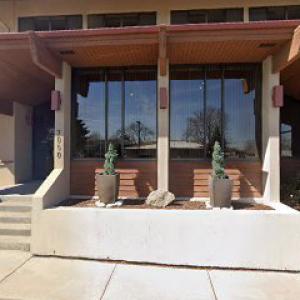
Mile High Exterior Construction
7050 W 120th Ave #205A, Broomfield, Colorado
4.8 from 39 reviews
Mile High Exterior Construction (MHEC) is a locally owned business providing exceptional roofing, water proofing, inspections, seamless gutters-downspouts-screens, rain ware, siding, fascia wrap, soffit, exterior painting, pressure washing and insurance hail-wind and catastrophe claims to Colorado Denver Metro Communities. Our mission at MHEC is to not only provide our valued customers with the finest quality and competitively priced work as possible, but to do so with extraordinary attention to detail and integrity. By making our customers’ homes into a place of beauty while providing energy savings solutions we solidify lasting relationships with our customers. MHEC shares your passion for your home. We look forward to serving you.
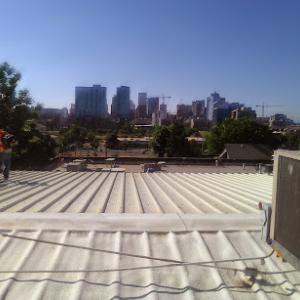
Colorado Weather Coatings
(303) 435-6799 coloradoweathercoatings.com
14725 Federal Blvd, Broomfield, Colorado
5.0 from 12 reviews
"Keep your roof leak-free with Colorado Weather Coatings, a family-owned roofing company in Broomfield, CO. Since 1975, we’ve specialized in roof restorations, acrylic and silicone roof coatings, and polyurethane foam roofing for flat and low-slope roofs as well as metal roofs across the Denver Metro area. Count on us for expert repair, restoration, and replacement to safeguard your home or business."
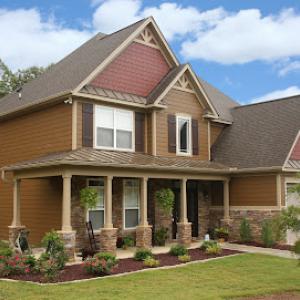
Green Shield Construction
(303) 550-6865 www.greenshieldconstruction.net
2745 Industrial Ln #103, Broomfield, Colorado
5.0 from 7 reviews
Green Shield Construction's owners have reroofed the Rockies for over 30 years. We emphasize strict compliance with the building code and manufacturer specifications. We utilize industry best practices to ensure quality at every step. We are Haag certified hail & wind inspection experts. We work with your insurance company to insure your property is made whole again. We take the hassle out of the claim process. Green Shield Construction will negotiate with your insurance company, so you don't have to.
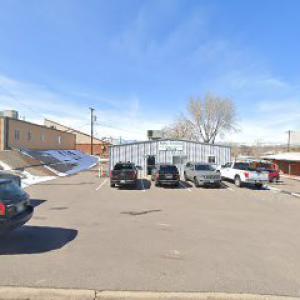
Reitz Roofing
(303) 466-0161 reitzroofing.com
11925 Quay St, Broomfield, Colorado
4.1 from 65 reviews
Reitz Roofing is a family owned business that has developed life-long customers through 30+ years of dedication by going above and beyond to ensure satisfaction with every project.
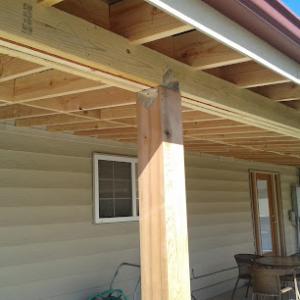
Rocky Mountain Roof Doctors
(720) 887-1265 rockymountainroofdoctors.com
11905 Quay St, Broomfield, Colorado
4.5 from 20 reviews
Rocky Mountain Roof Doctors, Inc. is proud to serve the greater Colorado region. With over 30 years of local experience, we have assisted many homeowners and companies with their complete project needs. Our spectrum of work ranges from residential to large commercial jobs. We are very competitive with top to bottom roof care, allowing you the luxury and convenience of working with one contractor, one schedule, and one contract. At Rocky Mountain Roof Doctors, we will work with your insurance, we carry warranties on all workmanship and materials, and have high-quality, fully trained crews. We are fully licensed and insured with general liability and carry Workers Compensation on everyone who works on your home.
In this area, a building permit is typically required for a full roof replacement rather than being treated as a no-permit maintenance item. The permit process helps verify that the new roof meets the latest wind, fire, and seismic considerations that are common for Front Range homes. When a contractor submits the plan, expect review of the roof deck condition, underlayment approach, and flashing details around chimneys and vent penetrations. Since hail exposure and freeze-thaw cycles are common, the permit review often emphasizes storm-resistance features and proper venting to prevent moisture issues. Do not treat this as optional; it is a standard step for a complete roof overhaul.
The Broomfield Building Department commonly inspects reroof projects at milestone stages such as underlayment installation and final completion. During the underlayment stage, inspectors look for proper nailing patterns, smooth substrate, and correct installation of ice-and-water shield in eaves or valleys where water intrusion risk is highest. They also verify that fasteners, vents, and penetrations are adequately sealed before shingle or panel installation begins. At final completion, a certificate of occupancy or a closing verification may be issued, confirming that the installed roof complies with current code and local amendments. Scheduling these inspections promptly can help avoid delays if weather windows change.
Because the area operates as a consolidated city and county, homeowners are dealing with a single local jurisdiction rather than navigating separate city and county roofing offices. This simplifies communication and helps ensure consistent expectations across inspections and permit conditions. When choosing a contractor, confirm they have experience navigating Broomfield's permit sequence and know how to coordinate inspection dates with weather-dependent Front Range timelines. A prepared homeowner can request a project timeline that aligns with permit milestones and anticipated storm-resistance upgrades to maximize inspection success.
To minimize hold-ups, assemble roof-related documentation early: project plans, roof mileage notes from the scope of work, and any prior roof condition reports. Have the contractor mark the anticipated inspection dates, especially for underlayment and final completion, and ensure access paths to the attic and roof for inspectors. Prepare to address potential weather-driven adjustments; when hail events drive rapid replacements, permit processing and inspections still proceed in the same structured sequence, but with a priority on safety and compliance. Keeping communication clear with both the contractor and the Building Department helps ensure a smooth, compliant replacement that stands up to Front Range conditions.
Broomfield roofs face repeated winter freeze-thaw cycling that can shorten shingle life and expose weaknesses in decking, flashing, and roof penetrations. When temperatures swing above and below freezing, tiny imperfections broaden into obvious problems: micro-cracks in shingles, loosened edges, and exposed nail heads. Over multiple seasons, those tiny failures compound, creating soft spots where water can perch and eventually seep into attic spaces or wall lines. The risk is not only nuisance leaks after a thaws but hidden deterioration that reduces long-term performance. A practical response is to schedule mid-winter checks after a cold snap followed by a warm day, looking for granule loss, lifted edges, or unusual creases in the shingle surface. If you notice premature curling or dark staining near transitions, treat it as a warning sign rather than a cosmetic issue.
Heavy snowfall and ice dams are a local edge-detail concern, especially around eaves and flashing where melt-refreeze patterns can force water back under roofing materials. Ice dams form when attic warmth causes snow to melt at the top of the slope, only to refreeze at the colder eaves, pushing water under shingles and into fascia or walls. The result is often stained ceilings, warped plywood, or the onset of rot in decking. A practical safeguard is ensuring proper insulation and ventilation in the attic to minimize heat transfer. Regular removal of snow from the roof is tempting but should be done with care to avoid damaging shingles or flashing. Pay attention to flashing seals around chimneys, vents, and valley intersections; these junctions are common failure points when ice builds up and then shifts with wind and thaw cycles.
Summer thunderstorms and high winds on the Front Range add a second seasonal stress pattern, with wind-driven rain and uplift damage often appearing after hail events. Even without hail, gusty winds can peel back edges or loosen fasteners, creating vulnerability that frost cycles later exploit. After a severe storm, inspect roof planes for lifted shingles, loose flashing, or damaged ridge caps. In Broomfield, the combination of hail exposure and rapid temperature shifts means existing vulnerabilities can suddenly become visible as the season turns. Prioritize quick attention to any lifted edges or compromised seals around skylights, vents, and chimney detailing, since those spots frequently become entry points for moisture when wind and rain align unfavorably. Staying proactive with targeted checks after storms helps keep the roof structure resilient through the next thaw and wind pulse.
Find specialists in TPO, EPDM, and built-up flat roofing systems for residential and commercial properties.
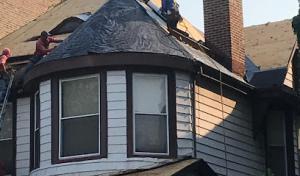
Alvarez Roofing & Construction
(773) 398-6216 alvarezroofingandconstructioninc.com
Broomfield, Colorado
4.9 from 41 reviews

Colorado Weather Coatings
(303) 435-6799 coloradoweathercoatings.com
14725 Federal Blvd, Broomfield, Colorado
5.0 from 12 reviews
Broomfield homeowners face a market where hail losses have sharpened insurer scrutiny. Photos, precise measurements, and detailed damage documentation are not optional extras-they're often the difference between moving a claim forward and getting stuck in a stalled process. The Front Range exposure means insurers expect a longer, more meticulous claim file, and a quick, tidy read on the severity of the damage. When a storm arrives, the clock on documentation starts ticking, and delays can complicate timing for an actual roof replacement.
Independent adjusters are commonly involved in Front Range roof claims, so homeowners frequently need contractor documentation that clearly separates cosmetic issues from functional storm damage. That distinction can influence which components are approved for replacement and how quickly a project moves. A local contractor who understands the nuance between a dented metal vent versus a compromised deck, or a shingle bruise that could worsen in freeze-thaw cycles, becomes a critical partner. Clear photos from multiple angles, measured dimensions, and notes on any delamination or water intrusion help prevent disputes later in the process.
After a roof is replaced, policy pricing, deductibles, or coverage terms may change because Colorado's hail exposure has affected insurer appetite across the region. That shift can surface even if the prior claim seemed straightforward. It's prudent to anticipate how a new policy might respond to an storm-driven replacement, and to have conversations about long-term coverage expectations with the chosen insurer. Understanding these potential changes now helps set realistic expectations for the years ahead.
Connect with contractors who help homeowners navigate the claims process from damage assessment to final approval.
Arrow Roofing & Exteriors
(303) 648-4075 arrowroofco.com
11001 W 120th Ave #400, Broomfield, Colorado
5.0 from 227 reviews
ATS Exteriors Roofing & Siding
(303) 997-9024 www.atsroofingdenver.com
6343 W 120th Ave #201, Broomfield, Colorado
5.0 from 75 reviews
Axe Roofing
(303) 276-7663 www.axeroofing.com
3001 Industrial Ln #4, Broomfield, Colorado
5.0 from 64 reviews
Spring and fall are the most common reroofing windows in this area because they avoid the hottest summer stretches and the most disruptive winter conditions. If you're aiming for a smoother project, target shoulder seasons when crews can work steady days and long daylight hours without the wind-driven dust storms or sudden hail events that often appear mid-season. Scheduling in these windows helps align material deliveries, crew rosters, and inspections with a predictable pace.
Spring scheduling in Broomfield is complicated by hail season, when a roof planned as routine maintenance can quickly become an insurance-driven replacement. If you suspect hail impact after a late-winter storm, you may need a temporary plan for weather-ready days and rapid documentation. Have a clear point of contact with your insurer and a trusted local roofer who understands how weather impacts tear-off timing and underlayment exposure. A proactive roof check early in spring can prevent sudden shifts in project scope.
Winter work can be slowed by snow, ice, and freeze-thaw conditions that affect tear-off timing, underlayment exposure, and inspection coordination. If temperatures plunge, crews may pause for safety and material handling, extending timelines. For projects that begin in late fall or carry into early spring, expect careful sequencing: protect interior space, manage moisture exposure on the roof deck, and plan for potential short shifts between warm spell days.
In a typical year, aligning your project with reliable weather blocks and clear communication with the crew reduces delays. Maintain open channels with your roofer for weather updates, storm damage assessments, and staged inspections, so decisions about start, pause, or resume are timely and grounded in on-site conditions.