
Last updated: Apr 19, 2026
Erie sits on Colorado's northern Front Range, where spring hail and wind events are a primary driver of roof inspections, repairs, and full replacements. When a severe storm rolls through, the impact isn't just cosmetic-granules, shingle edges, and flashing can suffer, and unseen leaks can begin to silently compromise attic spaces. The urgency isn't temporary: until a roof is inspected and confirmed sound, secondary damage from wind-driven rain or hail splinters can escalate quickly. The clock starts the moment the storm passes, and the longer you wait, the more wind-driven moisture can undermine roof decking, gutters, and interior ceilings. In this climate, getting ahead of the assessment saves you from cascading repairs and expedited scheduling battles later.
The local replacement season shifts toward late spring through early fall because winter snow, freeze conditions, and summer thunderstorm interruptions complicate scheduling. That means if hail arrives in April or May, the window for a smooth, uncluttered replacement shortens once the days shorten and unpredictable weather returns. Storms in quick succession can flood contractor calendars, adjuster timelines, and material deliveries. If a claim is opened, aim to align teardown and installation with a weather streak that minimizes weeks of exposure to lingering cold snaps or heavy monsoon-like downpours. Planning around a couple of predictable warm, dry weeks gives the project a better chance to wrap without weather-induced cancellations.
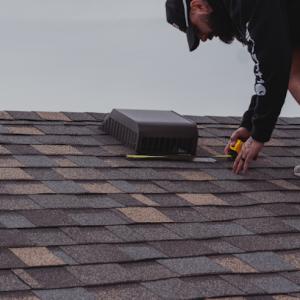
Colorado's high hail claim volume means Erie homeowners often deal with adjusters, photo documentation, and fair market value scrutiny after storms. The first priority is to document the damage thoroughly: photos from multiple angles, close-ups of granule loss, hail dings on metal vent caps, and evidence of accelerated wear around edges and valleys. A clear, dated record helps the adjuster see the scope quickly and reduces back-and-forth delays. When the adjuster arrives, you'll want a concise inventory of affected areas and a straightforward narrative of observed leaks or attic staining. Do not rely on memory alone; correlate every claim note with timestamped photos. In this market, having a professional assessment to accompany your own documentation can smooth negotiation and ensure the replacement scope matches actual damage rather than perceived risk.
Immediately after a hail event, protect the interior by covering exposed ceilings and securing loose materials on the roof and gutters. If you can safely access attic spaces, check for damp insulation or new stains, and document these findings. Contact a trusted local roofing professional who understands Erie's typical shingle profiles, whether steep-slope asphalt or specialty tile, and who can be available to perform a rapid, thorough inspection within a few days of a storm. Ask for a written assessment that outlines both visible damage and areas prone to latent wear. If a contractor sees widespread damage, coordinate prompt scheduling to avoid backlog during peak replacement windows. A swift initial assessment reduces stress when the adjuster arrives, and it signals seriousness about a complete, durable repair.
Replacement decisions should factor in Front Range exposure: hail impact on asphalt, metal, tile, or synthetic options can vary in performance under recurring spring storms. Your choice will influence how quickly a project can progress once the claim is approved. The goal is to secure a durable, weather-tight roof before the next storm cycle, while the schedule window remains open and the risk of interim leaks diminishes. In this climate, aligning your project with late spring through early fall not only matches the weather realities but also aligns with typical contractor availability and material supply cycles, reducing the chance of delays that extend into the heart of the next storm season.
Blue Spruce Construction Group
(303) 647-3883 www.bluesprucecg.com
3129 State Hwy 52, Erie, Colorado
4.9 from 117 reviews
Blue Spruce Construction Group is a general contracting company focused on roofing and exterior restoration in Lafayette, Denver, CO and the surrounding areas. We provide our customers with over 30 years of experience in the construction industry from top to bottom and over 25 years of handling insurance claims such as hail, wind, and water catastrophes. Our additional service offerings include exterior restoration and construction like siding installation and window repair. As a local trusted contractor, we help customers with complete exterior claims as well as emergency water mitigation and reclamation. We promise to provide you with an experience second to none with our focus on customer service.
AMC Roofing
933 Zodo Ave, Erie, Colorado
4.6 from 21 reviews
AMC Roofing is a family-owned contractor based in Erie, Colorado, proudly serving communities across the state since 2009. Our leadership team includes experienced professionals, 4 with over 25 years each in water damage mitigation, roof repair and replacement (all types), renovations, mold remediation, storm damage repair, design and build, insurance claims and more. We have crews that have been with us for 15 years, that ensure exceptional care for your home. We offer free in-person and no-contact inspections, with no high-pressure sales tactics. We can help our clients make informed decisions about their home’s needs. We provide detailed results, next steps and are always available to help. TURNED DOWN BY INSURANCE ? WE CAN HELP !

Scott's Roofing
(303) 469-9287 www.scottsroofingcolorado.com
Serving
4.8 from 216 reviews
For more than ten years, Scott’s Roofing has steadfastly served Colorado’s roofing needs. Through hailstorms and sunny weather, we’ve been here and we’re going to be here with you where we all live, work and play. Scott’s Roofing, founded by Gary Nickell, is a permanent fixture in our community and we’re here to go above and beyond for our neighbors with first-class quality and unbeatable value.
FP Roofing & Construction
(720) 675-3484 www.fproofingandconstruction.com
Serving
4.9 from 35 reviews
FP Roofing and Construction is your go-to roofing contractor near 10994 Arapahoe Rd, delivering top-tier roof repair, roof replacement, and roof installation services in Lafayette, CO, and beyond. Specializing in emergency roof repair, storm damage repair, hail damage roof repair, and leak repair, our expert team ensures your home or business remains secure against the elements. We also offer comprehensive roof maintenance and roof inspection services to prolong your roof's lifespan. With years of experience and a strong customer-first approach, we commit to quality, transparency, and competitive pricing. Contact us for a tailored experience and a free estimate today!
SafetyPlus Roofing Lafayette
(720) 927-8855 safetyplusroofinglafayette.click
Serving
5.0 from 29 reviews
Looking for the best roofing company in Lafayette CO? SafetyPlus Roofing Lafayette is here for you. We specialize in residential and commercial roofing services, backed by years of experience and dedication to excellence. Our free roof inspections identify potential issues before they escalate, ensuring the longevity of your roof. From minor repairs to complete roof replacements, our skilled roofers handle it all with precision and expertise. In the event of storm damage, you can count on us for swift and reliable repairs. We provide prompt assistance to restore your home. Trust SafetyPlus Roofing Lafayette to protect your property and keep you safe for years to come. Our commitment to quality sets us apart from other roofing contractors.

Rosner Roofing
(720) 682-9887 rosnerroofing.com
Serving
4.9 from 61 reviews
Choosing the right roofing contractor is vital for the longevity and aesthetic appeal of your home. Rosner Roofing stands out in Broomfield County and beyond, offering over a decade of unparalleled expertise and commitment to quality. As a locally owned and operated business, we understand the unique weather challenges of the Front Range. Our selection of high-quality materials and experience with the latest roofing techniques ensure your roof isn't just durable but also the pride of your neighborhood. Trust Rosner Roofing for a seamless blend of durability, beauty, and local expertise. Serving Broomfield, Boulder County, and the northern Denver Metro, we're the roofing specialists you need for peace of mind under the Colorado sky.
Alvarez Roofing & Construction
(773) 398-6216 alvarezroofingandconstructioninc.com
Serving
4.9 from 41 reviews
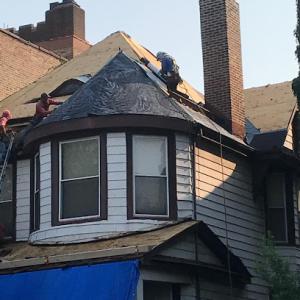
Alvarez Roofing And Construction embodies a legacy of excellence, forged over ten years of hard work, innovation, and a relentless pursuit of perfection. Based in Northlake, IL, our company was founded on the principles of integrity, quality, and customer satisfaction. Our team, a collective of highly skilled professionals, brings together a wealth of experience and a shared passion for transforming homes and businesses. Each project we undertake is more than a job; it's an opportunity to showcase our expertise and contribute to the community we proudly serve. We specialize in a comprehensive range of roofing and construction services, meticulously designed to meet the evolving needs of our clients.
Colorado Weather Coatings
(303) 435-6799 coloradoweathercoatings.com
Serving
5.0 from 12 reviews
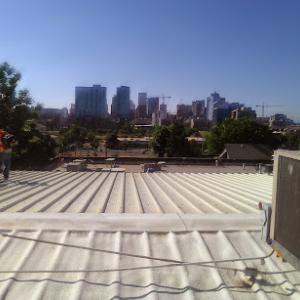
"Keep your roof leak-free with Colorado Weather Coatings, a family-owned roofing company in Broomfield, CO. Since 1975, we’ve specialized in roof restorations, acrylic and silicone roof coatings, and polyurethane foam roofing for flat and low-slope roofs as well as metal roofs across the Denver Metro area. Count on us for expert repair, restoration, and replacement to safeguard your home or business."
1st American Roofing
(720) 203-2900 americanroofingco.net
Serving
4.9 from 11 reviews
After about 20 years, your roof has experienced enough natural weathering to need a replacement or at least a little attention. When searching for a roofing contractor to replace your worn-out shingles, turn to a knowledgeable professional. Backed by more than 30 years of experience, the talented team at 1st American Roofing in Lafayette, CO, offers a wide range of services. This locally owned and operated roofing company specializes in residential and commercial projects. Your home depends on your roofing system as a first line of defense against rain, snow, and moisture. When problems present themselves, you can trust this roofing contractor to inspect and solve your issues in a timely manner.

C&M Roof Services
Serving
5.0 from 22 reviews
Reliable Roofing Contractors, Top Notch Roof Professionals, Storm & Hail Experts and Highly Skilled Roof Service Technicians Available 24/7. C&M is your locally owned and operated full service roofing company based out of Northern CO, specializing in flat roofs and roofing services such as roof restorations, roof leaks, roof repairs, roof maintenance, roof coatings, and roof inspections. Whether you have a commercial or residential roof that is leaking or in need of maintenance such as tree debris removal, drain and gutter cleaning, we offer roofing repair and services at competitive rates with quality workmanship, high quality roofing materials and top notch professionalism. We service many all of CO. Highly Insured and BBB accredited.
Ready Roofer
(720) 210-5451 readyroofer.com
Serving
4.3 from 12 reviews
Ready Roofer™ is a storm-based company that specializes in storm damage and insurance claims. We are advocates for you, the home owner. We’ll make sure your claim is settled properly, timely, and with quality workmanship to your home and property. Our unique business model guarantees you’re working with a company who cares. We take pride in the community in which we live and work, which is why we want to bring a small town feel to each of our projects. We want you to know you can trust us, rely on us, and hold us accountable throughout the duration of your project, and beyond.
Turn 2 Roofing & Inspections
Serving
5.0 from 53 reviews
Specialize in all residential and commercial roofing systems
Erie homeowners commonly choose among asphalt shingles, metal roofing, clay tile, concrete tile, synthetic/composite shingles, and slate, reflecting the area's mix of newer subdivisions and higher-end custom homes. Asphalt shingles remain a practical fit for most subdivisions, offering a broad range of styles and straightforward repair paths after hail. Metal roofing stands out on homes with a more contemporary line or premium detailing, and it can be a strong choice when rapid snow shedding and wind resilience are priorities. Clay and concrete tile bring a distinctive look and long life, particularly on custom projects or Mediterranean-inspired designs, but require careful attic venting and solid underlayment to handle Front Range temperature swings. Synthetic or composite shingles provide a hail-friendly balance between durability and weight, while slate delivers a traditional, durable option for true high-end homes where weight and roof geometry allow it.
Spring hail exposure, winter snow loading, and strong sun exposure shape how these materials age here. In spring, hail can leave varying degrees of impact-some hits are cosmetic while others may compromise shingles or underlayment. Asphalt can reveal small bruises that later become leaks if not addressed, while metal tends to show fewer immediate signs but may accumulate denting or seam wear over time if not inspected after storms. The Front Range sun can accelerate aging, especially for lighter-colored shingles, while snow loads shift attic stresses and micro-movements in the roof deck. Tile systems endure heat and cold cycling better in some situations but rely on a solid, well-sealed underlayment and correctly installed fasteners to resist impact and edge cracks after a hard freeze.
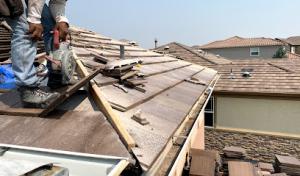
Tile and slate systems in Erie require attention to impact damage, underlayment condition, and accessory details even when the roof surface itself appears less visibly damaged than asphalt. Clay and concrete tiles can crack or loosen under hail without obvious surface grazing, and their weight magnifies the consequences of a weak sheathing or failing underlayment. Look for cracked tiles, hollow sounds when tapping, and misaligned rows after a storm. Underlayment should be inspected for punctures or water intrusion, especially where tiles have broken or where solar options have been installed nearby. Accessories-ridge vents, cricket pads, and flashings around chimneys and vents-must be evaluated since a small failure there can undermine an otherwise solid roof, particularly during snow loading and rapid temperature shifts.
For newer subdivision homes with standard steep slopes, asphalt shingles deliver predictable performance, straightforward repairs, and a familiar maintenance routine after hail events. If the goal is longevity and a higher-end look with strong wind resistance, metal roofing is worth considering, provided the roof geometry accommodates its fasteners and potential noise considerations in heavy snowfall months. On custom homes with more complex rooflines, clay or concrete tile can deliver a timeless aesthetic, but ensure the underlayment and ventilation strategy are designed for Erie's climate to avoid hidden moisture issues. Synthetic shingles offer a hail-friendly compromise for mixed-age structures or retrofit projects, while slate suits homes where weight bearing and upscale appearance align with long-term resilience.
Pricing by material runs along a predictable range, but the Front Range hail cycle and suburban home layouts push those numbers in real-time. For asphalt shingles, typical pricing sits around $350 to $650 per square. If a project leans toward metal, you'll usually see $900 to $1,700 per square. Clay tile climbs to $1,100 to $2,400 per square, while concrete tile lands near $900 to $1,900 per square. Synthetic or composite shingles are a cost-efficient option at roughly $600 to $900 per square, and slate sits highest at about $1,400 to $3,000 per square. These ranges reflect not only material costs but the labor and logistics unique to a storm-impacted market after a hail event when crews are juggling tight timelines.
Storm surges along the Front Range tighten contractor availability in Erie and push scheduling pressure during peak hail recovery periods. When a big hail year hits, many crews migrate to inner-date projects or neighboring towns with similar needs, extending wait times for a full replacement. That dynamic matters most for steep-slope roofs or clay and concrete tile systems, where access, equipment, and staging space become limiting factors. If your project window is defined by insurance approvals or storm-damage assessments, expect pacing to accelerate and prices to shift as demand spikes. Having a clear plan ahead of the first assessment can shave days off the process when crews are in high demand.
Costs in Erie can move with roof complexity, steep suburban rooflines, flashing replacement, ventilation corrections, and whether storm damage requires partial decking or accessory replacement. A simple asphalt shingle job on a straightforward pitch tends to stay near the lower end of the range, but add-on items push totals upward quickly. For instance, replacing or re-sealing flashing, upgrading ventilation, or addressing sagging fascia can add a few hundred to several thousand dollars depending on the extent of damage and the chosen materials. In tile scenarios, steep or multi-level layouts, plus the need for additional underlayment or broken decking, can push the price toward the upper end of the spectrum. If decking is compromised, expect a material and labor bump that reflects removal and partial replacement of compromised sections.
In practice, plan for a staged decision path driven by insurance documentation and the timing of storm-season recovery. Start with a professional assessment focused on hail impact, then align on the material choice that matches exposure and expected longevity. Asphalt remains the most budget-friendly option for reshaping a roof that endured Front Range hail, while metal offers resilience with lighter weight and faster replacement in many situations. Tile options-clay or concrete-provide long-term durability but require precise installation and may incur higher costs if the existing substructure or framing needs reinforcement. Synthetic shingles strike a balance between cost and performance, offering credible hail resistance at a middle price point. Finally, slate delivers longevity but demands careful planning for installation and a premium price tag.
Weather-driven decision timing matters. If a storm season is looming, coordinate to minimize downtime by pre-booking evaluations, reinforcing with a clear scope of work, and aligning material choice with the expected roof pitch and drainage nuances typical to suburban homes in this market.
Get a clear picture of your project costs upfront - no commitment required.
FP Roofing & Construction
(720) 675-3484 www.fproofingandconstruction.com
Serving
4.9 from 35 reviews

In this region, reroof permits are issued by the Town of Erie building department rather than being handled informally at the contractor level. The permit process is a standard part of keeping the steep-slope roofing stock compliant with town codes and ensures the work factors in local climate realities like spring hail exposure. A typical Erie reroof application is submitted by the contractor and includes basic information about the roof scope and material. Expect the submittal to list the roof area, the proposed roof covering, underlayment type, ventilation plan, and any attic alterations tied to the project. Because the town tracks reroofs closely to storm-season activity, it's common for permits to align with anticipated replacement windows after hail events, but the application itself is still a formal document reviewed by municipal staff. If you have an HOA or neighborhood covenants, verify there is no conflicting approval process beyond the town's permit review. The permit must be posted at the job site visible from the street, and the date on the permit should match the project timeline as closely as possible to avoid any compliance questions during inspections.
Erie inspections are scheduled during and after installation to verify underlayment, ventilation, flashing, and overall code compliance. A typical inspection sequence starts with a rough-in check that confirms the roof deck is solid, rafters or trusses are properly spaced, and the underlayment is correctly installed for the local hail-prone climate. The inspector will look for proper nail patterns, shingle or tile alignment, and appropriate ventilation in the attic to prevent heat buildup that can compromise roof longevity. After the roofing material is installed, a final inspection verifies flashing around vents, skylights, chimneys, and valleys, ensuring water control and deck integrity meet current code requirements. In Erie, the inspection schedule can cluster around storm seasons, so coordinating closely with the contractor and the building department helps prevent delays if a weather event stretches the project timeline. If issues are found, a clearly defined reinspection plan is typically provided, and the contractor may need to correct deficiencies and request a follow-up inspection.
Keep a municipal contact point handy in case the inspector requests clarifications about ventilation or attic condensation controls, which are particularly relevant for steep-slope roofs in this area. Ask the contractor to furnish the permit number upfront and share the city's approval notice with you as the homeowner, so you understand the exact scope reviewed by the town. Maintain a visible log of inspection dates and any required corrective actions, and confirm that the final permit closure is documented once the project passes the final review. Understanding that Erie's storm-driven replacement cycles can influence timing helps you plan ahead for permit issuance and inspections in a way that minimizes weather-related hold-ups and keeps the project aligned with local code expectations.
In this Front Range corridor, hail and wind events are a regular backdrop, and the insurer's eye tends to be sharp after a big storm. The local market has a reputation for tighter underwriting and more scrutinized claims compared to milder, low-loss regions. Recent storm clusters can tighten insurance availability and influence underwriting appetite for homes with steep-slope roofs, especially after heavy hail seasons. Understanding that posture is the first step toward smoother claim handling when a roof is hit.
Thorough photo records are non-negotiable. Date-stamped storm documentation that shows wind lines, hail impact, and roof condition before and after events is essential. Clear scope descriptions matter, too-note damaged shingles, flashing, vent boots, gutters, and any interior signs of leaks. Include attic and ceiling photos where staining appears. Keep a simple diary of storm dates, gust speeds if available, and the specific roof areas impacted. This level of detail helps adjusters see the full picture quickly and reduces back-and-forth.
Storm activity can influence insurance availability and the appetite for certain roof remedies. If a claim is anticipated, begin documenting promptly and avoid gaps between the event and notification. Timing matters because backlog and prioritization shift with newer storms. Prepare to coordinate a scope that matches visible damage plus any latent issues, and be ready to explain how separate storm events may have compounded wear on eaves, valleys, and deck sections. A prompt, organized submission tends to smooth the path through the early review phase.
Capture a consistent set of images: exterior from multiple angles, close-ups of damaged areas, and wide shots of the entire roof. Date-stamp every image if possible and log the exact location, weather conditions, and time. Include measurements of damaged sections and notes on any pre-existing conditions that could affect repair decisions. Keep backups-cloud storage and a thumb drive can save you from a single device failure. If you're working with a contractor, ensure all scope notes mirror your photos and your diary.
Be cautious about scope creep and ensure every proposed repair is backed by the documented damage. Request written explanations for any recommended replacements and preserve all communications and invoices. Maintain copies of every photo set, log entry, and correspondence in a single, organized folder. If a second opinion is needed, obtain it early and attach it to the claim file. This approach helps you maintain leverage and clarity through the settlement process.
Connect with contractors who help homeowners navigate the claims process from damage assessment to final approval.
Blue Spruce Construction Group
(303) 647-3883 www.bluesprucecg.com
3129 State Hwy 52, Erie, Colorado
4.9 from 117 reviews
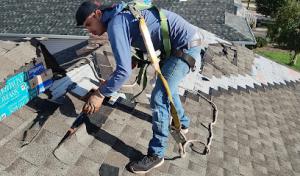
Colorado Roofing
(720) 646-0423 coroofinginc.com
2831 Bonanza Dr Unit 105, Erie, Colorado
4.8 from 55 reviews
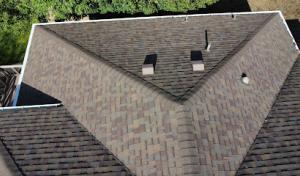
After a pounding hail event and a gusty wind, the first places to fail are where roof assemblies meet vertical transitions. In this climate, flashing around chimneys, hips, valleys, and roof-to-wall junctions bears the brunt of pounding hail and driving rain. Look for wrinkles, displaced metal, or torn sealant. Breaches to underlayment often hide beneath granules or shingles that look intact from the ground. An exterior inspection should focus on obvious impact marks, lifted shingles, or curled edges that betray hidden gaps.
Rapid swings between snow, thaw, sun, and afternoon thunderstorms can push moisture into vulnerable penetrations even when the surface looks fine. Hail damage can create microfractures that widen with warming and cooling cycles. Pay attention to areas that see frequent sun exposure or stack up ice dam risk, since heat cycling accelerates deterioration of seals and laps. These cycles can loosen nails, compromising fasteners and allowing wind-driven leaks to track under shingles.
Skylights, vents, and exhausts deserve targeted inspection after hail because surrounding seals and flashing can fail even when interior leaks are not immediate. Check the sealant line around the curb, the flashing seams, and the interior ceiling near these openings for faint staining or musty smells. If you notice even a slow drip near a penetration, treat it as an active leak path and map it for repair.
Document all suspect areas with photos, paying special attention to flashing joints and underlayment access points. Mark any fastener corrosion or missing shims, and prioritize roof sections with visible hail impact or displaced materials. Schedule a professional inspection promptly while the roof is still under weather exposure, and keep interior spaces monitored for moisture during every thaw cycle.
After storm season, even dry weeks can reveal slow leaks that began with hail. Develop a yearly post-storm checklist, and train a trusted neighbor to spot telltale signs like small halos around flashing, darkened shingles near eaves, or wet spots along interior walls after a warm day. Quick remediation of suspect areas can prevent widespread interior damage and extend the life of roof components.
Find contractors experienced in skylight installation, flashing, and leak repairs to bring natural light into your home.
Blue Spruce Construction Group
(303) 647-3883 www.bluesprucecg.com
3129 State Hwy 52, Erie, Colorado
4.9 from 117 reviews
Colorado Roofing
(720) 646-0423 coroofinginc.com
2831 Bonanza Dr Unit 105, Erie, Colorado
4.8 from 55 reviews

Spring hail damage tends to reveal the weak points on both steep-slope and low-slope sections. If solar panels are part of the plan, expect a coordinated schedule with the reroofing crew. Front Range sun exposure makes roof-mounted systems a recurring coordination issue during reroofing, especially on newer housing stock with exposed rafter tails and reflective underlayment. Ensure the solar installer is aware of the chosen roofing material, and verify penetrations align with the panel racking layout. Document any existing flashings around mounts so the contractor can reproduce a watertight seal after replacement.
Erie's newer residential growth includes attached low-slope areas over patios, porches, and architectural transitions. These sections require their own drainage and flashing attention, separate from the main steep-slope roof. Minimize downtime by planning for integrated gutter connections and scupper details that tie smoothly into the primary roof drainage. If a low-slope surface is roofed with a membrane or modified bitumen layer, confirm that flashing at edges and transitions to steeper planes is designed to be fully compatible with the chosen roofing system. Do not overlook counterflashing where walls meet low-slope planes.
When hail damage leads to a full or partial reroof, scope coordination matters more than ever for solar and low-slope areas. Inspect transitions where the low-slope meets the main roof and verify that new flashing, edge metal, and sealant transitions are continuous across roof planes. Ask the crew to photograph penetrations and transitions before disassembly and to provide a clear plan for resealing around rivoted or clamped photovoltaic hardware. A well-documented sun-exposed roof layout helps ensure the final assembly is both watertight and durable through the next storm cycle.
Find contractors who integrate solar panels or solar shingles into your roof for long-term energy savings.
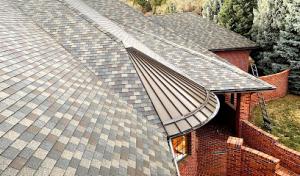
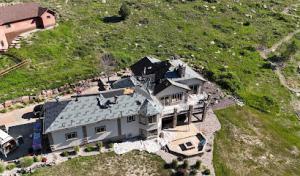
After a hail event, you'll notice a surge of contractors offering cleanup and quick re-roofs. In Erie, homeowners expect a contractor who can respond fast, handle the full job from tear-off to cleanup, and stay on site through the warranty period. Residential projects dominate the market, so look for firms that clearly prioritize homes, not just large commercial work. A contractor with a visible local presence often translates into smoother inspections, better supplements, and solid warranty follow-through.
Good storm contractors you can trust in this area tend to be established, family-owned, or locally owned firms. These businesses are more likely to provide continuity if accessory issues arise and to maintain relationships with local suppliers and inspectors. Seek out teams that assign a dedicated project lead, approved crews, and a clear chain of communication for both the work and the documentation you'll need for insurance and any follow-up work.
In practice, prioritize contractors who quote a complete package: roof replacement, debris cleanup, and a defined post-installation plan. Ask for a published timeline with milestones and a head-and-shoulders schedule for inspections after installation. Verify that they provide thorough documentation you can attach to your insurance claim, including a detailed scope, photos before and after, and a signed waiver of lien. A reliable contractor will offer a written plan describing how they protect landscaping, manage nails and debris, and protect gutters during the process.
Ask for recent Erie-area references, especially from homeowners who faced hail in the spring or early summer. Reach out to those references about responsiveness during the claim process, how well the crew cleaned up, and whether follow-up inspections were timely. Look for a contractor who can demonstrate a history of timely communication, coordinated supplement support, and swift handling of post-installation inquiries. In this market, the best choice is the one you can count on when the next hail event hits.