
Last updated: Apr 19, 2026
Front Range hailstorms hit with little warning and leave shiny granules and bruised shingles that reveal themselves only after the sun shifts. Spring hail is the most disruptive roofing event for this area, not just for the damage itself but for contractor scheduling as crews swing from one neighborhood to the next. In Lafayette, the best chance to complete a full replacement without weather-related delays is a window that begins in late spring and runs through early fall. Snow and freeze-thaw cycles slow access to roofs, and spring storms can interrupt active jobs, so the clock on a replacement starts ticking as soon as the roof shows impact signs-granule loss, dented metal, bent flashing, or curling shingles. If storms blow through and hail is reported, treat it as a window-opening event rather than a single-day fix.
In Lafayette, insurers commonly expect thorough photo documentation and may require an adjuster site visit for hail and wind losses before full scope approval. Start gathering evidence the moment a storm passes: close-ups of dented gutters, granule specks along the eaves, lifted shingles at valleys, and any interior signs of moisture on ceilings. Create a simple photo timeline: the roof edge, a wide shot across the yard to show roof shape, and the interior attic after a hot day (stains or daylight through gaps). Keep dated notes about storm time, wind direction, and any leaks you notice. If an eyewitness or neighbor saw the hail, include their observations. Do not rely on memory-photos with timestamps and a clear consecutive sequence carry weight when an adjuster reviews the claim. In practice, that means a dedicated smartphone album ready to share at the first claim call, and a second backup on cloud storage for safekeeping.
The replacement window in this market is governed by weather realities. The goal is to avoid winter shoveling, frozen underlayment, and repeated freeze-thaw cycles that crack sealant and shorten a roof's life. Plan to file promptly after a major hail event and secure an inspection before contractors' calendars fill up. If a storm season is projected to run late, stay in close contact with the insurer and the chosen contractor to confirm scheduling across favorable weather blocks. A well-timed replacement minimizes the risk of new hail damage interrupting ongoing work and helps ensure the new roof cures properly in the dry months ahead.
Expect an adjuster to want a thorough look, with questions about wind-driven damage as well as hail. Be prepared to walk the adjuster through the timeline of events, the extent of interior signs of moisture, and the roof's age before the event. The adjuster may request a second opinion if the damage isn't immediately evident in the first walk-around. The key is to present a consolidated package: the storm impact, the documentation trail, and a professional assessment from a trusted roofer. If the claim hinges on wind or secondary damage, have the estimator annotate any findings that extend beyond the initial hail scope so the contractor can plan the full replacement accordingly.
In practice, Lafayette homeowners benefit from contractors who maintain staggered crews and carry enough material stock to handle a burst of approvals after a storm. Ask about availability across the late-spring to early-fall window, their process for coordinating with adjusters, and their plan for handling temporary protection if a storm threatens during installation. A reputable contractor will inventory the typical Front Range materials-whether asphalt, metal, or tile-and align the replacement sequence with favorable weather blocks, guaranteeing a strong, wind- and hail-resistant roof once the season shifts toward dry days. Coordination between insurer, adjuster, and contractor should feel seamless, with clear milestones and fixed communication points, so damage becomes a fixed schedule rather than a rolling target.
After a hail event along the Front Range, you'll notice crews moving from one neighborhood to the next, and schedules can tighten quickly. In Lafayette, that means two things: you may see shorter notice windows for inspections and longer lead times for material orders, especially if a preferred shingle type or metal option is in high demand. Storm-driven demand can push reroof pricing upward and push estimated start dates further into the calendar, so plan for some wait time if you're aiming for a replacement in the weeks right after a hail storm. Weather patterns also shorten the "quiet" window between storms, so you'll want to lock in a trusted contractor sooner rather than later. If you're comparing bids, ask each contractor to share their typical lead times for start and their order delay estimates for roofing material shipments. This can save you from surprise delays during the peak post-storm period.
The local climate - intense sun, direct Front Range hail exposure, and winter freeze-thaw cycles - changes expected service life and repair frequency compared with milder climates. That means your material decision isn't just about upfront cost; it's about how often you'll need maintenance or future replacement. For asphalt shingles, the local cost range is typically between $350 and $700 per square. Metal roofing tends to run higher, roughly $600 to $1100 per square, offering better hail resistance and longer life in our sun-intensive environment. Clay and concrete tiles push higher still, with clay at about $1000 to $1800 per square and concrete around $900 to $1700. If you're weighing lighter options, wood shingles or shakes sit roughly in the $500 to $900 range per square, while synthetic or composite shingles fall around $450 to $900. In practice, you might pay a premium for products that resist impact, fade less with intense sun, or hold up better under freeze-thaw cycles. That premium can pay off with fewer service calls over the life of the roof.
First, assess your current roof's condition and your home's exposure to sun and hail. If your attic or interior shows signs of heat buildup or rapid temperature swings, a reflective or lighter-colored option can reduce cooling costs and help extend shingle life. Second, consider hail history in your neighborhood; if you've seen repeated impacts, a more durable option like metal or impact-resistant synthetic shingles may reduce long-term maintenance and claim frequency. Third, factor in the long-term cost of ownership, including potential insurance documentation and claim-driven replacements, when comparing upfront costs. Finally, verify local delivery windows and confirm that your chosen material is readily available in the current post-storm market so your project can stay on track despite the usual Front Range demand upswing.
In Lafayette, storm-season documentation matters. When filing a claim, ensure you have clear pictures of prior damage, dates tied to hail events, and any temporary repairs noted by a licensed contractor. Your insurer will often request a detailed scope of work and a project schedule; having line-by-line material and labor estimates, along with square footage calculations, can streamline the process. If a replacement is approved, your bid should reflect material choices in the cost ranges listed above, plus any upgrades for longer life or better hail resistance. Expect some variability in start times after approval; planning for a window rather than a fixed date helps you coordinate temporary repairs, roof piles, and cleanup without delaying essential protection for your home.
Scott's Roofing
(303) 469-9287 www.scottsroofingcolorado.com
211 N Public Rd #100, Lafayette, Colorado
4.8 from 216 reviews
For more than ten years, Scott’s Roofing has steadfastly served Colorado’s roofing needs. Through hailstorms and sunny weather, we’ve been here and we’re going to be here with you where we all live, work and play. Scott’s Roofing, founded by Gary Nickell, is a permanent fixture in our community and we’re here to go above and beyond for our neighbors with first-class quality and unbeatable value.
SafetyPlus Roofing Lafayette
(720) 927-8855 safetyplusroofinglafayette.click
400 W Baseline Rd, Lafayette, Colorado
5.0 from 29 reviews
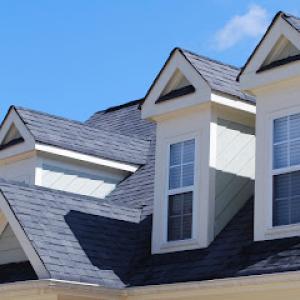
Looking for the best roofing company in Lafayette CO? SafetyPlus Roofing Lafayette is here for you. We specialize in residential and commercial roofing services, backed by years of experience and dedication to excellence. Our free roof inspections identify potential issues before they escalate, ensuring the longevity of your roof. From minor repairs to complete roof replacements, our skilled roofers handle it all with precision and expertise. In the event of storm damage, you can count on us for swift and reliable repairs. We provide prompt assistance to restore your home. Trust SafetyPlus Roofing Lafayette to protect your property and keep you safe for years to come. Our commitment to quality sets us apart from other roofing contractors.
FP Roofing & Construction
(720) 675-3484 www.fproofingandconstruction.com
10994 Arapahoe Rd, Lafayette, Colorado
4.9 from 35 reviews
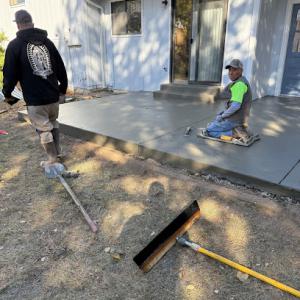
FP Roofing and Construction is your go-to roofing contractor near 10994 Arapahoe Rd, delivering top-tier roof repair, roof replacement, and roof installation services in Lafayette, CO, and beyond. Specializing in emergency roof repair, storm damage repair, hail damage roof repair, and leak repair, our expert team ensures your home or business remains secure against the elements. We also offer comprehensive roof maintenance and roof inspection services to prolong your roof's lifespan. With years of experience and a strong customer-first approach, we commit to quality, transparency, and competitive pricing. Contact us for a tailored experience and a free estimate today!
1st American Roofing
(720) 203-2900 americanroofingco.net
4277 N 109th St, Lafayette, Colorado
4.9 from 11 reviews
After about 20 years, your roof has experienced enough natural weathering to need a replacement or at least a little attention. When searching for a roofing contractor to replace your worn-out shingles, turn to a knowledgeable professional. Backed by more than 30 years of experience, the talented team at 1st American Roofing in Lafayette, CO, offers a wide range of services. This locally owned and operated roofing company specializes in residential and commercial projects. Your home depends on your roofing system as a first line of defense against rain, snow, and moisture. When problems present themselves, you can trust this roofing contractor to inspect and solve your issues in a timely manner.
Ready Roofer
(720) 210-5451 readyroofer.com
125 N Harrison Ave, Lafayette, Colorado
4.3 from 12 reviews
Ready Roofer™ is a storm-based company that specializes in storm damage and insurance claims. We are advocates for you, the home owner. We’ll make sure your claim is settled properly, timely, and with quality workmanship to your home and property. Our unique business model guarantees you’re working with a company who cares. We take pride in the community in which we live and work, which is why we want to bring a small town feel to each of our projects. We want you to know you can trust us, rely on us, and hold us accountable throughout the duration of your project, and beyond.

C&M Roof Services
Serving
5.0 from 22 reviews
Reliable Roofing Contractors, Top Notch Roof Professionals, Storm & Hail Experts and Highly Skilled Roof Service Technicians Available 24/7. C&M is your locally owned and operated full service roofing company based out of Northern CO, specializing in flat roofs and roofing services such as roof restorations, roof leaks, roof repairs, roof maintenance, roof coatings, and roof inspections. Whether you have a commercial or residential roof that is leaking or in need of maintenance such as tree debris removal, drain and gutter cleaning, we offer roofing repair and services at competitive rates with quality workmanship, high quality roofing materials and top notch professionalism. We service many all of CO. Highly Insured and BBB accredited.
Alvarez Roofing & Construction
(773) 398-6216 alvarezroofingandconstructioninc.com
Serving
4.9 from 41 reviews
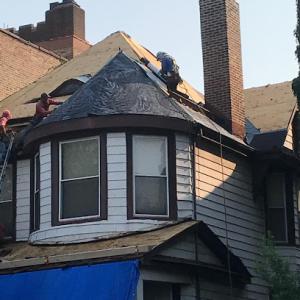
Alvarez Roofing And Construction embodies a legacy of excellence, forged over ten years of hard work, innovation, and a relentless pursuit of perfection. Based in Northlake, IL, our company was founded on the principles of integrity, quality, and customer satisfaction. Our team, a collective of highly skilled professionals, brings together a wealth of experience and a shared passion for transforming homes and businesses. Each project we undertake is more than a job; it's an opportunity to showcase our expertise and contribute to the community we proudly serve. We specialize in a comprehensive range of roofing and construction services, meticulously designed to meet the evolving needs of our clients.

Rosner Roofing
(720) 682-9887 rosnerroofing.com
Serving
4.9 from 61 reviews
Choosing the right roofing contractor is vital for the longevity and aesthetic appeal of your home. Rosner Roofing stands out in Broomfield County and beyond, offering over a decade of unparalleled expertise and commitment to quality. As a locally owned and operated business, we understand the unique weather challenges of the Front Range. Our selection of high-quality materials and experience with the latest roofing techniques ensure your roof isn't just durable but also the pride of your neighborhood. Trust Rosner Roofing for a seamless blend of durability, beauty, and local expertise. Serving Broomfield, Boulder County, and the northern Denver Metro, we're the roofing specialists you need for peace of mind under the Colorado sky.
Reel Roofing
(720) 590-1262 www.reelroofingco.com
Serving
4.2 from 26 reviews
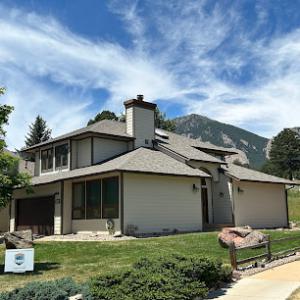
Reel Roofing provides expert roofing, gutters, siding, & exterior services based out of Louisville, Colorado. We service both residential and commercial roofing projects, offering everything from repairs to full roof replacements. Choose Reel Roofing for our commitment to quality workmanship, transparent pricing, and reliable service. We are hail storm damage and insurance claim experts. We have in-house insurance claim specialists to help homeowners navigate the insurance claims process. We take pride in being the roofing company who always prioritizes the customer. We proudly service Boulder, Denver, Colorado Springs, Fort Collins, Northern Colorado, and surrounding areas. Reach out today for a free roof inspection/Free drone inspection!
Axe Roofing
(303) 276-7663 www.axeroofing.com
Serving
5.0 from 64 reviews
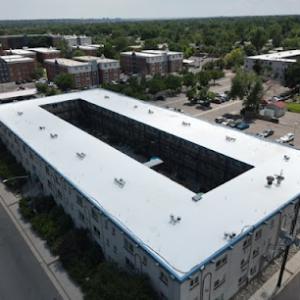
Axe Roofing proudly offers roof repairs and replacements for residential, commercial, and multi-family structures in the Broomfield, Colorado area.
Colorado Weather Coatings
(303) 435-6799 coloradoweathercoatings.com
Serving
5.0 from 12 reviews
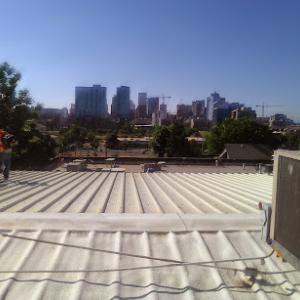
"Keep your roof leak-free with Colorado Weather Coatings, a family-owned roofing company in Broomfield, CO. Since 1975, we’ve specialized in roof restorations, acrylic and silicone roof coatings, and polyurethane foam roofing for flat and low-slope roofs as well as metal roofs across the Denver Metro area. Count on us for expert repair, restoration, and replacement to safeguard your home or business."
Arrow Roofing & Exteriors
(303) 648-4075 arrowroofco.com
Serving
5.0 from 227 reviews
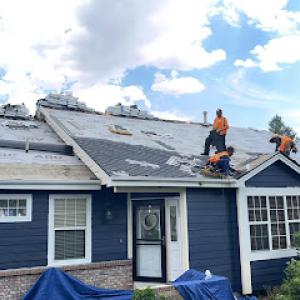
Homeowners TRUST our locally owned and operated roofing and exterior services! We specialize in working with all insurance carriers and homeowner claims caused by storm damage. Call us today for a Free roof inspection. We are currently serving the entire Front Range of Colorado. If you want to make your roof last as long as possible, it is vital that you never put off a roof repair. Small issues with roofing become big issues in a hurry. No matter how major or minor the repair you need, we are here to help. Whether you need help with your roof, gutters, siding or paint, we would love to help with your project!
Asphalt shingles remain a dominant local choice, but Lafayette's combination of hail exposure, summer UV, and winter thermal cycling makes impact resistance and heat aging especially important. In practice, that means higher-than-average impact-rated (IC/UL) shingles can pay off in fewer rapid replacements and less granule loss after a hail surge. Look for products with good granule adhesion, a solid underlayment, and a warranty that accounts for heat and cold cycles. In the attic, consider venting and insulation that minimize temperature swings, since heat aging accelerates wear even under otherwise sturdy shingle systems. Weather patterns here can push a roof from hot sun to cold nights, so a shingle with stable color and intrinsic moisture resistance helps maintain performance over time.
Tile systems are actively installed in the market, yet clay and concrete can face breakage concerns during hail events and require attention to attachment and underlayment performance in freeze-thaw conditions. If clay or concrete tiles are chosen, ensure an adequate fastener pattern and a robust underlayment that accommodates cycles of freezing and thawing typical along the Front Range. Insist on a professional roof deck assessment to verify that the substrate can bear tile weight and that flashing details around chimneys, vents, and edges are reinforced for hail-driven wind loads. While tile aesthetics can elevate curb appeal, the practicalities of hail risk and temperature shifts mean a careful trade-off between looks and durability, with attention to edge protection and secure anchoring in windy Lafayette days.
Metal roofing has local relevance because it handles sun and snow differently than shingles, while synthetic products appeal to homeowners balancing hail resilience with the look of higher-end materials. Metal's reflective properties can reduce heat buildup, which helps with energy efficiency and heat aging. In Lafayette's climate, careful panel layout, proper sealants, and a robust underlayment shorten the attack window for snow-driven ice damming and wind-driven debris. For hail, choose thicker gauges and a design that promotes load resistance without creating overly slick surfaces that can complicate maintenance. Metal complemented with a high-quality finish and appropriate coating tends to weather sun and storm cycles with less visible wear, while synthetic options provide a balance between impact resistance and the appearance of more traditional materials.
In this market, the best choice often boils down to balancing hail performance with long-term durability under sun and thermal cycling. Ask for verified impact resistance data, consider the local climate's temperature swings, and ensure proper installation details address freeze-thaw behavior. Regardless of material, prioritize a roof system designed for Front Range storms: strong attachment points, appropriate underlayment, and detailing that protects penetrations and transitions. Choosing a roof with proven performance in Lafayette's unique mix of hail, sun, and snow can reduce surprises in the storm season and help keep the home comfortable year-round.
When replacing a full roof, a building permit is typically required through the City of Lafayette building department. This process is there to ensure the work meets local code requirements for structural integrity, ventilation, and fire safety, especially important after the Front Range hail cycles. The permit is not a paperwork nuisance; it creates an official record that your roof complies with current standards and protects your home's value and insurance position. Start the permit application as soon as you've settled on materials and a contractor, because the timeline can influence how quickly you can move from tear-off to final finish.
Plan review can add a short delay, which matters more in Lafayette when homeowners are trying to move quickly after a regional hail event. If a storm has recently damaged many homes, the permitting office may experience higher volume and a longer review queue. You can help keep things on track by submitting clear, contractor-supplied construction drawings, product data, and a written outline of the replacement scope. If you're working with a roofer who has filed similar projects locally, leverage their familiarity with the city's expectations to reduce back-and-forth.
Local inspections are typically scheduled during the project and again after completion. Inspectors will check underlayment quality, ventilation adequacy, and attachment methods to confirm code compliance. It is common for crews to be asked to adjust deck ventilation, add a secondary attic vent, or correct nail patterns if something doesn't align with the current code interpretation. Plan for access to the attic and roofline during the inspection windows, and coordinate with your contractor to ensure that ventilation and drip edge installations are visible to inspectors.
Coordinate your schedule so the permit is active before the tear-off begins, and keep a clear line of communication with both the contractor and the building department. If the project spans a busy inspection cycle, ask about interim inspections to keep the project moving rather than waiting for a single final review. Post-inspection, address any noted items promptly; a quick turnaround on corrections helps avoid re-inspection delays. In a high-hail area, having the permit and inspections aligned with the earliest possible replacement window reduces storm-related downtime and accelerates stabilization of your roof's performance.
In this Front Range corridor, a storm that rolls through can trigger a domino effect on a homeowner's decision-making. Carriers in Colorado often operate with deductibles that feel sharp after a hail event, and the timing of claim approvals can hinge on adjuster availability during peak storm seasons. This means decisions about what to replace can be shaped not only by the roof's condition but by the timing of how a claim is processed. A homeowner should expect that a hail-damaged roof may prompt a broader review of the entire exterior, yet approvals can ride on the pace of adjusters and the volume of similar claims in the same neighborhood. The risk here is not just the loss itself, but the possibility that the financial path to a full replacement gets stretched out as storm crews move from one property to the next.
Because insurers in this region often want before-and-after condition records, keeping dated photos is a practical safeguard. Take clear, timestamped shots of shingles, flashing, vents, skylights, and any interior evidence of leaks. A simple photo log can prevent misunderstandings about prior wear versus new damage after a storm. Store these records in a durable, accessible folder or cloud album, and update it after every major event, every inspection, and every repair milestone. If a second opinion is requested, having a consistent visual trail can speed up decisions and reduce back-and-forth with adjusters. In homes with visible hail impact or cracked surfaces, those images become the language that both homeowners and insurers understand.
Claim handling can affect material selection and project timing here because approval delays may overlap with the city permit process and the narrowest weather-safe installation windows. The Front Range climate constrains crews to a relatively tight window for tearing off and replacing a roof without inviting wind-driven leaks or wind-driven debris exposure. The most reliable replacements tend to line up with a stretch of dry, moderate days rather than a rushed sprint between storms. When a claim lands during a busy season, there is a practical reality: the project may stretch longer than expected, and the pathway from approval to completion can pass through several weather-sensitive phases. Being prepared for a possible staggered timeline helps avoid a last-minute scramble when a window finally opens.
In Lafayette, hail impact and wind-driven storms commonly turn ridge caps, exposed flashing areas, and roof penetrations into the first visible failure points. Ridge caps are especially vulnerable when wind gusts lift edges and expose underlying underlayment. Exposed flashing around chimneys, vents, and skylights can crack or pull away, inviting water intrusion behind the scenes. Small, seemingly minor bruises or dimples on shingles may hide a larger breach once rain follows or temperatures swing. Regularly inspect these areas after hail events and before the next storm cycle, because the earliest warning signs are often near the ridge line and around penetrations.
Rapid thawing after snow can expose weaknesses in underlayment and ventilation details, especially on roofs already stressed by prior summer UV and spring storm damage. Ice dams, fan-fold underlayment, or poorly vented attics give moisture a path to degrade sheathing and insulation. Look for damp spots along eaves, soft spots in the attic floor, or a sudden spike in attic humidity after thaw events. If moisture appears, address ventilation balance and reseal or replace compromised underlayment promptly, or the cycle of exposure and failure repeats with each thaw.
Autumn winds and debris add wear between major storm events, so minor damage in Lafayette often compounds before the next hail season if not documented and repaired. Loose granules, small veneer cracks, and degraded sealants can accumulate unnoticed under fallen leaves and blowing debris. By late fall, that accumulated wear can weaken a panel or flashing seam enough to worsen during the next heavy storm. Document hail hits and wind damage, repair promptly, and maintain clean edges where debris can lodge and accelerate deterioration.
Find contractors experienced in skylight installation, flashing, and leak repairs to bring natural light into your home.
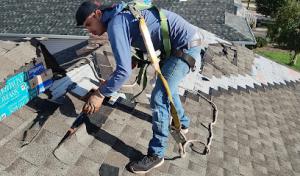

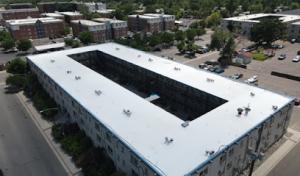
Although pitched residential reroofing dominates locally, Lafayette's contractor signals show meaningful demand for low-slope roofing, indicating a real subset of homes, additions, garages, and commercial-style sections needing different detailing. In these cases, the speed of storm-driven damage can outpace traditional steep-slope installations, and roof transitions must be planned to avoid trapped water at joints and parapets. The careful selection of underlayment, edge detailing, and fastener patterns matters more than ever when the roof deck is flatter and the drainage path is shorter.
Lafayette's sunny Front Range climate makes solar-related roof work locally relevant, so roof replacement planning may need to account for panel removal, reinstallation, and flashing integrity. Before work begins, document the exact panel layout, any racking or sealant changes, and the condition of penetrations around array mounts. Coordinate with the solar installer to ensure flashing height, edge clearance, and drip edge compatibility are preserved. Scheduling should anticipate panel downtime and potential re-mounting logistics, minimizing the risk of misalignment or moisture entry after the job.
Low-slope sections in this climate face a different risk mix than steep-slope roofs because snow retention, drainage, and membrane condition become more important during freeze-thaw periods. Pay attention to the slope ratio, the performance of the drainage plane, and the effectiveness of any ballast or attachment strategies used for the membrane. In areas prone to wind-driven snow, verify that edge details and parapet terminations won't create ice dams or water pockets during mid-winter thaws.
Regular inspections should target membrane seams, flashing transitions around vents and penetrations, and the interface between low-slope areas and adjoining steep sections. After a hail event, closely inspect for hail-induced micro-damage to the membrane surface and fastener backs; even minor compromises can propagate as water paths under solar arrays or along edge details. Establish a recap plan to revisit fastener torque, sealant integrity, and edge seal effectiveness after the first thaw.
Find specialists in TPO, EPDM, and built-up flat roofing systems for residential and commercial properties.

Alvarez Roofing & Construction
(773) 398-6216 alvarezroofingandconstructioninc.com
Serving
4.9 from 41 reviews

The Front Range hail cycle drives a steady stream of reroof projects in this area, with a lot of work spiked by spring and early summer storms. Homeowners should expect contractors to lean into speed, inspections, and insurance coordination after hail events. That urgency can be helpful for getting a quick claim through, but it also means some crews push without a full plan. Plan ahead for a multi-step process: a rapid initial assessment, a thorough mid-cycle roof inspection, and a final verification after the roof is installed. In Lafayette, the weather can shift fast, so coordinate timing with your insurer and your chosen contractor to avoid gaps where wind or sun can complicate outdoor work.
Because both residential and commercial bidders are active in this market, confirm the crew's depth of experience with your exact roof. A roof type that's common in the area-whether asphalt, metal, tile, or composite-deserves hands-on familiarity, not a general storm crew. Ask for before-and-after photos of similar installations, and request references from neighbors with the same material. On a practical check, confirm the crew's capacity to handle debris cleanup alongside nail remediation, and gauge how they protect landscaping during teardown and installation. This alignment matters in Lafayette neighborhoods where cleanup and yard care are practical homeowner concerns.
Begin with a meticulous damage inventory-shingle edges, granule loss, dented metal, or cracked tiles. Take high-resolution photos from multiple angles, timestamped if possible, and keep a simple log of dates and interactions. Request a written scope from the contractor that specifies material types, removal methods, and surface protection measures. When claims are involved, insist on direct communication between the contractor and the insurer to avoid miscommunications that stall a rebuild during storm-season pressure.
Cleanup is a strong local hiring priority; it's common to find crews who prioritize rapid site tidying and thorough nail and debris removal. In practice, require daily cleanup benchmarks in the contract, and designate a clear path for debris containment to minimize damage to driveways and beds. If a storm monsoon or high winds hits during installation, have a contingency plan for tarping exposed areas and securing loose materials until work resumes.
Ask about project milestones, weather-day contingencies, and your neighborhood's typical nuisance factors-dust, nails, and ladder traffic. Confirm the crew's experience with the specific roof material and ensure the team has a clear plan for protecting landscaping and irrigation systems. A careful, material-specific crew in Lafayette neighborhoods delivers a smoother storm-repair experience and a reliable, long-lasting roof.