
Last updated: Apr 19, 2026
Brighton sits in Colorado's Front Range hail corridor, where spring hail and wind events are a primary trigger for full roof replacement rather than age alone. That means a roof can look fine and still be considered a total loss after a severe storm. The landscape and exposure-open plains, high sun, rapid freeze-thaw cycles-amplify damage in ways that aren't always obvious from ground level. When the hail comes, the decision to replace often isn't about cosmetic wear but about protection, energy efficiency, and long-term performance. If a storm hits, you should expect the possibility that a full reroof is coming sooner than you anticipated.
Local claim activity is elevated enough that homeowners should expect adjusters to review hail reports, date-of-loss timing, roof age, and photo documentation closely. A few specifics to brace for: the adjuster will compare reported hail size and wind events with the actual roof condition, and they'll want a precise date-of-loss to align with your utility bills, insurance notes, and contractor bids. Photo documentation matters, so prepare clear shots of every angle, including attic signs if visible (leaks, staining, exposed decking). Steady, well-organized records reduce back-and-forth and help avoid surprises once an inspection is scheduled.
Storm demand surges can compress scheduling across Brighton and nearby north-metro communities, which affects how quickly inspections, temporary protection, and full reroofs can be booked after major weather. Expect tighter windows for emergency tarping, rapid debris removal, and contractor availability. Proactively flag your need for temporary protection and plan for potential delays if a storm ring sweeps through. If you're mid-reno when hail hits again, coordinate carefully with your installer to avoid double-work or misaligned timelines.
First, photograph the roof from multiple vantage points after the storm, focusing on areas with visible hail impact and storm-driven damage like gutters, fascia, vents, and shingles edges. Document any interior signs of water intrusion in the attic, such as dark staining or mold growth, and note the timing of those signs relative to the storm date. Gather prior roof information: age, any previous repairs, and records of last reroof or major repairs. Contact your insurer promptly to report the loss and confirm the date-of-loss, then request an appointment with a local adjuster who is familiar with Front Range storm patterns. When you receive a claim estimate, have a trusted local contractor review it for accuracy against typical Front Range damage patterns-granule loss, punctures, cracked shingles, and wind-blown debris are common after large hail. If a temporary protective measure is advised, secure it quickly; delays can complicate the claim and extend downtime without a covered need.
Recommendation is to seek a contractor who understands the Front Range's microclimates and seasonal volatility. Ask for references from neighbors who experienced hail events in the last few years, and verify that the crew has experience with high-warranty, impact-resistant shingle options and metal systems designed for windy, hail-prone environments. Ensure the contractor can coordinate closely with your insurer's adjuster, provide detailed scope-of-work documentation, and schedule inspections and installation within the expected storm-season rhythm. In a busy period, transparent communication about inspection timelines and tarp or temporary cover needs can save you from weather-driven setbacks and help keep your project on track.
Brighton's housing stock faces Front Range hail and wind, with hot sun on the high plains and repeated freeze-thaw cycles in winter. Asphalt shingles, metal, clay tile, concrete tile, synthetic/composite shingles, and slate each respond differently to hail impact, thermal swing, and snow load. Heavier systems like clay, concrete, and slate must be evaluated not just for appearance but for how they perform under repeated hail exposure and winter movement common along the Front Range. In practice, a roof that holds up mechanically during a hailstorm also needs to manage thermal expansion, contraction, and flashing integrity when temperatures swing from scorching afternoons to freezing nights.
Asphalt shingles remain a common Brighton choice because of their balance of performance and ease of replacement after hail events. The hot sun accelerates aging of asphalt compared to shaded or attic-protected areas, so look for UV-resistant granules and a laminated (architectural) profile if your goal is longer life between replacements. Ensure the roof deck is solid enough to resist ponding and that attic insulation minimizes heat transfer to the upper deck, reducing thermal stressing of the asphalt layers and flashings. In hail-prone years, a upgraded underlayment under asphalt can reduce the risk of water intrusion after a storm, especially where wind-driven hail can lift edges.
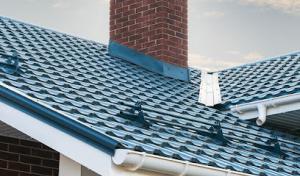
Metal roofs handle hail well when installed with proper panel fasteners, adequate attic venting, and continuous edge sealants. They reflect much of the sun, lowering thermal load on the attic and delaying heat buildup in peak summer. Wind resilience depends on fastener design and edge-to-edge locking seams, so choose panels that provide secure interlocks and corrosion-resistant finishes. If snow piles up on metal surfaces, consider a profile that minimizes ice dam formation and facilitates snow shedding, reducing the risk of ice backing up under shingles or tiles below.
Clay tile and concrete tile bring strong impact resistance but add substantial weight. In this climate, those tiles must be paired with a structural assessment to confirm the existing roof framing can handle the load, especially in areas with heavy snowfall. Cold weather can cause tiles to crack if they are brittle from sun exposure, so a reputable installation and adequate attic ventilation help prevent thermal shock. The flat or slightly curved surfaces may trap hail impact differently than asphalt, so a test of local performance under typical Front Range hail exposure is prudent.
Synthetic or composite shingles aim to mimic traditional materials while offering better impact resistance and lighter weight than natural slate or clay. They can age more gracefully under hot sun when properly rated for UV exposure, but ensure the product has proven performance in freeze-thaw cycles. Slate provides a premium, long-lasting option with elegant appearance, yet its weight and potential for cracking during severe hail or rapid temperature shifts require careful structural evaluation. Proper underlayment, flashing details, and seasonal inspections help maintain a tight roof system in Brighton's climate.
When evaluating options, assess how each roof type handles hail impacts, wind-driven debris, and snow load within a year of installation. Inspect edge closures, penetrations, and flashing to prevent leaks where high winds can lift roofing edges or drive ice into joints. Consider a roof with a robust warranty and a proven track record in Front Range weather. Finally, plan for proactive maintenance: spring inspections after hail season, resealing compromised flashings, and addressing any signs of heat-related aging on exposed surfaces.
In this Front Range city, asphalt shingles sit at about $350 to $700 per square. Metal roofs run roughly $650 to $1,200 per square, and clay tile generally falls between $900 and $1,800 per square. Concrete tile is typically $800 to $1,300 per square, synthetic or composite shingles run about $500 to $900 per square, and slate is the high end at $1,200 to $2,500 per square. These numbers reflect the region's heat, sun, and occasional hail storms that shape material choice and labor needs.
Storm-driven demand spikes along the Front Range can push labor availability and scheduling pressure higher after major hail events, which can affect reroof pricing in Brighton. When a severe hail period hits, local crews and material suppliers tighten up, and the window to complete a full reroof can compress. That means you might see quicker turnarounds but a potential bump in out-the-door costs or added charges for expedited work. If your roof shows widespread hail damage, expect a few days to a couple of weeks of scheduling variability depending on the storm aftermath and nearby reroof demand.
Steep residential rooflines are common here, and those slopes translate into more labor hours and higher waste handling costs. Replacement of impact-damaged accessories and flashing adds to the bill when hail leaves dented or broken components. The city's reroof workflow, including the coordination of material delivery, debris containment, and multiple visits for inspections and touch-ups, can also nudge total costs upward compared to flatter homes or simpler roofs. If you're upgrading to a more durable system (for example, a heavier tile or thicker synthetic option), you'll see the corresponding price increase.
Start with a careful assessment of architectural style and roof geometry to narrow material choice early. For severe weather exposure, prioritize impact resistance and wind-rated underlayment to reduce long-term risk. When selecting materials, weigh the upfront per-square cost against expected lifespan, maintenance needs, and potential insurance considerations after a hail event. If scheduling tightens post-storm, plan ahead with a preferred contractor and a rough date window to minimize delays and price shifts while still protecting the home from weather exposure.
Storm Guard Roofing of North Metro Denver
(303) 747-3304 www.stormguardrc.com
8495 County Rd 2, Brighton, Colorado
5.0 from 202 reviews
Storm Guard Roofing & Construction of North Metro Denver is the one-stop solution for all of your roofing, windows, siding, gutters and painting needs. Our company provides FREE inspections and damage assessment. We have years of experience and vast knowledge that enable us to deliver a thorough job. Our values are at the core of our services, so we do everything with the ultimate professionalism. We prioritize integrity and follow a systematic process for 100% customer satisfaction. We also handle the insurance claim process to help customers get the highest compensation on their claim. We do retail quotes as well. Besides, we stand behind our work with generous product warranties and a five-year labor guarantee.
Endurance Roofing
(720) 571-7855 enduranceroofing.net
4763 Carmichael Ct, Brighton, Colorado
4.9 from 314 reviews
Endurance Roofing is a trusted roofing contractor in Brighton, CO, dedicated to providing reliable and professional services. We specialize in roof replacement Brighton and roof repair for residential and commercial properties. Our team also handles storm restoration, siding, and window projects, ensuring your home or business is protected and looks its best. Locally owned and operated, we are proud of our A+ rating with the Better Business Bureau, reflecting our commitment to quality and customer satisfaction. Financing options are available to make your project more affordable. Contact Endurance Roofing today for a free consultation!
All Weather Seamless Gutters & Roofing
330 Baler Ct, Brighton, Colorado
5.0 from 44 reviews
Your Trusted Roofing Contractor in Brighton, CO. For over 10 years, All Weather Seamless Gutters & Roofing has been named one of the top locally owned and operated roofing contractor & seamless gutter installer in Colorado. With over a decade of experience, we are dedicated to providing honest, professional service with a commitment to quality craftsmanship. Our team takes pride in every project, ensuring reliability and customer satisfaction. We believe in building lasting relationships with our clients by delivering exceptional service and dependable results. No matter the size of the job, we approach each project with attention to detail and a focus on long-term durability.
Titan Applicators
(720) 724-6882 www.titanapplicators.com
10361 E 107th Pl, Brighton, Colorado
5.0 from 43 reviews
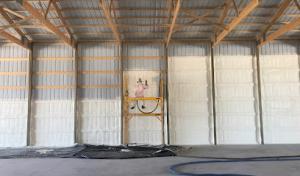
Organizations such as Bristlecone Construction, J.R. Filanc & W.E. O'Neil, along with hundreds of private building owners, trust us for their spray foam, flat roofing, fire-stopping, and waterproofing needs because of our meticulous site preparation, our unique ability to provide solutions to the most challenging requirements & our advanced technical knowledge of the industry.
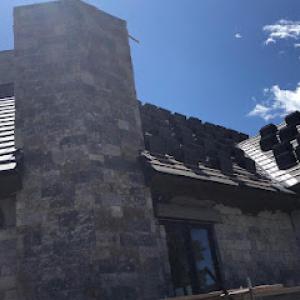
A&H Roofing
12988 Co Rd 4, Brighton, Colorado
4.8 from 138 reviews
With more than 30 years of experience, A & H Roofing serves Brighton and all of Colorado. We offer residential and commercial roofing and gutters and handle all types of roofing projects. No job is too big or too small for us! Our services inc

Semper Fi Restoration
(720) 902-7802 www.semperfirestoration.com
126 Pioneer Pl, Brighton, Colorado
4.9 from 31 reviews
Semper Fi Restoration is a leading veteran-owned roofing contractor located in Brighton specializing in top-notch roof repair, roof replacement, and storm damage restoration across Colorado. Our expert team, composed of trained professionals, is committed to delivering high-quality services to protect your home from Colorado's unpredictable weather. Focusing on integrity, precision, and veteran values, we ensure meticulous care with free inspections, honest pricing, and efficient insurance claim assistance. Trust us to enhance your property's safety with durable materials and exceptional craftsmanship. Call us today or visit our website to secure your no-obligation inspection. Marine-owned means Roofing with Integrity, Built to Protect.

Apex Roof & Consulting
9385 E 158th Ave, Brighton, Colorado
5.0 from 16 reviews
Apex Roof & Consulting has been a leader in the Front Range in residential and commercial roof quality and service for many years. We adhere to a deep-rooted integrity culture that drives everything we do and it speaks through our work.
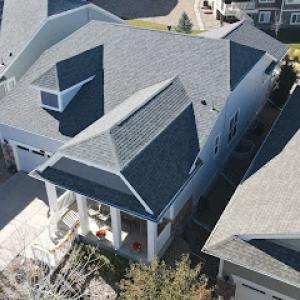
A + Roofing & Exteriors
(720) 618-7602 aplusroofingandexteriorsonline.com
109 Kelly Ln, Brighton, Colorado
4.8 from 19 reviews
We have been serving Colorado for over 10 years now with quality work. We are your insurance specialist with free inspections and estimates, take a look at our gallery
Ensure Construction
1401 E Bridge St, Brighton, Colorado
4.7 from 20 reviews
Ensure Construction: Safeguarding homes across Brighton, Colorado, with expert roofing and exterior solutions. As a family-owned and minority-owned business, we bring decades of combined experience to every project, specializing in roofing, gutters, soffits, fascia boards, and exterior painting. Whether it's a full replacement, repair, or routine maintenance, our focus remains on quality craftsmanship, uncompromising safety, and complete transparency. We treat your property as our own, ensuring reliable service and keeping you informed every step of the way.
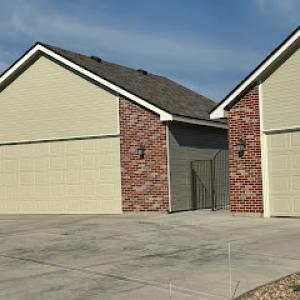
The Ramos Roofing Company
(303) 828-1436 ramosroofing.com
29521 E 144th Ave, Brighton, Colorado
4.4 from 16 reviews
22+ years. The Ramos Roofing Company a roofing contractor located in Hudson, Colorado, serving the Denver Metro and Front Range region of Colorado. Ramos Roofing specializes in steep and low slope construction, and roof maintenance. Our services include residential and commercial roofing, hail & storm damage, roof repair & maintenance, gutters, ventilation. We are very proud of the reputation The Ramos Roofing Company has built since its inception in 2002. Our success can be attributed to our commitment to providing customers with reliable roofing systems. The Ramos Roofing commitment to quality is attained by employing onsite supervision, utilizing experienced employees, using quality materials and paying special attention to detail.
Full Curl Roofing Company
(970) 205-9876 www.fullcurlroofing.com
Serving
5.0 from 9 reviews
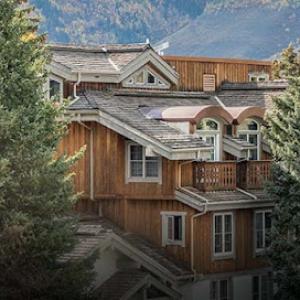
When you choose to work with Full Curl Roofing there are a few things you should know: we love our clients, we come from small towns where neighbors are practically family, and we treat our clients that way, too. When we work on your home, we want you to rest easy knowing that your home is our priority. Your roof is not just another number to us. We hate cutting corners. Damaging your house by not doing the job right, or by leaving a mess after the job is finished is unacceptable. While we are working on your home, we will take special precautions and use the right systems and tools to ensure your roof is installed correctly and safely. We stand behind our work. We prefer to solve problems before they arise.
Black Knight Roofing
(720) 805-9666 blackknightroofing.com
Serving
5.0 from 38 reviews
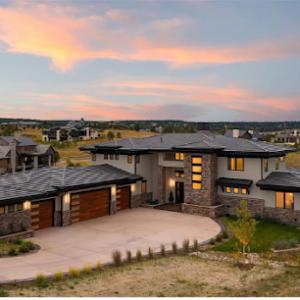
Black Knight Roofing was built to give homeowners something better than the typical roofing contractor. As part of Black Knight Construction Group, we bring a whole-home, builder-level mindset to every project — not just a roof replacement. Our leadership team is made of General Contractors, not salesmen. Founded by a veteran who believes in accountability, discipline, and doing the job right the first time, the company was created to raise the standard in an industry known for shortcuts and confusion. We specialize in storm and hail damage claims, helping homeowners navigate insurance correctly and confidently. Because every home deserves protection.
For a full reroof in this area, the City of Brighton requires a building permit. That means you are not just filing a simple roofing permit; the project is treated as the replacement of the roof structure with attention to building code compliance. Before any tear-off starts, your contractor should submit the permit package to the Building Division and secure approvals. A response timeline can hinge on current workload and weather windows, so plan for a short lead time to avoid scheduling conflicts that delay materials on site. While waiting, gather necessary information such as the scope of work, roof geometry, and any changes to penetrations, vents, or skylights. Having this ready speeds up the plan review and helps avoid back-and-forth requests that can push the project into adverse weather periods.
Plan review is handled by the Building Division rather than being treated as an informal over-the-counter roofing-only process. This matters because the review considers structural considerations, attic ventilation, wind resistance, fire-rated assemblies, and energy-efficiency elements tied to local codes. Expect a formal review, with any required corrections documented in writing. Submittals typically include roof layout, material selections, fastening schedules, and details for hip, valley, and eave connections. If metal, tile, or specialty products are proposed, ensure the manufacturer's installation instructions align with Brighton's wind and fire requirements. Plan review can identify roof venting and insulation needs that influence long-term performance in the Front Range climate, so responding thoroughly to reviewer comments is essential. Weather-related pauses may occur during the review phase, particularly if wind or snow events complicate temporary on-site work.
Inspections are scheduled to align with critical project milestones: tear-off or substantial removal, installation, and final completion. The first inspection typically occurs during the tear-off or early installation when the roof deck and underlayment are exposed, verifying deck integrity and proper underlayment installation. A second inspection happens during the bulk of shingle or panel installation to confirm fastener patterns, flashing, and penetration details meet code and the approved plan. A final inspection confirms overall workmanship, firestop details, and energy-related components such as ventilation and insulation continuity. Weather can affect scheduling; for example, heavy rain or snow may postpone inspections or force a temporary hold on exterior work. Coordinate closely with the contractor and the City inspector to anticipate windows when wind and precipitation are less disruptive, ensuring inspections pass without multiple reschedules.
Keep a single, coordinated point of contact for the permit and plan review to avoid mixed messages. Have your contractor present at inspections with the permit card and all required documentation, including manufacturer installation guidelines and any amendments from the plan review. If any codes change seasonally, confirm the current local wind, fire, and energy requirements are incorporated into the project. Finally, plan for potential weather-driven delays by maintaining flexible scheduling with both the contractor and the Building Division so that the reroof proceeds efficiently without compromising compliance.
Brighton's replacement calendar is shaped by hot summer sun, winter snow and freeze-thaw, spring hail and wind, and late-summer monsoon interruptions. That mix means the best window for a proper roof replacement is narrow and highly weather-dependent. In practice, the peak demand that follows a Front Range storm can collide with blistering sun and restless winds, making timing critical. If a roof looks overdue, the temptation is to push forward quickly-but a rushed install under a hot noon sun or in a sudden afternoon storm increases the risk of damaged underlayment, poor shingle adhesion, and short-term leaks. Plan ahead for the first calm stretch after a string of hail events, not the moment the storm passes your street.
Spring can be risky for newly replaced roofs because hail and wind events remain active even as reroof demand rises. That means even after a contractor declares a job complete, a late-season hail swath can return to test the new materials. If a hail event happens during spring, expect possible inspection delays from weather and utility crews, which can push the schedule out beyond the initial plan. For homeowners, resisting the urge to re-install during a rapidly shifting spring week can prevent rework and warranty issues. Rely on a contingency plan that allows for weather windows to close and reopen without sacrificing the integrity of the underlayment and venting system.
Late summer monsoon storms can delay installation windows, while winter conditions can complicate tear-off, underlayment exposure, and inspection timing. If a project drags into monsoon season, anticipate temporary pauses that require tarping and temporary coverings to protect exposed decking. Conversely, a dry window in late summer can accelerate progress, but the risk of a sudden afternoon lightning storm or a stubborn wind gust remains a factor. In both cases, final sealing and flashing depend on clear, dry conditions to avoid leaks as new shingles settle.
Ridge lines, hips, and any exposed slopes take the initial hit from Front Range hail and wind. In Brighton, repeated abuse at these edges accelerates wear long before the rest of the roof reaches end of life. The problem compounds if your roof has vent flashings or drip edge details that aren't robust enough to shrug off storm impact. Expect faster granule loss and edge delamination where hail strikes repeatedly, creating vulnerable channels for water entry.
Freeze-thaw cycling on the Front Range puts recurring stress on flashing details and roof penetrations, making leak points develop over time even when field shingles still look serviceable from the ground. In this climate, metal transitions, flashing around chimneys, vents, and skylights, as well as roof-to-wall interfaces, are the weak links. Freeze-thaw can open micro gaps, so small drips may show up only after a few cycles, not after a single storm.
Asphalt can age faster under intense summer sun, becoming brittle at the edges where hail has chipped layers. Tile and slate systems may face breakage or accessory damage after hail and winter movement, with cracked tile or loosened ridge caps common trouble signs. In homes with older underlayment or marginal deck protection, the combination of heat, cold, and impact can reveal hidden vulnerabilities sooner than expected. Pay attention to misaligned edges or displaced fasteners that hint at underlying stress.
Look for sudden granule wash-down, unusual sheen or streaks along ridges, and tiny gaps around penetrations after storms. Even if the main field looks intact, these failure points can ripple into leaks after a passing storm. Regular inspections after hail events and seasonal checks on flashing and vent seals help catch trouble before it escalates.
Find specialists in TPO, EPDM, and built-up flat roofing systems for residential and commercial properties.
Titan Applicators
(720) 724-6882 www.titanapplicators.com
10361 E 107th Pl, Brighton, Colorado
5.0 from 43 reviews
Paramount Enterprises
(303) 659-3735 www.paramountroofingandgutters.com
992 S 4th Ave Suite 100 #116, Brighton, Colorado
4.6 from 24 reviews
After a Front Range hail event, gather facts while conditions are fresh. In Brighton, the open plains and high sun can mask early damage, so note the storm date, time, and wind direction for context. Take clear photos of all elevations, including eaves, hips, ridges, and visible accessories like vents, flashing, and skylights. Photograph any obvious hail impact patterns on shingles, granule loss, and rusted gutters or downspouts. If any interior leaks are present, document them with dated video or photos before temporary repairs change how water enters the structure.
Keep a simple file system: date-stamped photos, a running list of observed damage by elevation, and notes on any prior repairs or wear. In this market, adjusters commonly compare claimed damage with local hail reports and roof age, so organized records can materially affect claim handling. Create a stand-alone damage timeline that matches the order of events: storm, inspection, temporary fixes, and any correspondence with the insurer. If you have diagnostic notes from a local contractor, attach them to the file for quick reference.
Temporary repairs are sometimes necessary, but avoid changing conditions that could alter the adjuster's evaluation. In this climate, temporary tarps or patches might cover leaks but can also conceal underlying damage. Brighton homeowners should document interior signs of ongoing water intrusion before making any fix and clearly indicate where temporary repairs were placed. This helps ensure the claim reflects the true extent of damage, not just what is visible after a quick fix.
When speaking with the insurer, reference the storm date, the full set of elevations inspected, and the interior evidence of leaks. If possible, provide the local hail report alongside your photos to corroborate claim context. A thorough, well-organized packet supports a smoother, faster review and reduces back-and-forth during the evaluation.
Connect with contractors who help homeowners navigate the claims process from damage assessment to final approval.

Storm Guard Roofing of North Metro Denver
(303) 747-3304 www.stormguardrc.com
8495 County Rd 2, Brighton, Colorado
5.0 from 202 reviews
Endurance Roofing
(720) 571-7855 enduranceroofing.net
4763 Carmichael Ct, Brighton, Colorado
4.9 from 314 reviews
All Weather Seamless Gutters & Roofing
330 Baler Ct, Brighton, Colorado
5.0 from 44 reviews