
Last updated: Apr 19, 2026
Front Range exposure drives the rhythm of roof life here. This corridor's hail storms and bright sun hammer rooftops with unusual frequency, pushing storm-related repairs into a rapid, relentless cycle. The roofs in this area are routinely tested by gnarly hail events that leave roofs looking fine on the surface but concealing shingle and deck damage. When a storm hits, contractor crews scramble to triage dozens of local homes at once, and the calendar for repairs can tighten in a hurry. This isn't a market where a slow start buys time-it's a race against the clock.
Spring hailstorms and high winds are a major source of roof damage in Thornton and can quickly overload contractor schedules across the north Denver metro. The result is a cascade: surge in claims, compressed inspection windows, and a backlog that affects every neighborhood from quiet cul-de-sacs to newer builds. If a storm rolls through, expect a flurry of technician requests, weather-dependent delays, and sensitive timing around when crews can access roofs safely. Preparation matters: have a plan for rapid debris removal, secure access points, and clear coordination with neighbors to minimize delays when staging materials and equipment on drive lanes and alleys.
Because local claim frequency is high, homeowners should expect insurer documentation standards and adjuster timelines to matter heavily after storms. An adjuster may need multiple site visits, detailed photo records, and clear evidence of pre-existing conditions versus new damage. In practice, this means collecting recent roof photos before a storm season, keeping dated visuals after hail events, and compiling a straightforward list of observed issues (aluminum flashings lifted by wind, bruised shingles, hail dents, granule loss). When an adjuster arrives, stay close to the process: note all damaged components, confirm the scope, and request a written estimate that distinguishes replacement from repair. If a delay occurs between assessment and approval, act quickly to avoid permit-driven backlogs later in the season. Don't assume that a single inspection captures every problem-hidden damage in valleys, edges, and underlayment is common after hail.
Create a storm-response plan that includes a preferred roofing contractor, a communications plan with your insurer, and a realistic post-storm inspection cadence. Immediately after a hail event, document every area of concern with timestamped photos from multiple angles, focusing on shingles, flashing, chimney gaskets, and vent seals. If you suspect water intrusion, treat it as urgent: document, call for a professional assessment, and request a temporary protective measure if advised by a roofer so interior damage doesn't compound. When the insurer assigns an adjuster, be proactive: request a copy of their scope in writing, ask for a clear timeline, and push for a coordinated repair date once the claim is approved. In this market, aligning the repair window with your insurer's timeline is not optional-it can determine whether your roof gets fully restored before the next storm season starts.
Neighbors experience similar timelines, so communication matters. Share scheduled inspection windows with nearby homeowners, coordinate bin and equipment access for crews, and avoid conflicting work that can delay crews from returning to your home. In this Front Range cycle, the most resilient approach is both anticipatory and precise: anticipate the surge, document diligently, and lock in a repair plan that aligns with insurer steps and the local storm calendar. This combination keeps your roof from becoming a second-order casualty when the next hail event arrives.
Best Roof Roofing
(303) 929-9196 bestroofroofing.com
3879 E 120th Ave #343, Thornton, Colorado
5.0 from 190 reviews
We are a family ran roofing company specializing residential and commercial roofing. The Ownership consist of Colorado Natives that have your best interest in mind. Our mindset is to treat every project like it was our own and do it the way we'd want to have it done on our property. Going above and beyond what code requires and doing it right the first time. Customer Service and Communication are key to give clients the piece of mind they deserve. We work with both insurance companies and retail clients while most companies do one or the other. One of our key components are Real Estate Transactions. We can complete repairs or full replacements in as soon as 24 hours. Ask about our Roofing Certification Program.
Sky Manor Roofing & Exteriors
(303) 876-0055 www.skymanorroofing.com
13591 High Cir, Thornton, Colorado
5.0 from 263 reviews
As a premier company specializing in residential and commercial roofing and window services, we are dedicated to providing customer service that is second to none. Whether you have a new construction project or need to replace an old or damaged roof, we offer roofing repair and replacement services. We build to the highest roofing specifications above what local city codes require, giving you the very best roof on the market.
Sunset Restoration
(303) 900-5567 www.sunsetrestorationco.com
3758 E 104th Ave, Thornton, Colorado
5.0 from 80 reviews
Sunset Restoration is a trusted, family-owned contractor serving Thornton, Denver, and surrounding Colorado communities. We specialize in roof replacements, storm & hair damage repair, siding, interior and exterior remodeling, and permanent outdoor lighting installations. Our team works directly with insurance companies and offers flexible financing options to make every project stress-free and affordable. With transparent pricing, expert craftsmanship, and reliable service, Sunset Restoration keeps homes safe, beautiful, and well-lit year-round. Contact us today for free inspections or lighting consultation.

Roof Worx
12301 Grant St #130, Thornton, Colorado
4.9 from 400 reviews
Roof Worx, your premier roofing contractor in Thornton, Colorado, is a family-owned business that has delivered exceptional roofing solutions since 1999. Serving the entire Colorado Front Range including Denver and Colorado Springs, we specialize in roof repair services, installation, maintenance, and inspections for residential and commercial properties. As GAF-certified Master Elite specialists, we offer superior asphalt shingle roofing and more. Recognized as the best roofing company by our clients, our team ensures top-quality workmanship with comprehensive warranties. For trusted, local roofing near you, contact Roof Worx. Free estimates available!
Turn 2 Roofing & Inspections
Thornton, Colorado
5.0 from 53 reviews
Specialize in all residential and commercial roofing systems
BuildFlow Construction
(303) 647-7813 buildflowconstruction.com
Thornton, Colorado
5.0 from 31 reviews
BuildFlow is a full-service construction company specializing in roofing and exterior solutions. We deliver high-quality craftsmanship, expert project management, and exceptional service tailored to residential and commercial properties. From roof replacements and repairs to siding, gutters, and exterior upgrades, BuildFlow ensures every project is completed with precision, durability, and attention to detail. With a commitment to integrity, transparency, and long-term value, we’re proud to be the trusted choice for property owners seeking reliable construction solutions. We serve all of the Denver Metro Area, including but not limited to Aurora, Centennial, Parker, Fort Collins, Denver, Littleton, Highlands Ranch, and Boulder.

Marinas Roofing Thornton
(720) 734-6946 marinasroofingthornton.homes
12880 Colorado Blvd, Thornton, Colorado
5.0 from 30 reviews
Should you need a trustworthy and reliable roofing company in Thornton, then Marinas Roofing Thornton is here for you. We are both a residential and commercial roofing contractor that can meet your unique roof and gutter needs. Our roofers are equipped with all the proper equipment and experience to ensure that your house stays dry year round. We provide free roof inspections to be ensure that your roof and gutter systems are operating at peak levels. Our top priority is taking care of our amazing customers. You'll be able to rest assured after Marinas Roofing Thornton does your roof to allow you to enjoy your home no matter what time of year it is.
Columbine Roofing & Solar
(720) 547-2861 www.columbineroofingllc.com
871 Thornton Pkwy Ste 112, Thornton, Colorado
4.8 from 73 reviews
Columbine Roofing & Solar is a licensed and insured roofing company committed to helping our neighbors find beautiful, reliable, and lasting roofs. Whether you need a minor fix, a complete roof replacement, or major repairs post-storm, our team will be by your side in a flash, with the equipment and expertise needed to get your property back to normal. Our highly trained roofers offer residential and commercial roofing services as well as flawless solar installation solutions to properties in Longmont, Thornton, and the surrounding areas. We begin every service with a free estimate and make scheduling hassle-free—often able to arrive at your door the same day you call.
Iron Bull Roofing
(720) 646-0423 ironbullroof.com
2200 E 104th Ave Suite 206, Thornton, Colorado
5.0 from 25 reviews
Iron Bull Roofing conveys strength, resilience, and determination-qualities essential for a roofing company. “Iron” symbolizes durability and trust, ensuring customers that their roofs are built to last. “Bull” represents power, leadership, and an unstoppable, results-driven approach. Together, the name communicates dominance in the industry, reliability, and a no-nonsense commitment to delivering high-quality results with integrity. Our primary audience is residential insurance claim customers, who are seeking trust, expertise, and a stress-free experience.
Cardinal Exterior
(720) 241-2355 cardinalexterior.com
12412 York St, Thornton, Colorado
4.6 from 33 reviews
At Cardinal Exterior, we bring years of hands-on experience and trusted craftsmanship to every roofing and siding project in Thornton, Colorado. As licensed and insured professionals, we specialize in residential and commercial roofing, storm damage repairs, insurance claims, and premium siding solutions. Our team is dedicated to delivering quality, durability, and honest service with every job. From roof inspections to full replacements, we use top-grade materials and proven techniques to protect your property. Locally owned and operated, Cardinal Exterior is the name Thornton homeowners trust for expert care and lasting results.
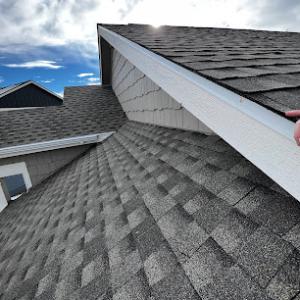
Titan Home Remodeling
Thornton, Colorado
5.0 from 11 reviews
Roofing, restoration, and remodeling company offering residential and commercial roofing services, including gutters, windows/doors, and siding. Can work with insurance claims and offers free inspections or quotes. We offer on-site inspections or services

Orange Elephant Roofing & Solar
(405) 992-0505 orangeelephantroofing.com
Thornton, Colorado
4.3 from 78 reviews
At Orange Elephant, we put roofs over people and people over profits. We understand that quality productions are only possible with quality products and quality people. Orange Elephant's goal is to provide the homeowner a seamless experience with their greatest investment. At Orange Elephant we have a duty to create jobs and a workplace culture with these core values. Employee empowerment, Reputation, Excellence, Growth, and Humility.
Thornton homeowners face a Front Range cycle of hail storms, strong sun, and rapid reroof demand. Temperature swings push materials to expand and contract, while UV exposure accelerates aging. In this environment, a roof must balance hail resistance with the ability to handle thermal stress without cracking or cupping. The common material mix-ranging from asphalt shingles to metal, clay tile, wood shakes, and composites-reflects practical trade-offs: ease of replacement after a storm, long-term performance, and how well a given product holds up under Thornton's sun and wind.
Asphalt remains a practical default for many homes due to its balance of durability, ease of repair, and widespread availability. In storm events, asphalt is typically easier to replace section by section than more brittle materials. When choosing asphalt, focus on options with higher wind and impact resistance ratings, and consider lighter, more flexible granules that hold up better under repeated sun exposure. A well-sealed asphalt roof tends to recover quickly from hail impacts with fewer collateral effects on underlying decking, which helps you keep repairs localized after a storm.
Metal roofs offer excellent hail resistance and perform well under Thornton's temperature swings, provided they are installed with proper fasteners and panel configurations. Standing-seam or concealed-fastener systems can minimize penetrations, reducing potential leak paths after hail. However, metal expands and contracts more with temperature shifts, so attachment details and panel gaps matter. If choosing metal, look for coatings that resist UV degradation and temperature fatigue, and ensure the system is designed to shed hail impact without creating easily dented surfaces.
Clay tile is aesthetically favored in some neighborhoods, but it carries notable risk in hail-prone Colorado weather. Tiles can crack or shatter from hail, and their weight complicates replacement logistics after a storm. If tile is already installed, ensure a careful assessment of impact vulnerability around ridge lines and valleys, where failures often begin. For new installations, select tiles with proven impact resistance and plan for a robust support structure to accommodate thermal expansion without stressing adjacent tiles.
Wood shakes bring a distinctive look but require close attention to thermal movement and hail vulnerability. They can suffer from UV drying and splitting over time, especially in direct sun exposure. Replacement and repair after hail tend to be more labor-intensive, so consider higher-grade shakes and a finish that protects against sun and moisture. If used, pair with a durable underlayment and a ventilation plan that minimizes warping from heat buildup.
Synthetic or composite shingles pair favorable weight and flexibility with good hail resistance. They often handle thermal cycling well and can imitate traditional looks while offering improved longevity. For Thornton, this profile makes sense where you want a hail-friendly option that's easier to replace and maintain compared with slate or tile, while still delivering a favorable appearance and consistent performance under sun exposure.
Slate provides exceptional longevity but comes with vulnerability to hail impact and higher replacement complexities. In practice, slate requires accurate assessment of impact risk and the logistics of limited-fracture replacement after storms. For homes eyeing slate, pairing robust hail protection with a solid deck assessment and a plan for selective, rapid repairs helps manage long-term performance in this climate.
When evaluating options, prioritize materials that balance hail resistance with thermal resilience. Consider the home's orientation to sun, the exposure level of roof facets, and the accessibility of replacement crews after a storm. In many neighborhoods, asphalt remains the most straightforward option for rapid, targeted reroofing, while metal, synthetic, and tile choices offer specific advantages in longevity or aesthetics-provided installation and maintenance align with Thornton's weather patterns.
When you're budgeting a roof in this Front Range corridor, asphalt shingles generally run from about $350 to $750 per square, while metal roofs sit roughly between $600 and $1100 per square. Clay tile can push costs from $900 to $1800 per square, and wood shingles or shakes typically fall in the $500 to $1100 per square range. Synthetic or composite shingles are usually $650 to $1200 per square, and slate can run from $1000 to $2000 per square. These ranges reflect the mix of stock in our neighborhoods-nothing exotic, just the common options homeowners choose after a hail event.
In a good year, a reroof project can move through on a predictable clock, but storm-driven surges in demand after Front Range hail events push scheduling pressure and labor pricing higher than in calmer periods. When a hail event hits, crews stage up quickly, materials tighten, and availability becomes the bottleneck. That ripple effect shows up in timelines and bids, even for standard asphalt. If the storm window was tight and multiple homes were impacted, expect a bit more intensity in both scheduling and mobilization costs.
The material you pick isn't just about aesthetics; it directly shapes the cost, installation time, and how severe the hail cycle will feel on your wallet. Clay tile and slate, while longer-lasting, carry higher per-square price tags and require careful handling on the steep, sometimes brittle surfaces common in Thornton homes. Synthetic or composite shingles offer a middle ground with decent durability and a more forgiving install compared to tile or slate. If your roof has a lot of detailing, complex venting, or fragile flashing, the job can extend beyond a straightforward replacement and push costs higher due to extra labor and careful flashing work.
Beyond the material price, the complexity of replacing damaged flashing and ventilation components during inspection-driven reroofs can tilt the final number. If brittle tile, slate, or specialty materials are involved, anticipate tighter scheduling and higher labor rates as crews handle delicate work and more time on attic details. In Thornton, a practical approach is to match your material choice to your long-term goals (durability, look, and maintenance) while recognizing how the Front Range climate and storm patterns can nudge the bottom line during peak demand.
Get a clear picture of your project costs upfront - no commitment required.

Roof Worx
12301 Grant St #130, Thornton, Colorado
4.9 from 400 reviews
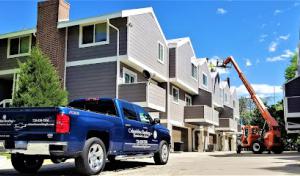
Columbine Roofing & Solar
(720) 547-2861 www.columbineroofingllc.com
871 Thornton Pkwy Ste 112, Thornton, Colorado
4.8 from 73 reviews
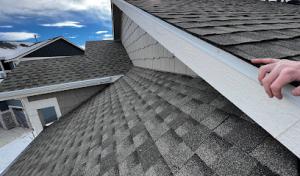
In Thornton, a building permit is typically required for a full roof replacement rather than being treated as purely informal maintenance work. This distinction matters because the permit process formalizes the scope, materials, and sequencing of the project, and it helps ensure the job aligns with Front Range weather realities. When a replacement is planned, the permit not only covers the structural and drainage considerations but also anchors the work to local codes that address hail exposure, attic ventilation, and roof-to-wall flashing details. Treating the project as a permit-driven replacement avoids delays and potential retroactive corrections that can come with unpermitted work after a hail event or insurance-driven scheduling.
Permit applications are handled through the City of Thornton Building Department, making city process and timing a direct part of project planning. Start by confirming whether the plan requires plan review, and prepare to provide details such as roof slope, chosen underlayment, vent routing, and flashing materials. The department will typically communicate required inspections, when they must occur, and any deficiencies that must be corrected before final sign-off. Because Thornton's storm activity can compress schedules-especially after a hail season-the timing of the permit submission often interacts with insurance coordination and contractor availability. Building departments in this area favor clear submittals, so including a complete set of roof diagrams and grid-style venting layouts can smooth the review.
Thornton inspections occur during installation and after completion, with attention to underlayment, ventilation, flashing, and drainage compliance before the reroof is fully signed off. During the installation window, inspectors verify that the underlayment is properly installed, that roof ventilation paths meet code requirements, and that flashing around chimneys, skylights, and transitions to walls is adequately integrated with the new roof surface. A mid-project inspection can catch misalignments in attic ventilation or improper nail patterns before they become costly remedial work. After completion, the final inspection confirms that drainage outlets are functional, scuppers or gutters are properly integrated, and surface control joints and valley conditions meet local standards. Addressing these items ahead of the final sign-off reduces the chance of temporary covers or rework once the permit closure letter is issued.
Given Thornton's Front Range storm cycle, permit timing should be coordinated with insurance adjustments and contractor schedules. A wind- and hail-prone season can accelerate project starts or create backlogs for qualified crews, so aligning permit approval, material delivery, and inspection windows helps minimize exposure to weather-driven delays. Your contractor should track the permit status and arrange pre-inspection checks to ensure readiness for the actual inspection dates, keeping the reroof on a predictable path from permit to completion.
Weather along the Front Range can turn on a dime, and hail is a frequent visitor here. Thornton homeowners are operating in a Colorado Front Range insurance environment with elevated hail claim frequency, so roof decisions are often tied to storm documentation and claim timing. When a storm rolls through, you'll want clear, dated photos of any dings, granule loss, or visible damage before a adjuster arrives. In practice, that means you should document quickly after a storm, not weeks later when other repairs take priority. The timing of a claim can push reroof scheduling into a tight window, especially if you're coordinating with an insurer who wants to see measured damage versus a rough exterior look. If your roof shows new hail impact or excessive granule loss, readiness to move through the claim process promptly can reduce delays and miscommunications later.
Local policy terms aren't identical from one carrier to the next, and that variability matters when a roof is on the line. You should expect variable policy terms, including possible wind or hail deductibles, rather than assuming standard all-peril roof coverage behaves the same across carriers. Some homes may come with a separate deductible for hail or wind damage, which changes how the numbers pencil out after a claim. It's not about alarm bells; it's about understanding where those deductibles sit in your own policy and how they interact with repair or replacement decisions. The reality is that a clean, predictable path through a claim relies on knowing your deductible structure before you're staring at color swatches and shingle options.
There is not a broad sustained insurer pullback across all companies in this region, but premium changes and tighter terms in some years make policy review especially important before and after a loss. In practice, that means you might see tighter underwriting language, more stringent documentation requests, or adjustments to coverage limits after a severe season. Staying engaged with your insurer, and keeping records of prior claims and repairs, helps you avoid surprises when the next storm hits. A proactive homeowner keeps a current, organized file of correspondence, photos, and dates so the transition from claim to replacement happens with fewer friction points.
The preferred installation window runs from late spring through early fall, with Front Range conditions generally more workable for tear-off and replacement than winter. In this stretch, dry days with moderate humidity help shingles seat and seal without fighting constant moisture. Plan for a solid stretch of consecutive warm days so crews can finish a typical rack or two without early shutdowns. Access for large materials is easier, and neighborhoods with fast reroof turnover tend to cluster around this window, which helps your insurer's timing align with actual progress.
Winter snow loads and freezing temperatures slow exterior work, reduce safe deck access, and complicate installation sequencing. Schedule confidence is built by weather buffering-expect occasional breaks for storms and brief pauses when temps drop below freezing for days. Ice buildup near eaves can delay underlayment and fastener work, so coordination with crews to clear snow, track daily temps, and protect interior spaces becomes essential. If a project straddles a season boundary, be prepared for staged milestones rather than a single push.
Summer thunderstorms, strong sun, and rapid fall temperature shifts can affect both crew scheduling and how roofing materials handle installation and transition-season stress. High heat can affect adhesive cures and nail driving, while sudden storms slow progress and may demand material protection measures. Expect flexible start times and potential weekend work to finish a roof before a cold snap, especially in neighborhoods that see rapid shifts from blazing afternoons to cool evenings.
Keep a tight calendar, track forecasted windows, and have contingency days in mind for rain or hail events common to the Front Range. Communicate clearly with your roofing team about anticipated weather gaps, material readiness, and staged milestones so your reroof stays on track despite Thornton's seasonal swings.
In the Front Range, Thornton inspections put a sharp focus on flashing and drainage during a reroof. Penetrations such as skylights and solar attachments sit at the edge of waterproofing, where a storm can expose weak details. After a hail event, expect inspectors and roof crews to recheck skylight flashings, roof-to-wall transitions, and the surrounding valley drains. A well-sealed drain path matters more than surface appearance, because sun and rapid temperature swings can stress overdriven joints.
Skylights and solar gear create more potential leak paths than a plain roof surface. The surrounding flashings are as important as the roof itself. Watch for loose or cracked sealant, degraded step flashing, and improper counterflashing against the glass and metal components. In a hail-active market, impact damage at penetrations can reveal hidden rust, puncture, or corrosion that compromises waterproofing.
Local contractors often advertise skylight and solar-roofing specialties, reflecting how often these features intersect with reroofs. Expect scheduling to hinge on inspection findings and the need to reseal or relocate flashings, mating them with new underlayment and counterflashing. A coordinated plan reduces the risk that a later storm uncovers a lingering leak at a skylight or solar attachment.
Before signing off on a reroof, photograph and document flashing details around all penetrations, and confirm that the contractor plans to replace sealants and flashing at every penetration. During the job, ensure flashing transitions are continuous from the skylight curb or racking system to the main roof plane, with proper drainage away from the opening. After completion, request a leak-test drill or water spray test on windowed or glass-covered areas to verify performance under Thornton storm conditions.
Find contractors experienced in skylight installation, flashing, and leak repairs to bring natural light into your home.
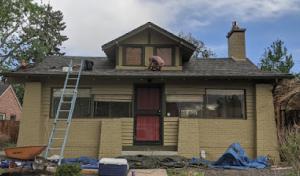
Best Roof Roofing
(303) 929-9196 bestroofroofing.com
3879 E 120th Ave #343, Thornton, Colorado
5.0 from 190 reviews
Sunset Restoration
(303) 900-5567 www.sunsetrestorationco.com
3758 E 104th Ave, Thornton, Colorado
5.0 from 80 reviews
Roof Worx
12301 Grant St #130, Thornton, Colorado
4.9 from 400 reviews
Although this section focuses on low-slope options, the area remains heavily residential, with meaningful flat-roof and roof-coating activity tied to additions, multifamily sections, and commercial properties in the city. Front Range sun exposure shapes decisions here: coatings and restorations can extend life on non-traditional roof surfaces, especially where daily sun takes a toll on reflective coatings and membrane seams. For homeowners, this means a practical assessment of the roof's current condition, the age of any existing membrane, and how a low-slope surface integrates with the rest of the home's exterior.
Inspection in a low-slope assembly hinges on drainage performance. Water should shed toward primary outlets without ponding, and edge flashing must remain secure to prevent slow leaks that mimic more serious failures. In a neighborhood with frequent storm cycles, pay attention to transitions between the low-slope roof and adjoining surfaces, such as parapets, vents, and skylights. A focused look at drain paths, gutter capacity, and any signs of standing water after a rain helps pinpoint whether a simple coating update suffices or a more robust membrane repair is needed.
Given the sun-heavy climate, restoration decisions hinge on condition and expected life extension. A well-adhered coating or restoration over a sound membrane can buy years, but issues such as blistering, substrate wear, or compromised flashing may push toward a full-cap replacement. For additions or commercial-adjacent spaces, evaluating the entire low-slope system-membrane age, insulation compatibility, and drainage reliability-helps determine whether a targeted coating plan or a complete reroof best fits the long-term resilience of the building.
Begin with a documented inspection focusing on drainage performance, seam integrity, and flashing, then map out the roof's accessory components and their condition. If the membrane shows signs of distress, request a targeted assessment of coating viability versus replacement, with attention to Front Range sun exposure and any regional patterns in prior storm-driven repairs. Finally, align the chosen path with the structure's overall exterior maintenance plan, ensuring that restoration or replacement choices will harmonize with future additions or modifications.
Find specialists in TPO, EPDM, and built-up flat roofing systems for residential and commercial properties.

Alvarez Roofing & Construction
(773) 398-6216 alvarezroofingandconstructioninc.com
Serving
4.9 from 41 reviews
Because Thornton has a large storm-response contractor pool, homeowners need to distinguish between fast-response sales activity after hail and firms with strong reroofing execution and cleanup practices. A quick visit from a flashy team doesn't guarantee solid workmanship or lasting protection. Look beyond the initial pitch for evidence of organized, job-site friendly crews, established cleanup routines, and a track record of completed projects in nearby neighborhoods.
Local hiring patterns suggest Thornton homeowners value quick response, cleanup included, affordability, and long-established residential service more than boutique branding. When evaluating bidders, ask for recent local references, a clear project timeline, and a documented cleanup protocol that covers disposal, debris containment, and post-work inspection. A contractor who can demonstrate steady crews, on-site supervision, and predictable scheduling will fare better in the Front Range's demanding daily weather cycles.
Given the city's permit and inspection process, contractor fit in Thornton should include comfort with city inspections, documentation for insurers, and material-specific replacement experience when tile, metal, or specialty roofs are involved. If you have metal, tile, or composite options, request portfolios showing completed jobs on similar materials and climates. A dedicated metal or tile crew often means faster, cleaner workmanship with fewer call-backs after the storm rush.
Storm-season pressure can push you toward immediate commitments. Take time to verify insurance coordination, ensure a clear handover for cleanup, and confirm a written warranty that covers workmanship and material defects. In this market, a steady, transparent process-supported by local references and a proven storm-response track record-will save you headaches when the Front Range weather shifts again.