
Last updated: Apr 19, 2026
The Long Island Sound and the Thames River shape a harsh weather reality for many neighborhoods. Nor'easters arrive with gusting winds and rain that hits roofs from multiple angles, driving moisture under shingles, flashing, and ridge lines. In this area, older village homes and newer suburban roofs can show wear in suddenly vulnerable spots-valleys, dormers, and roof-to-wall transitions. When wind-driven rain slams along the coastline, even well-maintained roofs can experience slow leaks that steal attic insulation and create hidden rot. The risk is highest along ridge lines where gusts peel back edges, and at seams where old flashing has separated or corroded. If gutters are clogged or leaking, water can back up and infiltrate fascia, soffits, and the interior ceiling just beneath the eaves. You should treat any fresh staining or musty attic smell as a warning sign to investigate promptly, not to dismiss as normal aging.
Winter in this area is defined by freeze-thaw cycles that stress roofs at the most vulnerable points. Snow and ice tend to linger along eaves, where refreezing can push against gutters, rake edges, and overhangs. Over time, this pressure compromises fasteners and underlayment, and it amplifies the risk of ice damming that forces meltwater back under shingles. In practice, that means lightweight shingles may start to curl, old flashing can crack, and fascia boards may rot from the back edge inward. If a home has a roof with mixed materials or several rooflines meeting at a valley, the cumulative exposure to water and ice makes timely attention essential. The local pattern is clear: the longer winter sits, the more likely a small issue becomes a costly repair if neglected.
Coastal storms spike demand for roofing help fast. After a major event, inspectors, tarping crews, and replacement teams often run days to weeks behind. That delay matters because every dry, calm day after a windstorm becomes precious for securing vulnerable roofs before new moisture hits attic spaces. If a storm has affected your neighborhood, plan for a faster-than-usual response window: get a professional on site to tarp exposed sections, assess flashing integrity, and identify water pathways into the attic. During the peak recovery period, prioritizing the most at-risk roofs-over skylights, near kitchens and bathrooms, or homes with older underlayment-helps reduce interior damage in a narrow window when outdoor access, daylight, and safety are favorable.
When inspecting a roof in this environment, focus on the edges where wind erosion is most aggressive: ridge caps, drip edge, and step flashing along side walls. Check for moisture intrusion in attic rafters, insulation gaps around dormers, and any staining beneath valleys. Look for ice dam evidence along gutters and along the rake edges where snow sits and refreezes. In addition, assess the integrity of vent boots and roof penetrations for signs of cracking or lifting. A neighborly approach-sharing findings with adjacent homeowners-can help coordinate rapid responses after storms and reduce collective risk across a street or cul-de-sac.
Find local contractors experienced in assessing and restoring roofs after hail, wind, and severe weather events.
BP Builders | Roofer, Roof Replacement, Roofing Company & General Contractor
(860) 245-1708 bpbuilderct.com
Serving
4.9 from 216 reviews
Brennan Roofing & Contracting
(860) 710-2506 brennanroofingandcontracting.com
Serving
5.0 from 74 reviews
When you start planning a replacement, use these local material ranges per square as your baseline. Asphalt Shingles run from 350 to 650 per square, reflecting Groton's typical mixed-use roofs and the need to balance long-term durability with cost. Metal Roofing sits higher, at 700 to 1100 per square, which is common on newer homes or additions that face the coast's salt spray and wind. Clay Tile clocks in from 900 to 1400 per square, and Concrete Tile from 850 to 1300, both chosen for their durability and weather resistance in exposed coastal sitings. Wood Shingles or Shakes range from 500 to 900 per square, often seen on older Groton homes with historic character, where a thicker, more breathable roof is valued. Slate, the premium option, is typically 1100 to 1900 per square, favored for its longevity but demanding in weight and installation skill.
Coastal storms push costs upward in Groton because crews, dumpsters, and material deliveries can surge regionally. If a nor'easter or coastal gale hits in a few weeks, you may see scheduling delays and higher crew travel charges, which show up as higher bids. Budget with a realistic contingency for weather-driven delays, especially in late fall and winter when storms are most common. In these conditions, the drive to keep a project moving can lead to expedited debris removal or higher disposal fees, both of which affect the bottom line. If you're weighing material choices, consider how often you'll need to replace components due to wind-driven debris or salt exposure; a more robust system can pay off in fewer mid-cycle repairs.
Older housing stock near the historic village areas often requires extra labor for tear-off, decking repairs, flashing replacement, and chimney tie-ins. Tear-off work can reveal compromised decking or rotten joints that aren't visible from the ground, driving up both time and material costs. Flashing around chimneys and stack vents tends to be more intricate because of tight roof lines and older seam layouts. If your home sits on a partial slope or has multiple dormers, expect additional edge work and drip-edge installation. All of these factors push the per-square cost higher than a straightforward replacement, even when the chosen material is in the mid-range.
Start with your target square count and chosen material to establish a baseline. For a modest asphalt shingle job on a mid-century Groton home, you might land in the 350 to 650 per square band, plus installation and disposal. If you lean toward metal for coastal durability, plan for 700 to 1100 per square, recognizing the weight and fastener considerations. For historic or visually period-appropriate homes, clay or concrete tile can be appealing, but ensure roof framing and attic clearance support the weight and that local conditions justify the investment. Remember to add a contingency for storm-related price shifts and for the extra labor that older properties demand. A practical approach is to request bids that itemize tear-off, decking repairs, flashing replacement, and chimney ties so you can compare apples to apples.
In practice, you'll want to select a material that balances coastal resilience with your home's age and style, then add a 10-20% contingency for weather and labor on older stock. Coastal storms do not just threaten the roof surface; they influence scheduling, disposal, and delivery costs, reinforcing the value of a well-structured bid and a clear, phased replacement plan.
AM PM Roofing
(860) 961-2825 www.ampmroofing.com
Serving
4.7 from 66 reviews
LOCAL ROOFING CONTRACTORS AM PM Roofing are local Roofing Contractors CT, serving Middlesex, New London, New Haven, Hartford, and Tolland Connecticut Counties. EXPERIENCED & QUALIFIED With 30+ years roofing experience, we can execute any roofing job large or small. VALUE We save you money by offering transparent and fair pricing. AWARD WINNING Recipient of award winning ratings and reviews. BBB A+, Best of HomeAdvisor 2017-2018. LICENSED & INSURED We are fully licensed and insured for your protection. BRANDS & PRODUCT The top brands, styles, and types of roofing are available to customers.
BP Builders | Roofer, Roof Replacement, Roofing Company & General Contractor
(860) 245-1708 bpbuilderct.com
Serving
4.9 from 216 reviews
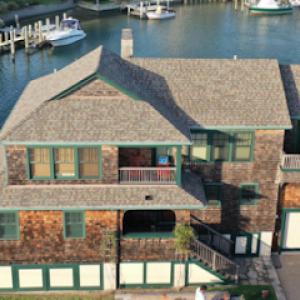
At BP Builders, we specialize in providing top-notch roofing solutions for both residential and commercial properties across Connecticut. Our expert services include Residential Roof Replacement, Residential Roof Installation, Insurance Claims assistance, and Emergency Roof Repair. For our commercial clients, we offer exceptional Commercial Roof Restoration, Commercial Roof Coatings, and advanced Drone-Assisted Roof Inspections with Infrared Cameras.
Chopa Contracting Services
Serving
5.0 from 5 reviews
We do new construction or repairs any kind the roof or siding free stems
The Superior Group - Roofing Company
(860) 792-5586 thesuperiorgroupllc.com
Serving
4.9 from 17 reviews
Established in 2008, The Superior Group is a leading commercial roofing contractor specializing in a wide range of services for businesses nationwide. From expert roof repair and replacement to advanced solar panel installations and maintenance, we provide durable, energy-efficient solutions. Utilizing cutting-edge technology like thermal drone inspections and non-destructive infrared surveys, our team ensures the longevity and integrity of every commercial roof. We are committed to delivering superior craftsmanship and innovative solutions tailored to a variety of roofing materials.
Brennan Roofing & Contracting
(860) 710-2506 brennanroofingandcontracting.com
Serving
5.0 from 74 reviews
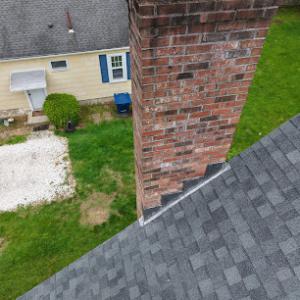
Family-owned veteran owned business. Looking to serve Connecticut residents with reliable service quality products warranties. We here to put all your worries aside with our top-rated roofing services. Our services range from roof installation to roof repair replacement that are tailored to your budget and the property's needs. We use premium quality materials for your roofs to make them damage and weather-resistant bringing back their optimal performance within no time. Call now and get a free quote.
RSR Residential
(860) 800-5777 www.rsrresidential.com
Serving
5.0 from 49 reviews
RSR Residential, a family-owned and operated business, has been a New England staple for many years. Their team of experts provides exceptional customer service with a commitment to sealing comfort and quality on every job. RSR Residential specializes in a range of services, including roofing, siding, waterproofing, and window installation for both residential and commercial properties, across Connecticut and Rhode Island. Their highly skilled team offers quick response times, meticulous craftsmanship, and a dedication to excellence that sets them apart.
DC Property Management & Maintenance
(860) 912-6094 dcpmbuilders.com
Serving
5.0 from 3 reviews
Complete building services from the ground up, including roofing, siding, decking, windows, and other home repairs and renovations to meet your needs. Fully insured and licensed in Connecticut and Rhode Island. CT HIC 0664062 RI GC-22094
Henderson Roofing
(860) 532-6804 www.johnhendersonconstruction.com
Serving
5.0 from 428 reviews
Founded in 2000 by John and Mandi Henderson, Henderson Roofing has become the trusted name for roofing and exterior remodeling services throughout Rhode Island and Eastern Connecticut. With a mission to deliver exceptional quality and unmatched customer service, we’ve built a reputation as the area’s leading roofing company after more than 25 years. Our unwavering commitment to excellence means when you choose Henderson Roofing, you’re choosing a company that guarantees your satisfaction every time - because that’s the Henderson Way.
Thomas Garbati Builders
(860) 443-1232 garbatibuilders.com
Serving
4.9 from 69 reviews
With over 28 years as a local contractor, Thomas Garbati Builders, LLC is well known and well respected. A local building contractor that handles residential roofs, windows, siding, decks, new construction, garages or complete renovation projects.
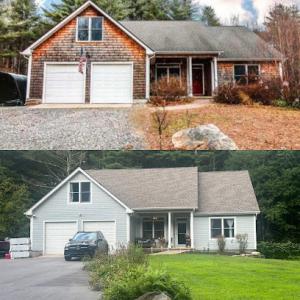
Roofing & Home Solutions
(860) 222-3276 www.roofingandhomesolutions.com
Serving
5.0 from 66 reviews
RHS Roofing Roofing and Home Solutions. Your local resource for over 15 years and 2000+ roofing, siding and window installation and repair projects in the Rhode Island and Connecticut areas. Serving Westerly, Pawcatuck, Mystic, Charlestown and More. Commercial and Residential. Experienced. *Metal Roofing *Pitched Roofing *Asphalt Shingles *Architectural Shingles *Slate Shingles *Tile Shingles *Wood Shingles *Wood Cedar Shingles *Vinyl Siding *White and Red Cedar Siding *Cedar Impressions *Certainteed *James Hardie Siding *TPO (Thermoplastic Polyolefin) Commercial Roofing *EPDM (ethylene propylene diene terpolymer) Durable *Rubber Roofing *Aluminum Coat Roofing *Asphalt Roofing *Silicon Roofing *Flat and Pitched Roofing RI, CT and MA
Strong Roofing
(860) 248-6730 www.roofcontractorct.com
Serving
4.9 from 58 reviews
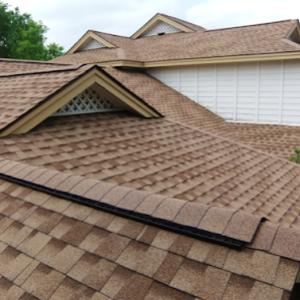
At Strong Roofing, our roofing company takes pride in creating long-term relationships with our clients by always meeting demands and surpassing expectations. When you need expert repairs or exceptional installation service, we're the dependable team you can rely on. Whether you want a shingle roof or metal roofing, give us a call to start your roofing project!
JS & R Roofing LLC | Roofing Company | Roofer | Siding | Gutters
(860) 822-1204 www.jsandroofing.com
Serving
4.9 from 37 reviews
Our roofing company offers Repair / Replacement, Vinyl Siding & Gutter Cleaning Services To Homeowners & Business Owners in Waterford and throughout New London County Connecticut. JS & R Roofing is Southeastern CT's premiere roofing services experts. Family owned and operated since 2003. Quality roofing services guaranteed! JS&R Roofing has been located in Norwich since 2003. Let us put our experience to work for you. • Most jobs done in one day • All workers fully insured • Competitive pricing • Chimney work When it comes to guaranteeing a job is done right.... JS&R stands alone!
In Groton the safest window for a roof replacement runs from late spring through early fall. That span gives you the longest stretch of dry days and daytime temperatures that keep tarps, underlayment, and fasteners from becoming brittle in the cold. The idea is to avoid the months when winter weather narrows safe work days and can delay inspections. If you're planning work, target late May through September, and build in a conservative cushion for late-season rains. The goal is to finish before the first truly hard frost each year, when crews slow to a crawl and scheduling becomes a logistical puzzle.
Spring in this area can throw a curveball with nor'easters that roll through and lift crews off the roof for a day or two. Even when temperatures are comfortable, those organized storms can interrupt tear-off and dry-in schedules. If a project is slated for spring, set a contingency block of weather days in the calendar and align three or four potential start dates. That way, a stubborn wind or a fast-moving cold front doesn't push your project into a tight, late-season squeeze. Communicate with the contractor about how they will protect exposed decking and underlayment during a sudden shower, and confirm that inspections will be coordinated promptly after a window in the weather opens.
Late-spring through early fall brings humid days and frequent thunderstorms along the southeastern Connecticut coast. High humidity can affect adhesive cures and sealant performance, so the crew should monitor temperatures and humidity and adjust the installation pace accordingly. Flashing and sealant quality control become more critical when humidity and wind gusts are high, so insist on careful detailing around chimneys, vents, and roof-to-wall transitions. Heavy summer storms can temporarily halt work and require extra tarping, securing of loose debris, and careful drainage checks before the crew moves on to another area. If you're choosing materials with regard to color or surface finish, consider how heat exposure might affect expansion and contraction over the coming decade, and plan spacing and fastening accordingly.
Coordinate a sequencing plan that minimizes time on the scaffold and maximizes dry-in opportunities. For coastal properties with limited yard space, staging materials on the roof or in a driveway must be timed to avoid blocking access during storms or high winds. Prioritize a thorough dry-in inspection with the crew before any metal flashing is set in place, and keep a clear line of communication about any sudden weather alerts. In the end, the best season for Groton roofs is the one that respects local patterns: a widened spring-to-fall window, a built-in buffer for spring nor'easters, and a vigilant eye on summer humidity and thunderstorm risks.
Asphalt shingles remain a dominant choice locally because they fit the area's broad mix of suburban homes and re-roofing budgets. In Groton's climate, they handle freeze-thaw cycles and occasional coastal moisture relatively well, especially when you choose architectural or laminated options that add a touch more durability. Look for shingles with good granule adhesion and a wind rating appropriate for coastal exposure, since salt-laden winds can loosen vulnerable edges over time. When paired with proper underlayment and well-sealed edges, asphalt can offer reliable performance without altering the look of many older village rooflines.
Metal roofing is relevant in Groton not just for longevity but because coastal exposure makes corrosion resistance, fastener detailing, and flashing quality especially important. Metal panels or standing-seam systems resist salt spray and wind-driven rains, which helps with long-term durability. If choosing metal, pay attention to the thickness (gauge) and the coating. Coastal colors and finishes that resist chalking from salt exposure hold up better over decades. Installation details matter: dedicated coastal flashing, sealed fasteners, and a solid ridge vent help prevent moisture buildup and potential corrosion at the seams. For residences with older framing, confirm the structure can support the panel weight and consider the impact on nearby eaves and overhangs.
Slate, wood shakes, clay tile, and concrete tile appear in the market, but heavier or specialty materials can complicate structural review and sourcing on older homes. Slate delivers classic curb appeal and excellent longevity, but its weight may require structural reinforcement and careful consideration of attic ventilation and gutters to manage thermal movement. Wood shakes offer warmth and a distinctive texture, yet they demand regular maintenance and a careful eye for moisture absorption in exposed areas. Clay tile and concrete tile provide strong fire resistance and a long service life, but their substantial weight and cost can demand a structural assessment and potentially a retrofit, especially on mid-century or earlier builds. If a home carries a historic or smaller footprint, these options should be weighed against the roof framing and accessibility for replacement.
In Groton, the ladder of priorities starts with wind resilience, then moisture management, followed by ease of maintenance. Coastal storms can push salt-laden spray into attic spaces and around the eave line, so a well-sealed edge and robust flashing are non-negotiables. For older houses with mixed routes of water infiltration, prioritize systems that offer solid underlayment and well-secured fasteners. Color, style, and texture should harmonize with the neighborhood while still meeting your home's exposure to the Thames and the Sound. Regular inspection after winter and after nor'easters helps identify edge lift, rust spots, or granule loss before minor issues escalate.
A full residential roof replacement in Groton typically requires a permit through the local building department. The salty coastal exposure and winter freeze-thaw cycles demand careful planning and oversight, so having a permit in place helps ensure the work meets local code and the specific climate stresses the area endures. The permit process also serves as a formal record that the project was reviewed for proper ventilation, drainage, and structural considerations common to our housing stock, from older village roofs to newer suburban homes.
Contractors commonly submit the permit application and project details on the homeowner's behalf before work begins. This helps keep the project on track, since the town reviewers are accustomed to the sequence: plan submission, review, approvals, and scheduling of the first inspection. It's wise to confirm in writing that the contractor is handling the submission and that you receive copies of all documents, including approved plans and any conditions attached to the permit. If the project scope changes, prompt updates to the permit are essential to avoid delays.
Inspections generally occur during the project and again after completion for final sign-off by the Building Official. The first visit typically checks framing, roof deck condition, underlayment installation, and mechanical details such as attic ventilation and drip edge. A mid-project inspection may be requested if significant changes arise, especially when coastal conditions prompt adjustments to flashing or fascia details. The final inspection confirms that the work aligns with the approved plans and local code requirements, and that the roof is properly sealed against wind-driven rain and salt air.
Weather and permit processing can affect start dates. Coastal storms, winter nor'easters, and periods of heavy rain can push start times or require temporary sequencing changes. If a storm window hits during the permit approval phase, expect potential delays in the first inspection or in getting the final sign-off. Communicate with both the contractor and the Building Official about anticipated weather, the contractor's schedule, and any seasonal restrictions that might influence when inspections can be conducted. Having contingency dates in mind helps keep a Groton roof project progressing despite the unique local climate.
Know that the Building Official may request clarification or additional details about ventilation, attic insulation, or coastal corrosion protection for fasteners and metal components. Retain documentation from the contractor, including material specifications and flashings suited to salt-laden environments. If questions arise about the permit status or inspection timing, reach out promptly to the local building department rather than letting a scheduling hold stall the project.
In this coastal town, storms roll in from the Thames and Long Island Sound with enough bite to leave visible, documented damage on many roofs. Nor'easters, wind-driven rains, and freeze-thaw cycles collide with a mix of older village homes and newer suburban builds, making the claim landscape notably active. Insurers expect to see how a roof held up under a specific event, not just years of wear, so the path to recovery can hinge on event-driven evidence.
When a storm hits, documentation becomes your best ally. Expect requests for detailed photos that show the problem from multiple angles, the age of the existing roof, and proof that the visible issues coincide with a recent event rather than long-term deterioration. Clear, time-stamped images matter, especially where salt and wind have accelerated wear on edges, flashing, or joints. An adjuster will compare current condition with prior records or photos if available, so gathering a robust file early pays off.
After a storm loss, an on-site adjuster inspection is common practice here. Preexisting conditions can be a major factor in whether a full replacement is approved, so it helps to be candid about prior repairs, known leaks, or past insurance claims. If you've had roof issues before, collect repair receipts and a simple timeline of events to accompany the visit. The goal is to show that the observed damage is tied to the recent event rather than latent failure.
Photograph the roof after a storm while conditions are fresh, focus on flashing, penetrations, and shingles near the ridge and eaves, and store images with dates. Create a simple history log of subsequent weather events and any temporary fixes you've implemented. When facing an adjuster, present a concise dossier: event date, photos, age of the roof, and notes on preexisting conditions. Being organized helps keep the conversation grounded in the specifics of coastal weather and the actual incident that caused the damage.
Connect with contractors who help homeowners navigate the claims process from damage assessment to final approval.
BP Builders | Roofer, Roof Replacement, Roofing Company & General Contractor
(860) 245-1708 bpbuilderct.com
Serving
4.9 from 216 reviews
Brennan Roofing & Contracting
(860) 710-2506 brennanroofingandcontracting.com
Serving
5.0 from 74 reviews
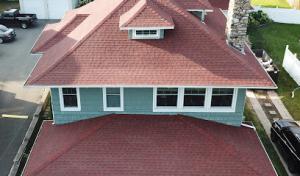
Chimneys and where they meet the roof remain a frequent leak point on older Groton homes, especially where masonry joints meet asphalt shingles or metal roofing. Nor'easters push salt-laden wind against these gaps, and winter freeze-thaw cycles widen cracks. A practical approach starts with a careful inspection of the flashing where the chimney shoulder and deck meet. Look for missing or bent step flashing, improper counter-flashing, or deteriorated mortar on the chimney crown. If you see loose debris or dark staining along the base, treat it as a warning sign. Schedule a targeted chimney flashing check after storm seasons, and before heavy snow accumulates. For homeowners, a trusted local mason or roofer with chimney experience should reseal or replace flashing and repair any crown cracks rather than simply layering on new shingles.
Skylight service is notably active in this market, suggesting homeowners often need curb, flashing, or surrounding shingle repairs rather than roof-only work. Where a skylight meets the roof, the curb should be level and well-sealed, and flashing should step up cleanly around the periphery. In Groton's mix of older and newer construction, skylight penetrations frequently suffer from worn rubber boot seals, degraded step flashing, or improper integration with adjacent shingles. Inspect for cracked glazing, condensation, or seepage at the frame, especially after heavy rain or thaw cycles. If leaks are detected, prioritize resealing the curb and replacing compromised flashing rather than a complete roof tear-off. For best results, work with a contractor who has direct skylight and curb flashing experience to ensure water is diverted away from the opening.
Flat and low-slope roofing is also a meaningful local specialty, reflecting porches, additions, and commercial-style sections found on area properties. Leaks here often travel laterally and emerge at seam laps, transitions to pitched sections, or along edge details where runoff puddles form. When diagnosing a leak near a skylight or chimney on a flat roof, examine internal drains, membrane seams, and edge metal. Local work often includes upgrading transitions with proper slope, renewing edge flashing, and applying compatible sealants to curb interfaces. A step-by-step check-clean, reseal, reflash, and test with controlled water exposure-helps pinpoint failures without unnecessary disruption to the living space.
Find contractors experienced in skylight installation, flashing, and leak repairs to bring natural light into your home.

The Superior Group - Roofing Company
(860) 792-5586 thesuperiorgroupllc.com
Serving
4.9 from 17 reviews
Brennan Roofing & Contracting
(860) 710-2506 brennanroofingandcontracting.com
Serving
5.0 from 74 reviews
In this coastal area, the strongest market signal is replacement of aging roofs rather than niche new-build work. Homeowners tend to be upgrading existing structures, often driven by long-standing exposure to salt-laden wind, nor'easters, and winter freeze-thaw cycles. The emphasis is on choosing durable, proven assemblies that can withstand the local climate and the wear from seasonal salt spray. When planning a project, expect that neighbors are shopping for replacement options, not glittering new designs on untouched homes.
Because many roofs are serving occupied houses, quick response and tidy tear-off are unusually prominent local hiring priorities. When a storm hits, residents value contractors who can arrive promptly, stage efficiently, and minimize disruption to daily routines. A focused plan that protects landscaping, keeps debris contained, and ensures swift, thorough cleanup can be the deciding factor in selecting a roofer. In Groton, deadlines and project flow are as critical as the quality of the final roof, given the practical realities of living under a roof during the work.
The market is characterized by family-owned and long-established firms that have stood the test of coastal weather and changing housing styles. These companies often offer practical, hands-on service, reliable communication, and a local network of suppliers. While manufacturer-certified credentials and advanced inspection technology appear, they are less prevalent than the steady, neighborhood-based relationships that build trust over years. For homeowners, leaning toward a locally rooted contractor can translate into more predictable scheduling, on-time starts, and a shared understanding of typical Groton roof lines and materials.
Advanced inspection-tech signals show up, but the core decision process remains practical. Inspectors look for solid underlayment, proven fasteners, and known resilience against wind-driven rain and salt exposure. Expect honest assessments that prioritize what will endure the harshest winter cycles and the most exposed elevations along the Thames River and Long Island Sound shoreline. A clear, up-front plan for addressing any ventilation or insulation concerns that affect long-term performance is especially valuable in this market.