Roofing in Connecticut
Last updated: Feb 28, 2026
In Connecticut, summers can be humid and hot, winters bring heavy snow, and Nor'easters arrive with gale-force winds. Your roof here isn't just about curb appeal—it's a rugged shield that must handle freeze-thaw cycles, ice dam formation, and flashing that's tested by shifting soils and seasonal swings. The result is a roof that endures sun, sleet, and storm—and homeowners who benefit from practical, predictable maintenance. Here on roofs.fyi, you'll get straight, neighborly guidance from a local roofer who's fixed a long line of CT homes—from historic capes with steep pitches to newer Colonials with mixed rooflines. Our aim is advice you can act on now: how to plan, budget, and keep your roof performing well through our ever-changing seasons.
Here's a quick look at what this page covers (with CT specifics in mind):
- Local climate impacts and seasonal maintenance
- Roofing materials best suited for Connecticut
- Popular roof styles and architectural trends in Connecticut
- Typical costs and budgeting considerations in CT
- Permits and local regulations you should know
- Common CT roofing problems and practical solutions
- Maintenance and repair tips tailored to CT
- When to repair vs. replace, and when to hire a professional
Our guidance is tailored to Connecticut's conditions and backed by local resources—CT weather data, town permit offices, CT-based suppliers, and input from regional contractors who understand our communities. You'll find practical tips on preventing ice dams, selecting materials that hold up to salt and coastal air or inland temperature swings, and budgeting for a roof that lasts. We connect the dots between what you read online and what actually works on CT rooftops, with references you can verify through local code offices and suppliers.
So, let's start by looking at Connecticut's climate and how it shapes roof design and routine maintenance.
Local Climate & Its Impact on Roofs
Connecticut's Climate Snapshot
Connecticut swings through cold, snowy winters and warm, humid summers. Expect freeze–thaw cycles, heavy snowfall from Nor'easters, and occasional summer storms. The mix of moisture, temperature swings, and wind shapes how roofs perform year to year. Attic insulation, ventilation, and roof edge details become especially important in this climate.
Snow, Ice, and Ice Dams
Ice dams and snow accumulation are the top CT-specific roof risks. When warm attic spaces melt snow that refreezes at the eaves, water can back up under shingles and leak into ceilings.
- Ice dams form when insulation isn't sufficient or when warm attic temperatures meet cold exterior walls.
- Heavy, wet snow adds substantial load to roof structures; older or poorly ventilated roofs are more vulnerable.
- Wind-driven snow can expose edges and create uneven loads on roof planes.
- Repeated freeze–thaw cycles can loosen shingles, lift flashing, and deteriorate underlayment.
Protective measures include proper attic insulation (target an air barrier and R-value appropriate for CT), continuous soffit-to-ridge venting, and ensuring flashing around chimneys, skylights, and roof-to-wall intersections is intact. Do not attempt aggressive ice dam removal yourself; improper methods can damage roofing or injure you. When in doubt, call a local roofer for a safe assessment.
Roof Materials & CT-Ready Design
CT winters stress roofing materials differently than dry, warm climates. Choices and detailing matter.
- Asphalt shingles: Common and versatile, but extended freeze–thaw exposure can cause granule loss and surface cracking if ventilation is poor.
- Metal roofs: Excellent for shedding snow and resisting moisture, but need sound underlayment and proper installation to minimize noise and thermal expansion issues.
- Underlayment and flashing: High-quality underlayment and durable flashing around penetrations reduce leaks during winter storms.
- Ventilation: Good attic ventilation lowers attic temperatures in summer and reduces condensation in winter.
Practical CT tips:
- Ensure a continuous drip edge and properly sealed eaves.
- Match shingle exposure and ridge venting to your roof's slope for balanced ventilation.
- Consider a roof color and material that suits CT's sun exposure and weather patterns to manage heat in summer and contraction/expansion in winter.
Maintenance & Inspection Practices
Dedicated maintenance saves money and prevents surprises after a heavy storm.
- Schedule a fall inspection to catch loose shingles, damaged flashing, or clogged gutters before winter.
- Inspect after major storms for loose granules, lifted shingles, or damaged vents.
- Clean gutters and downspouts to prevent ice dams and water backup.
- Look for interior signs: stains, peeling paint, or damp spots on ceilings after the thaw cycle.
Seasonal Maintenance Checklist
1. Inspect insulation and air sealing in the attic; aim for a consistent barrier to minimize heat transfer.
2. Verify roof flashing around chimneys, skylights, and walls is intact and sealed.
3. Clear all gutters and ensure downspouts direct water away from the foundation.
4. Check soffits and vents for blockages to maintain proper ventilation.
5. Remove loose or damaged shingles and address any granule loss.
6. After snow events, avoid walking on the roof; use a professional to clear driveways or roof ice buildup if needed.
Warnings & Official Resources
- Warning: Do not climb on icy roofs or attempt aggressive ice dam removal; fall risk and roof damage are real hazards in CT winter weather.
- Warning: Snow load and ice dam risk vary by roof pitch, age, and insulation. Have a CT-licensed roofer assess structure and protective details.
Official resources:
- National Weather Service hazards and CT-specific weather guidance:
- Connecticut climate and weather information (state resources and planning tips):
Recommended Roofing Materials for Connecticut
Climate realities in Connecticut
- Winters bring heavy snow, ice dams, and freeze-thaw cycles that stress roofing edges and seals.
- Nor'easters and coastal exposure mean higher wind loads and occasional salt exposure near shore.
- Humidity and temperature swings affect sealants, underlayment, and long-term material performance.
- Choose materials with proven wind resistance, good moisture handling, and reliable warranty support in cold climates.
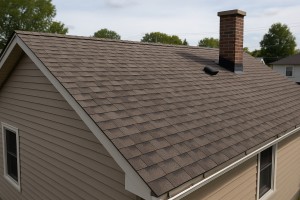
- Best for: value-minded homeowners seeking solid performance with straightforward installation.
- Pros:
- Affordable and widely available; easy to install and repair.
- Architectural (laminate) shingles provide better durability and curb appeal.
- Modern asphalt shingles can meet wind rating requirements when installed with proper nailing and synthetic underlayment.
- Cons:
- Lifespan shorter than metal or slate (typically 20–40 years, depending on product and climate).
- Susceptible to ice dam-related damage if attic ventilation and insulation are inadequate.
- CT tips:
- Look for 130–150 mph wind-rated shingles on higher-wind sections and exposed coastlines.
- Pair with a quality underlayment and proper attic ventilation to mitigate ice dam risk.
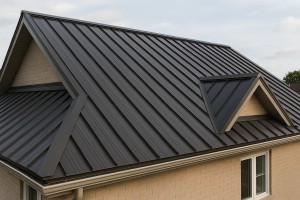
- Best for: long-term durability, speed of installation, and strong wind performance.
- Pros:
- Longevity often 40–70 years; excellent snow shedding in CT winters.
- Standing-seam profiles are highly resistant to wind uplift and water intrusion.
- Lightweight and energy-efficient when coated with reflective finishes.
- Cons:
- Higher upfront cost; aesthetics vary by neighborhood and home style.
- CT tips:
- Favor concealed-fastener or standing-seam systems for maximum wind resistance.
- Ensure proper attic ventilation and an integrated ice-dam prevention plan if you have heavy snowfall.
Slate and synthetic slate
- Best for: premium curb appeal, exceptional longevity, and strong durability.
- Pros:
- Slate can last a century or more with proper maintenance.
- Synthetic slate offers a lighter, more affordable alternative with similar visuals.
- Cons:
- Very high upfront cost and heavy weight; requires structural assessment.
- CT tips:
- If choosing natural slate, confirm roof structure can bear the weight; verify grid and fastener specs meet local wind/ice conditions.
Fiber cement and engineered wood shakes
- Best for: durable, low-maintenance options that mimic traditional looks.
- Pros:
- Fire resistance and good moisture resistance; less rot than wood when properly installed.
- Engineered options can reduce weight and improve installation speed.
- Cons:
- Requires proper nailing pattern and ventilation; some products may need maintenance over decades.
- CT tips:
- Color-stable fiber cement with embedded dimples or textures helps resist water intrusion and freeze-thaw cycling.
Wood shingles and shakes
- Best for: rustic or historic CT homes seeking natural aesthetics.
- Pros:
- Natural beauty and good insulation when well maintained.
- Cons:
- Prone to moisture-related issues, insect exposure, and higher maintenance in humid climates.
- Shorter lifespan in damp CT conditions unless properly sealed and ventilated.
- CT tips:
- Choose high-grade, treated wood and plan for regular cleaning, resealing, and inspection for rot.
Underlayment and ventilation essentials
- Use high-quality synthetic underlayment, with extra ice-dam protection along eaves in northern CT.
- Ensure continuous attic ventilation to reduce condensation and ice dam formation.
- Consider a top-down condensation barrier and proper flashing details around chimneys, vents, and skylines.
How to choose in 3 steps
1. Assess roof structure and attic conditions: weight limits, insulation, and ventilation.
2. Align material choice with CT climate: wind-rated shingles, metal with proper sealants, or slate/synthetic slate for longevity.
3. Compare warranties and installation: roofer credentials, wind uplift ratings, and post-installation maintenance plans.
Popular Roof Styles & Architectural Trends in Connecticut
Classic Colonial Influence and Cape Cod Adaptations
Connecticut's historic and modern homes often mirror Colonial-era massing with practical, snow-ready designs. Expect steep or moderately pitched roofs, dormers for attic space and light, and clean, symmetrical lines that pair well with brick, clapboard, and stone exteriors.
- Gable and hip roof forms are common, balancing durability with curb appeal.
- Dormers (bedroom, nursery, or office) add usable space without sacrificing character.
- Decorative detailing (false chimneys, brackets, and pedimented entryways) remains popular on older neighborhoods and newer Colonial Revival homes.
Roofing Materials Popular in CT
The right material matters in New England climates, where snow, freeze-thaw cycles, and moisture are constants.
- Asphalt shingles (3-tab or architectural): The standard CT choice—affordable, broad color options, and easy to replace. Architectural/shingle-style variants offer better curb appeal and longer life (often 30–40 years with proper maintenance).
- Metal roofing: Steel or aluminum options that shed snow well and resist fire. Lifespan frequently 40–70 years, with lighter weight and excellent durability, but higher upfront costs and potential for more noise in heavy rain or hail.
- Cedar shakes/synthetic shakes: Classic, rustic look ideal for Colonial Revival and Cape houses. Requires regular maintenance to prevent rot and insect damage; synthetic options reduce maintenance while preserving look.
- Slate: Quietly luxurious and extremely durable when structurally supported; very long life but heavy and costly. Often reserved for high-end remodels or re-roofing historic homes.
- Clay and concrete tiles: Elegant and durable in warm climates, but heavy and weight-sensitive for CT homes. Best when the structure is engineered for tile weight and wind resistance.
- Synthetic/slate-look products: A lower-cost, lighter alternative that mimics real slate or shake with lower maintenance and easier installation.
Trend: Integrated Comfort, Safety, and Efficiency
Modern Connecticut roofs balance aesthetics with energy and comfort.
- Solar-ready roofs: Increasing installations and options for integrating photovoltaic systems with minimal visual impact.
- Low-slope adaptations: Some CT homes explore low-slope or modified pitch designs where allowed, often paired with efficient underlayments and waterproofing systems.
- Mixed-material facades: Combining shingles with metal accents or shake textures to highlight architectural features on Colonial, Victorian, and Craftsman-era homes.
Color and Architectural Aesthetics
Colors matter for harmony with surrounding architecture and landscape.
- Dark, charcoal, and weathered-wood tones are popular for modern CT homes and newer constructions.
- Deep greens, slate blues, and warm browns pair well with natural stone and wooden exteriors.
- Roof-line variety—multi-gabled, cross-gabled, and stepped roofs—remains a favorite on both historic districts and contemporary builds.
Practical CT-Specific Considerations
Local climate and zoning shape what works best for CT roofs.
- Snow load and ice dam risk: Connecticut winters mean robust underlayment, proper attic ventilation, and ice/water shields are practical necessities.
- Ventilation and insulation: Adequate soffit, ridge, and attic ventilation reduces moisture buildup and ice dam risk; pair with a well-insulated attic to maximize energy efficiency.
- Underlayment choices: Synthetic underlayment with an ice-and-water shield at eaves and valleys provides extra protection against meltwater intrusion.
- Moss, algae, and debris management: Humidity and shade can encourage growth; regular cleaning and occasional treatment help preserve roof life.
- Professional inspection cadence: In CT, it's wise to schedule a roof inspection after heavy snow thaw cycles and before spring rain, looking for damaged shingles, flashing, and gutters.
Common CT Roof Shapes for Neighborhoods
- Gable and hip roofs dominate most Connecticut subdivisions and historic districts.
- Cape Cod and Colonial Revival homes frequently feature dormers to expand upper-floor space.
- Some older or more ornate homes use gambrel or Dutch-style elements to reflect period architecture.
Quick Reference: What CT Homeowners Often Choose
- Start with asphalt architectural shingles for balance of cost, longevity, and curb appeal.
- Consider metal if you want exceptional snow-shedding, longevity, and a modern look.
- Reserve cedar for character-rich homes or historic renovations; plan for maintenance.
- Use slate or clay tile only if your structure supports the weight and you're aiming for a premium, long-lasting option.
Average Roofing Costs in Connecticut
Cost ranges by material
- Asphalt shingles (standard 3-tab): $4.50-$6.50 per sq ft
- Architectural asphalt shingles: $5.50-$9.00 per sq ft
- Metal roofing (standing seam): $9.00-$14.00 per sq ft
- Concrete/ceramic tile: $12.00-$25.00 per sq ft
- Slate: $25.00-$45.00 per sq ft
- Wood shake/shingle: $7.00-$12.00 per sq ft
Notes
- These are installed costs and can vary with roof complexity, accessibility, and local market conditions. Removal of an existing roof is typically extra.
Typical project ranges for CT homes (1,500-2,000 sq ft)
- Asphalt shingles (3-tab, standard): $6,800-$12,500
- Architectural asphalt shingles: $9,000-$18,000
- Metal roofing: $14,000-$28,000
- Tile: $18,000-$40,000
- Slate: $37,500-$90,000
- Wood shake: $11,000-$24,000
Note: These estimates usually assume a tear-off of the old roof and standard venting. If tear-off or disposal is priced separately, add roughly $1,000-$3,000 depending on roof size and debris.
Local Connecticut factors that influence cost
- Ice dam prevention and ventilation
- Ice & water shield along eaves and vulnerable valleys: about $0.50-$1.50 per sq ft extra
- Upgrading attic ventilation or adding ridge vents: $1,000-$3,000
- Roof pitch and complexity
- Steeper pitches, multiple dormers, or chimneys add labor and material costs
- Coastal vs inland exposure
- Shore towns may favor corrosion-resistant fasteners and coatings due to salt exposure; interior towns may prioritize insulation and wind resistance
- Permits and inspections
- Permit fees: typically $100-$500, depending on town
- HOA rules in historic districts can add revision or design review costs
- Accessibility and size
- Multi-story homes, tight lots, or restricted access can raise scaffold and labor time
- Local labor market
- CT crews may command higher rates in greater metro areas (Bridgeport, Stamford, New Haven) than rural towns
Regional style and design impact
- Historic and colonial homes common in southwestern CT (Fairfield County) often use heavier materials like slate or wood shake, which raise costs compared with modern ranches
- Coastal CT homes may blend standing-seam metal or architectural metal with traditional shingles to resist salt and wind
- Modern or new-build CT homes might favor thicker underlayment, better ventilation, and advanced wind-rated shingles, affecting both material choice and total price
Quick planning steps (for CT budgets)
1. Measure your roof area or have a contractor provide a professional measurement.
2. Pick a material that fits both budget and climate needs (think snow, wind, and salt exposure in coastal towns).
3. Gather 3-5 written quotes from licensed, insured CT roofers; compare inclusion details (tear-off, disposal, underlayment, ice shield, vents).
4. Clarify extras up front (chimneys, dormers, skylights) and confirm permit requirements with your municipality.
Permits & Local Regulations
Do I need a permit in Connecticut?
In most Connecticut towns, a roof replacement or major repair requires a building permit from the local building department. Some minor fixes may be exempt, but don't assume. Always check first to avoid fines or required rework.
Where to start
1) Find your town or city's building department contact (official website or Town Hall).
2) Confirm whether a permit is required for your roofing project and any related work (venting, skylights, chimneys, gutters, electrical hookups).
3) Ask about processing times, plan review requirements, and whether inspections are needed.
What you'll typically need to submit
- Common documents:
- Completed permit application form
- Project description and scope of work
- Roof plan or simple sketches showing materials, layers, and any changes to venting or drainage
- Details on underlayment, shingles or other roofing products, flashing, and drip edges
- Structural notes if you're making changes to the roof deck or supports
- Electrical or vent changes requiring separate permits
- Property owner authorization (if not the owner)
- Contractor information: licensed contractor name, license number, proof of insurance
- If applicable, proof of subcontractor registrations or licenses
Contractor licensing and insurance
- Connecticut-specific notes:
- Work over a certain amount typically requires a licensed contractor; verify registration with the Department of Consumer Protection (DCP) and that they're in good standing.
- Always request current proof of general liability and workers' compensation insurance.
- Check license status and any disciplinary history on the DCP website.
- Practical tip: Never sign a contract without confirming licensing and insurance; keep copies of policies and registrations.
Fees, timelines, and plan reviews
- Fees vary by town and project value; you may see anywhere from modest to several hundred dollars.
- Processing times often run 1–3 weeks, longer in busy towns or for complex projects.
- Some towns require a plan review for roof replacements that involve structural changes, unusual roof geometry, or retrofits.
Inspections you'll encounter
- Common sequence:
- Initial inspection may cover structural changes or deck modifications
- Roof installation inspection to verify underlayment, ventilation, and flashing
- Final inspection to confirm completion and safety
- Your contractor should schedule inspections promptly; work typically cannot be closed out without a final sign-off.
Historic districts and HOA considerations
- If your property is in a historic district or is designated historic, you may need approval from a Historic District Commission or similar body.
- Homeowners associations may have covenants about materials, colors, or rooflines; obtain HOA approval before starting.
- Start the process early to align town permits with any exterior approvals.
Quick homeowner checklist
- Gather: property and owner details, contact information, and any existing permits
- Check: exact permit requirements and whether plan review is needed
- Verify: licensing, insurance, and DCP registration of the contractor
- Prepare: simple roof plans or sketches, material specs, and venting changes
- Schedule: inspections and keep the permit visible on-site
Practical notes to keep in mind
- Even if your neighborhood appears casual about permits, a formal permit is part of a safe, code-compliant roof.
- If you're unsure about whether a change constitutes work requiring a permit, call the local building department for a quick confirmation.
- Renovations that affect ventilation, insulation, or drainage can trigger additional code requirements—double-check those details to prevent last-minute surprises.
Common Roofing Problems in Connecticut & Solutions
Ice dams and roof leaks
In Connecticut winters, freeze-thaw cycles push and pull at roof edges, creating ice dams that force melting snow to back up under shingles. This can lead to interior leaks and mould if left unchecked.
1. Improve attic insulation and seal air leaks so less warm air reaches the roof.
2. Ensure continuous soffit-to-ridge ventilation; install attic baffles if needed to keep airflow.
3. Install an ice and water shield along eaves and at critical penetrations to slow water intrusion.
1. Safely remove snow from the roof with a plastic shovel from the ground; avoid metal tools and climbing on icy roofs.
2. Keep gutters and downspouts clear of ice and debris; use calcium chloride in gutters as a last resort.
3. If interior staining appears, place a temporary barrier and contact a roofer promptly.
- When to call a pro
- Persistent leaks, sagging roof sections, or ice dams that keep returning despite basic measures.
Shingle damage from wind, storms, and aging
CT experiences strong storms and wind-driven debris that lift or tear shingles, exposing underlayment.
- What to look for
- Curling, cracked, or missing shingles; granule loss in gutters; visible underlayment in exposed areas.
1. Replace damaged shingles with matching material and reseal with proper nails and flashing.
2. Inspect and repair ridge and hip shingles, plus related flashing.
3. Check attic ventilation to reduce heat buildup that can age shingles prematurely.
- When to call a pro
- If large sections are damaged, or you're unsure about securing underlayment and flashing.
Moss, algae, and moisture buildup
Shaded Connecticut roofs can accumulate moss and algae, holding moisture against the deck and accelerating decay.
- Prevention and removal
- Gently remove moss with a plastic scraper; avoid high-pressure washing that can lift shingles.
- Trim overhanging branches to reduce shade and moisture retention.
- Consider zinc or copper strip installation or gentle biocides as recommended by a pro.
- Benefits of addressing early
- Reduces rot risk, preserves shingle life, and prevents leaks caused by slowed drainage.
Poor attic ventilation and condensation
Insufficient ventilation traps warm, moist air, leading to condensation on the cold underside of the roof and potential mold.
- Symptoms
- Roof deck dampness, mildew in the attic, and persistent cold-spotting on ceilings.
1. Add or repair soffit and ridge vents to establish continuous airflow.
2. Install roof-to-attic baffles where insulation blocks airflow.
3. If needed, install an attic fan or ventilation upgrade designed for your climate.
- Quick check steps
- Look for visible insulation gaps near penetrations and ensure vents aren't blocked by insulation.
Flashing failures around chimneys and vents
Flashing at chimneys, vents, and walls can corrode or come loose, allowing water to penetrate.
- Causes
- Corrosion, sealant cracking, or improper installation.
1. Re-flash with durable metal flashing and high-quality sealant.
2. Repair or replace chimney cricket flashing if water ponds near the base.
3. Seal joints after re-flashing and test with a water hose from the exterior.
- When to call a pro
- If flashing is rusted, torn, or insecure, or you notice recurring leaks.
Snow load and structural concerns
Heavy snow winters can stress a roof, especially if underlying structure or fasteners are aged.
- Signs
- Sagging, creaking, or visible deflection after storms.
1. Remove excessive snow from the roof with care and proper equipment.
2. Have a structural assessment if you notice settlement, cracking, or persistent leaks.
3. Rebuild or reinforce roof framing as needed, especially on older homes.
- When to call a pro
- Any structural worry or ongoing leakage despite repairs.
Gutter problems and drainage
Clogged or poorly sloped gutters cause water to back up onto the roof and fascia, increasing leak risk.
- Prevention
- Clean gutters twice a year and after heavy storms.
- Ensure downspouts direct water at least 5–10 feet away from the foundation.
- Consider gutter guards if leaves are a constant issue.
1. Clear debris with a safe ladder setup; avoid overreaching.
2. Re-secure loose sections and adjust slope if needed.
- When to call a pro
- Persistent leakage tied to drainage, or damaged fascia and gutters that require replacement.
Maintenance & Repair Tips for Connecticut
Seasonal inspections
- Do a quick walk-around twice a year: after winter's thaw and before the heavy-hail/leaf-fall seasons.
- Look for: missing or curling shingles, loose flashing at chimneys or vents, moss or algae growth, sagging gutters, and signs of leaks inside the attic or ceiling.
- Keep a simple note or photo log to track changes year over year, especially after big storms.
Ice dams & prevention
Ice dams are a common CT seasonal pitfall. Left unchecked, they push water under shingles and into ceilings.
- Improve attic insulation to at least R-38 and seal air leaks around attic hatches, light fixtures, and duct trenches.
- Install an ice-and-water shield along the eaves and up the roof's vulnerable sections (generally 2 feet up from the edge and around any penetrations).
- Use a roof rake to safely remove fresh snow from the eaves after storms; avoid climbing on the roof.
- Consider heated cables only if installed by a pro and controlled by a thermostat; improper installation can cause fire risk or electrical problems.
- Keep gutters clear and downspouts directing meltwater away from the foundation to reduce pooling near the walls.
Gutter & drainage maintenance
- Clean gutters and downspouts at least twice a year (fall and spring). Remove leaves, pine needles, and debris so water flows freely.
- Check for leaks, loose hangers, and sagging sections; re-secure or replace as needed.
- Ensure downspouts discharge water several feet away from the foundation; add splash blocks or direct drainage to an appropriate area.
- After storms, inspect for shingle grit in gutters, which signals wear; plan a renewal timeline if you're seeing excess granule loss.
Shingle & flashing evaluation
- Inspect asphalt shingles for curling, blistering, cracking, or missing tabs, especially on southern exposures after winter damage.
- Replace damaged shingles with matching ones; lift surrounding shingles carefully and re-nail with corrosion-resistant nails.
- Check all flashing around chimneys, vents, skylights, and where walls meet the roof. Re-secure or replace damaged flashing; seal with compatible roofing cement and flashing tape as needed.
- Pay attention to step flashing along walls or dormers—incorrect flashing is a common source of leaks.
Chimney, vents & flashing specifics
- Examine the chimney crown or chase for cracks; seal small cracks and consider professional repointing if mortar is deteriorating.
- Inspect the chimney cap or vent terminations for rust, damage, or blockage; clear any debris to prevent animal entry and moisture intrusion.
- Look for water stains or damp spots around penetrations in the attic linked to flue vents or roof vents; address promptly to avoid rot.
Attic ventilation & insulation
- Verify soffit, ridge, and power vent operation; ensure vents aren't blocked by insulation or debris.
- Check attic insulation depth and uniformity; keep insulation from covering soffit vents to maintain airflow.
- If you notice frost on attic rafters or condensation on sheathing, it's a sign of inadequate ventilation or insulation—address before winter deepens.
After a storm or heavy wind
- Inspect for wind-driven damage: lifted shingles, torn underlayment, or displaced flashing.
- If you see active leaks, place a temporary tarp and document the damage with photos for your insurer.
- For significant damage, contact a licensed roofer to assess structural integrity, missing shingles, and flashing integrity before the next season.
DIY vs. professional repairs
- Homeowners can safely handle gutter cleaning, minor shingle reseating, resealing flashing, and attic air-sealing with proper safety gear.
- Reserve steep-pitched roof work, large-scale flashing replacement, structural damage assessment, and major shingle replacement for licensed roofers. In CT, storm-damaged roofs and complex flashing installations benefit from pro evaluation to ensure ice dam prevention strategies are correctly applied.
When to Repair vs. Replace
Signs a repair is enough
- Localized damage: a few missing or curling shingles, or a small area around a vent, chimney, or flashing.
- No active leaks in the living spaces, or leaks limited to one small spot in the attic after a storm.
- Roof is relatively young for its material (for asphalt, typically under 20–25 years; for metal, slate, or tile, refer to the material's expected life) and most of the surface looks fine aside from the problem area.
- Flashing, booting, or underlayment issues that can be addressed without undoing large portions of the roof.
- Costs to repair are clearly less than the cost of a full replacement, and a proper repair would restore a watertight roof for the foreseeable future.
When replacement makes sense
- Widespread damage: many areas show missing, curling, or damaged shingles, or recurring leaks after multiple repairs.
- Age and material life exceeded: asphalt shingles near 20–30 years, or other materials nearing their life expectancy (metal, slate, tile) in a climate with freeze–thaw cycles.
- Structural concerns: soft or rotted decking, sagging roof lines, or signs of widespread water intrusion into the attic.
- Recurrent leaks: leaks that keep returning despite several repair attempts.
- Energy and weather considerations: persistent ice dams, poor ventilation or insulation contributing to moisture problems that repairs can't fully fix; replacement with better ventilation, insulation, and a newer underlayment can improve efficiency and reduce future damage.
- Insurance and warranties: to maintain manufacturer warranties or to align with new roof warranty terms, or when recent hail/wind damage is extensive enough to justify a single, coordinated replacement.
Connecticut-specific considerations
- Ice dam risk and ventilation: CT winters produce frequent freeze–thaw cycles. If ice dams are a regular problem, focus first on fixing insulation/ventilation gaps; if damage is widespread or the roof is near the end of its life, replacement with improved attic ventilation and higher-quality underlayment may be the prudent long-term fix.
- Snow load and roof structure: heavy snowfall can exacerbate existing damage. If you notice sagging, significant shingle loss, or moisture intrusion after storms, replacement is often the safer option.
- Material performance in CT climate: asphalt with a strong warranty plus a quality underlayment generally performs well; metal roofs offer longevity but require proper installation and ventilation; slate, clay, or concrete tiles last long but are heavier and costlier to install. In CT, a roof that combines robust insulation, a reliable underlayment, and proper ventilation tends to withstand winter conditions better over time.
- Tear-off windows and scheduling: CT contractors usually prefer spring or fall to tear off and replace roofs due to milder weather; doing it in winter or during peak summer heat adds risk and scheduling challenges.
Step-by-step decision guide
1) Inspect and document: from the attic and exterior, note leaks, stains, curling shingles, damaged flashing, and areas with missing granules. Take photos for reference.
2) Check decking condition: ensure the roof deck is solid and free of rot. If decking is compromised, replacement becomes necessary.
3) Assess age and material life: estimate remaining life based on the current material and CT climate exposure; this informs whether a repair or full replacement is more economical long term.
4) Get quotes and compare: obtain at least three written estimates from licensed CT contractors. Verify licensing, insurance, and references; ask how they address ice dam prevention (ventilation, insulation, underlayment).
5) Weigh total costs and benefits: include repair costs, potential future repairs, and the benefits of improved insulation and ventilation if replacing. Consider warranties on materials and workmanship.
6) Decide with the long view: if you anticipate frequent issues or the roof is past its life expectancy, replacement often saves time, disruption, and money over the next decade. If you're early in the roof's life and the damage is narrow, a targeted repair can be the right move.
When to Hire a Professional
- Active leaks, ceiling stains, or damp attic spaces indicating water intrusion.
- Sagging roof deck, soft spots, or visibly loose/warped sheathing.
- Missing flashing, curling or torn shingles, or widespread hail damage.
- Repeated ice damming or ice buildup along eaves that causes interior staining.
- Mold, mildew, or rotten wood in the attic or roof deck.
Connecticut-specific weather and safety considerations
- Winter in Connecticut brings freezing temperatures, ice, and heavy snow that can rapidly worsen small roof problems; DIY fixes often fail once temps swing below freezing or a storm hits.
- Snow loads and high winds common to CT demand proper installation, durable underlayment, and secure flashing—areas where a trained pro has the right equipment and fall protection.
- Ice barriers, proper attic ventilation, and adequate insulation are essential in CT to prevent ice dams; a professional will assess and address insulation and ventilation as part of the job.
- Coastal CT areas face salt exposure, which can affect fasteners and flashing materials; a pro can recommend corrosion-resistant options (like certain metals) suited to your location.
- Local permit and inspection requirements vary by town; qualifying contractors will handle permit pulls and coordinate inspections with your municipality.
Storm damage and winter repair timing in Connecticut
- After a severe storm, contact a pro promptly to assess for hidden damage that could worsen with weather.
- If leaks are present, arrange temporary protection (tarps) only through a qualified professional; improper tarping can cause more damage.
- Plan major roof work for days with workable temperatures and daylight; CT winters can shorten work windows and affect material performance.
How to evaluate a roofing contractor in Connecticut
1. Verify license/registration with the Connecticut Department of Consumer Protection and your local town; ensure proof of workers' compensation and liability insurance.
2. Request written estimates from at least 3 reputable CT contractors; ensure each includes scope, materials, underlayment, ventilation, and ice/water shield specifics.
3. Check references and review CT projects similar in climate and snow load; visit completed jobs if possible.
4. Confirm that permits will be pulled and inspections scheduled; the contractor should handle the permit process.
5. Review warranties: manufacturer warranties on materials and a workmanship warranty; clarify what is covered, exclusions, and duration.
6. Ask about crew qualifications, on-site safety plans, and supervision; ensure proper fall protection, debris containment, and post-project cleanup.
Useful questions to ask at the initial consult
- Are you licensed and insured in CT? Do you pull permits and arrange inspections?
- Will you provide a written contract with material specs, start/completion windows, and a payment schedule?
- How do you handle roof work in cold or snow conditions, and how do you protect landscaping and gutters?
- Do you offer a workmanship warranty, and what does it cover and for how long?
- Will you supply references from CT projects with similar scope and climate?
What a solid Connecticut roof replacement contract should include
- Clear scope of work, exact materials, ventilation plan, and ice/water shield details.
- Explicit warranty terms for both materials and workmanship; start/completion dates and payment milestones.
- Change-order process, contingencies for weather, and permit numbers; disposal and cleanup responsibilities.
- Site protection measures, including debris containment, tarping, and protection of landscaping and driveway.
Permit, inspection, and cleanup specifics
- Ensure permits are obtained and inspections scheduled after the roof is installed.
- Confirm waste disposal arrangements and how old materials will be recycled or disposed; specify cleanup standards and responsibilities for the job site.
Putting A Lid On It: Roof Maintenance, Repair, and Replacement in Connecticut
Connecticut's climate is tough on roofs. Long, snowy winters, rapid freeze-thaw cycles, and occasional Nor'easters mean moisture can sneak into seams and flashing, while hot, humid summers stress shingles and underlayment. A proactive maintenance routine protects against leaks, ice dams, and wind-driven damage, helping your home stay dry, energy-efficient, and comfortable year-round. Regular care also catches small problems before they become costly repairs, preserving the life of your roof and the value of your house.
A well-maintained roof is more than just the shingles. Proper attic ventilation, solid flashing around chimneys and vents, clean gutters, and good insulation all play a part in preventing damage in Connecticut's environment. Common CT challenges—ice dams, moss in shaded spots, and wind damage on exposed ridges—are managed with a thoughtful seasonal rhythm: inspect after winter, check through summer, and prep before the cold sets in. When in doubt, a licensed roofer can provide guidance and safe, professional solutions.
Seasonal Checklist
- Spring
- Inspect for winter damage: cracked or lifted shingles, loose flashing, and signs of water entry.
- Clean gutters and downspouts; remove debris that can cause backups.
- Trim overhanging branches to reduce impact and debris on the roof.
- Check attic ventilation and insulation; ensure soffits aren't blocked and vents aren't closed off.
- Schedule a professional assessment if you notice curling shingles or granule loss.
- Summer
- Look for shingle wear from sun exposure; check for curling, blistering, or missing granules.
- Inspect for moss or algae in shaded areas and treat if needed (gentle cleaners or professional guidance).
- Ensure flashing around skylights, vents, and chimneys is intact.
- Keep gutters clear of summer debris and inspect for proper drainage.
- Fall
- Do a thorough gutter and valley cleanup to prepare for winter rains and snow.
- Verify ice and water shield in valleys and around penetrations where ice dams are likely.
- Check attic insulation and ventilation; improve where needed to limit heat transfer to the roof deck.
- Plan any essential repairs with a pro before heavy winter weather arrives.
- Winter
- Minimize walking on the roof during ice and heavy snow to avoid damage.
- Monitor for interior signs of leaks after thaws; act quickly if you detect staining or drips.
- If ice dams form, avoid risky DIY fixes; contact a professional for safe removal and mitigation.
- Keep access paths safe and clear; cold-weather repairs should be handled by pros when possible.
Repair vs. Replace: Quick Guide
- Small, localized issues (a few loose shingles, minor flashing repairs) often get by with targeted fixes.
- Widespread damage, persistent leaks, or aging decking and shingles (common after 20–25 years depending on material) typically warrant a professional evaluation for replacement.
When to Call a Pro
- Visible sagging, significant shingle loss, or signs of structural damage.
- Recurrent leaks after repairs or moisture behind walls/ceilings.
- Uncertain about safe inspection or complex flashing, ventilation, or drainage work.
A well cared-for Connecticut roof is a quiet source of comfort and security. With a little seasonal attention and sensible help when needed, you can enjoy a durable, beautiful roof that stands strong for years—and neighbors you can count on for friendly tips and shared wisdom as part of a resilient community.
