Last updated: Apr 19, 2026
Berlin sits in Worcester County near the Atlantic coastal storm path, so spring storms and tropical systems are a major scheduling and damage driver for local roofs. The combination of humid, salt-influenced air and shifting wind loads means shingles on many homes bear the brunt of rapid aging after each event. You may notice loose granules in gutters, lifted edges along the eaves, and flashing joints that start to separate after a particularly bold gust. In this climate, softening from heat and salt exposure accelerates aging, so a roof that seemed healthy in late winter can show telltale signs of wear by early summer. Pay attention to shingles that curl, blister, or lose their protective mineral coating, because those are early warning signs of more pervasive deterioration once the next round of storms rolls through.
The storm corridor and the region's freeze-thaw cycles demand careful timing. In a market like this, full replacements are commonly pushed into spring or fall because moderate temperatures are kinder to roof install crews and installed materials than peak summer heat or winter cold. If a roof is approaching the end of its service life or has multiple compromised areas, waiting through a hot July or a freezing February can turn a manageable project into a stressful emergency. Aim to plan replacements during the shoulder seasons when wind-driven rain won't collide with extreme heat or a cold snap; that reduces the risk of poor sealant performance, misaligned flashing, or workmanship setbacks caused by temperature swings. Your local contractor will prioritize a window with dry days and consistent temperatures, so spec out a replacement schedule now if your current roof shows curling edges, recurring leaks, or visible substrate exposure.
Regular inspections after storm events are nonnegotiable. After a Nor'easter or tropical storm, climb up only if safe and look for lifted tabs, lifted flashing, or any moisture staining inside attic spaces. In humid summers, check for mold or mildew on sheathing near penetrations where salt air can corrode fasteners and sealants. In winter, pay extra attention to ice dam development along eaves and around skylights; improper drainage here can force water inward, damaging ceilings and insulation. Keep gutters and downspouts clear to prevent overflow that accelerates fascia and soffit deterioration. If an inspection reveals widespread shingle degradation, flashing movement, or moist rafters, treat it as a red flag-declining roof health rarely improves with time in this climate.
If a storm exposes a blinking weakness in the roof-persistent leaks, new soft spots, or distinct rooflight seepage-do not delay. Tightening flashing, resealing penetrations, and replacing damaged shingles can often hold a roof together through the next season, but once structural components show signs of compromise, planning a full replacement becomes the prudent course of action. Coordinate with a trusted local roof professional who understands the inland Eastern Shore storm path and the wear patterns it drives. Secure temporary protection during high-wind forecasts and ensure a clear plan for fall or spring installation when crews can work safely and efficiently.
This inland Eastern Shore town sits in a wind-influenced corridor where coastal moisture, tropical wind events, and winter freeze-thaw cycles all collide. That combination makes humidity management, venting, and moisture control nonstop considerations for any roof choice. The humid summers push up condensation risks in attic spaces, while temperature swings stress seals, underlayment, and fasteners. Roofs here need to handle rapid shifts between damp heat and frosty mornings, with salt-laden air amplifying corrosion on metal components and fasteners. Expect occasional heavy rain and strong gusts, especially during storm season, and plan for robust sealing at eaves, valleys, and penetrations.
Asphalt shingles remain the dominant local choice, simply because they balance cost, ease of installation, and repairability for typical Bay-and-seaboard homes. But in your climate, ventilation and underlayment are not afterthoughts. Ensure the attic is properly vented to remove moist air before it condenses under the deck. Use a high-quality, breathable underlayment that resists moisture migration and supports a continuous ice-and-water shield at eaves and low-slope sections. Seal all potential gaps around chimneys, vents, and skylights with sealant rated for temperature extremes, and choose shingles with good granule adhesion to resist wind uplift during coastal storms. In Berlin's mix of aging structures and new builds, careful edge detailing and proper flashing at penetrations become the difference between a long-lived installation and recurring leaks after a hard freeze.
Metal roofs perform well against coastal wind and rain, and they shed snow and moisture quickly, which helps freezer-thaw cycles. The local market often features metal as a logical upgrade for houses exposed to salty spray or frequent storm events. The key here is detailing at fasteners, trim, and penetrations. Use corrosion-resistant fasteners and sealants rated for salt exposure, and ensure proper closure at roof-to-wall transitions to prevent wind-driven leaks. Panels should be installed with generous sealing at seams and underlayment beneath metal for added moisture protection. In homes with many roof penetrations-like vents, chimneys, or skylights-step the installation to maintain a continuous moisture barrier and watch for any potential capillary transfer at the eave line during warm, humid days.
Tile, wood shake, and synthetic/composite products all appear in the local material mix, which means a case-by-case evaluation of structure, weight, moisture, and maintenance. Clay and concrete tiles offer strong longevity but demand a solid, well-supported deck and careful weight calculations; freezing cycles can stress fastenings and lift tiles if the frame isn't prepared for freeze-thaw movement. Wood shakes bring a rustic look but require meticulous maintenance to prevent moisture intrusion, especially in humid months, and they are more susceptible to rot and insect activity without proper sealing and regular re-coating. Synthetic and composite shingles can be a middle ground, offering better moisture resistance and lower maintenance, yet they still need appropriate ventilation and flashing details to handle humidity and wind stress. Always verify the deck's structural capacity, confirm appropriate underlayment, and plan for periodic inspection of all joints and fastener sets.
No matter the material, Berlin's climate demands a proactive maintenance routine. Schedule semiannual inspections that focus on sealing around penetrations, flashing integrity, and edge ventilation, especially after storm events and freeze-thaw cycles. Look for moss, mold, or algae growth in shaded or humid corners, as this can trap moisture against the deck and underlayment. In roofs with metal or tile, pay extra attention to fastener wear and sealant degradation at trim lines and at transitions to walls or chimneys. For asphalt, check shingle granule loss that can accelerate UV degradation, and ensure the underlayment remains fully protective under wind-driven rain. A well-timed maintenance plan reduces the risk of costly damage late in the season and keeps the roof performing through the year's humidity, wind, and freeze-thaw cycles.
In Berlin, pricing can move quickly after a big wind or hail event because Worcester County demand surges when many homeowners need tarping, repairs, or full replacements at once. Weather-driven spikes mean you may see short-term price bumps on materials and labor, even if the underlying market trends stay steady. If a storm hits, get at least three written quotes within a few days of assessment to avoid reacting to a single contractor's forecast. Having a pre-season budget buffer for storm-season demand helps keep your project from stalling when crews are busiest.
Costs in Berlin are influenced by the local mix of common materials including asphalt, metal, tile, wood shake, and synthetic products rather than a single dominant roof type. Asphalt shingles remain the most common option for a first-time replacement or a straightforward repair plan, with typical costs around 350 to 700 USD per square. Metal roofing ranges roughly 600 to 1100 USD per square, and tile options (clay or concrete) commonly land in the 900 to 1900 USD and 800 to 1600 USD per square brackets respectively. Wood shakes usually sit between 650 and 1200 USD per square, while synthetic or composite shingles run about 450 to 900 USD per square. Consider how coastal humidity and salt exposure influence each choice, especially for metal and wood.
Scheduling around spring storm periods, summer heat, and winter installation limits can affect labor availability and project timing in this market. Spring storms can push production back as crews swing to tarping and urgent repairs; hot July days shorten work hours and increase deck-heat or safety concerns for crews; cold snaps delay sealants and some underlayment work. If possible, align larger roof replacements with shoulder seasons to reduce weather-related delays and keep labor on a more predictable cadence.
To avoid sticker shock, map out a realistic replacement window that accounts for material lead times-especially if a preferred shingle color or profile is back-ordered after a major storm. Have three material options in mind (for example, asphalt, metal, or a lighter synthetic) so you're ready to pivot should supply be constrained. Keep in mind that tile and wood options tend to require specialized crews; confirm their availability when storm-related demand spikes.
Overall, these local price ranges reflect a practical approach: plan for a spread across materials with the possibility of storm-driven surges. A well-structured bid should break out material costs, underlayment, flashing, and installation labor so you can compare apples to apples. In a market where salt air and freeze-thaw cycles stress roofs, choosing a durable option that suits your home's structure and climate needs often pays off in longer replacement cycles.
CR3 American Exteriors
11042 Nicholas Ln STE B104, Berlin, Maryland
4.9 from 136 reviews
CR3 American Exteriors, located at 11042 Nicholas Ln #B104, is your top choice for expert roofing solutions. Founded by fourth-generation contractor Carnie Fryfogle III, we specialize in roof installation, repair, replacement, emergency roofing, and comprehensive roofing services for both residential and commercial properties. As a top producer for a global shingle manufacturer and recognized in the Top 100 Roofing list and the 5000, our reputation speaks volumes. Our services include roof inspection, flat roofing, and proactive roof maintenance to safeguard your investment. Trust CR3 for reliable, high-performance exterior remodeling and roofing needs.
G. Fedale Roofing & Siding
11722 Grays Corner Rd, Berlin, Maryland
5.0 from 13 reviews
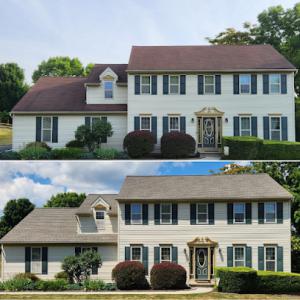
G. Fedale Roofing & Siding has been a leader in home improvement and commercial roofing since 2002. Serving Berlin, Maryland, and nearby areas, we pride ourselves on our skilled team and exceptional service. Our dedication to top-quality installation and repair is backed by extended workmanship warranties, ensuring long-term coverage. Our mission is to provide outstanding value and craftsmanship to our customers and communities. Through dedicated service, education, and commitment, we aim to enhance every home and business we serve. Choose G. Fedale Roofing & Siding for your roofing needs in Berlin, MD, and experience excellence and integrity in every project.
Resort Exteriors
(410) 881-2028 askresortexteriors.com
Serving
5.0 from 76 reviews
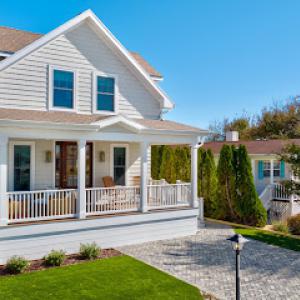
Resort Exteriors is a trusted exterior remodeling company serving homeowners across Maryland and Delaware. We specialize in roofing, siding, decks, windows, and exterior upgrades designed to protect your home and enhance curb appeal. We are certified roof installers with GAF and TAMKO, offering high-performance roofing systems built to meet manufacturer standards and handle coastal conditions. We provide free roof inspections to help homeowners understand their roof’s condition and options. From Ocean City and Bethany Beach to communities throughout Worcester County, Wicomico County, and Sussex County, our team delivers quality craftsmanship, durable materials, and clear communication from start to finish. Call us today for a free estimate
Coastal Home Roofing
(410) 629-5007 coastalhomeroofing.com
Serving
4.9 from 287 reviews
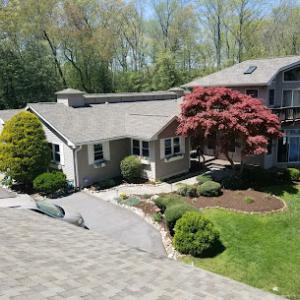
Coastal Home Roofing & Siding is your trusted source for professional roofing services and expert roof repair on the Eastern Shore. Our experienced team is dedicated to delivering top-quality craftsmanship, using the best materials to protect your home and enhance its value. From roof repair and full replacements to new roof installations, we provide reliable, affordable solutions backed by strong warranty coverage. We take pride in our workmanship, attention to detail, and commitment to customer satisfaction. When you need dependable roofing services with unmatched expertise, count on Coastal Home Roofing & Siding to get the job done right.
Economy Roofing & Restoration
(302) 587-7085 economyrestoration.com
Serving
5.0 from 120 reviews
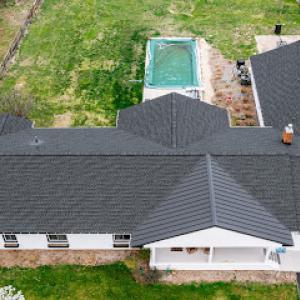
Are you in need of a roofing contractor in Selbyville, DE, who delivers top-notch craftsmanship and places your needs at the forefront of every project? Look no further than Economy Roofing & Restoration, your trusted partner for residential and commercial roofing solutions since 2017. As a licensed and insured company, we are committed to providing you with hassle-free, high-quality services that stand out in the industry. At Economy Roofing & Restoration, we understand the challenges that homeowners and businesses face with roof maintenance and repairs. From storm damage repair to roofing installation and everything in between, our skilled team specializes in a wide range of services to meet your roofing needs.
Certified Roofing
(302) 405-6650 certifiedinc.com
Serving
4.9 from 13 reviews
Certified Roofing, a veteran-owned business, is where your roofing solution starts. Located in the heart of Selbyville, they offer an extensive range of roofing services, including repairs, replacements, installations, and more. With locations in Selbyville, Ocean City, and Bethany Beach, their professional team is just a call away if you live in the Delaware or Maryland area. No matter the scale of the project, Certified Roofing is your top selection for a durable and aesthetically pleasing roof.
RJ Grimes
Serving
5.0 from 5 reviews
RJ Grimes is a local home improvement company that specializes in roofing, siding gutters and windows.
Mallard Exteriors
(410) 572-2727 www.mallardexteriors.com
Serving
5.0 from 9 reviews
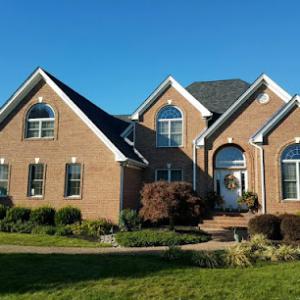
Mallard Exteriors is a premier roofing and siding company that has been serving Ocean City, MD for decades. We specialize in roof installation, roof repairs, siding installation, and siding repair for both residential and commercial clients. Our team works with quality roofing and siding materials like asphalt shingle, James Hardie, cedar shake, standing seam metal, vinyl, and more. Contact us today to get a new roof or siding estimate!
Morse Roofing & Siding
(302) 663-0042 www.morsehomeimprovement.com
Serving
5.0 from 343 reviews
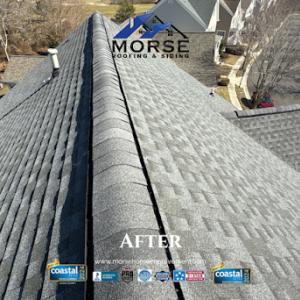
If you are looking for a trustworthy dependable local roofer for your home or business in Sussex County, DE, you've found the right company. Morse Roofing & Siding can provide you with the experience and expertise you need. The experts at Morse Roofing & Siding have been proudly serving Sussex County and providing our customers with: Long-lasting dependable roofs, roof repairs, their storm damage expertise, and complete roof replacements. Morse Roofing & Siding is your choice when it comes to roofing. When you hire Morse Roofing & Siding, you are hiring a trustworthy dependable local roofing contractor.
Hershey Roofing & Siding
(302) 924-4588 hersheyexteriors.com
Serving
4.9 from 202 reviews
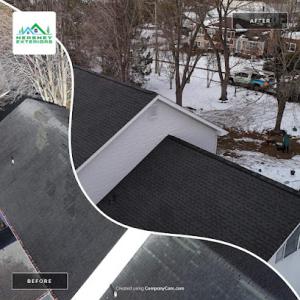
We're a family owned and operated exterior remodeling company with a strong focus on premium, high-end renovations on the Delmarva Peninsula. Our team is passionate about providing a positive experience and beautiful home exterior for our customers. We are GAF Master Elite Certified as well as recipients of the 2024 GAF President's Club Award. We are also BBB-accredited.
Remodel Rx
(443) 266-8044 www.remodelrx.com
Serving
5.0 from 3 reviews
Exterior remodeling experts. Specializing in Roofing, Windows, Doors and Siding
Spicer Bros. Construction
(410) 546-1190 www.spicerbros.com
Serving
4.8 from 389 reviews
Spicer Bros. Construction is a family-owned and operated Delmarva construction company committed to offering customers the best exterior home improvements, bath and shower remodeling. In business since 2002, we have provided residents throughout the area with the services they need to achieve the look and functionality they want for their homes.
In this area, full roof replacements are typically not handled as informal over-the-counter jobs. The Worcester County process calls for a formal permit that travels through the county's building department rather than a quick push-through at a hardware counter. For homes around the inland Eastern Shore, where salt-lueled air and storm events accentuate wear, securing the proper permit is part of safeguarding long-term performance. Before any shingle, metal, tile, or composite panel goes up, verify that the project will be reviewed and approved under county guidelines. This helps ensure the roof system ties correctly into existing soffit and attic ventilation and meets local wind and moisture considerations.
The local process generally involves submitting a permit application with a clear project scope and contractor information before work begins. That means detailing the replacement type, roof pitch, square footage, venting plan, decking condition, and anticipated timelines. A licensed contractor or an experienced local tradesperson usually helps prepare this submission, ensuring the scope aligns with Worcester County's code requirements. Because Berlin homes often feature age-related decking or ventilation quirks from previous renovations, the application should document any known decking issues or prior repairs. Once the county reviews and approves, a permit card or digital record is issued, and work can start on the timeline stated in the permit.
Inspections are typically scheduled at rough-in and final, with particular attention paid to decking condition, ventilation, and proper installation. At rough-in, inspectors look at the substrate, the alignment of rafters or trusses, and whether the underlayment and flashing details match the chosen roof system. Given the humid, salt-influenced environment and the region's exposure to tropical wind events, proper attic ventilation and moisture management are critical up front. The final inspection focuses on the completed roof assembly, confirming that all penetrations, flashing, ridge caps, and edge details are correctly installed and sealed against the local salt air and winter freeze-thaw cycles. If any issues are found, the permit process allows for corrective work before final approval, which helps prevent premature wear and additional weather-related damage down the line.
Coordinate with the contractor to compile the permit package early, including a deck condition note and a ventilation plan that aligns with the roof type chosen for replacement. Schedule inspections in advance to avoid delays during storm-season windows or peak hiring periods. Keep copies of all permit documents, inspection reports, and any correspondence with the building department in a dedicated project folder. By aligning replacement timing with the county's permit cadence and ensuring the decking, ventilation, and installation details are addressed at rough-in, the roof upgrade can proceed with fewer surprises when the final inspection occurs.
Maryland is an active storm-claim environment, and Berlin homeowners commonly face wind, hail, and rain-driven damage documentation issues after severe weather. The inland Eastern Shore location sits near the Assateague and Ocean City storm corridor, so roofs endure salt-influenced humidity, tropical wind events, and winter freeze-thaw cycles. Those combined forces can produce a mix of shingle granule loss, lifted edges, flashing setbacks, and accelerated wear on vents and chimneys. When a storm hits, the clock on documentation starts ticking in a way that matters for claim review and final outcomes.
Insurers generally expect before-and-after photos, detailed estimates, and licensed-contractor documentation for roof claim review in this market. After a wind or hail event, a smart homeowner collects clear visuals from ground level and from an elevated perspective when safe, capturing any soft spots, lift, or granule loss. Detailed estimates should reflect the scope of necessary repairs or replacement, including attic or interior indicators if moisture penetrates underlayment or decking. In this market, documentation is not a one-and-done task; it's an ongoing record that helps prove what happened, what was damaged, and what it takes to restore the roof to code performance in a salt-air climate.
Adjusters may tie approval to mitigation steps and code-compliant repairs, which makes documentation and inspection timing important after a storm. Immediate actions that reduce further damage-such as tarping urgent leaks, securing loose flashing, and scheduling prompt inspections by a licensed contractor-can shape claim acceptance and speed. In practice, this means coordinating a timely, professional assessment rather than leaving a roof vulnerable to additional weather cycles. Because the local mix of storm threats often affects the same families year after year, keeping a current, organized file of photos, invoices, and repair notes helps maintain continuity across claim reviews and potential supplemental requests.
Choosing a licensed contractor with experience in this coastline-influenced area matters. A trusted local pro will know how salt exposure affects shingle alkalinity, how wind-driven debris can impact eave lines, and where to reflash dormers or skylights for long-term durability. When a storm hits, rely on documentation that shows both the pre-storm condition and the post-storm condition from credible sources, and align with a contractor who can translate that evidence into a clear, code-conscious repair plan. This approach helps ensure the roof restoration stands up to future cycles of wind, hail, and rain.
Connect with contractors who help homeowners navigate the claims process from damage assessment to final approval.
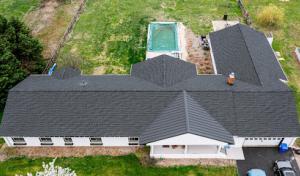
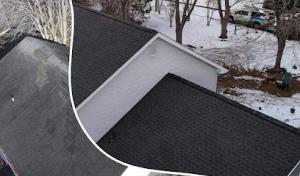
Skylight-related service is notably active in the Berlin market, indicating that penetration detailing is a recurring homeowner concern locally. Because homes here contend with salt spray from humid inland winds and frequent storm exposure, skylight issues tend to surface sooner than you might expect. If a leak shows up near a skylight, it often points to a combination of wear and aging components rather than a single failed seal. You're more likely to face recurring visits from roof specialists than a one-and-done repair.
In a climate marked by wind-driven rain and freeze-thaw cycles, investigations into leaks must separate field-shingle problems from flashing failures at roof penetrations. A drip around a skylight can ride on a compromised shingle course, yet the real culprit may be aging or improperly allied flashing around the skylight curb. In practice, expect a careful check of surrounding shingles, ridge lines, and the skylight flashing itself. If the water trail stops at the curb, the flashing detail likely needs attention; if it travels from higher up, it may be a shingle failure that invites water to reach the flashing.
Freeze-thaw movement and wind-driven rain make transitions around skylights, valleys, and flashing details especially important on local roofs. Pay attention to how the skylight sits within the roof plane: expansion gaps, sealant joints, and the integrity of the curb flashing are all under stress from temperature swings and gusty events. Look for hairline cracks in caulk, loose metal flash tabs, or gaps where the curb meets the roof deck. These sites deserve proactive checks before the next storm season.
When you inspect, start at the interior ceiling near the skylight for staining or soft spots. Outside, map water trails after a rainstorm, tracing them to the skylight edge, then to the roof plane. If you notice recurring dampness after storms, plan a targeted flashing repair or a curb seal refresh. If the issue seems tied to the skylight itself, consider resealing the curb area or replacing compromised flashing sleeves first, before replacing the entire skylight. In this climate, timely attention prevents broader roof leaks and more invasive interior damage.
Find contractors experienced in skylight installation, flashing, and leak repairs to bring natural light into your home.

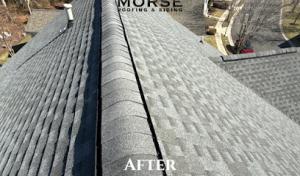
Storm-driven wear is a fact of life on the inland Eastern Shore, where humid salt air and seasonal temp swings stress roofing systems year after year. In Berlin, many roofs face tropical wind events and repeated freeze-thaw cycles, so a warranty-backed installation isn't just nice to have-it's a practical safeguard against accelerated wear. A proper warranty helps ensure that roofing materials and workmanship are supported if storm movement or salt exposure reveals hidden defects after installation.
Warranty documentation should clearly spell out what is covered, for how long, and under what conditions. Look for manufacturers' endorsements that accompany the installer's work, and verify whether coverage sticks to the original components or if substitutions are allowed. In this market, a common gap is coverage that depends on ongoing adherence to maintenance schedules or on using approved underlayments and fasteners. Ask for written confirmation of both material warranties and workmanship guarantees, and request direct contact details for claims support.
Re-roofing is a strong local contractor focus, so many homeowners are shopping for replacement execution quality rather than only patch work. Confirm that the crew follows manufacturer installation instructions to the letter, including proper nailing patterns, underlayment setup, and ventilation considerations. A documented quality control checklist, photos from key stages, and a certified installer's seal of approval can help separate credible providers from those offering only a basic job. In markets facing repeated storm exposure, installation quality often determines how well a roof resists wind-driven uplift and salt-laden moisture over time.
Choose a contractor who can demonstrate a track record of durable performance under similar weather patterns, not just a price quote. Request references from recent local jobs and, if possible, arrange a site visit to compare visible outcomes on neighboring homes. A thoughtfully executed installation paired with a robust warranty gives you leverage when future storms test the roof's resilience. This approach aligns with expectations for long-term performance in this climate.
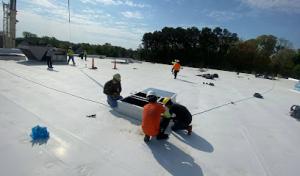
In Berlin, low-slope and flat roofs face unique challenges from the inland storm corridor and humid salt-influenced air. Prolonged moisture exposure during humid periods and repeated storm rainfall can wear out membranes faster than you expect. This area's weather pattern also means edge details and drainage play a larger role in overall roof longevity than with steep-pitched roofs. Recognize that the combination of wind-driven rain and seasonal freeze-thaw cycles can push edges, seams, and penetrations to wear sooner, especially on roofs that were installed or resealed during dryer years.
Inspection after a heavy or extended rainfall should zero in on drainage points, seams, penetrations, and edge details. On low-slope roofs, standing water is a practical concern unless drainage is reliable. Look for areas where streaking or damp spots appear near the perimeter and around roof penetrations such as vents, skylights, and mechanical units. Seams can fail quietly with heat cycles, so run a finger along joints to feel for any looseness or soft spots. Edge caulking and counterflashing deserve careful scrutiny where the roof meets parapets or fascia, as salt air accelerates deterioration in these transition zones.
Keep gutters and scuppers clear between storm events so water has a clear path off the surface. After heavy rain, inspect for blisters, wrinkles, or hail-induced pockmarks on the membrane that could indicate punctures beneath. If you notice loose flashing or an edge that lifts with a gust, address it promptly to prevent water intrusion. Plan proactive maintenance on a regular cycle, aligning with seasonal changes, so lingering moisture doesn't become a bigger problem in a few years. When in doubt, a local contractor with experience in flat and low-slope roofs near the coast can perform a careful, targeted assessment.
Find specialists in TPO, EPDM, and built-up flat roofing systems for residential and commercial properties.

CR3 American Exteriors
11042 Nicholas Ln STE B104, Berlin, Maryland
4.9 from 136 reviews