Last updated: Apr 19, 2026
Loxahatchee's most reliable installation window is during the region's winter dry season, while May through October brings wetter conditions and hurricane-related disruptions. When a perfectly dry stretch opens, align roof work to start and finish before the wet season's humidity spikes and afternoon storms roll in. Plan to complete critical tasks-deck inspection, sheathing, underlayment, and flashings-early in the window, so any remaining finish work can ride out residual humidity without risking compromised adhesion or warped boards. Use this window to lock in wind-ready materials and crews that understand the local microclimate, especially the way afternoon rain can interrupt progress and threaten exposure.
Frequent afternoon summer showers in this part of Palm Beach County increase the risk of tear-off delays and exposed decking getting wet mid-project. If a project runs into the hottest months, expect shortened workdays, more drying-in steps, and higher chances of interior moisture intrusion if decking is left exposed overnight. Prepare for rolling showers by staging tarps and robust temporary weather protection, and build in contingency days for weather fronts. Communicate with the crew about daily forecast checks and realistic daily targets so you don't push ahead on risky afternoons. A well-sequenced plan-removing old roofing, securing decking, and installing a solid underlayment before any tool down-reduces the chance that a late-day storm unravels progress.
Storm-season demand spikes after tropical events can lengthen scheduling times for full replacements and emergency leak work in western Palm Beach County. After a tropical system, crews are tied up with urgent repairs and new work can be backlogged. If you must target a replacement around storm season, book with a trusted local crew that prioritizes timely arrivals and has a defined contingency protocol for weather interruptions. Build your project with early-start milestones and a firm rain-day clause in the contract so you can protect investment without incurring unnecessary delays. Even if your matter is a full replacement, schedule a priorities plan: complete roof removal and deck protection before any interior sensitive areas face rain exposure, then move to installation of underlayment and starter courses at the first clear window.
Set expectations with your contractor to maximize the dry-season window, and request a detailed weather contingency plan. Ensure the crew budgets for wind-resistance fundamentals-from reinforced ridge lines and secure fingering over underlayment to properly sealed flashing transitions. Confirm that temporary protections will cover exposed decking on days with late-afternoon showers, and that any mid-project delays are communicated promptly with revised milestones. For ongoing maintenance or emergency leaks, establish a rapid-response protocol so minor issues don't escalate during the storm season. In short, a disciplined, weather-aware plan in this climate minimizes exposure, maximizes wind-ready performance, and protects your home through Loxahatchee's seasonal swings.
In this western Palm Beach County stretch, the roof has to stand up to hurricane-season gusts, summer downpours, and the rhythm of dry spells. The local material mix leans toward asphalt shingles, metal roofing, clay tile, concrete tile, wood shingles/shakes, and synthetic/composite shingles. Each option brings a different balance of wind resistance, weight, and installation detail. The choice set in this area is not about chasing the latest trend; it's about selecting a system that stays attached through repeated wind loads, sheds rain quickly, and tolerates the heat without warping or curling. Older homes often show wear in the roof-to-wall connections, which matters most when a storm hits. Understanding how wind travels across these rooftops helps homeowners plan replacements that survive the first gust rather than merely look good in calm weather.
Tile roofs are common around the county, and the visual appeal is hard to beat, but the wind story is different. Clay and concrete tiles can shed in high winds if the fasteners and underlayment aren't inspected and upgraded as needed. In older homes, the attachment system may no longer keep pace with new storm energies, so replacement should emphasize a robust tie-in detail and a wind-rated underlayment. When tiles are replaced after a wind event, matching the original profile and color matters for curb appeal and resale value, especially in neighborhoods with established streetscapes. A practical approach is to confirm that the new tile system uses proven fasteners compatible with the roof deck and that the ridge, hip lines, and valleys are sealed to prevent wind-driven water intrusion. If a tile roof is being installed on a structure with a history of uplift, an additional emphasis on a secure, continuous eave edge fastener pattern helps to resist blow-off.
Metal roofing has a steady, specialized presence in this market, and it's often considered by homeowners looking for durability in a hurricane-prone part of South Florida. The system benefits from continuous sheets and strong fastener attachment, with careful attention paid to panel seams, edge closures, and attic venting. In practical terms, a metal roof here should be installed with an integrated eave and ridge closure to minimize lift potential, plus a wind-rated underlayment that remains resilient after heavy rain. The quick shedding characteristic of metal reduces wind-load exposure during a storm, but it also places emphasis on accurate panel alignment and secure fastening along all roof edges. If a home sits closer to open spaces or has a higher wind exposure path, selecting a metal profile rated for higher wind zones becomes a prudent step.
After a wind event, attention shifts to the roof's attachment points, flashing details, and overall deck integrity. A replacement path that anticipates future storms includes upgrading fasteners, securing the drip edge with proper sealant, and ensuring proper nailing or screwing patterns that meet wind-resistance expectations. For asphalt or synthetic/composite shingles, a modern wind-certified system helps minimize uplift risk when shingles curl or lift at the edges. With tiles, the plan should involve verifying the matching of replacement profiles to existing ones to preserve the roof's appearance and function. In all cases, choosing materials with known performance in hurricane seasons yields the most peace of mind for a home sitting in a windswept stretch of the county.
After a severe weather event, the priority is keeping your home from taking on more water or wind damage. Emergency tarping and leak response are highly active service lines in this market, reflecting how often homeowners need immediate stabilization after severe weather. If you notice active leaks, fallen shingles, or exposed decking, do not delay. Secure footing before climbing a ladder, stay off wet surfaces, and call a local roofer who offers rapid tarping and temporary repairs. Quick action buys you time while you manage insurance communications and arrange more thorough repairs when conditions are safer.
Loxahatchee homeowners face a high wind and hurricane claim environment typical of coastal South Florida insurance markets, even though the community sits inland from the immediate coast. That means adjusters and inspectors can be backlogged for days or weeks across Palm Beach County. Start documenting right away: take clear photos and video from multiple angles, noting any bent nails, peeled shingles, lifted edges, damaged vent flashings, and signs of water intrusion inside the attic or ceiling. Create a dated log of observations, weather conditions, and any temporary fixes you apply. This documentation helps you tell an accurate story to the insurer and reduces back-and-forth during the claim process.
When you contact your insurer, ask for guidance on acceptable temporary repairs and what to save receipts for. Prioritize roof areas that threaten interior damage, such as valleys, transitions between roof planes, and around chimneys or vents. If you need to secure tarps, insist on using weather-resistant materials and proper fasteners to endure the next round of wind. Keep all receipts and note the dates of any repair work. Your goal is to prevent further damage while you wait for a licensed roofer to implement a permanent fix that matches the home's typical hurricane-season demands.
The post-storm window is a critical time to rethink wind resistance for your roof. After the initial stabilization, schedule a thorough assessment of your roofing system's ability to resist future Gulf-to-southwest Florida winds. Pay attention to roof-to-wall connections, ridge lines, and edge fasteners, as these areas bear the brunt of high gusts. In a market where quickly replacing or reinforcing roofs is common, you want a plan that aligns with the next hurricane season-prioritizing material choices and installation practices that improve wind performance and reduce the likelihood of recurring damage.
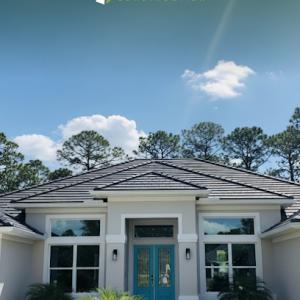
Pinewood Construction
(561) 309-0134 www.pinewoodconstructioninc.com
1065 Sterling Pine Pl, Loxahatchee, Florida
5.0 from 36 reviews
Pinewood Construction delivers expert roof replacement, repair, and residential or commercial roofing across Palm Beach County, with licensed contractors and top-rated service.
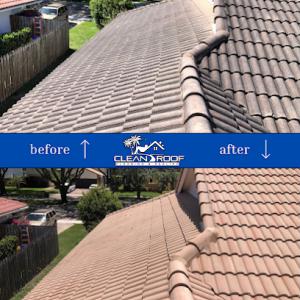
Clean Roof
(561) 559-9948 www.floridacleanroof.com
16858 89th Pl N, Loxahatchee, Florida
4.9 from 50 reviews
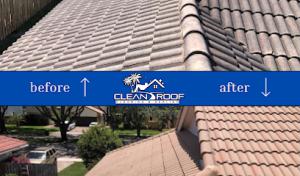
Florida Clean Roof is the top choice for professional roof cleaning, sealing, and repair experts, serving Loxahatchee, Florida since 2017. Our experienced technicians utilize cutting-edge pressure washing technology to remove years of dirt, mold, and algae, revealing your roof's original beauty. With Clean Roof, homeowners and businesses can enjoy a fresh, clean roof that adds curb appeal, increases shingle longevity, and provides the highest quality protection for their most valuable asset.
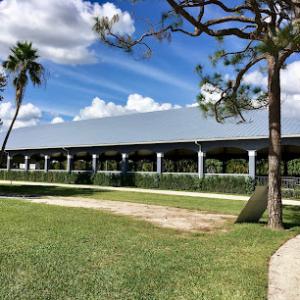
O'Neal Jr. Roofing
(561) 656-4945 www.onealjrroofing.com
12872 Casey Rd, Loxahatchee, Florida
4.8 from 87 reviews
Family-owned roofing company serving Palm Beach County for over 20 years. Offering Re-Roofing and repairs. Neil Jr. is a 2nd generation roofing contractor with over 30 years experience.
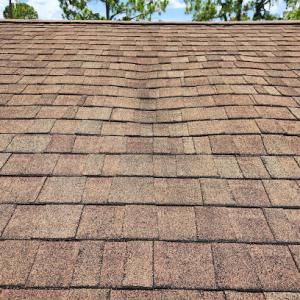
JoGo Construction
(561) 685-3755 tetegenaro.wixsite.com
18852 50th St N, Loxahatchee, Florida
5.0 from 5 reviews
We strive to deliver the best roof possible for you house. Not only looking beautiful, but performing flawlessly. We specialize in shingle, metal, and tile roofing. Our #1 goal is to make the homeowner happy with our services. We have the best prices around without compromising quality. We take the necessary time to fix issues without taking shortcuts. We offer free quotes and will love to answer any questions.
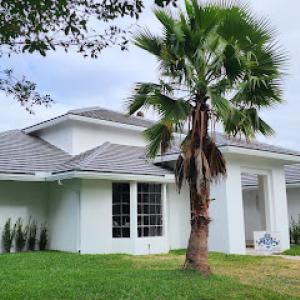
Mendieta Roofing
Serving
4.7 from 170 reviews
Mendieta Roofing is a leading and reputable contracting company based in Palm Beach County. Ever since we opened for business, we've taken a comprehensive approach to project management, providing our clients with a wide range of services to cover their needs. Get in touch today to learn more about what we can offer you and receive your free estimate.
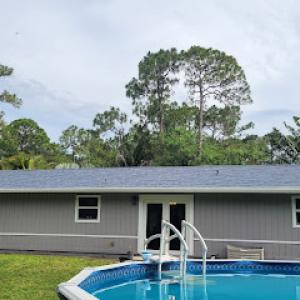
Palm Beach Rooftops & Design
(561) 660-3994 palmbeachrooftops.com
Serving
5.0 from 11 reviews
We work hard to bring together the best in the business to create this dream. We take pride in all aspects of roofing, working and living on the east coast and are led to a passion for quick, efficient, and transparent repairs to storm damaged homes, customers that need new roofs due to age as well as repairs with warranties. We are all about structure, organization and meeting deadlines. Through general oversight, project performance and direct, daily communication with team leaders, her focus is to bring your job to completion on time and on budget.
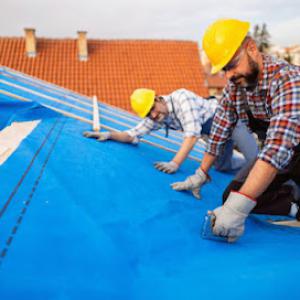
West Palm Beach Roofing Pros Mastercraft
(561) 290-8375 westpalmbeachroofingprosmastercraft.com
Serving
5.0 from 24 reviews
With mastercraft precision and years of expertise, we've become the trusted choice for roofing services throughout West Palm Beach and Royal Palm Beach. Our commitment to excellence and customer satisfaction sets us apart as true roofing professionals who deliver exceptional results every time. 24/7 Service Available whenever you need us Licensed & Insured Fully certified professionals Quality Materials Only the best for your roof Satisfaction Guaranteed Your satisfaction is our priority
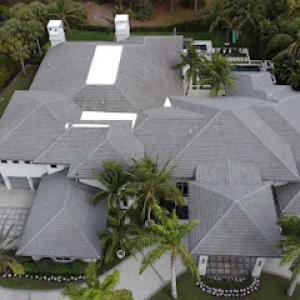
Roofing Systems Of Florida
(561) 795-5566 www.myroofsystem.com
Serving
4.8 from 87 reviews
Roofing Systems of Florida, Inc. is a trusted roofing contractor in Royal Palm Beach, Florida, specializing in residential and commercial roofing services. Our licensed and insured team provides expert roof installation, roof repair, and roof replacement using high-quality materials like tile, shingle, metal, and flat roofing systems. We also offer leak detection, storm damage repair, skylight installation, and preventative roof maintenance programs to keep your property protected year-round. With a strong commitment to customer satisfaction, free estimates, and financing options, we deliver durable, long-lasting roofing solutions. Trust our BBB-accredited company for reliable service and exceptional results across South Florida.
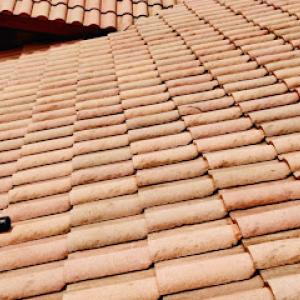
Hall Roofing Construction
(561) 601-6492 hallroofingconstructioncorp.com
Serving
5.0 from 10 reviews
Reliable license and insured roofer contractor
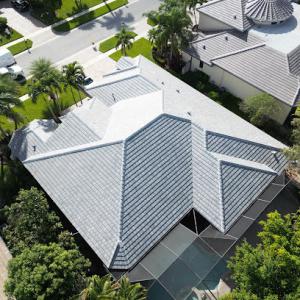
Coastal Roofing of South Florida
(561) 783-4185 www.coastalroofingofsouthflorida.com
Serving
5.0 from 136 reviews
Coastal Roofing of South Florida is one of the leading Roofing Companies proudly serving West Palm Beach and surrounding areas. With a reputation built on integrity, quality craftsmanship, and 5-star customer satisfaction, we specialize in expert roof installation, prompt roof repair, and complete roof replacement services. Our team brings years of local experience and attention to detail to every project, ensuring each roof is built to withstand Florida’s unique climate. Whether you're a homeowner or business owner, you can count on our professional and friendly service to deliver long-lasting value and dependable protection. We are committed to providing trustworthy solutions tailored to your property’s needs.
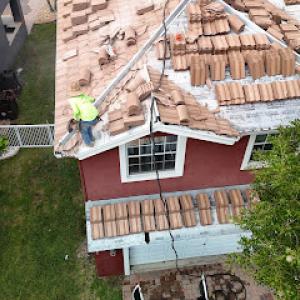
Louis Roofing
(561) 567-4638 louis-roofingllc.com
Serving
5.0 from 14 reviews
Louis Roofing is the premier name for residential roofing in the South Florida region. We are a company that combines 40 years of roofing experience with new-age innovation. Our services include new roofs, reroof, tile roofs, metal roofs, shingle roofs, and flat roofs. We also provide roof repairs and roof maintenance of all roofs. At Louis Roofing we pride ourselves on doing things the right way the first time and providing our clients with unmatched customer service.
Competent Roof Services
(561) 433-9190 competentroofservices.com
Serving
5.0 from 174 reviews
For more than 40 years, Competent Roof Services has been serving the roofing needs of South Florida with expertise and dedication. We take pride in our commitment to quality, and our motto "get the job done once, get the job done right" is a testament to our unwavering standards. With our guaranteed workmanship, you can enjoy a worry-free living experience for over a decade. Whether you require a new roof installation or repairs, you can trust the roofing experts at Competent Roof Services to deliver outstanding results.
A building permit is typically required for a full roof replacement in Palm Beach County, which governs permitting for Loxahatchee's unincorporated areas. The county's permit process is designed to ensure new roofs meet Florida Building Code requirements, especially where wind resistance is a priority during hurricane season. Before any removal or replacement begins, confirm with the Palm Beach County Building Division that the project is properly registered and permitted. This step helps avoid delays or fines and ensures the work aligns with county and state standards.
The local process includes plan review and staged inspections. After submitting the permit package, a plan reviewer checks the proposed roof materials, fastener patterns, and any structural modifications. Expect at least an initial (rough) inspection to verify layout, material staging, deck integrity, and roof-to-wall connections. A final inspection confirms the roofing is completed as approved and that all penetrations, venting, and flashings meet code. Because western Palm Beach County experiences strong winds, inspectors pay close attention to anchor points, ridge caps, and underlayment continuity. Plan on scheduling around weather windows to avoid rework caused by rain or storms.
Roof work is reviewed under the Florida Building Code with wind-mitigation considerations that matter in this hurricane-exposed county. For replacement projects, expect documentation or demonstrations of wind-resistant features such as reinforced straps, upgraded fasteners, and confirmed attachment to the roof framing. If the plan includes a seam or panel system, be prepared to show how edges, hips, and rakes are secured against wind uplift. An inspector may request additional details on attic ventilation, roof deck condition, and water-resistive barrier installation to support long-term resistance to tropical downpours.
Start by contacting the Palm Beach County Building Division early to verify the exact permit requirements for a full roof replacement. Gather structural and warranty information for the chosen roofing system, including wind-load data and installation manuals, so the plan reviewer has clear, code-backed documentation. When scheduling inspections, coordinate with the contractor to ensure the rough inspection can happen after materials are staged and prior to shingle or tile installation, and secure the final inspection once the roof is fully completed. If a hurricane season window is approaching, plan the replacement to minimize overlapping weather risk, but do not rush critical wind-hmitigation details; correct execution now saves time later if adjustments are needed. Keep a copy of all permit approvals, plans, and inspection reports in a readily accessible place for future reference.
Florida's property insurance market has seen frequent wind and hurricane claims, which directly affects roof underwriting and replacement decisions in this area. After a storm, carriers review whether a roof qualifies for renewal or a new policy, and a roof's age, condition, and documented maintenance can swing the odds. In practice, you may notice tighter underwriting windows during the peak of hurricane season, when carriers scrutinize risk factors more closely and adjust coverage options accordingly.
Insurers may ask for roof age documentation and wind-mitigation information before renewing or pricing coverage on homes in this area. Keep organized records of any upgrades, inspections, or repairs that influence wind resistance. If your roof has modern fasteners, reinforced hips or ridges, or impactful underlayment, be prepared to present evidence. A well-documented history helps demonstrate resilience against the fiercest Gulf breeze and afternoon downpours that are common in the western Palm Beach County rural-residential mix.
Some carriers have reduced coverage availability in recent years, making roof condition and documentation more consequential for Palm Beach County homeowners. With fewer options, a roof that shows advanced age or notable wear can limit quotes or lead to higher premiums. Proactive planning-tracking when policies come up for renewal, maintaining clear records of any wind-related damage, and staying ahead on the preventive measures that insurers respect-can reduce the risk of being left with limited choices when a storm looms.
Prior to hurricane season, gather photos and dates of any repairs, upgrades, or retrofits that improve wind resistance. If you recently replaced a roof or added wind-resistant features, ensure certificates or installers' documentation are accessible. Consider a professional wind-mmitigation assessment to quantify improvements and provide credible documentation for future underwriting. In this climate, your roof is not just a shelter-it's a key factor in protecting your coverage, your home, and your peace of mind when the storms arrive.
Connect with contractors who help homeowners navigate the claims process from damage assessment to final approval.
Coastal Roofing of South Florida
(561) 783-4185 www.coastalroofingofsouthflorida.com
Serving
5.0 from 136 reviews
Typical local pricing runs about $350 to $700 per square for asphalt shingles, $600 to $1100 for metal, $900 to $1700 for clay tile, $800 to $1500 for concrete tile, $600 to $1100 for wood shingles/shakes, and $550 to $1000 for synthetic/composite shingles. In this part of Palm Beach County, the mix of rural-residential roofs and hurricane-season exposure means you'll see more metal and tile options on the market than you might expect in neighboring towns. That variety affects the bottom line in purposeful ways: metal often carries a higher upfront price but can save on long-term maintenance, while tile offers durability but can push total costs higher depending on underlayment and substrate needs.
Costs in Loxahatchee can rise during storm-recovery periods when regional demand surges across Palm Beach County and crews are stretched between emergency repairs and full re-roofs. If a hurricane hits or there's widespread wind damage, your project may incur premium scheduling, expedited crew fees, and material price volatility. Planning ahead for the shoulder seasons-before the peak of hurricane season-can help avoid some of these spikes, but you should still expect variability if a storm disrupts supply chains or labor availability.
Permit processing, inspection scheduling, and the prevalence of tile and metal options in this market can materially affect total project pricing compared with a basic shingle replacement. Clay tile and concrete tile bring long-term durability for palm-tree-lined neighborhoods with high winds and salt air, but they also demand precise roof framing, underlayment, and sometimes retrofit work to ensure a wind-resilient installation. Asphalt remains the most budget-friendly entry point, yet even there, storm-season demand or local crew availability can nudge the final bill. If you expect a roof replacement to align with a specific storm window, discuss lead times, staged work, and material substitutions with your contractor to minimize downtime and price surprises.
Get a clear picture of your project costs upfront - no commitment required.
Clean Roof
(561) 559-9948 www.floridacleanroof.com
16858 89th Pl N, Loxahatchee, Florida
4.9 from 50 reviews
JoGo Construction
(561) 685-3755 tetegenaro.wixsite.com
18852 50th St N, Loxahatchee, Florida
5.0 from 5 reviews
In Loxahatchee, the combination of high summer heat and humidity can shorten the safe exposure window for underlayment and decking when a roof is opened up. If the roof deck is exposed too long, the underlayment can dry out, warp, or begin to deteriorate before the new system is fully installed. This is especially true after a quick inspection finds minor rot or moisture intrusion; the clock starts ticking once access is granted for repairs. Plan for rapid material handling and sequencing so that vulnerable layers stay protected, and consider using high-performance underlayment designed to tolerate heat and humidity without becoming brittle.
Frequent wet-season rainfall increases the chance that small flashing or penetration defects turn into active leaks quickly once the summer pattern sets in. Even a seemingly minor gap around a vent boot, skylight, or chimney can become a persistent drip as afternoon showers resume. The takeaway is practical: during replacement or repairs, insist on meticulous sealing around all penetrations and confirm that wrap-flashes and step-flashes are correctly installed with appropriate sealant choices for the local humidity. After completion, inspect for any damp spots after the first heavy rain and monitor for a few months, since tropical downpours can reveal weaknesses that dry-season sun hides.
Because tile, metal, and shingle systems all have meaningful local market share here, failure patterns vary widely by roof type rather than following a single dominant material profile. Metal can show panel seam or fastener issues in ridge lines after strong seasonally shifting winds, while clay and concrete tiles may crack from thermal expansion or be compromised by improper lattice support. Shingles can peel or blister when underlayment conditions fail or when overdriven fasteners create pressure points. A residential roof in this area should be evaluated with attention to the specific system in place, and repairs planned with material-specific details in mind to prevent recurring issues.
Find contractors experienced in skylight installation, flashing, and leak repairs to bring natural light into your home.
O'Neal Jr. Roofing
(561) 656-4945 www.onealjrroofing.com
12872 Casey Rd, Loxahatchee, Florida
4.8 from 87 reviews
Atlantic Express Roofing Company Loxahatchee
(561) 486-7445 atlanticexproofing.com
6450 190th St N, Loxahatchee, Florida
5.0 from 9 reviews