
Last updated: Apr 19, 2026
Oldsmar sits on the Tampa Bay side of Pinellas County, so roof planning must account for tropical storms and hurricane exposure rather than inland-only weather. The Gulf-influenced air brings higher humidity, more intense downpours, and sudden wind shifts from passing squalls. This means a roof built for a typical backyard storm may still struggle when a real gulf storm spins up with gusts that slam under eaves and ridge lines. The compact layout of many homes here also concentrates wind pressure on corners, hips, and valleys, where materials and fasteners face the greatest stress. In short, the risk profile in this community isn't generic-it's fast-moving, local, and storm-driven.
From May through October, the wet season collides with afternoon storm cycles that roll through with little warning. In this window, roofs endure repeated bursts of heavy rain, hail-like debris, and the occasional microburst that can pry loose shingles or expose flashing. You may notice signs of trouble only after a few heavy storms: water stains that appear in patches, recurring damp spots along the ceiling, or mold blooms in attic corners. Since many roofs age into their later years at this time, even minor preexisting vulnerabilities-loose fasteners, brittle seals, or worn underlayment-have the chance to become actual leaks under sustained downpours. The reality is that issues often compound quickly when the humidity stays high and the sun refuses to dry the deck.
Atlantic hurricane season from June through November raises the odds of wind damage, emergency tarping, and sudden contractor demand spikes across the area. A fast-moving storm can generate wind pressures that lift shingles, peel edges, or shear sections of the roof deck. When a warning is issued, the clock starts: securing loose items, safeguarding vents and flashings, and preparing for possible tarp needs becomes essential. In the hours before a storm, even a modest preventative step-checking for loose gutters, reinforcements at weak points, and a clear path for water to shed-can prevent a days-long leak scenario. If wind picks up before you can react, tarping might be the only thing between an escalating leak and interior damage.
Start with a focused walk-around: inspect eaves, drip edges, and any flashing that contacts the siding or stonework. Look for signs of prior repairs that didn't seal well and note any areas where standing water might pool on the roof. Create a simple storm prep kit you can grab in minutes: heavy-duty tarps, duct tape, rope, and a ladder with stable footing. If you discover damaged sections or missing shingles, treat them as urgent repairs rather than cosmetic issues; the gulf environment thrives on quick escalation. Develop a quick-response plan with a neighbor or a local contractor who can provide rapid tarping or temporary protection when a warning hits. In this locale, preparedness isn't a luxury-it's how you shield your home from the next storm surge of wind and rain.
Oldsmar features a mix of steep-slope and low-slope roofs that have to handle Gulf Coast storms, high heat, and steady humidity. Asphalt shingles remain common because they balance cost and local durability, especially when paired with good wind-resistant installation details. Metal roofing offers excellent wind performance and a long life, but requires precise edge detailing and proper fasteners to avoid moisture ingress in sustained heat. Clay tile stays popular on newer or higher-end homes for heat reflection and a distinctive look, though its weight and shedding behavior demand structural checks and careful fastener planning to handle summer gusts. Synthetic or composite shingles give a more uniform look with improved impact resistance, while EPDM covers low-slope areas efficiently and resists pooling moisture when properly installed. Synthetic slate blends the appearance of traditional slate with lighter weight and easier handling, which can be a sensible mid-range choice in storm-prone neighborhoods.
In this market, attachment quality matters as much as the surface material. For steep-slope roofs, ensure asphalt or synthetic shingles are secured with corrosion-resistant nails and that ridge venting is integrated with a solid seal at penetrations to prevent wind-driven leaks. Metal roofs must have concealed fasteners or corrosion-resistant exposed fasteners installed to avoid leaks, and flashing around chimneys, skylights, and intersections must be continuous and corrosion-proof. Clay tile requires bottom-edge support and careful lippage between tiles to prevent cracking under wind uplift, plus robust flashing at all transitions. For low-slope roofs, EPDM and synthetic slate demand seamless seams and continuous edge detailing to shed rain and resist wind uplift. Water-shedding performance hinges on correctly oriented slopes and well-sealed terminations at walls and penetrations, so plan for thorough flashing checks during every service.
The Gulf Coast climate accelerates underlayment aging even when the outer layer seems fine from the ground. In Oldsmar, prioritize roofing systems that tolerate prolonged heat and humidity, with high-quality underlayment suited to the chosen roofing type. For asphalt and synthetic shingles, a durable synthetic underlayment or peel-and-stick membrane can improve resistance to moisture intrusion on hot, humid days. Metal roofs benefit from breathable or moisture-barrier underlayments in the event of condensation, while clay tile systems should use underlayment designed to handle high moisture swings beneath a heavy tile layer. Low-slope EPDM installations require proper seam sealing and edge adherence to prevent slow leaks during summer downpours.
Consider how the roof's profile and material interact with your home's orientation, shade patterns, and the frequent summer storm cadence. Asphalt shingles are versatile for varied roof lines, while metal delivers a modern look plus strong wind performance for exposed ridges. Clay tile suits homes with Mediterranean-inspired details or higher structural capacity, but ensure there is adequate attic ventilation to offset heat buildup. Synthetic/composite shingles strike a middle ground, offering resilience without the heft of tile. EPDM remains the practical choice for flat or near-flat sections, where water must shed quickly, and synthetic slate offers a premium aesthetic with resilient performance for storm-prone neighborhoods.
Replacement work tends to concentrate in the drier part of the year, because the wet season can interrupt tear-off, dry-in, and final installation stages. If you're planning a full roof swap, align the project with a stretch of reliably dry days. That usually means avoiding the peak of the wet season when sudden afternoon showers are common and afternoon storms can stall crews mid-task. A practical approach is to target a window with a solid stretch of two to three weeks of predictable weather, giving the crew time to complete tear-off, underlayment, and shingling without repeated weather-day gaps. In that window, you'll reduce the chance of overnight tarp work and minimize the chance of micro-delays that ripple through the schedule.
High summer heat and humidity in this area can affect material handling and curing times, which changes how crews schedule adhesives, sealants, and exposed work phases. In practice, expect crews to stagger warmth-sensitive tasks: adhesive application, sealant curing, and temporary protection often get shifted to cooler morning hours or shaded periods. If you notice a project dragging through late afternoon heat, that's a sign the crew is prioritizing proper cure and seam integrity over pushing for a stiff deadline. Plan for extra on-site coordination during peak months, and be prepared for temporary changes to the sequence of steps to keep materials performing as designed. Clear communication with the contractor about acceptable working hours helps keep the project moving without compromising wind-resistance details and water seal.
Storm-driven surges in demand after major weather events can lengthen wait times for inspections, labor, and material delivery in the broader Tampa Bay market. When a hurricane season produces significant damage nearby, supply chains tighten and contractors field more calls than usual. That means longer lead times for product delivery, frame-off inspections, and the coordination needed to schedule subcontractors. If your project hits a curb or two after a large event, stay in touch with the lead crew, confirm delivery dates, and build in a couple of backup days for weather-related holdovers. Having a realistic buffer helps keep the job on track when the regional market tightens, and it reduces the risk of exposed sheathing or gaps that could complicate wind-mitigation steps later in the process.
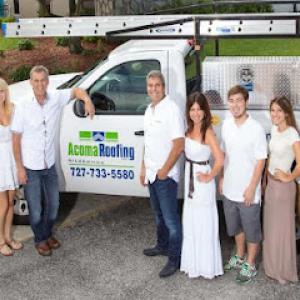
Acoma Roofing
(727) 733-5580 acomaroofing.com
301 Douglas Rd E, Oldsmar, Florida
4.5 from 145 reviews
Serving Oldsmar, FL, and the Greater Tampa Bay area since 1952, Acoma Roofing is a family-owned local roofing contractor proud to deliver honest, reliable roofing services. As a third-generation residential and commercial roofing contractor, we specialize in installation, replacement, and repairs using asphalt shingles, metal, tile, and flat roofing systems. Certified as a GAF Master Elite and Owens Corning Preferred Contractor, our team handles everything from storm damage repair to skylight, ventilation, and gutter maintenance. We offer free estimates plus military and senior discounts. Contact Acoma Roofing today for quality craftsmanship you can trust!
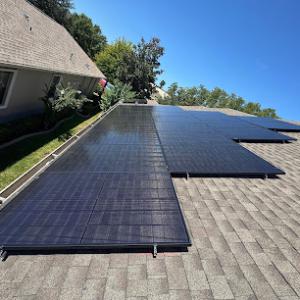
EPC Roofing & Solar
379 Douglas Rd E A, Oldsmar, Florida
4.7 from 31 reviews
SOLAR & ROOFING CONTRACTOR
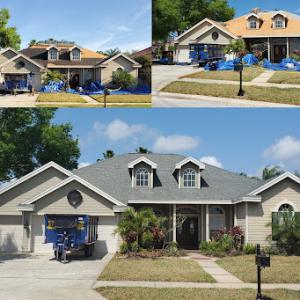
Storm Restoration Services
Serving
4.8 from 129 reviews
Storm Restoration Services is a roofing installation, replacement and repair contractor in the Tampa and Cape Coral areas. Roofing Contractor: CCC1333118
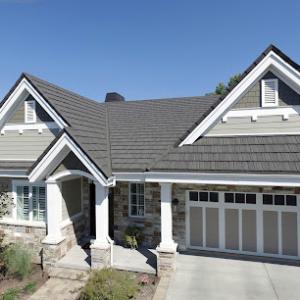
Erie Home
Serving
4.6 from 169 reviews
Since 1976, Erie Home has manufactured, supplied, and installed the best-performing roofing on the market. By providing ironclad warranties and convenient financing, we ensure that every homeowner we work with receives top quality service and value for their homes and properties. Erie Home professionals are the roofing company of choice in the greater Westchase, FL area. Whether you need roof inspections or roof damage repair services, Erie Home has been the go-to roofing contractor for nearly 50 years because of our attention to detail and dedication to making sure our customers are satisfied with their results. Contact us today for a quote and see why we're the trusted roofing company Westchase counts on.
Suncoast Roofing Solutions
(813) 723-3262 www.suncoastroofingsolutions.com
Serving
4.9 from 151 reviews
Serving the Tampa area, we provide expert tile roofing services backed by decades of experience and superior craftsmanship. We specialize in concrete and clay tile roofing. Whether you need a new tile roof or repairs to your existing one, we’ve got you covered. We use top industry-standard materials to ensure you get a high-quality roof and a pleasant experience overall.
Gulf Coast Roofing & Home Improvement
(727) 771-8082 www.gulfcoastroofingrepairs.com
Serving
4.9 from 38 reviews
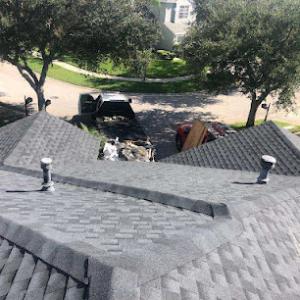
At Gulf Coast Roofing, a team of expert craftsmen, located at 334 E. Lake Road in Palm Harbor, is dedicated to providing exceptional roofing solutions. Whether you need a complete re-roofing or a minor repair, they offer a full suite of roofing services designed to protect and beautify your home. As a token of appreciation for their service, Gulf Coast Roofing provides heartfelt discounts to veterans and seniors while striving to deliver a positive impact on the community.
Mighty Dog Roofing of St.Pete/Clearwater
(727) 353-1463 www.mightydogroofing.com
Serving
4.9 from 73 reviews
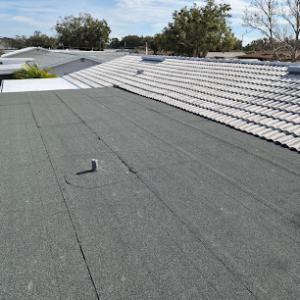
When it comes to your home’s exterior, Mighty Dog Roofing delivers top-of-the-line services matched with the neighborly customer care our clients have come to love. Our team of skilled experts will conduct a free, detailed inspection of your home, treating it as our own. Whether your home needs a simple repair or a full roof replacement, expect to receive the transparent guidance you deserve. Whatever the case, our team will work to meet your safety and budget needs. We take pride in operating with quality materials, hiring skilled roofers, and providing our customers with a high-quality experience. See for yourself; our reviews say it all. Schedule your free, home inspection today!
Colony Roofers
(813) 579-2468 colonyroofers.com
Serving
5.0 from 15 reviews
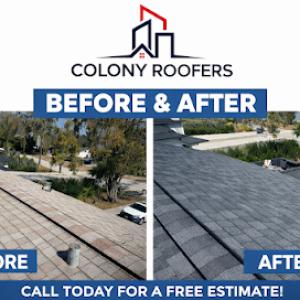
Colony Roofers provides affordable roofing solutions and excellent customer service across Tampa, FL. We specialize in residential and commercial roofing systems, ensuring quality and value for our customers. Our attention to detail sets us apart from other Tampa roofers, and we stand by our work with workmanship and long-term product warranties. Whether you need roof repair, roofing replacement in Tampa, or storm restoration, we have you covered. With standardized pricing, you get our price upfront, with no haggling or negotiating. We are fully licensed and insured. Call us today to learn more and receive a free roofing estimate!
Castle Roofing & Construction
www.castleroofingconstruction.com
Serving
4.3 from 155 reviews
Established in 1998, Castle Roofing & Construction is a Clearwater-based, family-owned business offering comprehensive roof repair and replacement services for residential and commercial properties. Castle Roofing & Construction has achieved Master status with multiple roofing material suppliers, ensuring access to high-quality materials and exceptional craftsmanship.
Merillat Roofing
(727) 412-8826 merillatroofing.com
Serving
4.5 from 81 reviews
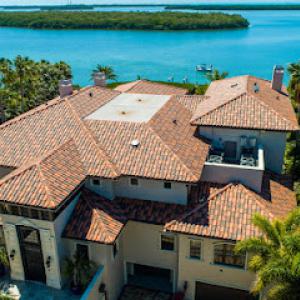
For quality roof repairs & replacements at a fair price, completed in our community by members of our community, call Merillat Roofing Merillat Roofing is locally owned and operated by members of our community. Our customers’ repairs and replacements are given the same priority and urgency we want for our own families and homes. We offer commercial and residential repairs, maintenance and full replacements for tile, shingle, metal roofs, mobile homes, and roof coatings. Soffit and fascia repair or replacement available. Proudly serving Pinellas & Tampa Bay since 1992 Free Estimates & Inspections Residential & Commercial Roofing PM & CAM Partnerships Full Service Roofing Shingle | Tile | Metal | Flat Roof Replacements & Roof Repairs
Metro Builders Tampa Bay
(813) 725-2225 www.metrobuilderstampabay.com
Serving
4.7 from 37 reviews
Metro Builders Tampa Bay is a trusted local roofing company delivering reliable Tampa Bay roofing services for residential and commercial properties. We specialize in custom roofing, insurance restoration, renovations, and professional roofing repair services. Whether you need an emergency roof leak fix or a full roof replacement after a covered insurance loss, our experienced team provides exceptional craftsmanship, timely project completion, and outstanding customer service. As a licensed Florida Building Contractor and Roofing Contractor, we are committed to helping homeowners and businesses restore, protect, and upgrade their properties with confidence and care.
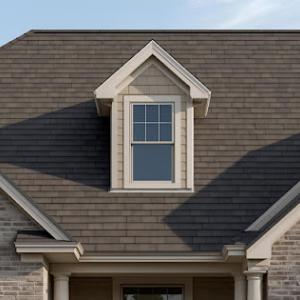
In this market, roof pricing moves with hurricane-season demand and the tight labor window that follows storms. Oldsmar homeowners often see bids fluctuate as contractors juggle emergency replacements and supply chains. Your material choice matters not just for upfront cost, but for install-time availability and potential follow-up repairs after a Gulf Coast storm. Typical ranges reflect the mix of common materials seen on local homes, from basic shingles to more complex tile and low-slope systems.
Asphalt shingles remain the most common for asphalt-averse remodels and budget-conscious projects. Expect pricing in the range of 350 to 700 USD per square, installed. If your roof is tied to a home with multiple hips or a challenging attic layout, that price can edge higher, but most Mid-Pinellas homes land toward the lower end when crews have a straightforward deck to work from.
Metal options sit higher on the price ladder but can offer long-term resilience against wind and rain. In this area, metal typically runs from 700 to 1500 USD per square. The gap between entry and premium metal reflects panel profile, coating, and the ease of securing edges for high-wind events. When a storm pushes crews toward faster turnarounds, metal can still command a premium if lead times are tight.
Clay tile and synthetic slate are popular on higher-end homes and those seeking a distinct look, but both bring greater installation complexity. Clay tile ranges from 900 to 2100 USD per square, while synthetic slate sits from 900 to 1900 USD per square. Prices swing more here due to tile weight, reinforcement needs, and the number of delicate accessories (vents, flashing, break planes) required for a durable finish in the gulf humidity.
Synthetic/composite shingles run from 400 to 820 USD per square, offering a middle-ground choice for weather resilience and curb appeal. EPDM rubber roofing, often used on low-slope sections, prices 4 to 7 USD per square foot, translating to 400 to 700 USD per 100 square feet, depending on thickness and edge details. A low-slope installation can introduce extra labor and accessory costs that widen price swings during busy periods.
Homes with tile, synthetic slate, or low-slope systems tend to show wider pricing swings because installation complexity, accessory details, and repairability differ more than with basic shingle re-roofs. If your roof combines multiple surface types, expect a blended project that runs above simple shingle replacements, especially if storm timing compresses the replacement window. Planning ahead for a few weeks of scheduling flexibility can help keep costs closer to the lower end of these ranges.
Explore specialists in steel, aluminum, and standing seam metal roofs built to last 50 years or more.
Acoma Roofing
(727) 733-5580 acomaroofing.com
301 Douglas Rd E, Oldsmar, Florida
4.5 from 145 reviews
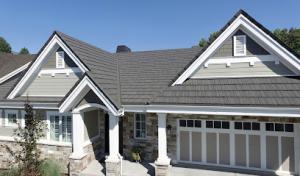
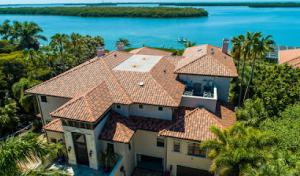
A building permit is commonly required for a full re-roof in Pinellas County, and those expectations shape what Oldsmar homeowners typically encounter. The county's permitting framework emphasizes wind resistance and proper detailing for Gulf Coast storms, so the permit process is not a mere formality but a safeguard for structural integrity and insurance considerations. Ensure you understand which documents the county expects-structural plans, roof type, underlayment specifics, and any wind-resistance features tied to the project.
The permit application is usually submitted by either the contractor or the homeowner, so you need to confirm who is taking responsibility before work starts. If a contractor handles the submittal, verify their license, insurance, and a clear scope of work. If you choose to submit as the homeowner, make sure the contractor signs off on all technical details and adheres to the same standards. In Oldsmar, the coordinating party should align with the local code requirements and be prepared to respond promptly to any county requests for additional information.
Expect inspections tied to roof deck condition, installation workmanship, and final approval. The sequence typically includes an initial review, inspection of the roof deck for any damage or decay, and then a mid-build inspection as components are installed (underlayment, fasteners, and wind-rated assemblies). A final inspection confirms that the completed roof meets code and that wind-mitigation features-if applicable to the home-are properly integrated. Local attention centers on how the roof resists wind loads and how penetrations and edge details are treated to minimize uplift and water intrusion during Gulf Coast storms.
Wind-resistance and wind-mitigation considerations are central for eligible homes in this area. The authorities will look for properly installed straps or clips, integral nailing patterns, roof-to-wall connections, and appropriate shingle or panel selections that align with current wind-performance standards. If your home qualifies for wind-mitigation improvements, prepare to discuss any retrofit options with the contractor and the inspector. In practice, this means anticipating questions about fastener patterns, hip and ridge detailing, and how the roof integrates with existing reinforcement in the attic or ceiling assemblies.
Before submitting, gather documents such as recent roof photos, deck condition notes, and a clear, written scope of work. Confirm the responsible party early, and keep a dedicated point of contact for permit questions from the county. Schedule inspections with enough lead time to address any corrective items, and keep copies of all inspection approvals. By staying proactive with these steps, homeowners can reduce delays and keep the project aligned with Oldsmar's storm-readiness focus.
Florida's hurricane exposure makes roof claims in Oldsmar more heavily scrutinized than in many other states, especially after named storms or widespread wind events. A minor leak during a tropical system can escalate into a claim dispute if there is no clear trail of timely action. Insurers commonly want pre-loss photos, roof system details, and documentation of wind-rated components when evaluating roof-related claims in this region. Having a well-organized record before trouble strikes reduces the chance of runaround and helps move the claim forward more smoothly.
A wind mitigation report can materially affect how an homeowner documents the roof for underwriting, renewal, or claim support. In this area, insurers increasingly rely on specific roof features-impact-resistant shingles, sealed roof deck fasteners, and appropriate underlayment-when assessing risk and premium adjustments after a storm. The report translates field observations into a formal, defendable document that can support coverage decisions and help prevent denials due to perceived wind vulnerability.
After a storm, prioritize documenting the roof from multiple angles, including attic webbing, fastener patterns, and any visible impact damage. Keep dated notes on when leaks started, which rooms were affected, and how water traced paths through the home. If a contractor performs work, request detailed records of materials used and installation methods. Create a simple file with photos, dates, and a consistent description to accompany any claim submission.
Cultivate a habit of updating records after major seasonal events or near the end of storm season. Store backups of key roof components and product labels, plus any previous inspection notes. A ready-to-share wind mitigation packet, assembled before trouble arises, can significantly ease underwriting, renewal, or claim-support processes when the next hurricane season arrives.
Connect with contractors who help homeowners navigate the claims process from damage assessment to final approval.
Acoma Roofing
(727) 733-5580 acomaroofing.com
301 Douglas Rd E, Oldsmar, Florida
4.5 from 145 reviews
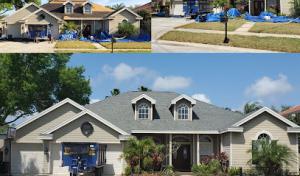
In the Tampa Bay climate, heat and humidity take a toll on the water-shedding layers long before the visible roof covering shows wear. Underlayment can become brittle, delaminate, or develop micro-pearling that undermines the first line of defense against rain. When underlayment degrades, even a minor wind-driven leak can travel across the deck, leaving wet insulation and sheathing vulnerable to rot. Homeowners should look for telltale signs like damp spots, soft spots along the sheathing, and peeling or blistering of the interior ceiling stains that don't line up with visible shingles. Regular inspection after hot days and afternoon storms helps catch underlayment issues before more extensive damage occurs.
Wind-related damage is a recurring concern in Oldsmar, making edge details, attachment methods, and displaced roofing components more important than purely cosmetic wear. Loose ridge lines, lifted shingles, torn drip edge, or gaps at gable ends can become entry points for wind-driven rain. Pay attention to fastener pull-out, improper nailing patterns, and any corrosion at metal components. Even well-installed roofs can fail at the perimeter if edge fasteners lose grip or if the underlayment beneath the shingles has already weakened. A small tear at the eave or a curled shingle corner often signals a broader vulnerability during the next storm surge.
Low-slope sections, penetrations, and transitions between roof areas are especially vulnerable during repeated summer downpours common in this part of Florida. Transitions around chimneys, vents, skylights, and where roof planes meet can pool water if drainage is compromised or flashing is inadequately sealed. Rubberized or composite membranes may buckle under heat cycles, creating hidden leaks that only show up after heavy rain. In Oldsmar's storm pattern, even minor inconsistencies in flashing or a seam gap can escalate into widespread water intrusion if not addressed promptly.
When roofs show increased wind lift, edge curl, or recurring interior dampness after storms, it is time to reassess the critical junctions-underlayment continuity, edge fasteners, and flashing integrity. Proactive attention to the weakest links-low-slope zones, penetrations, and transitions-often determines whether a routine storm becomes a costly repair. A steady, cautious approach to maintenance here reduces the chance of cascading damage after Gulf-coast events.
Find local contractors experienced in assessing and restoring roofs after hail, wind, and severe weather events.
Acoma Roofing
(727) 733-5580 acomaroofing.com
301 Douglas Rd E, Oldsmar, Florida
4.5 from 145 reviews