
Last updated: Apr 19, 2026
After Gulf systems pass, you'll often face wind uplift and long bursts of wind-driven rain even when the storm center doesn't land directly overhead. That combination can lift edges, loosen shingles, and push water into eaves, ridge caps, and around additions, carports, and porch tie-ins. The result for many homes in this area is a web of micro-damage: loose edges catching the next gust, displaced vents or ridge components, and moisture creeping under flashing where it wasn't secured well to begin with. Because Largo sits in central Pinellas County near the Gulf coast, you're dealing with salt-laden humidity that accelerates corrosion on fasteners and metal edge products. The first 24 to 48 hours after a storm are critical for stopping interior leaks from turning into hidden water damage behind walls and ceilings.
If you see water entering through the roof line, start with control, not waiting for a full reroof. Place clean buckets under active drips and use towels or flood-cut containers to limit spread. If water is seeping through around a roof-to-wall junction, cover the area with a sturdy tarp secured with contractor-grade-grade plywood or sail-batten fasteners to hold it tight against wind uplift. Keep at least one window cracked slightly open for pressure relief if you're using a tarp. Do not leave tarps exposed to direct wind if you're unprepared for gusts; anchor them with stone, bricks, or weight bags on the edges. For each visible leak, photograph the discharge point, interior spread, and any visible damage to surrounding trim or siding, since this will help when you file a claim and speak with a contractor. If you have a flat-out failed fastener or a torn shingle row, mark the location with tape and note the wind direction and time. That record matters when you're documenting damage for insurance.
Contractor demand spikes across Pinellas after hurricanes, and Largo homeowners often need temporary dry-in measures quickly. A reliable tarp plus edge protection can buy you days or weeks until scheduling is open. Prioritize areas around old skylights, vent boots, and chimney flashing where rain tends to strike with the most force. If your roof uses older, single-story construction, edge damage and ridge-line compromise are common after big events; check along the overhangs and along any transitions to add extra fasteners and sealants where allowed by the product type. In many ranch-style homes, the roof deck may be close to the interior ceiling lines, so even small leaks can threaten living spaces. When you're assessing damage, keep in mind that salt-air exposure can corrode nails and metal flashings quickly; look for staining, white efflorescence on concrete-backed tiles, or rust on gutters and downspouts-those are signs to address immediate moisture intrusion.
Start your damage log the moment you can safely inspect the roof from ground level or with a ladder stabilized on stable ground. Capture wide shots of the entire roof, close-ups of lifted shingles or missing tabs, flashing around vents and chimneys, and any blooming water stains on ceilings. Keep a dated sequence of photos and notes on wind direction, time of day, and rainfall intensity. If a claim is filed, this will support the assessment of whether uplift and edge damage happened during the storm or as a consequence of post-storm neglect. When talking with your insurer, reference the most affected areas first-edges, ridge components, and penetrations around additions or carports-to ensure the claim addresses storm-driven vulnerabilities rather than aging wear. In Largo, where older single-story homes are common, those details often separate a straightforward claim from a protracted repair.
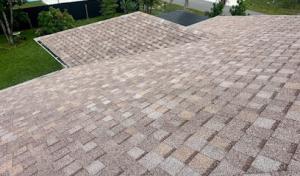
Mid-century ranch and Florida-style homes in these neighborhoods often feature asphalt shingles, a practical choice that fits the existing rooflines and budget quickly. When a replacement is in order, asphalt shingles remain a straightforward option for those seeking a reliable, traditional look. For higher-value replacements and newer remodels, tile and metal surfaces are common, offering stronger wind resistance and a more premium appearance. Tile commonly blends with Mediterranean-inspired details, while metal can emphasize clean lines on modern updates. In areas with coastal views or newer construction, you'll see metal or concrete tile standing out as a durable statement, balancing curb appeal with long-term resilience.
A notable characteristic here is the prevalence of low-slope sections over lanais, additions, and commercial corridors. Many properties actually have mixed roof systems rather than a single uniform steep-slope roof. This means you might encounter a traditional pitched roof transitioning into a low-slope wraparound or flat section. When planning repairs or replacements, treat these transitions as two separate systems: the steep-slope portion and the low-slope portion. Each needs its own waterproofing approach, flashing details, and underlayment strategy. Understanding which portions are susceptible to wind-driven rain helps prioritize inspection and maintenance timelines after storms.
The humid coastal environment shifts emphasis away from winter performance toward wind resistance, moisture management, and algae, corrosion, and aging underlayment. Asphalt shingles on a reroof near the ocean are typically chosen for ease of installation and repair, but look for heat- and moisture-resistant variants that include algae resistance and good nail retention. Tile and metal surfaces perform strongly against wind but require careful flashing, underlayment, and ventilation to prevent moisture intrusion and corrosion. If a roof has multiple materials, ensure the transition zones are sealed to prevent wind-driven rain from breaching underlayment layers. In all cases, pay attention to algae growth on north- or shaded-facing slopes and choose coatings or treatments that address coastal humidity.
With many older ranches and Florida-style layouts, shading and overhangs influence roof longevity. Ensure that fascia and soffits are intact, gutters are clear to prevent standing water, and venting remains adequate to control humidity under hot Florida summers. When hail or high winds are a threat, inspect for lifted shingles on steeper sections and check fasteners along ridge lines on metal roofs. For low-slope areas, verify that seam seals and flashing around penetrations are sound and that the underlayment beneath is still performing as a drainage plane. Regularly scheduled inspections after hurricane season help catch issues before they escalate into leaks, especially on properties with mixed roof systems.
In the heat and humidity of this area, asphalt shingles take a beating from repeated summer storm cycles. Granule loss becomes visible as the surface wears, leaving shingles looking bare and accelerating underlying fiberglass exposure. Seal-strips along the edges and at valley lines can soften and crack with prolonged heat, increasing the risk of wind-driven leaks after a gusty afternoon thunderstorm. Algae staining is common on older roofs, especially where shade lingers after long humid spells, and it can mask early signs of granule loss or minor leaks. When the roof has endured multiple seasons with quick turnarounds between storms, the underlying roof deck may start showing age even while the visible shingles still appear to be in place. The result is a cascade of small vulnerabilities that align with local storms: micro-tears around fasteners, softened asphalt, and reduced wind uplift resistance. Proactive inspection should look for lifted edges, missing granules near valleys, and dark streaks indicating moisture retention.
Tile roofs in this market often outlast their underlayment, so leaks may begin beneath otherwise serviceable clay or concrete tile. That means a seemingly solid tile surface can hide a compromised barrier. Valleys, penetrations around vent pipes, and flashing transitions are common trouble spots. If flashing has aged or was installed without a thorough sealant strategy for hot, salty air, water can wick under tiles and travel along the underlayment, ultimately reaching the deck. You may notice staining or dampness on the underside of the sheathing after a heavy rain, or hear occasional dripping near interior walls where a hidden joint is failing. Rural and coastal exposure can amplify this risk, as wind-driven spray can force water higher than expected, finding microchannels under the tile. Regular inspection of tile alignment, broken or cracked tiles, and the condition of the underlayment at critical transitions is essential to catch issues early.
Metal roofs near the coast require careful detailing because salt air interacts with metal finishes, fasteners, and dissimilar metals. Corrosion at fasteners, washers, or standing-seam seams can begin as a small, barely visible stain or a loose panel edge. Dissimilar-metal contact-such as aluminum interacting with copper or treated steel components-can trigger galvanic corrosion that weaknesses the fastening system over time. Fasteners may loosen in high-wind events if their pilots or sealing washers degrade, allowing wind-driven rain to exploit even tiny gaps. Salt spray can also dull coatings or lead to pitting in exposed fasteners, which invites slow leaks after storms. A metal roof that has not matched the local environment-considering panel thickness, coating, and fastening pattern-may experience accelerated wear, particularly along the eaves and near penetrations where water and salt accumulation are more persistent. Regular checks should focus on seam integrity, fastener security, and evidence of corrosion or metal-on-metal wear at transitions.
Explore specialists in steel, aluminum, and standing seam metal roofs built to last 50 years or more.
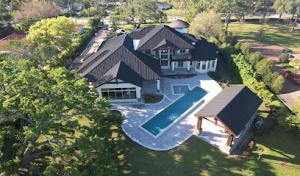
Trust Roofing
(813) 560-2998 www.trustroofing.com
2322 Lake Ave SE, Largo, Florida
5.0 from 1355 reviews
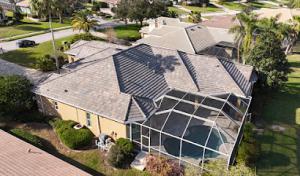
RoofSource
(813) 374-0516 roofsourceinc.com
14219 Walsingham Rd Suite 0, Largo, Florida
5.0 from 91 reviews
Blue Sky Roofing
(727) 205-4413 www.blueskyroofing.com
13375 Center Ave, Largo, Florida
4.9 from 225 reviews
Largo reroof projects are easier to schedule in Florida's drier season, when weather windows are more predictable and tear-off exposure is less likely to be interrupted by daily thunderstorms. If you can align milestones-inspection, ordering materials, and framing repairs-with a stretch of dry weather, the crew can keep the rhythm without repeated weather pauses. Planning ahead for a late-fall or early-winter window often yields the fewest surprises and reduces days when the roof must stay open.
Summer replacements in Largo face both rain delays and heat-related productivity limits, which can stretch project timelines and complicate open-roof scheduling. Afternoon heat can slow crews, and brief pop-up storms can stall work while keeping moisture off exposed decking. Build a buffer into the plan for occasional rain days, and communicate a realistic daily target for progress so you don't overestimate what can be completed before the next thunderstorm season.
After major Gulf storms, regional demand across Pinellas County can tighten labor and material availability, making early planning especially important for non-emergency replacements. If a storm has recently passed, expect backlogs on materials and scheduling slots. Secure a preferred contractor early, confirm delivery timelines, and set aside a flexible start date that can shift by a few days without derailing the entire project.
Coordinate with neighbors who may be watching the same weather patterns and crowdsourced rain alerts. Lock in a dependable crew with proven storm-season contingency plans, and set a start date with a clear back-up plan for wet spells. When you're evaluating timelines, line up decking replacement or underlayment refreshes to run in advance of shingle or tile installation, so daylight hours aren't wasted waiting on permit triggers you don't need to navigate. Communicate access needs to the crew early-gates, driveway space, and vehicle storage can affect mobilization and daily progress.
For emergency leak response, prioritize quick inspection and temporary mitigation to limit interior damage, then align a full reroof sequence with the drier season when feasible. If a major storm has just passed, expect a scramble for materials and crew availability; having a pre-arranged plan with your roofer for priority service can keep non-emergency work on a steadier track once the immediate repairs are contained.
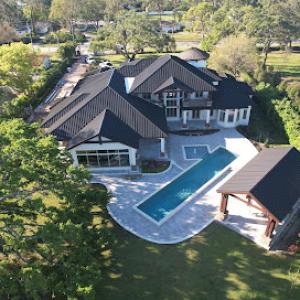
Trust Roofing
(813) 560-2998 www.trustroofing.com
2322 Lake Ave SE, Largo, Florida
5.0 from 1355 reviews
Trust Roofing is a family owned and operated roofing service company. We specialize in commercial roofing as well as all types of residential roofs including shingles, metal, tiles, gutters and all forms of roof repairs. We take immense pride in offering the best in customer experience and quality of work. We also offer great financing options and no job is to big or small! When you call in, you get an experienced team that brings decades of roofing experience to each job. We go above and beyond to ensure you get the best service possible at a great price. We have completed countless roofs to incredible results. Call today or visit our website or our local office in Largo for more information or to schedule a free estimate!
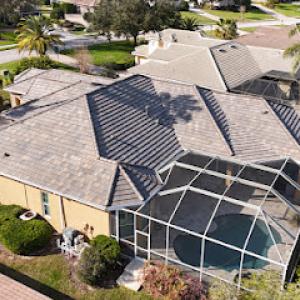
RoofSource
(813) 374-0516 roofsourceinc.com
14219 Walsingham Rd Suite 0, Largo, Florida
5.0 from 91 reviews
RoofSource, located at 14219 Walsingham Rd Suite 0, is the premier local roofing company you can rely on for top-notch residential and commercial roofing services. Specializing in tile roofing, shingle roofing, metal roofing, and storm damage repair, our team of tile roofing experts and skilled professionals is dedicated to providing comprehensive roof leak repairs and replacements throughout Central Florida. As a trusted roofing contractor, we ensure exceptional craftsmanship and durability. Whether you're searching for "roof companies near me" or need immediate roof repair, RoofSource is here to help with our commitment to quality and customer satisfaction.
Blue Sky Roofing
(727) 205-4413 www.blueskyroofing.com
13375 Center Ave, Largo, Florida
4.9 from 225 reviews
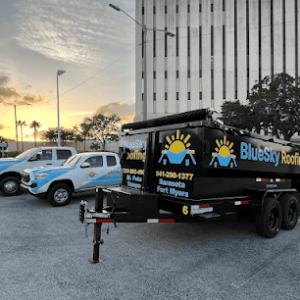
Reach for the sky with Blue Sky Roofing, South Florida's premier roofing experts! Specializing in both residential and commercial roofing systems throughout the Bay Area, we're dedicated to providing top-quality craftsmanship and reliable service. Need a new roof or expert gutter solutions? We've got you covered. Meeting deadlines is our priority, and we pride ourselves on clear, detailed estimates delivered within 24 hours. Discover the Blue Sky Roofing difference and experience roofing done right!
Summer Breeze Roofing
(727) 333-7155 summerbreezeroofing.com
206 Seminole Blvd, Largo, Florida
4.8 from 107 reviews
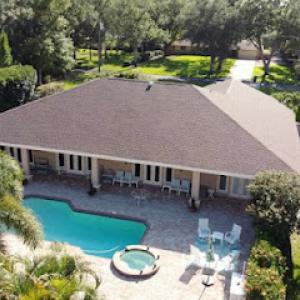
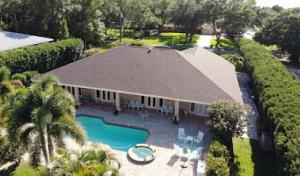
Home of the All-Inclusive Roof! Summer Breeze Roofing gives you one great price that includes bad wood. 100% financing if you qualify, with no money down and no payments for 90 days. Serving Seminole, Largo, Clearwater, Pinellas Park, Tampa, Brandon and the entire Tampa Bay area since 1998. Get a free quote on our website or by calling us today!
Proud American Roofing
(813) 500-2004 proudamericanroof.com
2297 Lake Ave SE Suite C29, Largo, Florida
4.9 from 57 reviews
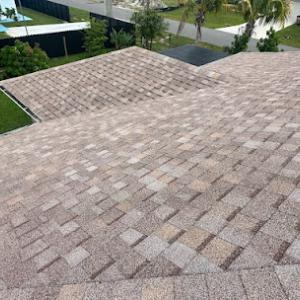
Proud American Roofing is a roofing contractor in Largo serving East, Central and West Florida. Our roofing company offers residential roofing, commercial, roof repair, asphalt shingle roofing, metal roofing and more. Customers love us because of our comprehensive roof warranties and our affordable roof financing options. We also have industry affiliations and certifications such as Tamko and GAF. If you want to experience how your most trusted Largo and Clearwater roofing company embraces our motto “Proud to roof America, one roof at a time. ", call us now for a free estimate!
RidgeMax Roofing
(813) 578-4639 www.ridgemaxroofers.com
11515 66th St N, Largo, Florida
4.6 from 257 reviews
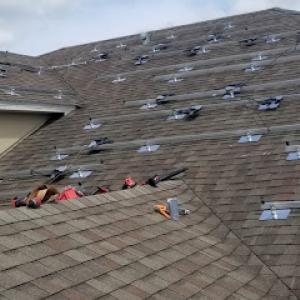
Many of your neighbors in the Pinellas county area have already discovered what makes Ridge Max Roofing the number one choice among Gulf Coast and Tampa's roofing contractors. That’s because we install the highest quality roofing systems from GAF, North America’s leading roofing shingle manufacturer. In fact, we’ve achieved the highest level of status
Hendrick Roofing
(727) 531-1025 www.hendrickroofing.com
7425 124th Ave N Suite A, Largo, Florida
4.6 from 77 reviews
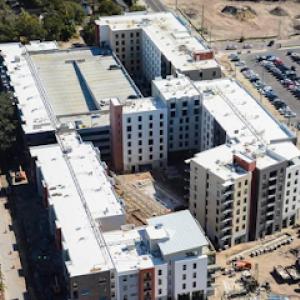
Family owned and operated company installing commercial and residential roofing through Pinellas, Hillsborough, Pasco, and Manatee Counties. We are highly diversified and trained in many roof systems that include Modified Bitumen, TPO, Custom Metal Roofing, Tile, and Shingle roof installation. Our Team can help contractors, builders, associations, and homeowners with project planning, budgeting, and scheduling for large and small projects. We take pride in having quality that's through the roof!
Community Roofing of Florida
(727) 536-9999 www.communityroof.com
14042 66th St N Unit C, Largo, Florida
4.4 from 213 reviews
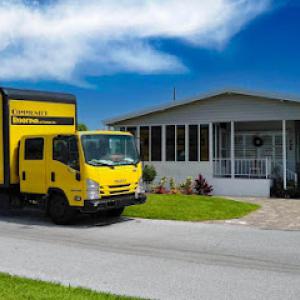
We are the mobile home roofing pros specializing in tpo membrane roofs! Our other specialties include mobile home roof overs, roof inspections and roof coatings. Our roofing solutions are specifically designed for mobile homes, manufactured homes and commercial buildings with low sloped and flat roofs. If your roof has a low slope or a flat roof, then consider Community Roofing of Florida! License #: CCC1330642
Fortress Roofing
(727) 230-8845 fortressroofinginc.com
12735 Starkey Rd STE 1, Largo, Florida
4.6 from 42 reviews
Located in Largo, FL, Fortress Roofing has established itself as a trusted and reliable name for both residential and commercial roofing services across the entire Tampa Bay area. Our team of professionals is fully licensed and certified, ensuring we bring a high level of expertise and quality craftsmanship to every project we undertake. Whether you need a brand-new roof installation, timely repairs to address leaks or damage, or routine ongoing maintenance to extend the life of your roof, we have the skills and experience to get the job done right. We pride ourselves on offering a diverse selection of high-quality roofing materials to perfectly suit your property's specific needs, budget, and aesthetic style.
Aqua Proof Roofing
(727) 527-8309 www.aquaproofroofing.us
11930 Murray Ave, Largo, Florida
4.6 from 32 reviews
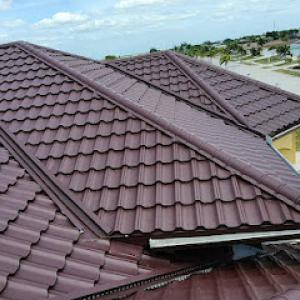
Aqua Proof Roofing: Largo, FL's Trusted Roofers. Your premier roofing Largo Florida experts for residential & commercial needs. Specializing in durable, waterproof solutions, we offer top-tier roof repair Largo, roof replacement Largo FL, and new roof installation Largo. As leading Pinellas County roofers and Tampa Bay roofing contractors, we use advanced techniques & quality materials for superior protection. Count on us for thorough roof inspection Pinellas and exceptional service. Enhance your property’s longevity & appeal. Contact Aqua Proof Roofing in Largo, FL for a free consultation!
Augusto Roofing
(727) 518-7663 www.augustoroofing.com
12900 Starkey Rd # 43, Largo, Florida
4.4 from 53 reviews
We are a full service State Certified Roofing Contractor Specializing in Residential and Commercial Re Roofing. John Augusto has been in the roofing business since 1999 replacing all types of roofs. We now do down to 0% financing through GreenSky/JustPushPay & SuperMoney. Helping you get better insurance benefits with every install by adhering and updating your roof to state regulations while recording and providing necessary documents. Lifetime warrantees on Owens Corning® Shingles. Certainteed® flat roofing and tapered roof systems. A+ Rating with BBB, Licensed and Insured. Lic #CCC1326146
Duralast Roofing & Construction Largo FL
(727) 584-8400 duralastroofs.com
12952 Walsingham Rd, Largo, Florida
4.3 from 88 reviews
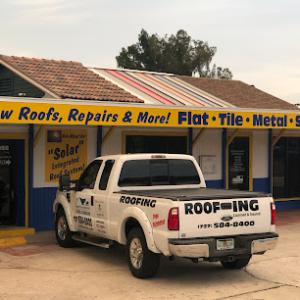
At Duralast Roofing and Construction Largo, we are a trusted roofing company in Largo, FL over 35+ years of expertise, serving homeowners and businesses across Seminole, Harbor, Clearwater, Pinellas County, and St. Petersburg. Our skilled roofing contractors provide expert installations, repairs, and replacements, with specialties in durable metal roofing and storm damage repair. Whether you need reliable roofers for maintenance or a complete roof upgrade, our team delivers quality craftsmanship and dependable service you can count on. With a strong commitment to safety, integrity, and customer satisfaction, we proudly stand as one of the top roofing companies in the Largo area and beyond.
Using local market ranges, Largo homeowners can expect roughly $350 to $700 per square for asphalt shingles, $600 to $1300 for metal, $1100 to $1900 for clay tile, $900 to $1600 for concrete tile, $600 to $1100 for wood shingles or shakes, and $700 to $1200 for synthetic or composite shingles. These bands reflect typical material plus basic installation on a standard single-story ranch or similar home common in Pinellas County. For a straightforward roof in good condition, that's the range to plan around.
Costs in Largo often rise when older homes require deck repairs, secondary water barrier upgrades, or complex tie-ins between the main roof and low-slope porch or addition sections common in Pinellas housing stock. Deck repairs can uncover rotted plywood or additional framing needs that extend labor time. A newer secondary barrier, when recommended after wind events, adds both materials and labor. Complex tie-ins-where a low-slope porch, carport, or sunroom meets the main roof-often demand careful flashing and precise integration, which increases overall project cost.
Pricing can also move upward after hurricane events because demand surges across the county, while simpler single-story ranch layouts can keep labor and access costs lower than on taller or more complex homes. If a storm hits and multiple crews compete for limited windows, you'll see both material and labor premiums. Planning ahead and obtaining several written estimates in the non-peak window helps lock in more stable pricing.
When evaluating bids, insist on a clear scope that includes deck repair findings, secondary water barrier status, and the method for tying in any additions or low-slope sections. If a contractor suggests tile or heavier systems, verify ballast or underlayment details specific to coastal Florida conditions and salt exposure. For a typical ranch-style house, the most predictable path is a straightforward replacement with appropriate underlayment, roof venting, and weatherproofing-bearing in mind that the cheaper end of the range may still require budget buffers for unexpected deck or flashing upgrades. By aligning material choice with the home's exposure and local construction practices, it's possible to balance resilience with cost, even in a market prone to quick shifts after storms.
Don't let upfront costs delay a critical repair - these contractors offer payment plans to fit your budget.
Trust Roofing
(813) 560-2998 www.trustroofing.com
2322 Lake Ave SE, Largo, Florida
5.0 from 1355 reviews
Summer Breeze Roofing
(727) 333-7155 summerbreezeroofing.com
206 Seminole Blvd, Largo, Florida
4.8 from 107 reviews
Proud American Roofing
(813) 500-2004 proudamericanroof.com
2297 Lake Ave SE Suite C29, Largo, Florida
4.9 from 57 reviews
A permit is required for reroofs in Largo, with the contractor typically submitting the application through the City of Largo Building Department, often coordinated within the broader Pinellas County permitting environment. You should expect some back-and-forth as plans are reviewed for code compliance and environmental considerations, especially on older ranch-style homes where existing attachments and roof geometry can trigger additional checks. Keep in mind that a delayed or incomplete submittal can stall the project and extend the time your home is exposed to weather during the reroof.
Inspections commonly occur at the roof deck or underlayment stage and again at final completion, so scheduling and passing these milestones affects how quickly a reroof can be dried in and closed out. The deck/underlayment check confirms that the roof structure is sound, the proper fasteners are used, and the weather barrier is correctly installed. The final inspection verifies overall workmanship and material installation. If an inspection slips, you risk weather intrusion and potential delay in obtaining the required occupancy or insurance-related clearances, which can complicate any post-storm recovery plan.
Wind mitigation considerations may be reviewed for eligible Largo homes, making documentation of attachment details and completed work important beyond simple permit signoff. Be prepared to document roof-to-structure connections, underlayment and starter courses, and any upgrades like hurricane clips or securement methods. Keeping clear records of fastener types, inspection approvals, and any retrofit details helps with insurance reviews after a claim and can support a smoother final closure if a storm-related review is needed.
Largo homeowners operate in Florida's high-claim coastal insurance market, where hurricane exposure and claim frequency can affect premiums, underwriting, and carrier availability. That reality shapes how quickly a roof situation becomes a financial and logistical stressor after a storm. If a wind event tears shingles or reveals leaks, the sequence of reporting, documentation, and contractor input matters just as much as the roof material itself. Think of the next several days after a storm as a crucial window to gather evidence and organize your records, because delays or gaps can influence both claim outcomes and future insurability.
Because insurers in this market often require detailed documentation, Largo homeowners should keep dated photos, contractor findings, permit records, and inspection paperwork after storm events and reroofs. A simple, consistent file helps you tell a clear story: the condition before the storm, the damage observed, the work performed, and the results. When a claim arises, submit comprehensive evidence-photos at multiple angles, a written summary from a licensed contractor, and any inspection notes. Retain receipts for materials and notes from any temporary repairs you authorized to prevent interior damage. In this coastal setting, where salt air and high humidity can accelerate quietly damaging issues, timely documentation matters more than you might expect.
Wind mitigation credits can materially affect ownership costs for eligible homes, so reroof decisions in Largo often involve both immediate repair needs and long-term insurability. If a replacement roof improves wind-rated performance, the change can unlock credits that lower annual exposure over the life of the policy. That means the choice between asphalt, metal, or tile isn't just about the upfront fix-it's about how the roof will perform in another hurricane season and how it influences future premium stability and carrier willingness to renew. Plan reroof decisions with an eye toward the potential for wind mitigation improvements and the lasting impact on your insurance trajectory.
Connect with contractors who help homeowners navigate the claims process from damage assessment to final approval.
Blue Sky Roofing
(727) 205-4413 www.blueskyroofing.com
13375 Center Ave, Largo, Florida
4.9 from 225 reviews
Proud American Roofing
(813) 500-2004 proudamericanroof.com
2297 Lake Ave SE Suite C29, Largo, Florida
4.9 from 57 reviews
RidgeMax Roofing
(813) 578-4639 www.ridgemaxroofers.com
11515 66th St N, Largo, Florida
4.6 from 257 reviews