
Last updated: Apr 19, 2026
Tropical systems along the Gulf coast bring both wind-driven rain and sudden post-storm demand spikes for tarping, leak control, and reroofing. In this area, a small leak can become a major interior issue within hours, especially on low-slope sections near older coastal and commercial properties. When a storm passes, prioritize rapid containment: locate active drips, place a heavy-duty tarp or temporary membrane over the affected area, and seal gaps around vents, chimneys, and skylights. Delay invites water intrusion into ceilings, walls, and attic spaces, increasing repair complexity and risk to insulation, electrical, and personal belongings.
As soon as access is safe, perform a quick self-check around the roof edge for lifted shingles, damaged flashing, or loose metal edging. If shingles are missing or heavily damaged, cover the exposed deck with a watertight layer that extends past the affected area to prevent lateral water migration. Secure tarping with wood battens or heavy-gauge plywood, ensuring wind uplift is minimized by sealing the edges well. Inside, place towels or buckets under active leaks and protect valuables from further exposure. If attic spaces show staining, damp insulation, or odd odors, arrange a targeted inspection for a more durable temporary solution while delaying full replacement only if weather temporarily allows.
Upon returning to normal conditions, build a concise, timestamped record of storm damage. Photograph every affected roof plane, all penetrations, flashing, and any signs of deflection or lift. Include overhead shots of the entire roof and close-ups of hail denting or granule loss if visible. Keep dated repair invoices for any emergency work, even temporary fixes, and store copies in a digital cloud folder accessible from a phone. Wind-mitigation features, such as upgraded fasteners, reinforced flashing, and hip/valley detailing, should be documented with photos and product specifications. This documentation helps a claim reviewer assess wind-related damage accurately when the market tightens after a hurricane.
Florida's current insurance environment can make documentation crucial. When reviewing storm damage, adjusters expect well-organized records: dated photos, clear descriptions of roof sections affected, and a log of every temporary repair and its duration. Prepare a simple timeline showing when the storm hit, when tarping started, and when a contractor was able to begin more permanent work. If an adjuster questions the need for repairs, point to shifting wind directions, blown debris impacts, and any observed flashing separation. Having before-and-after images and a repair invoice trail helps substantiate urgency and scope without ambiguity.
Hurricane season runs June through November, and Palm Harbor roofs encounter interruptions from named storms and afternoon thunderstorm bands. Plan emergency repairs with a two-fold focus: stopgap containment to limit further damage, and realistic scheduling for full reroofing as soon as a weather window opens. Expect project pauses during active storms or high-wind forecasts; use those windows to complete documentation, secure temporary protections, and coordinate with a trusted local roofer for rapid mobilization once conditions permit. In the meantime, preserve a continuous line of communication with the insurer and the contractor to adapt timelines to shifting storm activity without losing critical records.
When planning a roof project in this area, the dry season from November through April is the anchor for scheduling. Crews face fewer weather shutdowns then than in the hot, humid summer, making it easier to lock in dates and keep crews moving. If you can start late fall or early winter, you gain more predictable progress and fewer surprises from sudden downpours. In practice, that means coordinating with a contractor to set a primary target window and building in a small buffer for any residual rain days without throwing the plan into chaos.
Summer in this market is a real test for materials that sit on the roof. Hot, humid days bake underlayment and shingles, accelerating material aging if a project runs long. For tile and shingle jobs, plan for staging that minimizes long stretches of exposed underlayment, especially during peak heat hours. If a schedule slips into late spring or early summer, ask about shade protection for crews, midday breaks, and efficient material handling to reduce prolonged UV exposure on vulnerable layers. A well-ordered sequence reduces the risk of heat-related material distortions and helps keep your project on track.
Coastal Pinellas County sees frequent summer thunderstorms that can force same-day tear-off stoppages. The local pattern means timing and staging matter more here than in drier inland markets. Contractors often build weather days into the plan and communicate clearly about likely stoppages. If a storm is rolling in, a decisive pause preserves roof integrity and protects newly installed sections. Good practice includes arranging tarp coverage over exposed areas, securing loose materials, and confirming that crew logistics are updated so weather pauses don't cascade into missed windows later in the week.
Given the mix of tile-heavy subdivisions, shingle reroofs, and low-slope sections near older coastal properties, sequencing becomes critical. For tile or concrete tile, the dry-season window supports longer, uninterrupted intervals between hooded temporary protection and final sealant cures. For low-slope or membrane areas, dry-season timing helps ensure substrate preparation dries evenly without repeated wetting and drying cycles. If a project must bridge into the warmer months, discuss accelerated sequencing with the contractor: tighter day-to-day targets, priority on weather windows, and pre-staging of flashings and fasteners to reduce on-site downtime.
A practical approach is to create a primary schedule anchored to a November start, with a realistic backup plan that accounts for late spring and summer storm activity. Build in flexible start dates for critical phases, such as tear-off and underlayment installation, so minor weather shifts don't cascade into multi-day delays. Maintain open lines of communication with the crew lead, especially about expected storm tracks and lane closures that can affect material deliveries. In a market where storms can rearrange a week, staying nimble with daily weather updates and a clear action plan keeps the project moving as smoothly as possible.
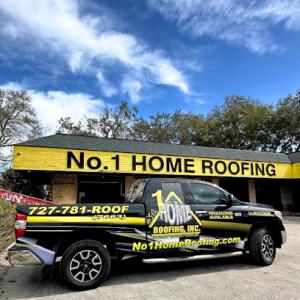
No 1 Home Roofing
(727) 781-7663 www.no1homeroofing.com
35753 US Hwy 19 N, Palm Harbor, Florida
4.8 from 557 reviews
No. 1 Home Roofing is a family owned and operated roofing company and are conveniently located on US Highway 19 in Palm Harbor, Florida. We are dedicated to providing top quality workmanship and materials to ensure that your new roof is done right. Your peace of mind is important to our family! We specialize in shingle, tile, and flat roof installation, repairs, and maintenance. We offer competitive prices and written guarantees, and provide customer friendly service from out entire staff. We make it a point to provide helpful information and knowledge to educate our customers and address all individual needs and requirements.

CES Roofing
2706 US-19 ALT #270, Palm Harbor, Florida
4.9 from 70 reviews
CES Roofing is Palm Harbor’s go-to commercial roofing specialist, serving businesses across Florida and Texas. With over 12 million square feet installed, we provide expert solutions for TPO, metal, modified bitumen, SPF, roof coatings, and emergency dry-in services. Our Commercial Roof Concierge approach ensures proactive maintenance, expert repairs, and long-term planning for property managers and building owners. We also specialize in waterproofing, storm damage repair, and comprehensive roof maintenance. To ensure lasting protection, we offer renewable labor and manufacturer warranties. Contact us today to schedule a free roof inspection and learn more about our customized commercial roofing solutions.
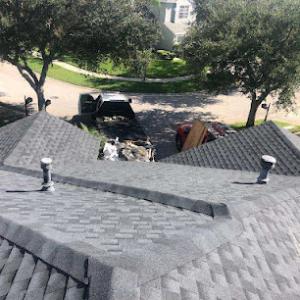
Gulf Coast Roofing & Home Improvement
(727) 771-8082 www.gulfcoastroofingrepairs.com
334 E Lake Rd S, Palm Harbor, Florida
4.9 from 38 reviews
At Gulf Coast Roofing, a team of expert craftsmen, located at 334 E. Lake Road in Palm Harbor, is dedicated to providing exceptional roofing solutions. Whether you need a complete re-roofing or a minor repair, they offer a full suite of roofing services designed to protect and beautify your home. As a token of appreciation for their service, Gulf Coast Roofing provides heartfelt discounts to veterans and seniors while striving to deliver a positive impact on the community.
Reefside Roofing
(727) 618-3111 reefsideroofing.com
372 Westwinds Dr, Palm Harbor, Florida
5.0 from 24 reviews
Reefside Roofing is the leading roofing contractor in Pinellas, Pasco, and Hillsborough Counties, Florida, dedicated to delivering exceptional results for all roofing projects. With over three decades of industry expertise, they specialize in providing comprehensive residential and commercial roofing solutions. Reefside Roofing takes pride in their commitment to quality craftsmanship and customer satisfaction, ensuring a secure and aesthetically pleasing roof for each project they undertake.
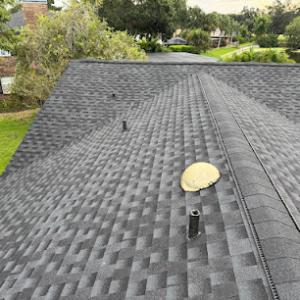
Team Armored Roofing & Construction
(727) 251-9288 teamarmored.com
3208 US-19 ALT, Palm Harbor, Florida
4.6 from 190 reviews
Welcome to Team Armored Roofing, where every nail is driven with precision and every customer is a hero in our story. With a steadfast commitment to unparalleled attention to detail and unwavering dedication to customer service, we don't just fix roofs; we safeguard homes and protect dreams. Join us, where every project is a testament to our pledge: to be the steadfast guardians of your shelter, ensuring your peace of mind under every sky.
Done Rite Roofing
(727) 945-6560 www.doneriteroofinginc.com
211 Hedden Ct, Palm Harbor, Florida
4.3 from 447 reviews
Done Rite Roofing has proudly served Palm Harbor and the Tampa Bay area since 1998. We specialize in new roof installations, roof replacements, and repairs for residential and commercial properties. As an Owens Corning Platinum Preferred Contractor, we offer top-quality materials, expert workmanship, and industry-leading warranties. Locally owned, licensed, and insured, we treat every roof like it’s our own. If you want it done, have it Done Rite!

Ridge Pro Roofing
(727) 945-6898 www.ridgeproroofing.com
612 Florida Ave Suite A, Palm Harbor, Florida
3.4 from 17 reviews
The trusted source for residential and commercial roofing throughout the Gulf Coast and Central Florida, Ridge Pro Roofing has the experience and expertise to handle your shingle, metal, tile or flat roof installation or replacement. As a family owned and operated company, we look forward to welcoming you into the Ridge Pro Roofing family.
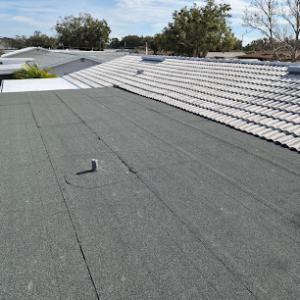
Mighty Dog Roofing of St.Pete/Clearwater
(727) 353-1463 www.mightydogroofing.com
Serving
4.9 from 73 reviews
When it comes to your home’s exterior, Mighty Dog Roofing delivers top-of-the-line services matched with the neighborly customer care our clients have come to love. Our team of skilled experts will conduct a free, detailed inspection of your home, treating it as our own. Whether your home needs a simple repair or a full roof replacement, expect to receive the transparent guidance you deserve. Whatever the case, our team will work to meet your safety and budget needs. We take pride in operating with quality materials, hiring skilled roofers, and providing our customers with a high-quality experience. See for yourself; our reviews say it all. Schedule your free, home inspection today!
Castle Roofing & Construction
www.castleroofingconstruction.com
Serving
4.3 from 155 reviews
Established in 1998, Castle Roofing & Construction is a Clearwater-based, family-owned business offering comprehensive roof repair and replacement services for residential and commercial properties. Castle Roofing & Construction has achieved Master status with multiple roofing material suppliers, ensuring access to high-quality materials and exceptional craftsmanship.
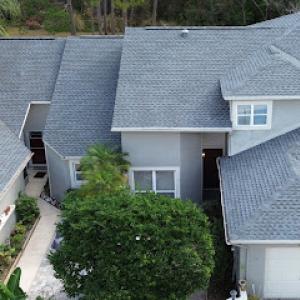
Storm Peak Roofing
(727) 937-7325 stormpeakroofing.com
Serving
5.0 from 157 reviews
If you've noticed a problem with your roof, you should get in touch with a roofing contractor right away. Storm Peak Roofing can restore your roof to keep it in good shape. We'll find the issue and fix it ASAP so you don't have to worry about rainwater seeping into your home.
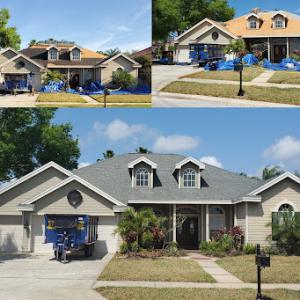
Storm Restoration Services
Serving
4.8 from 129 reviews
Storm Restoration Services is a roofing installation, replacement and repair contractor in the Tampa and Cape Coral areas. Roofing Contractor: CCC1333118

Good2Go Roofing & Construction
(855) 766-3246 www.g2groofing.com
Serving
4.8 from 113 reviews
Good2Go Roofing and Construction is a veteran-owned company with over 60 years of combined experience in roofing and construction. Our team includes licensed adjusters, allowing us to work seamlessly with insurance companies to ensure homeowners receive the proper care and solutions they need. From roof repairs to full replacements and construction services, we deliver top-quality workmanship and exceptional customer service you can trust.
Palm Harbor's reroof market spans a broad lineup: asphalt shingles, metal, clay tile, concrete tile, synthetic/composite products, and even a touch of slate, reflecting both suburban single-family neighborhoods and higher-end coastal-adjacent homes. This mix means you'll see a wide range of installation standards, weights, and replacement matching challenges across a single block. When planning a reroof, you'll want to align material choice with how the roof is used, the underlying structure, and the local wind patterns that come with Gulf Coast storms. In this market, the strongest choice balances wind performance, maintenance needs, and how long the roof will look and function without constant repairs.
Tile roofs are common in the broader Tampa Bay and Pinellas market, and you'll find them on both newer coastal-adjacent homes and established neighborhoods. For a repair or replacement, weigh tile weight against the ability of the structure to bear it, especially if there are older trusses or retrofit considerations. Replacement matching matters: tiles break or crack during hurricanes and during the inevitable re-roof, so keeping a small inventory of on-hand matching tiles is prudent. When planning repairs, consider how long the new tiles will age in sun, wind-driven rain, and salt spray. Choose products with proven performance under windy conditions, and be prepared for color and texture mismatches if a full field replacement isn't feasible. If you anticipate future repairs, discuss with your contractor the option of partial reroofs that maintain water-tight transitions and accurate shingle or tile alignment to preserve the roof's curb appeal and function.
Metal roofing is especially relevant in this market because homeowners often compare its storm resilience and lower maintenance profile against shingles in a hurricane-prone coastal county. Metal's resistance to impact and wind uplift can translate to fewer leaks after a major storm, but installation concerns still matter: proper underlayment, accurate seam detailing, and secure fastening are critical in a high-wind zone. Metal also tends to reflect heat better than darker shingles, which can help curb cooling loads on hot Florida days. If choosing metal, you'll want to consider color retention in strong sun, noise under heavy rain, and compatibility with any existing insulation or attic ventilation. A local contractor with experience in coastal climates will be able to tailor the system to your home's exposure and ensure that flashing and edge details hold up to seasonal storms.
For any material, you'll want a consistent look that matches your home's architectural character while ensuring clean transitions around chimneys, vents, and skylights. Synthetic/composite shingles offer a compromise between weight and performance, while clay and concrete tiles bring long service life with distinct aesthetics. Slate, though less common, can be found on select coastal-adjacent homes seeking a premium look, but its weight and cost require careful structural evaluation. In all cases, prioritize wind uplift ratings, fixture compatibility, and the ease of finding repair pieces locally, so you're not stuck with a long wait after the next storm.
Flat and low-slope sections are a meaningful part of the local market, especially on lanais, additions, porches, and some commercial buildings common across this area and nearby Pinellas communities. When a roof isn't rising at a steep pitch, even small failures can ramp up quickly in a Gulf Coast climate that loves quick downpours and tropical moisture. Without solid attention to these areas, minor drips can become rapid interior water tracking, especially during a summer storm with back-to-back bursts of rain.
Palm Harbor's heavy summer downpours stress drainage details far more than simple gable shingles. Low-slope roofs need clear runoff paths, unobstructed scuppers or drains, and dependable ponding control. If water sits longer than a few hours after a storm, the risk of deck delamination, flashing failures, and interior leaks increases. Older lanais and additions may have settled slightly, changing the sunken contour that once guided water toward the drains. Regular checks after heavy rain help you catch slow leaks before they become stubborn, costly problems.
Flashing where low-slope sections meet steeper roof planes, walls, and skylights is a common weak point during wind-driven rain events. In these transition zones, wind pressure can drive moisture under seams or misaligned flashing if seals have aged. Inspecting sealants and ensuring proper step and counter-flashing around hips, valleys, and penetrations is essential. When a storm hits, these joints are the first to reveal underlying vulnerabilities-keep them primed and resealed as needed.
Porch ceilings and covered entries frequently rely on shallow pitches that channel rain toward vulnerable corners or walls. Look for staining near eaves, elevated gutters, or small ice- and water-dams at transitions. Skylights placed on low-slope sections require careful flashing and venting to prevent condensation and leakage. A proactive inspection after each major rain event is the best defense against progressive damage in this climate.
Find specialists in TPO, EPDM, and built-up flat roofing systems for residential and commercial properties.
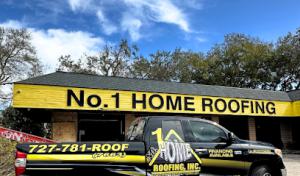
No 1 Home Roofing
(727) 781-7663 www.no1homeroofing.com
35753 US Hwy 19 N, Palm Harbor, Florida
4.8 from 557 reviews

CES Roofing
2706 US-19 ALT #270, Palm Harbor, Florida
4.9 from 70 reviews
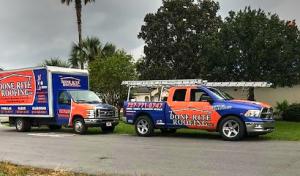
Done Rite Roofing
(727) 945-6560 www.doneriteroofinginc.com
211 Hedden Ct, Palm Harbor, Florida
4.3 from 447 reviews
Provided local pricing ranges run about $350 to $650 per square for asphalt shingles, $650 to $1100 for metal, $900 to $1800 for clay tile, $800 to $1500 for concrete tile, $350 to $700 for synthetic/composite shingles, and $1100 to $2300 for slate. In practice, your project cost hinges on roof type, access, and the complexity of the lot. Tile and slate systems move toward the higher end of the spectrum not just because of material cost, but because installation requires heavier lifting, specialized fasteners, and careful framing considerations. A reroof on a low-slope coastal section can look different on paper than a steeper, tile-dominant roof in a subdivision with lots of shade and mature trees. Expect labor to push the total toward the upper end when you're choosing tile or slate, and plan for square footage growth if a roof line has multiple penetrations, dormers, or valleys.
Palm Harbor costs can rise after hurricanes or major wind events when Pinellas County demand surges for emergency repairs, dry-in crews, and full reroofs. After a storm, you may encounter limited contractor availability and expedited timelines, which tends to drive material and labor premiums upward for a few weeks to months. If you're scheduling in the immediate aftermath, organize temporary leak controls and document damage quickly to avoid longer repair cycles. Be prepared for price adjustments or subcontractor scheduling bottlenecks as crews swing between emergency work and planned reroofs.
Material choice strongly changes labor intensity here because tile and slate systems are heavier and more specialized than the high-volume shingle reroofs common in the local contractor market. Clay and concrete tiles require careful roof deck assessment and underlayment choices, plus potential framing tweaks to support added weight. Synthetic/composite shingles offer a balanced middle ground with quicker dry-in times, while metal can shorten installation windows if crews are experienced. Asphalt remains the most flexible option for cost control and speed, but you'll feel the benefit of choosing a durable tile or slate only if you're building for long-term resilience.
In the wake of a storm, secure a plan to document damage immediately: take clear photos from ground level and above, keep a dated log of weather events, and note any leaks or sagging. Insurance documentation benefits from a roof plan, material specification, and a detailed scope of work. If a temporary leak control is needed, tarps or heavy-duty plastic can buy you time without risking interior damage. When you're ready to move from emergency response to a full reroof, compare bids that clearly spell out scope, product specs, wind-resistance ratings, and deck repairs, so your claim is easy to verify and process.
Don't let upfront costs delay a critical repair - these contractors offer payment plans to fit your budget.
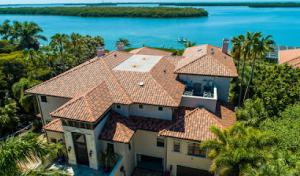
Reroof projects in this area are typically handled through Pinellas County rather than a standalone Palm Harbor city government, since the community is largely unincorporated. Before any tear-off or new roofing material goes on, you'll need to confirm that a full reroof permit is required for your home's specific configuration. The county's online portal and in-person permit desk can guide you to the correct plan submittals, so start there to avoid delays.
Once you've gathered the project details, plan for a permit review that considers the roof type, deck arrangement, and any existing wind mitigation features. In Palm Harbor, inspectors commonly review during the course of work and again at completion to verify compliance with local wind-resistance standards and building codes. If your roof includes low-slope sections or is near coastal-adjacent properties, the reviewer may place extra emphasis on fastener patterns, underlayment quality, and the integration with soffits and drip edges. Having clear measurements and a proposed schedule helps the process move smoothly.
Some roof types in this market trigger requests for product approvals. In practice, that means you should be prepared to present manufacturer specifications for the chosen shingles or tiles, along with any wind-mitigation documentation your home may require. Plan reviewers or inspectors might ask for stamped engineering data, installation manuals, and installation deviations that address local wind loads. If your home carries a wind-mitigation certificate from a previous project, keep a copy handy-it can streamline the review and, if applicable, support later insurance considerations.
During the job, inspections typically occur at key milestones-after roof deck installation, underlayment and flashings, and the final cover. The final inspection confirms that the roofing system was installed per code and the approved drawings. It's helpful to have a notice-to-appear window set with the county inspector, and to mark any sections that might require rework before the final pass. If weather or supply delays arise, coordinating with the permit office to adjust inspection dates can prevent miscommunication and keep the project on track.
Work with a licensed contractor who understands Pinellas County's permit cadence and wind requirements. Ensure your contractor provides all necessary product data and wind-mitigation paperwork early in the process, so no rework is needed at the final inspection. Keep digital copies of approvals, plans, and inspection records accessible in case of future roofing work or insurance interactions.
In this Gulf-coast micro-market, hurricane and wind claims drive how insurers view your roof long before a renewal notice lands in your mailbox. The combination of humid summers, gusty squalls, and a mix of tile-heavy neighborhoods with shingles and low-slope sections means carriers scrutinize roof age, prior repairs, and current condition with thicker glasses. If a claim happens during hurricane season, expect a sharper look at how your roof performed, how it was maintained, and whether previous damage had been fully addressed. Missing or unclear records can complicate settlements.
When a reroof becomes part of the conversation, every document matters. Keep final inspection reports, product data sheets for the chosen roof system, and a complete photo timeline from tear-off through completion. In a market where underwriting tightens after major storms, having organized evidence of a solid installation and a compliant, weather-ready system can shorten questions from adjusters and help protect your claim status. Think of this as a portable file you can hand to an adjuster, not just something you stash away.
Wind-mitigation features aren't just nice-to-haves; they can influence insurability and the premium dialogue that follows a claim. If your home sits on a wind-prone line or features enhancements like reinforced fasteners, underlayment upgrades, or category-specific roof shapes, make sure those details are documented with records that survive the test of time. When you discuss coverage after a storm, your prepared mitigation data can shift the conversation toward safer, more predictable outcomes rather than reactive repairs.
When a roof replacement or major repair finishes, create a single, organized paper trail that any adjuster or manufacturer can follow. This is essential in a storm-driven Florida claims environment. Start with the project completion date and the final scope of work, then add copies of all contracts, product data sheets, and the installation manual. Keep the file in a weatherproof folder or a dedicated binder so photos and documents stay with the roof in future seasons.
Manufacturer and workmanship warranty value in this market depends heavily on proper installation records and proof that the roof system was installed as approved. Take clear photos during each stage of the project-underlayment, flashing, fastener patterns, and the chosen venting or drainage details. Store sign-off sheets from inspectors or qualified third-party verifiers, if applicable, alongside receipts for materials and any color or model approvals. For tile and metal systems, document fastener type, spacing, and seam or lap details. This level of detail supports warranty eligibility when questions arise later.
Documentation matters more in this environment than in lower-claim regions because future wind events can trigger insurer or adjuster review of prior roof condition and replacement history. Maintain a concise chronology: pre-existing conditions, inspection notes, post-installation checks, and any corrective work performed under warranty. If a claim is filed, your file should enable a quick comparison between the original installation and the current condition, reducing back-and-forth and clarifying coverage.
Keep digital scans of every document and photo in a cloud folder labeled with the project address and predominant roof type. Share access with the homeowner and any trusted adjusters or contractors. When warranties are discussed, reference the exact installation date, product models, and installer qualifications to avoid ambiguity.