Last updated: Apr 19, 2026
This Gulf-side community on the Pinellas coast faces tropical systems that can bring wind-driven rain and urgent leak calls even when the storm center misses a direct hit. The risk window runs from June through November, and that same period often drags out roofing delays, complicating schedules and pushing shorefront crews to chase weather. You will see sudden squalls roll through summer afternoons, turning flat, calm days into rapid leak threats. In this climate, your roof must be ready for back-to-back storms, not a single event.
Dunedin sits in a high-exposure zone where gusts can slam from the south to the north and push rain under edges you thought were sealed. That means every detail matters: ridge lines, vent seals, flashing around chimneys and skylights, and the integrity of drip edge and fascia. If a storm is forecast, you cannot gamble with quick patches that promise "temporary" protection but fail under wind-driven rain. Your roofing approach must anticipate immediate water entry the moment the wind shifts and the first bands rotate overhead.
As the hurricane season approaches, establish a rapid-response plan for weather spikes. Have a trusted tarp-and-dry-in kit ready: heavy-duty tarp, wind-resistant fasteners, utility scissors, and a ladder secure enough to handle sudden gusts. If you anticipate a storm within 24 to 48 hours, lay out tarps to cover exposed sections, focusing on valleys, penetrations, and any damaged shingles or tiles. Don't count on a full reroof to proceed soon; crews may be delayed by shoreline accessibility and weather windows. A fast, well-sealed temporary dry-in keeps interior damage at bay and reduces emergency calls after the first bands pass.
For homes with shingles, metal, or tile, the priority is to protect vulnerable edges and flashings. Inspect the coping around the perimeter and verify that metal flashings are not loose or lifted by wind. If tiles are cracked or dislodged, secure them with temporary anchors only if you have the right precautions and avoid creating new puncture risks. If a leak is actively seeping, place buckets under drips and set a digital humidity monitor in the attic to detect hidden moisture routes. Remember: even a small trickle can become a major interior issue after hours of wind-driven rain.
The Gulf season makes scheduling difficult as weather windows shrink. Plan reroof work with a built-in buffer for late starts and potential rain delays. When you pick a contractor, confirm they can stage a dry-in quickly and have crews ready for emergency calls during a storm event. A staggered approach-temporary protection followed by a controlled dry-in-minimizes exposure and reduces the likelihood of a rushed, subpar finish. Expect a clearance timeline that respects both the storm's urgency and the crew's safety, then tighten communication so you know exactly when to expect entry and when to expect shelter from the weather.
During a storm, keep a close watch on the attic and ceiling spaces for fresh moisture, and photograph any new damage for insurance discussions after the weather clears. After the bands move through, do a thorough exterior inspection: look for flashing lift, loose fasteners, or cracked shingles and tiles along the gullied eaves. If you notice ongoing leaks, document with timestamps and call your roofer for an immediate assessment. In the days after, coordinate a rapid assessment with your contractor to prioritize tarping, secure the dry-in, and plan for a full reroof when conditions permit. This neighborhood-facing approach keeps you safer and minimizes follow-up water intrusion once the Gulf breeze shifts back.
The Gulf-facing exposure in this area means metal components and accessories on roofs closest to the waterfront and intracoastal side can show corrosion faster than inland homes. In practice, that means if you have gutters, flashing, or metal vent caps near the salt breeze paths, give those parts extra attention during seasonal checks. Look for dulling, white chalk, or rust blooms that start near fasteners or seams. If you notice early corrosion, plan for targeted replacements rather than a full roof upgrade to preserve long-term performance.
Hot, humid summers in this region accelerate wear on sealants, flashings, and exposed underlayment when repairs or reroof work are left open for any length of time. Each open seam or loose flashing is a potential entry point for moisture during sudden afternoon downpours. When scheduling work, minimize time that any roof deck, underlayment, or interior-facing flashings are exposed. Use contractor crews that can stage with weather windows, seal promptly, and verify drip edges and termination bars are re-sealed before the next heat spike.
The city's repeated cycle of strong sun followed by heavy rain creates expansion, contraction, and moisture stress that commonly shows up first around penetrations and roof-to-wall transitions. Penetrations like vent pipes, skylights, and chimneys are the typical stress points. During inspections, check for hairline cracks in sealant joints, loose shingle tabs at edges near walls, and any splitting around flashing corners. When you see aging sealant or micro-cracks, address them quickly with compatible sealants and flashings that can tolerate heat cycles. Pay particular attention to roof-to-wall transitions where moisture can accumulate at kickouts or counterflashing; those spots often hide slow leaks until damage becomes visible inside ceilings.
For maintenance, establish a two-part routine: a proactive exterior check after each major storm and a seasonal coastal audit just before hurricane-season readiness begins. Start with a visual sweep from ground level to upper ridges, noting any corrosion, lifted shingles, or damaged screw heads on metal components. Then climb safely to verify that fasteners remain snug, flashings sit flush, and the roof edge drip edge or gutter system isn't drawing water toward vulnerable seams. If a repair disrupts the roof surface, schedule a quick follow-up inspection within 1-2 weeks to catch timing-sensitive wear before it accelerates under the next sun-and-rain cycle.
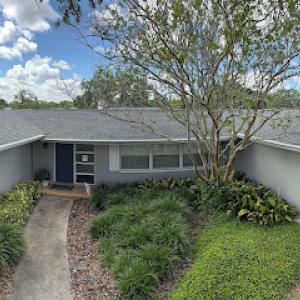
Dunedin's mix of clay, concrete, asphalt, and synthetic shingles means you're choosing within a familiar palette, not chasing a niche system. Asphalt shingles remain practical for many bungalows and ranches, especially when a lighter looking roof suits the sunlit streets. Synthetic or composite shingles offer residential versatility and often pair well with older facades that echo Florida coastal character. When you're planning a reroof, think about color and texture that harmonize with your home's exterior while considering coastal brightness and glare. In neighborhoods with mixed-age roofs, a well-matched shingle can extend life without altering the home's curb appeal.
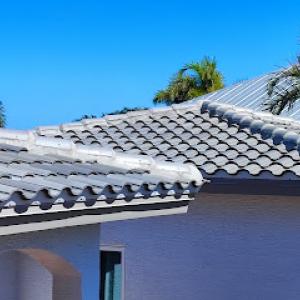
Tile roofs are prominent in Florida coastal styling, and that pattern shows up clearly in Dunedin's roofscape. Clay and concrete tiles deliver a classic look and respectable durability, but their performance hinges on a robust underlayment and proper replacement logistics. Pay attention to underlayment life and the ability to stage replacements without exposing interior spaces to the elements. Tile systems also benefit from careful attic ventilation and solid fastener patterns to resist wind-driven rain and salt spray. If you lean toward tile, plan for a slightly heavier roof structure and confirm compatibility with existing rafters and gutters to maintain drainage and wind resistance.
Metal roofing has become a standout option for this market, reflecting homeowner demand for wind-focused and lower-maintenance performance. Many local contractors actively specialize in it, which translates to faster service, better installation quality, and more informed guidance on fastener patterns and panel profiles. Metal panels perform well against Gulf-side winds when panels are properly integrated with ridge vents, secure edge detailing, and corrosion-resistant coatings. If you're evaluating metal, look for a finish that holds color and resists salt air, and discuss panel profiles that minimize noise and maintain a clean, modern street presence.
Wood shingles or shakes offer a warmer, traditional Florida Coastal vibe that pairs nicely with masonry accents and coastal color schemes. They require careful maintenance to prevent moisture-related issues in a humid climate and to maintain fire resistance ratings. If wood isn't a fit, synthetic or composite shingles can emulate the look with potentially improved durability against salt air and sun. In areas with frequent storms, ensure any choice includes a robust fastener system and a roofing deck prepared to handle Florida's humidity and wind loads.
Green Leaf Roofing
(813) 577-2488 www.greenleafroofingllc.com
1350 County Rd 1 #796, Dunedin, Florida
4.9 from 174 reviews
Green Leaf Roofing is a family-owned, licensed, and insured roofing contractor based in Dunedin, Florida. Voted a Favorite Local Roofing Company from 2023–2025 on Nextdoor and BBB A+ rated, we provide professional roofing services including roof replacement and roof repair for homeowners throughout the area. Our company owner, Justin, is personally involved in every roofing project and inspects all work to ensure quality and consistency. This hands-on approach, combined with clear communication and honest recommendations, has earned us a strong reputation as trusted local roofing contractors. We deliver residential roofing solutions built for Florida’s climate with clean job sites, responsible recycling, and full licensing and insurance.
Guardian Home
(727) 761-6778 www.guardianhome.us
1954 Bayshore Blvd, Dunedin, Florida
4.9 from 78 reviews
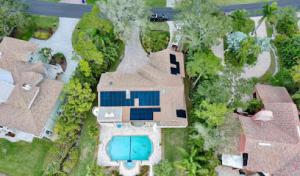
Guardian Home provides expert roof replacement, window installation, and solar solutions for homeowners in Florida. Our licensed team delivers durable roofing systems, impact-resistant and energy-efficient windows, and high-performance solar installations built to withstand Florida’s climate. We help homeowners improve storm protection, lower energy costs, and increase home value with code-compliant materials and expert craftsmanship. From full roof replacements to window upgrades and solar projects, Guardian Home is committed to honest guidance, quality work, and long-term results. Contact us today to schedule a free consultation.
American Family Roofing
(727) 620-7663 theamericanfamilyroofing.com
1646 Pasadena Dr, Dunedin, Florida
5.0 from 14 reviews
At American Family Roofing, our mission is to provide exceptional roofing services that exceed our clients' expectations. We are committed to delivering high-quality workmanship, on-time completion, and cost-effective solutions for all types of roofing projects. Our experienced team of professionals will work with you to determine the best roofing solution for your unique needs and budget. We are dedicated to providing a positive experience for every customer and stand behind our work with a satisfaction guarantee. Contact us today to schedule a consultation and get a free estimate.

Zeke's Roofing
(833) 966-9353 www.callzeke.com
501 Paula Dr S, Dunedin, Florida
5.0 from 9 reviews
Don't Freak, Call Zeke! At Zeke’s Roofing, roofing is more than shingles and nails. It’s about protecting homes and families. Since 2007, we’ve provided dependable roof repairs, roof replacements, and storm damage services built on quality workmanship and honest communication. From small leaks to full roof installations, we bring care, precision, and pride to every project using durable, high-performance materials. We stand behind our work with strong warranties and clear communication from start to finish. Our financing department is one of the best in the business, offering 0% options, low monthly payments, and approvals when others say no. Choose Zeke’s Roofing for experience, integrity, and results you can trust.
Mighty Dog Roofing of St.Pete/Clearwater
(727) 353-1463 www.mightydogroofing.com
Serving
4.9 from 73 reviews
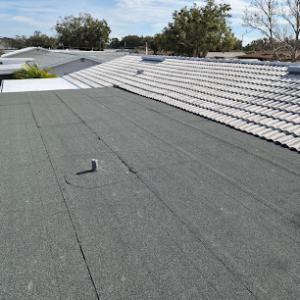
When it comes to your home’s exterior, Mighty Dog Roofing delivers top-of-the-line services matched with the neighborly customer care our clients have come to love. Our team of skilled experts will conduct a free, detailed inspection of your home, treating it as our own. Whether your home needs a simple repair or a full roof replacement, expect to receive the transparent guidance you deserve. Whatever the case, our team will work to meet your safety and budget needs. We take pride in operating with quality materials, hiring skilled roofers, and providing our customers with a high-quality experience. See for yourself; our reviews say it all. Schedule your free, home inspection today!
Merillat Roofing
(727) 412-8826 merillatroofing.com
Serving
4.5 from 81 reviews
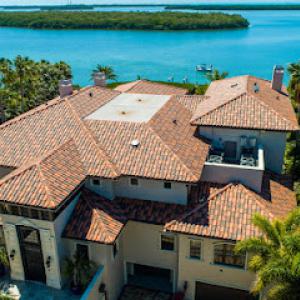
For quality roof repairs & replacements at a fair price, completed in our community by members of our community, call Merillat Roofing Merillat Roofing is locally owned and operated by members of our community. Our customers’ repairs and replacements are given the same priority and urgency we want for our own families and homes. We offer commercial and residential repairs, maintenance and full replacements for tile, shingle, metal roofs, mobile homes, and roof coatings. Soffit and fascia repair or replacement available. Proudly serving Pinellas & Tampa Bay since 1992 Free Estimates & Inspections Residential & Commercial Roofing PM & CAM Partnerships Full Service Roofing Shingle | Tile | Metal | Flat Roof Replacements & Roof Repairs

Polymath Construction Group
(727) 238-8606 polymathconstructiongroup.com
Serving
5.0 from 6 reviews
Polymath Construction Group servicing all of the Tampa Bay, FL area
Castle Roofing & Construction
www.castleroofingconstruction.com
Serving
4.3 from 155 reviews
Established in 1998, Castle Roofing & Construction is a Clearwater-based, family-owned business offering comprehensive roof repair and replacement services for residential and commercial properties. Castle Roofing & Construction has achieved Master status with multiple roofing material suppliers, ensuring access to high-quality materials and exceptional craftsmanship.
West Coast Roofing & Contracting
(727) 647-6470 www.westcoastroof.net
Serving
4.7 from 13 reviews
West Coast Roofing & Contracting is a commercial and residential roofer in Clearwater, Florida with more than 25 years of experience. Our team of skilled professionals specialize in metal roofing, but we do it all, including shingle roofing and flat roofing. Since opening our roofing company in 2003 we have become a top choice for roof installation, roof repair, roof maintenance and re-roofing for owners of businesses, homes and other properties throughout Pinellas, Pasco and Hillsborough Counties. With decades of roofing experience under our tool belts, you can rest assured that we can tackle any job with ease, but don't just take our word for it. Call today for your free quote!
Metro Builders Tampa Bay
(813) 725-2225 www.metrobuilderstampabay.com
Serving
4.7 from 37 reviews
Metro Builders Tampa Bay is a trusted local roofing company delivering reliable Tampa Bay roofing services for residential and commercial properties. We specialize in custom roofing, insurance restoration, renovations, and professional roofing repair services. Whether you need an emergency roof leak fix or a full roof replacement after a covered insurance loss, our experienced team provides exceptional craftsmanship, timely project completion, and outstanding customer service. As a licensed Florida Building Contractor and Roofing Contractor, we are committed to helping homeowners and businesses restore, protect, and upgrade their properties with confidence and care.
Storm Restoration Services
Serving
4.8 from 129 reviews
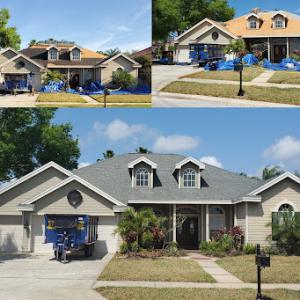
Storm Restoration Services is a roofing installation, replacement and repair contractor in the Tampa and Cape Coral areas. Roofing Contractor: CCC1333118
Clearwater Roofing
(727) 475-1658 roofingcontractorsclearwater.com
Serving
4.4 from 35 reviews
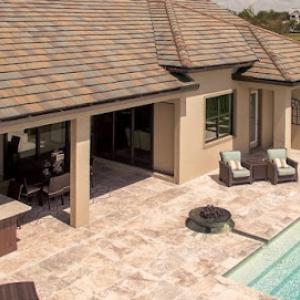
Clearwater Roofing has been serving the Tampa Bay area since 1992, offering expert roof repairs, replacements, and installations. Licensed and insured, we provide reliable roofing solutions for both residential and commercial properties. We proudly serve clients in: Clearwater, Largo, Dunedin, Palm Harbor, Safety Harbor, and St. Petersburg
In this Gulf-facing market, homeowners weigh asphalt shingles against metal and tile options more often than chasing a single "best" product. The most common mix in Dunedin leans toward lower-cost asphalt shingles alongside higher-cost metal and tile systems, which means your reroof cost can swing noticeably depending on material choice and roof complexity. Expect asphalt shingles to be the baseline choice for budget-conscious projects, while metal and various tiles push total prices upward. This local pricing pattern matters because it shapes not only the upfront material bill but also the cost of labor, disposal, and any specialty coastal components that may be needed for salt air exposure and wind resistance.
Asphalt Shingles: This remains the most accessible entry point in a market that often compares value versus longevity. Typical costs run from about 350 to 550 USD per square for a complete reroof, depending on roof pitch, deck condition, and waste disposal. In Dunedin, you'll notice these prices tighten when storm-driven demand spikes pull labor and material crews into a tight synchrony during hurricane-season windows.
Metal Roofing: A popular choice for homes facing salty spray and higher wind demands, metal systems commonly land in the 600 to 950 USD per square range. The premium reflects not only the long-term resilience but also the faster installation and fewer tear-outs, which can be a practical benefit after a storm when timing matters. Coastal-ready components-fasteners, sealants, and flashing designed for salt exposure-can nudge final numbers higher.
Clay and Concrete Tile: Tile options bring a coastal-specific appeal and lasting curb appeal, but they carry a price tag that often places them well above asphalt. Clay tile typically lands between 900 and 1500 USD per square, while concrete tile runs about 750 to 1200 USD per square. In Dunedin, the higher end of these ranges appears more frequently for homes with complex rooflines or hillside access, where screening and staging add to labor time.
Wood Shingles/Shakes and Synthetic/Composite Shingles: Wood shingles or shakes hover in the 650 to 1100 USD per square range, with synthetic/composite shingles offering a middle ground around 500 to 900 USD per square. The coastal climate tests materials differently, so compatibility with humidity management and termite considerations can influence final pricing and ongoing maintenance needs.
For a homeowner evaluating options, start with a basic square count of your current roof and note any unique coastal features-overhangs, valleys, and venting-that will affect both material and labor. Request a side-by-side quote that separates material costs from installation and any specialty coastal components. If a storm event drives demand, expect prices to shift and schedules to compress; plan for a modest premium and allow contingency for temporary dry-ins or emergency repair add-ons that may appear in the estimate.
Don't let upfront costs delay a critical repair - these contractors offer payment plans to fit your budget.
Guardian Home
(727) 761-6778 www.guardianhome.us
1954 Bayshore Blvd, Dunedin, Florida
4.9 from 78 reviews

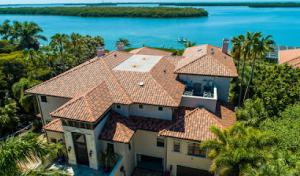
Dunedin homeowners operate in Florida's high-claim roofing environment, where tropical storm and hurricane losses have made insurers more selective about roof age, condition, and documentation. That means when a claim arrives, the insurer isn't just looking at the visible damage; they're weighing how long the roof has lived in salt air, how many past repairs exist, and how robust the repair history looks on paper. If your roof has encountered multiple storms or if previous repairs were rushed, expect closer scrutiny and a tighter interpretation of what constitutes a resolvable loss versus a full replacement. The gulf-facing exposure here magnifies how quickly a weather event becomes a claim, so a cautious mindset during the storm season can pay off in calmer renewal negotiations later.
Because underwriting and premiums have been shifting across Florida, Dunedin owners should expect close scrutiny of damage photos, repair history, and the exact scope of storm-related work. Photos should be timestamped, comprehensive, and clearly show attic conditions, decking integrity, and any soft spots or water intrusion. Keep records of contractor notes, material types, and installed dates for every patch or replacement. A well-documented timeline-from the moment a storm passes to the final repair-gives you leverage when insurers review your file at renewal. If anything about the roof's history is ambiguous, insurers will default to more conservative coverage interpretations, which can complicate future claims.
After a roof loss event in Dunedin, coverage terms can change at renewal, making pre-loss documentation and prompt post-storm inspection records especially important. Some carriers tighten depreciation allowances or adjust deductibles after a reported loss, particularly if the roof shows age or prior damage. To minimize surprises, secure a professional inspection soon after any significant hail or wind event, capture measurable evidence of condition changes, and keep a clear, dated log of repairs and reinforcements. When renewal time comes, that solid pre-loss record can be the difference between a straightforward claim settlement and a drawn-out negotiation.
Connect with contractors who help homeowners navigate the claims process from damage assessment to final approval.
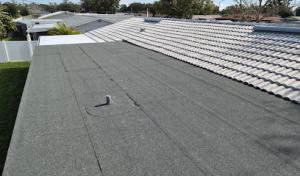
In this market, flat and low-slope roofing is a meaningful specialty, with many homes, additions, porches, and small commercial buildings relying on drainage-focused design. Summer downpours can reveal weak spots fast. Look for ponding that doesn't drain within 48 hours after a heavy rain, and watch edge flashing where the membrane ends at a parapet or wall. On Dunedin's Gulf-facing terrain, even shallow depressions will hold water, accelerating membrane fatigue and encouraging small leaks. Regularly inspect scuppers and internal drains for debris, hairline corrosion, or mineral buildup, and plan seasonal cleanouts before the heavy rain kicks in. If you see standing water near penetrations or transitions, flag those areas for a professional to re-slope, reseal, or install overflows that direct water to a proper drain.
Edge flashing on low-slope sections takes the brunt of spray and salt exposure. In a salty Gulf climate, metal flashing corrodes or separates where salt-laden spray drains back toward the roof surface. Scuppers and drain inlets should be graded to prevent backflow and should have primary and secondary seals that tolerate repeated temp cycling. During storm season, inspect flashings for loose fasteners, lifted membranes, or paint-like blistering at seams. If edge details are compromised, even small leaks can track inward along a wall-to-roof joint. For best results, verify continuity of the membrane at parapets and ensure counterflashing seats firmly against the substrate with compatible sealant or mastic.
On mixed-roof homes, leaks often trace to transitions where low-slope sections meet steeper shingle or tile areas rather than to a single field material. Pay extra attention to Counterflashings and terminations where the membrane meets shingle or tile, and verify that slope changes do not create a hard edge or debris trap. Look for misaligned transitions, insufficient caulk, or worn kerfs at purlins or fascia lines. The most reliable fixes combine proper transition detailing with a continuous, watertight seal that bridges different roof technologies and accommodates thermal movement.
Find specialists in TPO, EPDM, and built-up flat roofing systems for residential and commercial properties.
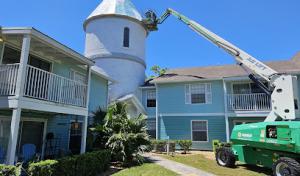
Skylights are a common add-on in the local contractor market, but leak complaints often center on flashing details after heavy summer rain. When evaluating a skylight, pay close attention to the flashing collar and the transition between the skylight curb and the roof surface. Choose a unit with a robust curb, corrosion-resistant materials, and a flashing kit that matches the roof type you have-shingle, metal, or tile. In a salt-spray coastal climate, let flashing products sit in the sun briefly to cure before full assembly, and opt for corrosion-resistant fasteners. If you already have a skylight, a dedicated inspection after major storms can prevent slow leaks; look for staining or damp patches around the curb, and test the operable vent to ensure it seals against wind-driven rain.
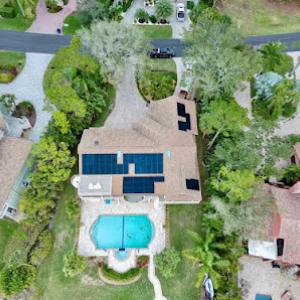
Solar installations are present but still secondary here, so plan accordingly. Before a reroof, confirm how penetrations for racking, wiring, and in-roof components will be routed so future service access remains straightforward. Map out cable routes to avoid pinched conduits or conflict with existing vents and attic access. Ensure there is enough clearance for module installation without compromising overhangs or gutter performance. In a Gulf-facing roof, the combination of salt air and high humidity makes long-term flashing and sealant performance critical; choose roof penetrations and sealants rated for coastal environments and schedule a post-installation inspection focused on frost-free seals and integrity around flashing edges.
In a humid coastal environment, every added roof penetration increases the importance of long-term flashing maintenance rather than just initial installation quality. After storms, inspect skylight flashing for hairline gaps, track deformations, or sealant degradation. Schedule routine resealing or flashing reseatments as needed, and keep drainage around the skylight clear to prevent water backup. For solar penetrations, monitor sealed joints where cables pass through the roof deck and guard against debris accumulation that can trap moisture. Regular, targeted maintenance saves more than a cosmetic fix when the next heavy rain arrives.
Find contractors experienced in skylight installation, flashing, and leak repairs to bring natural light into your home.
Mighty Dog Roofing of St.Pete/Clearwater
(727) 353-1463 www.mightydogroofing.com
Serving
4.9 from 73 reviews