
Last updated: Apr 19, 2026
Seasonal risk and fast leak response
In Holiday, June through November brings the Gulf Coast's hurricane season into the foreground. Wind-driven rain can turn tiny roof weaknesses into active interior leaks in hours, not days. A small crack, a lifted shingle edge, or a failed vent boot can become a soaking problem after a brief afternoon downpour. The window for patience is narrow: the longer a leak sits, the more damage spreads into ceilings, walls, and insulation. Plan ahead for rapid triage so the first signs of moisture trigger immediate action rather than waiting for a convenient dry spell.
Emergency repair and tarping
The local contractor signal mix strongly favors emergency repair and storm damage work, with tarping and temporary dry-ins routinely central to immediate needs. When a leak starts, the first move is to deploy a sturdy tarp or plastic sheeting over the affected area to buy time. Secure tarps with water-resistant fasteners and edge weights, and keep a clear path for crews to reach the most vulnerable spots without triggering a bigger collapse of decking or flashing. If the attic is damp, avoid stepping on sagging areas and mark the highest-priority zones for the tarped cover. Timely tarping not only limits interior damage but also makes post-storm repairs faster and safer for crews.
Dry-in sequencing and afternoon storms
Frequent afternoon summer thunderstorms can interrupt repairs and leave exposed decking vulnerable if tear-off and dry-in are not sequenced carefully. Crews should begin with a secure dry-in of the most critical penetrations-vents, chimneys, and roof-to-wall transitions-before removing any overlying shingles in hot, windy conditions. Keep a clear plan for weather: if a storm rolls in, the goal is to close the most critical gaps and protect underlying decking before any rain arrives again. Coordination matters: ensure material staging aligns with the forecast so that tear-off, underlayment, and temporary coverings proceed in a logical, weather-smart order.
Leak tracing and documentation after a storm
After the immediate weather threat passes, focus shifts to precise leak tracing. A systematic approach-document where water entered, the path it followed, and any associated mantel or wall staining-saves time during insurance coordination and future repairs. Photograph each stage: roof surface, penetrations, flashing, and any compromised decking. Keep a running log of dates, times, and observed conditions. Clear, dated records reduce back-and-forth with insurers and help prioritize repairs that protect the home's structural integrity.
Communication with responders and your crew
Clear, urgent communication matters. Call out the exact locations of active leaks and any visible structural concerns the moment they're noticed. If a section of decking shows soft spots or rot, flag it for immediate assessment. When contractors arrive, share your documented leakage path and any storm-related guidance you've received from adjusters or insurers. Quick, precise information helps crews triage the most urgent areas first and keeps the project moving while the weather cooperates.
Holiday sits in an unincorporated area of Pasco County, so reroof permits and inspections come through the county building department rather than a dedicated city office. Before any tear-off or new roof goes on, you or your contractor should verify that the project is in the correct permit stream and that all required forms are complete. The county's process is designed to account for storm exposure and the tight timelines that come with surges in storm season, so expect some attention to detail up front. Start by confirming your project address, the proposed roofing material, and the square footage to ensure the permit package matches what will actually be installed.
A full reroof typically requires more than a simple permit application. The plan review step assesses the proposed installation against local wind and impact considerations, especially given Pasco County's wind-driven storm exposure. Prepare to include roof venting details, underlayment specifications, and fastener schedules. Your contractor should submit roof deck notes and a construction plan that demonstrates compliance with resisting uplift and wind requirements. In Holiday, this review can be thorough, so each document should be clear, legible, and synchronized with the project scope. Submittals often benefit from including a recent roof section sketch or photos of the existing deck to help reviewers picture the work.
Inspection milestones are a key part of the process. The county typically mandates an inspection at the underlayment or deck stage, confirming that sheathing, underlayment, flashings, and fastener patterns are correctly installed before the roof covering goes on. A second inspection occurs at final completion, verifying the entire installation, penetrations, and flashings pass the county's workmanship standards and that the roof is weather-tight. If a storm event is active during your project window, expect the process to experience heightened scrutiny and potential delays as inspectors prioritize critical safety checks and documentation for wind resistance. Timing your permit plan with typical storm patterns can help minimize interruptions.
In Holiday, wind-resistance documentation may be requested or required as part of the permit package. This can include tested fastening schedules, nailing patterns, and manufacturer-backed wind uplift data. Having these details ready reduces back-and-forth with the county and helps prevent postponements during peak storm periods. If a contractor has experience with Pasco County's wind requirements, they will anticipate the documentation needs and embed them into the initial submittal.
To keep the process smooth, secure a copy of the permit number and the approved scope before any materials arrive. Maintain a clear line of communication with the contractor so you receive notice of each inspection appointment and any requested corrections. If a storm is forecast during the permit window, plan for possible scheduling shifts and ensure temporary protective measures are in place to safeguard the deck and underlayment area during the interim periods.
Holiday's hot, humid climate and tropical storm exposure push replacement demand into the dry season, when scheduling pressure may affect pricing and availability. If a roof is nearing the end of its life or has sustained storm damage, plan for a potential squeeze on contractor calendars during late spring and early summer. By understanding that dry-season windows fill quickly, you can set expectations with your crew early and aim to lock in a firm start date before peak demand. This isn't about rushing quality; it's about recognizing the weather-driven rhythm that drives when crews are most likely to be able to start and complete a project without weather-caused delays.
Material choices common in Holiday span asphalt shingles, metal, clay tile, concrete tile, wood products, and fiber cement, with cost differences amplified by structural load, fastening needs, and storm-readiness expectations. Asphalt shingles remain the most budget-friendly and quickest to install for many homes, but a storm-exposed roof may benefit from heavier or more wind-resistant options. Metal roofing tends to incur higher upfront costs but can offer superior wind performance and longer service life in this climate. Clay and concrete tiles add a distinctive look and strong wind resistance if properly installed, though lightweight or mid-weight variants can substantially affect overall loads on the structure. Wood shingles and fiber cement sit between these options in both performance and price, with fiber cement often providing a good balance of resilience and maintenance in humid conditions. For each option, expect costs to reflect not just the material square footage but also deck prep, underlayment quality, fastener choices, and wind-rated detailing that builders in this market routinely specify to meet storm exposure expectations.
Summer rain interruptions and moisture concerns around exposed decking can increase labor complexity on Holiday reroof jobs compared with work scheduled during drier winter conditions. Wet decking is trickier to safely stage, and moisture in the roof assembly can extend installation timelines or require rework on underlayment sections. Expect additional labor minutes for moisture management, fastener checks, and temporary containment. This can influence daily crew productivity and, in turn, total project duration and cost. If a crew is juggling tight summer schedules, you may see compressed timelines that trade some margin for speed, especially on simpler roof layouts. Plan for a realistic window that accounts for afternoon showers and the occasional storm cell that can sideline work briefly.
Because dry-season demand often tightens schedules, securing a written start date well in advance helps protect pricing. Roofing crews may impose a premium for expedited starts or for projects that must be completed before seasonal storms arrive, particularly on higher-end materials with extended lead times. If you're weighing material choices, align each option with your roof's structural load and wind-rated requirements, then discuss with the contractor how seasonal timing could shift the project's price tag-especially when the dry season compresses available labor windows. In this climate, a well-timed reroof plan balances material performance, deck condition, and the weather-driven realities of Holiday.
Don't let upfront costs delay a critical repair - these contractors offer payment plans to fit your budget.
Steadfast Roofing
(727) 594-9029 steadfastroofingfl.com
5507 Front Dr, Holiday, Florida
5.0 from 95 reviews
Steadfast Roofing
(727) 594-9029 steadfastroofingfl.com
5507 Front Dr, Holiday, Florida
5.0 from 95 reviews
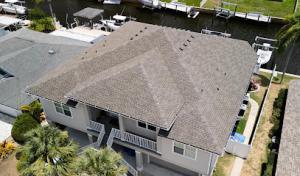
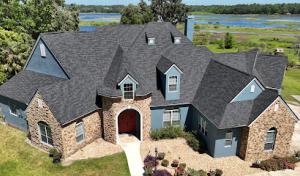
Steadfast Roofing is a local, family-owned roofing company founded on faith, transparency, and honesty. As certified roofing contractors, we have the training and experience to handle all your roofing needs. At Steadfast Roofing, we aim to educate our potential clients about their roofing projects by providing a consultative approach to handling whatever issue they face with their roofs. We are the top roofers in Tampa Bay, serving New Port Richey, Holiday, Clearwater, St. Petersburg, and surrounding markets. Our roofers specialize in offering affordable residential roof replacements. We use only the best quality materials, like asphalt shingles from top manufacturers like Atlas, IKO, and Owens Corning!
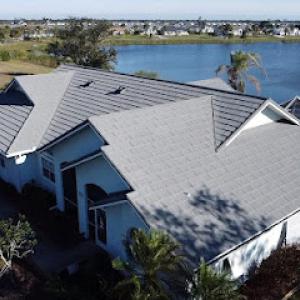
Elevate Roofing & Solar
(727) 457-4238 elevateroofingandsolar.com
3716 Beechwood Dr, Holiday, Florida
4.9 from 67 reviews
Elevate Roofing and Solar is a top-rated roofing company in Holiday, FL, serving New Port Richey, Tarpon Springs, Palm Harbor, and nearby areas. If you're looking for a roofer near me, we provide expert roof replacements, including shingle, metal, tile, and flat roofing. We also offer professional solar panel installation and full solar system setups including battery backups to reduce your energy costs. Our team specializes in durable, energy-efficient roofing and solar installation in Holiday and surrounding counties. Trust Elevate Roofing and Solar for quality workmanship and dependable service. At Elevate Roofing and Solar, we bring reliable, high-quality roofing and solar solutions to homeowners and businesses across Holiday, Florida,
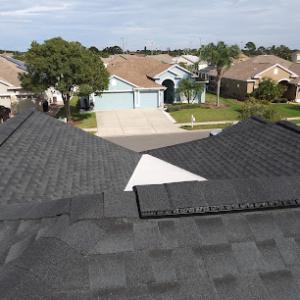
SunCare Roofing
2020 Ardsley Ln, Holiday, Florida
4.4 from 14 reviews
At SunCare Roofing you deserve the best in service and value for all of your roofing needs. We have over 20 years of experience in the roofing industry. We offer roof repairs and roof installation of metal, tile, shingle and flat roofs. We are a family-owned and operated business and treat all of our customers like family too!
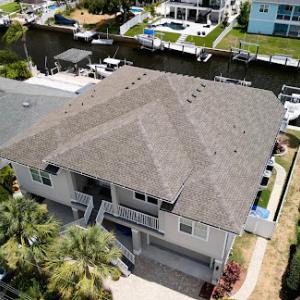
Arry's Roofing Services
(727) 938-9565 www.arrysroofing.com
Serving
4.8 from 1690 reviews
Welcome to Arry's Roofing! We are a family-owned and operated company that is committed to excellence in roofing. We pride ourselves on being the Platinum Roofing Company of the Tampa Bay Area. We always welcome new members - our customers - into the "Arry's Roofing Family."
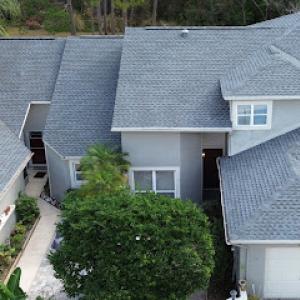
Storm Peak Roofing
(727) 937-7325 stormpeakroofing.com
Serving
5.0 from 157 reviews
If you've noticed a problem with your roof, you should get in touch with a roofing contractor right away. Storm Peak Roofing can restore your roof to keep it in good shape. We'll find the issue and fix it ASAP so you don't have to worry about rainwater seeping into your home.

Good2Go Roofing & Construction
(855) 766-3246 www.g2groofing.com
Serving
4.8 from 113 reviews
Good2Go Roofing and Construction is a veteran-owned company with over 60 years of combined experience in roofing and construction. Our team includes licensed adjusters, allowing us to work seamlessly with insurance companies to ensure homeowners receive the proper care and solutions they need. From roof repairs to full replacements and construction services, we deliver top-quality workmanship and exceptional customer service you can trust.
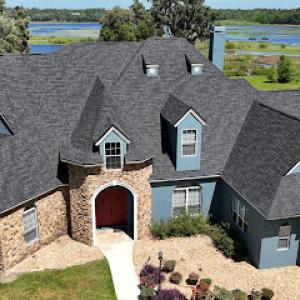
The Roofing Company
(727) 916-3151 www.tampabayroofs.com
Serving
4.8 from 481 reviews
The Roofing Company is a certified, trusted roofing contractor serving both residential and commercial clients across Hillsborough, Hernando, Pasco, & Pinellas Counties. We specialize in roof replacement, roof repairs, and storm damage repair for homes, businesses, and multi-unit properties. We’re an Owens Corning Platinum Preferred Contractor and A+ rated by the BBB. We're committed to quality, safety, and customer satisfaction on every job. We also offer instant online roofing estimates and virtual roof inspections for quick pricing and storm-damage assessments.
Reefside Roofing
(727) 618-3111 reefsideroofing.com
Serving
5.0 from 24 reviews
Reefside Roofing is the leading roofing contractor in Pinellas, Pasco, and Hillsborough Counties, Florida, dedicated to delivering exceptional results for all roofing projects. With over three decades of industry expertise, they specialize in providing comprehensive residential and commercial roofing solutions. Reefside Roofing takes pride in their commitment to quality craftsmanship and customer satisfaction, ensuring a secure and aesthetically pleasing roof for each project they undertake.
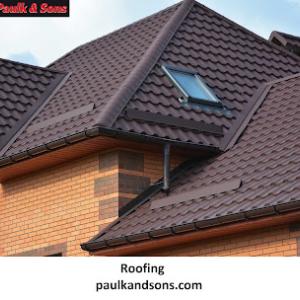
Lester F Paulk & Sons
(727) 937-5082 paulkandsons.com
Serving
5.0 from 5 reviews
We provide high quality roofing repairs and re-roofing services. Call us
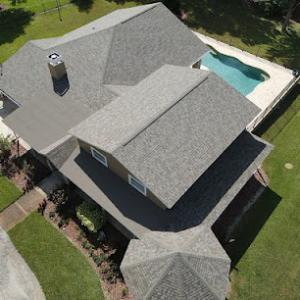
Brad McDonald Roofing
(727) 856-7663 www.bradmcdonaldroofinginc.com
Serving
4.7 from 166 reviews
Third generation family owned business.
Everything Exterior Roofing
(727) 389-3132 www.everythingexteriorroofing.com
Serving
5.0 from 5 reviews
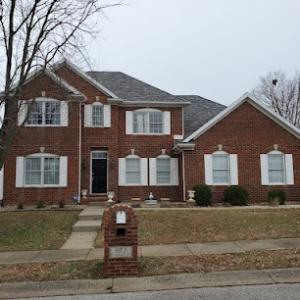
Everything Exterior Roofing is a Owens Corning Platinum Preferred contractor offering residential and commercial roofing services in New Port Richey, Florida. With our lifetime warranty we provide peace of mind for homeowners, "Make your next roof your last roof". We specialize in repairs, replacements and new installations. Call For a Free Quote today.
A-1 Roofing
(727) 375-6861 a1roofingpros.com
Serving
5.0 from 54 reviews
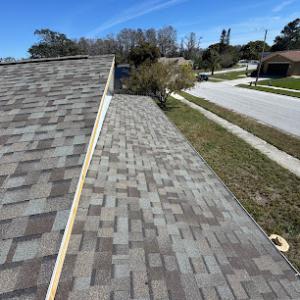
A-1 Roofing is your trusted roofing contractor serving Pasco, Hernando, and Pinellas counties. We specialize in roof repairs, full roof replacements, new installations, storm damage restoration, and flat roofing for both homes and businesses. Our experienced team is dedicated to quality workmanship, honest service, and ensuring your roof protects your property for years to come. Contact us today for a free estimate or to discuss any roofing questions!
Asphalt shingles remain a dominant option, but in Holiday the heat, humidity, and frequent summer downpours take a toll. Granule loss tends to accelerate when shingles bake in the sun and then get drenched by sudden downpours, so you'll notice granules washing into gutters sooner than in milder climates. Seal-strip fatigue can show up after several years of sustained heat cycles, which means reroof timing becomes more critical here. If asphalt is your plan, look for heat-reflective options and ensure a robust underlayment with a credible wind warranty. A close eye on any curling or edge lift after storms helps prevent leaks that could worsen during a Pasco County wind event. Regular inspection after heavy rains is key to catching early signs of wear before a leak becomes a bigger issue.
Metal roofing has strong local relevance because homeowners often weigh wind performance, lower maintenance, and insurer perception against a higher upfront cost. In Holiday, a well-installed metal roof can resist wind-driven debris and minimize radiant heat absorption, which helps keep attic temperatures manageable. The trade-off is everything else: installation quality, panel seams, and fastener corrosion in a humid environment. If choosing metal, verify a design that accommodates thermal expansion and use moisture-resistant underlayment to fend off condensation. While some insurers view metal favorably for wind resistance, document the roof's fastening pattern and metal color choice, as these details can influence both performance and perception after a storm. Regularly scheduled inspections should still focus on fastener integrity and flashing in corners, around chimneys, and near vents.
Clay and concrete tile are established choices in the market, offering durability and a classic look. However, their weight requires a robust supporting structure and reliable underlayment; in a hurricane-prone setting, underlayment becomes a critical line of defense against water intrusion during heavy rain. Tile breakage risk rises during storm repairs, so when a storm necessitates partial replacement, ensure you have qualified installers who can handle tile removal and reinstallation without compromising neighboring sections. In Holiday, consider coatings or secondary barriers in high-heat months to mitigate expansion stress. If a tile roof sustains damage, prompt evaluation is essential to prevent water from migrating beneath the surface, where humidity can accelerate deterioration.
Given Pasco County's exposure to wind-driven storms, documenting damage after every event matters. Keep a simple log of shingle or tile displacement, flashing gaps, and any attic condensation or musty odors after rain. This log supports rapid leak response and helps when filing insurance claims. For all roof types, maintain a clear path from gutter outlets to downspouts so that heavy rainwater can evacuate efficiently, reducing backup and potential water intrusion into soffits and ceilings. Regularly remind yourself that Holiday's weather patterns demand proactive checks-especially after summer downpours and hurricane season-to protect your roof's long-term performance.
In this area, the humid environment combined with repeated wetting from summer storms can push underlayment, flashing laps, and decking moisture issues to the surface quickly during tear-off. A roof that looks solid from the street can hide a sagging or delaminating layer beneath if the underlayment has been compromised by repeated soak-and-dry cycles. When a contractor pulls shingles and exposes the deck, you may find soft spots, cupping, or dark staining that signals hidden rot. The consequence is not merely a damp attic; it can mean accelerated deterioration of structural components if moisture wicks into sheathing or framing. The best defense is proactive moisture checks during any tear-off, with close attention to edges around vents, valleys, and exhaust penetrations that often reveal trouble first.
Wind-driven rain near the Gulf side of Pasco County tends to expose vulnerabilities around penetrations, valleys, and roof-to-wall transitions long before a roof appears failed from the street. A small leak at a chimney flashing or around a dormer can become a larger interior issue after a few strong gusts pushing water sideways under laps. In practice, that means you should inspect these zones after storms, even if the surface looks intact. Verify sealants are still pliable, flashing is tightly anchored, and there are no gaps at saddle vents or boot flashing. If a leak seems to originate around a roof-to-wall transition, check the counterflashing and any caulk lines-they are common failure points that local homes often overlook during a quick visual from ground level.
Tile systems in Holiday can remain visually attractive while the waterproofing layer beneath them ages out, making underlayment condition a more important issue than surface appearance alone. Clay and concrete tiles shed water well on the surface, but if the underlayment has degraded, water can work its way upward and sideways under the tiles. In practice, that means visible granule loss or cracking on the tile surface may be a red herring; the true risk sits beneath. When a roof is resealed or retiled, insist on inspecting and replacing the underlayment if it shows any signs of wear, puncture, or delamination. Hidden moisture buildup under tiles can lead to attic stains, musty odors, and warped sheathing if left unaddressed.
After a significant storm, your priority is rapid leak documentation and timely response. Take clear photos of any staining, sagging, or new wet spots, and note the location relative to penetrations, valleys, and transitions. If shingles lift or flashing lifts at edges, address them promptly or arrange a temporary cover to prevent further water intrusion. Delays in addressing even minor leaks can escalate into attic mold, compromised insulation, or rot in the decking. A steady, cautious approach-assessing where the water likely traveled and reinforcing the most vulnerable points-helps prevent incremental damage from becoming a costly repair later.
Find contractors experienced in skylight installation, flashing, and leak repairs to bring natural light into your home.
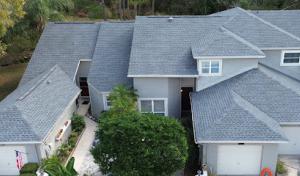
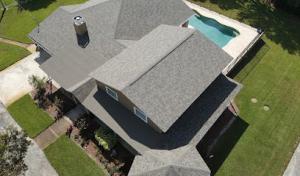
Holiday sits in Florida's high-claim roofing environment, where wind and storm losses heavily influence underwriting, premium changes, and roof-age scrutiny. That reality shows up in how insurers view your roof after a big gust or downpour: a young, well-documented roof can still be a safer risk than an older one with gaps or delayed maintenance notes. If a claim becomes necessary, the insurer will scrutinize the roof's history, age, and how consistently it's been cared for. Being proactive about documentation can prevent surprises when your policy is renewed or when a new carrier evaluates risk.
Insurers serving Holiday homeowners may request wind mitigation or other roof documentation, making permit records, inspection signoffs, and photo evidence especially valuable after storms. Have a clear set of records ready: dated photos of the roof from multiple angles, timestamps from storm damage, and notes on any prior repairs or upgrades. When a storm hits, quick, organized evidence can shorten claim timelines and reduce the chance of disputes over what happened and when. If a prior wind mitigation feature exists, keep that paperwork accessible and up to date so the adjuster can see a proven improvement in wind resistance.
Because Florida carriers have tightened coverage and pricing in recent years, homeowners often need to think about insurability and future premium impact when choosing between repair and full replacement. A repair that doesn't address underlying wind vulnerabilities may be judged less favorably than a complete replacement that brings a roof up to current wind standards. Consider not just the immediate leak fix, but how the repair or replacement stands up to Pasco County wind-driven storm exposure in the long term. Be prepared to discuss the roof's age, materials, and any upgrades with your insurer so coverage remains reliable as storms remain a constant in this area.
Connect with contractors who help homeowners navigate the claims process from damage assessment to final approval.
Steadfast Roofing
(727) 594-9029 steadfastroofingfl.com
5507 Front Dr, Holiday, Florida
5.0 from 95 reviews
Elevate Roofing & Solar
(727) 457-4238 elevateroofingandsolar.com
3716 Beechwood Dr, Holiday, Florida
4.9 from 67 reviews
Flat and low-slope roofing is a meaningful specialty in this market, and it shows up in homes with roof areas that collect water after heavy summer downpours. When ponding occurs, moisture sits against the membrane and flashing longer than it should, speeding wear and potential leaks. In practice, inspect after a storm for standing water near edgebands, parapet walls, and any low spots. If pooling is visible, plan a prompt assessment to confirm slope integrity and address shallow depressions or sagging decking before a follow-up rainfall.
Holiday's repeated thunderstorm pattern can expose drainage weaknesses quickly on low-slope sections, especially when debris and moisture linger in humid conditions. Check gutters, scuppers, and internal gutters for logs, leaves, and pine needles after every heavy rain. Ensure downspouts terminate away from foundations and that membrane edges aren't blocked by yard debris or vegetation. A simple visual sweep of the drainage path after storms helps catch problems before they propagate into leaks.
Low-slope transitions tied into pitched roof sections often require more careful leak diagnosis than simple shingle-only systems. Pay attention to all flashing at transitions: parapet-to-mroof seams, skylight rails, and where vents pass through the deck. In practice, run a close look along countersunk fasteners and seam runs. If flashing shows oxidation, lift, or lifted edges, flag for resealing or re-flashing before a rain event arrives.
Treat every damp spot or fingerprint on the ceiling as a potential low-slope issue, not a mystery. Track the leak path from the interior outward, noting dry times and wind-driven patterns. When a leak is suspected, dry the area, document damage with photos, and coordinate a temporary patch if severity warrants. In heavy-weather windows, a rapid response plan minimizes interior damage and supports insurance documentation.
Find specialists in TPO, EPDM, and built-up flat roofing systems for residential and commercial properties.
Elevate Roofing & Solar
(727) 457-4238 elevateroofingandsolar.com
3716 Beechwood Dr, Holiday, Florida
4.9 from 67 reviews
In Holiday, solar roofing shows up in the local contractor mix but isn't the dominant driver for most homes. That means planning should treat solar as a secondary issue rather than the primary roof decision. The practical implication is to align solar attachment details with existing roof conditions, not the other way around. When solar considerations arise, prioritize secure deckwork, unobstructed rafter access, and clear pathways for electrical conduit that won't complicate future reroof work. The goal is to avoid backtracking if a quick storm-driven repair becomes necessary after a heavy downpour.
In this storm-prone environment, reroof timing matters. Before peak hurricane-season weather arrives, there should be a clear plan for re-cover or replacement that accounts for Pasco County's wind exposure. The timing should allow for an orderly sequence of tear-off, underlayment installation, and phased roof application so a temporary patch isn't relied upon during June through September. If solar is already in the plan, ensure the roof deck is fully inspected and any prior moisture concerns documented, because a solar retrofit will complicate access and attachment if a leak is discovered late in the season.
Permit sequencing matters more when roof replacement and solar work overlap, since reroof inspections must still be completed at required milestones. Plan a sequence that isolates roof tear-off from solar installation where possible, with a clean handoff point for electrical work. Ensure the roof sheathing is dry and free of loose fasteners before solar mounting brackets go on. In windy coastal conditions, secure temporary protection for exposed decking during any gap in trades, and document any wind-driven damage promptly. A well-timed schedule reduces the risk of weather-driven delays and helps keep both reroof and solar projects on track for a smoother, storm-ready result.
Find contractors who integrate solar panels or solar shingles into your roof for long-term energy savings.
Steadfast Roofing
(727) 594-9029 steadfastroofingfl.com
5507 Front Dr, Holiday, Florida
5.0 from 95 reviews
Elevate Roofing & Solar
(727) 457-4238 elevateroofingandsolar.com
3716 Beechwood Dr, Holiday, Florida
4.9 from 67 reviews