
Last updated: Apr 19, 2026
Odessa sits in the Tampa Bay inland storm belt where summer thunderstorms and hurricane-season bands can produce sudden wind-driven rain even when the storm center is not directly overhead. That means you can wake to soaking ceilings from a storm that wasn't on the radar an hour earlier. The first priority is a quick, safe assessment to identify active leaks and visibly damaged roof areas. Start inside at the highest level possible-the attic or top floor-looking for fresh water trails, darkened plywood, damp insulation, or warped decking. If you see fresh water intrusion, treat it as an active leak that needs covering and temporary protection immediately. On the exterior, scan for lifted shingles, cracked tiles, or missing flashing around vents, skylights, and chimneys. In Odessa, where heavy tile and shingle styles are common, you'll want to verify that ridge caps and hip tiles aren't displaced, and that metal step flashing has not been torn loose by wind gusts. Time matters: delayed action can allow wind-driven rain to infiltrate decks and underlayments longer, compounding damage.
The area's wet season can keep roof decks, underlayments, and attic spaces damp longer, so leak tracing and temporary dry-in work often become scheduling bottlenecks after storms. Begin with the most accessible, likely entry points: penetrations around vents, chimneys, and attic access doors. Use a tarp or heavy-duty roof plastic with wooden battens to corral water flow and create a temporary dry-in over the most exposed sections. Secure tarps with rocks or weights and, if possible, clamp or rope them tight to resist wind gusts. While you're tarping, place buckets or receptacles under drips to avoid indoor water damage, labeling them for ease of cleanup later. If insulation or decking is visibly soaked, prioritize drying and temporary sealing to reduce further risk of mold, rot, and compromised attic ventilation. In this climate, it's common for underlayment to stay damp for days, so plan for staggered, short-on-time dry-in iterations rather than a single, prolonged fix.
After a tropical event in this area, insurers expect a documented trail of damage and timely communication. Photograph every affected area from multiple angles, including close-ups of leaks around penetrations and the condition of shingles, tiles, and flashing. Keep a dated log of when leaks were first noticed, when tarping began, and when temporary repairs happened. If you have visible roof hardware damage or displaced flashing, include scanner or drone footage if available, but do not attempt dangerous inspections from edges or scaffolding. Save all receipts for any temporary repairs, tarping materials, or emergency services, as insurers often require documentation of the steps taken to mitigate further damage. Quick, organized records help avoid disputes about causation and scope and can expedite claim handling during a busy storm season.
There is unusually strong prevalence of storm-damage and emergency-repair contractors serving Odessa homeowners after big events. When selecting a contractor, verify credentials, look for local references, and confirm they can provide rapid mobilization and on-site assessment without delaying critical drying work. Ask for a transparent plan that includes temporary dry-in steps, schedule milestones, and a clear path to permanent restoration once dry conditions return. Given the inland storm belt realities, you want a team that respects both the urgency of leak control and the precision needed for the specific roof types common in master-planned subdivisions and rural estates. If you're coordinating with an insurer, ensure the contractor can align with your claim needs and provide detailed scope documentation for the loss assessment. Acting decisively now minimizes damage and helps secure a stronger, longer-lasting repair once calm weather returns.
Odessa presents a mix of suburban streets and larger rural estates, so you regularly compare asphalt shingles against heavier tile systems for how they look and how they sit on the roof deck. Asphalt shingles offer a familiar, low-profile appearance and are easier to retrofit with less structural change if a house has existing plywood and rafter spacing that isn't premium. Heavier clay or concrete tile, by contrast, creates a more formal, durable silhouette but tests the roof structure due to the added weight. If the attic or ceiling framing isn't already rated for heavier loads, you'll want a professional assessment before selecting tile. In towns where HOA aesthetics push toward a uniform look, keeping to clay or concrete tile can be advantageous, but it may require reinforcing or redistributing load where the deck wasn't prepared for it.
Hot, humid summers and frequent thunderstorms shape how each roof type ages. Shingles tend to lose granules and curl as granule coverage wears away, but modern asphalt options can be integrated with underlayment systems designed to resist moisture infiltration. Tile systems resist wind and impact better when installed with correctly rated fasteners and proper batten spacing, yet their performance hinges on a solid substrate and meticulous sealant joints at hips and ridges. In rural-style properties, the extended exposure and wind blasts from storms can also stress tile roofs through cracked or displaced tiles if the underlying roof deck wasn't conditioned to handle the load. For those who want the look of tile without the extra weight, synthetic or composite shingles offer a compromise that mimics the appearance while maintaining a lighter footprint, though color fastness and reflective properties should be evaluated in the context of a sunny gulf-coast climate.
In subdivisions, clay and concrete tile are established local choices, but their weight and repair complexity matter more when replacement must match HOA-driven aesthetics. If a neighbor replacement is planned, consider whether matching tile profiles and colors will support the overall streetscape. In larger rural properties, the same tile options can be attractive but may require more frequent inspection after storms, since open exposures and hillside placements can intensify wind-driven debris impacts. For those with mixed roof lines or multiple structures, consistency in tile type within the same property can reduce the risk of differential movement or water leakage at transitions. When choosing between asphalt and tile in these settings, a practical approach is to align with the home's structural capacity first, then assess how the roof family's visual weight affects curb appeal and resale value.
The persistent heat and humidity accelerate wear across all shingle and tile systems, but the failure modes differ. Asphalt shingles often show edge curling or accelerated granule loss after a few hot seasons, which can compromise surface protection if left unchecked. Tile systems may require more frequent inspection of mortar joints (for concrete tile) and flashing around vents, chimneys, and skylights to prevent moisture intrusion, particularly after heavy storm events. Wood shingles or shakes add a warm, natural look but demand vigilant treatment for moisture and insect risk; in Odessa's climate, they can become brittle or suffer fast aging if made from lower-grade materials. Synthetic shingles provide a middle path, with good humidity resistance and simpler maintenance, though color fading and edge wear should be watched in the sun-drenched months.
After a tropical weather event, focus first on roof integrity: look for missing or displaced tiles, lifted shingles, or obvious leaks in the attic. Document damage with photos, especially at transitions, hips, and dormers, which are vulnerable points. If a homeowner's policy is involved, keep receipts and notes on the storm date, peak wind speed, and any hail exposure. Understanding how each roof type ages under Odessa's climate helps you prioritize repairs that restore both performance and appearance, while ensuring the chosen roof remains compatible with the home's overall style and load-bearing limits.
In this area, the dry winter months are the most reliable window for a full roof replacement. Crews face fewer rain interruptions, and materials tend to dry faster when humidity drops. If a replacement project can be scheduled between late fall and early spring, you're more likely to avoid weather-related delays that push timelines out and complicate sequencing-like attic venting, deck drying, and underlayment application. The cooler, drier air also helps seal penetrations and flashing more predictably, reducing the chance of post-install leaks in the first hot spell.
Odessa's hurricane exposure can still wear down a roof quickly, but choosing a window with predictable conditions helps any tear-off and re-nailing work stay on track. When the crew finishes, expect a solid initial seal that stands up to the next few months of typical winter dryness, giving you confidence before the spring rains return.
During the summer wet season, heavy rainfall and high humidity can slow tear-off, deck drying, underlayment work, and final inspection timing. If a replacement must happen in this season, plan for potential pauses between critical steps-like removing old shingles, drying the deck, and installing underlayment. The heat and humidity can also affect adhesive properties and sealant curing, so scheduling with a contractor who can coordinate weather windows and protect unfinished work from sudden showers is essential.
To minimize disruption, consider staggering the project so the most vulnerable steps are completed during brief breaks in rain chances. Have a plan for securing exposed decking and underlayment during unexpected downpours, and confirm that the crew uses breathable underlayment to reduce moisture entrapment in lingering humidity.
Hurricane season can trigger weather delays and sudden spikes in contractor demand, which affects both lead times and timing for this type of project. If a replacement is timed near peak storm activity, you may face longer wait times for materials, more crowded scheduling, and higher fleet utilization on the busiest days. It helps to line up a reputable pro well in advance of the season and maintain open communication about anticipated weather-induced interruptions. If a storm hits, focus on protecting life-safety elements-adhesive layers, flashing, and venting-while planning a clear path to resume work as soon as conditions allow.
In practice, home systems should be evaluated for overall resilience before deciding to replace. If a roof shows recurrent leaks, widespread deck damage, or degraded flashing that can't be sealed permanently, replacement becomes the most efficient long-term solution, especially when storm risk remains elevated. This approach reduces the likelihood of multiple repair cycles and helps ensure the home is better prepared for the next hurricane season.
Get a clear picture of your project costs upfront - no commitment required.
Coastal Brothers Roofing
(727) 931-7663 coastalbrothersroofing.com
12898 Burns Dr, Odessa, Florida
5.0 from 364 reviews
Coastal Brothers Roofing is a trusted Tampa Bay Area roofing company, family-owned and operated, specializing in re-roofing and roof repairs. We install top-rated shingles like Tamko Titan XT and Owens Corning Duration and are both a Tamko Pro Certified Contractor and an Owens Corning Preferred Contractor. Our services also include concrete and clay tile roofing, custom-fit metal systems, and low-slope solutions like modified bitumen and single-ply membranes. We also offer roof coatings, gutters, soffit, fascia, and emergency tarping. As one of the best roofers near you, we take pride in delivering reliable, high-quality results. When searching for roofers near you, trust Coastal Brothers Roofing.
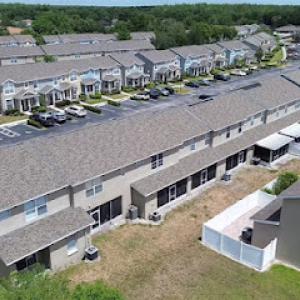
JAC Builders
(813) 920-9644 www.jacbuildersfl.com
16921 Gunn Hwy A, Odessa, Florida
5.0 from 274 reviews
With over 15 years of experience, JAC Builders, Inc. is a trusted leader in roofing across the Gulf Coast & Central Florida, servicing both residential and commercial clients. Our expertise covers roof replacements, storm damage inspections, and comprehensive general contracting, with a specialization in shingle, tile, and metal roofing systems. As an Owens Corning Preferred Contractor, we embody excellence and reliability. We're committed to integrity, transparent pricing, and ensuring customer satisfaction. Choose JAC Builders for your roofing needs to experience our dedication to quality and receive a free, thorough inspection
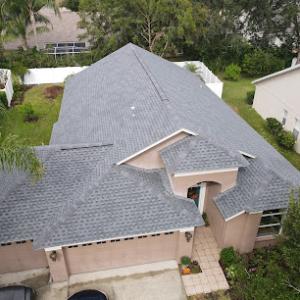
Tactical Roofing Company
(727) 404-8989 tacticalroofingcompany.com
11634 Pyramid Dr Suite B, Odessa, Florida
5.0 from 125 reviews
Tactical Roofing Company is your trusted partner for all roofing needs, offering a comprehensive range of services including new roof installation, roofing repair and roof replacement. As a leading roofing contractor, we specialize in asphalt shingle, metal, tile, and flat roofing, ensuring quality and durability. Our team of experienced roofing contractors is dedicated to providing expert craftsmanship. Whether you’re looking for a roofer company for new installations or efficient roof repair, we have you covered. We know how crucial it is to address roof repairs promptly to prevent further damage. Choose Tactical Roofing Company for professional, high-quality roofing solutions tailored to your needs. Contact us today to learn more.
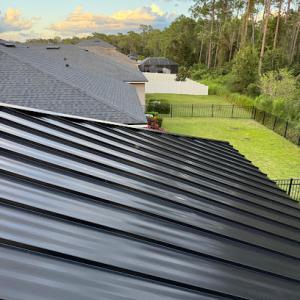
Legend Roofing
11515 Pyramid Dr, Odessa, Florida
5.0 from 77 reviews
Legend Roofing is a roofing contractor in Odessa, FL that services Tampa Bay and nearby areas. We take a specialized approach adding a personal touch to get your roof back to the best condition. And, while we are at it, we will try not to break the budget. Legend Roofing knows you don't always plan for a giant roofing repair. That is why we strive to maintain competitive prices, with financing options available. Contact your reliable Tampa Bay roofing company for a free estimate!
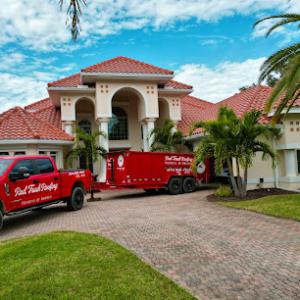
Red Truck Roofing
(813) 733-8725 redtruckroofing.com
8517 Gunn Hwy, Odessa, Florida
4.9 from 260 reviews
Roofing Contractor
Sharpe Roofing
(727) 375-7055 www.sharperoof.com
11206 Challenger Ave, Odessa, Florida
4.8 from 251 reviews
Established in 2006, Sharpe Roofing, provides roofing services to home and business owners in Pasco, Pinellas and Hillsborough counties. We strive to educate and provide "information vs speculation" when it comes to protecting homes and businesses from our serious Florida storms. We Specialize in Residential Roofing, Commercial Roofing, and Repairs as a Greater Tampa Bay Roofing Contractor! Established and Trusted Throughout the Bay Area GAF MasterElite Certified Roofing Contractor (steep & low slope) Polyglass Low Slope Certified Contractor Tile Roofing Alliance member & Certified Eagle Tile systems Contractor "A+" rating by the Better Business Bureau Licensed and Insured Shingle, Metal, Tile and Flat Roofs Easy Financing Options Available
HD Roofing & Solar
(813) 321-4751 www.hdroofers.com
11052 Challenger Ave, Odessa, Florida
3.8 from 10 reviews
We are the Roofing experts in Central Florida. We specialize in home storm restoration, roof repairs and replacement, residential solar installation company, interior restoration, gutters, and water mitigation.
Trinity Roofers
(727) 312-1359 www.trinityroofers.com
11339 Challenger Ave Suite103, Odessa, Florida
5.0 from 2 reviews
As a local roofing company located in the Trinity area, we take pride in providing the best roof replacements. Unbeatable customer service and quality craftsmanship set us apart from the other contractors in our field. Call today for a Free Inspection of your roof and gutters with no obligation to buy. Nations Roofing & Construction is licensed in the State of Florida.
PHS Roofing
(813) 682-7114 www.phs-roof.com
Serving
5.0 from 72 reviews
PHS Roofing proudly serves Odessa, FL and nearby areas with reliable, high-quality roofing services tailored to both homeowners and businesses. With years of experience under our belt, we specialize in roof repairs, full replacements, new roof installations, and emergency services. Whether it’s shingle, metal, tile, flat, or asphalt roofing, we have the expertise to handle it all. Our certified contractors also provide thorough roof inspections, gutter services, and storm damage repairs to keep your property protected year-round. We’re committed to honest advice, dependable service, and affordable solutions. Looking for a roofing company you can trust? Contact PHS Roofing today and let’s get your roof done right.
Suncoast Roofing Solutions
(813) 723-3262 www.suncoastroofingsolutions.com
Serving
4.9 from 151 reviews
Serving the Tampa area, we provide expert tile roofing services backed by decades of experience and superior craftsmanship. We specialize in concrete and clay tile roofing. Whether you need a new tile roof or repairs to your existing one, we’ve got you covered. We use top industry-standard materials to ensure you get a high-quality roof and a pleasant experience overall.

PITCH Roofing
(813) 797-4872 pitchroofing.com
Serving
5.0 from 42 reviews
We’re PITCH, a specialized roofing company that means business. Dedicated to doing things the right way, we don’t just build roofs. We build trust. Working hand in hand with our customers, we use transparency, honesty, and reliability to guide you through every step of your project. We’re good that way.
SCM Roofing
(855) 726-7663 scmroofingfl.com
Serving
4.9 from 237 reviews
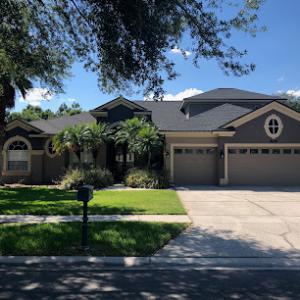
SCM Roofing is a locally owned and operated business by 2 best friends. They pride themselves on customer service and quality installation. The community is a large part of what drives SCM. They offer discounts for military service, first responders, teachers and seniors. Dedicated to continually growing, SCM offers the latest technology to customers and the best training for their employees.
A full roof replacement in Odessa typically requires a building permit through Pasco County rather than a separate city roofing department process. That means you and your contractor will coordinate with Pasco's permit system to ensure the project meets local wind, roof-to-wall connection, and drainage requirements. Because Pasco County administers the permit, the timeline and review criteria align with county-wide codes that reflect Florida's hurricane exposure and inland Gulf-coast conditions. Start by confirming your chosen contractor is familiar with Pasco's electronic workflow, since the online intake is where initial plans and storm-related details are submitted.
Permit applications are generally submitted through Pasco County's ePermits portal, which is the key administrative path Odessa homeowners and contractors use for re-roof work. In practice, this means your plan package should include a current wind mitigation acknowledgment, proof of licensed roofing professionals, and project details that show your chosen materials and attachment method. The portal guides you through required attachments and disclosures; dual filings for any accompanying porch or parapet work may be requested if those elements are tied to the roof replacement. If you encounter a hiccup, the county's permit staff can clarify whether additional documentation, such as impact-resistance reinforcement for openings, is needed before a permit can move forward.
Inspections commonly occur at pre-roof, underlayment, and final stages to verify Florida code compliance and wind-related installation requirements. The pre-roof inspection confirms site readiness and structural readiness, while the underlayment check ensures the correct moisture barrier and wind-resistance details are in place before shingle or tile installation begins. The final inspection verifies that the completed roof transitions, flashings, and penetrations meet code and that drainage and ventilation are properly addressed. Plan ahead for inspection windows, and coordinate access with your contractor so they can be on site when the inspector arrives.
Keep a tidy project folder with permit numbers, inspection appointment windows, and a clear record of all material substitutions. If the project scope changes midstream-such as switching to a different tile or shingle type-update the permit package promptly to avoid delays. Since Pasco County governs the process, staying aligned with county timelines and notification methods will help reduce rework. Finally, ensure the contractor uses proper wind-rated fasteners and adheres to Florida's wind-load requirements, which inspectors will verify during the staged visits.
When you price a replacement in this coastal inland climate, you'll see numbers swing primarily around asphalt shingles versus heavier tile profiles. The provided per-square ranges reflect typical Odessa projects: asphalt shingles often land toward the lower end, while clay, concrete, or slate-style options push higher. In practice, you're looking at roughly 350 to 700 USD per square for asphalt shingles, 900 to 1800 for clay tile, 800 to 1500 for concrete tile, 600 to 1100 for wood, 500 to 900 for synthetic, and 1400 to 2800 for slate. Heavy tile adds not just material cost but labor constraints, especially if a roof has complex geometry or matching an existing neighborhood style.
Tampa Bay storm cycles drive demand in the weeks following major weather events, and Odessa is no exception. After a hurricane or tropical storm, labor availability tightens and lead times extend, which can push replacement pricing upward even if the material itself sits near the lower end of its range. If your home uses asphalt, you'll typically see quicker scheduling and cost stability; heavier tile projects may experience more pronounced price pressure due to specialty tile handling and increased crane or crew time.
Labor efficiency matters in this county's drier season. Scheduling a roof replacement during the dry months can trim wasted downtime from rain interruptions and material exposure risks, helping crews stay on track and potentially limiting weather-related cost pressure. Wet-season delays not only extend project duration but raise costs from extra tarp work, temporary containment, and the added risk of tile breakage during installation.
Neighborhoods with uniform roof lines and tile-driven aesthetics will require careful color and profile matching. This can add cost pressure if the chosen material or color needs to be sourced to maintain a consistent street appearance. In Odessa, preserving curb appeal alongside storm resilience means balancing heavier tile choices with practical installs that respect the surrounding homes, which can influence both timing and price.
Don't let upfront costs delay a critical repair - these contractors offer payment plans to fit your budget.
JAC Builders
(813) 920-9644 www.jacbuildersfl.com
16921 Gunn Hwy A, Odessa, Florida
5.0 from 274 reviews
Sharpe Roofing
(727) 375-7055 www.sharperoof.com
11206 Challenger Ave, Odessa, Florida
4.8 from 251 reviews
Claim activity in this area moves with the seasons like the gulf front weather, and the storm exposure shapes how insurers see every roof. The condition of the roof can swing renewal terms and even the likelihood of policy continuation. A roof that shows its age or signs of recurrent wear after a tropical event is more likely to trigger higher scrutiny and tighter underwriting. The reality is plain: when a hurricane season looms, a roof's surface and structure become more than curb appeal; they become a data point that can influence coverage for years to come.
When pursuing storm-related roof claims or policy updates, readiness matters. Homeowners are often asked for detailed contractor invoices, a clear set of roof photos, and wind-mitigation-related documentation. In practical terms, this means keeping a well-organized record of recent work, dates of service, and the materials used. Photos should capture flashing, ridge lines, ventilation, and any visible wear at eaves and penetrations. Wind-mitigation forms can help demonstrate resilience; having them prepared in advance can expedite the process and reduce delays when a claim is triggered.
Recent insurer pullbacks and tighter policy terms in parts of Florida have made roof age, material choice, and documentation more consequential for Odessa homeowners than in lower-risk markets. The tighter backdrop means a mature roof or a choice that isn't clearly aligned with wind resilience can raise questions during claim review. If a policyholder has upgraded to a more wind-resistant option or addressed known weaknesses before a storm, it can ease later steps. Without that proactive documentation, experiences after a tropical event may extend into extended negotiations and slower settlements.
Keep a dedicated storm file: store invoices, contractor contact information, and dated before-and-after photos for any roof work. Photograph the entire expanse after a storm, focusing on corners, hips, and joints where wind damage tends to reveal itself first. Consider periodic wind-mitigation updates when renovations occur, and ensure the new details are filed with your records. In a market where insurers scrutinize roof details, clarity and preparedness can make a measurable difference when a tropical weather event happens.
Connect with contractors who help homeowners navigate the claims process from damage assessment to final approval.
Coastal Brothers Roofing
(727) 931-7663 coastalbrothersroofing.com
12898 Burns Dr, Odessa, Florida
5.0 from 364 reviews
JAC Builders
(813) 920-9644 www.jacbuildersfl.com
16921 Gunn Hwy A, Odessa, Florida
5.0 from 274 reviews
Tactical Roofing Company
(727) 404-8989 tacticalroofingcompany.com
11634 Pyramid Dr Suite B, Odessa, Florida
5.0 from 125 reviews
In this climate, the most common failures show up as lifted shingle tabs, cracked or displaced clay or concrete tiles, and underlayment that has begun to break down. Repeated thunderstorm exposure wears the roof at the edges and around flashing, letting moisture creep under layers you can't see from the ground. When you notice lifting or a gravelly feel on the surface, plan a careful inspection before the next front moves through.
Homes with skylights or complex roof geometry can be more vulnerable to leak paths during wind-driven rain events, especially in the Tampa Bay summer pattern that pushes rain diagonally. Valleys, low-slope transitions, and multiple roof planes create seams where wind can force water inward. In master-planned neighborhoods and rural estates alike, the choice of tile or shingle affects how robustly this area holds up after a storm.
Moisture-related wear is amplified by humidity and the seasonal rain cycle, making attic-side staining and slow leaks especially important to catch between major storms. Look for dark stains near penetrations, ridge lines, and vent areas. Condensation in the attic can mimic active leaks, so differentiate by tracking whether stains reappear after a dry spell.
After a severe shower, walk the interior attic access with daylight behind you to spot new staining. From the exterior, a careful visual scan around penetrations, flashing, skylights, and around chimney bases helps you decide if a professional assessment is needed before another storm hits. In neighborhoods with mature trees, check gutters for shingle granules and signs of shingle edge damage after each heavy rain. Stay vigilant through season.
Find contractors experienced in skylight installation, flashing, and leak repairs to bring natural light into your home.
JAC Builders
(813) 920-9644 www.jacbuildersfl.com
16921 Gunn Hwy A, Odessa, Florida
5.0 from 274 reviews
Sharpe Roofing
(727) 375-7055 www.sharperoof.com
11206 Challenger Ave, Odessa, Florida
4.8 from 251 reviews
Some Odessa properties include low-slope sections over lanais, additions, or mixed-design homes, which creates different drainage and membrane concerns than the main pitched roof. In those zones, the typical shingles or tiles must work in concert with the underlayment and flashing to manage rainwater as it moves toward soffit lines and gutters. When planning repairs, expect the possibility of additional membrane layers, specialized edge detailing, and careful seam transitions where a steeply pitched section meets a flatter surface. A careful assessment should map every transition, so the work plan treats these areas as distinct drainage zones rather than a single surface.
The broader Tampa Bay area's adoption of solar means some roofs in this market need planning that accounts for future panel placement, penetrations, and replacement sequencing. If panels are likely down the road, you'll want to plan for roof penetrations, secure variable spacing for mounting rails, and ensure that the chosen sealants and flashing keep moisture out around any future penetrations. When working on mixed rooflines, consider how panel geometry might intersect valleys, skylights, or dormers, and how future panel removal could affect adjacent roofing materials. A forward-looking plan reduces the risk of misaligned flashings or mismatched areas when panels arrive.
Because Odessa includes both newer subdivisions and larger custom homes, accessory features like skylights and mixed rooflines can complicate repairs and material matching. Skylights introduce additional seals and edge details that must be integrated with surrounding shingles or tiles to avoid leaks. Mixed rooflines demand careful matching of color, texture, and quarry of roofing material across different planes, so replacement materials blend rather than stand out. When repairs touch a skylight-or where a roofline changes pitch-double-check that flashing continuity and shingle or tile abutment are coordinated across all sections to maintain a consistent water barrier.
Find specialists in TPO, EPDM, and built-up flat roofing systems for residential and commercial properties.
Coastal Brothers Roofing
(727) 931-7663 coastalbrothersroofing.com
12898 Burns Dr, Odessa, Florida
5.0 from 364 reviews
Tactical Roofing Company
(727) 404-8989 tacticalroofingcompany.com
11634 Pyramid Dr Suite B, Odessa, Florida
5.0 from 125 reviews