
Last updated: Apr 19, 2026
June through November bring the peak of hurricane season, and Tarpon Springs sits on the Gulf side of Pinellas County. That coastal exposure means roof damage can come on quickly from tropical winds, driving rain, and salt spray. After a storm, rapid tarping and leak control move from "nice-to-have" to essential safety steps. The neighborhood fabric-tile and shingle roofs on aging frame homes, plus a scattering of metal and clay-faces wind-driven debris, uplift, and accelerated wear at every edge. When a storm hits, the clock starts ticking: the longer a roof remains exposed, the more interior damage can sneak down walls, rafters, and insulation. Local crews know the rhythm-calls spike, tarping crews mobilize fast, and replacement backlogs can form as insurers and suppliers scramble to meet demand.
In Tarpon Springs, contractors signal strongly toward emergency repairs rather than only planned replacements. The practical truth is that a sudden leak during a storm window is a volatility event for homes here; a fast dry-in can save thousands in downstream damage. If you experience wind-driven leaks, prioritize securing the most vulnerable zones first: roof valleys, hips, and any skylight or flat seam areas that salt-laden sea air can compromise. Even if a full roof replacement isn't immediately possible, a solid temporary fix-drainage ensured, exposed seams covered, and vulnerable penetrations sealed-buys critical time while you coordinate a longer-term plan. The goal is not perfection, but a stable interior environment through the next round of Gulf weather and the insurer's review process.
Prompt photo documentation matters more in this coastal market because wind-related claims and coverage scrutiny are elevated. After a storm, photograph both the wide roof view and the specific damaged spots from multiple angles. Include close-ups of shingles curled at edges, granule loss on asphalt, lifted metal panels, cracked clay or concrete tiles, and any interior water intrusion visible on ceilings or walls. Photograph your home's exterior surroundings as well-tree limbs, fence damage, and nearby structures that might have contributed to debris impact. Keep a dated log of what happened, when, and who you spoke with at all stages: insurer, adjuster, and contractor updates. This visual trail supports quicker claim judgments and reduces back-and-forth that can delay timely repairs.
Immediate action centers on creating a dry-in to protect interior spaces. Tarpon Springs homeowners should expect a fast-response approach: tarps secured over damaged areas, temporary patching at seams, and temporary protective coverings over attic accesses to curb additional moisture intrusion. While a full replacement may be months away because of supply and crew availability, a robust dry-in still matters for avoiding cascading damage inside walls and ceilings. Given the Gulf exposure, it's common for tarps to need re-securing after gusts, so plan for follow-up checks within 24 to 72 hours post-storm. If you have a home with clay or concrete tiles, temporary stabilization often involves careful re-threading or securing of loose pieces with wind-resistant fasteners-this is faster and safer than leaving loose components to become projectiles in the next squall.
Fast insurer notice matters more here, because wind-related claims are scrutinized and reviewed quickly in a hurricane season market. When damage is observed, notify the insurer promptly with your documented photos and a concise description of the damage and any interior impact. Request an adjuster appointment as soon as possible and share a clear timeline of the emergency repairs you've initiated, including the dry-in status and any temporary measures. Keep all receipts for emergency materials and labor; in a Gulf-front market, insurers often require justification of urgent work to prevent further damage. Finally, maintain a steady cadence of updates with your contractor and insurer to align expectations and avoid backlogs that can pull resources away from securing your home.
Salt spray and coastal winds in Tarpon Springs can accelerate corrosion on exposed metal components, flashings, and fasteners, making detailing and hardware selection especially important. When inspecting a roof after a storm, pay close attention to metal edges, chimney flashings, vents, and any screws or nails that tie into the deck. Choose fasteners with corrosion-resistant coatings and consider concealed or hidden-fastener options where possible to reduce salt exposure on exposed hardware. In areas that see the briny air most, prioritize stainless steel or enhanced galvanization, and confirm that flashings are continuous and well-sealed against salt-laden spray.
The local material mix is unusually broad for a single city, with asphalt shingles, metal, clay tile, concrete tile, wood products, and synthetic/composite roofs all present in the market. This diversity means choices should hinge on local storm history, maintenance capacity, and long-term resilience to salt and wind. Asphalt shingles are common for retrofit work and budget-conscious homes, but metal roofs can excel in curb appeal and wind performance when properly installed, especially for long straight eave lines and exposed gables where wind can rush along the soffit. Clay and concrete tiles bring lasting durability and a heavy, wind-friendly profile, yet require accurate rafter support and underlayment to handle seismic-like loads in hurricane events. Wood products bring a distinct look but demand rigorous termite and moisture management, plus higher maintenance near the coast. Synthetic or composite shingles can blend cost efficiency with improved resistance to cycles of heat and salt air.
Tile and metal have strong local contractor support, reflecting homeowner demand for materials that can perform in a coastal, storm-prone environment when properly installed. For metal roofs, confirm panel seams are clipped or interlocked to resist uplift, and that corner trims and end-lap details are sealed against salt intrusion. For tile roofs, ensure underlayment is robust and that battens are adequately spaced to prevent tile movement during gusts; improper spacing or underlayment gaps invite wind-driven water intrusion. If choosing wood or composite products, pay attention to freeze-thaw and salt exposure ratings, and insist on coatings or sealants designed for coastal environments. In all cases, insist on continuous roof-to-wall detailing that blocks wind-driven rain and reduces the number of penetrations that can invite leaks.
During hurricane season, a proactive maintenance routine beats reactive repairs. Before the first big front, walk the roof with a checklist focusing on loose flashing, lifted shingles, exposed fasteners, and degraded sealant joints. Keep a stock of matching fasteners and sealant for quick fix-ups that can minimize water intrusion during storms. After a storm, document damage with clear photos from multiple angles and store them in a dated, organized file ready for insurance documentation. Because the coastal climate can accelerate wear on metal components, keep a close eye on any flashing that appears corroded, and don't delay professional evaluation if unusual rust or bending is detected.
Tile and metal rotors and fasteners see stronger local contractor support because they respond well to coastal conditions, but installation quality remains the deciding factor. Look for installers who can demonstrate coastal-performance testing, wind uplift ratings, and corrosion-resistant detailing. Request references from nearby homes with similar exposure, and verify that the crew will address edge harmonization, flashing continuity, and roof-to-wall interfaces in a way that minimizes salt ingress. The goal is a durable setup that maintains a tight seal through salt spray cycles and seasonal storms, with attention to long-term maintenance that keeps the roof performing as intended year after year.
The most predictable roofing work window in Tarpon Springs is generally the drier November-April period, when heavy thunderstorm interruptions are less common. Scheduling during these months helps crews complete tear-off, dry-in, and finish stages with fewer weather-related interruptions. For homes with clay or concrete tile, this window matters even more, since installation tolerances rely on stable humidity and cooler temps to set underlayment and fasteners correctly. If a roof needs a full replacement, aim to lock in a start date that follows a string of dry days and avoids early cold snaps or late-season heat spikes. In practice, you want the forecast to show several consecutive days of low rain risk, with daytime highs comfortable enough to work without extreme heat stressing materials or crews.
July through September bring heat and humidity that complicate scheduling and material handling, especially on longer tear-off and dry-in sequences. Tarpon Springs roofs contend with high salt content in the air, which accelerates corrosion on metal components and fasteners when humidity stays elevated. In this period, plan for longer installation timelines and potential midday work pauses to protect crews from heat illness and to prevent shingles or tiles from curling or expanding unevenly as temperatures swing. If a project starts in midsummer, expect more frequent shop visits for material adjustments and more attention to securing battens, underlayment, and sealants against persistent moisture. A practical approach is to stagger days for roof work and keep sequence tight so sections aren't left exposed to sun and humidity longer than necessary.
Homeowners who wait until or after named storms often face tighter contractor availability and slower project starts because emergency work surges locally during hurricane season. The delay isn't just about rain; it's about prioritizing emergency repairs for damaged properties and the logistical squeeze on crews and materials. If a storm watch is issued, communication with the contractor should include clear expectations for prioritization, contingency timelines, and what portions of the roof can be safely secured if access becomes limited. For a roof replacement planned in Tarpon Springs, consider aligning the project to begin before peak hurricane-season activity, but avoid pushing into the months when supply chains and crews shift focus to storm response. A well-timed start after a credible dry period can reduce the risk of weather-driven interruptions and keep cadence steady through the critical early weeks.
Begin by assessing roof condition with a local pro who understands coastal wear patterns-salt exposure, wind-driven debris, and tile or shingle delamination. Use the dry season to verify attic ventilation, underlayment compatibility, and the ease of access for equipment and crane or scaffold setup if needed. Have a contingency plan for heat and humidity risks during mid-summer, including shaded staging areas, hydration protocols for crew, and daily start times that avoid peak heat. When storms loom on the horizon, confirm responsiveness and mobilization priorities with the contractor so that securing materials and protecting interior space remains a shared responsibility. For most Tarpon Springs homes, aligning a re-roof project with a predictable dry window while keeping a flexible buffer for weather events yields the smoothest execution and minimizes disruption to daily life.
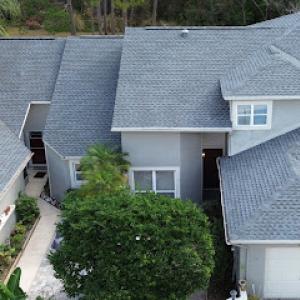
Storm Peak Roofing
(727) 937-7325 stormpeakroofing.com
220 S Safford Ave, Tarpon Springs, Florida
5.0 from 157 reviews
If you've noticed a problem with your roof, you should get in touch with a roofing contractor right away. Storm Peak Roofing can restore your roof to keep it in good shape. We'll find the issue and fix it ASAP so you don't have to worry about rainwater seeping into your home.
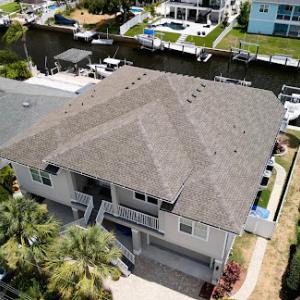
Arry's Roofing Services
(727) 938-9565 www.arrysroofing.com
401 E Spruce St, Tarpon Springs, Florida
4.8 from 1690 reviews
Welcome to Arry's Roofing! We are a family-owned and operated company that is committed to excellence in roofing. We pride ourselves on being the Platinum Roofing Company of the Tampa Bay Area. We always welcome new members - our customers - into the "Arry's Roofing Family."

Good2Go Roofing & Construction
(855) 766-3246 www.g2groofing.com
113 E Lime St, Tarpon Springs, Florida
4.8 from 113 reviews
Good2Go Roofing and Construction is a veteran-owned company with over 60 years of combined experience in roofing and construction. Our team includes licensed adjusters, allowing us to work seamlessly with insurance companies to ensure homeowners receive the proper care and solutions they need. From roof repairs to full replacements and construction services, we deliver top-quality workmanship and exceptional customer service you can trust.
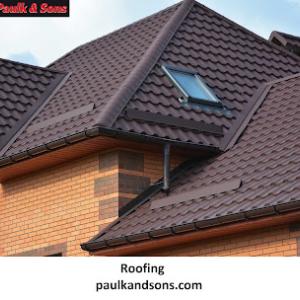
Lester F Paulk & Sons
(727) 937-5082 paulkandsons.com
Tarpon Springs, Florida
5.0 from 5 reviews
We provide high quality roofing repairs and re-roofing services. Call us
Spartan Roofing & Restoration
(813) 618-7663 www.spartanroofingusa.com
905 E Martin Luther King Jr Dr Suite 350, Tarpon Springs, Florida
4.6 from 9 reviews
At Spartan Roofing and Restoration, we pride ourselves on our unwavering commitment to excellence, integrity, and customer satisfaction. As a premier roofing service provider, we understand the importance of a sturdy, reliable roof to protect your home or business.
Steadfast Roofing
(727) 594-9029 steadfastroofingfl.com
Serving
5.0 from 95 reviews
Steadfast Roofing is a local, family-owned roofing company founded on faith, transparency, and honesty. As certified roofing contractors, we have the training and experience to handle all your roofing needs. At Steadfast Roofing, we aim to educate our potential clients about their roofing projects by providing a consultative approach to handling whatever issue they face with their roofs. We are the top roofers in Tampa Bay, serving New Port Richey, Holiday, Clearwater, St. Petersburg, and surrounding markets. Our roofers specialize in offering affordable residential roof replacements. We use only the best quality materials, like asphalt shingles from top manufacturers like Atlas, IKO, and Owens Corning!
Reefside Roofing
(727) 618-3111 reefsideroofing.com
Serving
5.0 from 24 reviews
Reefside Roofing is the leading roofing contractor in Pinellas, Pasco, and Hillsborough Counties, Florida, dedicated to delivering exceptional results for all roofing projects. With over three decades of industry expertise, they specialize in providing comprehensive residential and commercial roofing solutions. Reefside Roofing takes pride in their commitment to quality craftsmanship and customer satisfaction, ensuring a secure and aesthetically pleasing roof for each project they undertake.
No 1 Home Roofing
(727) 781-7663 www.no1homeroofing.com
Serving
4.8 from 557 reviews
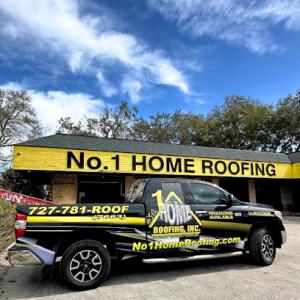
No. 1 Home Roofing is a family owned and operated roofing company and are conveniently located on US Highway 19 in Palm Harbor, Florida. We are dedicated to providing top quality workmanship and materials to ensure that your new roof is done right. Your peace of mind is important to our family! We specialize in shingle, tile, and flat roof installation, repairs, and maintenance. We offer competitive prices and written guarantees, and provide customer friendly service from out entire staff. We make it a point to provide helpful information and knowledge to educate our customers and address all individual needs and requirements.
Pasco Roofing Companies
1207 Crossbow Ln, Tarpon Springs, Florida
5.0 from 1 review
Our insured professional craftsmen with many years of experience in roofing repairs and complete roof replacements. Here at Pasco Roofing Companies provide residential and commercial roof repairs, roof replacements, and gutter installation to Pasco, Pinellas, and Hillsborough Counties of Florida. Pasco Roofing Companies is proud to serve the areas of Pasco and Pinellas including New Port Richey, Holiday, Tarpon Springs, and surrounding areas. Pasco Roofing Companies takes pride in your home as if it were our own roof repair or roof replacement. Our roofing professionals are highly skilled roofing installers who are trained, insured, and bonded for your protection. Pasco Roofing Companies will bring you our best, starting with the basics.
Elevate Roofing & Solar
(727) 457-4238 elevateroofingandsolar.com
Serving
4.9 from 67 reviews
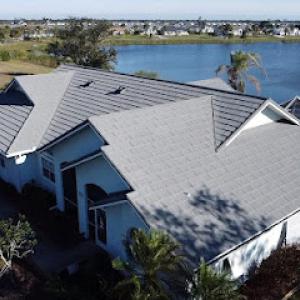
Elevate Roofing and Solar is a top-rated roofing company in Holiday, FL, serving New Port Richey, Tarpon Springs, Palm Harbor, and nearby areas. If you're looking for a roofer near me, we provide expert roof replacements, including shingle, metal, tile, and flat roofing. We also offer professional solar panel installation and full solar system setups including battery backups to reduce your energy costs. Our team specializes in durable, energy-efficient roofing and solar installation in Holiday and surrounding counties. Trust Elevate Roofing and Solar for quality workmanship and dependable service. At Elevate Roofing and Solar, we bring reliable, high-quality roofing and solar solutions to homeowners and businesses across Holiday, Florida,

CES Roofing
Serving
4.9 from 70 reviews
CES Roofing is Palm Harbor’s go-to commercial roofing specialist, serving businesses across Florida and Texas. With over 12 million square feet installed, we provide expert solutions for TPO, metal, modified bitumen, SPF, roof coatings, and emergency dry-in services. Our Commercial Roof Concierge approach ensures proactive maintenance, expert repairs, and long-term planning for property managers and building owners. We also specialize in waterproofing, storm damage repair, and comprehensive roof maintenance. To ensure lasting protection, we offer renewable labor and manufacturer warranties. Contact us today to schedule a free roof inspection and learn more about our customized commercial roofing solutions.
Team Armored Roofing & Construction
(727) 251-9288 teamarmored.com
Serving
4.6 from 190 reviews
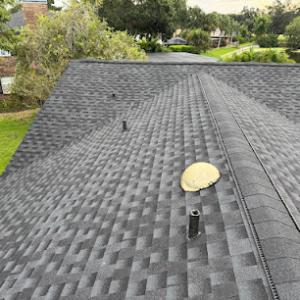
Welcome to Team Armored Roofing, where every nail is driven with precision and every customer is a hero in our story. With a steadfast commitment to unparalleled attention to detail and unwavering dedication to customer service, we don't just fix roofs; we safeguard homes and protect dreams. Join us, where every project is a testament to our pledge: to be the steadfast guardians of your shelter, ensuring your peace of mind under every sky.
The permit process for a full roof replacement in this coastal community is handled by the City of Tarpon Springs Building Department. Before any tear-off begins, you complete the required permit application, share project details, and confirm the scope with your roofing contractor. The local code officials expect a clear plan that accounts for storm-season readiness, corrosion resistance, and proper attachment to withstand Gulf-front winds. Starting the process early helps prevent delays once the work is ready to start and ensures a smoother path through the inspections that follow.
Inspections in Tarpon Springs are staged around key milestones rather than relying on a single closeout visit. After the permit is issued and the old roof is removed, an inspection should verify the underlayment installation meets the specified moisture barrier and wind-driven rain standards. A subsequent inspection focuses on the decking condition, fastener patterns, and alignment of roof edges, ensuring the deck is sound and ready for the chosen roof system. Finally, a completion inspection confirms that the entire system-from underlayment to flashing to ridge caps-has been installed correctly and complies with local wind resistance and corrosion controls. This staged approach helps address unexpected issues promptly and reduces the chance of rework after the job appears finished.
Wind mitigation documentation plays a central role in the local compliance process. The authority often reviews this paperwork as part of confirming the reroof details that move through permitting and inspections. Prepare to document roof sheathing type, nailing patterns, roof-to-wall connections, and any applicable features like hip-and-ridge closures or additional fastener reinforcement. The goal is to demonstrate that the roof structure will resist elevated wind pressures during hurricane season, and that the chosen materials and fasteners meet or exceed code expectations for this Gulf-exposed area.
To keep the process moving, maintain organized records of permits, inspection approvals, and any amendments requested by the building officials. Your contractor should provide written confirmations after each milestone, including notes about underlayment type, decking condition, and flashing specifications. Coordinate any required tests or additional documentation promptly, as delays at one milestone can cascade into schedule disruptions. In practice, this approach supports timely weather-ready roofing and a compliant, durable result.
Tarpon Springs homeowners operate in a coastal Florida insurance market where wind and hail claim activity runs higher and underwriting expectations are tighter by design. The Gulf-front exposure and salt-air corrosion intensify wear on roofing components, and carriers watch for how a roof is attached, how well it resists uplift, and how prepared the home is for quick storm response. When informing decisions about replacement or repair, expect that the aging of a roof, the quality of its attachments, and the presence of documented mitigation measures can influence both insurability and the trajectory of premiums. The storm season adds a layer of urgency to these conversations because a single event can ripple into coverage delays or claim friction if the roof is not aligned with modern expectations.
Because wind mitigation documentation is part of the local reroof conversation, you should approach records as part of everyday upkeep, not an afterthought. Gather and maintain permit records, inspection signoffs, product information, installation details, and any retrofit notes in a centralized place. Photos that show rafter or deck attachment quality, fastener counts, and the presence of protective underlayment become practical references when a sudden loss occurs. A well-organized file set helps you demonstrate resilience to insurers after a storm, rather than scrambling to reconstruct a narrative when time matters most.
Keep a running log of what is installed and how it's secured, especially if your roof edges are coastal-facing or near salt-exposed substrates. When considering a reroof, prioritize materials and attachment systems with proven performance against uplift and wind-driven debris, and ensure that the overall package aligns with the expectations of the major local carriers. In the event of damage, having detailed product specs, installation dates, and mitigation features ready speeds up documentation and supports a clearer appraisal path, reducing the likelihood of coverage gaps when wind and storm pressures peak.
Connect with contractors who help homeowners navigate the claims process from damage assessment to final approval.
Arry's Roofing Services
(727) 938-9565 www.arrysroofing.com
401 E Spruce St, Tarpon Springs, Florida
4.8 from 1690 reviews

Good2Go Roofing & Construction
(855) 766-3246 www.g2groofing.com
113 E Lime St, Tarpon Springs, Florida
4.8 from 113 reviews
Typical local cost ranges run about $350-$750 per square for asphalt shingles, $700-$1200 for metal, $900-$1600 for clay tile, $900-$1700 for concrete tile, $650-$1100 for wood shingles or shakes, and $400-$800 for synthetic/composite shingles. In this market, costs can creep higher when storm-driven demand spikes labor availability and dry-in crews, or when material lead times stretch longer than usual. The final price often reflects more than the sticker price of the chosen product; installation intricacies and site conditions can add up quickly.
Coastal detailing needs push pricing beyond a straightforward material estimate. Corrosion-resistant components are a prudent upgrade, especially where salt spray and humid air are constant. Wind-focused installation upgrades matter, given hurricane-season winds, which can require reinforced fasteners, better underlayment, and higher wind-rated shingles. During a tropical weather pattern, expect crews to allocate more time for staging, weather windows, and safety checks, all of which factor into the bottom line.
When budgeting, compare products not only by cost per square but by wind resistance, salt tolerance, and long-term maintenance needs common to sponge-dock-era architecture. If the decking is older, add a contingency for decking inspection and possible repairs uncovered during the project. For asphalt, plan for seasonal price fluctuations; for concrete or clay, reserve extra time and budget for potential tile handling challenges in coastal applications. In practice, a homeowner should expect the final project price to reflect both material choice and the extra coastal detailing required for a durable, storm-ready roof.
Get a clear picture of your project costs upfront - no commitment required.


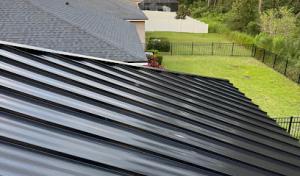
Tarpon Springs has enough tile and metal specialization in the contractor base that homeowners should expect material-specific diagnosis rather than one-size-fits-all repair advice. When a contractor arrives, expect questions and testing that reflect actual material properties-fasteners, underlayment, and metal coatings are treated differently from asphalt or composite options. A precise assessment shortens repair cycles and reduces the chance of repeating leaks.
Low-slope and flat-roof expertise is also meaningfully present in this market, which matters for homes, additions, lanais, and mixed-roof layouts common in coastal Florida housing stock. On these surfaces, look for evidence of poor drainage, scupper or parapet issues, and membrane punctures. Practical steps include verifying the condition of edge details, confirming proper slope where possible, and ensuring any penetrations are sealed with long-lasting coatings or membranes designed for high-salt exposure and hurricane winds. If a contractor suggests patchwork on a low-slope area, insist on a more robust solution that addresses the root cause-water pooling, seam failures, or failed flashings.
Skylight-related leak points deserve attention here because local contractors frequently advertise that specialty, suggesting it is a recurring repair issue in the area. When addressing skylights, require a complete inspection of the flashing, sealant compatibility with metal or tile interfaces, and the integration of skylight curb details with the surrounding roof assembly. Pay particular attention to the transition between skylight framing, curb flashing, and the adjacent roof materials, since salt air and wind-driven rain can accelerate deterioration at joints.
With tile or metal, the maintenance cadence should reflect the material's corrosion tendencies and wind exposure. For tile, inspect for cracked or loosened pieces after storm events and verify that fasteners and underlayment remain secure behind any broken tiles. For metal roofs, check for galvanized or coated steel corrosion and ensure protective finishes are intact in exposed coastal zones. In all cases, verify that flashings at chimneys, vent stacks, and roof-to-wall transitions are intact and compatible with the chosen material to prevent repetitive leaks.
Find specialists in TPO, EPDM, and built-up flat roofing systems for residential and commercial properties.
Storm Peak Roofing
(727) 937-7325 stormpeakroofing.com
220 S Safford Ave, Tarpon Springs, Florida
5.0 from 157 reviews
Arry's Roofing Services
(727) 938-9565 www.arrysroofing.com
401 E Spruce St, Tarpon Springs, Florida
4.8 from 1690 reviews
In this Gulf-front market, the right contractor is more than a sticker on the truck; it's a team with a track record in hurricane-season weather, salt spray, and coastal debris. You want a firm that can demonstrate extended tenure, clear licensing and insurance, and manufacturer certifications that survive the beachside salt air. The local landscape favors firms that have stayed busy through storm seasons, so screening for duration and documentation pays off more than chasing the flashiest ad.
When a storm hits, dry-in speed, debris cleanup, and predictable follow-through matter as much as the initial price. Look for contractors who outline a concrete plan for securing your home, protecting interior spaces, and stabilizing the roof structure within hours of impact. After the rain stops, you'll value crews that are diligent about removing nails, tile fragments, and torn-off material quickly and safely. Ask for a written timeline that includes debris removal, site cleaning, and a firm window for the next visit to complete the installation or repairs.
A strong indicator of reliability is how the crew handles the crawlspace, eaves, and coastal detailing that tolerate salt and humidity. Notice whether the company uses material-appropriate fasteners and water-shedding underlayments suited for windy conditions. In established neighborhoods, cleanup quality is a major hiring signal: a crew that leaves a street clear of nails and debris shows respect for the community and reduces future repair risk. Also observe how crews protect landscaping, driveways, and pool enclosures during tear-off and installation.
Because family-owned, long-established, licensed, insured, and manufacturer-certified firms all have visible presence, homeowners can screen for tenure without limiting options. Compare responses to emergency scenarios, cleanup rigor, and post-storm scheduling to determine who will be there when the next Gulf wind arrives.