Last updated: Apr 19, 2026
In Mount Dora, storm timing isn't a nuisance-it's a risk metric. The typical summer pattern features quick-spreading thunderstorms and tropical downpours that interrupt tear-offs and dry-in schedules. That means a project can stall mid-work if a gust front or sudden deluge rolls in, leaving exposed decking vulnerable to wind-driven rain. The inland Lake County setting helps by limiting salt spray, but it doesn't remove the hazard of hurricane-season wind and rain. Dry-season windows are your best chance to push through a replacement with fewer weather-caused delays, clearer staging, and faster inspections. Your roof work needs to be planned around those calmer stretches when the sky stays dry for multiple days in a row.
The clock starts ticking as soon as you know a roof needs replacement, because the storm calendar in this area fills quickly. Expect the most predictable dry spells from late fall through early spring, when afternoon storms thinning out to short bursts are less likely to derail a full tear-off. If a storm event hits during a critical phase-tear-off, deck inspection, or underlayment installation-you risk water intrusion and rework. If you're near hurricane-season peaks, anticipate wind-driven rain that can threaten exposed work areas. The smart move is to align the schedule so the most exposed steps occur during the dry spell, and any overnight or weekend weather fronts can be absorbed without stalling key progress.
This is where a tight, realistic plan saves you from cascading delays. Start by locking a primary dry-window of at least two to three weeks with a backup window in reserve. Have accommodations ready for crews if a storm front moves in; a staged dry-in plan should anticipate extended curing times for any underlayment or sealants. Coordinate with the crew to prioritize the most weather-sensitive stages-tear-off and deck inspection-early in the dry window. In Mount Dora, the better crews will monitor the radar and local micro-climates and adjust the sequence to avoid piling up critical tasks behind a single weekend rain event. Communicate clearly about contingency days and the acceptable performance thresholds if a brief shower rolls through.
When a storm is bearing down, a well-prepared site is non-negotiable. Secure loose materials, cover exposed decking, and establish a rapid-response plan to protect interior spaces if a sudden deluge occurs. Wind-driven rain can infiltrate through imperfect seals long before a final flashing configuration is tested, so temporary protective measures matter. If you must pause work, ensure the crew has a defined point at which they can resume without rework, and confirm that temporary tarping and edge protections remain intact between rain interruptions. The homeowner should monitor daily weather updates and stay in close contact with the crew lead to avoid unnecessary downtime.
Even after the roof is replaced, Mount Dora's storm cycles demand ongoing vigilance. A durable, well-sealed edge and properly integrated flashing reduce the risk of wind-driven rain damage from late-summer squalls. Schedule mid-season inspections to catch loose fasteners or sealant degradations before they become big leaks. In this climate, the combination of a solid dry-season plan and proactive post-install checks keeps the new roof performing through the annual storm cycle rather than absorbing its hit-and-miss timing. Acting decisively when a severe front approaches can save thousands in potential damage and keep your home safer through the season.
Mount Dora's historic-style homes carry a character that makes clay tile, concrete tile, metal, and specialty metals like copper feel right at home. Tile roofs echo the era and the town's Mediterranean-inspired neighborhoods, while metal roofs blend modern wind performance with a long service life. Asphalt shingles still show up on newer or mid-century rebuilds, but many homeowners compare how a material behaves under our humid summers, where rain bursts can come with severe afternoon gusts. The practical takeaway is that you'll see a real mix: you're weighing appearance, structural load, and wind resistance as you consider a replacement.
Clay and concrete tiles bring a distinctive silhouette and proven durability in this climate, but they also impose a heavier roof load. If the structure isn't reinforced for tile, a retrofit can become a conversation with a structural contractor about rafters, deck, and attic ventilation. In your evaluation, pay attention to the roof's current condition, not just the look. Tile can stay maintenance-light for decades if sealed and tied well to the underlayment, but loose or cracked tiles invite water intrusion during Florida's storm cycles. Metal roofs, meanwhile, excel at shedding wind and rain and often pair well with the historic aesthetic when chosen in the right panel profile and color. If you're upgrading from shingles, confirm the deck's ability to support metal's weight and consider insulation and ventilation upgrades to keep attic heat from transferring into living spaces.
Copper or copper-clad options are a specialty choice that can age gracefully, developing a patina over time. In old neighborhoods, copper accents on bays, dormers, or gutter systems harmonize with historic detailing and can improve wind resilience when integrated into a complete roof system. However, copper's thermal performance and expansion behavior should be planned for, especially on wider roof spans where seams and fasteners play a bigger role in long-term performance. If you're not committed to a full copper roof, consider copper accents as a high-end upgrade that preserves the look without overhauling the entire roof assembly.
Asphalt shingles remain a practical, familiar choice on newer rebuilds or overlays where the roof's geometry favors a lighter deck load. They're easier to repair in place after storms and generally faster to install. In a historic context, however, many homeowners opt for shingles only when the surrounding architecture supports a softer transition from tile or metal, or when a true tile retrofit isn't feasible due to framing or cost. If shingles are your plan, ensure the new underlayment and flashing are sized for Florida moisture and wind, and that ventilation matches the attic's needs to keep the asphalt from aging too quickly in the humid season.
When the aging of a tile or metal roof becomes evident, the decision often hinges on wind performance and potential water intrusion during the storm season. A local contractor can assess if existing supports, underlayment, and fasteners are still serviceable or if partial upgrades will extend life more effectively than a full tear-off. In many Mount Dora homes, staged replacements-addressing damaged areas first and planning a larger system upgrade later-make the most sense to preserve historic curb appeal while improving wind resistance and storm readiness.
In this area, pricing isn't a straight line from the supplier catalog. Local pricing is strongly affected by Mount Dora's broad material mix, from common asphalt shingles to higher-cost tile, metal, and occasional copper on distinctive homes. That mix matters most when a re-roof is on the books after a long dry spell or during a storm season. When a contractor knows your street's typical roster of homes-historic tile roofs next to newer asphalt-they'll price labor and disposal differently to reflect material handling and waste diversity. Expect asphalt shingles to dominate most projects, but be prepared for higher quotes if your home features clay or concrete tile, or if a metal roof project appears due to roof shape or venting needs. The local reality is that your project isn't just about shingles; it's about balancing roof type, attic ventilation, and the existing deck in a way that stands up to our Central Florida storm cycles.
Central Florida's storm cycles drive real scheduling shifts after major summer weather events or tropical activity. Storm-driven demand spikes can raise labor pressure and extend scheduling windows, sometimes adding a few weeks to start dates or causing short notice delays if crews are tied up on higher-priority projects nearby. In Mount Dora, where many homes feature textured tile or metal profiles, crews may prioritize re-roofs that have visible wind and leak risk after a storm so you don't end up with cascading interior damage. If a storm hits, plan for possible shifts in materials availability as well-tile and metal jobs can pause for longer lead times than asphalt, depending on the supply chain at the regional level. Budget some cushion for a weather-driven timeline and be prepared to confirm alternate start dates with your contractor if a tropical system looms.
Costs can climb on older homes when tear-off reveals decking, ventilation, or underlayment upgrades needed to meet current re-roof inspection expectations. In Mount Dora's historic neighborhoods, older sheathing or decking may require more robust underlayment or venting upgrades to satisfy current standards, especially after moisture exposure. If decking shows water staining, warped boards, or soft spots, anticipate additional spend to replace damaged sections before the new roof goes on. Ventilation may also need upgrading to achieve proper air flow and moisture control in hot months, which can influence both material choices and labor time. These enhancements protect the longer-term performance of the roof in our humid summers and winder-wet seasons, so weigh them against the benefit of extending the roof's life. Expect price adjustments in the higher end of the spectrum when underlayment and decking upgrades are necessary, particularly on clay tile, concrete tile, or metal installations where precise installation tolerances matter for wind resistance.
Asphalt Shingles: generally in the lower-to-middle range, but still responsive to local labor conditions and waste handling. Metal Roofing: a noticeable step up in both material and installation complexity, especially on older structures with retrofits for flashing and venting. Clay Tile: commonly higher, with weight and precision-fitting requirements driving costs. Concrete Tile: mid-to-upper range, reflecting durability and heavier weight. Wood Shingles/Shakes: moderate-to-high range, influenced by the need for careful nail spacing and moisture management. Copper Roofing: distinct-home premium, reflecting the material's value and installation sensitivity. For quick budgeting, consult the square-foot costs in the local menu, recognizing that a typical Mount Dora re-roof project will need a square unit measurement adjust for any deck, vent, or underlayment upgrades as noted above.
Gather a few recent local project estimates to compare how much underlayment or decking upgrades would alter the final price. If storm activity has recently affected your area, ask contractors about lead times and whether a temporary tarping plan can bridge a gap between inspection and full installation. For tile or metal choices, request a wind-resistance performance note specific to Central Florida gusts and tropical exposure. Finally, map out a backup start window in case a late-season tropical system alters the typical summer-to-fall schedule.
Silversun Exteriors
Mount Dora, FL
5.0 from 11 reviews
Silversun Exteriors is one of the most experienced roofing contractors in Florida. We have been installing roofs and protecting your most valued possession for over 35 years. Silversun Exteriors provides emergency repair service and will work with your insurance company after any storm damage occurs.
CAT 6 Roofing & Construction
(407) 306-0100 cat6roofing.com
Serving
5.0 from 39 reviews
We are 24 hour emergency roofing company in Mount Dora Florida.
Secured Roofing & Restoration
(352) 441-9303 securedroofingandrestoration.com
Serving
5.0 from 30 reviews
"Secured Roofing and Restoration is your local full service contractor. Offering free written estimates using the best technology: Satellite measurements, and certified installers. Secured is fully insured and offers the longest Labor warranty in the market. A full 20 years! Secured Roofing also carries the prestigious Google Guarantee. Secured Roofing works with over 50 different insurance companies and has staff underwriters, communicating daily with adjusters to get your claim paid fast. Our A+ rating with the BBB and at ANGI, means that you can trust your property to us, just as hundreds of your neighbors and friends have already done."
Farmers Roofing & Construction
(352) 308-8296 www.farmersroofs.com
Serving
4.9 from 212 reviews
Farmers Roofing & Construction, a premier provider of top-notch construction services since 2022, is dedicated to improving Lake County, FL, and beyond. Their team of experts with a combined experience of over 70 years in the Florida construction industry offers a wide range of services, including roofing, painting, drywall installation and repair, new construction, and remodeling. From project inception to completion, Farmers Roofing & Construction ensures clients are fully informed and engaged throughout the process. Whether it's a simple roof repair or a complete home renovation, their commitment to providing exceptional service and peace of mind shines through in every project they undertake.
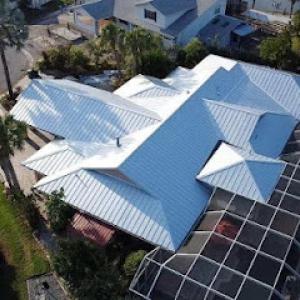
Pro Specialty Services
(352) 272-8854 www.prospecialtyservices.com
Serving
5.0 from 67 reviews
Pro Specialty Services is Eustis's premier roofing, siding, and general contractor specializing in roof replacement, roof repair, and complete exterior renovations. We provide expert metal roofing, asphalt shingle roofing, flat roofing, emergency roof repair, storm damage restoration, siding installation, and general contracting services throughout Lake County, FL. As licensed exterior specialists (CCC1332012, CGC1538852, CRC1332909), we focus on protecting and improving your home with quality roofing, siding, and construction solutions. Family-owned with 15+ years of experience serving Eustis, Mount Dora, Tavares, Leesburg, Lady Lake, and surrounding communities. We offer free roof inspections, claim assistance, and 24/7 emergency service.
Integrity Roof Services
(888) 721-9599 roofersintegrity.com
Serving
5.0 from 54 reviews
At Integrity Roof Services, we pride ourselves on delivering top-quality roofing solutions for Florida residents and businesses. With years of experience in the industry, our team of dedicated professionals is committed to providing exceptional service, from initial consultation to project completion. Our Mission Our mission is simple: to offer reliable, durable, and aesthetically pleasing roofing solutions that stand the test of time and the elements. We understand the unique challenges posed by Florida’s climate, including intense heat, heavy rains, and hurricane-force winds. That’s why we use only the highest quality materials and employ skilled craftsmen to ensure that every roof we install is built to last.
Scott's Roofing
(352) 343-7788 tscottroofing.com
Serving
4.8 from 205 reviews
Your home and business roof should rate a top priority — keeping it in first class condition will protect your home, your family, your investments and your possessions. Expert repairs and, if needed, complete roof replacement will protect your investment and add value to your home. If you're in need of quality roofing, not to mention experts in the field, then the smart choice is Scott's Roofing in Tavares. Scott's Roofing specializes in residential and commercial re-roofing and first class service that includes shingle roofs, metal roofs, flat roofs and roof inspections.
Roof-Tite Services
Serving
5.0 from 40 reviews
Roofing Contractor servicing all of Central Florida. Call us today for your no cost roof inspection and estimate. Providing emergency roof services, roof repairs and roof replacements for shingle, tile, metal and flat roofs, as well as roof coatings.
Vedder Roofing & Construction
(352) 720-2557 www.vedderroofingllc.com
Serving
4.7 from 15 reviews
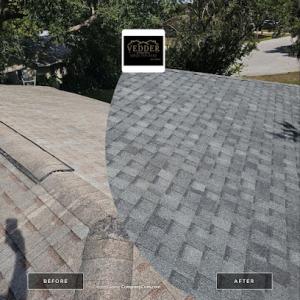
Vedder Roofing & Construction is a trusted, locally owned contractor serving Mount Dora, Tavares, Eustis, Leesburg, Lady Lake, The Villages, and Fruitland Park, FL. As a certified roofing company (CCC1335732), we provide expert residential and commercial roof replacements, storm damage repairs, shingle roofing, metal roofing, flat roofing, and emergency tarping services. Our construction division (CBC1262269) specializes in new homes, additions, remodels, garages, and full exterior renovations. With over a decade of experience, our team delivers reliable craftsmanship, protecting homes and businesses while enhancing curb appeal across Central Florida. At Vedder Roofing we pride ourselves in bringing quality to the community we serve!
Thomas Roofing Of Central Florida Inc. Eustis
(352) 625-7663 tomtheroofer.com
Serving
5.0 from 11 reviews
Since 2008, Thomas Roofing Of Central Florida has been a trusted roofing contractor serving Eustis, Leesburg, Umatilla, and surrounding Central Florida communities. We specialize in roof repair, replacement, new roof installation, and inspections for both residential and commercial properties. With decades of experience, we are committed to quality craftsmanship, honest pricing, and dependable service. From storm damage repairs to full reroofing, our licensed and insured team delivers long-lasting results and reliable customer care. Free estimates available. Quality roofs. Honest work. Built to last.
Salt Roofing
(352) 638-9118 saltenterprisesllc.com
Serving
4.4 from 98 reviews
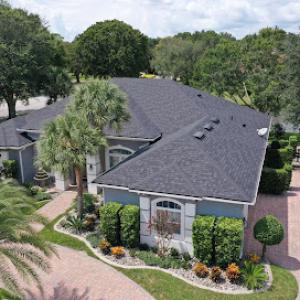
Salt Roofing, with over 30 years of expertise, provides top-quality roofing services including repairs, installations, and replacements. Our area of expertise encompasses both shingle roofs and metal roofing systems, making us a versatile choice for a variety of roofing needs. To ensure a seamless blend of durability and aesthetic appeal, we exclusively employ superior Owens Corning products and our installers are meticulously trained in their precise installation, promising a roof that’s built to last. Our skilled team is dedicated to delivering tailored, affordable solutions with comprehensive warranties. Contact us for trustworthy, high-standard roofing solutions.
SmartPRO Roofing
(352) 289-8816 smartproroofing.com
Serving
5.0 from 53 reviews
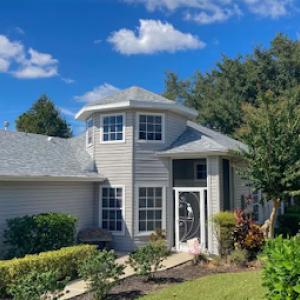
SmartPRO Roofing is a trusted roofing company in Tavares, FL, serving Lake County and nearby areas including Orange, Seminole, and Polk counties. We provide smarter, better, and faster roofing solutions for residential and multi-family properties. From roof repair and cleaning to full roof replacements, our team is here to guide you every step of the way. We offer affordable options including financing for roof replacements. Choose SmartPRO Roofing where quality, speed, and reliability come together. Better by Every Measure.
A full re-roof typically requires a building permit submitted through the local or Lake County building process, depending on jurisdiction. Check early with the relevant department about which authority handles your street address, since boundary lines can shift between city and county oversight. When you file, have a clear scope of work, roof square footage, and the chosen roofing system ready. In addition, expect plan notes on wind-resistance requirements and any historic feature considerations if the home carries era-specific details or decorative elements that affect attachment methods.
Inspections are commonly staged around tear-off, underlayment or ventilation, and final completion rather than handled as a single end-of-job signoff. This staged approach helps address moisture concerns during Mount Dora's humid summer season and allows the inspector to verify proper attic ventilation, roof deck condition, and flashing transitions at valleys and chimneys as work progresses. Expect at least one mid-project check before the new roofing is installed, and another at finish to verify nail patterns and vent integrity. Keeping contractor notes ready for each stage can smooth the process if the scope includes integrated underlayment, insulation adjustments, or rookery-style eave details.
In Mount Dora, normal permit turnaround is often about 1 to 2 weeks locally, but timing can shift with department workload and the roofing material being installed. Dry-season windows may see faster turns, while heavy storm activity or summertime rain delays can push reviews or scheduling back. Coordinate with the contractor about anticipated inspection dates and any adjustments if storms interrupt progress. If the home has unique architectural features such as tile accents, tall chimneys, or historic textures, mention this in the permit notes to avoid delays caused by additional plan review or verification steps. Keep a running calendar for each inspection milestone to minimize duplicated visits and keep the project moving smoothly.
Mount Dora homeowners are faced with Florida's volatile insurance market, where roof age and wind resistance can directly affect renewals and coverage decisions. In this inland, elevated setting above the lakes, a roof that has aged beyond its prime or lacks robust wind resistance can trigger higher premiums or tighter policy terms during renewal. The insurer often scrutinizes the roof's current condition, reconstruction history, and any prior storm-related claims. If a roof shows more than a few seasons of weathered wear, it can become a point of leverage for underwriting, even if the structure otherwise remains sound.
Because the city sits in hurricane-exposed Florida even without coastal surge risk, documentation matters. Insurers look for clear evidence of how the roof was constructed and what materials were used, along with installation details like nailing patterns and underlayment. After a re-roof, wind mitigation documentation can open doors to credits that soften the impact on future premiums. Gather Manufacturer's installation manuals, permits, and a detailed contractor's letter that outlines uplift-tested components and the roof's wind-rated features. These papers can be the difference between a straightforward renewal and a more restrictive policy.
Storm-driven aging is not merely about the roof's appearance; it's about the risk profile a carrier sees after humid summers and rapid storm cycles. If a claim exists for wind damage, insurers will closely review the claim history alongside the roof's current condition. A well-documented, properly installed roof replacement paired with complete wind mitigation records can improve renewal prospects and reduce the chance of being flagged as high risk. In practice, keeping a tidy, up-to-date file of roof materials, installation details, and any relevant repairs pays off when the next policy period approaches.
Connect with contractors who help homeowners navigate the claims process from damage assessment to final approval.
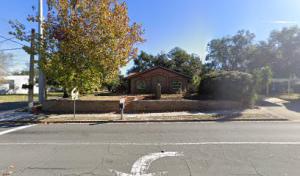
In the heat and humidity of this area, the underlayment beneath clay or concrete tiles can wear out long before the surface tile looks aged. When underlayment softens, curls, or develops micro-tears, hidden leaks can sneak in behind seemingly solid tilework. That aging becomes the real replacement trigger, so a tile that appears serviceable may be masking deteriorated layers below. Watch for damp attic rafters, musty smells, or dark staining near hips and valleys, where moisture tends to accumulate. If a quick surface inspection in dry season shows no visible trouble, don't assume the roof is sound-quiet deterioration can be weeks away, especially after a heavy storm or a humid summer.
Metal roofs in Central Florida endure rapid temperature swings and heavy summer rain, which stresses fasteners, flashings, and panel laps. Over years, screws can loosen, gaskets compress, and paint or coatings peel, creating small openings that invite water intrusion during downpours. Flashings at pipe penetrations, chimneys, and transitions require annual checks after the rainy season's finishing gusts. Pay attention to exposed fasteners along ridges or around skylights, where sun and humidity accelerate wear. A close look may reveal tiny corrosion spots or lifted seams, warning that an otherwise solid metal roof is approaching failure at its most vulnerable points.
Historic-style or architecturally expressive roofs often pin down multiple penetrations, transitions, or decorative elements that can become leak hotspots during re-roofing. Valleys, step-throughs, dormer intersections, and tile-to-metal transitions demand careful detailing to avoid capillary wicking and hidden movement as the new roof goes on. During replacement, ensure extra attention to sealant joints, flashing contours, and crown molding or decorative soffits that sit close to the deck. These features can shift subtly with new fastenings, turning a once-durable roof into a chronic source of moisture if overlooked.
Explore specialists in steel, aluminum, and standing seam metal roofs built to last 50 years or more.
Secured Roofing & Restoration
(352) 441-9303 securedroofingandrestoration.com
Serving
5.0 from 30 reviews
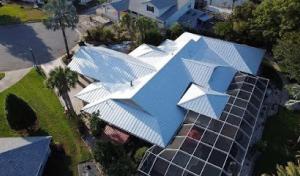
While this city is known for pitched residential roofs, the local contractor market shows meaningful demand for flat and low-slope work on additions, porches, and commercial properties. That mix means you'll often see a blend of traditional shingles and low-slope systems in the same neighborhood, so compatibility with existing rooflines matters. When evaluating a low-slope project, expect crews to size up drainage, seam details, and edge termination early in the process.
Central Florida's repeated summer downpours stress low-slope sections quickly. Drainage performance is not a luxury here-it's a must. On flat or near-flat portions, verify that the deck has adequate slope toward scuppers or internal drains, and confirm that absorbent materials or underlayment are appropriately chosen for heavy rain events. Seams should be sealed with field-applied sealants and mechanically fastened where possible. Periodic checks after strong afternoon storms help catch punctured membranes or lifted edges before water penetrates the structure.
Roof coatings are a niche but active local service, typically most relevant where homeowners or property owners are trying to extend service life rather than do a full replacement immediately. A coating can buy years on a low-slope system if the current surface is intact but showing signs of UV wear, minor flashing gaps, or weathered membranes. The key is proper surface prep, compatible coating chemistry, and a realistic plan for future re-roofing if leaks reappear after heavy storm cycles.
On a practical schedule, perform a biannual inspection focusing on drains, scuppers, and edge flashings. Clean debris from gutters and ensure adequate drainage away from overhangs. If you plan additions or a porch, specify low-slope detailing that ties smoothly into the existing roof and avoids abrupt transitions that trap water.
Find specialists in TPO, EPDM, and built-up flat roofing systems for residential and commercial properties.