
Last updated: Apr 19, 2026
Eustis sits in inland Lake County, where hurricane-season bands and strong summer thunderstorms can produce wind-driven rain that exposes weak flashing, ridge caps, and older shingle systems. The combination of heat, sudden deluges, and shifting attic temperatures increases the risk of unseen damage that can quickly escalate into active leaks. A small breach in flashing or a loose cap can become a water intrusion point within hours during a passing storm. Understanding the local vulnerability helps you spot trouble early and act fast.
Central Florida's frequent afternoon storm pattern means leaks often appear or worsen during the same day if temporary drying-in or tarping is delayed. After a storm, check for lifted shingles, dark staining on ceilings, damp insulation in the attic, or musty odors near ventilation or soffits. Look closely at ridge caps and corners where high winds can pry fasteners loose. If you notice new granule loss in gutters or at the edge of shingles, treat that as a warning sign of compromised roofing integrity. In this climate, small issues become big problems quickly, especially on homes with older shingle systems.
If you start to see active leakage, create a temporary barrier to water entry while you arrange emergency help. Use tarps or heavy-duty plastic with roofing screws or nails, ensuring the tarp overlaps the affected area well past the leak to prevent further seepage. Avoid overloading gutters with debris; clean them promptly so water can escape away from the roof edge. If you can safely access the attic, try to locate the source of the leak from above the ceiling-discoloration, dark stains, or wet insulation often trace back to failing flashing at hips, valleys, or vent penetrations. Do not stomp or hammer on damaged shingles; move slowly and avoid stepping on wet surfaces to prevent personal injury and additional roof damage.
Document the scene with clear photos from multiple angles-roof line, flashing details, ridge caps, and the interior ceiling/walls affected. Keep a dated log of what you observe, when rain last entered, and any temporary repairs you perform. Notify your insurer promptly and with precise detail, since storm reports and documentation speed up claim processing and repair scheduling. If temporary tarping is used, ensure it is secure and free of sharp edges that could cut the roof or rip during a gust. Arrange for a licensed contractor with storm-damage experience to assess the roof as soon as feasible after the immediate danger passes.
The local contractor market shows unusually strong demand for storm damage, emergency repair, and insurance-claim help, indicating post-storm response is a primary homeowner concern in Eustis. Expect faster timelines for triage and temporary leak control, but prioritize choosing a contractor with verifiable storm-damage experience, solid to-green documentation practices, and transparent communication about scope and timing. When a crew arrives, expect a rapid assessment of vulnerable flashing, ridge caps, and exposed edges, followed by targeted temporary fixes to limit water intrusion until a full repair can be scheduled.
Prepare storm-specific documentation for insurance: a detailed narrative of damage, dated photos, and a verified list of affected areas inside the home. Emphasize wind-driven rain exposure and any persistent leaks that appeared after the last storm event. Clear, organized records improve the likelihood of timely claim processing and maximize the chance of coverage for emergency repairs. If any interior damage is suspected, guide the insurer toward a quick on-site assessment to verify moisture extent and the needed exterior repairs to restore weatherproofing promptly.
For reroofs in this area, the dry season provides the most predictable window to plan and execute a full tear-off, underlayment, and final inspection without frequent interruptions. Dry-season weather tends to be cooler and drier, reducing the chance of rain delays that can stall tarping, drying times, and shingle or tile setting. When planning, align the main work phase with a stretch of several wind-free or low-rain days and build a buffer for any late-season shower that still occasionally rolls through. A well-timed dry spell can keep crews productive and help finish ahead of the next round of afternoon thunderheads.
Central Florida's humidity and near-daily rain interruptions can slow tear-off, underlayment drying, and inspection timing. In practice, that means scheduling the heavy work for a window with consistently low afternoon moisture. If a storm pattern favors the workweek, consider starting earlier in the day to maximize dry mid-morning hours and to finish before builders' exposure on roof decks becomes excessive. Expect longer afternoons when heat and humidity rise, and plan touch-up or cleanup tasks for cooler hours to protect adhesive performance and nail fastening quality.
A hot inland climate can shorten crew breaks but increase the risk of heat-related pauses. When temperatures approach the upper practical limit, crews may need to pause during peak sun, which stretches timelines and increases exposure of underlayment, fasteners, and flashing to sun and wind. Schedule the most intensive tasks-tear-off and roof deck work-early in the day and rotate crews to maintain efficiency. If a roof is left exposed during peak heat, protect it with rapid temporary coverings and plan inspections for the cooler morning or late afternoon hours to ensure accuracy.
Seasonal hurricane activity in late summer and fall can create sudden demand spikes that lengthen scheduling for full reroofs and repairs across Lake County. Anticipate tighter calendars and longer lead times as storms approach inland communities. In regions where a storm is forecast, allow for contingency slots in the plan and communicate clearly about possible rescheduling. Post-storm checks should be prioritized, but only after a safe assessment of any wind-driven debris or moisture intrusion has occurred. A storm-aware schedule helps prevent rushed workmanship and reduces rework.
Choose a window with several consecutive dry days well ahead of the expected roofing phase. Coordinate with the contractor to pin down start and finish targets, and mark a flexible buffer into the plan for potential rain or heat pauses. If a storm threatens, confirm how weather holds affect ordering of long-lead materials and how crews will adjust daily milestones. Finally, maintain a short-notice plan for quick leak response in the days immediately after work begins, so any unexpected rain does not undermine the installation sequence.

Farmers Roofing & Construction
(352) 308-8296 www.farmersroofs.com
2785 S Bay St Suite E, Eustis, Florida
4.9 from 212 reviews
Farmers Roofing & Construction, a premier provider of top-notch construction services since 2022, is dedicated to improving Lake County, FL, and beyond. Their team of experts with a combined experience of over 70 years in the Florida construction industry offers a wide range of services, including roofing, painting, drywall installation and repair, new construction, and remodeling. From project inception to completion, Farmers Roofing & Construction ensures clients are fully informed and engaged throughout the process. Whether it's a simple roof repair or a complete home renovation, their commitment to providing exceptional service and peace of mind shines through in every project they undertake.
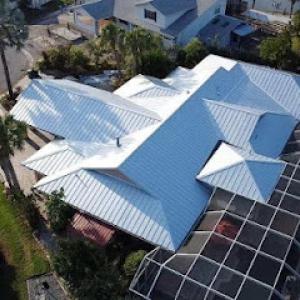
Pro Specialty Services
(352) 272-8854 www.prospecialtyservices.com
3105 Kurt St, Eustis, Florida
5.0 from 67 reviews
Pro Specialty Services is Eustis's premier roofing, siding, and general contractor specializing in roof replacement, roof repair, and complete exterior renovations. We provide expert metal roofing, asphalt shingle roofing, flat roofing, emergency roof repair, storm damage restoration, siding installation, and general contracting services throughout Lake County, FL. As licensed exterior specialists (CCC1332012, CGC1538852, CRC1332909), we focus on protecting and improving your home with quality roofing, siding, and construction solutions. Family-owned with 15+ years of experience serving Eustis, Mount Dora, Tavares, Leesburg, Lady Lake, and surrounding communities. We offer free roof inspections, claim assistance, and 24/7 emergency service.
Integrity Roof Services
(888) 721-9599 roofersintegrity.com
1300 S Dewey St, Eustis, Florida
5.0 from 54 reviews
At Integrity Roof Services, we pride ourselves on delivering top-quality roofing solutions for Florida residents and businesses. With years of experience in the industry, our team of dedicated professionals is committed to providing exceptional service, from initial consultation to project completion. Our Mission Our mission is simple: to offer reliable, durable, and aesthetically pleasing roofing solutions that stand the test of time and the elements. We understand the unique challenges posed by Florida’s climate, including intense heat, heavy rains, and hurricane-force winds. That’s why we use only the highest quality materials and employ skilled craftsmen to ensure that every roof we install is built to last.
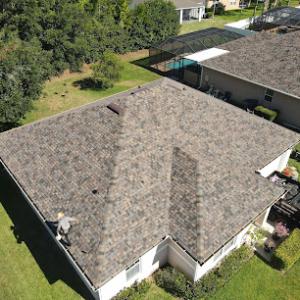
Roof-Tite Services
1250 Mt Homer Rd Suite 5, Eustis, Florida
5.0 from 40 reviews
Roofing Contractor servicing all of Central Florida. Call us today for your no cost roof inspection and estimate. Providing emergency roof services, roof repairs and roof replacements for shingle, tile, metal and flat roofs, as well as roof coatings.
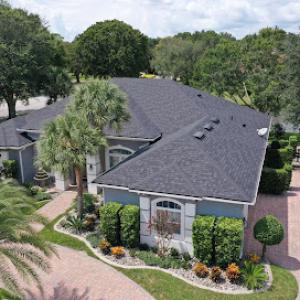
Salt Roofing
(352) 638-9118 saltenterprisesllc.com
801 David Walker Dr, Eustis, Florida
4.4 from 98 reviews
Salt Roofing, with over 30 years of expertise, provides top-quality roofing services including repairs, installations, and replacements. Our area of expertise encompasses both shingle roofs and metal roofing systems, making us a versatile choice for a variety of roofing needs. To ensure a seamless blend of durability and aesthetic appeal, we exclusively employ superior Owens Corning products and our installers are meticulously trained in their precise installation, promising a roof that’s built to last. Our skilled team is dedicated to delivering tailored, affordable solutions with comprehensive warranties. Contact us for trustworthy, high-standard roofing solutions.
Thomas Roofing Of Central Florida Inc. Eustis
(352) 625-7663 tomtheroofer.com
2201 S Bay St, Eustis, Florida
5.0 from 11 reviews
Since 2008, Thomas Roofing Of Central Florida has been a trusted roofing contractor serving Eustis, Leesburg, Umatilla, and surrounding Central Florida communities. We specialize in roof repair, replacement, new roof installation, and inspections for both residential and commercial properties. With decades of experience, we are committed to quality craftsmanship, honest pricing, and dependable service. From storm damage repairs to full reroofing, our licensed and insured team delivers long-lasting results and reliable customer care. Free estimates available. Quality roofs. Honest work. Built to last.
Secured Roofing & Restoration
(352) 441-9303 securedroofingandrestoration.com
Serving
5.0 from 30 reviews
"Secured Roofing and Restoration is your local full service contractor. Offering free written estimates using the best technology: Satellite measurements, and certified installers. Secured is fully insured and offers the longest Labor warranty in the market. A full 20 years! Secured Roofing also carries the prestigious Google Guarantee. Secured Roofing works with over 50 different insurance companies and has staff underwriters, communicating daily with adjusters to get your claim paid fast. Our A+ rating with the BBB and at ANGI, means that you can trust your property to us, just as hundreds of your neighbors and friends have already done."
Gilileo Roofing
Serving
5.0 from 6 reviews
Quality work at an affordable price. Family owned and operated business that has been serving Lake, Marion, Orange & Sumter counties since 1972. We have recently changed the name of our company to Value Roofing & Repairs, Inc.
CAT 6 Roofing & Construction
(407) 306-0100 cat6roofing.com
Serving
5.0 from 39 reviews
We are 24 hour emergency roofing company in Mount Dora Florida.
PRO Dry Roofing
(352) 669-6607 prodryroofingllc.com
Serving
4.8 from 52 reviews
Proudly serving our community, Pro Dry Roofing offers professional residential and commercial roofing solutions built to last. Whether it’s a full roof replacement, leak repair, or ongoing maintenance, our experienced team delivers exceptional results with integrity and care. We work with homeowners, businesses, property managers, and HOA communities, offering customized service agreements and competitive bundle discounts to make quality roofing affordable and worry-free.
Scott's Roofing
(352) 343-7788 tscottroofing.com
Serving
4.8 from 205 reviews
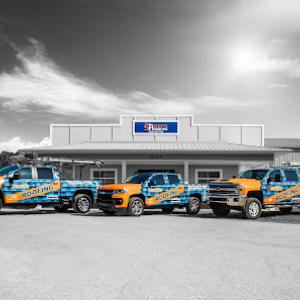
Your home and business roof should rate a top priority — keeping it in first class condition will protect your home, your family, your investments and your possessions. Expert repairs and, if needed, complete roof replacement will protect your investment and add value to your home. If you're in need of quality roofing, not to mention experts in the field, then the smart choice is Scott's Roofing in Tavares. Scott's Roofing specializes in residential and commercial re-roofing and first class service that includes shingle roofs, metal roofs, flat roofs and roof inspections.

1st Roof Estimate
(407) 912-4975 1stroofestimate.com
Serving
5.0 from 93 reviews
We are experts in residential roofing tear-offs with over 30 years of experience. Additionally, we specialize in small roof repairs, roof cleaning, roof rejuvenation, commercial roof restoration, gutter repair, and gutter replacement. Our services include free roof estimates and inspections, and we collaborate with all insurance companies. Our core values, Integrity, Accountability, Diligence, Gratitude, and Empathy, guide our work. Our mission is to deliver affordable roof pricing to Orlando and Central Florida while providing top-notch service. We offer financing options, and a portion of our proceeds support non-profit groups and animal shelters. We eagerly anticipate the opportunity to serve you.
Asphalt shingles remain a common choice in Eustis, but Central Florida heat, UV exposure, and moisture cycling can accelerate granule loss, seal-strip fatigue, and underlayment aging. In practical terms, that means shingles may require earlier inspections after the peak summer heat and after the heaviest thunderstorms. Look for curling or missing granules on sun-facing slopes, and pay close attention to the edges where wind-driven rain can first reveal vulnerabilities. Regular maintenance-keeps gutters clear of shingle fragments, trims nearby branches, and checks for shingle adhesion after severe weather-helps extend life in this climate. When choosing asphalt, consider thickness and granule color as a balance between heat reflectivity and durability, and plan for a robust ice-and-water shield at transitions and eave lines to mitigate wind-driven leaks.
Metal roofing is especially relevant in this market because Lake County permitting and inspections often pay close attention to wind mitigation and attachment details on reroofs. A metal system can resist uplift better than many other options, but the installation matters just as much as the material. In areas with frequent summer storms, the fasteners must be corrosion-resistant and properly sealed, and standing-seam or through-fastened profiles should be chosen with careful attention to slope and edge detailing. A well-installed metal roof also benefits from accurate flashing around chimneys, vents, and dormers, plus careful integration with any existing soffits and gutters to manage water flow during heavy rain. If a reroof is contemplated, verify that the chosen profile and panel length minimize the number of lap joints exposed to wind-driven moisture.
Clay and concrete tile are used locally but can trigger added structural and load considerations during permitting, especially when replacing a lighter roof with a heavier tile system. In interior Florida heat, tiles provide excellent solar resistance and a long lifespan, yet their weight requires a solid roof structure and appropriate support spacing. Tile edges need careful detailing to prevent water intrusion at hips and ridges during intense storms. Underlayment choices matter: a high-quality synthetic or elastomeric underlayment beneath tile can help with leak resilience between fasteners and tiles during rapid temperature swings and heavy rain. For tile installations, ensure proper egg-crate or battens are used where required and that overhangs are designed to shed wind-driven spray away from the fascia.
Concrete tile brings durability and a distinct aesthetic, but heat cycling in this region can intensify expansion and contraction effects. If replacing a lighter roof with heavier tile, expect to revisit attic ventilation, insulation, and overall attic envelope to maintain energy efficiency and moisture control. A well-sealed attic reduces the risk of indoor condensation and related water intrusion after a storm. When discussing tile options, talk through fastener patterns and the potential for seismic or wind-related movement in areas with tall trees and surrounding vegetation that can produce debris during storms.
Storm damage in a lake-and-ridge landscape often presents as sudden leaks after a heavy downpour or a loud wind event. Choose materials and flashing strategies that emphasize rapid water shedding and reliable sealants at joints and penetrations. For all material types, prioritize systems that provide a continuous, well-sealed weather barrier from the roof deck to the exterior finish. Regular inspections after the late-spring and August thunderstorm season help catch issues early, reducing the risk of interior damage during the next storm surge. In any reroof planning, align material choices with the anticipated wind exposure and local roof geometry to maintain resilience through Florida's volatile summers.
In this part of Central Florida, storm-season demand surges drive real changes in reroof pricing. Emergency repairs and insurance work compete for labor and scheduling during hurricanes and heavy rain events, so the same material and crew can cost more than typical dry-season work. You'll notice price soft spots when the weather cooperates and the market isn't flooded with urgent jobs, but in peak season this local pattern tends to push per-square costs higher across all material types.
Asphalt shingles remain the most common choice for local homes, and you'll find price quotes that cluster around a middle ground, with dry-season availability often helping to keep costs closer to the lower end of the range. Expect pricing in the range of roughly 300 to 650 USD per square, depending on shingle quality, warranty terms, and the complexity of any necessary roof deck repairs. In the storm window, labor demand can tighten scheduling and push bids toward the higher portion of that spectrum.
Metal projects in this jurisdiction can cost more because permitting and inspection review often focuses on wind mitigation, fastening, and roof-load considerations. If your home requires a more robust standing-seam or exposed-fastener system, and if the crew has to meet tighter wind-resistance standards, plan for higher costs. Typical metal roofing runs about 650 to 1,200 USD per square. Expect the upper end during storm surges or when a rapid weather response is needed after a damaging event.
Tile options are more sensitive to labor and inspection focus on wind performance. Clay tile often sits toward the higher end of the budget, while concrete tile sits a touch lower but still carries elevated costs when wind mitigation detail is inspected and verified. Clay tile generally lands around 900 to 1,600 USD per square, and concrete tile around 800 to 1,500 USD per square. In busy storm seasons, tile projects can drift toward the top end of these ranges due to crew availability and the need for precise fastening patterns.
Wood shingles or shakes remain a niche choice in areas with pronounced heat and sun exposure, and synthetic or composite shingles offer a more resilient, lower-maintenance option for many homeowners. Wood shingles typically range from 700 to 1,100 USD per square, while synthetic or composite shingles fall roughly between 550 and 1,000 USD per square. If the job includes color-matched transitions, ridge vents, or underlayment upgrades, expect bites into the higher side of these ranges, especially during peak season.
Dry-season availability and roof complexity can move pricing within these per-square bands. If you're facing a fast-moving storm aftermath, expect higher bids due to expedited material delivery and labor constraints. For a thorough plan, gather at least three detailed proposals that itemize material quality, fastening methods, and warranty coverage. Keep in mind that the cheapest quote isn't always the best path when wind resistance and leak response after a storm are top concerns; prioritize crews with proven wind-rated installations and robust leak mitigation strategies.
Don't let upfront costs delay a critical repair - these contractors offer payment plans to fit your budget.

A full reroof in this area typically goes through the building permit process managed by the City of Eustis or Lake County. The contractor usually handles submitting the permit application, but you are responsible for ensuring the approval aligns with what the scope calls for. Expect documentation tied to the roof's structure, deck conditions, and the proposed materials. Skipping or delaying permits can trigger fines, stop-work orders, and headaches when it comes time to sell or insure the home.
Inspections in this part of the state are commonly required during installation and again after completion, rather than relying on a single final sign-off. During installation, inspectors will check fastener patterns, underlayment coverage, and the way mechanical attachments integrate with existing structure. After the crew finishes, a final inspection confirms that the installation meets wind resistance standards and the chosen system is properly secured. If any hiccups occur, the project can stall until corrections are verified, which can extend the timeline and complicate the weather window for Florida's storm season.
Metal and tile reroofs may receive added scrutiny for wind-related attachment and roof-load issues compared with straightforward shingle replacements. The inspector will look closely at tanking or interlocking details, edge fasteners, and the method used to anchor heavy roof materials to resist uplift. If a material choice increases load or changes the wind exposure profile, expect more thorough review and possible additional requirements. Proper flashing, hillside transitions, and penetrations must align with local wind codes to avoid leaks and wind-driven damage later on.
Keep a complete package of records for the permit, including stamped drawings, product approvals, and any engineering notes for structural changes. After a project concludes, you may need to present these documents to the insurer or for future sales. If a discrepancy is found, the admissible path involves correcting the installation and re-inspecting, not hoping it goes unnoticed. Plan ahead to avoid last-minute stress when the weather turns or a claim is filed.
In this climate, after a thunderstorm or hurricane-season gust, the claim path often hinges on solid documentation. Homeowners in Lake County should expect detailed photo records of the roof at the time of inspection, with clear angles showing nicks, granule loss, lifted shingles, and any underlying decking exposure. An adjuster may scrutinize whether damage appeared sudden or was a result of long-term wear in the hot, humid weather. Prepare a simple timeline: storm dates, pre-storm roof condition, and post-storm observations, so you can defend legitimate storm damage versus routine aging.
Reroof decisions carry immediate insurance implications in this market. Wind resistance and the choice of material influence insurability, especially when carriers weigh replacement against repair options. If a decision leans toward reroofing, choosing materials that meet wind-resistance expectations can stabilize future coverage and claim outcomes. Conversely, partial repairs or a retrofit without addressing systemic vulnerabilities may invite closer underwriting scrutiny. Weighing the long-term resilience of a full roof replacement against the cost of continuing repairs is essential in this high-stakes environment.
After storms, the climate in this area drives a fast-moving but meticulous review process. Expect officials to differentiate sudden storm damage from wear accumulated in the heat and humidity. Insurers may request repeated inspections, additional photos, or corroborating evidence from contractors. Keeping a consistent file of maintenance records, prior repairs, and any mitigation improvements helps ensure the evaluation remains focused on actual storm impact rather than the roof's age. A proactive stance reduces the chance of delays and second-guessing during claims.
Connect with contractors who help homeowners navigate the claims process from damage assessment to final approval.
Farmers Roofing & Construction
(352) 308-8296 www.farmersroofs.com
2785 S Bay St Suite E, Eustis, Florida
4.9 from 212 reviews
Pro Specialty Services
(352) 272-8854 www.prospecialtyservices.com
3105 Kurt St, Eustis, Florida
5.0 from 67 reviews
Integrity Roof Services
(888) 721-9599 roofersintegrity.com
1300 S Dewey St, Eustis, Florida
5.0 from 54 reviews
Although pitched residential roofs dominate in Eustis, the local contractor market still shows meaningful flat-roof specialization, reflecting recurring drainage and membrane concerns on low-slope sections, additions, and some commercial properties. Central Florida's intense rain bursts can overwhelm low-slope drainage details faster than steady rain, making ponding and seam vulnerability more important in Eustis than in drier inland markets. High humidity and repeated wet-dry cycles in Lake County can shorten the service life of low-slope roof components if drainage is marginal.
Begin with a walk-around after a heavy rain or a stormy afternoon. Look for standing water two inches deep or more after the rain stops, especially near drains, scuppers, and transitions to slopes. Check for visible debris in gutters and at drip edges, and note any discoloration, staining, or dark patches along seams, collars, or wall penetrations. If you see scuppers that drain slowly or gutters that overflow during a downpour, that's a sign drainage is not performing as it should.
Schedule seasonal checks focusing on low-slope areas, additions, and any membrane transitions. Keep drains and scuppers clear, and verify that gravity-assisted drainage paths remain unobstructed by landscaping debris or roof penetrations. Inspect seam tapes, flashing, and edge details for signs of wear after heavy rains or quick, repeated wet-dry cycles. If ponding persists after drainage paths are cleaned, consider a professional evaluation of slope, deck membrane condition, and patch or reseal strategy tailored to Florida's climate.
Persistent ponding, rapidly widening seams, or sudden leaks after storms indicate the need for a professional assessment. In those cases, a timely repair plan should address slope adequacy, membrane integrity, and transition details to minimize future water ingress and membrane failure under Florida rain patterns.
Find specialists in TPO, EPDM, and built-up flat roofing systems for residential and commercial properties.
Pro Specialty Services
(352) 272-8854 www.prospecialtyservices.com
3105 Kurt St, Eustis, Florida
5.0 from 67 reviews
Roof-Tite Services
1250 Mt Homer Rd Suite 5, Eustis, Florida
5.0 from 40 reviews
In Eustis, skylight penetrations need extra attention because wind-driven summer rain can exploit aging curb and flashing details quickly. When evaluating an existing skylight, first inspect curb height, sealant age, and any corrosion on flashing bends where wind-driven spray hits the roof edge. Upgrading to a rigid curb, renewing bedding with high-grade sealants, and replacing worn counter-flashing can significantly reduce the risk of leaks after sudden downpours. During reroofing or major repairs, ensure the new skylight assembly is tied into a continuous waterproof layer and that flashings are overlapped with the roof's primary weatherproofing. If a skylight is near ridge or overhang transitions, reinforce with additional sealant beads and, where feasible, install a small slope adjustment to shed water away from the curb.
Solar-related roof work is relevant locally, but attachment and reroof sequencing matter more in a hurricane-prone Florida insurance environment than in lower-wind regions. Plan solar mounting or panel replacement to avoid compromising underlayment or low-slope sections. Roof penetrations for racks or hooks should be prepped so that flashings seal cleanly around every penetration, and fasteners chosen for heat resistance remain secure after sun exposure. In hurricane season, ensure the array layout does not create unintended water paths during driving rain. A careful sequencing approach-addressing deck integrity, underlayment condition, and flashing continuity before panel installation-helps maintain leak resistance across multiple events.
On older Central Florida roofs, adding or reworking penetrations often exposes brittle shingles, aged sealants, or underlayment weakened by long-term heat and humidity. If skylights or solar penetrations are added, budget for reinforcing surrounding shingles, upgrading underlayment in the affected area, and installing a more robust drip edge. When replacing roofing at the same time, tie in any new penetrations to the updated roof deck and ensure consistent membrane continuity across the field, hips, and valleys. Fast leak response remains essential; keep a plan for rapid resealing if a storm exposes brittle sealants.
Find contractors experienced in skylight installation, flashing, and leak repairs to bring natural light into your home.
Roof-Tite Services
1250 Mt Homer Rd Suite 5, Eustis, Florida
5.0 from 40 reviews
In Eustis, warranty value is tied closely to whether the roof was installed to pass local permit and inspection requirements rather than just to manufacturer minimums. A warranty that mirrors a code-compliant install-with proper nailing, ventilation, flashing, and substrate preparation-tends to hold up better when the area endures hot summers and sudden storms. When a contractor documents the inspection-compliant work, the warranty can be more meaningful after a big wind or rain event.
Because storm-driven repairs are common in this market, homeowners should pay close attention to how temporary repairs, partial replacements, and full reroofs affect warranty coverage. Temporary tarps or quick fixes may be excluded or require follow-up work within a stated window to keep the warranty valid. Partial replacements can create seams or mismatches that later complicate coverage if the remaining roof shows signs of age or damage. A full reroof often resets warranty terms, but only if the install meets the same workmanship standards as a new roof and the prior damage is fully disclosed. Clarify who handles debris, flashing integrity, and attic ventilation during any storm-related project, because gaps here can become warranty defects later.
The local market includes a meaningful number of contractors advertising warranties, which makes workmanship terms and documentation a practical comparison point for homeowners. Seek a clearly written workmanship warranty that specifies durability expectations, what exact components are covered, and any maintenance responsibilities. Note transferability, if you plan to sell, and whether coverage persists after subcontractor changes. For your records, obtain a detailed contract addendum listing scope, duration, and conditions. After a storm, photograph intervals of repair progress, keep invoices, and document any deviations from original plans. This evidence helps both you and the contractor verify coverage when questions arise.