
Last updated: Apr 19, 2026
This area sits in the Tampa Bay weather pattern, where June through November brings tropical systems, feeder bands, and strong thunderstorm winds that commonly lift shingles and drive rain into vulnerable roof transitions. Afternoon storms in the warm season routinely spike wind and rain in a matter of minutes, which means any small failure-loose flashing, a lifted edge, or a cracked seam-can become a fast-evolving leak. The inland position concentrates wind-driven rain and tree-related impacts more than salt exposure or surge-specific concerns, so your roof needs to be prepared for wind uplift, rapid moisture intrusion, and debris strikes from nearby trees. Your roofing plan should assume storms will arrive with little notice and push rain through compromised areas within hours.
When a storm is active or just passed, your top priority is to stop the worst leaks from spreading while you arrange a professional assessment. If water is entering interiors, place clean, dry towels or containers beneath the drip line and carefully capture any approach of water without stepping on a wet, slick roof. Do not attempt to seal large openings yourself unless you can do so safely from the ground or a stable ladder with a helper. Photograph damage from the ground and from attic access points if safe; focus on flashing counters, chimney and vent penetrations, valleys, and along transitions where water tends to intrude. Keep notes of the time and intensity of the storm, and mark any fallen limbs or fresh roof debris visible from the outside. Contact your roofer or emergency service as soon as it's safe to do so, and ask for guidance on temporary tarping if a leak is actively allowing water into living spaces. Quick dry-in planning becomes essential when afternoon storms interrupt tarping or tear-off work, so align weather windows with your contractor's schedule the moment conditions improve.
After the worst of the weather passes, conduct a careful exterior check from the ground for lifted shingles, missing granules, torn flashing, or displaced ridge vents. Do not attempt to expose the roof further by climbing; many failures are hidden under shingles or along seams and require a professional inspection to confirm. When you call a contractor, insist on a focused evaluation of wind uplift at transitions-around skylights, chimneys, and where roof planes meet walls-since these are common failure points in this climate. Ask for a rapid, staged plan: a quick, safe leak-stop assessment first, followed by a prioritized tear-off if damage warrants full replacement. If debris or hail is suspected, request an immediate infrared or moisture scan of the attic to determine hidden moisture that could compromise sheathing or insulation.
In Hillsborough County, documenting the event and damages promptly is essential for your claim. Start by preserving storm debris and damaged materials as much as possible for the adjuster to review. Photograph and video the exterior roof, attic, and interior impact zones, focusing on flashing, transitions, and any signs of water intrusion into ceilings or walls. Create a simple timeline that notes when the storm arrived, how long the leaks persisted, and when immediate temporary protections were installed. Share these records with your insurer early and keep a log of all conversations with your contractor and adjuster. Clear, detailed documentation helps speed the claim review and guides a faster dry-in and replacement decision, particularly when storms arrive in quick succession and windows for same-day planning are narrow.
Jerry's Roofing Of Tampa Bay
(813) 285-4858 jerrysroofing.com
5633 Pine St, Seffner, Florida
4.7 from 122 reviews
Jerry's Roofing of Tampa Bay, Inc. has been providing high-quality roofing services to the Tampa Bay area since 1981. As a locally owned and family-operated business, they specialize in roof installations, repairs, and replacements for residential and commercial properties. Offering a variety of roofing options, including shingle, metal, and flat roofs, they are committed to delivering reliable and affordable solutions. With decades of experience, an A+ BBB rating, and multiple customer satisfaction awards, Jerry's Roofing is a trusted choice for all roofing needs in the community.
Red Roof Men
5205 Colfax Pl, Seffner, Florida
4.6 from 19 reviews
Applying quality roofs with trusted employees
Southeastern Roofing & Construction
Serving
4.3 from 89 reviews
Southeastern Roofing and Construction is a family-owned and operated roofing and construction company with over 50 years of experience and thousands of satisfied customers. Southeastern Roofing is your premier residential shingle roofing contractor in Central Florida, servicing all of Tampa, Brandon, Clearwater, Lakeland, Lithia, Riverview, Valrico, St. Pete, and surrounding areas. Southeastern Roof is a Platinum Preferred Owens Corning Roofing Contractor and offers 100% Financing options! To ensure the highest quality of service, the brothers Ed and Mike Kappaz, who own and operate the business, only employ crews that work directly for Southeastern Roofing and Construction. They do not use subcontractors.
Roofing Solutions of Tampa
(813) 627-9272 roofingsolutionsoftampa.com
712 Camellia Ct, Seffner, Florida
3.2 from 12 reviews
Our Company strives to be honest and truthful in all our dealings. Each employee demonstrates personal integrity and the courage of their convictions by doing what they think is right, they are principled, honorable and upright. They will not sacrifice principle for expediency. Our Company keeps its commitments and refuses to engage in any questionable activities. Roofing Solutions of Tampa seeks to accomplish our business objectives in a manner that causes the least harm and the greatest positive good. We are courteous and treat all people with equal respect and dignity regardless of sex, race or national origin. We abide by laws, rules and regulations relating to our business activities. We pursue excellence in performing our duties,
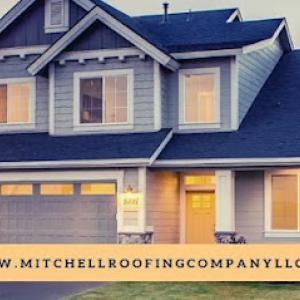
Mitchell Roofing Company
(727) 288-4650 www.mitchellroofingcompanyllc.com
Serving
5.0 from 51 reviews
Mitchell Roofing Company is family owned & operated, located in St. Petersburg, Florida. Chris Mitchell is a Florida native and is a USF Alumni. We're a small company with low overhead and therefore LOW COSTS! The standard and quality of each and every job is insured. We are dedicated to our customer's complete satisfaction. We are always here to answer your questions and are prepared to start your job when you are, from emergency roof leaks to planning the replacement of your old roofing materials. Mitchell Roofing Company uses the highest quality roofing products for extended life and a great warranty. We provide your home with the ultimate protection with durable roofing materials to withstand wind and rain and are energy efficient!"
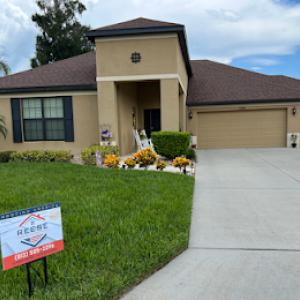
Reese Roofing & Construction
(727) 677-3373 www.reeseroofing.com
Serving
5.0 from 93 reviews
Reese Roofing & Construction is the premier choice for roofing, gutter, and solar installation needs in Brandon, FL. With unparalleled expertise and dedication to excellence, we deliver top-notch craftsmanship and unparalleled customer service. From roof repairs to full installations, we handle every project with precision and care. Our team is committed to using the highest-quality materials and the latest techniques to ensure lasting results that exceed expectations. Trust Reese Roofing & Construction for all your roofing and construction needs, and experience the difference that quality and reliability make. Proudly owned by US Military Veterans.
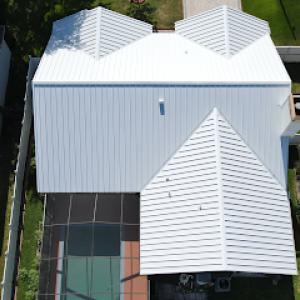
𝐆𝐓𝐎 𝐑𝐎𝐎𝐅𝐈𝐍𝐆
Serving
5.0 from 19 reviews
GTO ROOFING Is A Family Operated Full Service Roofing Company With 20 Years Of Experience Within Our Organization. Our Professional Services Originate In The Tampa Bay Area. All the While Expanding Our Family To Every City Within The Coast Of Florida. As A Licensed & Insured Company, We Are Committed To Building Lasting Relationships With Every One Of Our Customers. We Work Diligently To Maintain The Highest Level Of Customer Satisfaction. We Take Initiative In The Forever Evolving Construction Industry To Keep Updated With All Industry Safety Measures & Next Generation Knowledge. #CCC1332898 “Experience The Difference As We Keep FL Covered One Roof At A Time”
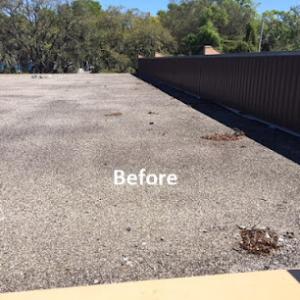
JD Contractors
(813) 662-4755 jdc-roofing.com
Serving
5.0 from 32 reviews
For over four decades, JD Contractors has been safeguarding businesses across Central Florida with expert roofing solutions. Based in Brandon, FL, our State of Florida certified team delivers unparalleled commercial roofing services throughout Tampa, Clearwater, and St. Petersburg. Trust JD Contractors to protect your investment with quality craftsmanship and lasting reliability.
Florida Forever Roofing & Restoration
(813) 374-4226 floridaforeverrr.com
Serving
4.9 from 27 reviews
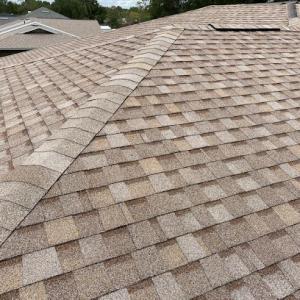
Are you looking for a trusted roofing contractor to install a new roof on your property? If yes, Florida Forever Roofing & Restoration is the roofing company Tampa you can count on. Our company is licensed, insured, and bonded. We are GAF certified and have an excellent reputation in the roofing industry. Our company has well-trained and experienced technicians equipped with the right tools and equipment., In addition, we use high-quality roofing materials from top manufacturers. The materials come with product warranties, and we offer workmanship guarantees. So in case your roof is damaged within the warranty period, we will repair it at minimal or no cost. We also provide roof repair, replacement, and maintenance services.
Hytz Roofing
(813) 436-0761 hytzroofing.com
Serving
5.0 from 229 reviews
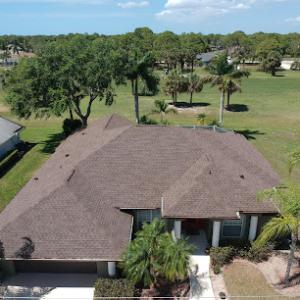
We are a Florida Company! Hytz Roofing has three office locations to serve the residents in Florida. We understand Florida storms and how to navigate the insurance process. Hytz also provides quick turnaround service to be able to sell your home quickly with a new roof. Your Florida home is a valuable asset. At Hytz Roofing, we are striving to provide exceptional customer service and quality products to protect your home from the weather that happens in our state. From Tampa to Naples and over to Orlando and Lake Mary area. We serve a huge area of Florida! Hytz is here to help you every step of the way, so call us today for a consultation on your roofing.
J&M Roofing
(813) 981-7427 www.jandmroofing.com
Serving
4.9 from 64 reviews
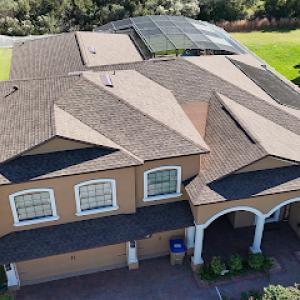
When it comes to your roofing needs, J&M Roofing stands out as a trusted choice in Tampa. Our dedicated team is committed to providing tailored solutions for every type of roof, ensuring you get the best care possible.
Top Line Roofing
(813) 710-6074 toplineroofingflorida.com
Serving
5.0 from 134 reviews
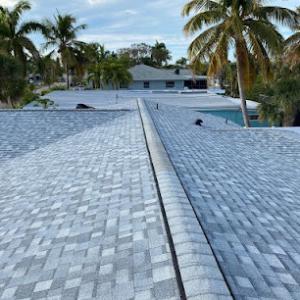
Top Line Roofing is one of the leading roofing companies in Brandon, FL, and your trusted source for all your roofing needs. We specialize in quality roof repair, new roof installation services, storm damage roof repair and replacement, and restoration. Whether you need a minor repair, a complete roof replacement, or durable roof coating solutions to enhance longevity, our experienced team of professionals has the expertise to handle any project with precision and care. We provide exceptional residential roofing services, commercial roof replacement, and reliable roofing solutions tailored to your specific needs. Contact us today for a free inspection!
In this part of the county, a full roof replacement is typically handled through Hillsborough County, not through informal contractor scheduling alone. If you're replacing an entire roof, expect the process to start with a permit review that confirms the new roof type, fasteners, underlayment, and any upgrades. The county requires documentation that the project meets current wind- mitigation and building-code standards, which often means coordinating with the contractor to gather the right drawings and product data. Don't assume the project can move forward on a simple cosmetic fix or a partial repair; most full replacements trigger the county's permitting path. Keep a clear line of communication with your roofer about timing, because permit review timelines can influence project start dates and crew availability.
Hillsborough County projects frequently surface wind-mitigation questions after replacement, and insurers commonly request proof of attachment and upgrade details. That means you should plan for documentation that shows how the new roof is secured, what underlayment and puncture resistance features are installed, and whether any roof deck fastening or strap upgrades are in place. Your contractor should provide a detailed wind-mitigation certificate or equivalent forms that demonstrate the roof meets current wind-requirements. If the insurer asks for retrofit evidence later, you'll want to have those papers ready. This is not just a checkbox item; it can affect insurance credits and even claims processing after a storm event.
Roof projects in this area are overseen through staged inspections. Common milestones include an initial framing or underlayment inspection, a mid-project inspection as shingles or tiles are installed, and a final inspection before the permit closes out. Each milestone is an opportunity for the county to verify that the work complies with applicable codes and that the installation aligns with the approved plan. Because inspections are scheduled through the county, the timing can hinge on inspector availability. If a storm season crunch hits and inspectors are busy, expect some shift in your timeline. Planning ahead with your contractor for inspection windows can reduce downtime and keep the project moving.
Start by confirming with the contractor that the permit application will be filed through Hillsborough County for a full replacement, and ask for copies of the permit number and the approved plan set. Request a checklist from the roofer that outlines each inspection milestone, what will be reviewed at each stage, and the anticipated dates. When wind-mitigation concerns are likely to arise, request a pre-inspection review so you know what documentation you'll need to present. Maintain a centralized folder with permits, wind-mitigation certificates, product data, and inspection notices so that when the county calls you for information, you can respond quickly. If any inspection is postponed due to scheduling, coordinate with the roofer to secure the earliest available slot and keep your homeowner's coverage informed about the updated timeline. In a high-humidity, hurricane-exposed climate, timely permit handling and clear documentation can save you delays and ensure the project meets Hillsborough's required standards.
Florida's high-claim storm environment lands squarely on your doorstep when a hurricane season rolls in. In Seffner, carriers often treat roof age, current condition, and wind-resistance features as blinking red lights during underwriting or renewal. The combination of intense summer heat, humidity, and rapid storm activity means insurers will want to know exactly how your roof has fared over time, not just what it looks like on a calm day. A roof that has avoided major damage for years can still raise questions if it sits on an older deck or lacks documented wind-mitigation features. The result is a tighter scrutiny process that can influence how smoothly a renewal goes or how quickly a claim is evaluated if a storm hits.
When a storm crosses the Tampa Bay area, that scrutiny becomes practical reality. Adjusters may request photos of the roof from multiple angles, contractor findings, and a clear trail of permits and completion documentation before approving or closing roof-related claims. In a place where roof systems endure salt air, heavy rains, and high wind gusts, the absence of thorough paperwork can stall or complicate settlements. In recent years, insurers have shifted toward demanding more rigorous proof before stepping back from a claim, especially if the roof has visible aging or prior repairs. Expect a need for precise timelines,repair notes, and third-party assessments to support the claim file.
Recent insurer tightening in Florida translates into a practical rule: better documentation is your best defense if you still have a roof in service after it's aged beyond ideal conditions. Gather a cohesive set of records that show a continuous maintenance history, any wind-mitigation upgrades, and clearly dated contractor findings. If a storm event occurs, your ability to quickly assemble this dossier can shorten the path to reimbursement and restore. Provide a straightforward narrative that ties recent damage to observed conditions and the roof's age, rather than letting ambiguity linger in the claim file. In a market where insurers routinely verify details, proactive record-keeping serves as a safety net for Seffner homeowners facing the consequences of a long service life on a storm-tested roof.
Connect with contractors who help homeowners navigate the claims process from damage assessment to final approval.
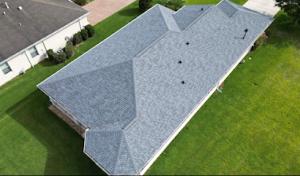
Asphalt shingles remain common in Seffner because they fit local budgets, but the area's UV load, heat, and humidity can shorten appearance life and accelerate granule loss compared with milder climates. If you choose asphalt, look for architectural or laminated options with higher granule density and reflective capabilities to better resist sun exposure. A good underlayment and deeper-overhang eaves help shed summertime heat and reduce the chance of surface staining from humidity. Regular inspection after hurricane season is essential, since wind-driven rain can lift edges and expose the plywood beneath. Consider upgrading edge metal or valley flashing when you notice granule loss or curling shingles. In any case, a local installer with experience in Hillsborough County wind-areas will tailor the installation pattern to resist uplift and optimize ventilation.
Metal roofing is especially relevant in the Seffner market because many local contractors actively specialize in it and homeowners value its wind performance and heat-shedding potential in the Tampa Bay climate. When installed correctly, metal panels can resist heavy wind loads and reflect more solar energy, which helps keep attic temperatures down and may reduce cooling demand. Look for metal systems with standing seams or concealed fasteners, as these details tend to perform better in wind-driven rain. Pay attention to the underlayment and flashing around chimneys, vents, and skylights, since metal installations hinge on a solid waterproofing base. In a climate with intense sun, choosing a color that reflects rather than absorbs heat can contribute to longer roof life and steadier neighborhood curb appeal. The installation should include proper ventilation and moisture barriers to prevent condensation-related issues in humid summers.
Clay and concrete tile fit many Hillsborough County homes but require attention to underlayment aging, fastening, and replacement logistics because the field tiles may outlast the waterproofing layer beneath. If you like the traditional look, tile roofs can provide excellent durability, yet the roof deck needs solid support and well-maintained slip sheets or synthetic underlayment to prevent leaks as the tile system ages. In high-humidity summers, ensure the underlayment remains intact and check fasteners for looseness after storms or heavy winds. Tile decks can add weight, so the structure should be evaluated to confirm adequate support and seismic or wind-rated connections. For best results, pair tiles with a breathable, robust underlayment system and ensure contractor attention to proper tile alignment, rake and ridge lines, and adequate ventilation near the attic space to reduce heat buildup.
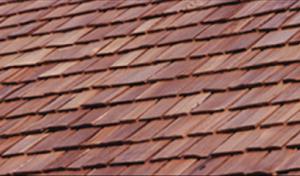
Wood shingles or shakes offer a traditional texture that some homes crave, but Seffner's heat and humidity can accelerate drying and lead to faster distortion or mold if ventilation and moisture control aren't optimal. If choosing wood, select treated, dimmable products with a durable sealant and ensure the attic has active ventilation and moisture management. Synthetic or composite shingles present a lower maintenance path with better resistance to humidity and temperature swings while preserving a comparable appearance. Regardless of material, the key is matching roof design to the home's eave overhangs, attic ventilation, and the underlying waterproofing system to weather Florida's coastal-inland exposures.
In Seffner, winter and the broader dry season usually provide more stable installation windows than the summer wet season, reducing weather delays and exposure during tear-off. Work tends to proceed in longer, uninterrupted stretches when afternoon thunderstorms are less frequent and roofs stay dry between showers. If you're planning a full roof replacement, align the start date with late fall through late winter when crews can move steadily without the constant interruption of daily downpours. A dry-season schedule also helps keep attic ventilation and interior spaces from heating up during the tear-off, which makes the work more predictable for both crew and homeowners.
Summer scheduling in the Tampa Bay area is riskier because daily thunderstorm cycles can stop work unexpectedly even when no named storm is present. The afternoon lightning risk, high humidity, and occasional tropical downpours can force short work pauses or rescheduling. If a replacement must begin or continue in the summer, build a buffer into the plan for weather hold days and potential delays in material delivery or crew arrival. Communicate clearly with the contractor about preferred start windows and the likelihood of weather-driven pauses so you aren't left with a surprise shift in timing.
Storm-driven demand spikes after regional weather events can tighten labor availability and extend lead times for homeowners who wait until peak claim periods. After a hurricane or strong storm, crews and supply chains tighten quickly, and scheduling slots fill up. If your project hinges on insurance timelines or a specific contractor, consider initiating the replacement once the storm season retreats and crews have returned to normal capacity. Early planning during the dry season also helps lock in preferred crews before demand surges.
Coordinate with the contractor to set a provisional start date with built-in weather contingency days. Establish a clear communication plan for weather alerts and rescheduling, including how many days of backup the crew carries and how delays will be handled. Have a backup plan for temporary protection if you face an unexpected gap between tear-off and full installation, since exposed decking and underlayment can be vulnerable during prolonged holds. Finally, keep an eye on the calendar for anticipated cold snaps or unusually dry periods, which can influence efficiency and energy performance during the installation.
Get a clear picture of your project costs upfront - no commitment required.
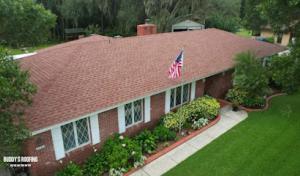
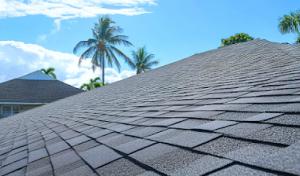
In Seffner, the mix of asphalt, metal, clay tile, and concrete tile drives pricing more than any single material. Heavier systems, such as clay or concrete tile, often mean extra structural considerations and longer installation times, which pushes labor costs up compared with a basic shingle replacement. Homeowners should expect that the dominant local materials influence not just the sticker price of the roof itself, but the overall job pace, material handling, and crew logistics on a typical Seffner street with mature homes and mixed roof geometries.
Asphalt shingles sit at the lower end of the local spectrum, with typical square-foot pricing around 350 to 600 dollars per square. Metal systems pull up, commonly landing between 700 and 1000 dollars per square, due to panel fabrication, fastening methods, and the need for precise valley and seam work. Clay tile and concrete tile command higher numbers-roughly 1000 to 1800 dollars per square for clay and 900 to 1500 for concrete-reflecting heavier weight, longer lead times for material, and careful substrate preparation. Wood shingles or shakes, and synthetic or composite shingles, fill in the in-between ranges, but are less common on newer Seffner homes gripping high wind zones. Overall, the local mix means that a straight "shingle over existing deck" replacement may not translate to the same installed cost as a tiled or metal upgrade on a comparable footprint.
After a hurricane or a major storm, demand surges along the Tampa Bay corridor squeeze availability and extend project timelines. Materials may experience short-term shortages or price jumps, and scheduling can become a bottleneck as crews juggle emergency repairs with planned replacements. If a storm is fresh in memory, expect some premium on both material lead times and labor windows as crews prioritize urgent work and homeowners seek quick, compliant solutions to protect interior spaces.
When planning, start with a material option that aligns with your home's structure and climate exposure. Heavier tiles demand verified deck support and careful fastening, while asphalt can be a faster, more budget-friendly option if weight is a concern. Get multiple, detailed bids that itemize material type, underlayment, fasteners, and any necessary structural improvements. In a neighborhood with Seffner's typical home stock, it's sensible to plan for a slightly longer install timeline and a buffer for weather-related delays, especially during hurricane season.
Seffner homes and additions with low-slope sections are vulnerable during the area's repeated heavy downpours because slow drainage and ponding-related stress become more consequential in summer storm cycles. When rain lingers on even modest slopes, water can creep toward flashing seams and joints that aren't fully watertight. You'll notice staining, damp attic spaces, or ceilings that suddenly darken after a nearby thunderstorm. The risk isn't just about a single shower; it's about the cumulative effect of Florida's long, hot summers and quick deluge bursts that push edge details beyond their working life. Regular checks after storms should focus on the transitions where flat or near-flat sections meet steeper portions, and you should act quickly if you see any standing water, pooling near penetrations, or new soft spots along the eaves. A proactive approach keeps slow drainage from becoming a slow leak that compromises insulation and interior finishes.
Skylight flashings are a common weak point during wind-driven rain events in the Tampa Bay climate, especially when sealants and surrounding roofing age under heat and UV exposure. Heat-driven expansion and contraction can crack sealant joints, allowing wind-driven spray to intrude around the curb or flange. In summer heat, sealants become brittle and less forgiving, so tiny gaps can widen quickly after a strong gust. If you notice condensation inside the glazing, roofline staining near skylights, or exterior flashing hairlines that appear to have separated, treat it as a warning that the risk of interior leaks will rise during the next storm cycle. Addressing aging sealants and re-sealing vulnerable joints before a hurricane-season sequence can save you larger repair costs later.
Mixed rooflines common in suburban Hillsborough County neighborhoods can create leak-prone transitions where steep-slope materials meet porches, lanais, or low-slope sections. These junctions are notorious for glue-down incompatibilities, inconsistent flashing, and misaligned drainage. During heavy downpours, water can funnel along critical edges and pool at transition points where two roof styles meet. You may notice damp spots at ceiling corners beneath a porch overhang or along ledger boards where a roofline changes pitch. To reduce risk, inspect the perimeter flashing where different slopes meet, ensure sufficient slope to direct runoff away from seams, and watch for any lifting shingles or shingles that appear misaligned at these critical transitions.
Find specialists in TPO, EPDM, and built-up flat roofing systems for residential and commercial properties.
Jerry's Roofing Of Tampa Bay
(813) 285-4858 jerrysroofing.com
5633 Pine St, Seffner, Florida
4.7 from 122 reviews
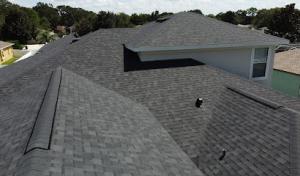
In Seffner, strong sun exposure makes solar discussions especially relevant, but the roof's current condition and remaining service life matter before adding penetrations or integrated systems in a storm-prone county. Before considering solar panels or skylights, inspect the roof for signs of age, delamination, or hail impact that could complicate mounting and lead to more frequent repairs after a hurricane. A durable, well-sealed roof creates a safer foundation for any solar investment and helps ensure that the added equipment won't accelerate wear or create new leak paths during the Atlantic season. The heat and humidity of Florida summers also affect the choice of mounting hardware and sealants, so choose systems and fasteners rated for coastal Florida climates and frequent sun exposure.
Synthetic and composite shingles can appeal to homeowners seeking a lighter alternative to tile while still planning for Florida heat, moisture, and wind exposure. In Seffner's climate, these materials often offer good color stability and impact resistance while reducing weight on older structures. When evaluating these options, consider how the material will hold up under long heat cycles and high humidity, as well as how it will perform during storms with driving rain and windy gusts. Look for products with reinforced cores or engineered granules designed to resist fading and cracking in intense sun, and verify compatibility with existing underlayment and ventilation. If the roof has already seen significant wear, a synthetic or composite upgrade can be a sensible way to improve performance without the heavier load of concrete tile.
Any solar-roofing decision in Hillsborough County should be coordinated with permit and inspection expectations so the roof and mounted system documentation align. Start with a clear assessment of the roof's age, measured surface area, and available load capacity, then map this against the planned solar array layout. Choose compatible mounting systems and flashing details that maximize wind uplift resistance and minimize penetrations. Prepare accurate as-built drawings, panel specifications, and inspection-ready documentation to streamline reviews and ensure that both the roof and solar components are documented for future insurance and maintenance needs.
Find contractors who integrate solar panels or solar shingles into your roof for long-term energy savings.
Lifetime Quality Roofing & Storm Restoration Tampa
(813) 522-8699 www.lifetimequalityroofing.com
Serving
4.7 from 390 reviews