
Last updated: Apr 19, 2026
Buford sits in the North Georgia storm corridor where spring and early summer hail and wind events are a recurring trigger for roof inspections, temporary repairs, and insurance claims. The pattern is predictable enough to plan around: you can expect spikes in damage reports after strong afternoon thunderstorms and late-week wind bursts. The risk isn't just new damage; it's damage that compounds if not identified quickly. A roof that carries multiple hail impacts or wind-scoured shingles can lose its ability to shed water efficiently, which means you could face interior leaks and attic moisture that feel urgent long after the storm passes. In practical terms, that means you should view the first 72 hours after a storm as your critical window for initial damage assessment and documentation.
Summer thunderstorms in Buford can create both new damage and scheduling backlogs, so homeowners often need to distinguish fresh storm loss from older heat- and humidity-related wear before filing a claim. Inspect without delay for obvious signs: missing granules, dented metal, lifted shingles, or torn flashing. More subtle indicators include curling edges, micro-cracks in asphalt, and damp attic insulation near penetrations. If a claim is filed on a preexisting wear pattern, insurers may scrutinize whether the damage is storm-driven or the result of aging. The key is timely, objective documentation: date-stamped photos taken from multiple angles, and a simple log noting the time of storm arrival, wind speed estimates if available, and any immediate on-site temporary repairs you performed to prevent further damage.
Georgia carriers commonly want detailed photo sets, contractor estimates, and post-loss inspections, which makes early documentation especially important after a wind or hail event. Gather the basics within days of the event: a clear exterior roof shot from ground level and from the ladder's base, close-ups of damaged shingles or metal panels, and any gutter or fascia damage. Inside the home, capture any signs of moisture intrusion, staining, or ceiling bulges.Attach a simple map to your photos showing roof sections affected by the storm, and keep a separate file for all contractor estimates. When you can, secure a written assessment from a licensed roofing professional that outlines observed impact areas, potential underlying issues (such as compromised underlayment or deck damage), and recommended immediate steps. If a temporary patch is needed, document the materials used and the timing of that fix to demonstrate proactive mitigation.
Storm timing matters. After a severe wind or hail event, insurers often schedule adjuster visits, which can create a backlog if multiple claims surge at once. In such windows, delay can lead to secondary weather exposure, potentially increasing the scope of the claim. You should not wait for an adjuster to point out obvious problems. Instead, initiate the claim promptly, but continue to monitor for latent damage that becomes visible only after a few dry days. The presence of heat and humidity accelerates underlayment deterioration and can promote hidden rot in the deck, which may influence the final scope of replacement rather than repair. Early, clear communication helps prevent misclassification of damage and speeds up the path to a documented repair plan.
Georgia carriers anticipate a post-loss inspection that confirms the claim details. A professional contractor who arrives early to verify the extent of storm damage provides a practical bridge between what the eye sees and what the adjuster needs to authorize. The contractor's scope should include a candid assessment of roof geometry, shingle or panel integrity, flashing condition, and potential interior exposure risks. If the roof needs to be replaced or significantly repaired, the contractor should present a clearly itemized estimate that aligns with observed damage and recommended work. Early coordination between homeowner, adjuster, and contractor reduces back-and-forth and helps keep the project on track, especially during the busy Buford spring-to-summer window when scheduling delays can push start dates further into the season.
Once storm claims begin, you should establish a pace: confirm claim acceptance, schedule an adjuster visit promptly, and stage temporary protections if advised. If the damage is extensive, pre-approve or secure a provisional repair plan to prevent further moisture intrusion while the full scope is evaluated. If a second storm arrives during the claim period, be prepared to document incremental damage and adjust your contractor estimates accordingly, ensuring each addition is tied to verifiable storm impact rather than ongoing wear. In all steps, maintain a concise, organized record set so the insurer can see the clear line from storm event to documented loss to final replacement decision.
RoofServ
4975 Little Mill Rd, Buford, Georgia
5.0 from 299 reviews
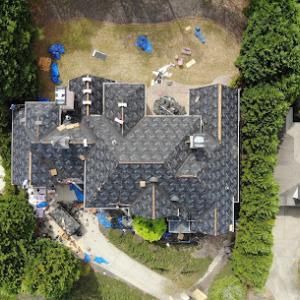
RoofServ is a GAF Master Elite and Owens Corning Platinum Preferred Certified residential and commercial roofing company based in Buford, Georgia. Providing services throughout the North Georgia region, ensuring superb project management, and providing immaculate crews for ultimate customer satisfaction. Our roofing company and roofing contractors service all of Atlanta, GA as well as Marietta, Sandy Springs, Alpharetta, Athens, Bookhaven, Crabapple, Cumming, Dunwoody, Gainesville, Johns Creek, Loganville, Milton, Norcross, Roswell, Suwanee, Winder, Woodstock and more. Get a free roofing quote today.
Joshua 19 Roofing
(706) 471-1567 joshua19roofing.com
Buford, GA
5.0 from 319 reviews
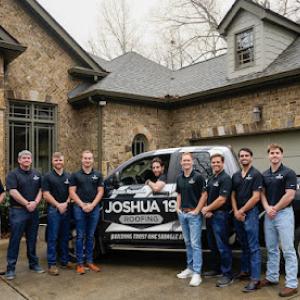
Are you looking for a reliable roofing contractor? The team at Joshua 19 Roofing can ensure that you have a strong roof protecting your home. With over ten years of experience in the roofing industry, we have what it takes to give you top-quality results. We also provide free inspections and offer a 10-year labor warranty. You'll be happy to know that we're fully insured for your peace of mind. Reach out to us today to schedule a free inspection!
Universal Roofing & Construction
4226 Hamilton Mill Rd, Buford, Georgia
4.9 from 354 reviews
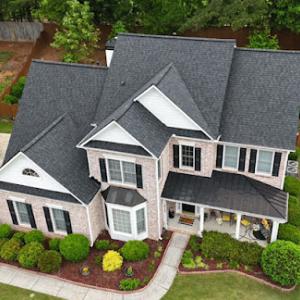
Our owners and all of our project managers are career-dedicated professionals in the home restoration industry. All our employees, from the top down, are carefully screened, highly skilled, and bonded in excess of industry standards. We require all team members at Universal Roofing and Construction to keep their skills up to date with ongoing training and skill enhancement Georgia Grown Our work teams and project managers live in your cities and neighborhoods. We live, work, and raise our families in of the Georgia markets where we do business. That’s why we work so hard to keep our stellar reputation intact: your community is our community. Unlike most roofing contractors, we live where we work.

Droneview Roofing
(770) 873-7819 droneviewroofing.com
3300 Hamilton Mill Rd Ste 225, Buford, Georgia
5.0 from 87 reviews
DRONEVIEW ROOFING is proud to be one the best roofing companies in North GA. Providing roof repair and replacement. We are top contractors committed to the highest customer service and workmanship quality. You can trust that your home is in good hands when our roofers and highly trained staff takes on your construction project.
Douglas Construction
(833) 895-7663 www.douglasconstruction.net
3070 Buford Hwy, Buford, Georgia
4.9 from 165 reviews
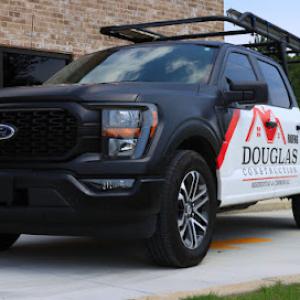
Established in November 2017, Douglas Construction is a Atlas Pro+ Platinum Certified roofing contractor in Georgia. We specialize in residential and commercial roof replacements, roof maintenance and roof repairs. Our A+ Better Business Bureau rating reflects our commitment to quality and personalized service.
SkyShield Roofing
(706) 471-2639 www.skyshieldroofs.com
4550 Atwater Ct Unit 209, Buford, Georgia
4.9 from 115 reviews
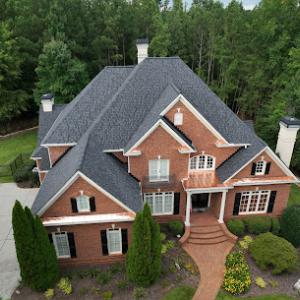
Skyshield Roofing is a top rated roofing company Buford GA. We’re committed to raising the standard for customer service, craftsmanship, and professionalism among roofing companies in Buford. Our goal is to deliver a smooth, stress-free experience from start to finish. Whether your home needs a full roof replacement or you suspect recent storms have caused damage and need roof repair Buford GA, Skyshield Roofing Buford is ready to help. Our experienced account managers guide you through every step of the process and can connect you with flexible financing options. If storm damage is found, our NCI-certified inspectors will provide you and your insurance company with a detailed report outlining all roof damage identified.
Legacy Roofing & Exteriors
(678) 629-2646 legacyroofs.org
5180 Bellewood Ct, Buford, Georgia
4.9 from 162 reviews
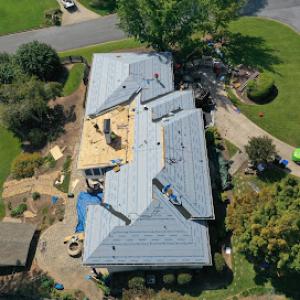
Local Roofing contractor specializing in roof replacements and repairs. Focusing on the homeowners needs and assisting property owners with insurance claims to provide coverage from storm related damages. Building a Legacy one roof at a time with the top quality in workmanship and customer service
Magnolia Roofing & Restoration
(470) 668-6160 www.magnoliaroofingandrestoration.com
3280 McEver Rd # 103, Buford, Georgia
4.9 from 135 reviews
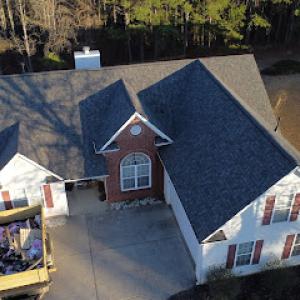
Magnolia Roofing and Restoration is a trusted local roofer and siding contractor serving North Georgia. We specialize in roof repair, roof replacement, siding installation, metal roofs, shingles, and storm damage restoration. Our team handles residential and commercial projects, offers expert insurance claim assistance, and uses top-quality materials. If you're searching for roofing contractors near you or local roofers you can count on, we’re here to help. Proudly serving Athens, Buford, Marietta, Atlanta, Kennesaw, Cumming, and surrounding areas. Call for a free estimate!

Bailey Roofing & Restoration
(770) 381-8081 baileyroofingrestoration.com
218 S Hill St, Buford, Georgia
4.9 from 125 reviews
When your roof or home is damaged, the stress often comes from not knowing what to do next. Bailey Roofing & Restoration is a family-owned company committed to serving homeowners with honesty, care, and clear guidance during difficult situations. We specialize in roofing, storm damage, and water damage restoration, helping homeowners move from inspection through repair and reconstruction with confidence. Our team focuses on clear communication, dependable workmanship, and advocating for our customers every step of the way — so you’re never left navigating the process alone. If you need reliable help after damage, visit our website to understand your options and take the next step with clarity and peace of mind.
Star Plus Group
(470) 226-3602 starplusgcr.com
4335 S Lee St ste a, Buford, Georgia
4.9 from 104 reviews
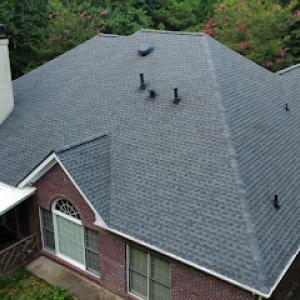
Star Plus Group is a trusted roofing contractor serving Buford, GA, Alpharetta, Dacula, and nearby areas. We provide residential and commercial roofing solutions, including roof replacement, roof repair, and more. We also specialize in siding and gutter services. Homeowners choose us for our comprehensive roof warranties and affordable financing options. Contact your reliable local roofers today for a free estimate!
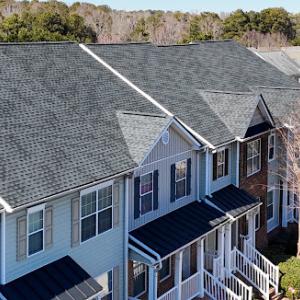
Ameristar Roofing
(770) 831-1770 www.ameristarpro.com
5227 Palmero Ct, Buford, Georgia
4.8 from 80 reviews
Professional roofing contractor specializing in roof replacements, roof repairs, gutter cleaning, gutter installations, and more for residential, HOA, multi-family, and commercial properties.
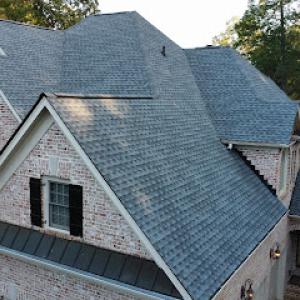
Kingdom Builders Roofing & Construction
(943) 212-3223 www.kingdombuilders.construction
1156 Laurel Valley Ct., Buford, Georgia
5.0 from 30 reviews
Kingdom Builders Roofing & Construction (KBRC), Gwinnett County's most trusted Roofing Contractor! We specialize in Roof Repairs, Replacements, Gutter installations, Siding, Concrete, and Home Wellness Checks. Backed by our Faith in Jesus & Certified GAF System Plus Warranty, we offer top-quality workmanship and materials with little-to-no-money out of pocket. We provide free roof inspections, use advanced roofing technology, and we seal every project with faith, by “Putting Jesus on your home”—a symbol of lasting protection and purpose. Call today for your home's Community Verified roofing solution!
Asphalt shingles are the dominant practical choice for the housing stock around the lake and in the tight-knit, suburban neighborhoods with pitched roofs. They're easy to replace after storm damage and align well with typical Buford roof geometry, making insurance-driven replacements smoother. When a storm rolls through with hail or high winds, an asphalt shingle roof can be evaluated quickly for missing tabs, bruising, or granule loss, and your contractor can get you back under a solid roof without heavy logistical drama. In terms of long-term upkeep, they tolerate the North Georgia humidity and rapid rain bursts reasonably well, provided drainage details are sound and the attic ventilation is adequate to manage heat buildup on hotter afternoons.
Metal roofing has a strong niche locally because Buford's hot, humid summers make heat shedding and long-term weather resistance attractive, especially for homeowners planning to stay put through multiple storm cycles. If the goal is resilience and minimal maintenance after repeat thunderstorm events-with wind-driven hail and heavy rain in mind-metal can perform very well. It sheds heat more efficiently than most other materials, which helps reduce attic temperatures and prolongs the life of interior finishes. Metal also resists impact better than many lighter options, which matters when hail patterns spike during Georgia springs. The choice pays off particularly for roofs with moderate to steep pitches where wind uplift risks are a concern and you want a system that can ride out consecutive storm seasons with fewer major repairs.
Clay tile and concrete tile appear in the market but are less common in this market segment. They bring a distinctive look and solid durability in some cases, but weight becomes a real factor on existing structures that were not built to carry heavy roofing. In a region with heavy rain and occasional winter freezes, moisture behavior under these systems needs careful attention to avoid freeze-thaw stress and potential fastener corrosion. Wood shake and several synthetic products also show up; however, wood behaves differently under humidity and humidity-related expansion, and synthetic options vary widely in performance. If you're weighing these choices, assess how the roof deck and trusses were designed to handle weight, how the system manages moisture, and the ease of repair after a significant hail event or heavy rainfall. In practice, these options require closer monitoring of leak paths and more precise repair logistics when time is short after a storm.
Begin with the structural reality of your home-roof deck, existing insulation, and attic ventilation-since heat and moisture interplay directly with performance in this climate. If you expect multiple storm cycles before the next major upgrade, lean toward materials with proven track records for impact resistance and weather endurance, such as asphalt shingles for ease of replacement and metal for long-term resilience. For homes with historical charm or unique architectural features, confirm that heavier tile systems won't overburden the structure and that the chosen underlayment and flashing are rated for local freeze-thaw and heavy rainfall patterns. In all cases, ensure the installation crew prioritizes proper nailing patterns, adequate attic ventilation, and sound drainage to handle Buford's humidity and storm-driven runoff.
Asphalt shingles remain the most common choice for suburban homes around Buford, with pricing typically running about 350 to 750 USD per square. In practice, this range reflects mid-range architectural shingles versus basic 3-tab products, plus local labor where storm-weary neighborhoods can see variability after hail or strong winds. When a storm pushes demand up, you may notice scheduling tightness and price creep as several homeowners seek replacements in the same week. A straightforward tear-off and re-shingle with matching or upgraded underlayment can keep costs predictable, but if retrofits or additional flashing work are needed around chimneys or skylights, the final bill might drift toward the upper end of the range.
Metal options sit higher, typically 700 to 1500 USD per square, and are a common go-to for long-term resilience in storm-prone periods. In Buford, metal can pay off with energy savings and a longer service life, which matters in the humidity and rapid weather shifts that characterize Lake Lanier's area. Storm surges can push scheduling into tighter windows, especially after hail events, so be prepared for potential short-term price bumps tied to demand. The heavier material also means more robust deck and flashing work, which can influence installation time and overall cost.
Clay tile commands roughly 1000 to 2500 USD per square, driven by material weight, fragility concerns, and the need for specialized installation. In storm windows, tile roofs may require careful handling during tear-off to avoid cracking and to ensure proper re-seating. The region's high humidity and strong afternoon thunderstorms can complicate setting and curing, particularly if underlayment or deck inspection reveals hidden moisture damage. If the roof pitch is steep, expect additional labor time and associated costs, as crews maneuver safely on sloped surfaces.
Concrete tile sits in a similar tier to clay, about 900 to 2000 USD per square, with cost variations tied to tile profile and underlayment choices. In Buford, the combination of hail risk and wind pressure makes reliable sealants and proper flashing around transitions essential. Storm-driven demand can tighten crews and push prices upward after major hail events. Hidden decking damage discovered during tear-off is a real possibility in humid climates, which can elevate total costs if framing or plywood needs replacement.
Wood shingles or shakes run roughly 450 to 1200 USD per square. In humid Gwinnett-area environments, wood can offer a classic look but requires good ventilation and moisture management to resist rot. After hail or wind, crews may encounter damaged decking beneath, and the need for careful knot-by-knot matching can add labor time. If the pitch is moderate to steep, installation can become more intricate, contributing to higher end pricing during storm-driven rebuilding periods.
Synthetic or composite shingles are typically 400 to 900 USD per square, offering a balance between cost and performance. In Buford, these options can deliver decent hail resistance and a lighter roof compared to tile varieties, which helps with install speed. Storm demand can still affect scheduling, but the modular nature of these products often keeps changes in pricing moderate relative to heavier roofing systems. Hidden decking issues, if found, will still influence total cost, especially in a humid climate where moisture assessment is crucial after tear-off.
Get a clear picture of your project costs upfront - no commitment required.
Magnolia Roofing & Restoration
(470) 668-6160 www.magnoliaroofingandrestoration.com
3280 McEver Rd # 103, Buford, Georgia
4.9 from 135 reviews
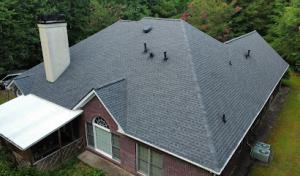
Star Plus Group
(470) 226-3602 starplusgcr.com
4335 S Lee St ste a, Buford, Georgia
4.9 from 104 reviews
In Buford, a building permit is typically required for roof replacement. The practical reality is that the roofing contractor usually handles the permit application rather than the homeowner, so you should expect a coordinated process rather than a DIY paperwork sprint. The permit path helps ensure the new roof complies with local wind, slope, and flashing standards that are shaped by Gwinnett County's inspection practices. A small permit fee is part of the process, and the permit is not granted until the bureau has all the necessary details from the contractor. Rely on the contractor's familiarity with the local building department to avoid procedural delays.
Once the roof is installed, inspections focus on details that can escape a ground-level view. The inspector will check nailing patterns to confirm fasteners meet local hold-down requirements, underlayment installation for proper weather resistance, and ventilation to prevent moisture buildup in the attic. Flashing details around chimneys, vents, and roof penetrations must be tightly sealed, especially in Lake Lanier's humidity and during rapid weather changes typical of north Georgia storms. Any discrepancies in penetrations or visible workmanship can trigger a re-inspection or permit hold until corrections are verified, even if the roof looks finished from the ground.
Expect the permit process to unfold with a timeline that depends on correct documentation and scheduling with the building department. Contractors who regularly work in this market tend to anticipate the need for re-inspection if corrections are necessary, so communication about potential issues early in the project helps prevent surprises. Proactively confirm the contractor's plan to address ventilation, flashing, and penetrations in writing, and request a clear schedule for the inspection steps. If a re-inspection occurs, coordinate promptly to minimize any weather-related delays and keep the project moving toward final approval.
In this part of Gwinnett County, the storm season can test roofs that have seen years of Georgia humidity, fast-moving thunderstorm winds, and hail. Carriers treat aging roofs differently, and a claim can hinge on more than visible damage. If a roof is older or carries prior repairs, insurers may scrutinize age, wear patterns, and whether pre-existing issues have been adequately addressed. The consequence is a stronger push to justify a full replacement versus a repair, which is not just about the storm but about the roof's long-term resilience in this climate.
Some insurers have tightened terms for roofs that show age or a history of damage. That means maintenance records and pre-storm photos gain value that wasn't always necessary a few seasons ago. When a storm hits, adjusters in Buford often request more documentation and may compare a current condition to previous records. The more you can demonstrate consistent upkeep and clear records, the clearer the path to a coordinated recovery becomes.
Because adjusters may request contractor estimates and post-loss inspections, it helps to have a vivid, early baseline. After a hail or heavy rain event, document every roof slope, metal detail, and interior sign of leaks the moment it appears. Take wide shots of the entire roof and close-ups of flashing, edges, vents, and any suspected impact points. Capture attic and ceiling signs of water intrusion, even if they seem minor. This practice is not about sensationalism; it's about creating an accurate, timely picture for the claim process and for any future maintenance decisions.
If the roof carries years of wear or has known repairs, prepare for a process that may require patience and precise records. Keep a dedicated storm folder with dated photos, receipts for minor repairs, and notes on any observed leaks or changes in attic moisture. When storms threaten, or after one passes, this disciplined approach helps ensure that the claim path, if needed, remains as straightforward as possible in a market where insurers pay close attention to age and history.
Connect with contractors who help homeowners navigate the claims process from damage assessment to final approval.
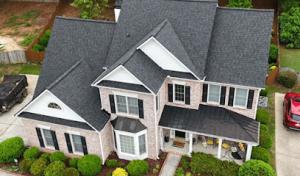
Universal Roofing & Construction
4226 Hamilton Mill Rd, Buford, Georgia
4.9 from 354 reviews
Spring and fall offer the best replacement windows because crews avoid the worst summer heat while still working in milder conditions than winter. In practice, you'll find crews moving more efficiently during these seasons, with fewer bake-through days and less staggered scheduling due to extreme heat. If your roof is visibly aging or showing frequent shingle loss after storms, plan for a spring or fall project window to align with typical milder weather and steadier daylight.
Buford's summer pattern of heat, humidity, and frequent thunderstorms can interrupt tear-offs and dry-in schedules, which is a real planning issue for occupied homes. Expect occasional rain delays, and consider coordinating access routes and power needs so crews can restart quickly after a storm. If a replacement is already underway, have a clear plan for temporary shelter or interior protection on inside rooms most exposed to the exterior work.
Fall rain and lingering humidity can slow material drying and installation pace, while occasional winter freezes can complicate flashing work and increase brittleness concerns on some tile products. When planning a fall project, expect slower progress on damp days and be prepared for potential pauses as humidity climbs. For tile options, discuss freeze-thaw tolerance and flashing strategies with the contractor to prevent cold-season setbacks.
Aim for a start date that minimizes back-to-back heat waves and thunderstorm thumps during critical phases like tear-off and dry-in. Have a concrete plan for daytime access, attic venting, and interior protection so a busy storm week doesn't derail the project. Communicate preferred work hours to balance daylight with the crew's safety needs, especially during peak heat.
In a neighborhood pattern shaped by Lake Lanier humidity and quick-moving storms, the flashing around chimneys, skylights, and roof penetrations can become the first sign that a heavy rain year has stressed the roof. Repeated wetting exposes small installation errors quickly, so what looks like a tiny drip can point to a larger corner of vulnerability. If a chimney base or skylight curb shows a bead of moisture after a downpour, investigate not just the flashing itself but how it ties into the surrounding roof deck and chimney or skylight flashing pan. In Buford, those spots tend to reveal trouble sooner than hoped, especially after back-to-back storms.
Ventilation and underlayment details matter more in this climate than in drier regions because prolonged humidity can accelerate shingle aging and reveal attic moisture problems. A roof that breathes poorly traps heat and moisture, which can soften edges, curl edges, or accelerate granule loss on asphalt shingles. Check attic ventilation for balanced air flow and look for signs of condensation on the underside of roof sheathing after rainy spells. When underlayment remains damp for longer than a season, the risk of hidden leaks climbs, even if surface tiles look intact.
Occasional winter freezes in the region can stress exposed flashing transitions and make tile systems more vulnerable where prior moisture intrusion already exists. Frozen water expands at vulnerable seams, pushing flashing up or loosening fasteners. If you notice that previously disturbed flashing remains tacky, or if tiles near transitions show fine cracks after a freeze-thaw cycle, treat those areas as high alert. Prompt attention to flaky grout lines, loose tile edges, or damp spots beneath tiles can prevent a small leak from becoming a larger interior problem when a cold snap hits.
Find contractors experienced in skylight installation, flashing, and leak repairs to bring natural light into your home.
Trademark Contractors
(770) 945-9007 www.trademark-contractors.com
5096 Bristol Industrial Way suite b, Buford, Georgia
4.4 from 60 reviews
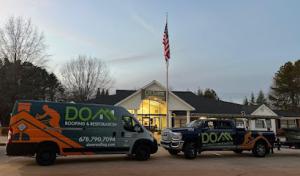
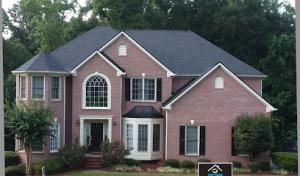
In a market with plenty of re-roofing and storm-response contractors, the emphasis should be on what they can document, not what they promise verbally. Look for a contractor who can clearly show inspection findings, cleanup practices, and any scope changes in writing. This region's humid lake-and-storm cycles mean debris, tarping, and temporary repairs frequently surface after a hail event; you'll want a file that tracks what was observed, what was repaired, and what remains outstanding. A Buford neighbor will tell you that written records save arguments when the insurer or the city asks for proof of conditions before and after work.
Quick-response service is common in this market, yet speed must come with accountability. Verify who is actually pulling the permit, who attends inspections, and who handles any required corrections with the city. A solid storm contractor keeps you informed about scheduling steps, who will be at the site, and how the crew will address any city feedback promptly. The faster you get good documentation aligned with the timeline, the smoother the replacement process will move through the next weather cycle or claim review.
Drone inspections, manufacturer certifications, and a solid written warranty package are meaningful differentiators here. After a storm, many homeowners hire locally and need substantially documented proof for insurers. A Buford-area roofer who uses drone imagery to capture hail impact patterns, provides certification-backed materials compatibility guidance, and offers a trackable warranty demonstrates preparedness for both weather and paperwork. The combination helps ensure that the project can withstand the next thunderstorm, while keeping insurer and contractor communications clear and organized.