
Last updated: Apr 19, 2026
Spring in this part of Northeast Georgia punches hard with hail and quick, high-wust thunderstorms. When a storm rolls through, roofs are often checked at a glance by neighbors and by wind-driven debris that can crack shingles or dent gutters. In Hoschton, those sudden inspections, tarping, and insurance chatter aren't unusual after a hail event or a brisk wind. If you hear hail rattling the soffits or see dimples in metal gutters, treat it as a warning signal you cannot ignore. The clock starts ticking the moment a storm ends and the claim process begins, not when the sun returns.
In this climate, carriers tend to want solid documentation before moving ahead with a full replacement. Photo proofs of pre-damage conditions, post-storm impact, and any shifts in roof integrity matter a lot. A single storm can trigger a wave of inspections and claim activity across a neighborhood, and the more organized your documentation, the greater your leverage to secure a proper replacement. Do not rely on memory or casual notes when the adjuster arrives. Have clear, dated photos showing any adjoined problems such as lifted shingles, bruised panels, or granule loss. If you experienced a particularly brutal hail event or a strong afternoon wind, anticipate a review that will compare a known pre-storm state to the post-storm condition. In such moments, the timeline matters: delays can affect which portions of the roof are covered and how the claim is approved.
Hot, humid summers push many homeowners to target spring or fall for replacement work, trying to dodge the worst of mid-summer heat. But in this region, spring also carries the risk of renewed activity. Wind-driven storms can reintroduce damage that looks minor at first but worsens rapidly with rain and sun bleaching. If a claim is introduced in late spring, there is a real possibility of subsequent weather events complicating the pre- and post-damage record. That makes timely assessment and action critical. If the roof shows obvious hail impact, do not wait for an official second wave of damage to occur before initiating conversations with an insurer or a contractor. Delays can complicate approvals and lead to disputes over what constitutes existing wear versus storm-induced damage.
First, document proactively, ideally within 24 to 48 hours of a storm. Capture wide roof views and close-ups of suspected impact zones, flashing, valleys, and chimney lines. If tarping is needed, arrange it promptly and keep receipts and photos of the temporary protection in place. Contact a local, reputable roofing contractor who understands how insurers in this area evaluate wind and hail claims and who can provide a professional assessment that aligns with carrier expectations. Request a written scope of work that distinguishes between temporary repairs and a full replacement, should the claim justify it, and ensure this aligns with the insurer's pre- and post-damage comparison requirements. Keep a detailed log of all communications with the insurer, including dates, names, and what was promised or proposed. In a region where spring hail and wind can abruptly change a roof's fate, timing is not just a planning detail-it is a critical factor in securing appropriate coverage and a durable, long-lasting repair.
Asphalt dominates the local market, and for good practical reasons. In the hot, humid summers and with frequent spring rain, asphalt shingles hold straightforward appeal: decent initial cost, quick install, and a broad service network. The trade-off here is accelerated aging compared to milder climates. Granule loss and sealant aging tend to show up sooner after repeated hail impacts and heat cycles, so you should plan for more frequent inspections after each storm season. If a hail event hits, your asphalt roof will likely show the most noticeable cosmetic and performance changes first, making timely contractor checks and possible repairs essential to extend life. Routine maintenance-lifting loose shingles, resealing flashings, and addressing granule wear-helps minimize premature replacement decisions driven by weather stress rather than age alone.
Metal is a strong regional fit in this area because it sheds heavy rain efficiently and tends to resist wind-driven debris well. After repeated storm seasons, metal often delivers a longer service life compared to other mainstream options, with the caveat that installation quality and panel detailing matter a lot in hail-prone zones. If storm history is a big factor in your decision, metal's resilience under wind and its ability to reflect heat can translate to fewer interim repairs and more predictable performance through Georgia's demanding springs. In practice, you'll want a metal package that includes well-sealed seams and appropriate underlayment, plus attention to roof-to-wall transitions, where wind-driven rain can sneak in if details aren't tight.
Tile and wood options exist locally, but they are notably less prevalent in the contractor market. Clay and concrete tiles bring strong longevity and distinctive curb appeal, yet the pool of specialists who regularly install and repair them is smaller here. Cedar or other wood shakes offer a warm look but require diligent maintenance to prevent warping or rot in the face of hot humidity and seasonal storms. If you pursue tile or wood, prepare for a tighter choice of installers and longer lead times, plus higher vulnerability to hail damage depending on the product and fastener layout. The upside is a unique aesthetic and potential long-term value if the local crew can manage proper installation and repair protocols.
In a climate with spring hail and wind bursts, the timing of replacements often hinges on recent storm activity and insurance considerations rather than purely age. When evaluating a roof after a severe weather event, focus on visible damage patterns-granule loss, dented shingles, compromised sealants, and breached flashings-and pair that with a professional inspection to gauge whether a full replacement or a targeted repair offers the best balance of protection and life expectancy. If a storm forces a decision, ensuring the contractor can deliver a complete, weather-tight install with attention to flashing, ventilation, and attic assessments will pay dividends through the next cycle of Georgia heat and rain.
When budgeting a roof replacement, frame costs per square (100 square feet) rather than by the whole roof. Asphalt shingles run roughly 350 to 550 USD per square, metal 700 to 1200, clay tile 1100 to 2000, concrete tile 900 to 1700, wood shingles or shakes 600 to 1100, and synthetic or composite shingles 650 to 1100. In this market, most suburban homes sit on steep-slope roofs, so keep in mind that labor and waste removal can push total per-square expenses toward the higher end of those ranges. Your exact figure will hinge on roof complexity, penetrations, and existing chimney or vent work, but the per-square framework above stays a useful baseline in springtime planning.
Hoschton's spring hail and wind events routinely align with insurance-driven remodeling timelines. After a hail storm, a cluster of claims can create scheduling bottlenecks, with several homeowners competing for the same crews and material shipments. That competition often nudges both start dates and unit costs upward for a week or two, even when a roof technically only needs a standard replacement. If you're filing a claim, expect the possibility of motivated scheduling shifts and be prepared for potential wait times that stretch beyond the typical window. To minimize surprises, secure an informed contractor early, and ask for a written estimate that shows unit costs per material, plus an anticipated start date and projected duration.
The dominant suburban steep-slope profiles in the area mean certain materials are more common and, therefore, more competitively priced in practice. Asphalt remains the most economical in this climate, but if your home features clay or concrete tile, the installation difficulty and weight can push bids higher due to crane access, roof tie-ins, and the need for additional strapping or underlayment. Humidity and frequent spring rain can also extend labor time, especially on higher, multi-story roofs where crews need to manage weather delays. Expect minor shifts in price if the contractor sources material locally versus ordering in, as delivery times can impact crew availability.
Start with a design review that inventories attic insulation, ventilation, and any existing roof decking that may need reinforcement. If insurance coverage is involved, request a clearly itemized estimate that breaks out material type, waste disposal, and any potential scaffold or tarping costs caused by spring storms. For storm-driven replacement timing, build in a small contingency for weather-induced delays and a potential temporary living expense if upfront work overlaps with a claim adjuster's visit. In many cases, choosing a durable option like metal or synthetic shingles can offer long-term resilience against recurring wind and hail-costs per square reflect that durability, but the reduced risk of frequent replacements may balance the initial investment over time.
Don't let upfront costs delay a critical repair - these contractors offer payment plans to fit your budget.

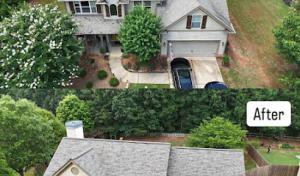
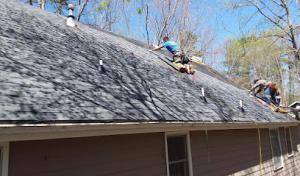
Hewatt Roofing
(770) 525-8658 hewattroofing.com
1246 Old Collins Rd, Hoschton, Georgia
5.0 from 299 reviews
Hewatt Roofing, based in Hoschton and serving Gainesville and the metro Atlanta area, is a family-owned roofing company specializing in roof replacements. Founded in 1997 by Jerry Hewatt, who brings over 35 years of roofing experience, our team is committed to helping homeowners protect their properties from Georgia’s heavy rains, storm damage, and aging shingles. We provide thorough roof inspections, explain repair or replacement options clearly, and offer detailed written estimates to ensure confidence in every decision. Fully insured and backed by an A+ Better Business Bureau rating, Hewatt Roofing is recognized as trusted roofing contractors dedicated to professional service and long-lasting results.
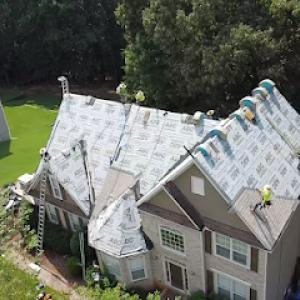
Ignite Roofing
(404) 915-1920 www.igniteroof.com
348 White St, Hoschton, Georgia
5.0 from 15 reviews
Ignite Roofing is a trusted local roofing company based in Hoschton, Georgia, renowned for its commitment to quality and customer satisfaction. Specializing in residential and commercial roofing solutions, Ignite Roofing offers a comprehensive range of services, including roof repairs, replacements, and free inspections.
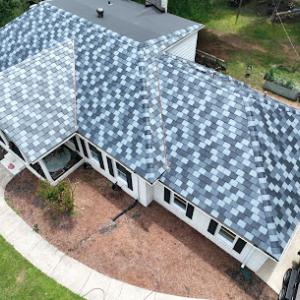
Revived Roofing Solutions of Hoschton
(770) 628-0244 revivedroofs.com
4665 GA-332 Suite A, Hoschton, Georgia
5.0 from 2 reviews
Revived Roofing Solutions is the roofing division division of the parent company MHL Solutions, Inc, a commercial and residential General Contractor licensed in Georgia, North Carolina, South Carolina and Tennessee.

TRiO Construction Exteriors & Remodeling
Serving
4.9 from 159 reviews
TRiO Construction is locally owned and operated. We have several divisions to serve your construction needs: -Metal and shingle roofing: we are Owens Corning preferred contractors. -Siding: We proudly install James Hardie or Vinyl siding. -Water/ Mold: We are open 24/7 for water emergencies, busted pipes, tree damage or any type of water intrusion as well as mold remediation, We are IICRC certified. -Remodeling services, basement buildouts, kitchens and bathrooms. -Sunrooms, decks, and porches - Window and door installation Our crews are trained to our standards and we do not use labor brokers. TRiO is fully insured TRiO services Residential & Commercial clients. We look forward to serving your construction needs!
Southland Roofing & Restoration
(678) 815-7535 www.southlandroofingandrestoration.com
Serving
5.0 from 25 reviews
"Southland Roofing & Restoration: Your trusted experts for quality roofing and restoration services. From repairs to complete replacements, our skilled team delivers exceptional results using premium materials and cutting-edge techniques. Experience the difference of our craftsmanship and enjoy a secure, beautiful roof that stands the test of time. Contact us today for a free consultation!"
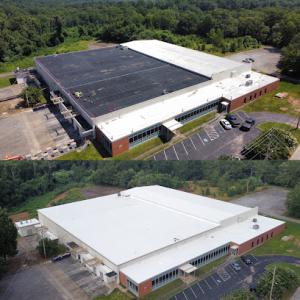
Elevation Restoration & Roofing
(470) 322-7938 www.elevationroofingco.com
Serving
5.0 from 33 reviews
Our mission is simple, provide exemplary roofing services throughout North Georgia while giving back to the community. We set the bar for standards in the roofing industry, from choosing to use only top-quality materials to our commitment to customer satisfaction. We recognize that the greatest value our customers can offer us is their trust that we will get the job done the right way - every single time!
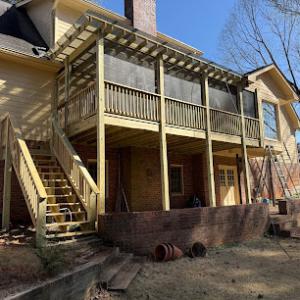
Bishop JD Roofing
(706) 983-5557 bishopjdroofing.com
Serving
5.0 from 89 reviews
Welcome to Bishop JD Roofing, your premier provider of roofing services in North Georgia. Our comprehensive offerings include roof inspection, analysis, installation, and repair, as well as expert handling of storm and wind damage. We also specialize in gutter installation and repairs and are adept at managing insurance claims. Trust Bishop JD Roofing for exceptional craftsmanship and dedicated customer service that protects and enhances your property.

Grace Roofing Group
(678) 425-5888 graceroofinggroup.com
Serving
5.0 from 91 reviews
Grace Roofing Group offers metro Atlanta exceptional residential roofing services. Our skilled roofing crews provide elite craftmanship. We offer free inspections to help you make an informed decision when it comes to your roofing needs.
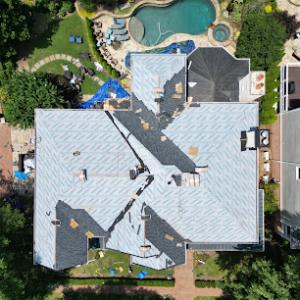
Roofer Express
(706) 870-7663 www.roofer-express.com
Serving
5.0 from 39 reviews
Roofer Express offers residential and commercial roofing services for clients seeking reliable roof protection.
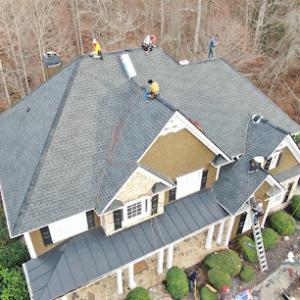
Cobra Roofing & Restorations
(404) 801-7451 www.cobraroofingandrestoration.com
Serving
4.9 from 124 reviews
Cobra Roofing & Restoration provides expert installation, repair and maintenance on all residential roofs throughout the South. We service Georgia, Alabama, South Carolina, North Carolina, and Tennessee. Cobra Roofing & Restoration, is known for providing Reputable Reliable Results. At Cobra Roofing & Restoration we understand how stressful it could be to find a good dependable roofing contractor to assist you with your hail or wind damage claim, that’s why its important to find a licensed, and accredited and insured contractor with exemplary service. Cobra Roofing & Restorations specialty is insurance claims and processing, with over 10 years experience in working with all major insurance companies.
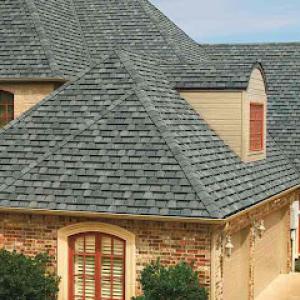
Bulldog Roofing & Repairs
Serving
4.8 from 100 reviews
Whether you need repair, inspection, or a complete replacement, Bulldog Roofing Repair is the right team for the job. We provide not only the best services but also the best parts and materials for all our customers. Our local company has a strong partnership with several trusted suppliers and manufacturers in the area. We also have in-depth knowledge regarding all your options and can guide you on the kind of roof that is most suitable for your property.

Overhaul Roofing
(770) 568-4540 www.overhaulroofing.com
Serving
4.4 from 13 reviews
WE OFFER FREE ROOF INSPECTION WORK WITH INSURANCE ROOF REPAIRS GUTTER REPAIR AND REPLACEMENT GUTTER CLEANING COMMERCIAL AND RESIDENTIAL FULLY INSURED AND LICENSED
A residential re-roof in this area generally requires a permit through the local building department, and either the contractor or the homeowner can submit it. When spring hail and wind events push homeowners toward replacement, timely permit handling matters just as much as materials and crew availability. Start the process early to avoid downstream delays that could hold up inspections once shingles are ready to go. Verify the address, lot size, and any HOA requirements before filing, since local rules can vary by neighborhood within the county metro area.
Inspection attention in this jurisdiction centers on correct nailing, underlayment, and venting rather than treating a roof replacement as a no-paperwork maintenance item. Expect the inspector to verify that the roof deck is sound, that underlayment is properly installed with appropriate overlaps, and that fastener patterns match the chosen roofing system. Venting must meet code and manufacturer specifications to prevent moisture buildup that can lead to attic mold or premature decking deterioration. In areas prone to spring hail and high heat, inspectors will also scrutinize valley flashing and drip edge installation to guard against wind-driven leaks.
Homeowners should expect inspection activity after installation and finalization, so contractor scheduling needs to account for local sign-off rather than same-day closeout assumptions. Plan for at least one interim inspection during installation and a final inspection after completion but before the project is considered closed by the permitting office. Weather windows in Northeast Georgia can compress or extend timelines, so coordinate with the installer to align material delivery, decking preparation, and nailer checks with anticipated inspection slots. If a repair patch is used on sections of the roof before full replacement, ensure temporary sealing complies with code and does not complicate the final inspection.
Clear communication with the contractor about permit status and expected inspection dates helps prevent delays. Keep a copy of the permit in the project site file, and ensure every inspection tag is visibly posted and referenced in the final paperwork. For storms and insurance-driven timelines, ask the contractor to provide a pre-inspection checklist that covers nailing pattern, underlayment, venting, flashing, and attic ventilation. That proactive approach helps you address any potential deficiencies before the official inspection, reducing the risk of rework and additional permit iterations.
High humidity in late summer around Hoschton can affect how some roofing products cure and set. Adhesives may take longer to reach full strength, and some fasteners or underlayment components rely on dry conditions to perform as intended. If a manufacturer calls for certain curing times, those instructions matter more when the air is thick with moisture. Plan around a longer cure window, especially for products that are moisture-sensitive or rely on specific ambient conditions. Discuss resin content, humidity tolerances, and any dewpoint limits with the installer so you don't end up with a compromised seal or inconsistent adhesion.
Frequent summer afternoon storms in this part of Georgia can interrupt tear-off and dry-in windows, increasing the importance of same-day weather planning and temporary protection. Sudden downpours can saturate bare decking or push back roof drying and ventilation steps. Have a clear plan for temporary tarping, edge protection, and rapid moisture management if a storm sneaks in during a critical stage. A reliable backup plan for quick sheltering - and a point of contact who can authorize a short pause without losing your place in the project - helps reduce the risk of wind-driven leaks or surface damage.
Winter fronts in the area occasionally bring freezes and heavy rain that can delay schedules even though winters are not the primary roofing season. Freezing temperatures can hinder asphalt shingle sealant activation or trap moisture beneath underlayment, while heavy rains can complicate moisture control during installation. If a late-summer project stretches toward early fall or a winter cold snap is on the horizon, coordinate with the crew to maintain deck dryness, avoid working in freezing edge conditions, and keep an emergency plan for return visits if temperature swings suspend progress.
Choose a contractor who prioritizes continuous protection: secure temporary barriers during tear-off, establish a dry-in protocol, and provide a rapid response for weather-generated delays. Confirm that each stage of installation aligns with product-specific instructions for humidity and temperature, and keep communication tight so you're not chasing weather windows that never quite open.
Because Georgia is an active wind and hail claim market, you should document roof condition before storms as well as after damage to help with adjuster comparisons. In this area, a single regional storm can trigger multiple claims across neighborhoods, so a clear record helps you compare responses and avoid gaps.
Before the spring season, take a thorough set of photos of every roof plane, vent collar, chimney cap, and edge, noting any previous repairs. Include the attic space and interior ceilings to capture pre-existing leaks or stains. Keep a dated file with notes on shingle granule loss, lifting edges, and visible hail marks on metal flashings or vents. If you can, schedule a quick once-over with a local roofer to confirm major vulnerabilities and record their findings.
After wind or hail events, perform a careful walk-around and document new damage. Focus on impact points, broken shingles, and any dented flashings or gutters. Gather evidence of interior leaks if present, including dated photos of stained ceilings and warped drywall. Photo sets, date-stamped inspection notes, and evidence of interior leaks are especially useful in Hoschton when many claims are filed after the same regional storm event.
Archive a digital folder with clearly labeled images, dates, and a short note about location on the roof where each photo was taken. Share the folder with your insurer, your adjuster, and your contractor in one link or package. Keep a simple one-page timeline of storm events and claim communications to avoid mismatches during the adjustment process.
The Hoschton-area market strongly favors re-roofing and emergency response, so homeowners should expect many contractors to market fast inspections, cleanup, and storm service rather than niche roof systems. When spring hail and wind blow through, several crews will converge on neighborhoods with quick promises and same-day judgment calls. If a contractor emphasizes speed over detail, approach with measured scrutiny: the goal is a solid, long-lasting roof, not a quick patchwork.
Because quick response and cleanup are especially prevalent in this market, homeowners should verify whether those promises include magnetic nail sweeps, tarp protection, and post-job debris removal. Magnetic sweeps help recover stray nails that can end up in driveways, lawns, or yards after a storm, reducing puncture risk for tires and bare feet. Tarp protection matters in late-afternoon storms, when wind gusts can undo a rushed fix and invite interior moisture. Post-job debris removal keeps yards clean and protects landscaping in the weeks after installation. Look for manufacturers-certified and long-established contractors in the local pool, but don't assume. A solid warranty and a clear installation protocol speak louder than a big name alone.
In spring, many crews lean into storm-driven replacements rather than aging-based projects. This means accelerated timelines, sometimes limited site assessment, and a focus on expeditious material turnover. Ask for a written scope of work that lists tear-off procedures, underlayment choices, and nail frequency, then compare against another local estimate to spot over-promising. Ensure the crew documents hail or wind damage findings, so the replacement aligns with insurance expectations and long-term performance in the Northeast Georgia climate.
Warranty terms and installation credentials matter in a market where storms push many homes toward roof replacement sooner than expected. Confirm the exact coverage, what is required to maintain the warranty (such as post-install inspections or shingle certifications), and who handles warranty claims. If a contractor lacks current manufacturer certifications or a track record with local insurers, proceed with caution and prioritize those with verifiable credentials and clear, written guarantees.