
Last updated: Apr 19, 2026
The local roof faces a distinctive blend of pressures that aren't as common in colder or drier markets. Humid heat and heavy summertime rain push attic ventilation and attic-to-roof moisture management to the front line of roof performance. Thunderstorm wind and hail create intermittent, high-energy impacts that can loosen fasteners, dent shallow surfaces, or push water into seams before visible signs appear. In neighborhoods with attic access under the eaves, proper ventilation helps prevent heat buildup that accelerates shingle aging and perimeter deck decay. Homes here benefit from materials and installation strategies that emphasize moisture control, wind uplift resistance, and reliable drainage.
Storm activity in this area often translates into a high volume of insurance activity and emergency repair work. When a thunderstorm passes, the top priority is stopping the leak and preserving interior finishes. A practical approach is to have a rapid-response plan: identify interior evidence of water intrusion, photograph the affected areas, and avoid delaying temporary mitigation (like tarping or sealing) if safe to do so. Insurance documentation tends to be more effective when it shows pre-storm conditions as well as post-storm damage. Keeping a simple, organized log with dates, storm times, and visible roof impacts makes the claims process smoother and can prevent delays in getting a repair underway.
In this climate, the typical replacement window tends to favor spring and fall. Summer afternoons bring intense heat and sudden shower activity that can disrupt installations, create worker safety concerns, and slow material delivery. Cooler, dryer days in spring and autumn provide more predictable conditions for a quality roof swap, reducing the risk of heat-related workmanship issues and weather-related delays. If a roof is near the end of its service life, planning ahead for a spring or fall project can help align with contractor availability and ensure that critical steps-such as deck inspection, underlayment selection, and ventilation adjustments-are completed during favorable conditions.
The market shows a strong concentration of specialists in storm damage, insurance claims, and emergency repairs compared with niche roof types. That specialization brings advantages: faster response times after a storm, better familiarity with typical claim documentation, and more robust protocols for temporary protection and quick-on-site repairs. On the flip side, high demand around big storm events can stretch schedules. When a storm arrives, reaching out to a contractor with a proven track record in emergency work and insurance coordination helps ensure that a repair is not delayed by administrative bottlenecks or miscommunications.
Choosing materials with the climate in mind yields longer service life and better performance under humid conditions and wind gusts. Shingle products with strong wind resistance and robust underlayment systems perform well in repetitive storm cycles. For homes with limited attic ventilation or where a humid basement-to-roof balance exists, integrating proper intake and exhaust ventilation, along with ridge or turbine vents, can improve overall roof longevity. Metal roofs and tile options offer durable wind performance, but installation details-such as secure fasteners, proper sealants, and correct flashing-become the deciding factors in real-world outcomes after a heavy rain or hail event.
A practical maintenance habit includes routine inspections after major storms, paying close attention to fasteners, flashing at valleys and chimneys, and the integrity of underlayment. When an issue is detected, scheduling a timely assessment minimizes secondary damage from water intrusion and mold risk. Keeping a simple exterior-and-roof photo record, noting the date and the observed symptoms, becomes a valuable reference for future repairs or upgrades. This neighborhood-wide experience-where storm events create urgent needs-favors proactive planning and clear communication between homeowners and trusted local roofing professionals.
Spring hail and strong thunderstorms are a primary local trigger for sudden roof damage and moisture intrusion in Suwanee. Winds can rip shingles, lift flashing, and drive moisture into attic spaces before a homeowner even notices a leak inside. The risk is highest on older or lightly vented roofs, where attic ventilation performance directly influences the speed and extent of interior damage. If you hear a hard impact, feel a sudden draft along the ceiling seam, or see granules washing off shingles into gutters, treat it as urgent. Do not delay because moisture can travel quickly through decking and insulation, turning a small issue into a costly rebuild. In the first 24 to 48 hours after a hailstorm, perform a careful but safe exterior inspection from the ground with binoculars, focusing on shingles edges, vents, and the rubber boot around exhaust pipes. Photograph any obvious damage from multiple angles, and note the storm's approximate time and wind intensity if you can recall it.
Georgia's severe-weather claim environment means carriers commonly ask for thorough photo documentation and may request wind-mmitigation details after storms. In Suwanee, a clean, dated photo trail is worth more than a partial shot taken weeks later. Capture close-ups of lifted shingles, cracked granules, dented gutters, damaged vents, and any interior signs of water intrusion in the attic, like stained insulation or visible daylight around rafters. Include a wider shot showing the roof plane's condition and any neighboring homes with similar storms to establish a pattern. Gather receipts for recent roof work and any temporary repairs that were performed to stop a leak, as these documents can influence claim timelines. If available, pull prior inspection notes for comparison, since insurers look for pre-storm condition baselines to separate new damage from preexisting issues.
Because local contractor signals heavily favor storm damage and insurance work, homeowners in Suwanee are likely to encounter many firms marketing post-storm inspections and claim assistance. It is essential to differentiate real, licensed expertise from opportunistic outfits that push expedited "claims-only" work or pressure you to sign a binding agreement before a thorough assessment. Seek a contractor who will commit to a transparent, itemized assessment of damaged components, including underlayment and attic ventilation implications. Demand written notes on whether damage is wind-related, hail-related, or due to aging materials, and insist on independent third-party evaluations if there is any doubt. Beware of offers to waive deductible through sham programs or to perform quick, cheap repairs that do not address underlying structural concerns.
Time matters. A rapid response limits moisture intrusion, reduces secondary damage, and preserves more of the original roof system. Schedule a prompt on-site inspection after a major storm, but prioritize licensed, reputable firms with verifiable references and clear scopes of work. In Suwanee's climate, proper attic ventilation and correctly installed flashing are not luxuries; they're part of preserving the roof's life span and keeping interior humidity under control. As the storm season intensifies, keep a standing plan: document, contact a trusted local contractor, and set expectations for a thorough assessment that covers more than the visible surface. If a claim is filed, stay organized and respond quickly to requests for documentation to avoid delays and maximize the chances of a full, accurate settlement.
Find local contractors experienced in assessing and restoring roofs after hail, wind, and severe weather events.
DOM Roofing & Restoration
(678) 790-7086 www.domroofing.com
199 Azalea Chase Dr, Suwanee, Georgia
5.0 from 106 reviews
Northpoint Roofing Systems
(470) 239-5309 www.northpointroofingsystems.com
2009 Lawrenceville-Suwanee Rd Suite 201, Suwanee, Georgia
5.0 from 128 reviews
Kaiser Siding & Roofing
5400 Laurel Springs Pkwy STE 1308, Suwanee, Georgia
4.8 from 85 reviews
DOM Roofing & Restoration
(678) 790-7086 www.domroofing.com
199 Azalea Chase Dr, Suwanee, Georgia
5.0 from 106 reviews
DOM Roofing & Restoration is a top-rated, family-owned and veteran-owned roofing company based in Suwanee, GA, proudly serving Metro Atlanta and North Georgia. As a trusted local roofing contractor, we specialize in roof repairs, roof replacements, storm damage restoration, and emergency roofing services for residential and commercial properties. Known for integrity, affordable pricing, and quality craftsmanship, we prioritize extending roof life over unnecessary replacements. Serving Suwanee, Buford, Sugar Hill, Alpharetta, Lawrenceville, Cumming, Marietta, Atlanta, and nearby areas. Licensed, insured, and locally operated—call today for a free roof inspection!
Northpoint Roofing Systems
(470) 239-5309 www.northpointroofingsystems.com
2009 Lawrenceville-Suwanee Rd Suite 201, Suwanee, Georgia
5.0 from 128 reviews
Northpoint Roofing Systems provides a full range of residential and commercial roofing services. As experienced roofing contractors, we offer our local services in the Woodstock, Lawrenceville, and Newnan, GA, area. Whether you are dealing with unexpected roof repairs caused by a storm, your aging roof needs timely replacement, or you are looking for an environmentally friendly choice, we guarantee you will be satisfied with our unparalleled solutions for your home or business. With industry-leading warranties, innovative technology, and superior service, you'll quickly see why Northpoint has been designated a Top 1% Contractor out of all roofing companies in the US. Our unmatched quality and dedication to our customers set us apart from...
Kaiser Siding & Roofing
5400 Laurel Springs Pkwy STE 1308, Suwanee, Georgia
4.8 from 85 reviews
When quality counts, you can rely on Kaiser Siding and Roofing, the elite roofing contractor serving Suwanee and the greater Metro Atlanta area. Since 2006, we have been committed to delivering superior workmanship using top-of-the-line materials. As an Owens Corning Platinum Preferred Contractor, our work is backed by exclusive warranties from Owens Corning. We specialize in asphalt roofing and are dedicated to ensuring our customers’ satisfaction, from the initial consultation to the finished installation. Schedule your FREE inspection today!
Cranor Roofing
(770) 831-7506 cranorroofing.com
Serving
4.8 from 36 reviews
Locally owned and established in 2001, Cranor Roofing has been the premier roofing of Suwanee, Georgia, and the surrounding areas for over 15 years! Our services include the installation and repair of asphalt fiberglass, cedar shake, natural slate, clay tile, metal shingles, Euro-style Onduvilla roofing, and more! With our wide range of options, we can help you find the roof that will be the most energy efficient and gives you the best curb appeal! Cranor Roofing also does repairs, inspections, gutters, and Christmas lights! During the holiday season, we will also come out and install exterior lights in your home. Give us a call today!
Supra Roofing
(470) 758-1209 www.supraroofs.com
Serving
5.0 from 54 reviews
Supra Roofing isn’t your average roofing company—we’re the next generation of bold craftsmanship, built to dominate storms and elevate homes. Proudly serving Woodstock, GA and surrounding areas, we bring clean installs, honest service, and unbeatable warranties. No fluff. No contractor B.S. Just damn good roofs. Your home deserves Supra.
Adams & Sons Roofing
(770) 334-9937 adamsandsonsroofing.com
Serving
4.9 from 98 reviews
For over thirty years, we have put our focus on the homeowners and families of metro Atlanta. Our team takes tremendous pride in providing you with the best roofing solutions for you and your family. All of our work is completed with top of the line products, materials and craftsmanship, ensuring maximum durability and safety for years to come.
Haven Roofing
(470) 484-3558 www.havenroofing.net
Serving
4.9 from 82 reviews
Haven Roofing is local small business owner-operated roofing contractor located in northeast Georgia. We specialize in steep slope asphalt shingle replacements and repairs, especially those affected by storm-related damages. We offer insurance claim-related support and coordination from start to finish, as well as retail roofing options.
Allied Exteriors
(678) 936-4210 allied-exteriors.com
Serving
5.0 from 131 reviews
At Allied Exteriors, we pride ourselves on being a top-rated roofing and restoration company serving Buford, GA and the surrounding areas. Our team of experienced professionals offers reliable roofing services that are second to none. From repairs to replacements, we are dedicated to providing exceptional craftsmanship and customer satisfaction with every project.
Northern Roofing & Remodeling
(678) 458-2252 www.northernroofsga.com
Serving
5.0 from 28 reviews
Northern Roofing & Remodeling offers roofing and remodeling services in Braselton, GA and surrounding areas. Our specialties include roof installation, roof repair, siding, gutter installation, painting, and general remodeling for both homes and commercial properties. We provide free estimates to help customers make informed decisions and strive to deliver high-quality workmanship and dependable service.
American Southern Roofing and
Serving
4.6 from 83 reviews
Family owned an operated with over 30 years of combined Insurance experience. Call today to find out why we are 5 star rated.
WaterTite Exteriors
(678) 597-8493 watertiteexteriors.com
Serving
4.9 from 136 reviews
Founded in 2005, WaterTite Exteriors has provided commercial roofing solutions in Lawrenceville, GA, including roof repairs, maintenance, installations, and storm damage restoration. Equipped with over 20 years of experience and licensed, insured professionals, the company specializes in metal roofing and offers 24/7 emergency roofing services, ensuring seamless execution for any roofing need. WaterTite Exteriors also conducts thorough free roof inspections to catch issues early and prevent expensive fixes later. For reliable, high-quality commercial roofing solutions with attention to customer care, trust WaterTite Exteriors, proudly serving Lawrenceville, Buford, Johns Creek, and surrounding areas.

The Roof Clinic
(678) 765-2992 theroofclinic.com
Serving
4.9 from 110 reviews
With 25+ years of experience, The Roof Clinic is a trusted commercial and residential roofing partner across the Southeast. Based in Metro Atlanta, we specialize in roof repairs, full replacements, leak detection, gutters, emergency response, and proactive annual maintenance. We serve industrial sites, multifamily properties, and single-family homes. Fully licensed, bonded, and insured. Certified WOSB, MBE, DBE, M/FBE/SBE (City of Atlanta), OSHA 30 trained, and E-Verify compliant. We prioritize safety, integrity, and performance—protecting your property and investment with expert roofing solutions tailored to your needs.
Summer afternoon storms roll through fast, and small shingle flats or flashing gaps can turn into active interior leaks before a full replacement can be scheduled. The heat and humidity amplify every drip, so a minor opening now can flood an attic space in an hour if the wind shifts or a downpour intensifies. In a neighborhood with continuous storm activity, delaying patching can turn a routine roofing issue into ceiling stains, mold risk, and drywall damage that interrupts living space for days.
High humidity raises the stakes for fast dry-in because wet decking and attic spaces can stay damp longer than in drier climates. Damp insulation and wood beneath shingles slow evaporation even after rain stops, so quick containment is crucial. A rapid response plan should prioritize tarping the roof to block ongoing rainfall while sections are stabilized, and to begin moisture reduction measures without waiting for ideal conditions. The goal is to minimize warm, moist air mixing with attic space air, which fuels condensation and secondary rot.
The local market has strong emergency-repair prevalence, indicating homeowners here often need tarping and rapid leak stabilization between storm events. That two-step approach-secure barrier first, then pursue longer-term repair-keeps interior damage manageable and buys time for the next weather system. Tarped closures should cover exposed rafters and vulnerable valleys, with attention to flashing at chimneys, skylights, and vent stacks. If water is actively entering through multiple points, prioritize the largest leaks first to protect insulation and living areas.
As soon as rain begins, create a containment plan: identify the safest access point for a temporary tarping crew, clear the path from ceiling to exterior to allow quick work, and mark any obvious daylight or dripping spots. If a leak surfaces in the attic, place clean, dry towels or a basin under the drip to reduce water damage and note locations for repair crews. After the storm, document damage with photos from multiple angles and keep receipts for any temporary repairs. Quick communication with a trusted local emergency repair contractor helps ensure the tarping and stabilization occur before the next round of storms, limiting further interior exposure.
When you can't wait, these contractors offer fast response times to stop leaks and prevent further damage.
DOM Roofing & Restoration
(678) 790-7086 www.domroofing.com
199 Azalea Chase Dr, Suwanee, Georgia
5.0 from 106 reviews
Fall and spring are typically the most predictable replacement windows in Suwanee because temperatures are more moderate and weather interruptions are less severe than in peak summer. Use this to your advantage by aligning ordering, delivery, and installation crews with the shoulder seasons when possible. If you must schedule in mid-summer, plan for potential downtime caused by heat and humidity, which can slow material handling and crew productivity. The goal is to avoid weeks of delays caused by a string of hot, stormy days that make windows sit in their frames longer than necessary.
Summer heat can affect material handling, glazing product performance, and crew stamina, increasing the likelihood of mistakes or slower progress. When a warm spell hits, confirm that the installation plan accommodates midday heat and provides shade and water for workers. Frequent storms can delay tear-off and dry-in, so build in buffer by scheduling adjacent tasks, such as flashing and interior trim, to start only after the exterior has been wind- and water-tight for a dry-in window. Use a contingency plan that accounts for sudden rain events and quick temperature swings between day and night.
Choose window types and glazing packages that hold up under rapid temperature shifts and high humidity. In this climate, selecting frames with good thermal breaks, low thermal conductivity, and durable weather sealing pays dividends over time. Be mindful that some materials respond differently to seasonal cycling; for example, vinyl and fiberglass frames behave predictably, while wood requires attention to sealants and finish coatings to prevent warping as temperatures swing. The right installation approach minimizes gaps that can form with shifting framing, especially around rough openings that may have settled since original construction.
Effective staging matters for fast, reliable performance. Pre-cut and label interior and exterior components to reduce on-site handling in damp or windy conditions. If a tear-off is involved, protect interior spaces with plastic and floor coverings, and coordinate a dry-in plan that achieves a weather-tight envelope quickly after the new units go in. Coordinate with contractors who understand roof-to-wall details in this region to ensure flashing, sidings, and insulation integrate well with the new windows. A clear line of communication and a documented sequence helps weather-driven delays stay manageable, even during the preferred season.
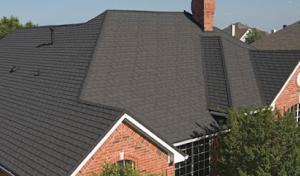
In this market, asphalt shingles remain the workhorse for daily storms and humid summers. They align with the strongest local specialty demand among material-specific contractors, and you'll find broades t availability, predictable installer experience, and straightforward maintenance. If a neighbor's roof has seen a decade of Georgia heat and frequent thunderstorm gusts, chances are it's asphalt. The practical path is a standard 3-tab or architectural profile that handles wind zones common to Gwinnett County and pairs well with the town's typical home geometry.
Metal roofing has a meaningful local presence and is often considered by homeowners looking for stronger performance against repeated storm exposure and long-term heat stress. In Suwanee's climate, metal can shed hail impact more readily and reflects solar gain, helping attic temperatures stay manageable. A metal roof isn't a guaranteed upgrade in every neighborhood, but in homes with existing roof penetrations or complex venting, metal can simplify flashing and reduce maintenance calls after hail events. Look for coatings rated for hot, humid conditions and confirm color longevity in the sun-drenched late-spring months.
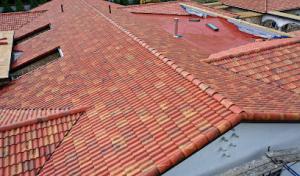
Tile, slate, and wood products exist in the Suwanee market but appear far less common in contractor specialization, suggesting they are niche choices rather than the default for most neighborhoods. Clay and concrete tiles offer compelling durability and a different aesthetic, yet they demand structural considerations and skilled installation. Slate and wood bring distinctive curb appeal but require careful seam and vent work to prevent leaks in attic-driven humidity and wind-driven debris. If choosing these, expect a narrower pool of installers and a longer lead time for bids.
Regardless of material, proper attic ventilation matters more here than in coastal climates. Humidity, heat rise, and storm-driven pressure differences demand a ventilation plan that pairs with the chosen roofing material. Ensure the contractor coordinates ridge, soffit, and mechanical ventilation with proper insulation to minimize heat transfer, condensation risk, and wind-driven leaks. A well-ventilated roof fosters longer shingle life, steadier indoor temperatures, and fewer storm-related issues after the next thunderstorm.
In Suwanee, the neighborhood mix means you'll encounter a broad spread in roofing quotes. For asphalt shingles, the local pricing framework typically runs from 350 to 550 USD per square. If slate is on the table, expect the high end to climb well above 1,500 up to 3,000 USD per square. These figures reflect common suburb layouts, attic ventilation considerations, and the way Gwinnett County crews price complex transitions around chimneys, skylights, and add-ons like attic access hatches. Your project cost will land somewhere in that spectrum depending on the chosen material and roof footprint.
Thunderstorm season and hail events in Gwinnett can flood local calendars with emergency work. After a significant storm, crews may be booked weeks out, and finer details like insurance coordination or dry-in availability can affect a project timeline. If a hail event moves through the area, the rush to secure leaks and protect interior spaces often compounds the usual scheduling bottlenecks. In practical terms, expect faster response to leak emergencies but potentially longer wait times for full roof replacement once the storm impact call volume spikes.
Material choice is a primary driver. A switch from asphalt shingles to metal, clay, or slate shifts the per-square cost dramatically, and the impact is more pronounced in Suwanee's typical two-story suburban homes with moderate roof complexity. Roof complexity, including multiple valleys, dormers, and a wide footprint common in newer Gwinnett builds, can raise both material and labor costs due to extra transitions and longer install times. If emergency dry-in or insurance-scope coordination is necessary, expect additional charges for temporary protection, rapid documentation, and coordination with adjusters. In practice, budget for a realistic delta on the quoted range whenever a storm event has affected the house.
Don't let upfront costs delay a critical repair - these contractors offer payment plans to fit your budget.
Kaiser Siding & Roofing
5400 Laurel Springs Pkwy STE 1308, Suwanee, Georgia
4.8 from 85 reviews
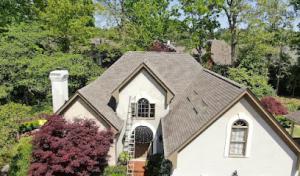
Residential re-roofs typically require a building permit through the City of Suwanee or Gwinnett County, depending on jurisdiction. The process is not optional in many neighborhoods, and pulling the permit helps ensure that the roof replacement meets current code and weather considerations for this humid, storm-prone area. If a contractor emphasizes skipping permitting, you should pause and verify which authority holds the permit for your street and lot, since a failed inspection can delay a project and create lien risk.
Straightforward re-roofs generally do not need plan review unless the project involves structural changes or deviations from standard nailing patterns, underlayment, or venting. In practice, many homes in the area rely on conventional plywood decks and standard asphalt or metal applications, but attic ventilation remains a critical factor. If the roof plan includes added weight from large tile or metal panels, or an alteration to the attic venting strategy, expect a formal plan review and potentially additional engineering notes. Don't assume approval without confirmation from the permitting authority.
Inspections occur during and after installation to verify nailing patterns, underlayment quality, and ventilation installation. The inspector will look for proper fastener spacing, suitable underlayment for moisture exposure, and correct intake and exhaust venting to prevent attic heat buildup in hot Georgia summers. A final inspection is required to close the permit, confirming everything meets current code and the roof is secure against typical Suwanee thunderstorms. If deficiencies are found, scheduling follow-up inspections quickly is essential to avoid prolonged exposure or delays.
Coordinate timing with the contractor so inspections align with the work milestones. Keep access clear for inspectors, including attic and vent areas. If a temporary weather event interrupts installation, contact the permitting office promptly to reschedule rather than letting the permit lapse, which can trigger a re-visit and additional fees.
In Suwanee sits in a Georgia insurance environment with frequent wind and hail claims, which directly affects roof underwriting and claim scrutiny. That means when a storm rolls through Gwinnett County, expectations for documentation and clear evidence rise quickly. Coverage generally remains available, but some carriers periodically tighten underwriting criteria during high-wind seasons. That tightening can show up as stricter wind-damage thresholds, shorter model-year windows for certain roofs, or more time needed to process a claim. Being proactive about what the insurer will want helps prevent surprises when a storm hits.
You should plan for fast, thorough documentation after any significant event. Keep date-stamped photos of the roof from multiple angles, plus notes from any contractor inspection visits that describe found damage and recommended repairs. Interior water intrusion deserves careful record-keeping too: photograph stains, note the timing of leaks, and keep a log of when water was first noticed indoors. Local carriers often want detailed storm-loss documentation to support a claim, so having a cohesive set of images, contractor notes, and interior records makes the process smoother and can reduce back-and-forth requests.
Think of your claim package as a short, well-organized file you can hand to an adjuster the moment a storm ends. Start with the homeowner narrative that describes the storm event, then attach photos, contractor inspection notes, and interior moisture evidence. If an adjuster requests additional data, respond promptly with the same organized format. Finally, keep a running record of all communications-dates, names, and what was discussed-so there's a clear trail if conversations shift between you, the contractor, and the insurer during subsequent negotiations. This disciplined approach helps protect your roof's value when the weather next turns volatile.
Hot, humid summers in Suwanee make attic ventilation a practical roof-performance issue rather than a minor upgrade item. Proper flow helps keep attic temperatures from baking shingles and rafters, which can accelerate aging after repeated summer storm events. In this market, local inspections specifically verify ventilation, making it part of both code compliance and long-term roof health. When air can't move, heat and moisture settle, promoting condensation and trapped humidity that fuel mold and wood rot.
Start by checking that intake vents along the soffits are clear and unobstructed. If soffit baffles are present, confirm they maintain a clear path for air to reach the attic from outside. Next, look for a continuous exhaust path-ridge or roof vents are common; verify there are no gaps or blocked sections that break the flow. A simple test is to go into the attic on a warm day and feel for a breeze near the vents. If there's little to no circulation, the system isn't doing its job. Inspect insulation depth and distribution, since overinsulated or stacked insulation can choke airflow and trap heat and moisture.
After a thunderstorm, moisture can linger in attic spaces even if rain stops, especially with poor ventilation. Address any signs of condensation on sheathing, damp insulation, or musty odors quickly. If shingles or flashing were damaged, restore ventilation paths and reseal gaps promptly to avoid moisture intrusion. Consider upgrading to a balanced setup with both intake and exhaust paths that run unobstructed year-round. In climates like this, a powered attic vent or a controlled intake solution can help restore air exchange during peak heat, reducing strain on roofing materials and sustaining overall roof health.
Routine inspections should check for debris buildup, animal nesting, and vent efficiency at least twice a year, with extra attention after heavy storms. Schedule a dedicated attic ventilation check as part of annual roof health reviews to ensure moisture control remains effective through shifting seasons and storm cycles.
Skylights are common in Suwanee homes with daylighting desires. In the local market, skylight-related work appears frequently, and leaks often trace to flashing and curb details after wind-driven rain. Inspect after storms for condensation tracks and staining around the curb.
For skylight testing, start by inspecting flashing seals around the skylight base. Look for loose or lifted metal flashings, compromised caulk, or missing sealant strips. In storm cycles, wind-driven rain can push water under even small gaps. Tighten fasteners and reseal with exterior-grade sealant designed for metal and glass interfaces.
Chimneys also show up in contractor profiles as common penetrations. The flashing around a chimney transitions from the roof to masonry and can crack or lift with temperature swings and pounding rains. Check for efflorescence on brick, loose mortar, and deteriorated step flashing. Replace or reseal as needed, paying attention to the intersection with roof shingles.
In both skylight and chimney work, material compatibility matters. use high-grade butyl or polymer sealants, compatible with shingles and masonry. When replacing flashing, ensure proper L-shaped or kerf-cut counter-flashing to resist wind-driven water. A slight misalignment here invites leaks during summer storms.
After a heavy thunderstorm cycle, perform a quick inner attic check for signs of leaking around penetrations: dripping, brown stains, or mold growth near skylights or chimneys. If issues are found, contact a local roofer who understands the typical Suwanee rooflines and attic ventilation paths.
Skylight and chimney projects should prioritize proper flashing transitions over general repairs. Ask for a written plan that shows how the counter-flashing will tie into shingles, how nail protections are kept clean, and how attic ventilation remains unobstructed.
Find contractors experienced in skylight installation, flashing, and leak repairs to bring natural light into your home.
Kaiser Siding & Roofing
5400 Laurel Springs Pkwy STE 1308, Suwanee, Georgia
4.8 from 85 reviews
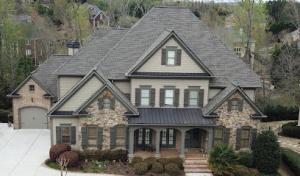
After a big storm, the market prioritizes fast response and cleanup, and that matters in this climate where humidity and driving rain can turn a small leak into attic damage days later. You should expect a contractor to arrive with tarps, ground protection, and a focused plan to dry-in quickly so interior damage doesn't compound. If a crew treats the dry-in as a security blanket rather than a temporary measure, that's a red flag. The best local teams balance rapid stabilization with a clear path to longer-term repair or replacement, depending on what the storm actually compromised.
Long-established, family-owned firms with maker-certified products, licenses, and insurance are the norm in this market, and their visible presence helps you compare credibility at a glance. Look for consistent branding, a track record in your neighborhood, and referrals from neighbors who faced similar roof challenges. Those signals matter because Suwanee homes vary from steep traditional peak roofs to flatter additions, and you want a contractor who has navigated both with a similar weather history and existing equipment.
Drone inspections are common enough locally to be a sensible differentiator, especially on steep or complex roofs where a ladder-only survey misses critical details. A reputable roofer should offer drone imagery of damaged areas, accompanied by written notes and clear guidance on what needs temporary stabilization versus permanent repair. If a proposal relies solely on a layman's walk-around, you may be dealing with a company less prepared for the nuance of wind, hail, and attic ventilation challenges common here.
Ask how the team coordinates with your insurance adjuster, what a typical dry-in timeline looks like, and how they handle potential secondary damage discovered during inspection. Clear expectations prevent miscommunication after the worst weather passes and the project moves from stabilization to full repair. In this market, honest, transparent dialogue is as critical as any material choice.