Last updated: Apr 19, 2026
In this part of Barrow County, the risk clusters around the summer thunderstorm season and the fall tropical-storm window more than any snow load or prolonged freeze. That means roof damage often isn't a single dramatic event but a pattern of stress from heat, wind-driven flashing movement, and repeated downpours. If you let a leak fester, the water can travel along sheathing and rafter tails, hiding the true extent of damage until it's clamping down on your ceiling and insulation. When storms line up back-to-back, you're not just fighting a single hole; you're managing accelerated deterioration that shortens the life of your roof system.
Humidity in this climate makes leaks show up after multiple rain events, not after a single soaked afternoon. Look for staining near ridges, around vent penetrations, and at transitions where flashing meets siding. Soft spots on attic decking, sudden musty smells, and brickmasonry or nailhead staining on ceilings are red flags that a storm's stress is moving beyond surface skin. If a wind-driven gust rips lose shingles or lifts flashing during a thunderstorm, treat that as an emergency cue rather than a nuisance. In this market, flashing that's already been stressed by heat and wind is a weak link that could fail during the next round of rain.
Contractors in this area lean toward storm damage repairs, insurance claims, and emergency dry-in as the first steps after a significant event. That means the timeline you're navigating commonly starts with a rapid roof assessment, a temporary weather-tight seal, and a documented plan for a full replacement decision later. A timely, clear inspection report helps you differentiate between quick fix work and materials that truly need replacement. If a roofer suggests a dry-in to stop leaks while you coordinate the claim, recognize this as standard practice given how the local climate tests every seam and fastener after heavy rain.
Keep a spare ladder, sturdy lighting, and a safe way to monitor attic access without stepping on sagging decking. After a rain event, do a quick interior check for active drips and moisture on insulation or drywall, then call a trusted local contractor for an on-site assessment within 24 to 48 hours. Document every drip, every attic stain, and every wind-driven flash disturbance with photos. This documentation is vital for insurance review and to establish a clear chain of evidence for what the roof endured and what needs to come next.
Understand that temporary dry-in work is a common, prudent step before any full replacement decision. The storm-driven cycle can repeat, so you want a plan that prioritizes getting the interior protected quickly, then evaluating the roof system's condition comprehensively. In the days after a severe wave of storms, your focus should be on blocking further water intrusion, preserving insulation, and preserving the underlying structure while you work with your insurer and a contractor to decide the best long-term solution.
Hot summers and high humidity accelerate wear on aging roofs more than winter ice ever will. In this area, granule loss on asphalt shingles, sealant fatigue around flashing, and attic heat buildup are common early indicators of aging. The heat drives expansion and contraction cycles that loosen fasteners and degrade underlayment faster than cold-weather failures. When a summer thunderstorm rolls through, the combination of radiant heat and sudden wetting can magnify micro-movements in roof materials, pushing marginal components toward failure sooner than expected. This section focuses on practical steps to recognize and manage those stressors, with an eye on Winder's local climate.
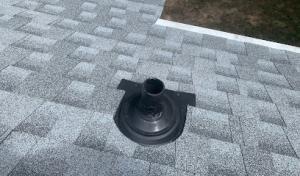
During the peak of summer, shingles and underlayment sit exposed to long periods of high moisture and direct sun. Granules shed more quickly in hot, dry spells, leaving the protective layer thinner and more vulnerable to UV damage and wind-driven rain. Sealants around vents, flashes, and pipe boots can dry out or become brittle, increasing the risk of leaks after a strong downpour. Attic heat buildup becomes a separate concern: when attic temperatures climb, interior roof deck and fasteners are stressed, and any existing gaps or imperfect seals can turn small leaks into noticeable problems after a thunderstorm. In practice, this means you should keep a closer eye on the condition of the attic venting, insulation, and any visible signs of heat-related damage on the attic side of the roofline.
Late spring and early summer humidity can complicate installation conditions for many roofing products and underlayment layers. For a home with recent weathered decking or marginal flashing, plan roofing work for a window with reliable, lower humidity and minimal rain risk. The goal is to avoid installing underlayment or sealants when temperatures are excessive or when humidity remains elevated for several days, since lack of a proper dry-down can compromise adhesion and performance. When possible, schedule tasks such as resealing flashing or installing new pipe boots during a stretch of dry weather with moderate temps. If a project must push into higher humidity periods, ensure that adhesives and sealants are rated for those conditions and follow manufacturer recommendations for curing times and ventilation.
Frequent wet-dry cycling in this part of Georgia makes flashing, pipe boots, valleys, and roof-to-wall transitions especially important failure points during aging. Inspect these zones for hairline hairline cracks, wrinkling in metal flashings, or deteriorated sealant beads. Valleys should be checked for corrosion or embedded debris that traps moisture, and the intersections with chimneys or walls should be examined for shifting or gaps. Any sign of movement, lift, or separation indicates a potential leak path that can worsen after a tropical rain band or a heavy summer shower. When a misfit or wear is detected, address it promptly with proper flashing replacement or resealing before a later storm can exploit the weakness.
A practical approach is to perform a seasonal check focused on the attic and roofline after the hottest weeks of summer and after the first major tropical rain event of fall. Look for accelerated granule loss on shingles, dark stained streaks indicating moisture ingress, and any notable heat damage on decking or underlayment edges. Keep a log of observed issues, since repeated patterns over a few years reveal aging trends. If a leak shows up after a thunderstorm, trace it to the closest high-stress transition-flashing, pipe boots, or valley-and treat it as a priority repair to prevent wider water damage. Consistent attention to these stress points supports a longer roof life in the local climate.
In this area, asphalt shingles dominate the local market because they fit the region's common residential re-roofing demand and are widely priced for Barrow County homeowners. The storm-driven cycle-hot, humid summers, frequent thunderstorms, and fall tropical rain bands-means you want a roof that handles wind, leaks, and rapid post-storm response without needing specialized crews every season. Homeowners often start with a solid shingle system and then consider upgrades for wind performance, repair ease, and longer service life. The choice increasingly threads the balance between practical rebuilds after wind events and the desire for durability during heavy rains.
Asphalt shingles are the local workhorse for many neighborhoods. They install quickly, align with typical roofing crews, and accommodate a broad range of roof shapes on aging homes. For storm response, the familiar patterns and widespread availability make repairs and replacements more straightforward after a severe thunderstorm. In terms of performance, modern laminate or architectural shingles offer better wind resistance and a cleaner seal against driving rain, which matters when flashings and leaks can be triggered by summertime downpours. The downside to watch in this climate is aging under intense sun and humidity, which can accelerate granule loss and deck moisture if flashing laps aren't maintained. For homeowners with straightforward roof lines and a need for predictable service, asphalt remains a sensible default.
Metal has meaningful local traction in this market, especially for homeowners who want wind resistance and a longer horizon before a full replacement. In storm-prone conditions, metal panels can resist uplift better than many shingle systems and shed rain quickly, helping rapid leak control after a thunderstorm. Installation quality matters here: a precise roof-to-wall detail, accurate panel alignment, and correct flashing reduce the risk of wind-driven leaks around penetrations. Metal is a good option when a home presents a higher wind risk or when the current roof has required frequent repairs in the past. While metal costs and profiles vary, its resilience in a climate with frequent heavy rain bands can translate into fewer mid-season repairs and more predictable performance during storm season.
Clay and concrete tiles, synthetic/composite shingles, and slate exist in the local market, but they are more specialized choices. These systems can offer attractive curb appeal and strong wind resistance when correctly installed, yet their weight, structural requirements, and crew familiarity can vary more than for standard shingle work. In neighborhoods with older framing or limited attic access, tile or slate may require additional structural checks and careful installation detailing. Synthetic or composite options can bridge the gap, offering a balance between the classic look of tile or slate and the ease of installation found with asphalt. The key with these materials is to prioritize a roofer who demonstrates consistent performance with the chosen product, especially around details at valleys, dormers, and penetrations where leaks often begin after storm events.
After a summer thunderstorm or fall tropical rain band, the first priority is rapid leak detection and temporary protection. By choosing a roof type with well-understood maintenance requirements and strong flashing detail, you reduce the window for water intrusion. When documenting storm damage for insurance, photograph the roof from multiple angles, capture close-ups of flashing and penetrations, and keep a dated trail of repairs and temporary protections. Your choice of material should align with the roofer's ability to perform timely emergency repairs and provide clear, itemized documentation that supports claim assessments. For many homes, a straight-forward asphalt system paired with a reputable local crew offers the most predictable leak response path, while metal or tile options can deliver enhanced resilience in the most exposed roof lines.
In this region, pricing moves with the weather. Local pricing is affected by storm-driven demand spikes after summer wind events and fall tropical systems, when fast scheduling and emergency dry-in work can push project costs upward. When a job needs to be rushed to protect interiors, you'll see higher short-term labor and expedited material charges, even if the base material cost stays similar. Expect estimates to reflect not just the roof itself, but the ability to lock in a window for work and to keep debris off a home while crews move quickly to protect siding and interiors.
Costs in Winder can vary based on whether the job is a straightforward re-roof or includes storm-related decking, flashing, chimney, or skylight repairs that are often discovered during tear-off. A clean re-roof without surprises will still include disposal of old material, haul-off, and protective measures for landscaping. If decking is compromised by wind or moisture, expect additional charges for deck replacement or repair, and for upgraded flashing around vents, chimneys, or skylights. The more penetrations or venting details your roof has, the more labor and sealant work will be required, which pushes the price upward even before material type is chosen.
In practice, local crews price jobs with an eye toward quick turnaround and mitigation rather than only raw material cost. Asphalt shingles remain a common baseline, but storm work can tilt the bid with faster tear-off, cleanup, and dry-in scheduling. Metal roofs, clay or concrete tiles, and synthetics each carry their own installation dynamics that show up in the bid as safe access, roofing underlayment, and flashing adjustments during tear-off. Concrete and clay tiles often require more careful handling and longer install phases, which shows up as higher labor components. For homeowners weighing options, be sure to ask for the complete scope: removal, haul-off, flashing, chimney and vent work, and the expected contingency for emergency dry-in when fall rain bands arrive.
Because the local market is heavily re-roofing focused, homeowners should expect pricing to reflect cleanup, haul-off, and quick-response scheduling rather than only raw material cost. If a storm hits, you may see bids that assume a rapid dry-in to secure interior protection, followed by a staged replacement timeline. Have your contractor itemize the contingency for wind-damaged decking or flashing repairs separately, so you can gauge how much is tied to immediate weather needs versus longer-term finish work. This clarity helps prevent sticker shock when weather windows tighten and crews are in high demand.
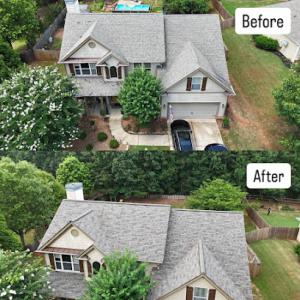
Southern Premier Roofing
(706) 850-5557 www.georgiasproofing.com
426 Cedar Creek Rd Suite A, Winder, Georgia
4.9 from 173 reviews
Southern Premier Roofing was founded in 2018, we take pride in our work and treat our customers like family. As an Owens Corning Preferred Contractor we are experienced, qualified, and here to assist you with your roofing needs. We work with all insurance carriers to help you get your roof fixed or completely replaced due to common storm damages such as wind or hail. We are honest, trustworthy, and focused on quality work with exceptional customer service every step of the way.
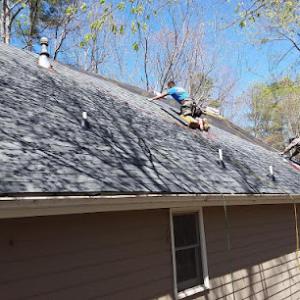
Sunrise Roofing
(678) 878-4697 sunriseroofingllc.com
224 E Broad St, Winder, Georgia
4.7 from 272 reviews
Sunrise Roofing is an Owens Corning Platinum Preferred Contractor serving Metro Atlanta and North Georgia with trusted expertise in roof replacement, roof repair, standing seam metal roofing, and Roof Maxx spray coatings. Our certified team provides full-service roofing solutions — from inspections and storm damage restoration to gutters, fascia, siding, and attic insulation. We proudly offer 50-year material and labor warranties, flexible financing options, and 24/7 emergency response. Based in Winder, GA, we serve nearby communities including Lawrenceville, Buford, Suwanee, Dacula, Hoschton, Braselton, and Athens. Schedule your expert roof and attic inspection today and experience the Sunrise difference!
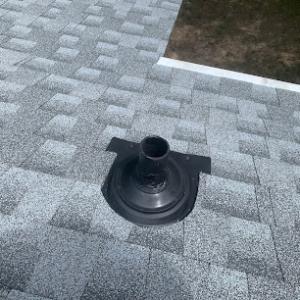
Spartan Roofing Solutions
(678) 892-6454 www.spartanroofing.biz
738 W Winder Industrial Pkwy suite c, Winder, Georgia
4.7 from 49 reviews
At Spartan Roofing Solutions, we take pride in delivering high-quality roofing, gutter, drywall, and painting services across the Gwinnett and Metro Atlanta areas. Your home deserves protection and clarity from start to finish. We begin by walking you through your project, understanding your needs, and providing a clear, written estimate with no hidden surprises. We care about leaving a job site clean and respectful, so after every job, we ensure that debris is removed and the property is in good condition. Whether we’re repairing a roof, installing gutters, finishing drywall, or applying a fresh coat of paint, we focus on using high-quality materials, delivering exceptional craftsmanship, and maintaining open communication.
Quality Roofs of Georgia
(470) 499-0201 qualityroofsofgeorgia.com
1243 Alex Dr, Winder, Georgia
5.0 from 16 reviews
Northeast Georgia's Premier Roofing Contractor David is a local business owner, and father of six kids. My family and I moved for a job promotion from Cincinnati, Ohio in 2007. Started in the roofing industry in 2016 after 20+ years as a GM in the moving industry. We are a small business trying to serve our community by using the best business practices. Quality Roofs of Georgia proudly serves North Georgia with residential and commercial shingle roof replacement services.
Gary Smith Roofing
(678) 229-7570 garysmithroofingllc.work
302 GA Hwy 211 NW, Winder, Georgia
4.6 from 62 reviews
We have over 45 years experience. Fully licensed and insured. Locally owned and operated in Winder, Ga. We are able to handle any Shingle, metal, T.P.O. or Standing seam roofs. All of our work brings homes back up to builders code when completed. Call us today and ask us about warranties given on shingles, and we offer lifetime warranties on some metals. We also give a labor warranty on all our work. We can also assist with filing homeowners insurance and will meet with adjusters to help you get your roof with little to no out of pocket cost to you. Give us a call today for all your roofing needs.

Watertight Roofing Services
(770) 868-0290 www.wrsroof.com
45 Business Center Dr, Winder, Georgia
4.6 from 36 reviews
Watertight Roofing Services, LLC is a trusted commercial and industrial roofing contractor providing inspections, installations, repairs, and maintenance across the Southeast. Locally serving Atlanta, Athens, and Winder, GA. Licensed in Georgia, South Carolina, North Carolina, Alabama, and Tennessee. Protecting your most valuable assets since 2009.
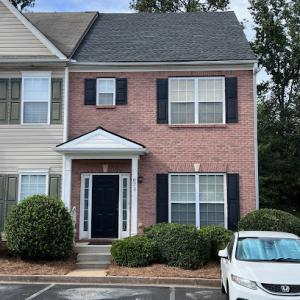
The Roof Factory
(678) 425-0338 www.therooffactory.com
145 Sunningdale Dr, Winder, Georgia
4.5 from 30 reviews
Giving You Peace of Mind Welcome to The Roof Factory, LLC! We are your local Winder area, roof professionals. We specialize in asphalt roofs but have the ability to tackle all of your roofing needs. From that small leak that drives you crazy to updating the look of your home with a brand new roof, you only need to call The Roof Factory, LLC, to keep your home the focal point of your neighborhood. We are a GAF Certified Roofing Contractor. Because of that, we can offer you a 50-year warranty on your roof. That's 10 times the normal warranty. We have HAAG Certified inspectors which means that we have been trained and are certified. Call today for your free estimate!
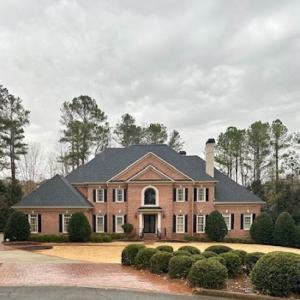
Premier Home Solutions
(706) 206-9677 www.premierhomesolutionsinc.com
76 W Candler St Suite 7, Winder, Georgia
5.0 from 8 reviews
Premier Home Solutions, your trusted roofing contractor in Winder, has over 9 fantastic years of experience serving Barrow, Clarke, and Oconee counties. We specialize in residential and commercial roof replacement and repairs, as well as siding and gutter work. As insurance claim specialists, we ensure your new roof is covered by understanding insurer requirements. Quality is our priority, with GAF Certification and warranties available. Don't let roof issues linger – contact us for a free inspection today.
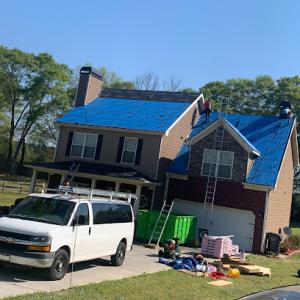
RID-ICK: Roofing Replacement, Roofing Repair, Seamless Gutters, & Gutter Guards.
(678) 315-2832 ridickroofing.com
Serving
5.0 from 11 reviews
A roofing company where you know your protected. We’re here for the families and businesses that make this community. Your roof is your lively hood, we’re here to make sure it stays that way. Whether it’s a full roof replacement or a roof repair, we’re here to help. We’re along side you every step of the way. Even after your roof is installed! When there’s a storm, point to us!

Dusty Greer Roofing
(770) 207-5277 www.dustygreerroofing.com
770 W Winder Industrial Pkwy, Winder, Georgia
5.0 from 2 reviews
Dusty Greer Roofing, Inc. was incorporated in 1998, and the principles of our firm bring a combined 50 years of true field experience to the leadership of the company. We are a certified, reputable, dependable commercial roofing contractor. Today our financially secure corporation employs dozens of skilled workers and professional staff members. We take great pride in our work and operate with state-of-the-art equipment on all new installations. Dusty Greer Roofing, Inc. has completed thousands of new and re-roof installations throughout the southeast, which include many projects more than 1 million square feet in roof area.
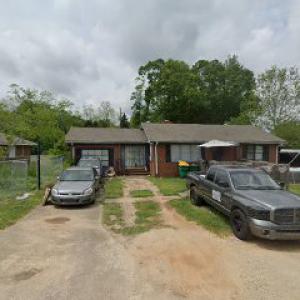
Jackson's Roofing & Repair's
352 Pinkney St, Winder, Georgia
5.0 from 1 review
Jacksons Roofing has been in business since 1987 we are a family owned company we a drug free work place we give Free Estimates we don't leave the job till our customers are happy. we give to all vets, police, fire, EMT, and senior citizens a 10% discount on any Roof repairs and a 15% discount on any new roof we also specialize in storm damage call and get your free estimate today. ask for Robert Jackson when you call for your free estimate. when asked how you heard of us mention our web sight and get your discount added to the estimate you are giving we do payment plans if you are approved we are open 24 hours our company started out with a little of nothing but have worked our company up to what it is today. may GOD BLESS you.
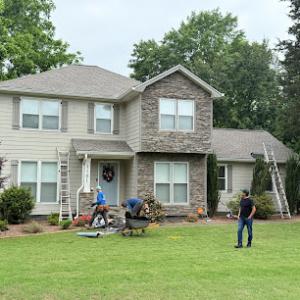
Heaven Roof & Gutters Atlanta
(706) 389-0096 heavenroofandguttersatl.com
Winder, GA
5.0 from 1 review
Heaven Roof & Gutters Atlanta proudly brings expert roofing and gutter solutions to homeowners and businesses throughout the Atlanta / Athens / Northeast GA areas. With 9 years of industry experience, our team is dedicated to delivering top-quality services, including roof replacement, roof repair, gutter installation, and roof maintenance — all designed to protect your property and enhance its value.
For a full roof replacement, the permit process is centered with the Barrow County Building Department rather than a city-specific roofing permit track. This matters when scheduling and coordinating inspections, because the county handles the approvals and clock. The department's workflow hinges on workload, not guaranteed same-day timing. As a homeowner, understand that the most reliable step is to line up your contractor's project details early and plan around potential appointment windows rather than expecting instant confirmation.
The permit application requires concrete project details that outline the scope, materials, and method of installation. Your contractor typically supplies these, but you should verify that the submission includes roof framing conditions, underlayment type, flashing details, venting, and compliance with applicable wind and weather requirements for this area. In Barrow County, the emphasis is on a robust, storm-ready installation that can withstand the hot, humid summers and frequent thunderstorms. If a retrofit or complex feature is involved-like an attic venting upgrade or skylight work-make sure those items are clearly documented so the county can assess the full impact of the project.
Inspections are scheduled around department capacity, so anticipate some flexibility in timing. Rough-in inspections may occur when applicable, particularly if structural or framing work is part of the project. The final inspection centers on proper installation and flashing. Expect the inspector to check seam integrity in roof valleys, flashing at chimneys and vents, and proper shingle or panel alignment, especially where wind-driven rain is a concern. The final step of permit closure depends on successful inspection and documentation submission, which matters for records and resale.
After completion, ensure all inspection reports, permit cards, and any corrective-action notes are filed with the Barrow County Building Department. Keeping a clear record of the permit journey helps during any future storm damage claims or resale processes. For homeowners facing after-storm repairs, having easy access to these documents can streamline insurance communications and prove compliance with local building codes. If a contractor handles most of the paperwork, confirm that all needed documents are forwarded to you and stored in a safe, accessible location.
Georgia's homeowners insurance market stays relatively stable, but wind and hail events in the Winder area trigger seasonal claim activity that can slow inspections and approvals. After a summer storm or fall tropical band, insurers may push for rapid, but thorough, damage assessments. If you delay photos or a scope of work, your settlement or draw could get slowed or contested.
When a claim starts, you should gather clear, date-stamped photos of all roof surfaces, flashing, valleys, vents, and any interior signs of water intrusion. Photograph both weathered and undamaged sections for comparison. Document material details you know-shingle type, color, and whether metal flashing or gutter systems show corrosion or loosening. A concise, event-focused scope of work helps avoid back-and-forth about whether a repair is patchwork or full-roof replacement, which can slow approvals in a storm-driven market.
Before you file, outline the repair plan with specifics: locations of damaged shingles, flashing fix or replacement, sealant or underlayment needs, and any decking concerns. Include notes about wind uplift or hail impact patterns that a windstorm might leave behind. If a contractor provides an estimate, ensure it aligns with the observed damage and clearly states temporary measures, such as tarping, if applicable. Insurers rely on a logical, defensible scope, especially when many roofs are evaluated in the same window after a weather event.
Keep final permit closure records, product information, and before-and-after documentation organized in one place. This helps with any warranty questions and simplifies future claims if another storm hits. Having a chronicle of the full repair journey-photos dated to each phase, supplier invoices, and contractor notes-minimizes disputes and speeds any needed follow-up inspections.
Connect with contractors who help homeowners navigate the claims process from damage assessment to final approval.
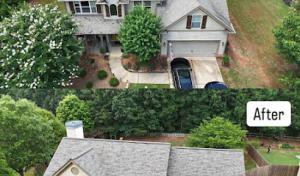
Southern Premier Roofing
(706) 850-5557 www.georgiasproofing.com
426 Cedar Creek Rd Suite A, Winder, Georgia
4.9 from 173 reviews
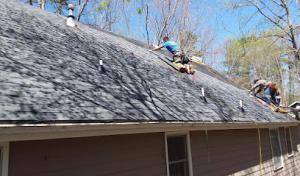
Sunrise Roofing
(678) 878-4697 sunriseroofingllc.com
224 E Broad St, Winder, Georgia
4.7 from 272 reviews
Spartan Roofing Solutions
(678) 892-6454 www.spartanroofing.biz
738 W Winder Industrial Pkwy suite c, Winder, Georgia
4.7 from 49 reviews
In this market, the contractor pool moves fast after thunderstorm events and tropical rain bands. Look for a company that prioritizes quick on-site evaluation, immediate cleanup, and secure tarping or debris containment during work. A roofing crew that treats wind-driven damage as urgent-not just cosmetic-will protect interior ceilings and reduce leak risk during the job. Ask how they protect landscaping, your driveway, and neighbor properties, and whether cleanup is included in the scope.
Free inspections and drone surveys are common enough to use as a comparison tool before authorizing insurance or replacement work. Request both a traditional roof assessment and drone imagery, with notes on missing fasteners, flashing integrity, and evidence of prior repairs. The better contractor will provide a clear, labeled report that you can share with your insurer or adjuster as you move through the claim process. Use the inspection to verify that the expected roof type and method match your home's actual construction.
Because both residential and commercial roofers operate in the area, confirmation matters: ensure the crew regularly handles the specific roof type on your home. Don't assume broad capability. If you have asphalt, metal, tile, or slate, ask for recent projects of the same type, including seasonal weather considerations for quick rain response and long-term durability. Ask who will be on site, their hours, and whether the same crew returns for any follow-up work.
Document the incident and contractor communications, including dates, scope changes, and material substitutions. Confirm the warranty terms, what cleanup entails, and how flood-prone or wind-prone days will be managed during installation. A thoughtful contractor will articulate a clear plan for storm surge periods and how they protect your property throughout the project.
Get a clear picture of your project costs upfront - no commitment required.
Spartan Roofing Solutions
(678) 892-6454 www.spartanroofing.biz
738 W Winder Industrial Pkwy suite c, Winder, Georgia
4.7 from 49 reviews
The Roof Factory
(678) 425-0338 www.therooffactory.com
145 Sunningdale Dr, Winder, Georgia
4.5 from 30 reviews