
Last updated: Apr 19, 2026
Duluth's warm-season weather pattern brings frequent thunderstorms that combine heavy rain with gusty winds, making lifted shingles, flashing leaks, and sudden interior water entry a leading homeowner concern. When a storm packs both wind and downpour, a roof deck can go from solid to vulnerable in minutes. The moment you hear a gust howl or see rain slanting through a seam, treat it as an active leak risk rather than a minor nuisance. In neighborhoods with steep slopes, the risk isn't just a few droplets-it's pressure on flashing details, vent boot connections, and edge fasteners that can fail under pressure. Acknowledge the exposure early and act fast to prevent widespread damage.
Because summer humidity slows drying after rain, small storm openings in underlayment or flashing can keep roof decks damp longer than in drier parts of the country. That lingering dampness matters in the Duluth climate, where nights don't always promise rapid relief from heat and humidity. If a rain event leaves you with damp attic air, you may be dealing with micro-leaks that aren't obvious from the attic floor, but will still show up as staining or musty odors inside the home later. Your best defense is to treat any wet patch on the ceiling or wall as a sign of active ingress, not cosmetic damage. Drying times stretch, so the longer a leak is allowed to persist, the higher the chance that wood undertlats or decking begin to show signs of rot or mold. Time-sensitive action is essential.
In the Duluth market, contractor specialization is heavily concentrated around storm damage, insurance claims, and emergency repair, reflecting how often homeowners seek help after severe weather rather than only for age-based replacement. That means you'll see crews that speak the language of claims, rapid tarp-ups, and temporary measures to limit interior intrusion. When you call for help after a storm, ask for a crew with proven experience in securing repairs that hold up under humidity and repeated wind-driven rain. Look for references that reference quick staging, careful flashing resealing, and attention to attic ventilation after a storm, since these steps influence how long a repaired area remains secure before the next event.
If water is entering through a ceiling or vent, prioritize safety: move furniture and valuables away from the area, place a bucket to catch drips, and avoid wiring near damp spots. Do not climb onto the roof during or immediately after a storm; the risk of slippery shingles and hidden creases is high. Contact a local roofing professional who can perform an emergency tarping or temporary seal to buy you time, then arrange a full assessment of the damage on a dry day. When you do meet the contractor, ensure they inspect flashing around chimneys, valleys, and vent stacks, plus any underlayment that may have been compromised by wind-driven rain. The goal is to identify all active ingress points and seal them until a permanent repair can be completed.
After a storm, you will likely navigate an insurance claim. Begin documentation as soon as possible: photograph damaged areas from multiple angles, include the entire roofline, flashed penetrations, and interior leaks, and capture dates and weather details from the storm. Keep a running list of affected rooms, ceilings, and any staining or warped wood. Save receipts for temporary repairs or tarping, and document any communications with the insurer. A clear record helps speed the claim review and reduces back-and-forth disputes over whether damage existed prior to the storm. If a technician recommends replacement of flashing or resealing, request written notes that specify the exact locations and methods so the insurer can verify scope and urgency. This is the year when quick, documented action can prevent follow-up leaks and secondary damage in humid months.
Find local contractors experienced in assessing and restoring roofs after hail, wind, and severe weather events.
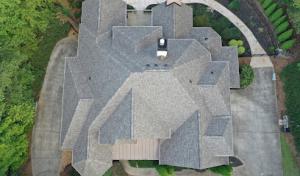
Perimeter Roofing
(678) 679-2268 perimeterroofing.com
3075 Breckinridge Blvd #470, Duluth, Georgia
4.9 from 1370 reviews
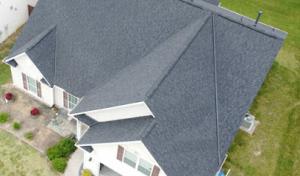
1st National Roofing
(404) 500-7663 www.1stnationalroofing.net
11340 Lakefield Dr #250, Duluth, Georgia
4.8 from 257 reviews
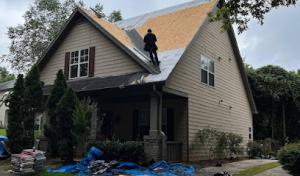
Barclays Premier Construction
(470) 965-5370 barclayspremier.construction
3325 Duluth Hwy 120, Ste 104, Duluth, Georgia
4.9 from 82 reviews
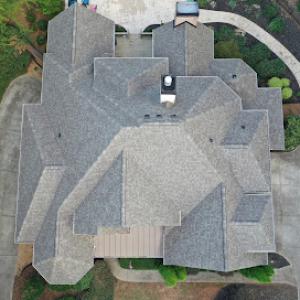
Perimeter Roofing
(678) 679-2268 perimeterroofing.com
3075 Breckinridge Blvd #470, Duluth, Georgia
4.9 from 1370 reviews
Perimeter Roofing is a top-rated roofing contractor based in Duluth, GA, proudly serving Metro Atlanta. We specialize in storm damage roof inspections, roof replacements, and expert help with insurance claims. Our team is trusted by thousands of homeowners across Atlanta for fast, reliable service and unmatched attention to detail. With a 4.9-star Google rating, we’re known for identifying hidden roof damage and ensuring every roof is restored to like-new condition. Call today for a free roof inspection in Duluth or anywhere in the Atlanta area.
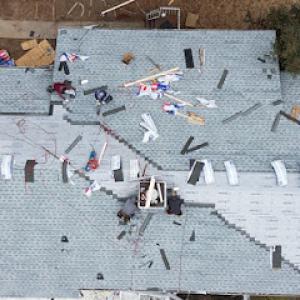
Super Roofing Pros
2180 Satellite Blvd Suite 400, Duluth, Georgia
5.0 from 69 reviews
Roofing contractor servicing the metro Atlanta Area
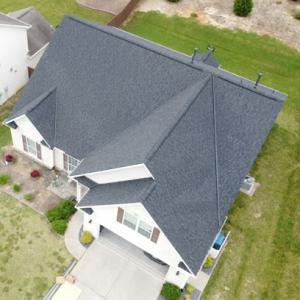
1st National Roofing
(404) 500-7663 www.1stnationalroofing.net
11340 Lakefield Dr #250, Duluth, Georgia
4.8 from 257 reviews
Call 24/7/365 for live assistance, next day appointments are available, ask about our 0% financing specials.
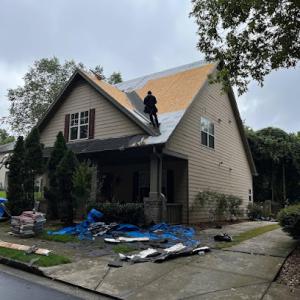
Barclays Premier Construction
(470) 965-5370 barclayspremier.construction
3325 Duluth Hwy 120, Ste 104, Duluth, Georgia
4.9 from 82 reviews
At Barclay's Premier Construction, we pride ourselves on being an owner-operated business that values communication and quality of work. As a trusted roofing contractor in Duluth, GA, we specialize in roofing replacements, gutter installation, and painting services. Our team is dedicated to providing exceptional customer service and ensuring your satisfaction with every project we undertake. After serving our community for years, we have built a reputation for delivering reliable and affordable solutions to our clients. Contact us today to schedule your next project and experience the difference in working with Barclay's Premier Construction.
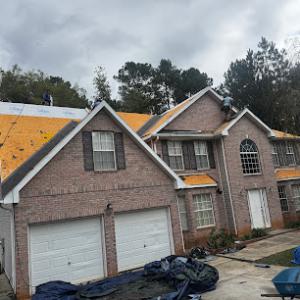
Northern Roofing & Remodeling
(678) 458-2252 www.northernroofsga.com
1290 Old Peachtree Rd NW, Duluth, Georgia
5.0 from 28 reviews
Northern Roofing & Remodeling offers roofing and remodeling services in Braselton, GA and surrounding areas. Our specialties include roof installation, roof repair, siding, gutter installation, painting, and general remodeling for both homes and commercial properties. We provide free estimates to help customers make informed decisions and strive to deliver high-quality workmanship and dependable service.
J's Engineers & Contractors
4319 Abbotts Bridge Rd Suite 3, Duluth, Georgia
4.8 from 52 reviews
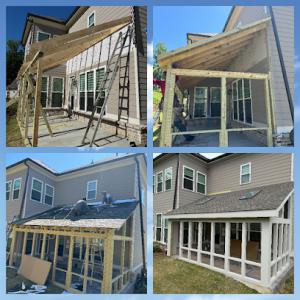
Roofing, pressure washing, Home inspection, repairs, renovation, building permit, bathroom kitchen remodeling, water or fire restoration, architectural or engineering plans. deck, sunroom, basement.
ER Roofing Specialist
(770) 239-1833 info-erroofingatlanta.as.me
2986 Buford Hwy, Duluth, Georgia
4.8 from 42 reviews
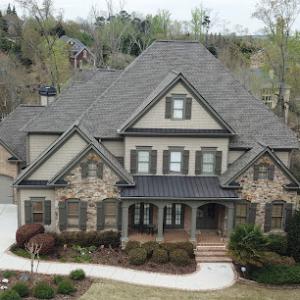
We are a Local Family-Owned and Operated Business, located in Downtown Duluth, GA. With over 19+ years of experience in the roofing and restoration industry, we take pride in providing superior craftsmanship and attentive customer service. We provide honest work and trust you can count on to take good care of any job, from minor repairs to full restoration and replacements.
Supra Roofing
(470) 758-1209 www.supraroofs.com
Serving
5.0 from 54 reviews
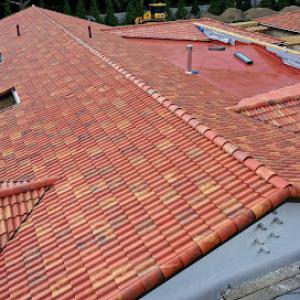
Supra Roofing isn’t your average roofing company—we’re the next generation of bold craftsmanship, built to dominate storms and elevate homes. Proudly serving Woodstock, GA and surrounding areas, we bring clean installs, honest service, and unbeatable warranties. No fluff. No contractor B.S. Just damn good roofs. Your home deserves Supra.
MK Roofing & Restoration
(404) 975-3453 www.mikekroofing.com
Serving
5.0 from 74 reviews
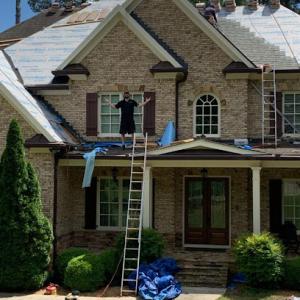
Serving Atlanta's roofing needs for over 30 years!
ATD Roofing
(470) 468-2787 www.atdroofing.com
Serving
4.8 from 25 reviews
ATD Roofing was founded in 2016 with the goal to provide services to the Carolinas and the Southeast. We work hard to provide superior craftmanship to each of our customers. Whether you are looking to restore a storm-damaged roof or to update the siding on your home, our crew has the expertise to streamline all projects. We train our team to be knowledgeable about all roofing and restoration needs. When you need an expert roofing contractor, ATD Roofing is a dependable source of affordable solutions that will be completed in a timeframe that meets your schedule. Our mission is to help you succeed with your next roof, restoration or repair project. We provide roofing, gutters, siding and replacement windows.
American Southern Roofing and
Serving
4.6 from 83 reviews
Family owned an operated with over 30 years of combined Insurance experience. Call today to find out why we are 5 star rated.
LM Construction
(470) 800-5275 www.facebook.com
Serving
5.0 from 74 reviews
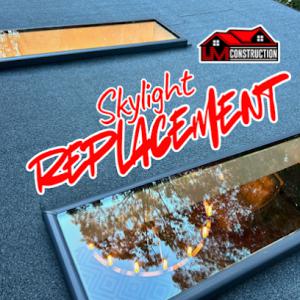
LM Construction is a licensed & insured exterior remodeling company serving Metro Atlanta. We are committed to providing you superior service in residential roof replacements, roof repairs, gutters/gutter covers, and vinyl or fiber cement siding. Contact us today for a free inspection & estimate. We work with all insurance companies.
Hot, humid summers accelerate asphalt shingle aging, so roofs in this area often show granule loss and brittleness earlier than national lifespan estimates. That means a replacement planned for a cooler, drier stretch tends to hold up better through the first few seasons after install. In practice, that translates to aiming for a window when you're least likely to face heavy, soaking rain during tear-off and deck exposure. Summer thunderstorms can interrupt work, leave decking exposed, and push projects past weather-related deadlines. Plan with those patterns in mind so a full tear-off and install can proceed with minimal delays.
Begin by inspecting for obvious signs of failure: curling or missing shingles, frequent granule wash-off in gutters, visible cracks in underlayment, and any interior signs of a leak after a rain. If the roof has taken on staining, mold, or mildew from sustained moisture, it's a strong signal that a full replacement should be scheduled rather than a staged repair. Consider how much of the roof is shaded versus sun-exposed; shaded sections often age differently and may reveal damage sooner after a storm. A professional inspection after a thunderstorm can catch wind-driven damage, blown-off shingles, or lifted underlayment that isn't obvious from ground level. If multiple sections show wear, a coordinated replacement becomes more efficient than piecemeal repairs.
Cooler, drier stretches are generally better for full replacement scheduling here because summer thunderstorms can interrupt tear-off and expose decking to repeated rain delays. Early spring and late fall can provide those drier spells, but spring also brings windy days that complicate staging and shingle handling. If a storm window is unavoidable, prepare for potential weather delays and confirm with the contractor how they'll protect exposed decking and handle underlayment. Avoid peak heat days when asphalt shingle installers risk faster material agitation and worker fatigue, which can compromise alignment and fastening. When planning, align weather forecasts with a solid two- to three-day dry run ahead of the actual tear-off so crew equipment, scaffolding, and disposal can all be secured.
Coordinate replacement timing with anticipated humidity and wind patterns typical to Gwinnett County's shoulder seasons. Schedule on a weekday to ensure access to crews, material deliveries, and inspector availability if needed. If a storm is forecast during the planned window, have a contingency day and a plan for deck protection and tarping. Ensure the contractor commit to a clear sequence: tear-off, inspection of decking, underlayment installation, and shingle layout before any hot, mid-day wind gusts. Finally, confirm that the timing allows for a proper inspection after completion to catch any wind-driven or weather-exposed issues before secondary damage can occur.
Asphalt shingles dominate many neighborhoods in Duluth, and for good reason: they balance cost, ease of installation, and repair speed. In this humid summer climate, attic ventilation becomes part of the roof's health equation. You should confirm that soffit vents, ridge vents, and any baffles are clear before and after the storm season, so hot air and moisture can escape rather than stagnate in the attic. Nailing accuracy matters more here than in colder regions: improper nailing can lift under heavy gusts, or allow wind-driven rain to seep in during a thunderstorm. If a storm hits hard, inspect for lifted tabs and loose shingles along the eaves first, then check the flashing around chimneys, vents, and skylights. Small leaks tend to travel along the decking, so quick detection and a sure seal at penetrations can prevent widespread interior damage. When you review a repair, look for matching shingle color and profile to minimize visible patching on the roof face, and plan follow-up checks after the most violent storms.
Metal roofing is a meaningful local option because it handles repeated rain exposure well and can shed moisture quickly, which helps reduce prolonged dampness in the attic. However, detailing around penetrations and transitions matters during thunderstorm season. Pay particular attention to the crowning edge and ridge vent integration, as metal roofs expand and contract with heat and humidity. Seams must be sealed properly, and upper-edge seals around dormers, skylights, and HVAC penetrations deserve close inspection after storm events. A well-metalized roof can resist wind uplift, but loose fasteners or missing sealant at fixed points can create spots for ice damming or water intrusion when summer storms roll through with humidity-soaked air. If a warranty is in play, keep a meticulous record of penetration treatments, as mismatched or late-sealed penetrations are common sources of recurring leaks on metal systems. In homes with tall ceilings or dramatic elevations, the visual finish matters as much as the structural fit, so ensure color-match and edge detailing align with the house style for a cohesive look that ages well under sun and rain.
Tile, wood shake, and synthetic products appear in parts of the market, especially on higher-end homes and custom builds. The weight of tile or wood means structural assessment is critical before installation; insulation and venting strategies should be aligned with the roof's weight class and attic space. Accessory compatibility becomes a practical constraint: underlayment choices, flashings, and ventilated baffles must work together with the selected roofing material to prevent moisture buildup and premature aging in a humid climate. Repairs on these systems require precise color and texture matching to preserve the architectural integrity of the home, and when color-matched patches aren't available, consider a small, safe area replacement to avoid a patchwork look that could attract unwanted attention from inspectors or appraisers during a storm season. Synthetic shingles offer a lighter-weight alternative with easier color control, but the same attention to detail around penetrations and transitions applies to avoid moisture ingress during heavy rain.
Thunderstorm-driven events test all roof types, but the common thread is rapid assessment and durable sealing. After a heavy rain, start at the highest point of the roof and work downward along the legs of any ridges, valleys, and transitions. Look for lifted edges, cracked flashing, and water staining in the attic that points to a slow leak. Your strategy should emphasize timely repairs, reliable installation around penetrations, and consistent maintenance checks to extend the roof's life in this humid environment.
The most popular roofing material in the US. Find pros who install, repair, and replace asphalt shingles.
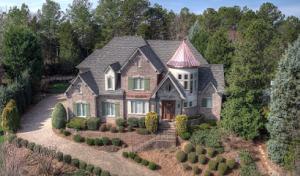
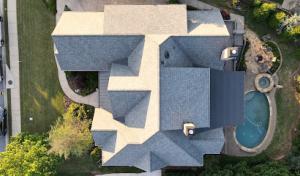
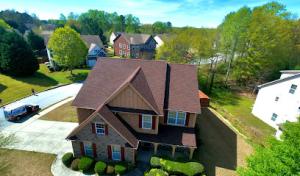
Duluth pricing is influenced by its position in the Atlanta metro labor market, where demand can spike after regional storm events and push scheduling and labor costs upward. After a severe thunderstorm or a string of high-wind days, many homeowners chase replacements in a compressed window, which nudges crews to book closer-in timelines and adjust material handling fees. That dynamic can show up as higher per-square costs or brief surcharges during peak-season weeks, even for standard shingle jobs.
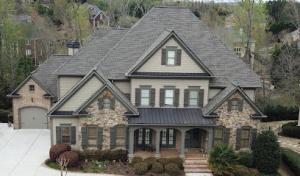
Many homes in established subdivisions use multi-plane, moderately steep roof designs with valleys, dormers, chimneys, and rear elevations that increase tear-off time and flashing labor. In practice, a typical steep-slope Duluth roof with multiple planes translates into more man-hours for removal, waste disposal, and re-nailed underlayment, plus extra flashing and vent work around dormers and chimneys. That means the same square of asphalt may cost more to replace than in flatter neighborhoods, and metal or tile options can see proportional increases if the roof includes complex detailing.
For budgeting, consider the regional cost spectrum and the roof's complexity. Asphalt shingles sit in a common range of roughly 350 to 700 USD per square, while metal roofing runs higher, about 700 to 1100 USD per square. Tile options (clay or concrete) and synthetic/composite shingles also reflect the added labor of higher-performance underlayment and flashing. Clay tile might land between 1000 and 1600 USD per square, concrete tile around 900 to 1500 USD per square, and wood or synthetic options in the 600 to 1500 USD per square ballpark. In practice, mulled together with the roof's geometry, a complex Duluth project tends to trend toward the upper portion of these ranges.
Beyond the material and removal, expect costs to reflect attic and attic-vent labor, valley flashing, chimney detailing, dormer trim, and rear elevation access. The more access points your roof has or the more delicate the valleys and flashings are, the more the final bid will trend upward. If a contractor identifies water intrusion or flashing failures due to storm damage, you'll often see a two-part cost structure: a base replacement and an area-specific flashing or vent repair add-on. Planning for a realistic lead time during storm-driven demand helps keep schedules and costs steadier through Duluth's busy summer.
Don't let upfront costs delay a critical repair - these contractors offer payment plans to fit your budget.
1st National Roofing
(404) 500-7663 www.1stnationalroofing.net
11340 Lakefield Dr #250, Duluth, Georgia
4.8 from 257 reviews
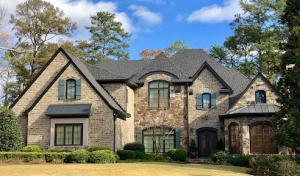
A full roof replacement in this area generally requires a building permit handled through the City of Duluth Building Division. Rushing to seal a roof without the proper permit can create headaches later, especially when storms push for quick fixes after a thunderstorm season. The permit process isn't a mere formality-inspectors will verify that the reroof aligns with local codes and standards, ensuring that steep-slope detailing, ventilation, and underlayment choices meet the expectations of the community's housing stock. If a contractor skips the permit, the project can be halted, and you may face retrospective fees or required uncovering of work to pass final inspection.
Inspectors focus on installation method details that matter most for long-term performance in humid summers and surprise deluges. Expect scrutiny of nailing patterns on steep slopes, the type and placement of underlayment, and the way flashing is integrated around chimneys, vents, and skylights. Ventilation must be adequate to prevent moisture buildup under shingles, which can lead to mold or accelerated wear in Gwinnett County's heat. Flashing joints, outlet terminations, and drip edges also receive careful attention because a single overlooked seam can become a leak point after a heavy rain. Importantly, inspectors confirm that structural elements were not compromised during the reroof, ensuring sheathing and supports can carry the new load without hidden rot.
Because permit and inspection administration is city-based, homeowners should confirm that the contractor-not the homeowner-is pulling the permit and coordinating required inspection scheduling with Duluth. Your contractor should submit the plan, pay for the permit, and arrange the inspection windows so you're not left waiting during a weather-induced leak risk. If the contractor tries to cut corners on this step, you're left with a risk that the final permit card won't match what's actually installed, which can cause delays or denial of coverage when insurance needs to review the project.
Before work starts, request the permit number and a clear outline of inspection milestones from the contractor. Keep copies of all permit-related documents and any communication about changes to materials or roof layout. After installation, verify that the final inspection occurs and that the inspector signs off on all required items, including nailing, underlayment, flashing, and ventilation. If you receive a notice of a deficiency, address it promptly with documented fixes and a follow-up inspection to restore coverage confidence and ensure the roof performs under the region's humid, storm-prone summers.
In the Duluth and broader Atlanta metro insurance environment, roof claims are typically handled through standard adjuster review rather than a unique local catastrophe program. This means decisions arise from how the damage is documented, what the policy actually covers, and how the loss is interpreted under wind or hail provisions. Outcomes can hinge on whether the claim rests on date-of-loss evidence, and on whether the policy language or wind/multi-peril endorsements support the damage being claimed. Carriers have varied in underwriting posture in recent years, so there is no single statewide pullback pattern that governs every Duluth policy; reviewing the specifics of a policy term is essential before moving forward.
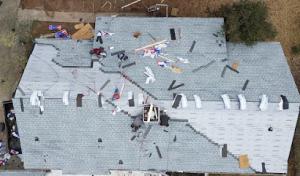
After a thunderstorm or high-wind episode, careful, timestamped documentation matters more than recollection. Photographs should clearly show the affected areas, including any missing or displaced shingles, dented flashing, and granule loss on lighter-colored shingles that might indicate hail impact. Keep copies of any receipts for temporary tarping or storm-related repairs, and gather weather reports that align with the loss date. If your home has roof penetrations or soffit damage near valleys or dormers, document these closely as they are common leverage points in the evaluation.
Because claim outcomes depend on policy language, the presence of wind or multi-peril endorsements can alter what gets covered and how deductibles apply. The adjuster's review will weigh whether the damage is consistent with a covered peril and whether pre-existing conditions or wear contributed. In Duluth's humid summers, adjacent components such as gutters, underlayment, and attic ventilation may influence the severity assessment. Ensure the file shows your roof's age and any prior claim history, since these can color the interpretation of new damage.
When an adjuster visits, respond with concise, factual details and organized evidence. If a denial or partial payment occurs, request a written explanation tied to policy language and loss-date evidence. Consider a peer review from a local roofer who understands steep-slope configurations common in the metro area, and document any additional damage that becomes visible after initial inspection, especially from subsequent storms. This is where documentation and patience intersect to shape a fair outcome.
Connect with contractors who help homeowners navigate the claims process from damage assessment to final approval.
Perimeter Roofing
(678) 679-2268 perimeterroofing.com
3075 Breckinridge Blvd #470, Duluth, Georgia
4.9 from 1370 reviews
Super Roofing Pros
2180 Satellite Blvd Suite 400, Duluth, Georgia
5.0 from 69 reviews
1st National Roofing
(404) 500-7663 www.1stnationalroofing.net
11340 Lakefield Dr #250, Duluth, Georgia
4.8 from 257 reviews
In Duluth, the rain-heavy storm pattern makes leaks around skylights and chimneys more common than issues with field shingles. Recurrent wetting stresses flashing, curb details, and sealants at these penetrations long before you notice water staining from the ground. The combination of heat, humidity, and sudden downpours accelerates wear on seals where metal meets tile or asphalt.
Skylights are most vulnerable at the curb and flashing joints. Look for loose or missing sealant between the skylight flange and shingle line, plus any corrosion on metal flashings where storms push rain sideways. Chimneys concentrate leakage at the base and along the flashing step where the chimney meets the roof. Check the counter-flashing that runs up the chimney and the apron flashing along the wall, especially in corners and valleys where water can trap.
Begin with a quick interior check: damp spots, staining, or musty odors near the skylight or chimney line. From the attic, note any daylight gaps around flashing and test for moisture at fasteners or sealant beads. If you find active dripping, protect interior surfaces with towels and place a temporary bucket. Do not delay addressing a flashing failure; repeated wetting will reveal weak sealants faster than ground-level observations suggest.
Seasonal inspection should focus on flashing integrity, curb seating, and sealant compatibility with humid summers. Clean debris from around skylight flashing and ensure the curb is properly flashed with integrated membrane over the error-prone seams. For chimneys, verify counter-flashing remains embedded and replace aged sealants that show cracking or shrinkage. If signs of movement or shadow dampness appear after a storm, plan a professional inspection to verify flashing, step flashing, and curb details are sound.
Find contractors experienced in skylight installation, flashing, and leak repairs to bring natural light into your home.
Perimeter Roofing
(678) 679-2268 perimeterroofing.com
3075 Breckinridge Blvd #470, Duluth, Georgia
4.9 from 1370 reviews
ER Roofing Specialist
(770) 239-1833 info-erroofingatlanta.as.me
2986 Buford Hwy, Duluth, Georgia
4.8 from 42 reviews
In this area, contractor options stretch from small, truly local outfits to metro-wide firms that surge after storms. You'll notice the mix in how they present themselves: some emphasize neighborhood roots, others push big-name resources and rapid scheduling. The strongest signals aren't flashy ads but evidence of stable, local presence: crews that have worked here for years, a bank of repeat customers, and a track record of handling three things at once-timely response, solid cleanup, and clear communication after a loss.
After a thunderstorm, the first impression matters. A contractor who answers quickly, includes cleanup in the scope, and offers a free inspection shows you that post-storm logistics are a priority, not an afterthought. In neighborhoods with steep-slope roofs and humid summers, the ability to mobilize, tarp exposed areas, and protect interior spaces during a response matters just as much as price. Expect a thorough walk-around, honest notes about what must stay, what must be replaced, and what temporary measures can hold until full work commences.
Manufacturer certification, proper licensing, and adequate insurance aren't optional here. City inspections verify workmanship details on steeper roofs, and storm-driven demand can attract operators who aren't as stable. Look for proof of factory training on the roofing materials you're considering, current insurance certificates, and a history of local projects. A contractor with real local tenure will be more accountable for aligning work with the inspection process and the neighborhood's expectations for cleanup and on-site conduct.
Be wary of firms that push quick, undocumented fixes or avoid putting details in writing. If the contractor can't show a consistent local presence, or cannot provide references from nearby projects, slow down. In this market, a careful balance of responsiveness, credentials, and clear documentation saves you from a mismatched installation that fails to withstand another thunderstorm.