
Last updated: Apr 19, 2026
Flowery Branch sits in the Lake Lanier/Hall County part of North Georgia where spring and summer thunderstorms are a primary roofing trigger, especially for wind-lifted shingles and hail bruising. Warm humidity fuels stubborn moisture behind failing seals, and the blistering sun after a storm can accelerate hidden damage. When a storm rolls in, the clock starts ticking: wind can peel edges, hail can leave dents that silently compromise adhesion, and porous underlayment can fail where flashing sits on the roofline. If that damage goes unchecked, what begins as a small opening can become a steady drip inside walls, attic space, or ceilings in a matter of hours.
Shingles don't need to be fully peeled back to create trouble. In this market, wind-lifted edges are an early red flag, especially along the rake and eave lines where gusts find the most leverage. Hail bruising may not always be obvious from ground level, yet it weakens the surface layer and accelerates granule loss. Those granules wash into gutters and downspouts, a sign that the top protective layer has been compromised. In hot, humid summers, sun exposure after a storm dries a compromised patch unevenly, making leaks appear sooner rather than later. A single storm can expose multiple vulnerabilities across a roof, from vent boots to chimney flashings, where water tends to follow seams and fasteners.
Hidden damage is the real danger for homeowners in this area. A roof can look intact from the ground after a hailstorm, yet the attic insulation and sheathing may be damp or stained. Water intrusion often travels along sheathing joints and fascia, slipping behind soffits and gutters where it is slow to surface. In a neighborhood with shallow roof pitches or older roofing decks, wind-driven rain can push under misaligned shingles and around edge flashing, finding gaps that were already present from age or previous repairs. The result is an intermittent leak pattern that worsens during subsequent storms, even when the roof looks fine from the yard.
Immediate action is critical once a storm passes. The rapid transition from humidity to bedrock-dry interior conditions stops only when tarping is delayed; the clock again favors interior leaks that can saturate ceilings and walls within a short window. If you detect new discoloration, musty smells, or damp spots on ceilings after a storm, treat it as an emergency. Promptly covering exposed areas with tarps or temporary shielding buys precious time for a professional assessment. Delays invite mold growth, compromised insulation, and structural concerns that require more extensive-and costly-repairs.
Emergency repairs and storm-damage signaling are a common workflow in this market. Local contractor signals skew toward storm damage, insurance claims, and emergency repair, showing that post-storm service is a core homeowner need. When a claim is filed, it helps to gather clear documentation: photos from multiple angles, dates of the storm events, and a summary of observed interior effects. Insurance communication benefits from organized, time-stamped records, because the path from open roof edge to a completed repair tends to follow a tight sequence: quick stabilization, temporary weather protection, assessment, and then the appropriate long-term fix. Keep a nearby contact list of trusted roofers who specialize in storm response, since rapid onboarding minimizes further damage, limits interior exposure, and aligns repairs with the seasonal demand in this market.
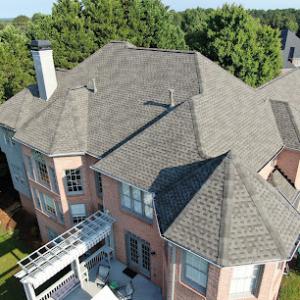
Champion Roofing
(855) 552-4267 www.theroofchamp.com
7380 Spout Springs Rd Ste 210-315, Flowery Branch, Georgia
5.0 from 71 reviews
Champion Roofing, established in 2017 and serving Central and North Georgia, stands tall as your trusted roofing contractor. Specialized in both residential and commercial roofing services, Champion Roofing can handle all your repair, replacement, and installation needs. They also conduct roof inspections, gauge estimates for leaks and damage, and attend to gutter services, including inspections, installation, and replacements. Whether your roofing woes are residential or commercial, Champion Roofing is the roofing champion that always comes out on top.
Top Dog Roofing
(470) 557-3232 www.topdogroofing.net
4517 Findley Dr, Flowery Branch, Georgia
5.0 from 61 reviews
At Top Dog Roofing our top priorities are Quality, Responsiveness and Affordable Solutions. 14 years in business • BBB A+ rated • Locally-owned & operated • Free consultation • Workmanship guarantee • Extended warranty • Accepting on-site jobs • Accepting urgent jobs • Protective gear used • Maintaining distance • No-contact payments • Financing options. Call today for your roof exam or quote for a roof repair. 470-557-3232.

HD Roofing & Spray Foam
(470) 613-2592 hdroofingandsprayfoam.com
5633 Atlanta Hwy, Flowery Branch, Georgia
4.9 from 31 reviews
HD Roofing and Spray Foam specializes in quality commercial and residential roofing, insulation, and other contractor services for north Georgia. With a team of experts, they quickly assess and repair any roof damage or leaks, offering the best options for repair, replacement, or maintenance. They boast an expansive knowledge of insulation and provide top-notch spray foam installation and other insulation services. Their professional and reliable approach ensures prompt and efficient solutions for all roofing and insulation needs, resulting in top-tier protection for your property.
Down The Spout Gutters & roofing
(770) 318-6718 www.downthespoutguttersgeorgia.com
Flowery Branch, GA
4.8 from 45 reviews
Are your roof shingles or gutters broken and battered? Turn to the pros for reliable service. Down The Spout Gutters has been in business in Flowery Branch, GA since 1998. We love serving home and business owners in our community, and we pride ourselves on offering high-quality roof and gutter services for affordable prices.

Up-Armored Roofing
(678) 304-5139 www.uparmoredroofing.com
Flowery Branch, Georgia
5.0 from 8 reviews
Up-Armored Roofing provides commercial roofing repairs and residential roof replacement and repair services to the Flowery Branch, GA area.
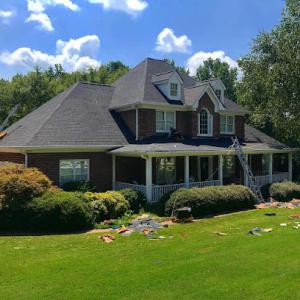
Vortex Roofing Solutions
Flowery Branch, GA
5.0 from 5 reviews
Our job is to assist Home or Business owners with all roofing needs. We work with all insurance carriers, as well as, provide competitive cash quotes. No job is too big or too small, so don't hesitate to book your FREE inspection now!
All South Professional Roofing
(770) 777-7663 allsouthroofs.com
5509 Radford Rd Ste B, Flowery Branch, Georgia
4.5 from 8 reviews
We are a full service roofing contractor in the state of Georgia. Led by a team with decades of experience, we have installation crews that are second to none. We understand and navigate the insurance world every day. We will be your trusted guide through the entire process. We love serving our customers, it's that simple! Give us the opportunity to work for you and you will soon see that we stand behind our promises. We can't wait to meet you and take care of all of your roofing needs.
Roof Pro
(678) 258-9065 www.roofprocontracting.com
5972 Warpath Rd, Flowery Branch, Georgia
4.2 from 5 reviews
Are you looking for a reputable, knowledgeable and professional roofing contractor? Roof Pro is a locally owned and operated business, with an owner who has called the Atlanta area & South Florida home for the past two decades. We take pride in expertly installing roofs that can stand up to Mother Nature’s worst while beautifully standing the test of time. It’s why we are a manufacturer-certified company – because we have proven that we can meet the strict requirements of the nation’s leading roofing manufacturers. Roof Pro also has an A+ rating with the Better Business Bureau.

Mr. Roof & Restoration
Serving
5.0 from 440 reviews
Mr Roof has been in business since 2016, proudly serving our community with reliable roofing solutions. We are here for all of your roofing needs, from inspections and repairs to full replacements. Our team specializes in working directly with your insurance company to ensure you receive the coverage you deserve for any roofing-related issues. With years of proven experience, quality craftsmanship, and a commitment to customer satisfaction, Mr Roof is the trusted choice to protect your home or business.
McNail Brothers
(770) 828-7614 www.mcnailbrothers.com
Serving
4.9 from 41 reviews
McNail Brothers provides roofing, siding, and gutters to the North Georgia area.
Magnolia Roofing & Restoration
(470) 668-6160 www.magnoliaroofingandrestoration.com
Serving
4.9 from 135 reviews
Magnolia Roofing and Restoration is a trusted local roofer and siding contractor serving North Georgia. We specialize in roof repair, roof replacement, siding installation, metal roofs, shingles, and storm damage restoration. Our team handles residential and commercial projects, offers expert insurance claim assistance, and uses top-quality materials. If you're searching for roofing contractors near you or local roofers you can count on, we’re here to help. Proudly serving Athens, Buford, Marietta, Atlanta, Kennesaw, Cumming, and surrounding areas. Call for a free estimate!
Legacy Roofing & Exteriors
(678) 629-2646 legacyroofs.org
Serving
4.9 from 162 reviews
Local Roofing contractor specializing in roof replacements and repairs. Focusing on the homeowners needs and assisting property owners with insurance claims to provide coverage from storm related damages. Building a Legacy one roof at a time with the top quality in workmanship and customer service
Georgia insurers commonly ask for roof age, repair history, and photo documentation after storm events, which directly affects Flowery Branch homeowners dealing with wind and hail losses. When a thunderstorm rolls through Lake Lanier and hails even in small bursts, the clock starts ticking on what you need to prove later. Have clear, dated photos of the roof taken from ground level and from the attic where accessible. Keep a simple log of the last known repairs and any weather-related incidents that touched the roof. This is not just for the adjuster; it's for your own records in case the claim evolves or questions come up weeks later.
Adjusters may request a post-loss roof inspection and current photos, so homeowners here need documentation before temporary repairs and again after storms pass. If the roof shows shingles curled, granules in the gutters, or lifting around edges, document those specifics with close-up shots and a wide shot that captures the overall condition. When the adjuster schedules an inspection, be present or designate a trusted representative who can point out hail impacts, wind damage, and any damaged flashing. If you've already made temporary coverings or tarping, photograph those steps before and after, and keep the receipt and any contractor note that explains the temporary fix. This helps separate urgent mitigation from permanent repairs in the claim narrative.
Because storm-related roofing activity is prominent in this market, depreciation and coverage discussions around wind and hail are especially relevant for local claims. Before any work begins that looks like a repair, obtain written guidance from the insurer or your adjuster about what is approved as temporary protection versus permanent repair. If there's any disagreement about the scope of damage, request a written scope and a second opinion from a trusted roofer who can provide unbiased measurements and photos. Have your insurance contact confirm whether certain components-underlayment, flashing, or vents-are part of the covered repair or treated as separate items. Clear, organized documentation reduces the chance of delays and unexpected out-of-pocket costs.
Document, document, document. After a storm, compile a folder with the original policy, the claim number, all correspondence, and every photo with a date stamp. If a contractor or adjuster references a particular problem area, request that description in writing and compare it to your own notes and photos. In a high-activity market like this region, depreciation discussions often hinge on evidence of pre-existing conditions versus new storm-related damage. Keeping a meticulous history helps you demonstrate the severity and scope of the loss when you negotiate coverage and write a scope of repairs.
Throughout the claim, maintain a steady line of communication with the insurer and the contractor. If weather interrupts a scheduled inspection, document the delay and request a firm reschedule. In this climate, North Georgia thunderstorms can cause rapid changes in roof condition, so timely updates are essential. By staying proactive about documentation and clear about the scope, homeowners can navigate wind and hail claims more confidently and reduce the risk of coverage gaps as the process unfolds around Flowery Branch's changing skies.
Connect with contractors who help homeowners navigate the claims process from damage assessment to final approval.
Champion Roofing
(855) 552-4267 www.theroofchamp.com
7380 Spout Springs Rd Ste 210-315, Flowery Branch, Georgia
5.0 from 71 reviews
Top Dog Roofing
(470) 557-3232 www.topdogroofing.net
4517 Findley Dr, Flowery Branch, Georgia
5.0 from 61 reviews

HD Roofing & Spray Foam
(470) 613-2592 hdroofingandsprayfoam.com
5633 Atlanta Hwy, Flowery Branch, Georgia
4.9 from 31 reviews
Asphalt shingles remain the dominant practical choice in this market, and for good reason: they're familiar to local crews, relatively straightforward to install, and well-suited to the southern Georgia humidity that follows North Georgia summer storms. The key for Flowery Branch is not just the shingle itself but how the roof is finished around edges, penetrations, and chimneys. Ventilation plays a pivotal role in hot, humid months, helping to keep attic temperatures down and extending shingle life. Pair shingles with a high-quality underlayment that resists moisture migration and a sealed ridge line to minimize air in-leakage during pummeling rain events. The result is a steady, predictable performance through the area's typical thunderstorm cycles.
In this climate, ventilation is not a luxury - it's a shield against accelerated degradation from heat and humidity. A well-ventilated attic reduces heat buildup that can soften asphalt shingles and encourage accelerated wear around nail lines and seals. Choose underlayment that can tolerate recurrent moisture exposure and provide a reliable moisture barrier under the shingles. Sealing around vents, skylights, and chimneys should be meticulous, because even a small leak can become a big problem after a North Georgia storm. Inspectors notice these details, and a well-sealed, properly ventilated roof often performs better when a heavy spring shower rolls through Lake Lanier humidity valleys.
Metal roofing has a meaningful local presence and is relevant for homeowners looking for better rain shedding and durability during frequent North Georgia storm cycles. Its fast drainage helps limit ponding near eaves and dormers, and its wind resistance can translate into fewer immediate shingle or seam failures during gusty storms. However, metal requires precise installation to avoid issues at seams, overhangs, and transitions to existing structure. In Flowery Branch, where thunderstorms can be sudden and intense, ensure that roof-to-wall connections are flashed thoroughly and that metal panels are anchored for the local wind profile. If considering metal, pair it with a high-quality sealant and a robust ventilation strategy to prevent condensation beneath panels in cooler months.
Higher-end materials such as clay tile, slate, wood shakes, and synthetic products exist locally, but their performance depends heavily on whether the home's structure and detailing suit Hall County's wet, humid conditions. Clay tile and slate offer excellent resistance to weather when installed on a properly reinforced deck and with careful underlayment and flashing. Wood shakes provide a traditional look but demand meticulous maintenance and periodic sealing to resist moisture absorption. Synthetic products can bridge some gaps, offering lighter weight and good moisture resistance, but still rely on sound deck preparation and proper ventilation to thrive in this climate. If choosing these options, verify that the roof structure can support the material's weight and that detailing around hips, valleys, and penetrations is designed for the region's storm patterns.
Whatever the primary material, annual inspections after the busy storm season help catch hidden leaks and uplifted edges before they become major issues. In Flowery Branch, a quick assessment of attic ventilation, underlayment integrity, and flashing around skylights or vents can prevent water intrusion during the next heavy rain. A thoughtful combination of material choice, proper installation, and proactive maintenance keeps a roof performing well through the area's humidity, heat, and rapid storm cycles.
Spring in Flowery Branch brings wind and hail risk that can disrupt schedules and create sudden demand spikes for inspections and reroofing. After a storm, you may need immediate attention to see if the attic's decking or underlayment sustained damage. Plan for a quick validation of visible shingles and flashing, but expect potential delays as local crews swing to high-priority hail repairs. Short-notice inspections are common, so keep contact plans ready and buffer your timeline for weather-driven shifts.
Summer heat and thunderstorms can delay installation and affect material handling, making crew timing and weather windows more important than in milder markets. The afternoon storm pattern can push crews off a roof for safety, and heat can stress asphalt-heavy or adhesive-based work. If you're scheduling a reroof in mid-summer, choose early-morning crews, allow for hydration breaks, and set a proactive contingency plan for a few rain delays that may cascade into longer overall timelines.
Winter freezes and occasional frost can slow adhesive-based work and sealing, so timing matters for asphalt-heavy reroofing jobs in this city. Concrete and synthetic underlayment can resist bonding when temperatures dip, and early frosts can halt progress on evenings when temperatures stay low. If a winter project is necessary, target milder stretches of the day, and coordinate with suppliers on colder-weather material handling to avoid backorders or stiffened products.
When a storm hits, you're aiming for a practical response window rather than a perfect one. Quick assessment, temporary safety measures, and timely contractor communication reduce the risk of further damage from wind-driven rain. If leaks emerge, address them promptly to protect insulation and interior finishes, but avoid rushed trades that might overlook flashing or vent integrity. A careful, staged approach helps you keep the project on a steady track through the peak storm season.
Consider your typical roofing stock-probable asphalt, metal, and sometimes clay or slate in older neighborhoods-and align replacement timing with seasonal pros and cons. In this market, the best window often blends dryer, milder stretches with the least chance of heavy storm waves, all while keeping your home's interior protected during the transition. A measured plan reduces the risk of weather-induced setbacks and helps crews maintain steady progress through the busy months.
In this market, asphalt shingles sit at the entry point for replacement projects, with per-square costs typically in the 350 to 550 USD range. Metal roofing follows closely behind, commonly landing between 700 and 1100 USD per square. If slate or premium clay tile shows up on a roof, expected costs climb significantly, with clay tile often topping 900 to 1600 USD per square and slate stretching from about 1400 to 2500 USD per square. Wood shingles or shakes sit between asphalt and slate, and synthetic or composite shingles generally track 500 to 900 USD per square. The actual mix used in local homes often skews toward asphalt and metal, rather than tile, cedar, or slate. Prices reflect material choice, overlapping labor, and typical local waste disposal considerations after a storm.
Storm-driven demand surges in Hall County, especially after spring and summer weather events, can tighten labor scheduling and push reroof timing out. When a large hail event or rapid hail-and-rain sequence hits, crews shift from consults to immediate emergency replacements, and supply chains for underlayment, starter strips, and fasteners tighten. Expect short-term price bumps from storm-related logistics and limited crews, even if the base per-square rate for the chosen material remains within the standard ranges. Planning ahead during calm months can help lock in a preferred start date and reduce the chance of price drift, though weather will always play a role in scheduling.
Local projects tend to favor asphalt or metal because they balance cost, availability, and weather resilience for Georgia humidity and repeated thundershowers. Asphalt remains the reliable workhorse for most homes in the area, offering straightforward installation and dependable warranties. Metal roofs are a common upgrade in newer or higher-end houses, delivering longer life and better resistance to hail impacts, though at a higher upfront cost. Tile and slate remain relatively rare, reserved for specific architectural styles or premium bids. When evaluating bids, compare not just the per-square price but the included underlayment, ventilation, and warranty terms, since those line items influence long-run performance in the local climate.
Don't let upfront costs delay a critical repair - these contractors offer payment plans to fit your budget.
Top Dog Roofing
(470) 557-3232 www.topdogroofing.net
4517 Findley Dr, Flowery Branch, Georgia
5.0 from 61 reviews

In Flowery Branch, a full roof replacement typically requires a building permit processed through the local building department serving Flowery Branch/Hall County. The permitting path is tied to the county system, so even if a contractor is local, the permit talks go through the Hall County office. Preparation helps: have your project plans ready, including roof type, ventilation details, underlayment approach, and flashing materials. Since this area sees rapid changes in weather, the department will expect proper documentation for the proposed installation to ensure compliance with wind, moisture, and fire-safety standards. Delays can occur when required details are missing or when staff needs clarification on a particular product or venting configuration. Coordinating closely with your contractor to align on submittal items can help keep the process moving.
Inspections are generally scheduled after installation to verify underlayment, flashing, ventilation, and overall workmanship rather than relying only on contractor self-certification. The inspector will typically check that the underlayment is correctly installed and that valley details, drip edges, and roof penetrations are sealed properly. Ventilation baffles, ridge vents, and soffit intake must meet code expectations to prevent future moisture problems and ice-damming risks during Georgia winters. The goal is to confirm that the installation will perform under the local humidity, lake-effect weather, and the intense afternoon thunderstorms common to the area. If any element fails to meet the standard, the contractor may be asked to correct issues before a final sign-off. A thorough pre-inspection walkthrough with the contractor can help catch items that might draw additional inspection time.
Processing times can vary by workload and season, which matters locally because storm periods can increase permit volume and delay reroof starts. After a damaging storm, be prepared for a higher volume of permit applications and possible temporary backlogs at the building department. Planning ahead by submitting plans promptly and setting realistic start dates with your contractor can minimize idle time between permit approval and physical work. Keep in mind that inspections are scheduled windows rather than instantaneous approvals; coordinating a clear communication line with both the contractor and the building office reduces frustrating delays during a busy season.
In this market, the examiners zoom in on flashing and ventilation because good work here prevents a lot of headaches after a storm. You might not see a problem at first glance, but a small gap around vents, dormers, or where the roof meets a wall can turn a quick reroof into a leak season. When a contractor focuses on these details, it's usually a sign of quality control, not just quick turnover.
Chimneys drift with weather and settle differently from the rest of the roof, so their intersections with shingles and flashing stress over time. Local profiles show chimney work shows up enough to signal homeowner demand for repair and proper sealing. If your home has a brick or stone stack, pay particular attention to the step flashing where it meets the roofing surface and to the counter-flashing that may degrade after heavy rain or hail.
Skylight penetrations are a recurring source of leaks, especially after North Georgia storms throw saturated hours at a roof. The best crews treat skylight flanges, kerfs, and seals as a priority, not an afterthought. In this climate, the surrounding decking and flashing around a skylight can soften or crack, inviting moisture down the rafter bays and into attic spaces.
Hail-damaged roofs often reveal themselves first around edges and penetrations, then ripple inward. After a storm, you should inspect around every vent, chimney, and skylight with a flashlight and a steady ladder angle. If water marks appear in the attic or along ceiling lines, don't delay-prompt detection helps prevent extensive interior damage and a longer, messier repair.
When selecting a contractor, ask specifically about their approach to flashing, chimney intersections, and skylight detailing. Request examples from similar roof configurations and confirm that waterproofing strategies address these high-risk points. A careful, detail-focused assessment is your best defense against slow leaks turning into costly repairs.
Find contractors experienced in skylight installation, flashing, and leak repairs to bring natural light into your home.
Top Dog Roofing
(470) 557-3232 www.topdogroofing.net
4517 Findley Dr, Flowery Branch, Georgia
5.0 from 61 reviews

In this market, manufacturer-certified products and warranty-offering contractors are a visible part of the roofing landscape. You will see installers promoting extended material warranties, while manufacturers emphasize performance guarantees tied to proper installation. Knowing who backs what helps you separate the promises made about the material from those tied to the installer's workmanship. In practice, that means you should read both the material warranty and the contractor's workmanship guarantee, and confirm who handles a claim if something goes wrong after a storm. The local context-humid summers from Lake Lanier, sudden North Georgia thunderstorms, and hail-amplifies the importance of choosing products and installers with credible, transfer-ready warranties.
Warranty discussions matter because coverage is not always one-size-fits-all. Material coverage protects the actual roof components, but it does not guarantee leak-free performance if installation is flawed. Workmanship warranties address installation-related issues like flashing, fasteners, and sealant integrity. Insurance, meanwhile, may cover storm-related damage, but it rarely covers installation errors or pre-existing deficiencies. In this market, a clear split between material coverage, workmanship coverage, and insurance reimbursement helps prevent surprise gaps after a loss. When you receive a warranty proposal, verify what is covered for hail impact, wind uplift, and flashing failures, and ask for written proof of transferability and claim procedures.
Warranty value in this jurisdiction hinges on a thorough post-install inspection focused on flashing, ventilation, and workmanship. A competent inspection after installation helps catch installer mistakes that could compromise performance under the region's storm risk. If possible, arrange a third-party inspection before finalizing the warranty, and document the findings with photos and notes. A warranty is only as strong as the installation quality it assumes; in practice, a robust post-install check reduces the likelihood of warranty disputes after the attic feels humid or a sudden downpour starts leaking.
Keep a dedicated file for warranty and claim documentation. Record product model numbers, serials, installation dates, and contractor contact details. Save correspondence about any storm-related issues and the sequence of repairs. When negotiating with manufacturers or insurers after a loss, precise records speed up claim decisions and help you separate what the policy covers from what the installation or material warranty guarantees. This local market rewards preparedness with clearer paths to resolution after a thunderstorm or hail event in the Lake Lanier area.