
Last updated: Apr 19, 2026
Spring hail and heavy rain are a recurring pattern for Lilburn homeowners. Hail can punch through shingles or lift tabs, and a later rain sprint can reveal hidden damage as shingles puff, lift, or crack. Summer afternoons bring abrupt, wind-driven storms that slam trees and push debris into valleys and gutters, often forcing water backup into roof lines. The city's dense tree cover means wind events frequently arrive with limb impact and debris that complicates the path of water, so a small dent or lifted shingle can quickly become a leak when rain returns. Autumn tropical storm remnants can reach metro Atlanta with gusts that seem tame but deliver enough rain to reveal slow leaks days later. Understanding this pattern keeps you from underestimating front-edge damage.
When you see a dented shingle edge, a lifted tab, or a wet spot on the ceiling after a storm, act fast. Start with a quick roof-adjacent check from the ground: look for dislodged granules in gutters, missing pieces, or dark streaks on the roof deck where water may be intruding. If you must go on the roof, move carefully and avoid stepping on loose shingles or near visibly damaged areas. Inside the attic, inspect for signs of moisture, dark or moldy spots, and condensation on the underside of decking, especially along valleys and near vent pipes. In Lilburn, where wind often comes with limb impact and debris, focus on valleys, flashing around chimney or vents, and any seals that might have buckled. If you do identify damage, document it with photos showing the affected area, the extent of the moisture, and nearby debris. Timely documentation helps distinguish routine wear from storm-driven leaks.
Take clear, dated photos of the damage from multiple angles, including close-ups of dented or missing shingles and any granule loss. Note the storm date and the path of debris observed on your property. Keep a running log of when leaks were first noticed, when rain events occurred, and what steps you took to mitigate further intrusion (tarps, temporary coverings, or water diversion). If a leak is actively dripping, place a temporary container under the drip and protect any nearby electronics or wooden structure from water exposure. When speaking with an adjuster, present the storm timing, observed damage, and the sequence of events between hail, wind, and the leak discovery. In Lilburn, where delayed leak discoveries are possible after autumn storms, your documented timeline can clarify whether a particular leak aligns with a recent storm event or a latent issue.
Meanwhile, keep gutters clear of leaves and small branches to reduce water backup. Trim overhanging limbs where safe, particularly those leaning over the roofline that could shed during another storm. If a leak is present, place open containers under active drips and use towels to manage minor spills to protect insulation and ceilings. Avoid temporary patches that could trap moisture or worsen the damage; instead, use a lightweight tarp only to cover the exposed area if you must protect the interior temporarily. In this climate, rapid response is crucial, because a small shingle imperfection in spring or summer can escalate into a full leak after the next storm cell passes through.

Fraser Roofing
(678) 835-4163 www.fraserroofingllc.com
3109 Five Forks Trickum Rd SW, Lilburn, Georgia
4.9 from 2343 reviews
Fraser Roofing in Lilburn, GA delivers dependable roof repair, replacement, storm response, and gutter service. Our primary offering is CertainTeed architectural shingles, installed by a Select ShingleMaster team for proven performance and strong warranties. For premium looks and durability, we selectively offer DaVinci composite roofing and F‑Wave synthetic shingles. Contact us for a free estimate.
Atlanta Roofing & Remodeling
(770) 256-3444 www.atlantaroofing.com
4615 Dickens Terrace NW, Lilburn, Georgia
4.7 from 66 reviews
Since 1988, Atlanta Roofing has proudly served as a trusted residential and commercial roofing contractor based just north of Atlanta and serving the entire Metro Atlanta area. We provide a full range of services including Roof Replacement, Roof Repairs, Metal Roofing, Skylight Installation, and more. In addition, we offer Home Improvement Solutions such as Siding, Gutters, Decks, Painting, and Driveway work — always with exceptional service, close attention to detail, and fair pricing. We stand firmly behind our work, using only quality materials and superior Workmanship, never compromising standards for higher margins. Our dedication to Excellence has earned us great reviews and an A+ BBB rating year after year.
Unique Roofing
(678) 975-5117 www.unique-roofing.com
Lilburn, Georgia
4.2 from 33 reviews
With 20 years of industry experience, our locally owned and operated business is dedicated to providing the residents of Lilburn with the best solutions to repair or replace their roof and other home projects including siding installation, siding repair, and painting. If you are interested in learning more about any of our services, please contact Unique Roofing today!
Top Tile Roofing
(470) 360-8823 www.toptileroofing.com
Serving
5.0 from 87 reviews
Welcome to Top Tile Roofing! Located in Duluth, Georgia, we specialize in roof replacement, roof repair, gutter, and siding services. With over 7 years of experience, our mission is to provide our customers with the strongest, most resilient roofs on the market, backed by exceptional service and personalized attention. We strive to exceed expectations on every project and build strong, long-lasting relationships with our clients based on trust, integrity, and quality. Contact us today to experience top-quality roofing solutions!
Deerfield Roofing
(770) 788-7663 www.deerfieldroofing.com
Serving
5.0 from 45 reviews
We help stressed homeowners save money on costly repairs by delivering reliable, skilled workmanship that transforms their roof into a durable safe home.
Excellent Top Roofing
(678) 683-3452 excellenttoproofing.com
Serving
5.0 from 91 reviews
Here at Excellent Top Roofing, We are committed to delivering the highest quality materials and craftsmanship, ensuring that every roof we install not only protects but also adds value to your home. Our dedication to customer satisfaction drives us to exceed expectations and build lasting relationships within the community.
Frank Roofing
(404) 644-8585 www.frankroof.com
Serving
5.0 from 57 reviews
We have over 10 years in the business. With a crew of experienced craftsmen and top-rated quality materials, backed up by 2/5/10 years of labor warranty, we are the area's best resource for your roofing needs. We offer hail damage free inspection and free estimates, we have plenty experience working with the most popular home insurances companies: All State, State Farm, Nationwide and others. You don't have to worry about anything, we do all the process, so you can get your leaks and stained roof fixed and replaced by the best hands.
Gmg Roofing Division
(678) 469-6634 www.gmgroof.com
Serving
4.9 from 37 reviews
GMG Roofing Division, located in Tucker, GA, offers comprehensive roofing services for both residential and commercial clients. Our licensed and insured team specializes in roof installations, repairs, and replacements, ensuring quality craftsmanship and long-lasting results. Dedicated to customer satisfaction, we provide personalized solutions to meet your roofing needs. Trust GMG Roofing Division for reliable, efficient, and expert roofing services. Contact us today for a free estimate!
Perimeter Roofing
(678) 679-2268 perimeterroofing.com
Serving
4.9 from 1370 reviews
Perimeter Roofing is a top-rated roofing contractor based in Duluth, GA, proudly serving Metro Atlanta. We specialize in storm damage roof inspections, roof replacements, and expert help with insurance claims. Our team is trusted by thousands of homeowners across Atlanta for fast, reliable service and unmatched attention to detail. With a 4.9-star Google rating, we’re known for identifying hidden roof damage and ensuring every roof is restored to like-new condition. Call today for a free roof inspection in Duluth or anywhere in the Atlanta area.
HEO Restoration Services
(678) 799-1572 www.heorestorationservicesllc.com
Serving
5.0 from 29 reviews
HELPING EACH OTHER
Georgia Roof + Exteriors
(770) 659-7620 georgiaroof.com
Serving
4.9 from 180 reviews
Georgia Roof + Exteriors is a licensed and insured roofing contractor serving the Metro Atlanta area. We specialize in both residential and commercial roofing solutions, offering services from roof repairs and replacements to siding, gutters, and more. Our team is dedicated to providing honest, reliable, and professional service, ensuring quality materials and timely project completion.
Arise Roofing & Restoration
(844) 600-9697 www.ariseroofing.com
Serving
5.0 from 88 reviews
We build roofs and relationships that last! At Arise Roofing and Restoration—we’re more than just a roofing company—we’re a team of passionate individuals dedicated to building lasting roofs and relationships. Not only have we spent decades perfecting our craft and workmanship in the roofing and restoration industry but we’ve worked on the insurance side, too—learning the ins and outs on how insurance claims are processed. With this knowledge on your side, you can rest assured that you are getting the most out of your insurance policy. -Residential Roofing -Commercial Roofing -Claims Handling Assistance -Contractor Services Contact Us Today!
Georgia's frequent wind and hail claim activity means Lilburn homeowners should expect insurers to request detailed photo sets, date-of-loss information, and adjuster review before approving major roof work. Insurance companies often want to see evidence of where damage occurred, when it happened, and how that damage progressed. A rapid, well-documented file helps keep your claim moving, especially when a spring or summer storm has left multiple homes with similar issues. Prepare for a process that relies on precise records, not assumptions about when or how the damage happened.
Older roofs in established subdivisions may face depreciation or tighter coverage terms, making documentation of storm-created damage more important than simply proving age. Start with a dated set of high-resolution photos from multiple angles-upward and downward views, close-ups of shingles or flashing, and evidence of granule loss or hail impact. Include weather data from the day of the storm and a concise, objective description of what you observed. Keep copies of any communications with the insurer, notes from conversations with adjusters, and a clear calendar of milestones in the claim process. This is not every house's usual home-maintenance record; it's your storm-damage dossier.
Because many local contractors market storm and claims help, homeowners need to separate legitimate inspection evidence from high-pressure replacement pitches after neighborhood storm events. The adjuster will compare your records with the physical condition of the roof, attic, and interior if there are leaks. Expect questions about prior repairs, the age of components, and whether interior damage aligns with exterior findings. Be truthful and concise. If something seems inconsistent, request a re-inspection rather than arguing; misalignment can slow or jeopardize coverage.
A neighborhood-wide storm creates an easy environment for aggressive sales tactics. Pushy contractors may promise instant approvals, discounted rates, or exclusive materials. Stay grounded in objective evidence: insist on independent inspections, and verify credentials, licenses where applicable, and references. If a contractor pressures you to sign before you have all the insurer's adjustments, pause. A legitimate claim should be driven by your insurer's process, not by the contractor's sales cycle. Prioritize transparent communication and written estimates that reflect the scope the adjuster has approved.
Once the claim progresses to a mitigation or replacement decision, document every communication and the exact scope of work approved by the insurer. If the insurer requires a specific set of photos or a third-party evaluation, provide it promptly. If a dispute arises over damage causation or depreciation application, request a formal written rationale from the insurer and the contractor involved. In storm-driven seasons, timely, accurate documentation protects you from downstream disputes and helps ensure the repair reflects the actual condition rather than speculative replacement.
Connect with contractors who help homeowners navigate the claims process from damage assessment to final approval.
Fraser Roofing
(678) 835-4163 www.fraserroofingllc.com
3109 Five Forks Trickum Rd SW, Lilburn, Georgia
4.9 from 2343 reviews
Atlanta Roofing & Remodeling
(770) 256-3444 www.atlantaroofing.com
4615 Dickens Terrace NW, Lilburn, Georgia
4.7 from 66 reviews
Asphalt shingles fit much of Lilburn's suburban housing stock and are common because they balance upfront cost with acceptable performance in humid, rain-heavy metro Atlanta conditions. For a typical Lilburn roof, asphalt blends well with existing materials on two- and three-story homes, handles the spring storm pattern, and offers straightforward repair options after wind-driven rain or hail. In practical terms, choose a mineral-saturated organic or fiberglass base with a quality granule coating to resist algae staining and UV wear. When selecting shingles, prioritize those with good algae resistance and a reinforced nailing strip to withstand high winds common in summer thundershowers. A roofing contractor should ensure proper underlayment and ventilation to reduce heat buildup and control condensation across attic spaces.
Metal roofing is relevant for Lilburn homeowners prioritizing faster water shedding during intense thunderstorms and longer service life under repeated heat and moisture cycling. Metal panels shed rain quickly and resist granule loss and hail denting better than many other options, which helps during the region's spring and summer storm bursts. Installation quality matters here: panel seams must be properly sealed, flashings secured, and the roof deck be solidly prepared to prevent movement that can lead to leaks over time. Metal roofs also perform well with attic ventilation, reducing condensation and interior moisture buildup that can encourage mildew and algae growth on unprotected surfaces. For older homes, consider a metal option that mimics a traditional profile to maintain curb appeal while gaining rain-shedding efficiency.
Tile, wood shake, and synthetic options appear in smaller numbers locally, but Lilburn's humidity, algae exposure, and storm debris risk make installation quality and structural suitability more important than appearance alone. Clay and concrete tiles can offer long lifespans and distinctive looks, but they require a strong deck and careful roof framing to handle their weight. In a humid climate with heavy rain events, tile performance hinges on excellent underlayment, proper slope, and robust fasteners to resist wind uplift and debris impact. Wood shakes bring character but demand rigorous maintenance to prevent moisture absorption, rot, and algae buildup in shaded or damp areas. Synthetic options can balance weight, durability, and algae resistance, but still call for precise installation details to resist wind-driven debris and to maintain proper attic ventilation.
Regardless of material, Lilburn-specific performance hinges on installation quality. Humidity and storm debris demand a roof that handles rapid shedding, robust attic ventilation, and durable underlayment. The best choice aligns the material's weight and expansion characteristics with the existing structure, ensuring adequate deck strength and flashing details around chimneys, dormers, and vent pipes. Pay attention to underlayment choices designed for high-humidity environments and to fastener patterns that minimize water intrusion after heavy rainfall. Regular inspections after major storms help identify loose fasteners, coated surfaces showing signs of algae, or small leaks that could escalate if left unaddressed.
Given Lilburn's climate, a maintenance plan should include routine cleaning of algae-prone surfaces, prompt removal of storm debris, and periodic gutter checks to prevent water backup. For every material type, the goal is to preserve the roof's integrity through humid summers and wind- and hail-driven events, while keeping the risk of internal moisture and secondary damage as low as possible. In practice, that means selecting a roof with proven performance in similar weather patterns, choosing a qualified installer who understands Lilburn's yard debris and wind exposure, and committing to proactive inspections after severe weather.
In this market, storm-driven swings in metro Atlanta demand push labor crews to schedule pressure when Lilburn experiences outbreaks. That dynamic shows up as shorter notice windows, potential price bumps, and longer lead times for full replacement projects. You'll notice these timing shifts most during late spring through midsummer storms, when skilled roof crews are in high demand across Gwinnett County.
Asphalt shingles remain the most common starting point for most Lilburn homes, with typical replacement costs around 350 to 650 USD per square. Metal roofing tends to run higher, roughly 700 to 1100 USD per square, while clay and concrete tiles sit well above that range, often in the 900 to 1800 and 750 to 1400 USD per square bands respectively. Wood shingles or shakes trend between 500 and 1000 USD per square, and synthetic or composite shingles hover in the 450 to 800 USD per square range. These figures reflect both material quality and the region's freight, waste handling, and disposal considerations that matter in this area.
Neighborhoods with steeper cut-up rooflines, chimneys, skylights, and mature landscaping add complexity to a replacement. The extra labor time isn't just about laying new shingles; protection, debris containment, and careful navigation around mature landscaping and outdoor features translate into higher day rates and longer project durations. In Lilburn, those factors reliably push total costs upward compared with flatter, simpler roof layouts found in other markets.
Full replacements in this area typically involve more administrative time than simple repairs, especially when coordinating multiple days of crew presence and ensuring thorough cleanup. While the exact impact varies by house, expect scheduling pauses to extend project timelines and, occasionally, to nudge line-item costs higher due to extended protection measures and additional waste management steps. This is a practical reality in Lilburn's storm-prone months, where crews juggle several large jobs in a short window.
When budgeting, start with the material you want and then plan for the local timing realities. If a storm damage assessment points you toward a metallized or synthetic option, anticipate higher per-square totals but aim for longer-term durability in a climate with rapid moisture changes. For asphalt, the more favorable upfront price can still be affected by seasonal demand; ensure you account for potential short-notice scheduling changes that could compress lead times and impact project pacing. In any case, expect some variation tied directly to Lilburn's weather patterns and labor demand cycles.
Don't let upfront costs delay a critical repair - these contractors offer payment plans to fit your budget.
Detailed Roofing & Construction
(678) 254-0978 www.detailedroofer.com
1285 Turner Rd SW, Lilburn, Georgia
4.5 from 35 reviews

Grace Mountain Renovations
(404) 750-6715 www.gracemountainrenovations.com
Serving
5.0 from 92 reviews
For a full roof replacement, a building permit is typically required rather than treated as no-paperwork maintenance. The local building department in Gwinnett County expects a licensed contractor and detailed project plans before permit approval. This means you should plan in advance and keep your contractor accountable for submitting the correct documentation, including job scope, venting details, and material spec. If a contractor tries to bypass the permit step, that is a red flag, especially when weather windows are narrow and storm season looms. The process is more predictable when you coordinate through a contractor who understands the county's expectations and can provide a clear permit package.
As part of the permit package, expect to supply or verify a licensed contractor's credentials, project address, and a description of the replacement work. Some projects trigger additional reviews, such as attic ventilation calculations or upgraded underlayment plans to meet current code standards. In practice, this means you should gather the relevant information early: the exact roofing materials, roof deck condition notes, and any planned attic ventilation improvements. Having this ready helps prevent delays when Gwinnett County inspectors come through. If your home has structural quirks, such as an older roof line or mixed materials, the contractor may need to coordinate with the building department to resolve any code concerns before approval.
Inspection checkpoints commonly include pre-underslayment review, installation and ventilation review, and a final inspection. The pre-underslayment stage gives the inspector a chance to confirm deck condition and flashing plans before plywood or synthetic underlayment goes down. The installation and ventilation review looks for proper nailing patterns, shingle alignment, and the adequacy of soffit and ridge venting to handle Gwinnett's humidity and storm-driven rains. The final inspection confirms the work meets current code and the permit's scope. Given Lilburn's spring and summer severe weather, scheduling matters: a rain delay can push the sequence back, which can compress contingency timelines for essential weatherproofing. Coordinating with both your roofing crew and the inspection office helps keep the project moving despite occasional weather bumps.
Ask the contractor to provide calendar-led milestones tied to permit actions, not just material delivery. Keep copies of all permit approvals, inspection notices, and any corrective work orders handy for the next storm season. If a weather window opens, have a concrete plan with the contractor for weatherproofing steps to minimize exposure and potential leaks. Remember that the permit process is not a hurdle to slow you down; it's a structured safeguard that helps ensure your roof replacement stands up to Gwinnett County's humid, storm-prone climate and long-term performance.
The humid subtropical climate drives hot, sticky days that push roof work to windows of cooler mornings and late afternoons. In this area, summer installs must plan around high heat, sudden thunderstorms, and switching material handling tasks as afternoon weather shifts roll in. If you're coordinating a retrofit, schedule critical lifting and sealant work for first thing, and reserve the hotter midday hours for interior or non-adhesive tasks. Communication with crews should include a dry-setup plan for quick shelter and a rain call protocol when a pop-up storm forms.
Winter is milder than the mountains, but occasional freezes and persistent humidity can still slow progress. Seal-downs may be sensitive to overnight moisture, so inspection timing should avoid the chilliest mornings and be aligned with a dry, post-storm window. Staging areas should stay ventilated but shielded, to prevent moisture from seeping into underlayment or starter strips. If temperatures hover near freezing, keep crews aware of frost risk on metal and smooth-surface substrates to prevent delays.
Spring and early summer are the busiest periods, as storm damage assessments compete with planned replacements across the metro suburbs. Expect shorter lead times for material deliveries and a tighter window for permit-triggered scheduling, with weather forcing a few extra contingency days. Use this window to confirm water-flow paths on damaged roofs and prioritize urgent leaks before back-to-back replacement projects begin in earnest. Establish a shared, real-time weather plan with your contractor to minimize downtime and maximize daylight productive hours.
In Lilburn's leafy subdivisions, valleys and rear roof areas often trap leaves, twigs, and pine needles after storms. When debris sits, it holds moisture against shingles and flashing, accelerating wear and inviting slow leaks. If debris stacks up, water can back up and seep into joints where valleys meet and along eave lines. Regular checks after heavy rains or windy days help you spot early signs of moisture buildup before a small issue becomes a costly repair. Clear debris with care, ensuring gutters and downspouts remain free-flowing while you inspect for loose shingles or soft spots beneath the debris line.
Flashing around chimneys and skylights is a recurring concern in this market because many homes have these penetrations and they are vulnerable during wind-driven rain events. Wind pressure can lift flashing edge metal, allowing rain to migrate under shingles and into the roof deck. After severe storms, pay close attention to joints where flashing meets siding or brick, and where sealants have dried out. If you notice staining along interior ceilings near these penetrations or damp spots on attic ceilings, have flashing and sealants resealed by a professional to prevent a slow drip turning into a roof rot issue.
Ventilation performance matters in Lilburn because attic heat and humidity buildup can shorten shingle life and worsen moisture issues in the region's long warm season. A stuffy attic raises temperature under the roof deck and can peel back shingles or warp decking over time. If attic vents look clogged or block airflow, or if you notice higher attic temperatures during summer, address it promptly. Proper intake and exhaust balance helps reduce condensation and extends the life of underlayment and shingles.
Watch for small, darkened spots on ceilings after rain, ongoing granule loss in gutters, and soft or bowing roof sections near valleys or penetrations. Addressing issues early usually prevents interior damage and more extensive repairs later. Regular inspections, especially after hail and heavy rain, keep hidden problems from growing into major failures.
Find contractors experienced in skylight installation, flashing, and leak repairs to bring natural light into your home.
Fraser Roofing
(678) 835-4163 www.fraserroofingllc.com
3109 Five Forks Trickum Rd SW, Lilburn, Georgia
4.9 from 2343 reviews
Atlanta Roofing & Remodeling
(770) 256-3444 www.atlantaroofing.com
4615 Dickens Terrace NW, Lilburn, Georgia
4.7 from 66 reviews
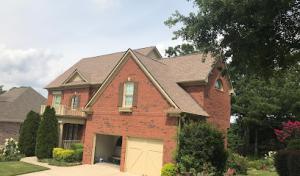
When you hire a roofer for a Lilburn home, you want more than a quick patch. The housing stock here runs from ranch-style residences to comfortable two-story setups that sit on tree-lined streets, and those roofs endure our humid Gwinnett springs and abrupt summer storms. Look for a company that has weathered multiple Lilburn seasons and kept a steady local presence for years. Long-established, family-owned firms often bring a grounded, hands-on approach you can see in the way they manage ladders, debris control, and the sequence of tasks on a typical replacement. Compare a few locals and ask neighbors who they trust for ongoing maintenance as well as a full roof replacement, so you aren't guessing about who will be there next year if a minor issue pops up.
Because storm seasons drive demand for quick, visible work, some outfits chase volume rather than careful, methodical quality. Before signing, verify who will actually pull permits, who will handle inspections, and who takes responsibility for cleanup and debris removal. If the crew changes mid-project or the company cannot confirm on-site supervision, interior rooms and landscaping become at risk during heavy rains or high winds. In Lilburn, post-storm response matters as much as the initial install, since neighborhoods stay connected by yards, driveways, and shared easements where debris can block access or injure a passerby.
In occupied neighborhoods, quick response and cleanup are major hiring priorities. Ask for a real-time contact who can be reached after hours and during a storm. A reliable supervisor should visit the site after the first day of work, provide progress notes, and protect your home with tarps and temporary barriers when winds pick up. When you compare options, lean toward firms with a clear local track record, warranties, and reference calls from nearby homeowners. Watch for storm chasers who quote low prices but show up with transient crews, little equipment, or vague timelines. In this market you'll see long-standing crews that prioritize clean job sites, final inspections, and neighborhood credibility.
Finally, ensure documented post-storm processes exist. Your chosen roofer should outline color and material choices, handling of underlayment, and a plan for protecting interior spaces during debris removal. If a claim is involved, your contractor should coordinate with you and the insurer to keep the process organized and minimize exposure to weather while the work proceeds. A firm that can demonstrate consistent, transparent communication during the project-and after it ends-provides the best long-term peace of mind for Lilburn homes that sit on shaded lots and quiet streets but contend with capricious spring and summer weather.