
Last updated: Apr 19, 2026
Georgia homeowners in the Norcross area frequently face wind and hail claim activity, and carriers commonly ask for detailed photo documentation, claims history, contractor invoices, and before-and-after images. When a storm hits, you need a plan to prove the exact extent of damage fast. Start by documenting every affected area with clear, dated photos from multiple angles, including close-ups of missing shingles, granule loss, dented metal, and any structural signs like soffit or fascia damage. Keep a running list of dates, storm events, and any temporary vulnerabilities you had to address. Insurance adjusters will expect a complete narrative with evidence, not a vague memory, so organize your materials before you file.
After a wind or hail event, your first move is to capture the full scope before you start any repairs. Take wide shots of the entire roof, then zoom into shingles or tiles that show bruising, cracks, or curling. Save every invoice from any temporary fixes, including tarping, board-ups, or emergency dry-in work. If you've used a contractor before, pull past invoices and any previous claim history that relates to this roof. Before-and-after images are essential to demonstrate the full replaced surface or the extent of patchwork. When you work with a contractor, insist on a detailed, itemized estimate that aligns with your photo record so the adjuster can reconcile what they see with what you document. In this market, carriers frequently request both the historical claim record and new project details to verify the scope of work.
Summer thunderstorms and hail in the area can interrupt active roof work, which makes emergency dry-in and tarping especially relevant after sudden damage events. If you suspect the roof is compromised, secure temporary protection quickly to limit interior damage. The hot, humid summers bring frequent rain, narrowing safe replacement windows; many full replacements are scheduled in the drier spring or fall. Plan around those seasons, but don't wait for perfect conditions if you see visible damage that could worsen with another storm. Temporary fixes buy time, reduce leak risk, and preserve more of the roof's integrity while you arrange a permanent solution.
Choose a local contractor with verified experience handling storm claims, photo-heavy documentation, and a solid track record of working with insurers on this market. Ask for a work timeline that accounts for potential weather delays and a clear sequence: tarp and secure, remove damaged roofing, and install a weatherproof underlayment before any shingle replacement. For Norcross conditions, ensure the crew is prepared for steep-slope work, heavy summer humidity, and the type of roofing your home uses, whether asphalt, metal, or tile. Clear communication about what constitutes "emergency dry-in" versus full replacement helps keep you out of risk and keeps the project on track despite Georgia's volatile weather.
Arise Roofing & Restoration
(844) 600-9697 www.ariseroofing.com
831 S Peachtree St, Norcross, Georgia
5.0 from 88 reviews
We build roofs and relationships that last! At Arise Roofing and Restoration—we’re more than just a roofing company—we’re a team of passionate individuals dedicated to building lasting roofs and relationships. Not only have we spent decades perfecting our craft and workmanship in the roofing and restoration industry but we’ve worked on the insurance side, too—learning the ins and outs on how insurance claims are processed. With this knowledge on your side, you can rest assured that you are getting the most out of your insurance policy. -Residential Roofing -Commercial Roofing -Claims Handling Assistance -Contractor Services Contact Us Today!
Deerfield Roofing
(770) 788-7663 www.deerfieldroofing.com
1142 Rockbridge Rd NW, Norcross, Georgia
5.0 from 45 reviews
We help stressed homeowners save money on costly repairs by delivering reliable, skilled workmanship that transforms their roof into a durable safe home.
Hive Roofing
(888) 345-4483 www.hiveroofing.com
6035 Atlantic Blvd Suite B1, Norcross, Georgia
4.9 from 76 reviews
As a local, family-owned, roofing company, it is not only our pleasure but our passion to give back to the community as a "thank you" for your continued trust and support. HIVE goes above and beyond to stay connected with our clients even when the project is complete - We believe we are only as strong as the relationships we build. Experience elevated customer service by choosing HIVE ROOFING for your replacement, restoration, and protection needs.
North Georgia Superior Roofing
(404) 663-0440 www.ngsroofing.net
3295 River Exchange Dr STE 576, Norcross, Georgia
4.8 from 54 reviews
North GA Superior Roofing is a homegrown roofing company from Norcross Ga. With more than 10 years of experience in the roofing industry and a more than 20 years on knowledge backing it up from our employees. Since Day 1 our goal has been to help and educate every homeowner we come in contact with. Residential roofing being our strength, over the years we have also helped comercial property owners with they’re roofing concerns! Were the the ones to call!! NGS Roofing is here to help!!!
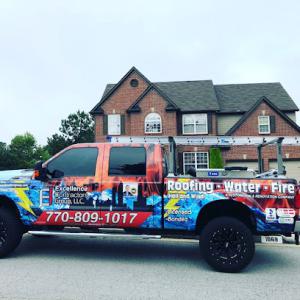
ECG Contractors
(770) 809-1017 ecgcontractors.us
2830 Simpson Cir, Norcross, Georgia
4.5 from 66 reviews
ECG Contractors has over 15 years of experience.We inspire to be one of the best roofing companies in our area. We strive to provide excellent service. Did we mention we are also Trust Dale certified? We do it all. Roof's replacements, siding, gutters, and interior repairs. Give us a call today to set up an appointment. Whether you want your roof replaced or you want to visit our showroom. Come see us!
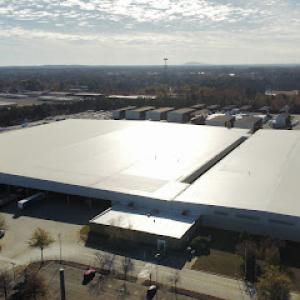
Parsons Roofing
(678) 756-0224 parsonsroof.com
Serving
4.8 from 42 reviews
Parsons Roofing Company is a leading commercial roofing company offering superior solutions through innovative technology throughout the Southeast. Our commitment to providing empirical data allows our team to perform at a level that surpasses industry standards. We take our time to evaluate every property thoroughly so we can offer the best solution for you and your budget. Our experienced management team and seasoned field technicians consistently deliver effective roofing solutions. Our mission is to make roofing easier for our clients. Parsons Roofing stems from the Parsons family, which has been operating businesses in the Metro Atlanta area for more than 100+ years.
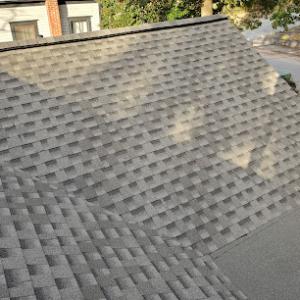
Atlanta Roofing & Remodeling
(770) 256-3444 www.atlantaroofing.com
Serving
4.7 from 66 reviews
Since 1988, Atlanta Roofing has proudly served as a trusted residential and commercial roofing contractor based just north of Atlanta and serving the entire Metro Atlanta area. We provide a full range of services including Roof Replacement, Roof Repairs, Metal Roofing, Skylight Installation, and more. In addition, we offer Home Improvement Solutions such as Siding, Gutters, Decks, Painting, and Driveway work — always with exceptional service, close attention to detail, and fair pricing. We stand firmly behind our work, using only quality materials and superior Workmanship, never compromising standards for higher margins. Our dedication to Excellence has earned us great reviews and an A+ BBB rating year after year.
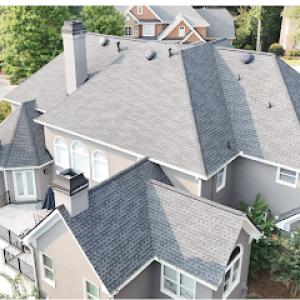
ECL Renovation & Roofing
(678) 920-6098 www.eclrenovationandroofingllc.com
Serving
5.0 from 78 reviews
ECL Renovation & Roofing is proud to work with a licensed and insured team to provide Atlanta and surrounding communities with the highest quality renovation and roofing services.
Shingle Saver
(833) 337-2837 www.shinglesaver.com
Serving
4.9 from 43 reviews
Shingle Saver is a proprietary synthetic silica roof sealing system developed to protect and preserve your asphalt shingles. This service will prevent the expensive cost of having to re-roof your home. Shingle Saver will extend your roof life up to 15 years with a strongest in the business 7 year Roof Safe Warranty. Don't replace your roof, revitalize it!
Rhino Roofing & Construction
Serving
4.9 from 82 reviews
Georgia # 1 trusted roof company, american home owner’s best roof company awards. Best prices, best deals. Taking care of the most precious investment “your home & your family “
Mighty Dog Roofing
(678) 783-8581 www.mightydogroofing.com
Serving
5.0 from 139 reviews
Mighty Dog Roofing specializes in Roofing, Storm Damage Repair, Siding and Windows. A locally owned and operated company is your choice for servicing Central Atlanta. Mighty Dog Roofing is the most trusted name in the roofing industry, offering state-of-the-art 25 point inspections using our GoLive and Drone Superscan technology. This technology, matched with the highest quality products and superior workmanship, allows you to have peace of mind on the most important investment you have - your home. Do you keep your roof “top of mind”? Our Mighty Watchdog Maintenance Program keeps an eye out for any issues today to avoid big repairs or replacements tomorrow.
Perimeter Roofing
(678) 679-2268 perimeterroofing.com
Serving
4.9 from 1370 reviews
Perimeter Roofing is a top-rated roofing contractor based in Duluth, GA, proudly serving Metro Atlanta. We specialize in storm damage roof inspections, roof replacements, and expert help with insurance claims. Our team is trusted by thousands of homeowners across Atlanta for fast, reliable service and unmatched attention to detail. With a 4.9-star Google rating, we’re known for identifying hidden roof damage and ensuring every roof is restored to like-new condition. Call today for a free roof inspection in Duluth or anywhere in the Atlanta area.
The dominant residential materials in Norcross include asphalt shingles, metal roofing, clay tile, concrete tile, wood shingles or shakes, and synthetic or composite shingles. In a hot, humid summer with frequent afternoon storms, each roof type handles heat and moisture differently. Asphalt shingles are common because they tolerate the humidity and offer easy repairs, but they can deteriorate faster under constant sun exposure. Metal roofs shed heat well and resist moisture intrusion, yet some profiles can trap heat if not properly vented. Clay and concrete tiles bring long life and excellent moisture resistance, but their heavier weight and installation demands require structural checks. Wood shakes can look authentic but demand careful moisture management to prevent rot. Synthetic or composite shingles aim to blend ease of installation with durability and moisture resistance. The choice should balance heat tolerance, moisture handling, and how well it seals during late-spring and late-summer rains.
Very high summer heat can affect installation conditions and sealant performance, which is especially relevant when selecting products that rely on proper thermal sealing. In Norcross, sustained heat plus sudden rain can stress roof penetrations, vents, and flashing. Look for systems with robust underlayment and well-sealed joints, especially around dormers, chimneys, and skylights. Metal roofs paired with a reflective coating or lighter color help keep attic temperatures lower, reducing gradient-driven condensation along the deck. Tile roofs are excellent for moisture resistance but require careful installation to avoid cracks from thermal expansion. For asphalt and synthetic shingles, ensure the provider uses high-quality sealants rated for heat tolerance and that valley and ridge sealants are upgraded for humid seasons.
When planning replacement or repairs, verify that the chosen system includes a breathable, moisture-tolerant underlayment and proper attic ventilation to manage heat buildup. In a climate with frequent thunderstorms, consider a roof with reinforced flashing at joints and penetrations, plus storm-grade sealants in critical seams. If choosing metal, discuss panel profiles that minimize water intrusion at overlaps and ensure paint coatings are rated for long-term heat exposure. Clay and concrete tiles benefit from a roof deck that is solid and well spaced for drainage, with clips and fasteners that resist expansion fatigue in heat. Wood shingles should be installed with ventilation and treated to resist rot and mold in humid conditions. Synthetic shingles offer consistent sealing compound performance in heat, but verify warranty terms for exposure to local humidity levels.
In this market, durability comes from a combination of material properties and installation quality. A Norcross-specific approach favors systems that manage moisture effectively, resist heat-driven warping or capillary issues, and maintain reliable seals through the humid thunderstorm season. A well chosen roof type, paired with careful flashing details and quality underlayment, reduces maintenance needs and helps maintain attic comfort year-round.
A full roof replacement in Norcross typically requires a permit handled through the City of Norcross or Gwinnett County building department. The local reality is that permit routing can shift depending on the project scope and the current workload at the respective office. In practice, most homeowners end up submitting through the city when the project is within city limits, but larger or more complex jobs can route through Gwinnett County departments. Start by confirming which agency will issue the permit before ordering materials or scheduling a tear-off. Having the correct permit path lined up helps prevent delays that can stall critical work during Georgia's humid shoulder seasons, when sudden downpours are common and crews are already balancing multiple storm-related repairs around town.
Inspection checkpoints commonly occur at tear-off and again after installation, with inspectors verifying flashing, ventilation, and overall code compliance. In Norcross, attic ventilation and the alignment of downstream components matter as much as the visible surface, because hot, humid summers can highlight improper venting or inadequate underlayment. Plan for the first inspection shortly after the old roofing is removed and the deck is exposed, ensuring that roof penetrations, drip edges, and underlayment are installed to code. The final inspection typically focuses on flashing around chimneys, vent pipes, and dormers, as well as the overall wind uplift provisions for Georgia's storm-prone environment. Bring all manufacturer installation instructions and any engineered details to the job site so the inspector can cross-check specifics quickly.
If the project changes attic ventilation or structural elements, homeowners should expect possible plan review and longer processing depending on department workload. Alterations to soffit or ridge vent configurations, or adding structural components like new supports or sheathing upgrades, can trigger a more thorough review. In Norcross, plan reviews may be needed when changes affect load paths or ventilation calculations, so coordinate with the contractor to flag these items early. Weather patterns can also influence inspection scheduling: a late spring storm could push inspections into tighter windows, while a busy summer can stretch turnaround times. Having ready, organized documentation-permits, approved plans, and a clear ventilation strategy-helps keep the project on track when inspections are due and weather intermittently disrupts progress.
Typical Norcross-area pricing runs about 350 to 700 USD per square for asphalt shingles. In practice, this option stays the most common on the neighborhood's steep-slope roofs because it's affordable and straightforward to install between summer storms. When a hail or wind event hits, expect pricing to shift upward quickly as crews become scarce and demand surges. For a homeowner, this means you'll often see a window of availability tighten after a thunderstorm cluster, so scheduling sooner rather than later helps keep costs predictable.
Metal comes in at roughly 700 to 1400 USD per square in this area. It withstands heavy downpours and humidity well, which is a practical fit for the hot, muggy springs and the way afternoon storms roll through Gwinnett County. If a storm damaged several homes in a short span, you could see temporary delays and higher labor rates as trades converge on Norcross. A metal roof is typically slower to install and may require more precise ventilation planning, but metal's longevity can pay off in humidity-prone summers.
Clay tile ranges from 900 to 2000 USD per square. In Norcross, clay tile can be a strong choice on certain homes with the right roof structure, especially where a Mediterranean or craftsman look matches the neighborhood. The material cost is higher here, and long summer storm periods can push scheduling constraints, which may extend overall project timing. If a wind event damages multiple clay-tile roofs, the labor pool for specialty tile work can tighten, influencing both price and timeline.
Concrete tile runs about 600 to 1400 USD per square. It holds up well to Georgia heat and heavy rain and can mimic the appearance of real clay at a lower price point. Storm surges can tighten labor availability, especially after major wind or hail events, so plan for potential delays in the hottest weeks of the year.
Wood shingles or shakes are typically 600 to 1600 USD per square. They offer a classic look but can require more maintenance in the humid climate and during especially wet springs. After summer storms, you'll see prices rise as crews with specialty carpentry skills are in higher demand, and the installation timeline can stretch if the wood needs extra framing or ventilation considerations.
Synthetic or composite shingles run about 500 to 1100 USD per square. They're a flexible option that can mimic the look of wood or slate while resisting moisture. In Norcross, storm activity can lift costs when emergency scheduling pressure affects labor availability, but these materials often install faster than some natural options, which can help with short-notice projects.
Costs in Norcross can rise when summer storm demand surges after wind or hail events, because emergency scheduling pressure affects labor availability. Permit processing, required inspections, and any ventilation or structural revisions reviewed by the local building department can add time and cost beyond base material pricing. Plan for a realistic window from initial evaluation to completed installation, and keep a prioritized list of affected rooms to streamline decisions if the weather refuses to cooperate.
Don't let upfront costs delay a critical repair - these contractors offer payment plans to fit your budget.
Local inspections in Norcross specifically focus on flashing and ventilation, signaling that these are recurring quality-control points in area roof replacements. If a project drags on or an inspector spots a seam that looks questionable, you can expect the entire job to be reworked to meet the standard. In practice, that means paying close attention to the details where different materials meet and where air and water flow through the attic.
Frequent rain combined with high humidity in Norcross increases the consequences of poor flashing details because small water-entry points can stay wet longer. A seemingly minor flashing gap at a chimney, vent pipe, or dormer can soak through wood sheathing or insulation over days, especially during extended wet spells. The result is not just a drip on the ceiling but a longer-lasting moisture problem that invites rot and mildew behind finished ceilings and walls. That delayed reality can creep up after a storm season has passed, making proactive flashing work essential rather than optional.
Projects that alter attic venting may trigger added plan review locally, so ventilation upgrades need to be scoped correctly before permit submission. Changes to the attic's airflow can shift how moisture moves through the roof system, affecting everything from ridge and soffit vent balance to the performance of underlayment. A mismatched upgrade can complicate inspections or lead to retrofits that cost more later. Before touching venting, map the existing system, confirm intent with the inspector, and align the plan with the expected climate stresses of humid summers and rain-heavy months.
In practical terms, look for flashing details around valleys, chimneys, skylights, and roof-to-wall interfaces. Run through a mental checklist after rains: Is there staining along the flashing line? Do attic soffits vent air freely, or is anything obstructed by insulation or debris? If anything looks marginal, plan for a careful reflash and a venting assessment that supports long-term dryness rather than quick cosmetic fixes.
Find contractors experienced in skylight installation, flashing, and leak repairs to bring natural light into your home.
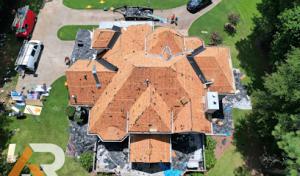
Arise Roofing & Restoration
(844) 600-9697 www.ariseroofing.com
831 S Peachtree St, Norcross, Georgia
5.0 from 88 reviews
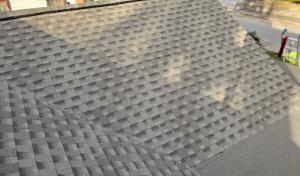
Spring and fall are the preferred replacement seasons in Norcross because they usually reduce exposure to the city's summer heat and frequent rain. With milder temperatures and calmer humidity, asphalt shingles or metal can lay down more evenly, and long-day sun won't bake adhesive seals. This timing helps shingles seat properly and minimizes storm-related surprises.
Fall and spring rains can still delay progress locally, so project timelines in Norcross should include weather contingency days even in preferred seasons. Thunderstorms can roll in quickly, forcing crew to pause and protect exposed roofing areas. Expect occasional back-and-forth scheduling between dry spells and brief rain windows.
Rare winter cold snaps and occasional icing in northern Gwinnett can slow scheduling and installation even though winter is not the city's main roofing season. Freezing mornings slow nail setting, and icy conditions can make roof access hazardous. If a replacement begins in late fall or winter, plan for extra daylight hours and potential pauses for freezing temps.
Steep-slope homes common in the area respond well to mid-season starts when crews can safely manage angles and pitch. For metal or concrete tile options, reliable ventilation and substrate checks matter; beginning repairs after a dry spell helps avoid repetitive moisture exposure. Avoid the peak heat of July if possible to keep adhesive and fasteners from degrading.
A thorough neighborhood-grade inspection should align with seasonal windows. If storms cause hail or wind damage, document and photograph specific impacts during the next lull in weather. Quick, accurate assessments lead to targeted repairs, reducing the chance of rework when temporary protection is necessary during a later window.
Warranties in a wind and hail heavy environment like this carry more weight than a standard roof claim, but they also demand vigilance. When a Norcross roof is repaired or replaced after an insurance loss, the warranty terms need to stay clear about what is covered if another weather event hits soon after. The goal is to prevent gaps where flashing, vents, or underlayment become the contractor's problem one year and the homeowner's problem the next.
The local contractor market includes a meaningful but smaller group advertising warranties compared with the much larger number competing on storm response and re-roofing volume. That dynamic can blur lines between workmanship guarantees and material manufacturer warranties. You should expect clear documentation that ties every warranty promise to specific workmanship steps, including flashing details and vent sealing, rather than broad assurances that lack actionable scope.
Post-install inspection in the Norcross permitting process gives homeowners a local checkpoint to match completed work against warranty promises on flashing and ventilation. Schedule this inspection promptly after a storm-led project finishes, and use the opportunity to verify that every metal flashing seam, step flashing at valleys, and vent boot has been correctly integrated with the new roof system. A sign-off that confirms alignment with the intended warranty coverage can spare disputes later.
In practice, warranty clarity means understanding who covers what after a claim-and for how long. Insist on a written, itemized warranty that names each major component: shingles or panels, flashing, vents, underlayment, and workmanship. If a storm can influence the roof repeatedly, a true warranty should specify repair thresholds, maintenance expectations, and the remedies available if exterior conditions hasten deterioration. In this market, a careful homeowner keeps both the roof and the warranty honest, protecting the replacement long after the thunderstorm roar fades.