
Last updated: Apr 19, 2026
Spring hail and summer thunderstorms sweep through this area with a frequency that makes rapid post-storm action non-negotiable. The local contractor market clusters around insurance claims, storm damage, and emergency repair, so your timing is everything. When a storm hits, your first move is to get eyes on the roof within the same day if possible. A small leak can turn into a soaked attic or rusted nails in minutes, especially on steep slopes common to Tucker's housing stock. Do not wait for every drip to worsen before you call for help; the clock runs against hidden damage and potential interior leaks after the next rain event.
Because insurers in Georgia often ask for roof age history, photos, and mitigation documentation, you should start gathering records immediately after the storm. Photograph every visible sign of damage from ground level and, if safe, from a ladder or drone footage that clearly shows missing shingles, lifted edges, granule loss, fascia wear, and any signs of hail impact. Maintain a dated log of observed leaks, attic staining, or buckling underlayment, and keep a folder for correspondence with your insurer and contractor. If temporary tarping or board-up is necessary, capture that setup with time-stamped photos and note the date it was installed. The goal is to present a clean, organized narrative to the adjuster that minimizes back-and-forth and accelerates the claim.
In this corridor, quick, targeted repairs can prevent further interior damage while the claim unfolds. Prioritize stopping active leaks and securing any roof penetrations that could widen with subsequent storms. If a temporary patch is advised, ensure it covers the area fully and is weatherproofed to withstand the next shower. Use tarps or proper sealing materials designed for steep-slope systems, and document the temporary fix with photos and a short description of what was done and why. Communicate clearly with the contractor about the urgency: a leaky roof today can become a larger, costlier repair tomorrow if moisture rides into the attic or ceiling structure.
Coordinate directly with the adjuster early and stay hyper-organized. Provide the requested documentation promptly: detailed photos, a record of dates and damages, and the mitigation steps already completed. If an adjuster schedules a visit, be ready to show them the leak trend, the visible storm-related damage, and the immediate repairs performed. In a storm-heavy market like this, adjusters expect a concise, well-documented file. If questions arise about roof age or prior conditions, share the complete, organized history you've compiled to avoid back-and-forth delays.
Expect a rapid influx of calls after a major storm, and brace for potential scheduling pressure. The best local response pairs a credentialed contractor with an insurance-friendly workflow: someone who can document, photograph, and articulate damage in a way that aligns with Georgia claim expectations while delivering urgent, quality temporary protections. Track every interaction, confirm appointment times in writing, and keep all receipts and notes centralized. In this environment, clarity and speed aren't optional; they're the difference between a fast, smooth claim and a drawn-out process with competing estimates.
Find local contractors experienced in assessing and restoring roofs after hail, wind, and severe weather events.
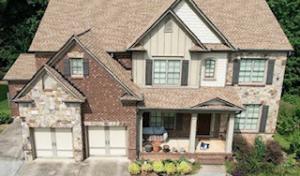
Excellent Top Roofing
(678) 683-3452 excellenttoproofing.com
2227 Idlewood Rd suite 9, Tucker, Georgia
5.0 from 91 reviews

American Eagle Roofing & Renovations
(404) 820-4443 www.americaneagleroof.com
Tucker, Georgia
5.0 from 44 reviews
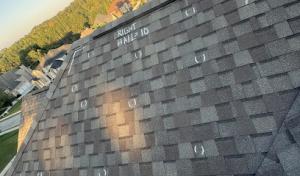
HEO Restoration Services
(678) 799-1572 www.heorestorationservicesllc.com
2227 Idlewood Rd STE 8, Tucker, Georgia
5.0 from 29 reviews
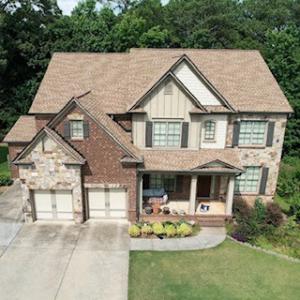
Excellent Top Roofing
(678) 683-3452 excellenttoproofing.com
2227 Idlewood Rd suite 9, Tucker, Georgia
5.0 from 91 reviews
Here at Excellent Top Roofing, We are committed to delivering the highest quality materials and craftsmanship, ensuring that every roof we install not only protects but also adds value to your home. Our dedication to customer satisfaction drives us to exceed expectations and build lasting relationships within the community.

American Eagle Roofing & Renovations
(404) 820-4443 www.americaneagleroof.com
Tucker, Georgia
5.0 from 44 reviews
American Eagle Roofing and Renovations provides professional residential roofing,siding,gutters, renovations( interior, exterior painting) bathroom remodeling, kitchen) in the Atlanta area.
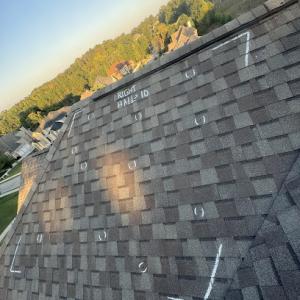
HEO Restoration Services
(678) 799-1572 www.heorestorationservicesllc.com
2227 Idlewood Rd STE 8, Tucker, Georgia
5.0 from 29 reviews
HELPING EACH OTHER
Gmg Roofing Division
(678) 469-6634 www.gmgroof.com
4396 Lawrenceville Hwy, Tucker, Georgia
4.9 from 37 reviews
GMG Roofing Division, located in Tucker, GA, offers comprehensive roofing services for both residential and commercial clients. Our licensed and insured team specializes in roof installations, repairs, and replacements, ensuring quality craftsmanship and long-lasting results. Dedicated to customer satisfaction, we provide personalized solutions to meet your roofing needs. Trust GMG Roofing Division for reliable, efficient, and expert roofing services. Contact us today for a free estimate!
Real Contracting
4405 Cowan Rd suite a, Tucker, Georgia
5.0 from 5 reviews
Take Care of Your Home’s Exterior in Tucker, Decatur, and Snellville GA as well as the Atlanta Metro Area CONTACT A PROFESSIONAL FOR ROOFING REPAIRS, PAINTING AND MORE Whether you need services due to storm damage or age, taking care of the exterior of your home or office should be your top priority. From your roof to your garage door, a lot of your property’s features offer a layer of protection for everything that’s inside, including your family, employees and belongings.
RST Roofing & Renovations
(404) 548-8901 rst-roofing.com
Serving
4.9 from 95 reviews
RST Roofing and Renovations provides the highest quality roof repair and replacement services in Atlanta, Georgia. Our expert team at RST Roofing has years of experience and specializes in handling all of your roofing, gutter, and exterior siding needs for residential and multi-family homes.
Deerfield Roofing
(770) 788-7663 www.deerfieldroofing.com
Serving
5.0 from 45 reviews
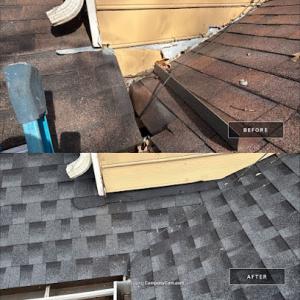
We help stressed homeowners save money on costly repairs by delivering reliable, skilled workmanship that transforms their roof into a durable safe home.
ECL Renovation & Roofing
(678) 920-6098 www.eclrenovationandroofingllc.com
Serving
5.0 from 78 reviews
ECL Renovation & Roofing is proud to work with a licensed and insured team to provide Atlanta and surrounding communities with the highest quality renovation and roofing services.
Atlanta Expert Roofing Solutions
(404) 382-7707 atlantaersroofing.co
Serving
5.0 from 119 reviews
GAF CERTIFIED RESIDENTIAL ROOFING CONTRACTOR A+ BBB Rated 5 Stars guaranteed Licensed and Insured One Day installations on most roofs Offer full scale residential restoration 50 year GAF System Plus warranty Insurance Recovery Specialists Locally owned and operated 15 years experience Free storm damage inspection
Shingle Saver
(833) 337-2837 www.shinglesaver.com
Serving
4.9 from 43 reviews
Shingle Saver is a proprietary synthetic silica roof sealing system developed to protect and preserve your asphalt shingles. This service will prevent the expensive cost of having to re-roof your home. Shingle Saver will extend your roof life up to 15 years with a strongest in the business 7 year Roof Safe Warranty. Don't replace your roof, revitalize it!

Mighty Dog Roofing
(678) 783-8581 www.mightydogroofing.com
Serving
5.0 from 139 reviews
Mighty Dog Roofing specializes in Roofing, Storm Damage Repair, Siding and Windows. A locally owned and operated company is your choice for servicing Central Atlanta. Mighty Dog Roofing is the most trusted name in the roofing industry, offering state-of-the-art 25 point inspections using our GoLive and Drone Superscan technology. This technology, matched with the highest quality products and superior workmanship, allows you to have peace of mind on the most important investment you have - your home. Do you keep your roof “top of mind”? Our Mighty Watchdog Maintenance Program keeps an eye out for any issues today to avoid big repairs or replacements tomorrow.

Arise Roofing & Restoration
(844) 600-9697 www.ariseroofing.com
Serving
5.0 from 88 reviews
We build roofs and relationships that last! At Arise Roofing and Restoration—we’re more than just a roofing company—we’re a team of passionate individuals dedicated to building lasting roofs and relationships. Not only have we spent decades perfecting our craft and workmanship in the roofing and restoration industry but we’ve worked on the insurance side, too—learning the ins and outs on how insurance claims are processed. With this knowledge on your side, you can rest assured that you are getting the most out of your insurance policy. -Residential Roofing -Commercial Roofing -Claims Handling Assistance -Contractor Services Contact Us Today!
Tucker's hot, humid summers and frequent storms push you toward roofing windows that stay durable under heat and heavy rain. The spring and fall windows are when you want to wrap up projects, so you avoid peak heat stress and the likelihood of storm delays. In this climate, vented skylights, fixed skylights with energy-efficient glazing, and undermounted curb-mounted options tend to perform best when paired with roof materials common to the area, like steep-slope shingle applications or tile systems. The goal is to balance daylight, ventilation, and weather resistance without inviting heat gain or moisture intrusion during monsoon-like downpours.
Clay and concrete tile roofs, plus metal and premium steep-slope options, demand window choices that match the profile and expansion characteristics of the roof. For clay or concrete tile, select skylights with rot-resistant framing and gasket systems designed to resist expansion and contraction cycles. Metal roof penetrations benefit from flashing assemblies that maintain a watertight seal as temperatures swing from hot afternoons to cool, stormy evenings. If a home already features slate or copper accents, pairing those with low-profile or flush-mount skylights helps preserve the roofline's rhythm and reduces wind resistance during severe thunderstorms.
Spring hail activity and heavy rain in the Atlanta metro can interrupt deliveries and inspection timing in Tucker, especially during active storm stretches. Coordinate with the installer to place pre-fabricated, weatherproof curb adapters where possible, and ensure flashing clips are compatible with the existing roof profile. In busy months, expect shorter on-site windows for each task-measure twice, seal once. Plan the most weather-resilient sequence: dry-in the skylight unit when possible, then complete flashing and interior finishing during a window of dry weather. When a storm front looms, a temporary tarping plan protects the roof opening and reduces the risk of water intrusion.
Occasional winter cold snaps in north-central Georgia can slow installation and affect adhesive-based roofing products even though Tucker winters are generally mild. If a project runs into late fall or early spring, consider skylights with mechanically fastened, non-adhesive sealants as a backup. For installations during cooler spells, ensure sealants have rated performance in lower temperatures and can cure properly once temperatures rise. Venting skylights with frost-resistant hardware prevent condensation issues when mornings are dew-heavy and nights remain chilly.
When choosing a roof window, sizing matters more than ornamental flair in this market. A properly sized skylight adds daylight without producing glare in the peak afternoon heat. For steeper roof pitches common in Tucker, avoid overly tall units that require excessive flashing work. Favor units with tempered or laminated glass for impact resistance, especially in neighborhoods with mature trees and higher storm risk. Ensure the supplier provides a comprehensive rain-and-wash warranty, because variable spring storms can stress seals after multiple cycles. If a home already has a premium material like slate or copper, aim for a seamless transition where the window frame color and finish echo those metals to maintain curb appeal.
In this market, asphalt shingles are the dominant practical choice, especially for newer and mid-range homes. But the surrounding neighborhoods also show a thoughtful mix: metal for premium or retrofits, clay and concrete tile on higher-end or older homes, and even slate or copper on standout properties. When choosing materials, consider how each aligns with the house's footprint, roof pitch, and the way the lot shields the structure from direct sun and storms. Asphalt remains the most forgiving option for speed, availability, and repairability, while metal or tile can offer longer life in visible, high-traffic eaves where an older home benefits from a refreshed historic look or a stronger hail resistance profile.
Tucker's humid summers push attic heat and moisture into the roof system more aggressively than drier climates. That makes attic ventilation and underlayment performance crucial, regardless of material. For asphalt shingles, ensure the roof deck has adequate ventilation paths and a high-quality underlayment that resists moisture migration. Metal roofs, clay tile, and concrete tile demand careful attic detailing too, because heat trapped above the deck can accelerate shingle aging on any remaining gaps and can alter the way flashing behaves around hips, valleys, and skylight penetrations. In practice, this means choosing a breathable, mold-resistant underlayment and pairing it with ridge and soffit vents that match the roof's pitch and exposure to late-summer storms. A well-ventilated attic also helps preserve the deck, reducing the risk that moisture seeps into sheathing and leads to rot or fastener corrosion.
Storms and hail are common threads in this region, so the selection should balance impact resistance with repair practicality. Heavier materials like clay tile, concrete tile, and slate offer impressive life spans and a distinct look, but they require careful structural assessment. In Tucker, replacement planning for these materials often involves not just the roof surface but also how the existing framing carries the load, plus flashing strategies around vents, chimneys, and skylights. Metal roofing can be a strong hail survivor, yet it demands precise fastening and ridge detailing to prevent leaks after high winds. Copper and slate produce striking curb appeal but come with higher upfront workmanship requirements; ensuring proper substrate, nail patterns, and flashing integration is essential. For asphalt shingles, the focus is on wind uplift resistance, nail placement, and maintaining a solid vapor barrier under the shingle layer to keep interior conditions stable after a storm.
When evaluating options, consider long-term performance in this climate and the architectural character of your home. If a premium material is chosen for historic context or visible elevations, plan for the additional structural checks and flashing detail that heavier or more intricate systems require. For any material, insist on a roof assembly that emphasizes airtight underlayment, robust ventilation, and storm-ready flashing. A well-coordinated system across deck, attic, and fascia minimizes the risk of moisture intrusion and reduces post-storm repair complexity, helping you restore protection quickly after severe weather.
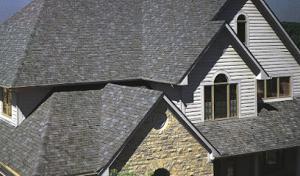
The most popular roofing material in the US. Find pros who install, repair, and replace asphalt shingles.


Full reroofs in Tucker typically require a building permit issued through DeKalb County rather than a separate city-only roofing process. That means the project isn't just about your roof; it's about aligning with county-wide codes, plan reviews, and a formal permit trail. Expect the process to start with a permit application, a set of drawings or specifications for the new roof, and potentially a notice of any required structural or venting updates. Missing or incomplete submittals can slow things down, so gather the relevant details early.
Inspections commonly occur during the project for underlayment and venting and again at final, with county reviewers checking overall code compliance before closeout. During the build, a county inspector will verify that underlayment is properly installed, flashing is correctly integrated, and venting meets local standards for airflow and moisture control. At the final inspection, expect a comprehensive review to confirm the roof meets structural and fire-safety requirements, and that the installation aligns with the approved plans. If anything isn't up to spec, the inspector will require corrections, which can extend the timeline and add labor.
Tucker homeowners should expect processing time and should be prepared for documentation requests tied to wind-mitigation or insurer requirements during or after the permit cycle. Wind-mitigation documentation can be a common add-on for claims and in some cases may influence your insurer's perspective on the reroof, so have contemporary photos, permit numbers, and any approved wind-resistance details ready. County reviewers may ask for narrative explanations of the chosen materials, fastening methods, and any upgrades to prevent storm-related damage. Delays often hinge on admin checks, so keeping your contractor's paperwork organized can help you avoid hold-ups.
Coordinate a timeline that accounts for permit processing, inspections, and potential weather-related scheduling shifts. Communicate clearly with the contractor about when inspections are planned and what is expected for each stage. If surprises arise-like a request for additional documentation-address them promptly to minimize disruption and keep the reroof moving toward its final closeout.
In Tucker, typical pricing follows the ranges provided, with asphalt shingles at 350 to 650 USD per square, metal at 650 to 1300, clay tile at 800 to 1800, concrete tile at 800 to 1500, slate at 1100 to 2500, and copper at 1500 to 4000. These figures reflect the local mix of homes-steep-slope reroofs are common, and premium materials appear on established neighborhoods with longer service lives. When budgeting, use these ranges as a baseline and factor in roof complexity, attic ventilation, and existing deck or underlayment conditions.
Costs in Tucker can rise after major Atlanta-area storm events when reroof demand spikes across DeKalb County and scheduling pressure affects labor availability. Thunderstorms and hail are frequent enough to trigger multiple insurance claims in a short window, which can push lead times from two weeks to several weeks. If a storm hits, you may see crews prioritizing speed over finish quality on marginal projects; confirm with your contractor that the crew is using proper water-shedding, attic protection, and tear-off procedures to avoid weather-related damage to the interior.
Premium-material projects in Tucker often cost more because tile, slate, and copper require more specialized labor and detailing than the area's more common asphalt reroofs. Tile and slate demand precise roof deck preparation, specialized fasteners, and careful flashing around chimneys and vents. Copper, while striking, adds not only material cost but extended lead times for fabrication and delicate handling on steep slopes. If a homeowner's schedule is tight after a storm, discuss with the pro whether a high-quality asphalt or metal option could meet durability goals while reducing downtime and labor bottlenecks.
Begin with a quick inspection to identify loose shingles, punctures, and obvious water intrusion. Get two or three written estimates to compare scope and sequence of work, not just price. Ask for a clear breakdown: tear-off, underlayment, flashing, vent work, and finish details like ridge caps or sealant around penetrations. For premium materials, request a detailed production schedule and confirm anticipated arrival times for tiles, slate, or copper. Finally, document hail or wind damage with photos and keep insurer communications organized to support timely decisions and scheduling in the wake of a storm.
Don't let upfront costs delay a critical repair - these contractors offer payment plans to fit your budget.

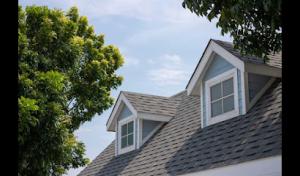
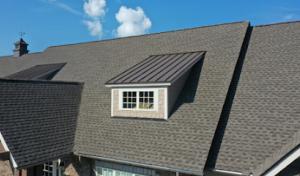
Georgia's high storm claim activity influences how insurers approach roofs in Tucker. When thunderstorms rumble through DeKalb County, insurers tighten the lens on roof age, prior repairs, and the quality of storm documentation. If the roof has seen multiple quick fixes or signs of wear, the adjuster may question the overall condition and the timeline of deterioration. The local pattern means you should expect closer scrutiny, especially after hail events or strong winds. Prepare for a slower, data-driven process that weighs every prior patch against current damage.
Insurers may request dated photos, maintenance history, and wind or hail mitigation records before fully processing or closing a roof claim. In a neighborhood with mixed ages and materials, those records can make or break a claim resolution. Gather photos taken before and after storms, timestamps on all images, and any receipts or notes from prior maintenance. If you have a metal, tile, or premium roof, document the environment around the home-trees, nearby structures, and any shingle granule loss that appears when a storm passes. Clear, organized documentation helps minimize back-and-forth and reduces the risk of surprise questions delaying closure.
In some claim situations affecting Tucker properties, adjusters may require the reroof to be completed before claim closure. That creates a strong incentive to align the repair schedule with insurer expectations. Contractor documentation and permit closeout become especially important in this context. Communicate early with both the roofing team and the adjuster to map out a realistic timeline, confirm which storm-related damages will be covered, and ensure that the project scope matches the insurer's notes. If a closure date is anticipated, you'll want clear records showing completion milestones, the sequence of inspections, and confirmation that the new roof aligns with the observed damage narrative. This careful coordination helps prevent delays or disputed conclusions after the final paperwork is submitted.
In Tucker's storm-prone climate, wind-lifted shingles are a common post-thunderstorm concern. Look for lifted edges, creased tabs, and gaps along eaves and hips where wind pressure can peel the surface granules and exposeunderlayment. Address small lifts quickly to prevent moisture intrusion and further edges from peeling.
Flashing failures around valleys, chimneys, and roof-to-wall transitions drive most localized leaks after a storm. Salt air corrosion and heat clash with sealants, so conduct a careful inspection after heavy rain for uneven sealant beads, loose metal, or exposed fasteners. Reseal and resecure suspect areas before the next storm season to minimize water intrusion.
Leak entry around penetrations-vents, plumbing stacks, skylights, and satellite dishes-is a frequent Tucker issue following hail and heavy rain. Inspect flashing around these points for gaps, broken mastic, or misaligned sealants. If seals show dryness or cracking, replace flashing or install secondary sealant to slow moisture movement toward attic spaces.
Humidity and heat in the Atlanta area amplify issues from poor ventilation and underlayment defects. Inadequate attic ventilation can trap humidity, accelerating shingle aging and moisture problems beneath the roof covering. Check soffit and ridge vents for obstructions and confirm underlayment remains intact where shingles meet the deck.
Skylights and similar openings need close inspection after storms because repeated heavy rain can expose seal and flashing weaknesses. Look for water staining around seals, loose flashing, or intermittent drips after a storm. Tighten, reseal, or replace compromised components to curb recurring leaks.
Find contractors experienced in skylight installation, flashing, and leak repairs to bring natural light into your home.

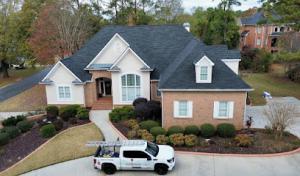
Low-slope sections are less common in the local housing mix, but when a new addition includes a flat or low-slope roof, drainage and membrane detailing become essential. In this climate, a reliable edge drainage plan helps prevent ponding and ice dams during rare cold snaps. The profile here favors practical detailing: a proper break from the steep-slope roof, integrated flashing, and compatible seam systems that can live with the nearby transitions.
Although the local market leans toward steep-slope reroofing, the handful of flat or low-slope projects relies on membranes that can handle Tucker's thunderstorm-driven moisture. Select a membrane with proven performance in a regional climate, and coordinate flashing with the adjoining roof to avoid mismatches at transitions. Roof coatings appear as a niche service, so reserve coating solutions for select restoration cases rather than full replacements on low-slope additions.
A primary concern for low-slope additions is managing water away from seams and deck penetrations. Ensure a continuous, elevated edge drain and verify that the internal gutters feed toward a reliable downspout network. Since flat sections exist only in a minority of homes, it helps to document the exact slope, ballast choices, and any insulation differences between the addition and the main roof. These specifics guide the selection of fasteners, sealants, and vapor barriers.
Storm events in the region amplify the need for solid documentation when a low-slope addition is affected. Photograph the membrane condition after storms, keep a log of any detected ponding, and coordinate with insurers or adjusters who understand flat-roof risks. A clear record of membrane type, edge details, and drainage paths helps ensure fast, accurate evaluations and reduces back-and-forth during storm-season claims.
Find specialists in TPO, EPDM, and built-up flat roofing systems for residential and commercial properties.
Excellent Top Roofing
(678) 683-3452 excellenttoproofing.com
2227 Idlewood Rd suite 9, Tucker, Georgia
5.0 from 91 reviews
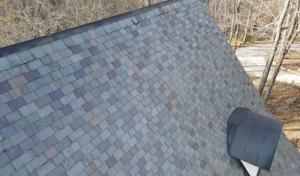
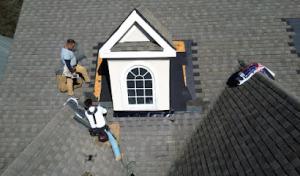
The Tucker market favors reroofing specialists who advertise cleanup, quick response, and affordability rather than pure commercial or new-construction firms. When a storm hits, neighbors expect crews that show up prepared to protect landscaping, driveways, and the home envelope while they work. Look for a contractor whose marketing highlights debris removal and site tidiness as a core promise.
Because storm work is so prevalent, homeowners should prioritize contractors who can manage insurer documentation and closeout tasks without leaving paperwork gaps. Ask how they assemble wind and hail claim support, photos from every angle, and a clear record of materials used. A firm that can bundle permit packages and insurer forms into a single handoff saves you time and reduces misfilings.
Established, family-owned, and locally rooted firms are visible in Tucker's market signals, suggesting that reputation and responsiveness carry weight. Visit a few recent jobs in your neighborhood, note whether crews leave the site clean and safe, and whether the same project manager returns calls promptly. A consistently reachable team often reflects stable staffing and accountable service.
When you request bids, require a detailed timeline, a line-by-line scope of work, and a dedicated point of contact for insurance coordination. Favor bidders who offer a transparent communication plan, visible supervisory oversight, and a clear process for storm-season scheduling. The best contractor becomes a reliable partner rather than a one-off crew.